The Nebraska Record Walleye Compared to the World Record
We all dream of that monster fish, don't we? The one that pulls like a freight train, bending your rod to its breaking point, and then, when it finally surfaces, it's bigger than anything you've ever seen. For Nebraska walleye anglers, the pinnacle of that dream often revolves around the state record. But how does our local legend stack up against the absolute biggest walleye ever caught worldwide? It's a question that sparks awe and a little bit of wonder, and in this guide, we're going to dive deep into that very comparison, giving you the real scoop on these incredible fish and what it means for your own walleye pursuits here in the Cornhusker State.
Nebraska's Walleye King: The State Record
Nebraska's angling community has a deep respect for the state record walleye. It's not just a number on a wall; it represents years of dedication, perfect conditions, and a healthy fish population. The current Nebraska state record walleye is a truly impressive specimen, a testament to the quality of our waters and the potential for trophy fish right here in our backyard.
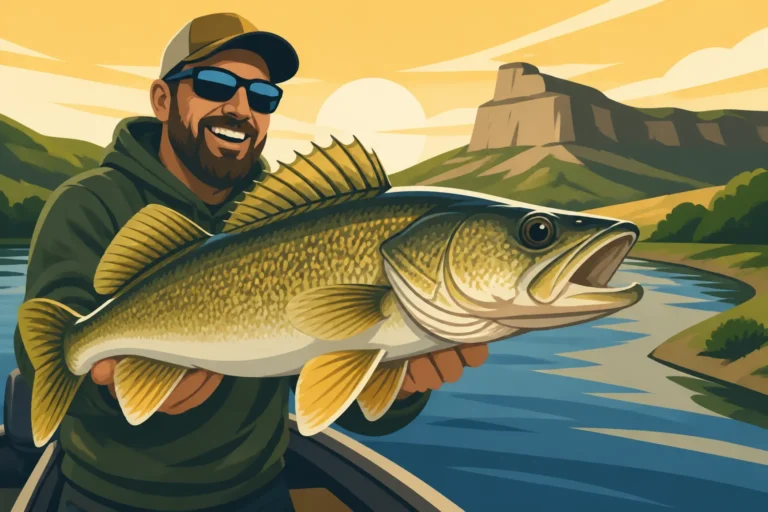
This magnificent fish weighed in at a hefty 16 pounds, 2 ounces, and measured a remarkable 33 inches long. It was caught way back in 1961 by angler Rudolph Kaiman at Lake McConaughy. Think about that for a moment – 1961! That record has stood for decades, a true benchmark for every walleye angler who has cast a line into Nebraska waters since. It speaks volumes about the enduring legacy of Lake McConaughy as a premier walleye fishery. Anglers consistently return to "Big Mac" hoping to etch their name into the record books, or at least come close to Kaiman's incredible feat. The fact that it has stood for so long only adds to its legendary status, proving that catching a walleye of that caliber isn't just about luck, but also about the immense potential within a well-managed fishery.
Lake McConaughy, with its vast expanse and deep, clear waters, provides an ideal habitat for walleye to grow to enormous sizes. The abundance of forage fish, like gizzard shad and alewives, allows walleye to pack on the pounds over many years, turning them into true giants. Knowing the history behind this record gives us a tangible goal to aim for, even if it feels like a monumental task. It inspires us to learn more about Lake McConaughy Walleye Fishing and the techniques that might just put a trophy on our line.
The Elusive World Record Walleye
Now, let's talk about the world record walleye – a fish of mythical proportions that casts a long shadow over every other catch. The recognized all-tackle world record walleye is an absolute beast, tipping the scales at an astounding 25 pounds, 0 ounces. This monumental fish was caught in 1960 by Mabry Harper from Old Hickory Lake in Tennessee.
Just comparing the numbers, you can see the sheer difference in size. While Nebraska's record is truly phenomenal, the world record pushes the boundaries of what most anglers can even imagine. This fish is a testament to extraordinary circumstances, perfect environmental conditions, and perhaps a touch of pure, unadulterated luck. Old Hickory Lake, known for its deep channels and abundant prey, created a perfect storm for a walleye to reach such an incredible size.
The world record isn't just a bigger fish; it's a different league entirely. To achieve such a size, a walleye would need to live for an exceptionally long time, avoiding predators, disease, and the lines of countless anglers. It would require a consistent, rich food source, and water conditions that allow for optimal growth year after year. For most of us, catching a fish even half that size is a lifetime achievement, which just goes to show the almost unbelievable nature of the world record. It's a reminder that while records are there to be broken, some records stand as enduring monuments to nature's incredible capacity.
Comparing the Giants: Nebraska vs. the World
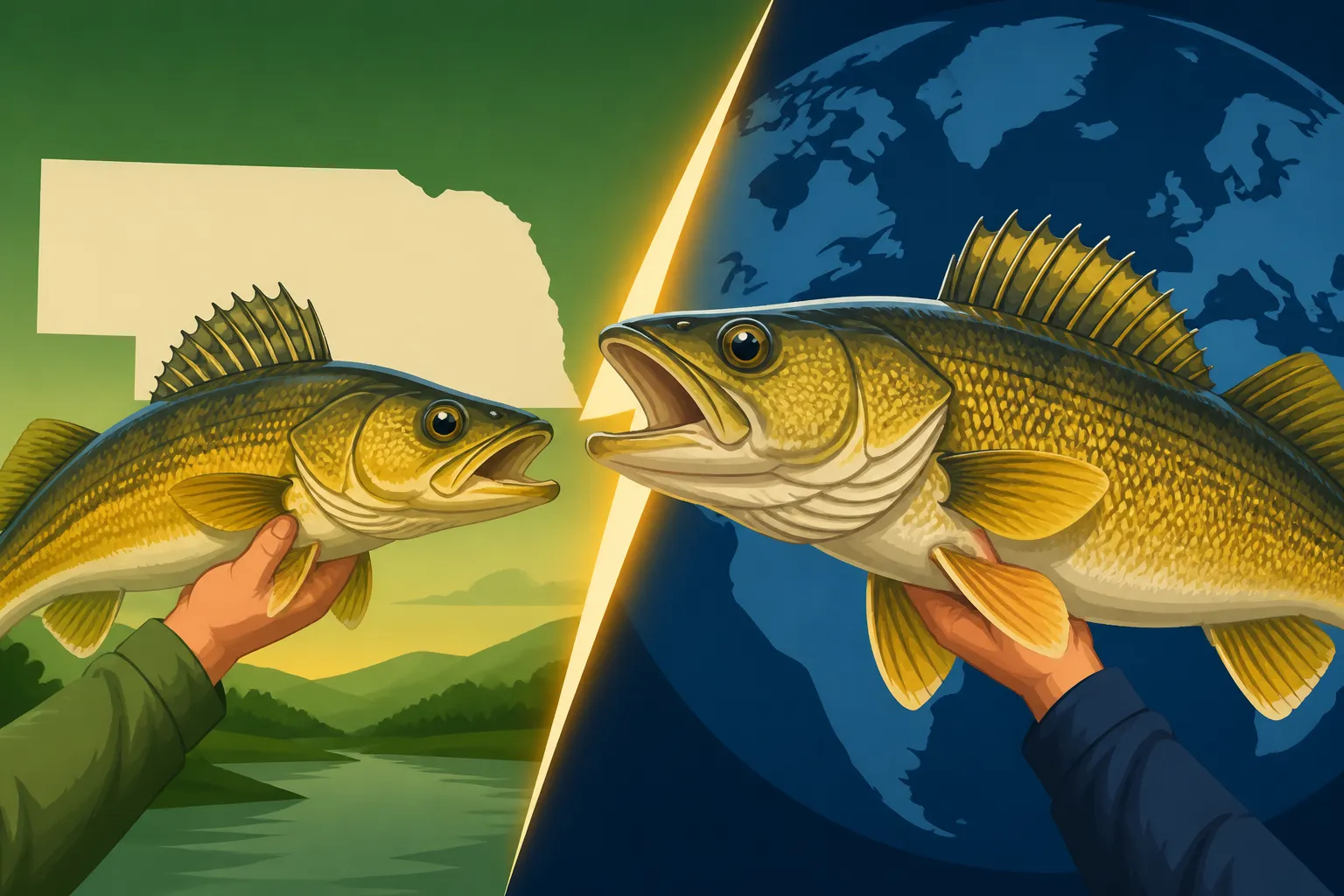
When you stack Nebraska's state record walleye against the world record, the difference is clear, yet both are incredible achievements in their own right. Our state record is a giant among Nebraska walleye, but the world record is a true titan among all walleye, regardless of location. Let's break down the comparison.
Weight and Size Disparity
The most obvious difference is the weight. Nebraska's record sits at 16 pounds, 2 ounces. The world record is a full 25 pounds. That's a difference of nearly 9 pounds! In the world of fishing records, an extra 9 pounds on a walleye is an astronomical leap. Imagine adding another healthy, mature walleye to our state record fish – that's roughly the difference we're talking about. This size gap often comes down to regional factors, specific forage bases, and the age structure of the walleye populations. While Nebraska has fantastic walleye fisheries, the unique combination of factors that produced the world record might be a once-in-a-century event in a particular body of water.
Location and Environmental Factors
Both record-breaking fish came from large reservoirs, highlighting the potential these expansive waters have for producing giant walleye. Lake McConaughy, with its vast, nutrient-rich waters and ample forage, allows walleye to grow large. However, Old Hickory Lake likely provided an even more favorable combination of consistent food supply, optimal temperatures, and perhaps fewer natural predators or fishing pressure during the time the world record fish was growing to its colossal size.
It's also worth noting the era. Both records were set in the early 1960s. Fishing pressure, techniques, and even fish management practices have evolved significantly since then. While modern angling gear and electronics give us an edge today, the sheer size of those historic fish remains awe-inspiring.
Here’s a quick overview of how these two legendary catches stack up:
| Category | Nebraska State Record Walleye | World Record Walleye |
|---|---|---|
| Weight | 16 pounds, 2 ounces | 25 pounds, 0 ounces |
| Length | 33 inches | (Not consistently reported for world record, but estimated significantly longer) |
| Location Caught | Lake McConaughy, Nebraska | Old Hickory Lake, Tennessee |
| Year Caught | 1961 | 1960 |
| Angler | Rudolph Kaiman | Mabry Harper |
While the world record is undoubtedly larger, the Nebraska record is a formidable achievement and speaks volumes about the trophy potential within our state. It provides a thrilling local target for serious anglers.
Chasing the Dream: What It Takes to Catch a Trophy Walleye in Nebraska
Even if the world record seems like a distant fantasy, catching a true trophy walleye in Nebraska is a very real, attainable goal for dedicated anglers. It requires understanding walleye behavior, knowing where to fish, and employing the right techniques. You're not just fishing for dinner; you're hunting for a fish of a lifetime.
Top Nebraska Walleye Hotspots
While Lake McConaughy holds the record, it's not the only place to find big walleye in Nebraska. Other excellent fisheries consistently produce large fish. Reservoirs like Harlan County Reservoir, Sherman Reservoir, and Merritt Reservoir are also known for their impressive walleye populations and potential for trophy catches. Each of these lakes presents unique challenges and opportunities, often depending on the time of year and current water conditions. Exploring different spots increases your odds and also broadens your angling experience. For a deeper dive into specific locations, check out Best Nebraska Lakes for Walleye.
Mastering the Right Techniques
Trophy walleye are often more elusive and wary than their smaller counterparts. They've grown large by being smart! This means you need to be precise with your presentations. Trolling with crankbaits or crawler harnesses is a highly effective method, especially in large reservoirs like McConaughy. Varying your speed, depth, and lure color until you find what triggers a bite is key. When the fish are holding to structure, jigging with live bait or artificials can be incredibly productive. Vertically jigging over deep humps, points, and submerged timber often yields bites from bigger fish.
Another crucial aspect is understanding Nebraska Walleye Spawning Season and how it impacts fish behavior. Post-spawn, walleye are often hungry and aggressive, making it a prime time for trophy hunting. Similarly, understanding Nebraska Fishing Seasons Explained can help you time your trips for maximum success. Don't be afraid to experiment with different baits; sometimes, a subtle change can make all the difference. Many anglers find success with a variety of options, from live minnows and nightcrawlers to sophisticated crankbaits found on Amazon designed to mimic local forage.
Essential Gear for Trophy Walleye
Having the right equipment can significantly improve your chances. A medium-heavy spinning or casting rod with a sensitive tip allows you to detect those subtle walleye bites, while having enough backbone to handle a large fish. Paired with a smooth, reliable reel spooled with quality fluorocarbon or braided line, you'll be well-prepared. Consider investing in a good quality fish finder – a solid unit from brands available on Amazon can help you locate deep structure, baitfish, and the walleye themselves, especially in expansive lakes where fish can be scattered.
Remember to bring a large landing net with a rubberized mesh to safely land and release any trophy you catch, especially if you're planning on a quick photo and release. Large walleye are often older fish, and their survival after release is vital for maintaining trophy fisheries. Protecting these magnificent fish ensures that the next generation of anglers also has a chance to chase their own dream. Whether you’re looking for high-quality fishing line or durable tackle boxes, browsing options on Amazon can help you get equipped for your next big adventure. Always check local tackle shops too, as they often have the best insight into what's currently working in area lakes.
Disclaimer
This article is for general informational purposes only and does not constitute professional advice. Laws, prices and regulations vary by location and change over time. Consult a qualified professional for guidance on your specific situation.