Best Nebraska Lakes for Ice Fishing
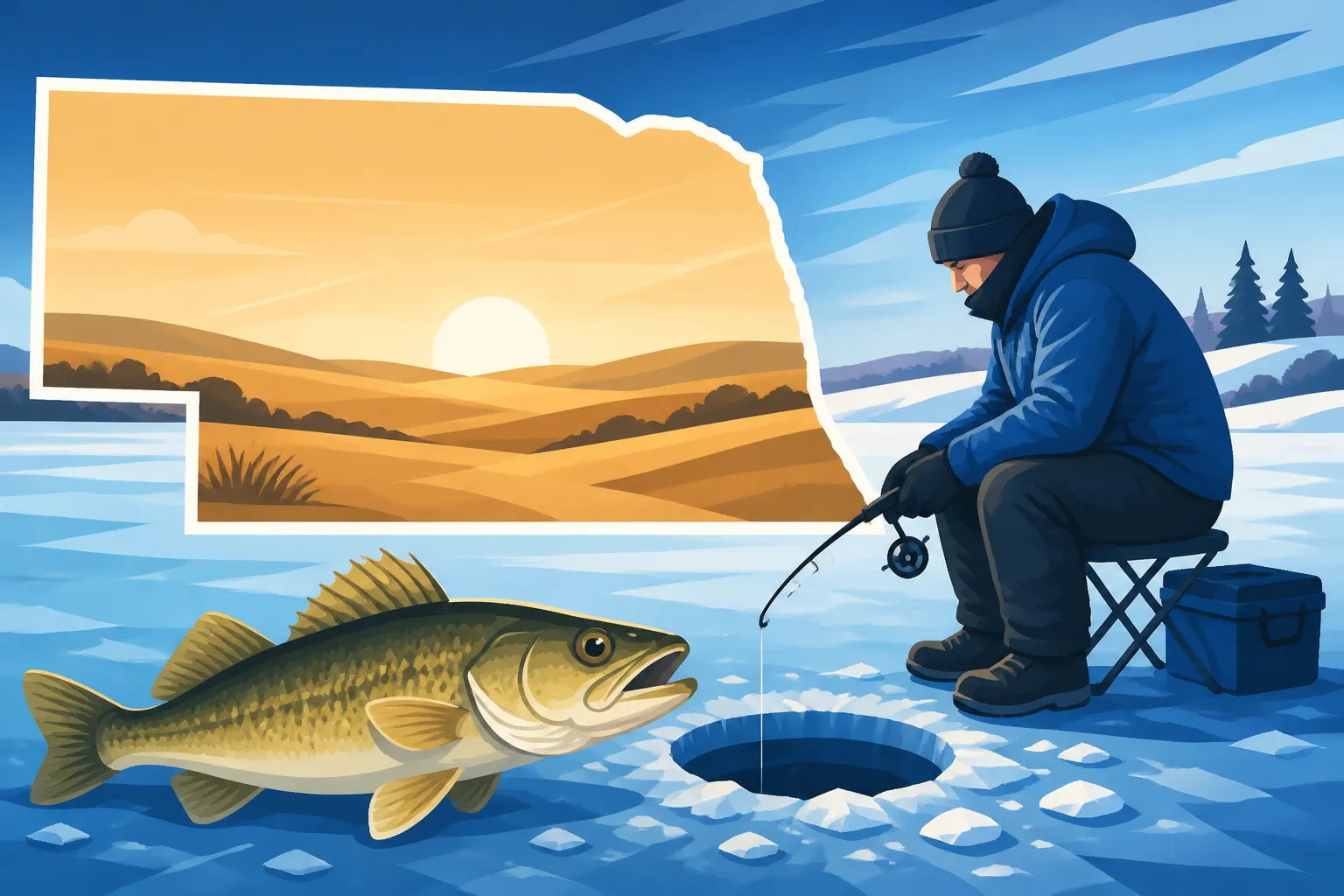
When the cold winds blow across Nebraska and the landscape turns stark white, many anglers tuck away their gear, but for us hardy souls, it signals the start of one of the most exciting fishing seasons: ice fishing! Finding those prime spots where the fish are biting under a blanket of ice can feel like a secret society, but it doesn't have to be. This comprehensive guide is here to pull back the curtain, detailing the best Nebraska lakes for ice fishing, what makes them special, and how to make your hardwater adventures truly memorable and successful.
Understanding Nebraska's Ice Fishing Scene
Ice fishing in Nebraska isn't just about drilling a hole and dropping a line; it's a unique experience that combines the thrill of the catch with the serene beauty of a winter landscape. But to truly enjoy it, you need to understand what makes a particular body of water a good candidate for hardwater angling and what species you're likely to encounter.
What Makes a Lake Great for Hard Water?
Not all lakes are created equal when it comes to ice fishing, and Nebraska has a fantastic variety. The "best" spots usually share a few common characteristics. First, and perhaps most crucially, is reliable ice formation. Lakes that freeze consistently and safely year after year, often with relatively shallower, more protected coves or bays, tend to be favorites. Nobody wants to drive for hours only to find sketchy ice! Second, strong fish populations of species that remain active under the ice are paramount. We’re talking about fish that don't just shut down when it gets cold, but actively feed. Finally, accessibility plays a big role. Easy access points, good parking even with snow, and not having to trek miles across slippery terrain make a huge difference, especially when you’re hauling gear. Lakes with good contours, submerged structures, or weed lines also tend to concentrate fish, making them prime targets once you're on the ice.
Key Species to Target Through the Ice
Nebraska's frozen lakes offer a surprisingly diverse bounty for the ice angler. While some species become sluggish, others actually become more predictable and easier to target once the ice cap forms.
- Walleye: These highly prized fish are a top target for many ice anglers, especially in the larger reservoirs. They often suspend or hug structure, making them a thrilling catch. You'll often find them biting best during low light conditions, dawn and dusk, or even at night. For the specifics on how to target them, check out our guide on How to Fish for Walleye in Nebraska.
- Crappie: Both black and white crappie are fantastic ice fishing targets. They tend to school up in predictable patterns, often near brush piles, submerged timber, or weed edges. Once you find a school, you can often catch several in short order. They're excellent table fare, too!
- Bluegill and Other Panfish: These are often the bread and butter of a family ice fishing trip. Abundant in many smaller lakes and ponds, bluegill are eager biters and a perfect species for beginners or for keeping kids engaged. Perch and sunfish also fall into this category, offering steady action throughout the day.
- Northern Pike: While not as common as other species through the ice, pike offer a thrilling fight and can be found in some of our larger, weedy lakes. They're typically caught on tip-ups with larger baitfish.
- Trout: In specific, stocked lakes like Lake Ogallala or certain urban ponds, rainbow trout provide excellent cold-water action. They're often very active and aggressive under the ice, especially after recent stockings.
Knowing your target species helps you dial in your approach, from bait and lure choice to preferred depths and fishing times.
Essential Gear for Nebraska Ice Anglers
Stepping onto the ice requires more than just your typical open-water rod and reel. Safety and comfort are paramount, especially when facing Nebraska's winter weather. First, an ice auger is non-negotiable – whether it's a hand auger, a propane-powered, or a powerful electric model, you need a way to punch through that ice. Second, a good ice fishing shelter (shanty or portable pop-up) can turn a miserable cold day into a comfortable and productive outing. It shields you from the wind and can dramatically improve your fishing experience, and if you're looking for recommendations, our guide on Best Ice Fishing Shelters for Nebraska Winters might be helpful.
Electronics, specifically a flasher or fish finder, are nearly indispensable. They allow you to see your lure, detect fish, and understand the depth and structure beneath you in real-time. Specialized ice fishing rods and reels are shorter and designed for jigging in tight spaces, offering better feel for subtle bites. Don't forget proper winter attire – layers are key, along with insulated boots, gloves, and a warm hat. And always, always bring ice picks (worn around your neck for quick access) and a spud bar for checking ice thickness as you move.
Top Nebraska Lakes for Ice Fishing Adventures
Alright, let's get down to brass tacks: where should you go when the ice is solid? Nebraska boasts several fantastic hardwater destinations, each with its own charm and target species.
Merritt Reservoir: A Sandhills Gem
Deep in the Sandhills, near Valentine, lies Merritt Reservoir, often lauded as one of Nebraska's premier fishing destinations, and it absolutely shines in the winter. Known for its clear waters and excellent walleye, crappie, bluegill, and even muskellunge populations, Merritt offers a true wilderness ice fishing experience. The clear water here means fish can be a bit spooky, so stealth and finesse are key. Early and late ice can be particularly productive for walleye, often found on deeper humps and points. Crappie will suspend over submerged timber or brush piles. Anglers often combine a trip here with some local accommodations; you can even find local guides through platforms like FishingBooker who specialize in ice fishing Merritt's unique structure. Just remember, it's a bit of a drive for many, so planning is crucial. For more comprehensive information about this incredible location, check out our detailed Merritt Reservoir Fishing Guide.
Branched Oak Lake: Near the Capital City
Just northwest of Lincoln, Branched Oak Lake is a fantastic, accessible option that freezes reliably and offers consistent action. It's a popular spot, and for good reason, providing excellent opportunities for crappie, walleye, and even channel catfish through the ice. The lake's many bays and coves provide protected areas for ice formation and concentrate fish. Crappie often hang around the numerous brush piles and submerged structures, while walleye can be found on main lake points and humps. Its proximity to Lincoln makes it an ideal spot for a quick day trip, and it's generally one of the first larger lakes to get safe ice in the area. Like any busy spot, arrive early, especially on weekends, to secure a good parking spot near your chosen access point. For a full breakdown of this lake's year-round potential, don't miss our Branched Oak Lake Fishing Guide.
Lake McConaughy & Lake Ogallala: Western Nebraska's Wonders
Out in western Nebraska, "Big Mac" (Lake McConaughy) is famous for its incredible walleye fishery, which extends into the ice season. While its vast size and often strong winds can make ice conditions variable and challenging, when it freezes safely, particularly in its shallower bays and around the dam, the walleye fishing can be phenomenal. Anglers here often target the big 'eyes that cruise the sand flats and breaks.
Right below the main dam, Lake Ogallala offers a completely different but equally exciting ice fishing experience. This cold-water lake is regularly stocked with trout, making it a prime destination for rainbow and brown trout through the ice. It's a smaller, more manageable body of water, and trout can be quite active on small jigs and spoons. The ease of access and consistent stocking make Lake Ogallala a fantastic winter trout haven. You can learn more about this reservoir's offerings in our Lake McConaughy Fishing Guide.
Sherman Reservoir: Central Nebraska's Favorite
Located near Loup City in central Nebraska, Sherman Reservoir is a perennial favorite for both open water and ice fishing. It's renowned for its walleye, crappie, and northern pike populations. Sherman often develops good, stable ice, making it a reliable choice for many central Nebraskans. Walleye here can be found on the deeper flats and points, while crappie often school up in the numerous bays and around submerged structures. Northern pike, with their aggressive strikes, offer a different challenge, often hitting large shiners on tip-ups. Its diverse fishery ensures there's usually something biting, regardless of your target species.
Smaller, Accessible Lakes and Ponds
Don't overlook the abundance of smaller lakes and urban ponds managed by Nebraska Game and Parks Commission (NGPC) across the state. These often freeze earlier and more consistently than the big reservoirs and are fantastic for panfish (bluegill, crappie) and stocked trout. Lakes within State Recreation Areas like Wagon Train Lake, Pawnee Lake, and Fremont Lakes near Lincoln and Omaha are excellent choices for family outings and beginner ice anglers. They often have good shoreline access and are regularly stocked. Always check the NGPC website or local bait shops for the latest stocking reports and ice conditions before heading out. Sometimes, a smaller, less-pressured pond can offer some of the most consistent action.
Here's a quick comparison of some of these fantastic ice fishing spots:
| Lake Name | Location | Primary Target Species (Ice) | Key Features / Tips | Typical Ice Season |
|---|---|---|---|---|
| Merritt Reservoir | Valentine (Sandhills) | Walleye, Crappie, Bluegill | Clear water, deep structure, muskellunge potential | Mid-Dec to Early Mar |
| Branched Oak Lake | Near Lincoln | Crappie, Walleye, Catfish | Accessible, brush piles, good for panfish | Late Dec to Late Feb |
| Lake McConaughy | Near Ogallala | Walleye, White Bass | Large, can be windy, focus on shallower bays & dam area | Jan to Feb (variable) |
| Lake Ogallala | Below McConaughy Dam | Rainbow Trout | Consistent trout stockings, smaller, cold-water fishery | Mid-Dec to Mid Mar |
| Sherman Reservoir | Near Loup City | Walleye, Crappie, Northern Pike | Reliable ice, diverse fishery, good structure | Late Dec to Early Mar |
| Fremont Lakes (SRA) | Fremont | Panfish, Stocked Trout | Numerous ponds, family-friendly, accessible urban fishing | Mid-Dec to Late Feb |
Safety First and Smart Ice Fishing Strategies
No matter how excited you are to get out on the ice, safety should always be your number one priority. Nebraska winters can be unforgiving, and ice conditions can change rapidly.
Ice Safety: More Than Just a Rule
The absolute golden rule of ice fishing is: no ice is 100% safe. Always check the ice thickness as you go, and never venture out alone. A general guideline for safe ice is 4 inches for ice fishing on foot, 5-7 inches for snowmobiles or ATVs, and 8-12 inches for cars or small trucks. However, this is just a guideline. Factors like current, submerged springs, pressure ridges, and recent temperature fluctuations can dramatically affect ice integrity. Always carry a spud bar to test the ice in front of you, especially when moving to new areas. Have a buddy system, carry ice picks, and tell someone where you're going and when you expect to return. Our detailed article on Nebraska Ice Fishing Safety Tips has even more crucial advice to keep you safe on the hardwater. Furthermore, be sure you're up-to-date on all Nebraska Fishing Regulations Explained before you head out, especially concerning the number of lines you can use.
Seasonal Ice Fishing Tips for Success
Fish behavior changes throughout the ice season, and adjusting your tactics can significantly improve your success.
- Early Ice (December – Early January): This is often considered the "golden period" by many. Fish are still relatively active, not yet pressured, and can often be found in shallower water, near remaining weed lines or points. Walleye and crappie are usually quite aggressive. Be extra cautious with ice thickness during this time, as it's just forming.
- Mid-Winter (Mid-January – Mid-February): As the ice thickens and snow accumulates, light penetration decreases, and fish often move to deeper main-lake structures, suspending in the water column or hugging bottom transitions. Bites can be subtle, and a sensitive rod and a good flasher are invaluable. Panfish might be found in large schools, requiring you to drill several holes to locate them.
- Late Ice (Late February – Early March): As spring approaches, rising temperatures and increased daylight signal the end of the ice season. Fish often become more active again, moving shallower as they anticipate the spawn. This can be another fantastic time for aggressive walleye and crappie bites. However, ice conditions can deteriorate rapidly, especially near shore, so extreme caution is advised. Always consult resources like FishingBooker if you're looking for local guides who know the specific nuances of late-season ice on a particular lake.
Respecting the Resource and Fellow Anglers
Part of enjoying Nebraska's fantastic ice fishing opportunities is doing your part to keep them great. Always follow daily bag and possession limits – you can find specifics like the Nebraska Walleye Daily Bag Limit or Nebraska Crappie Daily Limit in the official regulations. Pack out everything you pack in, including trash, broken lines, and especially dead baitfish, which can spread aquatic invasive species. Be mindful of other anglers and their space, especially in popular areas. A friendly nod and a polite distance go a long way in ensuring everyone has a pleasant experience. After all, we're all out there for the same reason: to enjoy the peace and thrill of a winter day on the ice. If you're new to the sport, our Essential Gear Checklist for a First Ice Fishing Trip provides a good starting point for your preparations.
Disclaimer
Please note that ice conditions can be extremely variable and change rapidly due to weather and other factors. This guide provides general information, but it is crucial to check current, local ice conditions and forecasts before venturing onto any frozen body of water. Always prioritize safety, adhere to all Nebraska Game and Parks Commission regulations, and fish responsibly.