How to Fish Clear Water in Late Summer
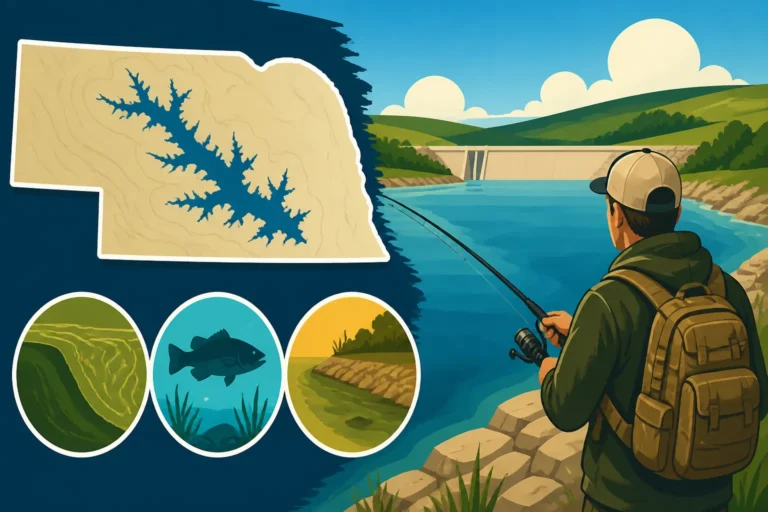
Late summer fishing in clear water in Nebraska can feel like trying to catch ghosts. The fish are often spooky, the sun is high, and every movement you make feels amplified in that crystal-clear environment. If you've ever felt frustrated watching wary fish dart away as soon as your shadow falls on the water, you're not alone. This guide is all about equipping you with the strategies, gear, and mindset to conquer clear water fishing and turn those challenging late summer days into successful ones.
The Late Summer Clear Water Conundrum: Why It's So Tough
Fishing in clear water, especially during the dog days of late summer, presents a unique set of challenges that can make even seasoned anglers scratch their heads. It’s not just about finding the fish; it’s about convincing them to bite when they can see every single detail of your presentation. The very beauty of clear water, offering stunning visibility, becomes its biggest hurdle for us anglers.
Understanding Fish Behavior in Clear, Warm Water
When the water is clear and the temperatures are consistently warm, fish behavior shifts dramatically. They become much more skittish and selective. Think about it: they've been subject to fishing pressure all season long, and the bright light makes them acutely aware of any potential threats. Instead of actively cruising and feeding out in the open, they often retreat to deeper, cooler waters or seek refuge in dense cover like submerged timber, rock piles, or thick weed beds. Their metabolism is also at its peak in warm water, meaning they need to feed efficiently, but the increased visibility makes them incredibly wary of anything that doesn't look absolutely natural. You'll often find them suspended, holding tight to structure, or buried deep within the shade, making them harder to locate and even harder to entice.
The Impact of Sunlight and Visibility
The sun is a double-edged sword in late summer clear water. On one hand, it drives the photosynthetic process, creating lush weed growth that provides cover and oxygen. On the other hand, the high sun penetration dramatically increases visibility for the fish, essentially turning the water into a giant magnifying glass. Every unnatural element – from your boat's shadow to your brightly colored fishing line – becomes glaringly obvious. This enhanced visibility forces fish to rely more on their eyesight for feeding and predator avoidance, making them incredibly discerning. This is why you might see fish, but they just won't commit to a bite. The clarity also means that heat penetrates deeper, which can push certain species, like walleye, into even deeper thermal refuges during the brightest parts of the day. Understanding this interplay between light and water clarity is the first step to developing effective strategies.
Mastering Stealth and Presentation: Your New Best Friends
When the water is gin-clear, and the sun is beating down, you can't just motor up to your favorite spot and start slinging lures. You need to become a master of stealth and finesse. This isn't just about what you throw, but how you throw it and where you throw it from. Forget about big, splashy presentations; late summer clear water demands a subtle touch.
Going Incognito: Boat Positioning and Approach
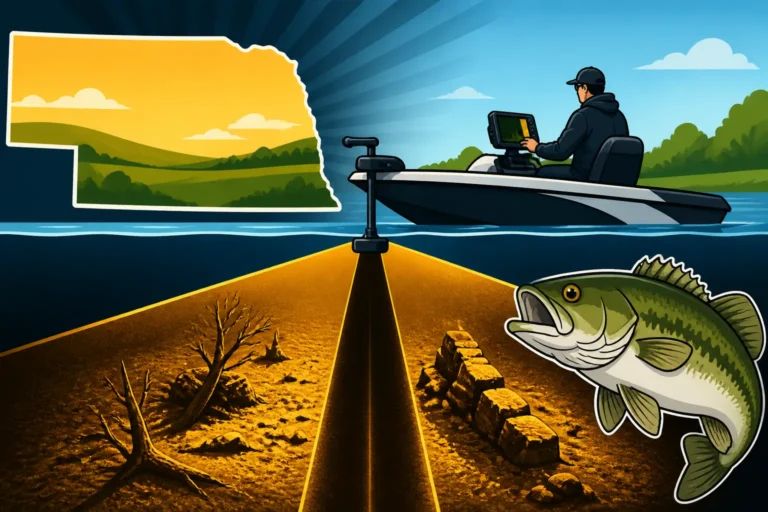
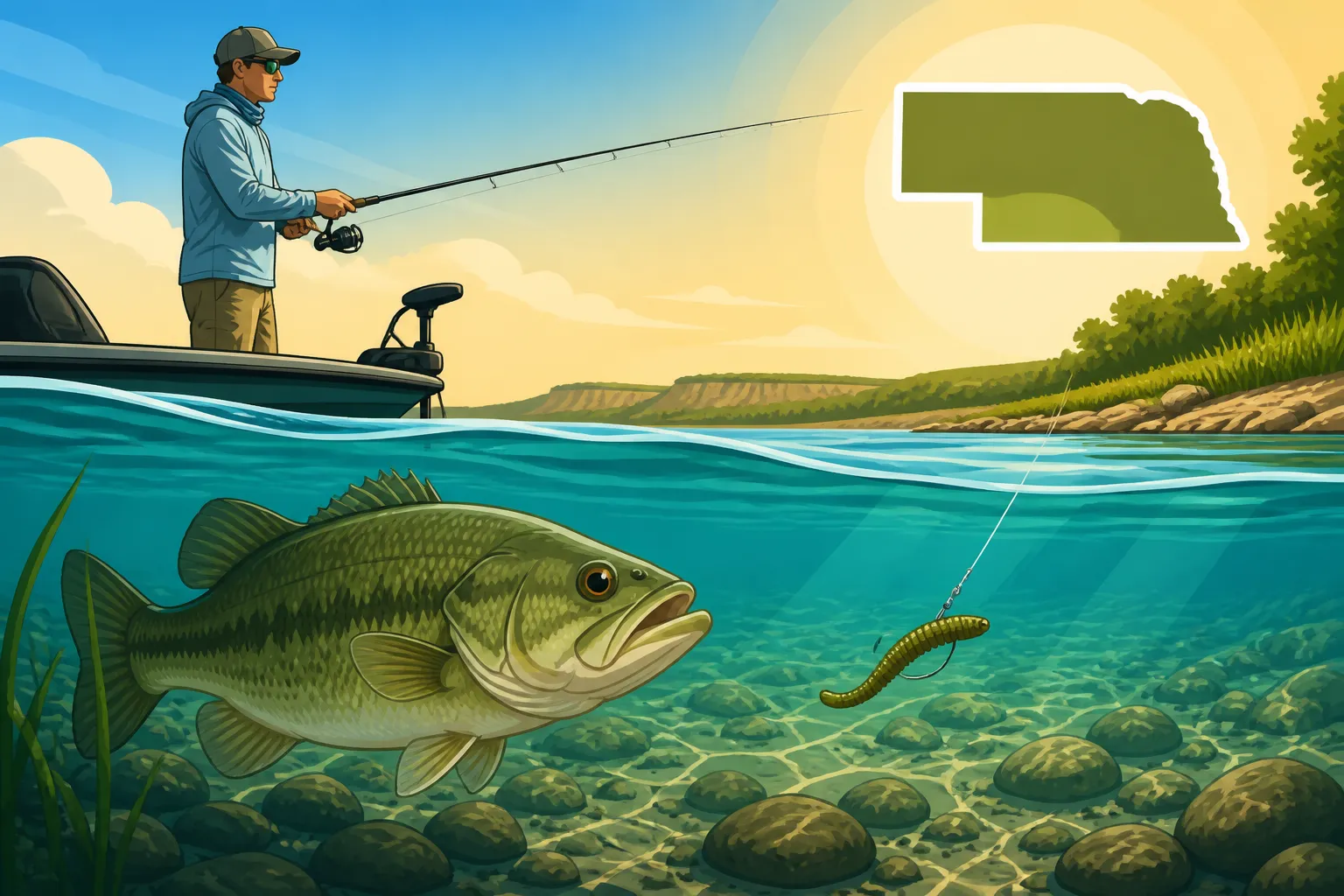
Your approach to a fishing spot in clear water is just as important as the lure you're using. Spooking fish before you even make a cast is a common mistake. If you're in a boat, use your trolling motor sparingly and quietly. Consider staying further away from your target than usual and making longer casts. This increases the chance that your lure reaches the fish before your boat's shadow or presence does. When fishing from shore, keep a low profile; walk softly and avoid casting your shadow over the water. Polarized sunglasses are absolutely critical here, not just for seeing fish or structure, but for allowing you to observe how fish react to your presence. If you see them scattering, you know you need to adjust your approach immediately. Often, making casts parallel to shorelines or structure, rather than directly at them, can be more effective as it minimizes the perceived threat.
The Finesse Factor: Lighter Lines and Smaller Baits
This is where finesse truly shines. Heavier lines, especially monofilament, can be easily seen by wary fish in clear water. This is why many experienced clear water anglers switch to lighter fluorocarbon lines, or at least a fluorocarbon leader. Fluorocarbon is less visible underwater due to its refractive index being closer to that of water, and it's also more abrasion resistant, which is great around cover. You can find an excellent selection of high-quality fluorocarbon line on Amazon, allowing you to choose the perfect pound test for your target species.
Beyond line, consider downsizing your baits. While a big, flashy lure might work in stained water, a small, subtle presentation often triggers more bites in clear conditions. Think about using smaller jigs, micro-plastics, Ned rigs, dropshot rigs, or tiny crankbaits. The goal is to imitate natural forage without looking like an obvious trap. Even for larger species, a smaller profile bait presented naturally will often outperform a big, aggressive one. When you’re fishing for Nebraska Crappie in clear water, for instance, a 1/32 or 1/16 ounce jig with a tiny plastic grub can be deadly.
Natural Hues and Subtle Actions: Lure and Bait Selection
Color choice becomes paramount in clear water. While bright colors might draw attention in murky conditions, they can alarm fish in clear settings. Opt for natural, translucent, or muted colors that blend with the environment or mimic natural baitfish. Colors like clear, watermelon, smoke, natural shad, or pearl tend to be highly effective. If there’s a slight tint to the water, a subtle green pumpkin or brown might work.
Beyond color, focus on subtle action. Lures that have an erratic, natural swimming motion without being overly aggressive are key. Soft plastic jerkbaits, unweighted worms, finesse jigs, and small swimbaits are excellent choices. When using crankbaits or jerkbaits, look for ones with a more natural, silent retrieve rather than loud rattles, unless you’re specifically trying to draw fish from dense cover. Even live bait, like shiners or nightcrawlers, should be presented as naturally as possible, perhaps on a small hook with minimal weight, allowing them to swim freely. This often leads to more strikes from those extremely selective fish.
Targeting Key Species in Clear Late Summer Waters
Different fish species react to clear, warm water conditions in their own ways. Understanding these specific behaviors and adjusting your tactics accordingly is crucial for consistent success. While the general principles of stealth and finesse apply across the board, tailoring your approach to the species at hand will put more fish in your net.
Walleye: Deep Structure and Low Light
Walleye in late summer clear water often retreat to their deepest, darkest hideouts during the day. They're masters of avoiding direct sunlight. You’ll find them clinging to deep main lake points, submerged humps, offshore rock piles, or along deep breaks where they can ambush baitfish from below. Learning How to Fish Deep Structure for Summer Walleye is absolutely essential. Your best bet during daylight hours is to target these deep areas with vertical presentations like jigging spoons, dropshot rigs, or blade baits. Look for distinct changes in bottom contour using your electronics.
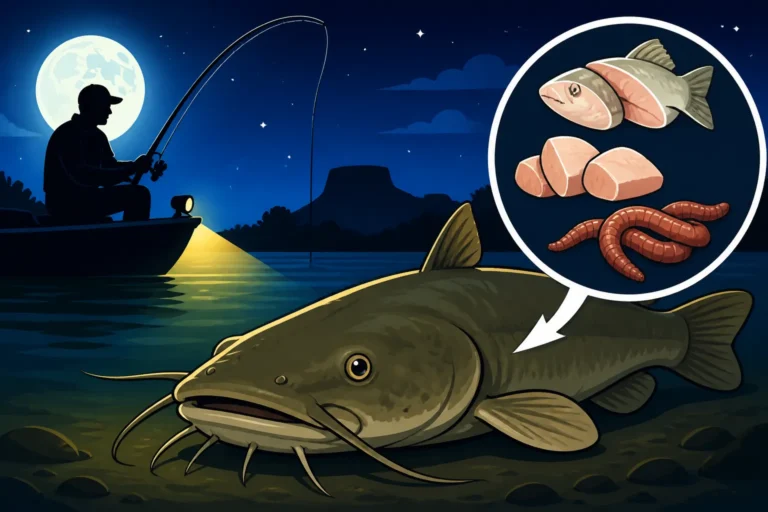
However, the real magic for walleye in clear, late summer conditions often happens during low light periods. Dawn, dusk, and especially night fishing can be incredibly productive. As the sun sets, walleye feel more comfortable moving shallower to feed. This is when they might hit crankbaits trolled along flats, points, or weed edges in 8-15 feet of water. For Nebraska Night Fishing Techniques, consider slow-rolling spinnerbaits or casting shallow-running stickbaits near cover. Remember, even at night, clear water means they're still visually oriented, so subtle movements and natural colors can still be key. When choosing Best Bait for Nebraska Walleye, live leeches or nightcrawlers on a bottom bouncer or slip bobber rig are perennial favorites, even in clear water, due to their natural appeal.
Largemouth Bass: Cover, Shade, and Vertical Drops
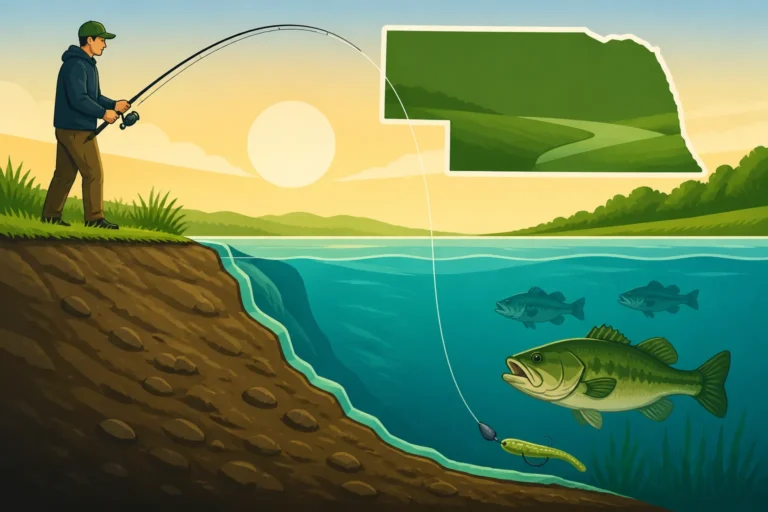
Largemouth bass in clear, late summer waters become ambush predators, hugging tight to the thickest cover and deepest shade they can find. You'll rarely find them cruising open water unless it's very early or very late in the day. Focus your efforts on dense weed beds, lily pad fields, laydowns, docks, flooded timber, and steep bluff walls with submerged ledges. These spots offer both protection from the sun and ambush points for prey.
Pitching and flipping techniques with jigs, creature baits, or Texas-rigged worms into the heart of this cover is highly effective. You’re trying to trigger a reaction strike from a bass hiding in the shadows. For deep, clear lakes with vertical drops, consider dropshotting or deep cranking. Look for deep weed lines, submerged brush, or rock transitions. Early mornings and late evenings might see bass moving to the edges of this cover, making topwater baits like walk-the-dog lures or hollow-bodied frogs over mats exciting options. When selecting Best Lures for Nebraska Bass, remember that finesse worms, shaky head jigs, and small jigs are often more effective than bulky presentations in these conditions. This is where mastering Nebraska Largemouth Bass Fishing in these challenging conditions can really pay off.
Crappie: Brush Piles and Suspended Fish
Crappie, much like walleye and bass, seek out cooler, deeper water and dense cover during clear, late summer days. They are notorious for suspending in brush piles, standing timber, or under docks and bridges. The key is finding these specific structures in deeper water. Look for prominent brush piles, submerged cedar trees, or stake beds using your electronics. If you can pinpoint one of these crappie hotels, you're in business.
Vertical jigging with small jigs (1/32 to 1/16 ounce) tipped with tiny plastic grubs, tubes, or even minnows is a go-to technique. Pay close attention to your electronics to identify the depth at which the crappie are suspending. That’s your target depth. If they're scattered, spider rigging with multiple rods, slowly trolling small jigs or minnows at various depths, can cover more water and help you locate the schools. For those times when crappie are particularly finicky, try a slip bobber rig, setting your bait just above the fish you see on your fish finder. Learning How to Catch Crappie Around Brush Piles is a skill that will serve you well in clear summer waters. For more general guidance on Nebraska Crappie Fishing, knowing their seasonal movements will help you narrow down your search.
Gear Adjustments for Optimal Clear Water Success
Fishing clear water isn't just about technique; it's also about having the right tools for the job. Subtle changes in your equipment can make a significant difference in your ability to detect light bites and present your baits naturally. Don't underestimate how sensitive and wary these fish can be in such transparent environments.
Rods, Reels, and Line: Precision and Sensitivity
For clear water fishing, especially with finesse techniques, your rod and reel setup needs to be highly sensitive and capable of handling light lines.
- Rods: Look for longer, light to medium-light power spinning rods (6'6" to 7'6") with a fast to extra-fast action. This combination provides the backbone to fight fish, but also a sensitive tip to detect subtle bites and allow for long, accurate casts with lightweight lures. A good quality graphite rod will transmit even the slightest tap. For presentations like dropshotting or Ned rigs, an extra-fast tip is invaluable.
- Reels: Pair your sensitive rod with a high-quality spinning reel that has a smooth drag system. When using light lines, a smooth drag is crucial to prevent break-offs when a big fish makes a run. A reel with a good line lay will also minimize tangles with thin fluorocarbon. If you're looking to upgrade your finesse spinning reel, check out options available on Amazon, where you can compare features and reviews. For species like crappie, a Best Spinning Reels for Panfish article will offer excellent recommendations.
- Line: As mentioned earlier, fluorocarbon is your best friend in clear water. Use 6-10 lb test for bass and walleye, and even lighter (2-4 lb test) for crappie and panfish. If you prefer braided line for its sensitivity and casting distance, always tie on a fluorocarbon leader (typically 6-10 feet long) to keep your presentation as invisible as possible. The low visibility of fluorocarbon dramatically increases your chances of getting a bite from a wary fish.
Essential Clear Water Tackle Box Additions
Your tackle box for clear water late summer fishing should reflect a focus on finesse and natural presentations. While you might still carry some of your favorite power fishing lures, make sure you have a solid selection of these clear water essentials:
- Fluorocarbon Leaders: Pre-tied or spools of fluorocarbon in various pound tests (6-10 lb) are a must.
- Finesse Jigs: Small ball head jigs, mushroom head jigs (for Ned rigs), and stand-up jigs in sizes from 1/32 oz to 1/4 oz.
- Small Soft Plastics: Tubes, small grubs, Ned rig worms, dropshot worms, tiny swimbaits, and finesse worms in natural, translucent colors (green pumpkin, smoke, clear, natural shad). Small, natural-colored soft plastics and light jig heads are readily available on Amazon and are a must-have for clear water.
- Dropshot Hooks and Weights: Assorted dropshot hooks (size 1 to 2/0) and pencil weights (1/8 to 1/2 oz) for suspended presentations.
- Small Crankbaits and Jerkbaits: Suspending jerkbaits and small shallow- to medium-diving crankbaits in natural baitfish patterns. Look for silent or subtle rattle options.
- Topwater (for low light): Small poppers, walking baits, and hollow-bodied frogs for early morning or late evening bites in covered areas.
- Terminal Tackle: Small swivels, snap swivels, and a selection of thin-wire hooks (EWG, octopus, worm hooks) appropriate for your soft plastics.
- Polarized Sunglasses: This isn't just gear, it's a necessity. Even if you're just looking for polarized sunglasses, Amazon has a huge variety. They cut glare, allowing you to see submerged structure, weed lines, and even cruising fish that would otherwise be invisible. This greatly aids in accurate casting and stealth.
Building out your tackle box with these items, alongside a good understanding of Best Fishing Gear for Nebraska Anglers, will set you up for success when tackling clear waters in the late summer heat. It's all about tricking those super-smart, super-wary fish, and sometimes the smallest details make the biggest difference.
Table: Clear Water Late Summer Tactics by Species
| Species | Preferred Habitat (Late Summer Clear Water) | Recommended Techniques | Key Lure/Bait Types (Natural Colors) | Optimal Line/Leader |
|---|---|---|---|---|
| Walleye | Deep humps, main lake points, rock piles, thermal breaks (day); shallow flats/points (night) | Vertical jigging, dropshotting, slow trolling (night), drift fishing (day) | Jigging spoons, blade baits, dropshot worms, crankbaits (night), live leeches/crawlers | 8-10 lb fluoro (leader) |
| Largemouth | Dense weed beds, lily pads, laydowns, deep bluff walls, docks, shade | Flipping/pitching, dropshotting, shaky head, deep cranking, topwater (low light) | Jigs, creature baits, finesse worms, crankbaits, frogs (low light) | 8-12 lb braid to 8-10 lb fluoro leader |
| Crappie | Suspended in brush piles, standing timber, under docks/bridges, deep weed lines | Vertical jigging, spider rigging, slip bobber | Small jigs (1/32-1/16 oz) with grubs/tubes, small minnows | 2-4 lb fluoro or mono |
| Panfish | Weed edges, small brush piles, shaded shallow cover, docks | Slip bobber, small jigging, micro-plastics | Tiny jigs with plastic grubs, worms, crickets, small minnows | 2-4 lb fluoro or mono |
Remember, clear water fishing in late summer isn't always easy, but it is incredibly rewarding when you crack the code. It demands patience, attention to detail, and a willingness to adapt. By focusing on stealth, finesse, and the right gear, you'll be well on your way to consistent success even on the toughest of days out on Nebraska's beautiful, clear waters.
Disclaimer
This article is for general informational purposes only and does not constitute professional advice. Laws, prices and regulations vary by location and change over time. Consult a qualified professional for guidance on your specific situation.