Can You Transfer a Nebraska Fishing License?
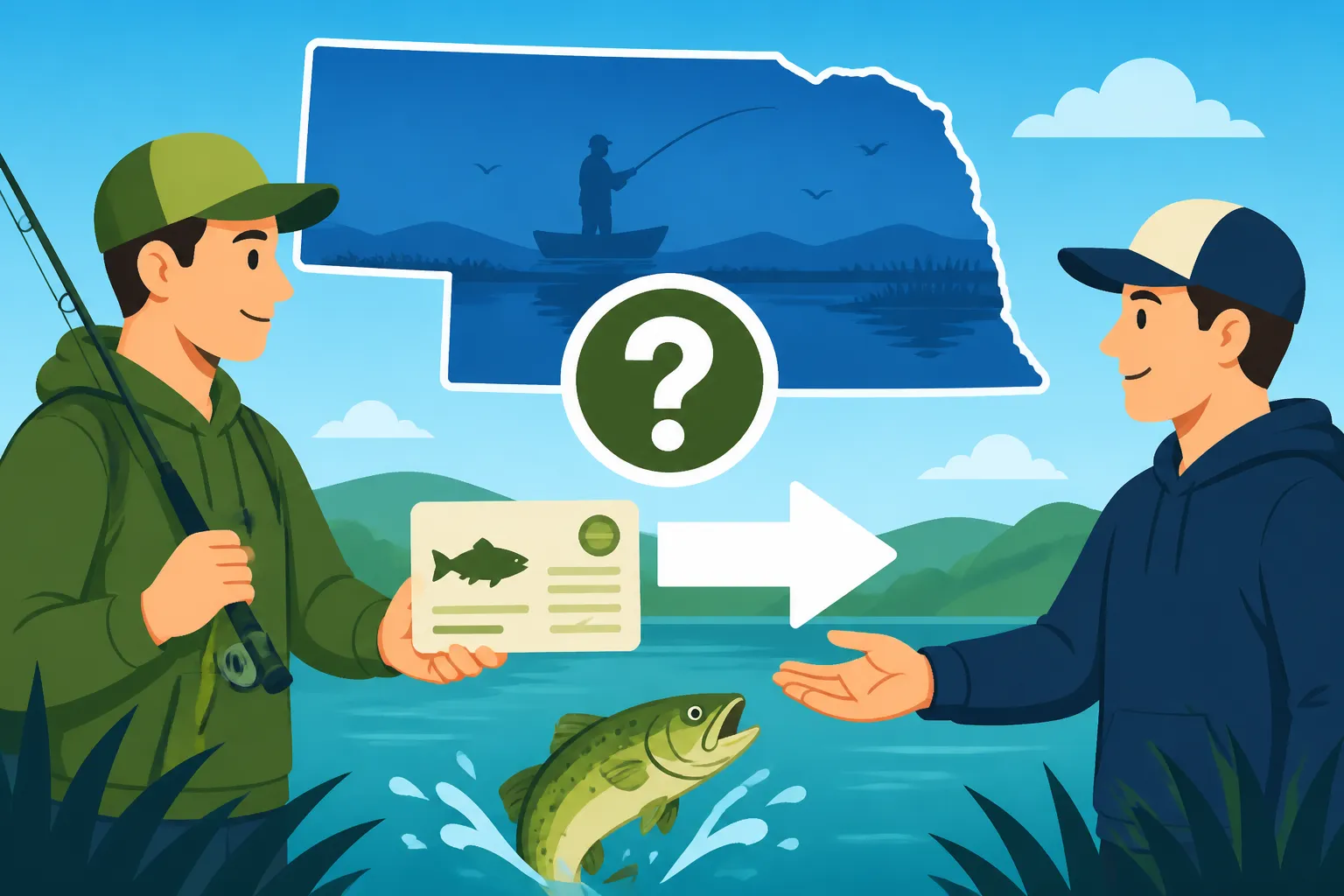
It's a common thought when you might have an unused Nebraska fishing license, or perhaps you bought one and plans changed, and you wonder if you can just hand it over to a friend or family member. Many of us have been there, facing a pile of gear and a permit we can't use, thinking it'd be a shame to let it go to waste. Unfortunately, when it comes to official permits like a Nebraska fishing license, the short answer is typically no, you cannot transfer it. This guide will walk you through the reasons behind this policy, clear up common misconceptions, and explain what your options truly are if you find yourself with an extra license or want to help someone else get started fishing in Nebraska.
Understanding Nebraska Fishing License Policies
Nebraska, like most states, has clear rules regarding fishing licenses. These regulations are in place to manage fish populations, fund conservation efforts, and ensure fair play for all anglers. A key part of this system is that fishing licenses are issued to an individual and are generally non-transferable.
The General Rule: Non-Transferability
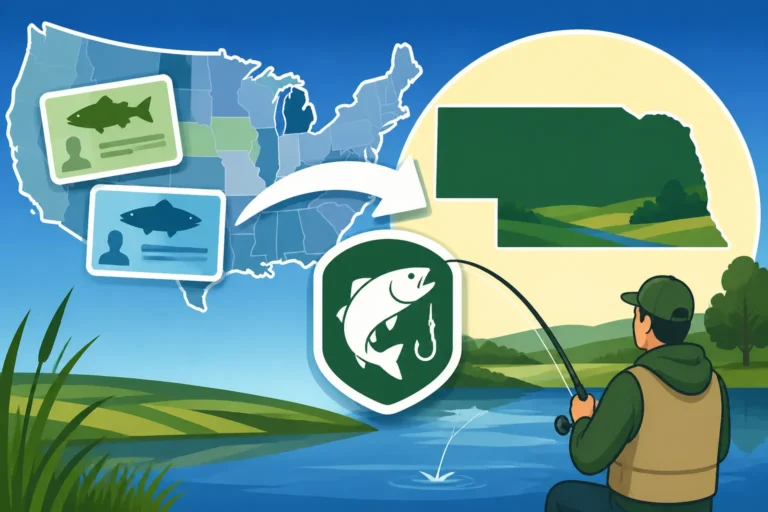
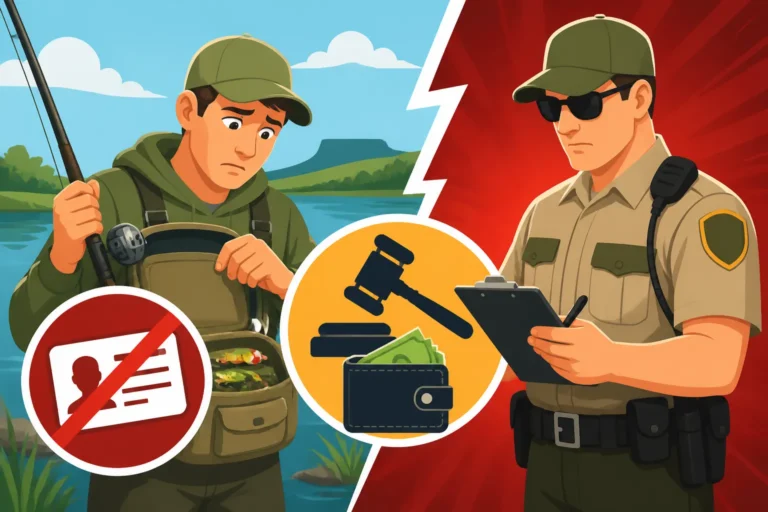
Let's cut right to it: your Nebraska fishing license is essentially a personal permit, much like your driver's license. It's issued specifically to you, the individual whose name, date of birth, and residency status are printed on it. This means that once you've purchased it, whether it's an annual permit or a shorter-term option like a Nebraska 1-Day Fishing Permit, you cannot legally give it, sell it, or otherwise transfer it to another person to use. Even if your friend has the exact same name as you (unlikely, but imagine!), it's still tied to your unique identifier in the system.
This policy is rooted in the very nature of how permits work. When you get a license, you're not just buying a piece of paper; you're obtaining a privilege to fish under specific regulations, a privilege that is granted to you and only you. The Nebraska Game and Parks Commission (NGPC) tracks licenses by individual to manage harvest limits, ensure compliance, and collect accurate data on who is participating in fishing activities. If licenses were freely transferable, it would create a chaotic system ripe for misuse and make it nearly impossible to enforce regulations effectively.
Why This Policy Exists
The non-transferability of fishing licenses isn't some arbitrary rule designed to frustrate anglers; it's a fundamental pillar of wildlife and fisheries management. There are several crucial reasons why this policy is strictly enforced:
- Personal Identification and Accountability: Every license is linked to a unique individual. This allows game wardens to verify that the person fishing is indeed licensed and to hold that individual accountable for any violations of Nebraska Fishing Regulations Explained. Without this personal link, it would be incredibly difficult to track down offenders or ensure that everyone is abiding by the rules. Imagine someone breaking catch limits and then just handing their "transferable" license to someone else – it would undermine the entire regulatory framework.
- Funding Conservation Efforts: The money collected from the sale of fishing licenses directly funds critical conservation programs in Nebraska. These programs include fish stocking, habitat restoration, research, and law enforcement. If licenses could be transferred or resold, it would create a secondary market, potentially reducing direct revenue for the NGPC and, consequently, impacting the funding available for these vital initiatives. Every time you purchase a license, you're contributing directly to the health of Nebraska's aquatic ecosystems.
- Residency Verification: Nebraska Fishing License Guide outlines different costs and requirements for residents and non-residents. A resident license is typically much cheaper than a Nebraska Nonresident Fishing License Cost because residents already contribute to the state's tax base. If licenses were transferable, a non-resident could simply buy a cheaper resident license from someone else, bypassing the intended fee structure and creating an unfair system. The unique identification ensures that the correct fees are paid based on residency.
- Preventing Fraud and Misuse: Allowing transfers would open the door to widespread fraud. People could buy multiple licenses, sell them at a profit, or use them to obscure illegal fishing activities. The current system minimizes these risks by making each license a personal, non-exchangeable document.
What Happens if Circumstances Change?
Life happens. Maybe you bought an Annual Fishing Permit with grand plans for the season, and then you had an unexpected job change that required you to move out of state, or a health issue prevented you from getting out on the water. It’s a bummer, for sure. When your circumstances change and you can't use your license, the reality is that it generally remains valid for you for the period it was purchased, but it cannot be given to someone else.
In some very rare and specific cases, typically involving military deployment or death, there might be provisions for a refund. However, these are exceptions, not the rule. For most situations, once you've purchased your license, it's considered a final sale and non-transferable. It's worth remembering that even if you can't use it, your purchase still supported the state's fisheries, which is a small silver lining.
Common Misconceptions About License Transfers
The idea of transferring a fishing license often stems from a misunderstanding of how these permits function. Let’s clear up some of the most common myths surrounding this topic.
Gifting Licenses to Others
This is perhaps the biggest area of confusion. Many anglers think, "If I can't use my license, can I just 'gift' it to my buddy?" While you absolutely cannot transfer your already-purchased license to someone else, you can certainly buy a new license for someone else as a gift. This is a crucial distinction.
When you purchase a license as a gift, you are essentially initiating a new license acquisition process for the recipient. You'll need their full legal name, date of birth, and residency information. The license will be issued directly in their name, making it their personal permit from the start. This is a fantastic way to encourage a friend or family member to get into the sport, perhaps by purchasing them a Nebraska Annual Fishing Permit or even a Nebraska Lifetime Fishing Permit if you're feeling extra generous!
Platforms like the GoOutdoorsNE Online Permit System make this gifting process straightforward. You simply select the type of license, indicate it's a gift, and input the recipient's details. They will then receive their own unique license, completely separate from any you might possess.
Transferring Unused Portions or Types
Another common thought is, "I bought an annual license, but I only fished for three days. Can I get a refund for the rest of the year or downgrade it to a Nebraska 3-Day Fishing Permit and transfer the difference?" Again, the answer is generally no.
Once a fishing license is purchased, it's activated for the specific type and duration you selected. The fees are set based on these parameters, and there's no mechanism to prorate, downgrade, or "transfer" the unused time or a portion of the permit. The state doesn't track how many days you actually spent fishing with your annual license; it simply provides you with the legal right to fish for that period. This is why it's important to consider which Nebraska Fishing License Costs and Types best suits your anticipated fishing activity before making a purchase. If you're only planning a short trip, a 1-day or 3-day permit might be more economical and appropriate.
Selling or Donating a License
The thought might cross your mind: "If I can't transfer it, maybe I can sell it to someone who needs one?" Or "Could I donate my unused license to a charity or a youth program?" While the sentiment behind donation is admirable, the regulations explicitly prohibit selling or attempting to sell a fishing license. It’s also generally not possible to donate an already issued license.
The legal framework views licenses as a privilege granted by the state, not a commodity to be bought and sold on a secondary market. Engaging in such activities could lead to fines or penalties for both the seller and the attempted buyer, as it constitutes a violation of state regulations. Instead, if you want to support youth fishing, look into programs like the Nebraska Mentored Youth Fishing Program or consider making a direct donation to the Nebraska Game and Parks Commission, which will then use those funds to support various initiatives, including those that introduce new anglers to the sport.
What to Do If You No Longer Need Your License
So, you've got a Nebraska fishing license you can't use and can't transfer. What are your actual options? While they might not be what you initially hoped for, understanding them can help manage expectations.
Exploring Refund Policies
For most fishing licenses, once purchased, they are non-refundable. The Nebraska Game and Parks Commission operates on a system where license sales contribute directly to managing the state's wildlife and parks. Issuing refunds for change of plans would create administrative complexity and potentially destabilize funding for crucial conservation efforts.
However, there are extremely rare and specific circumstances where a refund might be considered. For instance, if a license was purchased in error (e.g., duplicate purchase, or a system glitch) and reported immediately, or in cases of military deployment or death of the license holder, exceptions could be made. Even then, the process is stringent and requires verification. It’s always best to contact the NGPC directly if you believe your situation warrants an exceptional review. For general information, you can always refer to the Nebraska Fishing License Refund Policy for any published guidelines. Don't expect a refund if you simply changed your mind or had unforeseen schedule conflicts; those are generally not covered.
What If You Move Out of State?
If you were a Nebraska resident and purchased a resident fishing license, but then you move out of state, your resident license technically remains valid for the period it was issued (e.g., until December 31st for an annual permit). However, you no longer qualify as a resident.
While you could still use that license if you return to Nebraska to fish within its valid period, your residency status would change if you were to purchase a new license. For future trips back to Nebraska, you would need to purchase a Nebraska Nonresident Fishing License Guide or one of the shorter-term non-resident options like the Nebraska 3-Day Fishing Permit. The system is designed to differentiate between residents and non-residents based on their primary dwelling, so a resident license becomes less practical if you're no longer living in the state.
Supporting Conservation Efforts
Here’s a perspective that might offer some comfort: even if you can't use your fishing license, your purchase wasn't entirely in vain. The funds generated from license sales are the backbone of Nebraska's fisheries management. Every dollar helps ensure that the state's lakes, rivers, and streams remain healthy and stocked, providing fantastic fishing opportunities for everyone who can get out on the water.
Think of it as a contribution to the greater good of Nebraska fishing. Your unused license still supported:
- Fish Stocking Programs: The NGPC regularly stocks various fish species, including trout in places like Lake Ogallala and urban ponds, and walleye in major reservoirs.
- Habitat Improvement: Efforts to create and maintain healthy aquatic habitats are crucial for natural fish reproduction and overall ecosystem health.
- Research and Monitoring: Scientists continually study fish populations to make informed decisions about bag limits, length limits, and stocking strategies to ensure sustainable fishing for generations to come.
- Public Access: Funding also supports maintaining boat ramps, fishing piers, and shoreline access points at places like Fremont Lakes State Recreation Area, ensuring anglers have places to pursue their passion.
So, even if you couldn't cast a line as much as you hoped, your investment helped keep Nebraska's waters thriving.
Purchasing Licenses for Others (The Only "Transfer" Allowed)
While transferring an existing license is a no-go, the act of helping someone else get licensed to fish is absolutely encouraged and straightforward. This is often what people mean when they ask about "transferring" a license – they want to enable someone else to fish.
Gifting a New License
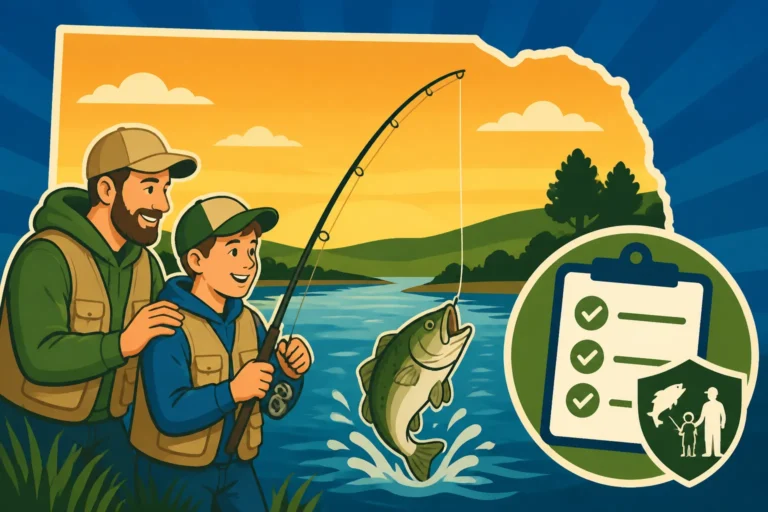
The best way to "transfer" the opportunity to fish in Nebraska is to purchase a brand-new fishing license as a gift for another individual. This process is seamless and ensures the recipient receives their own legal permit. It's a fantastic gift for birthdays, holidays, or just as an encouragement to get someone outdoors.
The primary method for doing this is through the official GoOutdoorsNE Online Permit System. You can also purchase licenses in person at various authorized vendors across the state, such as bait shops, sporting goods stores, and some county clerk offices. When you go to buy, just specify that you are purchasing for someone else.
For example, if you want to introduce a young person to fishing, consider purchasing a Nebraska Youth Fishing License Rules for them. This will get them started on the right foot, legally, and give them a sense of ownership over their fishing journey. If they're under 16, they might not even need a license, but it's a great habit to start!
Essential Information Needed for Gifting
When you're buying a fishing license for someone else, you'll need a few key pieces of personal information about the recipient. This is vital for the license to be legally issued in their name. You'll typically need:
- Full Legal Name: First, middle, and last names as they appear on official documents.
- Date of Birth: To verify age and ensure eligibility for specific license types (e.g., senior discounts).
- Current Address: To determine residency status (resident vs. non-resident).
- Physical Characteristics: Sometimes, height, weight, hair color, and eye color might be requested, similar to other forms of identification.
- Social Security Number (SSN): This is often required for identification and to ensure compliance with child support enforcement laws.
It's important to gather this information accurately. If there are errors, the license might be invalid or difficult to correct later. This ensures that the license is truly their personal document.
Benefits of Gifting an Experience
Beyond the legalities, gifting a fishing license is about more than just a piece of paper; it’s about gifting an experience. Fishing offers a wealth of benefits, from spending time in nature and developing patience to the thrill of a catch and the delicious reward of a fresh meal.
Consider pairing that gifted license with some basic gear. You could find a beginner fishing rod and reel combo on Amazon, or pick up a starter tackle box from a local sporting goods store. A new angler might also appreciate a copy of the official Nebraska Fishing Regulations Explained booklet so they can learn the rules firsthand. This makes the gift even more tangible and immediately useful, setting them up for success on their first outing. Introducing someone to the joy of Nebraska Fishing is one of the best "transfers" you can ever make.
License Transfer vs. Gifting a New License
Here's a quick breakdown to clarify the difference:
| Feature | Transferring an Existing License | Gifting a New License |
|---|---|---|
| Legality | Not Permitted | Fully Permitted and Encouraged |
| Recipient | Illegal for anyone but original holder | Any eligible individual |
| License Status | Remains tied to original purchaser | Issued directly to the recipient |
| Information Needed | None (as it's illegal) | Recipient's full personal details |
| Cost | None (but illegal to do) | Full cost of the new license |
| Benefit to Recipient | Illegal, potential fines | Legal access to fishing, new experience |
| Conservation Impact | No direct positive impact | Directly funds Nebraska's fisheries |
Remember, your Nebraska fishing license is personal to you. While you can't hand it off, you can absolutely facilitate the joy of fishing for others by purchasing a new license in their name.
Disclaimer
The information provided in this guide is for general informational purposes only and is subject to change. While we strive to keep the content up-to-date and accurate, fishing regulations can be complex and are regularly updated by the Nebraska Game and Parks Commission. It is always the responsibility of the individual angler to consult the most current official Nebraska Fishing Regulations booklet or the GoOutdoorsNE website before engaging in any fishing activities. We recommend verifying specific details directly with the Nebraska Game and Parks Commission for the most precise and legally binding information.