Nebraska Drift Fishing Techniques for Rivers
Oh, the river! There's just something magical, yet undeniably challenging, about fishing flowing water here in Nebraska. Many of us, myself included, have stood on the bank, or even in a boat, looking at that endless current, wondering how on earth to present a bait effectively without it just getting swept away into oblivion. It can be incredibly frustrating to feel like you're constantly fighting the river instead of letting it work for you. But what if I told you there's a technique designed specifically to harness that current, allowing your bait to dance naturally and entice fish? This comprehensive guide will dive deep into Nebraska drift fishing techniques for rivers, giving you the knowledge and confidence to master these dynamic waterways and significantly boost your angling success.
Understanding Nebraska's River Dynamics for Drift Fishing
Before we even think about casting a line, we need to talk about the river itself. Nebraska's rivers, from the broad Missouri to the winding Platte and the more intimate Niobrara and Elkhorn, are living, breathing entities. They change with the seasons, the rainfall, and even the time of day. What works one day might be completely ineffective the next, and that's often due to subtle shifts in current speed, water levels, and how fish are relating to structure. Drift fishing isn't just about letting your bait float; it's about understanding these dynamics and using them to your advantage.
The Dance of Current and Structure
Think about a river like a complex ballroom floor. The current is the music, and the structure – whether it's submerged logs, rock piles, ledges, wing dams, or even subtle depth changes – are the dance partners. Fish aren't usually out in the middle of the dance floor fighting the strongest current all day. They're typically tucked away, holding in calmer pockets behind or beside structure, waiting for the current to deliver their next meal. These "current breaks" are your prime targets for drift fishing.
Identifying these current breaks is key. On larger rivers like the Missouri River Fishing in Nebraska, you'll find obvious breaks behind wing dams, large boulders, or where a tributary feeds in. On the Platte River Fishing Guide, it might be behind a sandbar, a snag, or a deeper channel edge. The faster the current, the more pronounced these breaks will be, and the more likely fish are to be holding in them. Your job as a drift angler is to present your bait as naturally as possible, letting it drift right into these fish-holding zones as if it's an easy meal being swept along. This natural presentation is what makes drift fishing so effective.
Reading the Water for Productive Drifts
Learning to read the water is arguably the most important skill for any river angler, especially when drift fishing. It's not just about looking at the surface; it's about interpreting what you see to understand what's happening underneath. Look for seams where fast water meets slow water – these are often highways for baitfish and ambush points for predators. Observe eddies, boils, and ripples, as they can indicate submerged structure or current reversals.
Discolored water might mean recent rainfall and higher flows, pushing fish into calmer backwaters or tight against structure. Clearer water might require lighter line and a more subtle presentation. Even subtle changes in water speed across the river can indicate different depths or bottom contours. A good drift angler is constantly observing, making mental notes, and adjusting their presentation based on what the river is telling them. It’s like being a detective, piecing together clues to find where the fish are hiding and how they want their meal delivered.
Essential Gear for Successful River Drift Fishing
Alright, so we understand the river a bit better. Now, let's talk about the tools of the trade. You don't need a boatload of specialized gear, but having the right rod, reel, line, and terminal tackle can make all the difference between a frustrating day of snags and a productive day of bent rods. Drift fishing often means dealing with current, potential snags, and sometimes surprisingly large fish, so your gear needs to be up to the task.
Rods, Reels, and Lines Tuned for the Flow
For river drift fishing in Nebraska, a medium to medium-heavy power rod, typically 7 to 9 feet in length, is a great starting point. The longer length helps with casting heavier weights, managing line in current, and absorbing the shock of a fish strike without pulling the hook. A fast to moderate-fast action tip will give you the sensitivity to feel subtle bites while having enough backbone to handle larger fish and heavier rigs. For species like channel catfish or even bigger flatheads, a heavier action rod might be needed. You can find excellent options on Amazon, often with reviews from other river anglers.
When it comes to reels, a reliable spinning reel in the 3000-4000 size range is versatile for most drift fishing applications, offering smooth drag and easy casting. For those who prefer baitcasting, a robust baitcaster with a good line counter can be invaluable for repetitive, precise drifts, especially when you find a productive depth. As for line, consider a strong monofilament or fluorocarbon main line in the 10-20 lb test range, depending on the target species and snags. Braided line, in the 20-50 lb range, is also excellent due to its no-stretch sensitivity and incredible strength, which is a huge advantage when you're trying to feel light bites in current or pull free from snags. Just remember to use a fluorocarbon or monofilament leader with braid, as braid can be very visible in clear water. For specific recommendations, check out our guide on Best Rod Setup for Nebraska Catfish or Best Rod Setup for Nebraska Walleye.
Terminal Tackle for Various Drift Setups
Your terminal tackle is where the magic happens in drift fishing. It's the connection between your line and your bait, and it needs to be chosen carefully to ensure a natural drift.
Weights: You'll need an assortment of weights to match the current speed and depth. Sinker slides, flat weights, egg sinkers, bullet weights, and pencil weights are all useful. The goal is to use just enough weight to keep your bait near the bottom without constantly snagging, or at the desired depth if you're suspended. Sometimes, a "bottom bouncer" rig, which features a lead weight on a wire arm, is perfect for ticking the bottom without getting hung up.
Hooks: A variety of hooks will be necessary. Circle hooks (1/0 to 5/0) are fantastic for Catfish in Nebraska as they are largely self-setting and reduce gut hooking. J-hooks are also widely used, especially for live bait, but require a quicker hookset. Always match your hook size to your bait and target species.
Swivels and Leaders: Swivels are crucial to prevent line twist, especially when drifting. Ball-bearing swivels are best for reducing friction. Leaders, usually made of fluorocarbon for its abrasion resistance and invisibility, are essential. They protect your main line from jagged rocks and toothy fish, and can be easily replaced if frayed. Don't forget a good selection of snaps or snap swivels for quickly changing lures or rigs. A simple three-way swivel can be incredibly effective for creating a multi-bait drift rig.
Table: Common Drift Fishing Rigs for Nebraska Rivers
| Rig Name | Description | Target Species | Best Use Case |
|---|---|---|---|
| Carolina Rig | A bullet or egg sinker slides freely on the main line, followed by a swivel, then a leader (18-36 inches) tied to a hook. The weight hits the bottom, allowing the bait to drift naturally just above it. | Catfish, Walleye, Bass | Fishing muddy or rocky bottoms, presenting bait naturally just off the bottom. |
| Three-Way Swivel | Main line ties to one eye of a three-way swivel, a short dropper line (6-12 inches) with a sinker to another eye, and a longer leader (18-48 inches) with a hook/lure to the third. Allows the weight to be on the bottom while the bait drifts freely. | Catfish, Walleye, Sauger | Drifting live bait or cut bait in moderate to strong currents. |
| Slip Sinker Rig | Similar to a Carolina rig but often used with heavier weights and shorter leaders. The weight keeps the bait down, but the free-sliding nature allows fish to pick up the bait without feeling immediate resistance. | Catfish, larger Walleye | Bottom fishing in heavy current or deeper holes for larger, bottom-oriented fish. |
| Float Rig | A bobber (slip or fixed) suspends the bait at a specific depth. A small split shot or two often placed above the hook to help sink the bait and keep it vertical. | Panfish, Trout, Smaller Walleye, Bass | Fishing calmer eddies, backwaters, or specific depth zones where fish are suspended. |
| Bottom Bouncer | A bent wire arm with a lead weight on the bottom and a swivel at the top. The main line attaches to the swivel, and a leader with a hook/lure trails behind. Designed to bounce along the bottom without snagging. | Walleye, Sauger, Catfish | Trolling or drifting over rocky or snaggy bottoms, maintaining constant contact with the bottom. |
Core Drift Fishing Techniques for Nebraska Rivers
Now that we're geared up and understand the river's pulse, let's talk brass tacks: the actual methods of drift fishing. These aren't set in stone, and often the most successful anglers are those who can adapt and combine elements from different techniques. The key is always a natural presentation, letting the current do the work.
Bottom Bouncing: The Art of Contact
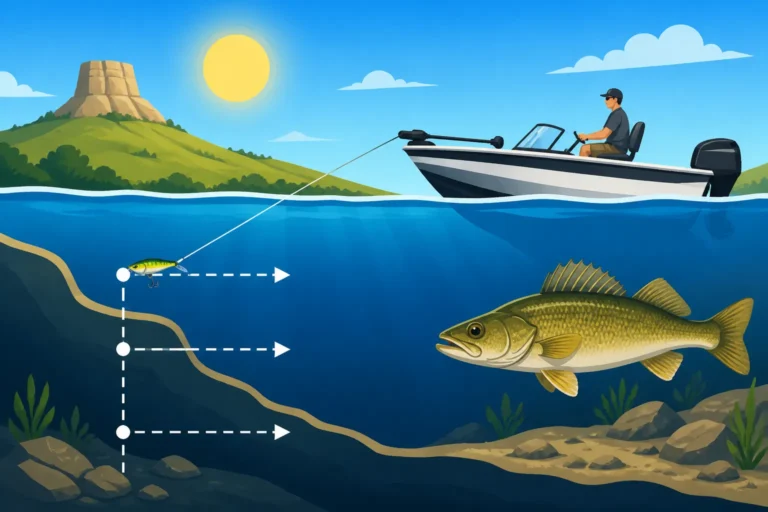
Bottom bouncing is a classic drift fishing technique, particularly effective for walleye, sauger, and even catfish on rivers like the Missouri or the lower Platte. The idea is to keep your bait in constant, light contact with the riverbed without getting snagged. This is where a specialized bottom bouncer weight truly shines, as its L-shaped wire design helps it "walk" over snags.
You'll typically rig a bottom bouncer by attaching your main line to the swivel at the top of the bouncer. Then, off the trailing arm, you'll run a leader, usually 2 to 6 feet long, ending in a hook dressed with live bait (like a crawler or minnow) or a small crankbait or jig. You want to use just enough weight so that your bottom bouncer occasionally taps the bottom as you drift. Too light, and it floats up; too heavy, and you're constantly snagging. Adjust your boat speed (or walking speed if wading) to match the current, allowing your rig to gently bounce along. This technique is often done from a boat, slowly motoring upstream or across the current, but it can also be adapted for shore anglers casting and slowly retrieving with the current. This method is incredibly effective when fish are tight to the bottom, seeking shelter or ambush points.
Float Fishing: Suspended Success
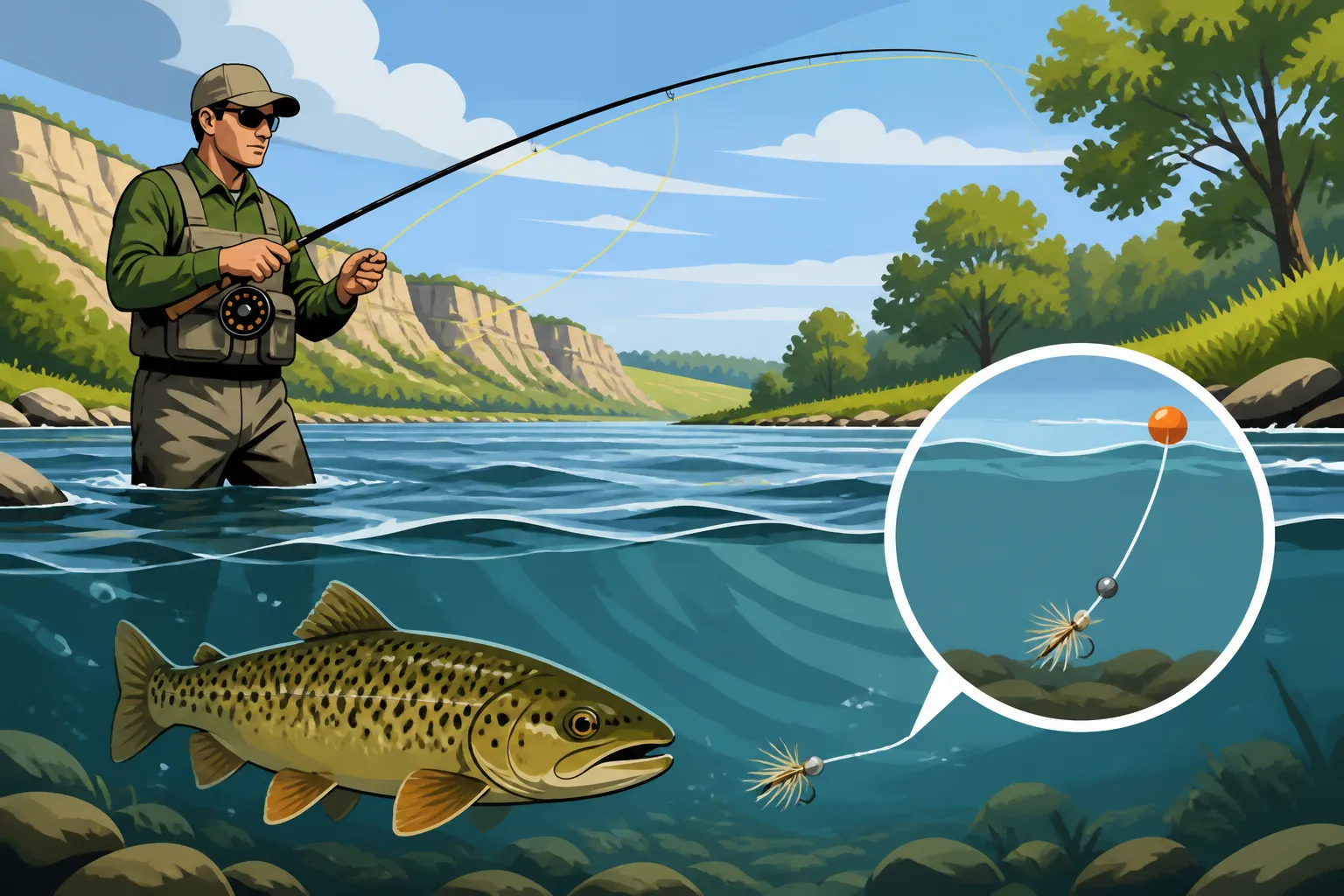
Float fishing, often simply called bobber fishing, takes on a whole new dimension in river environments. It's not just for still water; it's a fantastic way to present bait naturally to suspended fish or those holding in specific depth zones, especially in eddies or along current seams. The trick is using a slip bobber rig, which allows you to adjust your fishing depth without having an enormous bobber fixed far up your line.
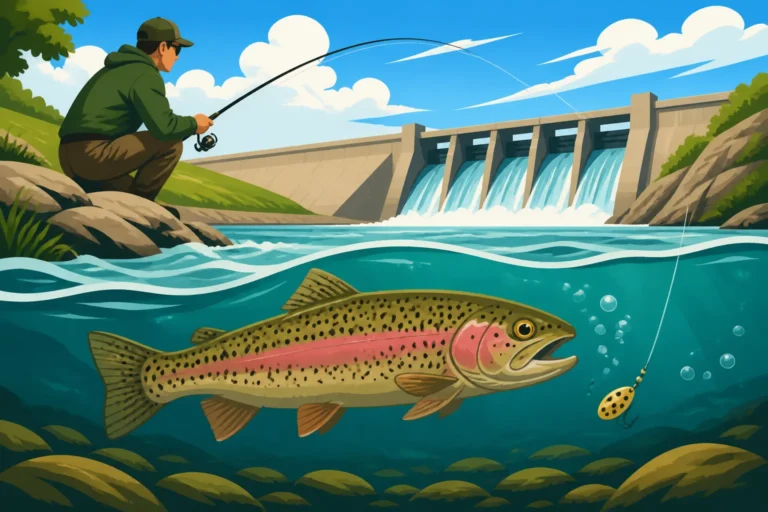
With a slip bobber, you slide a small bobber stop knot onto your main line, followed by a bead, then the slip bobber itself, and finally another bead before tying on your hook or jig. By moving the stop knot, you can set your bait to drift at any depth you desire. Add a split shot or two a foot or so above your hook to help your bait sink vertically. This technique is superb for targeting crappie or panfish in calmer backwaters, or for suspending a minnow for walleye in slightly slower currents below a dam. For instance, fishing below Kingsley Dam on Lake McConaughy for trout is a perfect scenario for a float rig. The natural, unweighted drift of your bait under the bobber often fools wary fish that wouldn't touch a heavily weighted offering. You can learn more about specific techniques in our guide to How to Fish Below a Dam in Nebraska.
Controlled Drift with Baits and Lures
Beyond the structured approaches of bottom bouncing and float fishing, there's the art of "controlled drift" using jigs, soft plastics, or small crankbaits. This is where you leverage the current to move your artificial presentation, making it appear like a free-swimming baitfish or an injured bug. This technique often involves a more active approach, requiring constant line management and subtle rod movements to impart action.
For example, when jigging for Walleye in Nebraska in a river, you might cast upstream or slightly quartering across the current, letting your jig sink and then "hopping" or "dragging" it along the bottom as it drifts downstream with the current. The goal is to keep the line relatively taut to feel bites, but loose enough to allow a natural drift. Similarly, small crankbaits can be cast upstream and allowed to wobble and dive with the current, retrieved just fast enough to give them action. Soft plastics, especially those rigged weedless, can be deadly when allowed to drift into brush piles or submerged timber. The key here is always maintaining feel for your bait and making small, responsive adjustments to how it moves through the water column.
Targeting Specific Species with Drift Fishing
Nebraska's rivers are teeming with diverse fish species, and drift fishing can be adapted to target nearly all of them. Each species has its own preferred habitat, feeding behavior, and reaction to current, so understanding these nuances is critical for tailoring your drift techniques for maximum success.
Drifting for Channel Catfish and Flatheads
Drift fishing is perhaps one of the most effective ways to target Nebraska's abundant channel catfish and even the elusive flathead catfish in rivers like the Platte, Elkhorn, and particularly the Missouri. These whiskered warriors are opportunistic feeders, often waiting in current breaks for food to be delivered to them.
For channel cats, a simple slip sinker or three-way swivel rig is incredibly effective. Use fresh cut bait, chicken liver, or even prepared "stink baits" (often found on Amazon). Cast upstream or slightly quartering, and let your bait drift into deeper holes, around submerged logs, or along the edges of sandbars. The key is to keep your bait on or very near the bottom, where catfish typically forage. If you're targeting flatheads, which prefer live bait, try drifting a lively bluegill or shad on a heavy-duty three-way swivel rig into deep log jams or scour holes. Flatheads are ambush predators, so your drift needs to bring that struggling baitfish right into their strike zone. Remember, for larger catfish, you'll want heavy-duty gear. Check out our guide on How to Catch Catfish in Nebraska for more in-depth strategies.
Walleye and Sauger Tactics in River Currents
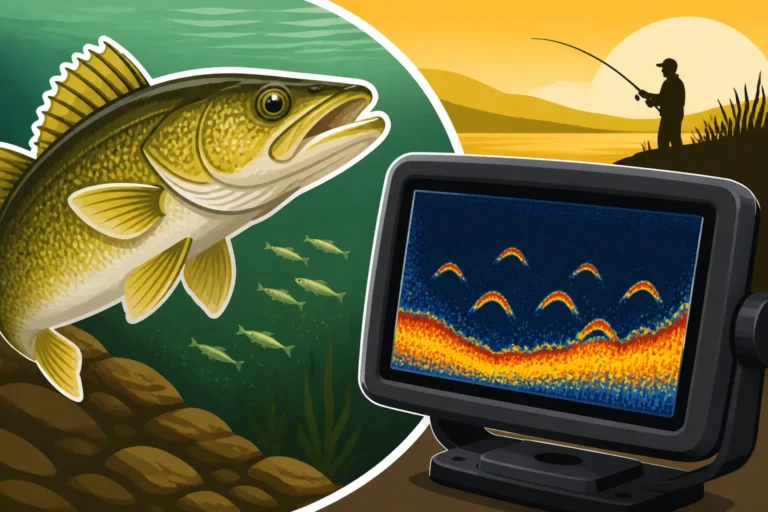
Walleye and their close cousins, sauger, are highly sought-after river fish in Nebraska, particularly in the Missouri River and the lower reaches of the Platte. They are notorious for being finicky, but drift fishing, especially bottom bouncing, can be incredibly productive. These fish often hold in current seams, behind structure, or along channel edges, waiting to dart out and ambush passing baitfish.
For river walleye and sauger, a bottom bouncer rig with a snelled spinner harness tipped with a nightcrawler or a live minnow is a classic. You can also trail a small crankbait like a Rapala Shad Rap or a jig tipped with a plastic grub behind your bouncer. When drifting for these species, pay close attention to depth and current speed. Walleye often prefer specific zones, and sauger tend to hug the bottom more tightly. You want your bait to be just ticking the bottom or slightly above it, mimicking a stunned baitfish. If you're on a productive drift, repeat it precisely. Many anglers use GPS units to mark their successful drift paths on rivers like the Missouri River Fishing in Nebraska, ensuring they can hit that "sweet spot" again and again.
Smallmouth Bass and Panfish Opportunities
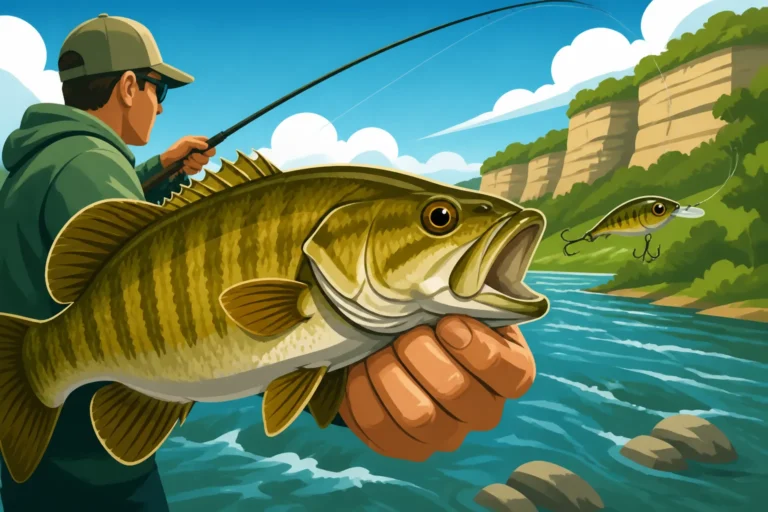
While often associated with still waters, panfish like crappie and bluegill, and feisty smallmouth bass, can be excellent targets for drift fishing in certain river environments. The Niobrara River Fishing, with its rocky bottom and clear waters, is a prime example of where smallmouth bass thrive and can be caught drifting.
For smallmouth bass, especially in rivers with rocky bottoms and moderate current, drifting small jigs, tubes, or soft plastics can be incredibly effective. Cast upstream and let your lure tumble and bounce along the bottom, mimicking crayfish or baitfish. Pay close attention to current breaks around boulders, fallen trees, and ledges. Smallmouth are aggressive and will often hammer a drifting lure. For panfish, look for calmer eddies, backwaters, or areas with submerged brush. A light slip bobber rig with a tiny jig tipped with a waxworm or a small piece of nightcrawler can produce excellent results. Allow your bait to drift into these slack water areas, where panfish congregate to escape the main current and find food. Sometimes, simply finding the right depth for the drift is the only adjustment needed to turn a slow day into a memorable one.
Navigating Nebraska's Premier Drift Fishing Rivers
Nebraska offers a diverse array of rivers, each presenting its own unique character, challenges, and rewards for the drift angler. Understanding these specific waterways can significantly increase your chances of success.
Mastering the Mighty Missouri River
The Missouri River is a behemoth, forming Nebraska's eastern border. Its sheer size, powerful currents, and complex system of wing dams, scour holes, and navigation channels can be intimidating, but it's also a phenomenal drift fishing destination, especially for walleye, sauger, and massive catfish.
Drifting the Missouri often requires a robust boat and a good understanding of river navigation and safety. When fishing wing dams, drift along the upstream side, letting your bait or bottom bouncer tick over the rocks, or position your boat to drift along the downstream eddy. The slower water behind the wing dam is often loaded with fish. For Catfish, target the deep scour holes created by the current. Look for subtle current seams where slower water meets faster, as these are prime ambush points. Remember that the Missouri River has unique border water rules, so it's always wise to be familiar with the regulations from both Nebraska and potentially Iowa or Missouri, depending on where you're fishing. When you're drifting the main channel, staying safe and understanding the currents is paramount.
The Platte River's Unique Challenges and Rewards
The Platte River, especially its lower sections, presents a different kind of drift fishing challenge. Known for its wide, shallow, and braided channels, as well as its shifting sandbars and numerous snags, it demands a flexible approach. Yet, it's a phenomenal river for channel catfish, and certain stretches hold impressive walleye and even smallmouth bass.
Wade fishing is a popular and effective method for drifting on the Platte. Anglers can carefully pick their way through shallower areas, casting upstream and allowing jigs or cut bait to drift into deeper holes or along current breaks behind sandbars or logjams. If you plan to wade, make sure you know How to Wade Fish the Platte River Safely, as the current can be deceptive and the bottom unstable. From a boat, navigating the Platte's constantly changing sandbars and shallow spots requires caution. Drifting in a jon boat or a shallow-draft vessel, using your trolling motor to subtly control your speed and direction, is often key. Focus on the main channels and any visible structure. The Platte is a river that rewards patience and a willingness to adapt your drift strategy to its ever-changing landscape. Knowing How to Fish Fast Current on the Platte River will also be a great asset here.
Exploring the Niobrara and Elkhorn Rivers
Moving to more intimate waters, the Niobrara and Elkhorn Rivers offer different, yet equally rewarding, drift fishing experiences.
The Niobrara River Fishing is renowned for its scenic beauty and excellent smallmouth bass fishing, particularly in its upper and middle reaches. Its rocky bottom and moderate currents make it ideal for drifting small jigs, crankbaits, or even live minnows. Canoe or kayak floats are a fantastic way to experience drift fishing here. You can drift along, casting to promising pockets and current seams, allowing your lure to tumble naturally through the water. The Niobrara also holds channel catfish and panfish in its slower sections.
The Elkhorn River Fishing is another underappreciated gem, particularly for its abundant channel catfish. Like the Platte, it can have shifting sand and snags, but it also features deeper holes and woody cover. Drift fishing cut bait or nightcrawlers along the edges of these holes or through snaggy areas can produce excellent results for catfish. Again, a shallow-draft boat or even focused bank fishing where you can access current breaks would be ideal. Both the Niobrara and Elkhorn are rivers that invite exploration and a more intimate connection with the natural environment while you drift for fish.
Safety and Conservation Practices for River Anglers
Our Nebraska rivers are incredible resources, and it's up to all of us to enjoy them safely and ensure they remain healthy and vibrant for future generations. Drift fishing often puts you in close contact with dynamic and sometimes unpredictable conditions, making safety paramount.
Essential Safety Gear and River Awareness
When you're out on the river, especially when drift fishing, safety can't be an afterthought. The current can be powerful, and conditions can change rapidly. Always wear a life jacket, even if you're a strong swimmer. This is non-negotiable, particularly when fishing from a boat or kayak on moving water. For those wading, invest in good quality wading boots with felt or studded soles for traction, and consider a wading belt to prevent water from filling your waders if you take a spill.
Always let someone know where you're going and when you expect to return. Carry a fully charged cell phone in a waterproof bag. A first-aid kit, whistle, and a sharp knife should be staples in your tackle bag. Be aware of weather forecasts, especially for sudden storms that can raise water levels and increase current. If you're in a boat, understand and follow all Nebraska Boat Safety Equipment Requirements, and know how to operate your vessel safely in current. Never underestimate the power of moving water; it can sweep away even experienced anglers.
Practicing Responsible Catch and Release
As anglers, we have a responsibility to our natural resources. While catching fish is exciting, ensuring the sustainability of fish populations is vital. Practice responsible catch and release, especially for fish you don't intend to keep or those that are out of season or below legal length limits as outlined in the Nebraska Fishing Regulations Explained.
Handle fish minimally and with wet hands to protect their slime coat. Use de-hooking tools or pliers (you can find great options on Amazon) to remove hooks quickly and gently. If a fish is deeply hooked, it's often better to cut the line as close to the hook as possible rather than risk further injury. For larger fish, revive them by holding them gently in the current until they can swim away strongly on their own. Adhere to all Nebraska Fishing Daily Bag and Possession Limits, and only keep what you will eat. By being mindful stewards of our rivers, we help preserve the incredible drift fishing opportunities that Nebraska offers.
Disclaimer
Please remember that fishing regulations, conditions, and best practices can change. Always consult the latest Nebraska Game and Parks Commission regulations before heading out. This guide is for informational purposes only and does not substitute for official regulations or personal judgment regarding safety.