Nebraska Paddlefish Snagging
Paddlefish snagging in Nebraska is a truly unique angling experience, unlike almost any other type of fishing you'll encounter. It can be incredibly exciting, but also a little intimidating for those new to it, especially with all the specific rules and specialized gear involved. This comprehensive guide aims to demystify the world of Nebraska paddlefish snagging, covering everything from the unique biology of these ancient fish to the permits you need, the gear that will give you the best chance of success, and the techniques that seasoned snagging pros employ.
Understanding Nebraska Paddlefish and Their Unique Fishery
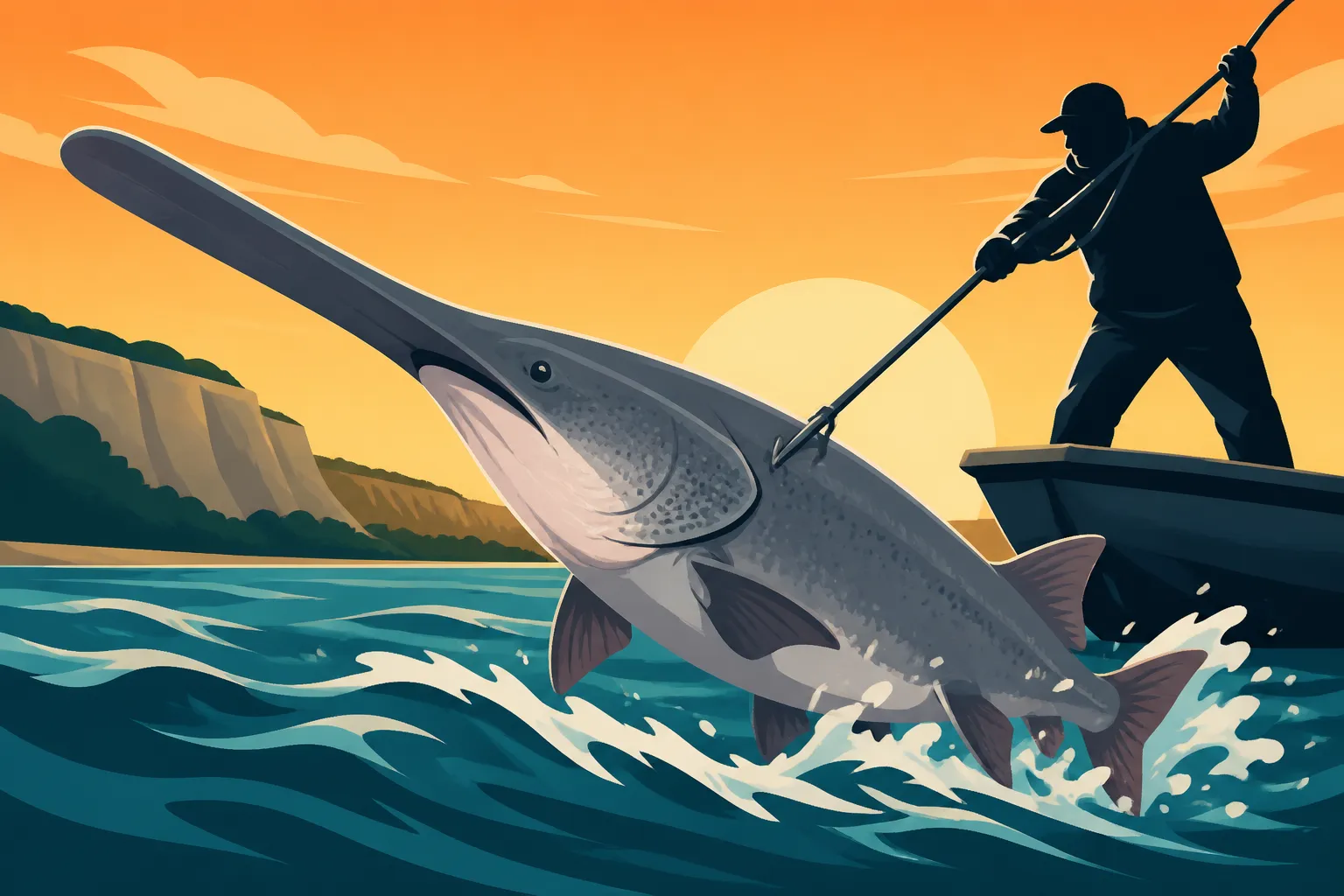
Paddlefish, often called "spoonbill" due to their distinctive, long, paddle-shaped snout, are one of the oldest and most fascinating fish species inhabiting Nebraska's waters, primarily the Missouri River. They're filter feeders, cruising through the water with their mouths open, sifting out plankton and other tiny organisms. This feeding behavior is precisely why traditional hook-and-line fishing methods, where a fish bites a baited hook, simply don't work for them. Instead, anglers "snag" them using heavy tackle and large, unbaited hooks.
The Biology and Behavior of Paddlefish
These prehistoric giants are truly remarkable. They can live for many decades and grow to impressive sizes, with some individuals tipping the scales at over 100 pounds. Their diet consists almost entirely of zooplankton, which they detect using electroreceptors on their paddle-like rostrum. During certain times of the year, particularly in spring when water temperatures rise and flows increase, paddlefish migrate upstream to spawn. This congregating behavior in specific river sections is what creates the opportunity for a regulated snagging season. Knowing their migratory patterns and preferred depths is crucial for anyone hoping to be successful.
Why Snagging is the Primary Method
Because paddlefish are filter feeders and don't actively strike lures or consume bait in the traditional sense, catching them requires a different approach. Snagging involves casting a heavy lead weight with a large, unbaited treble hook attached, and then retrieving it with a sweeping motion, hoping to "snag" the fish somewhere on its body. While it might sound a bit unconventional, it's a legal and highly regulated method for harvesting these amazing creatures. The Nebraska Game and Parks Commission manages this fishery very carefully to ensure sustainable populations for future generations of anglers.
Navigating Nebraska's Paddlefish Snagging Regulations
Before you even think about casting a line, understanding the regulations is paramount. Nebraska has specific rules in place to manage its paddlefish population and ensure a fair and safe experience for everyone. These rules cover everything from required permits to specific open seasons and areas, as well as daily and possession limits. Ignoring these rules can lead to significant penalties, so it's wise to be fully informed. You can find comprehensive details in the official Nebraska Fishing Regulations Explained.
Permit and Tag Requirements
To participate in the paddlefish snagging season, you'll need more than just a standard Nebraska fishing license. A special paddlefish permit and a tag are mandatory. The permit is typically purchased in advance, often through a lottery system due to the limited number of tags available for certain sections of the Missouri River. This system helps control harvest pressure. Once you successfully snag a paddlefish, you are required to immediately attach your tag to the fish, validating your harvest. This is not something to forget or delay; a untagged fish can result in a violation.
| Permit Type | Requirement | Purpose |
|---|---|---|
| Annual Fishing License | All anglers 16 and older need one. | General fishing authorization for all species in Nebraska. |
| Paddlefish Permit | Required in addition to a fishing license. | Specific authorization for paddlefish snagging. Often quota-based. |
| Paddlefish Tag | Comes with the permit; must be immediately attached to harvested fish. | Legalizes the harvest and helps track state harvest numbers. |
| Aquatic Habitat Stamp | Required for most fishing licenses. | Supports aquatic habitat improvement projects. You can learn more about the Nebraska Aquatic Habitat Stamp Explained. |
Always check the official Nebraska Game and Parks website or their annual fishing guide for the most current information regarding application deadlines, lottery systems, and specific permit details.
Season Dates and Open Areas
The paddlefish snagging season in Nebraska is short and highly specific, typically occurring in the spring. It's usually restricted to designated sections of the Missouri River and its tributaries, particularly in areas where paddlefish are known to congregate during their spawning migrations. These open areas are critical because snagging is only permitted in certain waters and specific times. Fishing outside these designated zones or dates, even with a paddlefish permit, is illegal. For example, some years may see different open periods for areas like the Gavins Point Dam tailwaters versus other river sections. This targeted approach helps concentrate effort and allows for better management. You'll definitely want to reference Best Season for Paddlefish Snagging in Nebraska for detailed seasonal insights.
Daily Bag and Possession Limits
Nebraska, like many states, imposes strict daily bag and possession limits on paddlefish to prevent overharvest. These limits are usually quite conservative, often allowing only one paddlefish per permit holder per season. Once you've harvested and tagged your fish, your paddlefish snagging season is generally over for that year. It’s absolutely essential to be aware of these limits, as exceeding them can lead to hefty fines and loss of fishing privileges. Remember, the goal is conservation and ensuring a healthy fishery for years to come.
Essential Gear for Successful Paddlefish Snagging
Paddlefish are powerful fish, and snagging them requires gear that can withstand immense pressure. This isn't your average panfish setup. Anglers often spend considerable time preparing their equipment because a broken rod or snapped line can mean losing a trophy fish. Think heavy-duty everything.
Heavy-Duty Rods, Reels, and Line
When it comes to paddlefish snagging, "heavy" is the operative word. You'll need a stout, heavy-action rod, typically 7 to 9 feet long, capable of handling large weights and fighting powerful fish in strong currents. Think catfish or muskie rods, but even beefier. Your reel should be a large, durable casting reel (baitcaster) with a smooth drag system, designed to hold a substantial amount of heavy line.
As for line, forget finesse. You're looking at braided line in the 80 to 120-pound test range. Monofilament or fluorocarbon simply won't cut it for the casting distances, snagging power, and brute strength required. Braided line offers superior strength, low stretch for better feel, and excellent abrasion resistance against submerged timber and rocky river bottoms. Many anglers find reliable heavy-duty braided lines on Amazon, specifically looking for brands known for their catfish or saltwater big-game applications.
Snagging Hooks and Weights
The business end of your paddlefish rig consists of large, heavy treble hooks and equally heavy lead weights. Hooks are typically 8/0 to 12/0 treble hooks, sharpened to a needle point for better penetration. The size of the hook is crucial, as you need enough "spread" to effectively snag the fish. Weights can range from 8 ounces up to a pound or more, depending on the current conditions of the river. The heavier weight helps your rig sink quickly and stay near the bottom, where paddlefish often cruise.
You'll typically rig your weight at the bottom, with one or two treble hooks on short leaders above it, creating a dropper rig. The distance between the weight and the lowest hook, and between multiple hooks, is often regulated, so always check the current year's fishing guide for specifics. Finding these specialized large hooks and weights can sometimes be a challenge locally, but online retailers like Amazon often have a wide selection, especially if you're looking for specific sizes or bulk quantities.
Boat and Personal Safety Gear
Paddlefish snagging often takes place in powerful river currents, sometimes from a boat. If you're heading out on the water, having the right safety equipment is non-negotiable. This includes properly fitting life jackets for everyone on board – in Nebraska, kids under 13 must wear one at all times on boats under 26 feet while underway. You'll also need a throw cushion, visual distress signals, a whistle or horn, and navigation lights if fishing before sunrise or after sunset.
Beyond the boat, personal safety gear is important. Sturdy, non-slip footwear is a must, whether you're in a boat or snagging from the bank, as riverbanks can be muddy and slick. A good pair of polarized sunglasses will help you spot subtle movements in the water. Since spring weather can be unpredictable, waterproof and windproof outerwear is highly recommended. Many anglers carry a first-aid kit, a sharp knife, and pliers specifically designed for hook removal. You can review all mandatory requirements in Nebraska Boat Safety Equipment Requirements.
Effective Techniques for Paddlefish Snagging
Snagging isn't just about brute force; there's a definite technique involved to consistently find and hook paddlefish. It takes practice, patience, and a good understanding of river dynamics.
Locating Paddlefish Hotspots
Paddlefish are migratory and tend to congregate in specific areas, especially below dams or in deep river channels with strong currents. Below a dam, fish often stack up as they try to move upstream, creating prime snagging opportunities. In open river sections, look for deeper holes, eddy lines, or current breaks where fish might rest or feed. Using a good depth finder can be invaluable for identifying these submerged structures and changes in depth. When fishing from the bank, seek out areas with deep water close to shore or prominent current seams. Remember, paddlefish are constantly on the move, so what was a hotspot yesterday might be quiet today. Consulting local bait shops or online forums for recent reports can give you a major advantage. Knowing How to Snag Paddlefish on the Missouri River will tell you a lot about these specific locations.
Casting and Retrieval Methods
The basic technique involves casting your heavy rig across or slightly upstream into the current and allowing it to sink to the bottom. Once it's on the bottom, you'll engage your reel and use a long, sweeping motion of your rod, pulling the rig through the water. This sweep should be powerful enough to cover ground and ensure your hooks are moving. After each sweep, quickly reel in the slack line as you drop your rod tip back down, then repeat the process. This "sweep and retrieve" motion is designed to cover a wide swathe of water and hopefully, snag a passing paddlefish.
The key is to maintain bottom contact as much as possible, as paddlefish often cruise near the riverbed. Adjust your weight as needed to achieve this. If the current is too strong, you might need a heavier weight; if it's too weak, a lighter one will suffice. From a boat, you might drift downstream, repeating the sweeping motion as you go. From the bank, you'll repeatedly cast and retrieve, working different angles and depths.
Fighting and Landing a Snagged Paddlefish
When you snag a paddlefish, there's usually no mistaking it. It often feels like you've hooked a log, followed by a sudden, powerful surge. These fish are incredibly strong and will make long runs, especially in current. Keeping your drag set correctly is crucial – tight enough to set the hook and turn the fish, but loose enough to allow line to peel off during powerful runs, preventing your line from snapping.
The fight can be a long, grueling battle. Take your time, let the fish run when it wants to, and gain line when you can. Pump the rod, reeling down as you drop the tip, then lift again. Avoid horsing the fish, as this can tear the hook out or break your line. When the fish is finally tired, guide it to your boat or shore. Using a large, heavy-duty net or a specialized gaff (where legal) is usually necessary to land these big fish. Always be prepared for one last burst of energy when the fish sees the boat or shore.
Safety and Ethical Considerations in Paddlefish Snagging
Due to the specialized nature of paddlefish snagging and the environment it often takes place in, safety and ethical practices are more important than ever. The Missouri River is a powerful waterway, and large, heavy gear can be dangerous if not handled properly.
Safe Handling of Fish and Gear
When you finally get a paddlefish alongside your boat or on the bank, be mindful of its size and power. These fish can thrash violently, and a large treble hook swinging around can be extremely dangerous. Always have a plan for landing the fish safely. If you intend to harvest, have your tag ready and secure the fish quickly. If you plan to release a fish (e.g., if it's not legal size, or you've already harvested your limit), handle it with extreme care. Keep it in the water as much as possible, use wet hands to minimize slime coat damage, and release it quickly.
The heavy weights and large hooks used in snagging also pose a risk to anglers. Be aware of your casting area, especially if fishing with others. Always ensure you have enough clearance for your sweeping casts, and keep an eye out for bystanders. Never cast directly at another person or boat.
Responsible Catch and Release Practices
While paddlefish snagging is often for harvest, there are instances where catch and release may be necessary or desired. Perhaps you snagged a fish outside the legal size slot, or you've already filled your tag. In these situations, quick and careful release is paramount for the fish's survival. Try to unhook the fish while it's still in the water, if possible. If you must bring it aboard, minimize its time out of the water. Support its body horizontally, avoid grasping it by the gill plates, and get it back into the current as quickly as possible. Ensuring the fish has enough oxygen and is able to swim away strongly will greatly increase its chances of survival.
Boating Safety on the Missouri River
The Missouri River, especially below dams, can be a challenging environment for boaters. Strong currents, submerged hazards, and fluctuating water levels are common. Always wear your life jacket, ensure all required safety equipment is aboard, and be aware of navigational markers. Check weather forecasts before heading out, and be prepared for sudden changes. High winds can make boating on a large river extremely dangerous. If you're new to boating on the Missouri, consider going with an experienced friend first. For more details on safe boating, you can check Nebraska Boat Registration and Fishing Rules.
Processing Your Paddlefish Catch
Harvesting a paddlefish is a rewarding experience, but the work isn't done once the fish is landed and tagged. These large fish require specific handling and processing to ensure the meat and any roe (caviar) are properly cared for.
Cleaning and Filleting Large Fish
Paddlefish don't have scales like most fish; instead, they have smooth skin. They also have a cartilaginous skeleton, which means they don't have traditional bones. This can make cleaning a bit different from your typical walleye or catfish. Many anglers prefer to bleed the fish immediately after harvest to improve meat quality.
When filleting, you'll want to remove the large, meaty fillets from either side of the backbone. Because of their unique cartilage structure, you'll often slice away large chunks of meat. Be sure to remove any dark red or "muddy" meat, as this can have a strong flavor. The remaining white meat is firm and delicious, often compared to swordfish or even chicken.
Utilizing Paddlefish Roe (Caviar)
One of the most valuable aspects of a female paddlefish is its roe, which can be processed into a highly sought-after delicacy: American paddlefish caviar. If you're fortunate enough to catch a mature female during spawning season, her roe can be a significant bonus.
Processing roe into caviar is a delicate art. It involves carefully removing the egg sac, rinsing the eggs thoroughly to remove membranes and impurities, and then gently salting them. The amount and type of salt used are critical to achieving the desired flavor and texture. If you're not experienced with caviar processing, consider consulting guides or even local processors who specialize in it. It's a fantastic way to maximize your harvest.
Storage and Cooking Recommendations
Once filleted, paddlefish meat freezes exceptionally well. Wrap individual portions tightly in freezer paper or vacuum seal them to prevent freezer burn. Properly stored, it can last for many months.
Paddlefish is a versatile fish in the kitchen. Its firm, white meat holds up well to grilling, baking, smoking, or frying. It takes on marinades beautifully. Many recipes call for it to be treated similarly to swordfish or sturgeon. Whether you're making fish tacos, grilling steaks, or smoking it for a special occasion, paddlefish offers a unique and delicious culinary experience.
The Unique Thrill of Nebraska Paddlefish Snagging
Participating in Nebraska's paddlefish snagging season is more than just fishing; it's an annual tradition for many, a chance to connect with a truly ancient species, and an opportunity to experience a powerful river in a unique way. The adrenaline rush of hooking a massive paddlefish, the challenge of the fight, and the reward of such a prized catch are experiences that keep anglers coming back year after year.
It's a fishery that demands respect for the fish, the river, and the regulations in place to protect it. By understanding the biology of these magnificent creatures, preparing with the right heavy-duty gear from reliable sources like Amazon, mastering the specific snagging techniques, and prioritizing safety and ethical practices, you too can successfully join the ranks of Nebraska paddlefish snagging enthusiasts. Embrace the challenge, enjoy the wild beauty of the Missouri River, and experience a fishing adventure that truly stands apart.
Disclaimer
This article is for general informational purposes only and does not constitute professional advice. Laws, prices and regulations vary by location and change over time. Consult a qualified professional for guidance on your specific situation.