Nebraska Gar Fishing
Gar fishing in Nebraska often feels like trying to crack a secret code. Many anglers view these ancient, toothy predators as a nuisance, or they simply don't know where to start. It can be incredibly frustrating to target a fish that seems impervious to hooks, or to identify which species you've even encountered. This comprehensive guide will demystify Nebraska gar fishing, offering insights into identifying, locating, catching, and properly handling these incredible fish, so you can transform frustration into successful outings.
Unraveling Nebraska's Gar Species
Nebraska's waters are home to a couple of gar species, each with its own characteristics and preferred hangouts. Knowing which one you're looking at, or targeting, can make a huge difference in your approach. They're often misunderstood, but once you learn their ways, you'll gain a new appreciation for these living fossils.
The Distinctive Longnose Gar
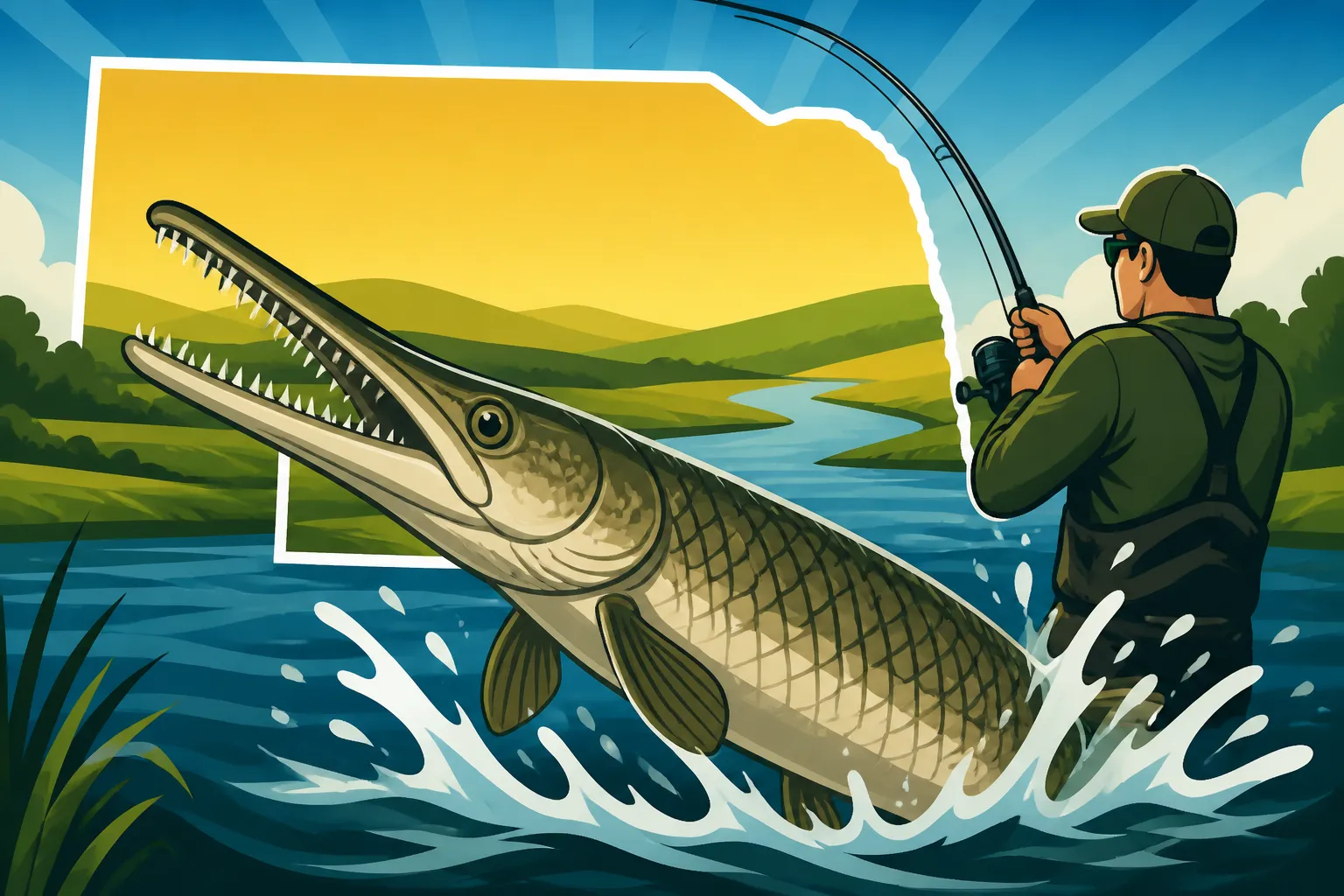
The Longnose Gar is perhaps the most recognizable of the Nebraska gar, primarily due to its incredibly elongated, slender snout. This species can grow quite large, sometimes exceeding four feet in length, and their jaws are lined with numerous needle-sharp teeth. They are truly ancient looking, with a torpedo-shaped body covered in tough, ganoid scales that act like armor. When you see a Longnose Gar, there's little doubt about its identity—that distinctively long, narrow beak sets it apart.
These gar are ambush predators, often lying perfectly still near the surface or amidst submerged vegetation, waiting for an unsuspecting baitfish to swim by. Their long snout allows them to make quick, sideways swipes to snatch prey. While challenging to hook due to their bony mouths, the fight they put up on the line is absolutely thrilling. They're built for speed and power, and you'll know you've got a formidable opponent when you hook into one.
The More Common Shortnose Gar
The Shortnose Gar, as its name suggests, has a shorter, broader snout compared to its longnose cousin. While still elongated and toothy, the difference is quite noticeable once you know what to look for. This species is generally smaller than the Longnose Gar, typically ranging from two to three feet in length, though larger specimens are certainly caught. Shortnose Gar are more widespread across Nebraska's rivers and reservoirs, making them a more frequent encounter for many anglers.
They share many of the same predatory habits, preferring to ambush prey, but their slightly different mouth structure might influence how they strike a lure or bait. Due to their prevalence, they're often the first gar species an angler in Nebraska will encounter, offering a fantastic introduction to the unique challenges and rewards of gar fishing. They're tough, resilient, and an important part of the aquatic ecosystem.
Identifying Gar: Key Differences for Anglers
Distinguishing between the two primary gar species in Nebraska boils down to one key feature: the length of their snout. The Longnose Gar's snout length is more than twice the length of the rest of its head, while the Shortnose Gar's snout is less than twice the length. It's a subtle but crucial difference that you'll quickly learn to spot. Beyond that, Longnose Gar tend to be lighter in color, often a yellowish-olive, with scattered dark spots. Shortnose Gar are typically darker, more brownish or grayish, with less distinct spotting.
Another helpful identification marker is the presence of teeth on their snouts. Both have plenty, but understanding the general shape and proportions of their "beak" is the quickest way to tell them apart. Accurate identification is not just for bragging rights; it also helps you understand their behavior and where they might be holding in the water. For a broader understanding of various fish species in the state, consult the Nebraska Fish Species Identification Guide.
Here's a quick reference table for telling them apart:
| Feature | Longnose Gar | Shortnose Gar |
|---|---|---|
| Snout Length | Very long and slender, more than 2x head length | Shorter and broader, less than 2x head length |
| Body Length | Can exceed 4 feet | Typically 2-3 feet |
| Coloration | Often yellowish-olive, distinct dark spots | Usually brownish-gray, less distinct spotting |
| Distribution | Found in larger rivers and reservoirs | More widespread across various water bodies |
| Commonality | Less common than shortnose | More frequently encountered |
Where to Find Gar in Nebraska Waters
Gar are remarkably adaptable fish, but they do have preferred haunts where they can most effectively ambush their prey. Understanding these habitats is key to successfully targeting them. They often seek out areas where baitfish congregate and where they can blend into the surroundings.
Gar Hotspots in Rivers and Tributaries
Nebraska's numerous rivers and their tributaries are prime real estate for gar. The Platte River, the Niobrara, and even sections of the Missouri River offer fantastic opportunities. Gar often gravitate towards slow-moving backwaters, oxbows, and eddies where current breaks provide a reprieve from the main flow. You'll find them lurking around fallen trees, log jams, and dense weed beds that offer excellent cover for ambush attacks. These areas are typically teeming with baitfish, providing a consistent food source for gar.
Focus on areas with submerged structure, especially where there's a mix of shallow and slightly deeper water. During warmer months, you might even spot them basking just beneath the surface in these calmer sections. For specific access points and fishing tips for larger rivers, explore resources like the Platte River Fishing Guide or the Missouri River Fishing in Nebraska article. Scouting these river systems from a small boat or even from shore can reveal consistent gar hotspots.
Lakes and Reservoirs: Hidden Gar Havens
Beyond rivers, Nebraska's many lakes and reservoirs are also excellent places to find gar. Large impoundments like Lake McConaughy, Branched Oak Lake, and even smaller community lakes can hold healthy populations. In these waters, gar often patrol shallow coves, bays with lily pads or emergent vegetation, and the calmer sections of the shoreline. They especially love areas with standing timber or brush piles, which provide both cover and a buffet of baitfish.
During the warmer parts of the year, particularly late spring and summer, gar will often move into the shallower areas, making them visible to observant anglers. Look for calm, glassy pockets of water where they might be lurking just under the surface. Reservoirs with extensive shallow flats and consistent baitfish populations are usually excellent candidates. Don't overlook the potential for gar in the warmer, shallower arms of larger reservoirs.
Reading the Water: Locating Gar Structure
Successfully locating gar involves more than just picking a body of water; it's about understanding where they position themselves within that water. Gar are masters of camouflage and patience. They often prefer areas where murky water meets clearer water, or where pockets of calm water are adjacent to more active flows. Key structures to look for include:
- Submerged Trees and Log Jams: These provide ambush points and shade.
- Dense Weed Beds and Lily Pads: Excellent cover and concentrations of baitfish.
- Channel Edges and Drop-offs: Gar will position themselves on the edges, darting up to feed.
- Creek Mouths and Inflow Areas: These often bring in baitfish and slightly different water temperatures.
- Boat Docks and Pilings: Man-made structures can also attract baitfish and, consequently, gar.
Take your time to observe the water. Look for subtle movements, a ripple on a calm surface, or even the distinctive snout of a gar breaking the water. Sometimes, you'll see a small baitfish jump, indicating a predator might be nearby. Patience and keen observation will greatly increase your chances of finding these elusive fish.
Gearing Up for Nebraska Gar Fishing
Gar fishing isn't your average panfish or bass pursuit. Their bony mouths, sharp teeth, and armored bodies require a specialized approach to tackle and gear. Using the wrong setup can lead to endless frustration and lost fish.
Rods, Reels, and Unyielding Lines
For gar, you need gear that can withstand abuse and provide enough backbone to set a hook (or more accurately, get a good hold) in their tough mouths. A medium-heavy to heavy action rod, around 7 to 8 feet in length, is a great choice. This provides the power needed to cast heavier baits and wrestle a strong fish. Pair this with a sturdy baitcasting reel capable of holding a good amount of heavy line. You don't need the fanciest gear, but durability is paramount. Many reliable options can be found on Amazon, often at competitive prices.
When it comes to line, forget light monofilament. You'll want to spool up with heavy braided line, at least 30-50 pound test, directly to your reel. Braided line offers superior abrasion resistance against their rough scales and sharp teeth, and its lack of stretch helps with the difficult hooksets. A fluorocarbon leader of 30-50 pounds is also highly recommended, as it's more abrasion resistant than mono and less visible than braid in clearer water. Some anglers even use thin wire leaders, especially if they are consistently getting bitten off. Consider checking out various fishing line options on Amazon for robust braided and fluorocarbon selections.
Baits and Lures That Gar Can't Resist
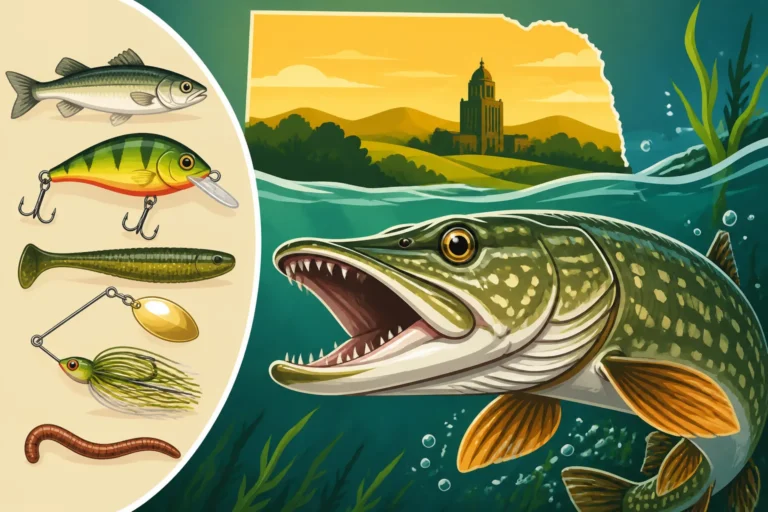
Gar are opportunistic predators, and while they have a reputation for being hard to catch, certain baits and lures consistently draw their attention. Live bait is often king, especially when targeting larger gar. Small to medium-sized live minnows, shiners, or sunfish are incredibly effective. Present them under a bobber or free-lined near cover. The gar will often mouth the bait for a while before fully committing, so patience is crucial.
For artificial lures, slim-profile baits that mimic baitfish work well. Think inline spinners with a small minnow imitation, spoons, or even small crankbaits. Topwater lures can also provide explosive strikes, especially during low light conditions or in calm, shallow waters. However, the challenge with traditional hooks is their bony mouth. This is where specialized "rope lures" come into play. These are made from frayed nylon rope that tangles in the gar's teeth without needing a hook, often leading to better hook-up (or tangle-up) ratios. You can often find these unique lures or materials to make your own online.
Essential Tools for Landing and Handling
Landing and handling a gar safely, for both you and the fish, requires specific tools. Due to their sharp teeth and armored bodies, direct hand contact is generally not advisable. A sturdy landing net with a rubberized mesh is ideal, as it won't tangle hooks as easily and is gentler on the fish's scales if you intend to release it. For truly large gar, a specialized "gar grabber" or lip grip tool can provide a secure hold without harming the fish or your hands.
Long-nosed pliers or hemostats are absolutely essential for hook removal, especially with their deep-set, bony jaws. Keep a pair of heavy-duty wire cutters handy if you're using wire leaders and need to cut the line quickly. A good set of gloves, preferably puncture-resistant, is also a wise investment for added protection. Having these tools readily accessible means a smoother, safer experience from hook-set to release. Best Landing Nets for Big Fish might offer useful insights for securing large gar.
Mastering Gar Fishing Techniques
Catching gar isn't just about the right gear; it's about understanding their unique feeding habits and adapting your techniques accordingly. They aren't always the easiest fish to fool, and their bony mouths present a distinct challenge.
Conventional Bait Fishing Approaches
When using live bait, patience is your greatest virtue. Rig a live minnow or small panfish on a stout circle hook (size 1/0 to 4/0, depending on bait size) with a heavy leader, either fluorocarbon or wire. Many anglers prefer to use a slip bobber to suspend the bait at a desired depth near structure or over a shallow flat. Cast your bait out and watch the bobber closely. Gar will often pick up the bait and swim off slowly, sometimes pausing before truly swallowing it.
Resist the urge to set the hook immediately. Let the gar swim with the bait for a good 10-30 seconds, allowing the circle hook to rotate into the corner of its mouth. A slow, steady reel-in motion is often more effective than a hard, sweeping hookset with circle hooks. If you feel resistance, slowly increase pressure until the line comes taut and the fish is on. This technique minimizes gut-hooking and increases your chances of a solid connection.
Challenging Gar with Artificial Lures
While more challenging, catching gar on artificial lures can be incredibly rewarding. Traditional lures like inline spinners, spoons, and small jerkbaits can entice a strike, but actually getting a hook into their bony mouth is tough. Many anglers will "foul-hook" them, meaning the hook catches on the outside of their mouth or body, which isn't ideal for the fish or the angler.
This is where "rope lures" shine for artificial presentations. These innovative lures consist of unraveled nylon rope fibers tied to a treble hook or simply tied into a bundle. The idea is that when a gar strikes, its needle-like teeth become hopelessly entangled in the soft fibers, allowing you to reel it in without a traditional hook set. Simply cast and retrieve slowly through gar-infested waters. When a gar strikes, keep reeling steady, letting the rope do its job. You can find ready-made rope lures or even instructional videos on how to tie your own with some paracord on platforms like Amazon.
The Thrill of Nebraska Bowfishing for Gar
For many, bowfishing offers an exciting and highly effective way to target gar in Nebraska. Unlike rod-and-reel fishing, where hooking can be difficult, bowfishing allows for a direct hit on the fish. This method is especially popular in shallow, clear waters where gar are often seen cruising or basking near the surface. You'll need specialized gear: a bow (recurve, compound, or traditional), an arrow with a barbed tip and line attached, and a reel mounted to your bow that allows the line to play out freely.
Successful bowfishing for gar requires keen eyesight and an understanding of light refraction in water, which makes the fish appear to be in a different position than it actually is. You'll need to aim low, below where you perceive the fish to be. Bowfishing is often done from a boat, slowly cruising shallow areas or backwaters. Always check Nebraska Bowfishing Rules and local regulations for specific areas and times when bowfishing is permitted. It's a truly unique way to engage with these prehistoric fish, offering a primal and adrenaline-pumping experience.
Responsible Angling: Handling and Regulations
Gar might be tough, but they still deserve responsible handling and respect, just like any other fish species. Understanding regulations and practicing safe handling ensures the sustainability of their populations and your own safety.
Safe Handling and Release Practices
Once you've managed to land a gar, the next step is safely handling it. Remember their teeth and sharp scales! If releasing, minimize the time the fish is out of the water. Use your landing net to bring the fish aboard, then use long-nosed pliers or hemostats to carefully remove the hook. For rope lures, carefully untangle the fibers from their teeth. If the gar is particularly feisty, a gloved hand can be used to hold it firmly just behind the head.
Avoid grabbing them by the eyes or gills. If using a lip-gripping tool, ensure it's applied correctly and supports the fish's weight if lifted. Gently release the gar back into the water, allowing it time to recover before swimming off. If a gar is bleeding or heavily stressed, revive it by holding it upright in the water and gently moving it back and forth to force water over its gills until it swims away under its own power. These practices are crucial for the long-term health of our fisheries, as detailed in How to Release a Fish Safely to Survive.
Understanding Nebraska Gar Regulations
Nebraska, like many states, has specific regulations governing gar fishing. These can include daily bag limits, possession limits, and sometimes even specific seasons or methods of take. While gar are not typically managed with strict length limits like game fish, it's paramount to be aware of any rules to ensure you're fishing legally and responsibly. These regulations help maintain healthy fish populations and ensure fair chase.
Always consult the current Nebraska Fishing Guide or the official website of the Nebraska Game and Parks Commission before heading out. This is where you'll find the most up-to-date information on species-specific regulations, general fishing rules, and any required permits like the Nebraska Aquatic Habitat Stamp Explained. Additionally, be mindful of any Nebraska Fishing Daily Bag and Possession Limits that might apply to gar or other species you encounter. Ignorance of the law is never an excuse, and game wardens take these rules seriously.
Conservation and Respect for Gar
Gar have often been unfairly maligned as "trash fish" or nuisances, leading to indiscriminate culling in the past. However, these ancient predators play a vital role in Nebraska's aquatic ecosystems. They are excellent indicators of water quality and help keep populations of certain baitfish and even rough fish in check. They are a native species and deserve our respect and protection.
Responsible angling means more than just following the rules; it means appreciating the ecological value of all species, including gar. If you choose to harvest gar, do so within legal limits and make sure you utilize the fish. If you practice catch-and-release, handle them with care to maximize their chances of survival. Promoting a positive image of gar among fellow anglers and educating others about their ecological importance helps foster a stronger conservation ethic. Remember that all boaters and anglers also need to be aware of the Nebraska Boat Registration and Fishing Rules and general Nebraska Fishing Regulations Explained to protect our waterways.
Disclaimer
This article is for general informational purposes only and does not constitute professional advice. Laws, prices and regulations vary by location and change over time. Consult a qualified professional for guidance on your specific situation.