What Fish Species Were Recently Stocked in Nebraska Lakes
It's a question every angler who loves fishing Nebraska's waters asks, whether you're a seasoned pro or just starting out: "What fish have they put in the lakes lately?" We all know that a fresh batch of stocked fish can dramatically change your fishing plans, offering new opportunities, targeting specific species, or simply improving the odds of a successful day out. It's frustrating to hit your favorite spot only to find the action slow, when sometimes, a quick check of stocking reports could point you to a lake that just received a fresh delivery. This guide is all about helping you understand what fish species have been recently stocked in Nebraska lakes, why it matters, and how you can use that information to improve your catches.
Understanding Nebraska's Fish Stocking Program
Nebraska's natural waters are incredible, but they're also carefully managed to ensure sustainable fishing for everyone. The Nebraska Game and Parks Commission (NGPC) runs a robust fish stocking program, which is a critical part of maintaining healthy fisheries and creating diverse angling opportunities across the state. This isn't just about dumping fish into a lake; it's a strategic effort based on scientific data, habitat assessment, and angler demand.
Goals of Fish Stocking in Nebraska
The reasons behind stocking fish are multifaceted, aiming to benefit both the ecosystems and the people who enjoy them. Primarily, stocking helps to maintain fish populations in waters where natural reproduction might be limited due to habitat loss, fluctuating water levels, or pressure from fishing. For instance, in many of our popular reservoirs, the natural spawn of certain species might not be enough to support the high demand from anglers, making stocking essential for healthy populations.
Another major goal is to create entirely new fishing opportunities. Think about those "put-and-take" trout fisheries in urban ponds during the colder months. These are specifically designed to provide immediate fishing action in easily accessible areas, often catering to families or those looking for a quick outing. Without stocking, many of these ponds wouldn't be able to support game fish populations at all. Stocking also plays a vital role in species management, introducing new genetics, or helping to re-establish native species in waters where they might have declined. It’s a delicate balance, and the folks at NGPC work hard to get it right. Understanding these goals can give you a better appreciation for why certain species end up in certain lakes.
Types of Fish Commonly Stocked
Nebraska sees a variety of fish species introduced into its waters throughout the year, each serving a specific purpose. You'll find a mix of coldwater and warmwater species, depending on the season and the body of water.
For our coldwater enthusiasts, Rainbow Trout are frequently stocked, especially in designated winter trout lakes and various stream sections. These stockings provide excellent opportunities for anglers seeking a different challenge, particularly when many warmwater species are less active. If you're wondering about the specifics, you'll want to check out information on Nebraska Trout Season Dates and Limits.
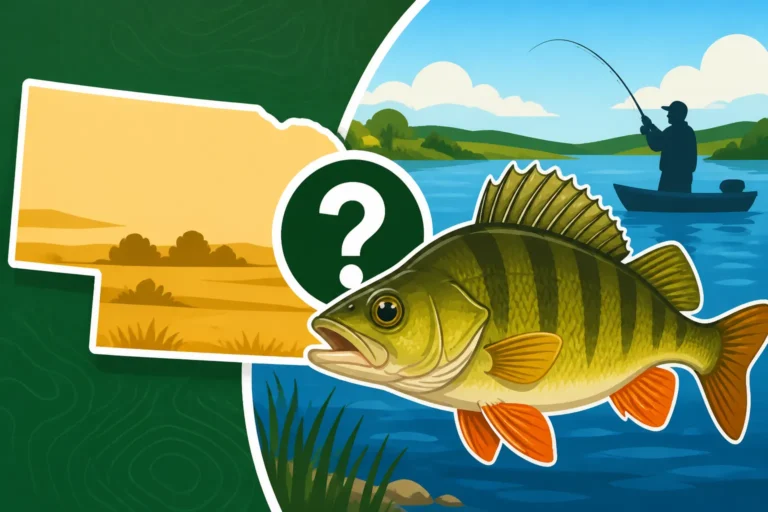
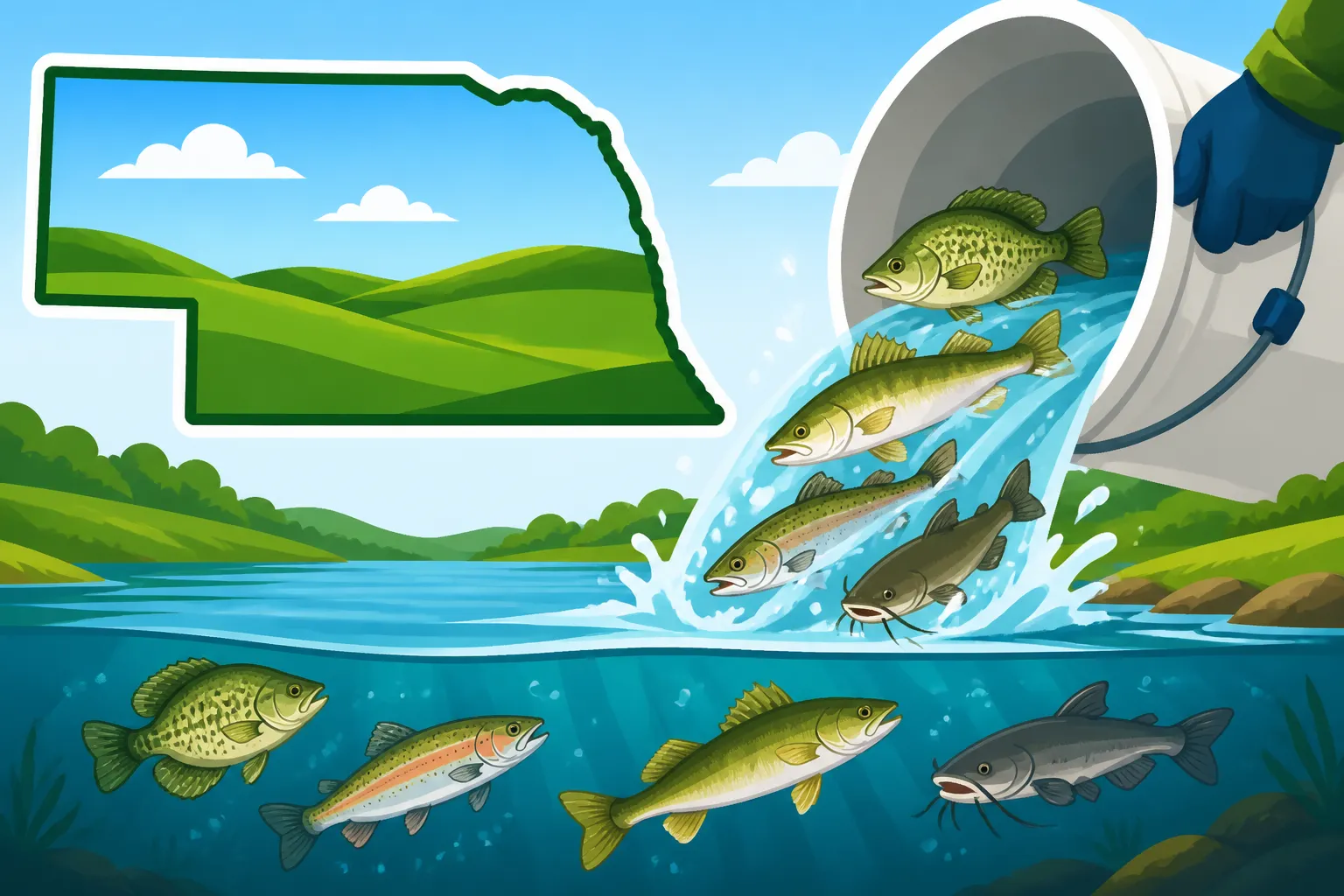
On the warmwater side, you'll see Walleye stocking as a big one, especially in our larger reservoirs like Lake McConaughy, Branched Oak, and Harlan County. These stockings supplement natural reproduction and ensure a strong population of one of Nebraska's most sought-after game fish. Channel Catfish are also common, particularly in smaller community lakes and urban ponds, offering fantastic fishing close to home. Panfish like Bluegill and Crappie are less frequently stocked in large numbers compared to walleye or trout, as they often have strong natural reproduction, but supplemental stockings do occur to boost populations or establish new ones. Knowing what's likely to be stocked helps you prepare your gear, whether you're looking for a new rod and reel combo on Amazon or tying your own specific flies.
Where to Find Official Stocking Information
The very best, most accurate, and up-to-date information on fish stocking in Nebraska comes directly from the source: the Nebraska Game and Parks Commission. They maintain detailed records and typically publish stocking schedules and reports online.
Their official website is your go-to. Look for sections dedicated to fisheries or stocking reports. Many times, they'll have interactive maps or searchable databases where you can plug in a lake name and see what's been stocked recently. Don't underestimate the power of these resources; they are goldmines for proactive anglers. If you're not familiar with how to navigate state wildlife websites, it's usually pretty straightforward – just look for terms like "fishing reports," "fish stocking," or "fisheries management." This official data can often be cross-referenced with general rules by looking at Nebraska Fishing Regulations Explained to ensure you're compliant with all local laws.
Recently Stocked Species and What It Means for Your Fishing
When we talk about "recently stocked" fish in Nebraska, we're usually focusing on species that are regularly introduced to boost angling opportunities. Knowing what's going in the water can completely change your approach, giving you a serious edge.
Walleye Stocking: Big Reservoirs and Beyond
Walleye are undoubtedly one of Nebraska's prized game fish, and their populations in many of our large reservoirs are heavily supported by stocking efforts. Lakes like Lake McConaughy, Merritt Reservoir, and Branched Oak Lake receive significant numbers of walleye fingerlings annually. These stockings ensure that even with heavy fishing pressure and environmental factors, there's always a healthy population for anglers to target.
What does this mean for your fishing? First, it means that areas known for stocking are often great places to focus your efforts. These newly introduced fish are often looking for easy meals and can be quite aggressive as they acclimate to their new environment. You might find them in shallower water initially, before they move to deeper structures. For those targeting walleye, understanding these stocking patterns is key to finding active fish, especially outside of traditional Nebraska Walleye Spawning Season periods. Keep an eye on the stocking reports for your favorite big water, and be ready to hit the lake soon after a drop.
Catfish Stocking: Urban Ponds and Community Lakes
If you love catching Channel Catfish, you're in luck, because they are a frequent recipient of stocking efforts, particularly in Nebraska's Urban Fishing Program ponds and smaller community lakes. These stockings are fantastic for providing accessible fishing opportunities for families and anglers who might not have a boat or want to travel far. Think about spots like Holmes Lake in Lincoln or Standing Bear Lake in Omaha—these often get regular catfish stockings.
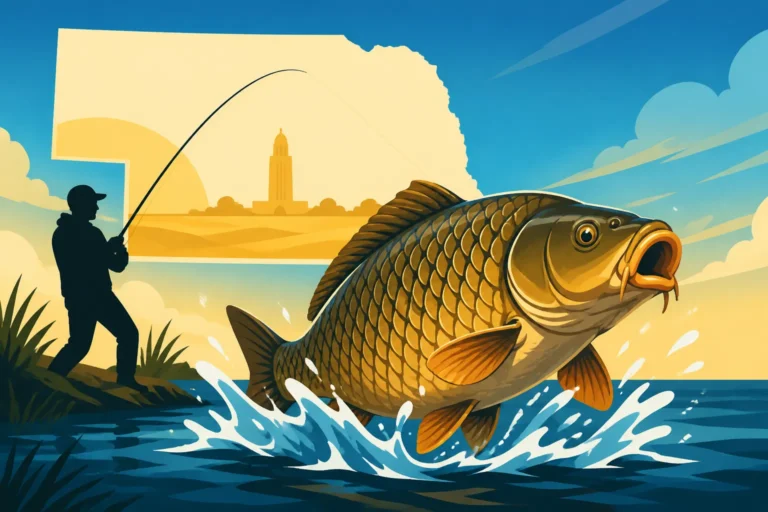
When catfish are stocked, they tend to bite readily as they adjust. For anglers, this often means simpler tactics like using prepared baits, cut bait, or even worms under a bobber can be incredibly effective. These are often "put-and-take" fisheries, so checking the specific Nebraska Catfish Bag Limits for these smaller bodies of water is always a good idea. This accessibility makes it a perfect scenario to grab a simple rod and reel setup, maybe even a budget-friendly option from Amazon, and head out for an afternoon of fun. It’s a great way to introduce kids to fishing, as the action can be consistent.
Trout Stocking: Winter Wonders and Year-Round Opportunities
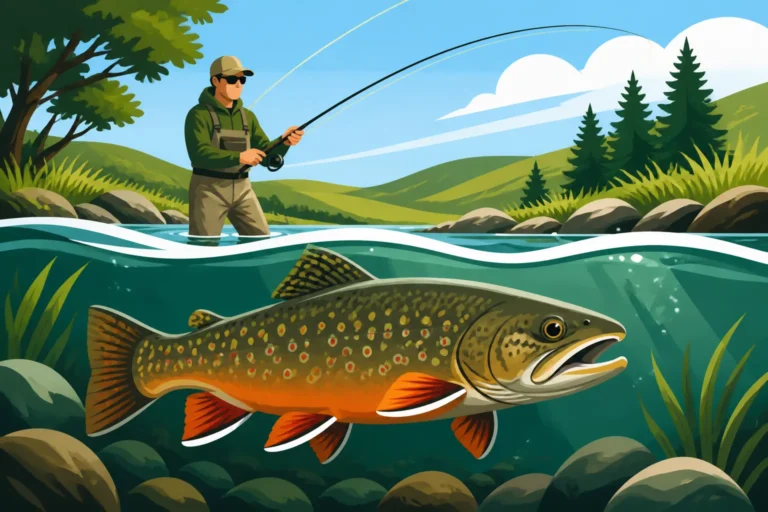
Nebraska might not be known as a trout state, but the stocking program ensures fantastic opportunities, especially during the colder months. Rainbow Trout are regularly stocked into numerous urban and community lakes as part of the winter trout program. These events are highly anticipated by anglers, creating a vibrant winter fishery. Beyond the urban settings, some specific streams and lakes in the western part of the state might also receive trout stockings to enhance their populations.
For trout anglers, timing is everything. Hitting a lake shortly after a trout stocking can lead to fast and furious action. These fish are often eager to bite on a variety of baits and lures, from power bait and corn to small spinners and flies. As the season progresses and pressure increases, they can become more wary, so getting there early after a stocking notification is a smart move. Always remember to check if a specific Nebraska Trout Stamp Requirements applies to your license if you're targeting trout in designated waters.
Other Species: Panfish and Bass
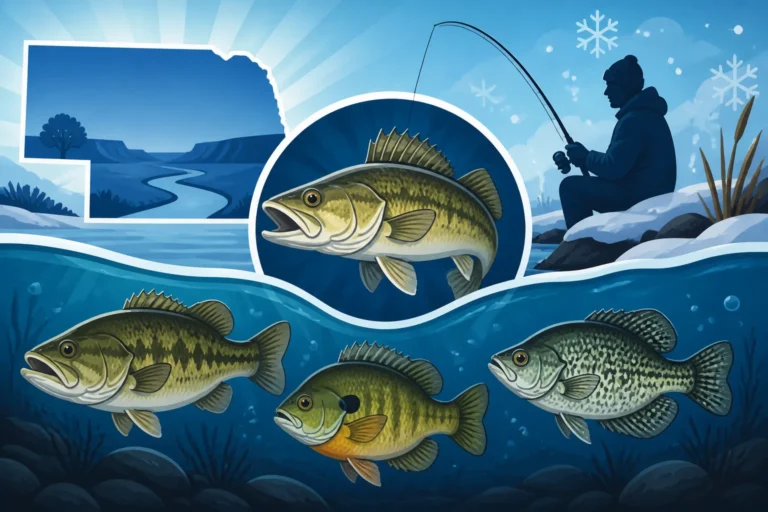
While not as frequent or as universally widespread as walleye, catfish, or trout, other species like Crappie, Bluegill, and even some Largemouth Bass can occasionally be part of stocking programs. These are typically done to supplement populations in smaller lakes or ponds that might be recovering from an environmental event or to kickstart a new fishery.
When panfish like crappie or bluegill are stocked, they provide excellent opportunities for light tackle fishing. These are perfect species for beginners or those just looking for some consistent action. They often respond well to small jigs, worms, or minnows. For bass, while many lakes rely on natural reproduction, stocking might occur to boost populations in specific areas. If you hear about a bass stocking, it could be a chance to explore a new spot. No matter the species, always make sure you've got your Nebraska Fishing License Guide in hand and ready to go.
Maximizing Your Catch After a Stocking Event
Knowing that fish have been stocked is one thing; actually catching them is another. But with a few smart strategies, you can significantly improve your chances of a successful outing after a stocking event. The key is understanding how newly introduced fish behave and adapting your approach accordingly.
Timing Your Trip
This is perhaps the most crucial factor after a stocking event. Generally speaking, the sooner you can get to the water after a stocking, the better your chances. Newly stocked fish are often disoriented, hungry, and less wary than established populations. They're trying to find food and cover in an unfamiliar environment.
Many anglers find the first few days, or even the first week, after a major stocking to be prime time. The fish are often schooled up and actively feeding. However, there's a flip side: these periods can also be the most crowded. If you prefer less company, waiting a week or two can still yield good results as the fish settle in, though they might be a bit more scattered and wise to typical presentations. For example, if you see a notification for Nebraska Urban Fishing Program Stocked Ponds Near Me, try to hit it that same weekend. Think about how the fish might react – a good place to consider buying some specific bait is online, with a huge selection available on Amazon.
Best Baits and Techniques for Stocked Fish
Newly stocked fish, especially trout and catfish, aren't always picky. They've often been raised in hatcheries on artificial feed, so strong scents and easy-to-find baits work wonders.
For trout, PowerBait, corn, worms, or small spinners are usually deadly immediately after stocking. They haven't learned to be wary of human presence or typical angling presentations yet. Small jigs tipped with a grub or a piece of nightcrawler can also be incredibly effective.
For catfish, classic baits like chicken livers, nightcrawlers, stink baits, or cut bait will often get results. Since they're often stocked in smaller ponds, focusing on the deeper sections or areas with some cover can be productive. Knowing Best Bait for Nebraska Catfish can give you an edge.
For walleye, after stocking, they might be more susceptible to jigging with minnows or plastics, or slow trolling with crankbaits or crawler harnesses. They'll be looking for protein as they adjust. It's often about finding where they've congregated. For specific recommendations, check out what works for Best Bait for Nebraska Walleye. A good all-around tackle box, perhaps one you picked up on Amazon, should have a variety of these options.
Locating Stocked Fish
While stocked fish can be disoriented, they're still fish, and they'll seek out fundamental needs: food, cover, and comfortable water temperatures. In smaller ponds, they might initially stick close to where they were released, or gravitate towards any available structure like weed lines, brush piles, or drop-offs.
In larger reservoirs, stocked walleye might initially stay in shallower coves or bays before moving to deeper main lake points or humps. Look for congregations of baitfish, as new arrivals will quickly key in on food sources. If you have a fish finder, pay attention to bait balls and any marks near structure. Even without advanced electronics, observing other anglers and noting where they are having success can be a huge clue. If you're serious about finding them, learning How to Read a Fish Finder for Walleye could be a game-changer.
Staying Informed About Nebraska's Stocking Schedules
The world of fishing is constantly evolving, and staying on top of stocking schedules is a continuous process. It's not a one-and-done check; conditions change, and so do stocking plans. Making it a habit to seek out current information will keep you ahead of the curve.
Official Sources for Stocking Reports
As mentioned earlier, the Nebraska Game and Parks Commission website is your absolute best friend. They often update their pages with the latest stocking reports, sometimes even providing projected schedules for the upcoming weeks or months. Get familiar with their fisheries section, sign up for any newsletters they offer, and consider following their social media channels. Often, immediate updates are posted there, giving you a real-time heads-up.
Another excellent tool is the GoOutdoorsNE Online Permit System. While primarily for licenses and permits, this system can sometimes link to or provide notifications about important fishing news, including stocking. Making a habit of checking these official channels will ensure you're working with the most accurate information available, directly from the source that manages the fisheries.
Community and Online Resources
Beyond the official channels, there's a vibrant community of Nebraska anglers eager to share information. Local bait and tackle shops are often the first to know about recent stockings, especially for smaller, local ponds. The folks working there are usually anglers themselves and can offer invaluable insights into what's biting and where. A quick phone call or a stop by your local shop can save you a lot of guesswork.
Online fishing forums and local social media groups dedicated to Nebraska fishing are also great places to connect with fellow anglers. People frequently post about their successes, often hinting at where the action is hot, which might coincide with recent stocking events. Just remember to verify information and be respectful of others' fishing spots. It's about sharing knowledge, not giving away secret honey holes!
Gear for Tracking and Catching Stocked Fish
Having the right gear doesn't just mean a good rod and reel. It also means tools that help you stay informed and adaptable. A reliable pair of binoculars might help you spot activity on the water, while a simple mapping app on your phone can help you identify potential access points or underwater structures where newly stocked fish might gather.
For those hitting the waters after a stocking, having a diverse tackle box is key. Don't go out with just one type of bait or lure. Stocked fish can be unpredictable, so bring a variety of options, from live bait to a selection of artificials. Consider a portable fish finder, even a basic one, if you're exploring new areas. These can be surprisingly affordable, and you can find a good range on Amazon that will give you an edge in locating fish, especially if they've spread out a bit. And, of course, a good pair of polarized sunglasses (another easy Amazon find) will help you spot any subtle movements or underwater features that might hold fish. Preparing for all scenarios means you're more likely to capitalize on those fresh stocking opportunities.
Disclaimer
This article is for general informational purposes only and does not constitute professional advice. Laws, prices and regulations vary by location and change over time. Consult a qualified professional for guidance on your specific situation.