How to Extend the Fishing Season Into Winter
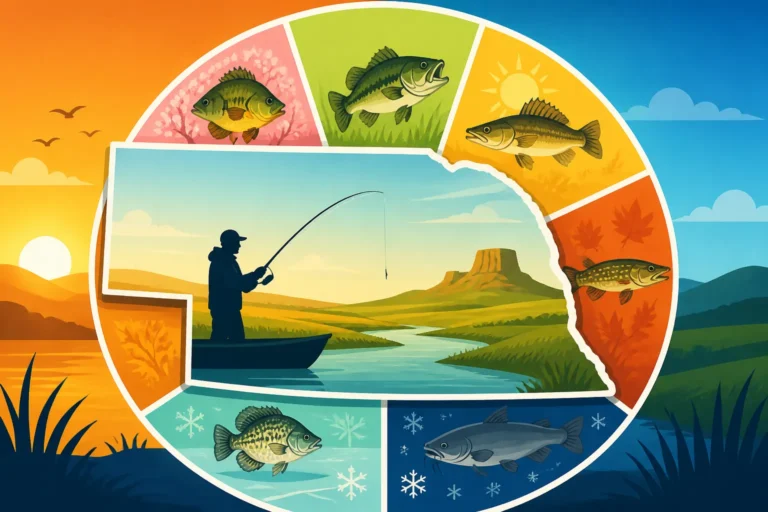
Many anglers feel a pang of sadness as the vibrant greens of summer fade to the muted browns of autumn, thinking their beloved fishing season is winding down. It's a common frustration, feeling like you have to pack away your rods and reels for months on end. But what if I told you that in Nebraska, the fishing doesn't just stop when the leaves fall or even when the lakes freeze over? This guide is all about showing you how to defy the calendar, adapt to the changing conditions, and extend your Nebraska fishing adventures deep into the colder months, transforming perceived downtime into productive and exhilarating new opportunities.
Embracing the Chill: The Transition to Cold-Water Fishing
The idea that fishing is only a warm-weather sport is a misconception many of us hold, and it often means we miss out on some truly incredible angling experiences. As the air gets crisp and the water temperatures drop in late fall, fish behavior changes dramatically, but they certainly don't stop eating. They simply become more strategic, and so must we. Understanding this transition is the first step to extending your season long after most have put their boats away.
Understanding Late Fall Open-Water Opportunities
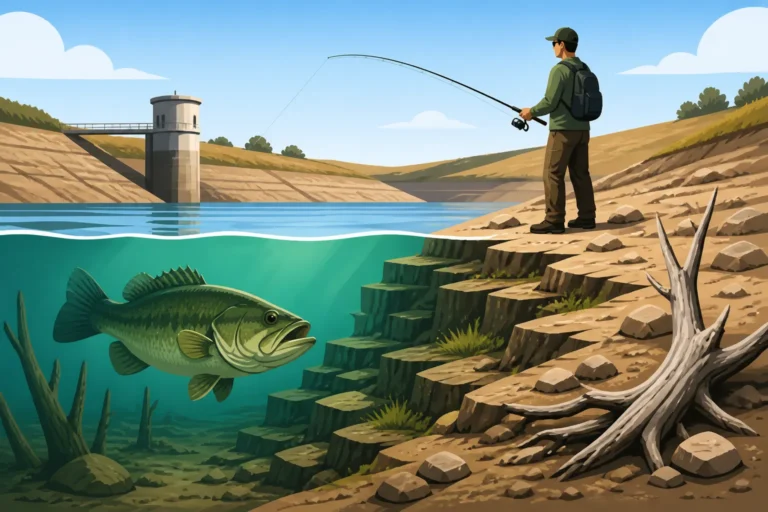
Before the ice truly sets in, there's a fantastic window of opportunity for open-water fishing. The late fall can be one of the most productive times, especially for species looking to put on weight before the lean winter months. We're talking about those crisp days where the air might bite a bit, but the water is still open and navigable. Fish like walleye, crappie, and even bass are actively feeding, often congregating in predictable areas as they follow baitfish seeking warmer, deeper water. This is when patience and knowing where to look become paramount. Instead of casting haphazardly, think about structure: submerged points, channel swings, deep humps, and even the last remaining green weed lines. These spots become fish magnets as temperatures plummet, offering cover and ambush points for hungry predators. Sometimes, just slowing down your presentation and paying close attention to your electronics can make all the difference during this crucial transition period.
Key Fish Species for Cooler Waters
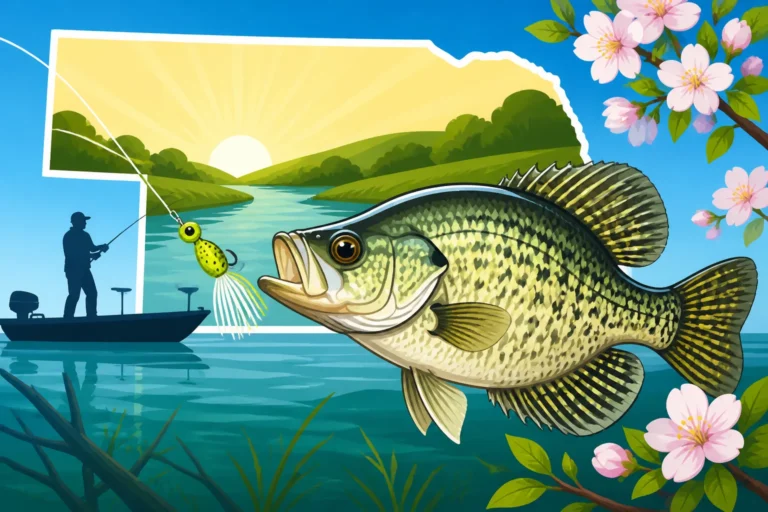
Certain fish species really thrive as water temperatures drop, offering some of the best angling of the year. Walleye are often highlighted as a prime target, becoming particularly aggressive in the fall as they fatten up. You'll find them concentrating on baitfish schools, making them easier to locate if you can pinpoint their food source. Panfish, like crappie and bluegill, also remain active, often schooling up tightly in deeper water or around submerged brush piles. These schools can offer fast action once you find them. Even some bass, especially the smallmouth in our rivers, will continue to feed actively, though their metabolism slows down, requiring a more subtle presentation. Don't forget about trout, either! Many of Nebraska's trout waters are stocked in the fall, providing excellent opportunities, especially in places like Lake Ogallala or the various urban ponds that receive trout plants. Knowing which species are active and where to find them is key to a successful late-season outing. For more on what's biting, check out What Fish You Can Catch Ice Fishing in Nebraska.
Adapting Your Tactics for the Cold
Cold water fishing demands a significant shift in tactics compared to the aggressive presentations of summer. Fish metabolism slows down, meaning they're less likely to chase a fast-moving bait. The mantra for cold water is "slow it down." Finesse techniques become your best friend. Jigging spoons, blade baits, and soft plastics fished slowly along the bottom or suspended vertically are often incredibly effective. When it comes to live bait, shiners and minnows fished under a slip bobber or on a slow-trolled bottom bouncer can be deadly for walleye and crappie. Don't be afraid to experiment with different depths; sometimes fish will suspend in the water column, while other times they'll be glued to the bottom. Your boat positioning and ability to hold over structure accurately also become much more important. Precision pays off when fish are less willing to move far for a meal. Remember, cold water also means colder hands and longer waits between bites, so patience and preparation are just as important as your lure choice.
The Thrill of the Hardwater: Getting Started with Ice Fishing
When the open water eventually gives way to a solid sheet of ice, many people assume the fishing season is truly over. But for a dedicated group of anglers, this is when the real season begins! Ice fishing offers a unique, tranquil, yet often incredibly productive way to pursue fish in Nebraska. It's an experience that connects you with nature in a completely different way, with the quiet hum of an auger breaking the stillness and the anticipation of a flag popping up through the ice. It might seem daunting at first, but with the right preparation, ice fishing is incredibly accessible and rewarding.
Essential Ice Fishing Gear for Nebraska
Stepping onto the ice requires a specialized set of tools to keep you safe, comfortable, and successful. First and foremost, you'll need an ice auger to drill holes. Whether it's a hand auger for lighter duty, a reliable gas-powered model, or a modern electric auger, having one that cuts through Nebraska's often thick ice efficiently is crucial. Next, you'll want dedicated ice fishing rods and reels. These are typically shorter than open-water rods, designed for comfortable handling near the hole and for feeling those subtle bites in cold water. A good example might be a 24-30 inch ultralight rod for panfish or a medium-light rod for walleye. You can find a wide variety of these on Amazon to suit different budgets and target species.
Beyond the rod and reel, an ice scoop is essential for clearing slush from your hole. A five-gallon bucket serves multiple purposes: carrying gear, sitting on, and even holding your catch. For comfort, a portable ice shelter can be a game-changer on windy or extremely cold days, providing warmth and protection from the elements. And don't forget your tackle! Small jigs, spoons, and live bait like minnows or wax worms are staples. Investing in some quality ice fishing specific lures on Amazon can definitely give you an edge. For a deeper dive into gear, read Nebraska Ice Fishing Gear Setup.
Finding Productive Ice Fishing Spots
Just like open-water fishing, success on the ice is largely about location, location, location. Fish don't magically appear under the ice; they're still bound by the same ecological needs. They'll gravitate towards structure, depth changes, and food sources. Often, the same spots you find productive in late fall—points, humps, weed lines (if they're still present), and deep-water channels—will hold fish under the ice.
A great starting point is to observe other anglers. If there are shacks or groups of people gathered in one area, chances are they've found something. However, always be mindful of giving others space. Using a portable fish finder specifically designed for ice fishing can drastically increase your efficiency. These units allow you to see fish, your lure, and the depth, helping you understand the bottom contour. They can be found on Amazon and are an invaluable tool for quickly identifying productive water. Don't be afraid to drill multiple holes and move around until you find active fish. It's often referred to as "run and gun" ice fishing, and it's a highly effective strategy for covering water. Keep an eye on the contour maps of your favorite lakes and look for those sharp breaks and transitions where fish might gather.
Mastering Basic Ice Fishing Techniques
Ice fishing techniques are generally simpler than open-water methods, but precision is key. The most common technique is jigging: simply dropping a small jig or spoon through the hole and imparting subtle movements to entice a bite. The "Cadillac" method involves slowly lifting and dropping the lure a few inches, pausing, and repeating. Sometimes a quick snap, followed by a long pause, can trigger a strike. For panfish, tiny jigs tipped with wax worms or plastics are often irresistible. For walleye, a larger spoon or a minnow-tipped jig can be more effective.
Another popular method is deadsticking, which involves setting up a second rod (where legal) with live bait under a bobber or on the bottom, letting it sit still while you actively jig with another rod. Many times, the fish will hit the motionless bait first. Don't forget about tip-ups! These devices hold your line, and when a fish takes the bait, a flag pops up, signaling a bite. They're fantastic for covering a wider area and for targeting larger fish like northern pike or even larger walleye. The key across all these techniques is patience and paying close attention to any subtle changes in your line or rod tip, as cold-water bites can be incredibly light.
Prioritizing Safety in Winter Conditions
While the allure of a hardwater bite is strong, it's absolutely critical to remember that ice fishing comes with inherent risks. Safety should always be your number one priority, even above catching fish. Nebraska winters can be unpredictable, and ice conditions can change rapidly. A responsible angler is a prepared angler, and understanding the dangers and how to mitigate them will ensure your winter fishing adventures are memorable for all the right reasons.
Ice Thickness and Safety Guidelines
The most important safety rule in ice fishing is understanding and respecting ice thickness. There's no such thing as "safe" ice, only safer ice. General guidelines suggest at least 4 inches of clear, new ice for walking alone, 5-7 inches for a small group or ATV, and 8-12 inches for a car or small truck (though driving on ice is rarely recommended on natural bodies of water). Always verify ice thickness with an ice chisel or auger as you venture out, especially in new areas or near inlets/outlets where currents can thin the ice.
Never assume ice is safe because others are on it. Conditions can vary wildly across a single body of water. Cracks, pressure ridges, and areas around submerged structures or aerators are often weaker. Look for clear, black ice, which is generally stronger than cloudy or white ice, which indicates frozen snow or refrozen slush. If the ice looks suspicious, or if you hear cracking, it's always best to err on the side of caution and retreat. Telling someone where you're going and when you expect to return is also a non-negotiable safety step. For more detailed safety info, see How Thick Ice Needs to Be to Fish Safely in Nebraska and Nebraska Ice Fishing Safety Tips.
Dressing for Success and Survival
Staying warm and dry is paramount for comfort and safety on the ice. Hypothermia can set in quickly in cold, wet conditions. Layering is the golden rule of winter attire. Start with a moisture-wicking base layer (synthetics or wool, never cotton), add insulating middle layers like fleece or down, and top it off with a waterproof and windproof outer shell. An insulated ice fishing suit, often found on Amazon, is specifically designed for these conditions, offering warmth, waterproofing, and often built-in flotation.
Don't forget extremities: a warm hat that covers your ears, insulated and waterproof gloves or mittens (keep an extra pair handy), and sturdy, insulated, waterproof boots are essential. Many anglers also wear ice cleats or "creepers" on their boots to prevent slips and falls on slick ice. Packing a spare set of dry clothes in a waterproof bag, just in case you do get wet, is a smart move. And always carry ice picks – two sharp, spiked handles connected by a rope – worn around your neck. If you do fall through, these can be life-savers, allowing you to get a grip on the ice and pull yourself out. For a comprehensive guide, check out What to Wear Ice Fishing in Nebraska.
Planning and Communication
Even for a quick trip, planning is crucial. Check the weather forecast before you go, paying attention to temperature, wind chill, and any approaching storms. Wind can make even a moderately cold day feel dangerously frigid. Let someone know your fishing location, who you're with, and your estimated return time. If something goes wrong, this information can be vital for rescue efforts.
Pack a fully charged cell phone in a waterproof case, and consider a portable power bank as cold weather drains batteries faster. Bring a first-aid kit, a whistle, and a bright flashlight or headlamp, even if you plan to be off the ice before dark. Carry a thermos of hot coffee, tea, or soup, and plenty of high-energy snacks. Dehydration can still be an issue in cold weather, so bring water too. Remember that alcohol and ice fishing don't mix; alcohol can impair judgment and accelerate heat loss. Being prepared means you can focus on the fishing and truly enjoy the extended season.
Beyond the Basics: Advanced Winter Fishing Tips
Once you've got the hang of the basics, there's a whole world of advanced techniques and strategies to explore that can significantly boost your success on the hardwater. From leveraging modern technology to fine-tuning your approach for specific species, pushing beyond the beginner stage can make winter fishing even more rewarding.
Utilizing Electronics for Ice Fishing Success
Modern electronics have revolutionized ice fishing, making it far more efficient and productive. While a simple flasher can show you fish and your lure in real-time, allowing you to react instantly to bites, advanced units offer even more. Digital flasher/sonar units often provide a clearer display, showing multiple color interpretations for different densities, helping you distinguish between baitfish, game fish, and even the bottom type.
Some premium fish finders now incorporate GPS mapping, allowing you to mark productive holes, structure, and even track your movements. Many also offer impressive side-imaging or down-imaging capabilities in open water, which can translate to invaluable intel for ice fishing when used before the freeze-up. By pre-fishing areas in late fall with your boat's electronics, you can mark specific humps, points, or brush piles, then return to those GPS coordinates on the ice, drilling holes precisely where the fish are likely to be. You can find excellent portable fish finders suitable for ice fishing on Amazon that offer many of these advanced features. Utilizing these tools takes some practice, but the ability to see fish react to your lure, understand their depth, and locate prime spots quickly is a huge advantage. Check out Best Portable Fish Finder for Ice Fishing for more.
Targeting Specific Species Through the Ice
While panfish are a fantastic target for beginners due to their abundance and aggressive nature through the ice, expanding your horizons to target other species can lead to some truly memorable catches.
- Walleye: These elusive predators often become more active at dawn, dusk, and even into the night during winter. Target them near deep structure like humps, drop-offs, and main lake points. Jigging spoons, blade baits, and minnows under a tip-up are excellent choices. Subtle bites are common, so watch your line intently. Best Bait for Nebraska Walleye can help you select your arsenal.
- Northern Pike: Found in many Nebraska lakes, pike offer exciting battles. They prefer shallower, weedy areas (if the weeds still have oxygen) or near creek channels. Large shiners or smelt on tip-ups are often irresistible to these toothy predators. Be sure to use a steel leader to prevent bite-offs.
- Trout: In stocked lakes and ponds, trout remain active throughout the winter. Small jigs tipped with wax worms, corn, or powerbait under a sensitive bobber are very effective. They often cruise just under the ice or near the bottom, so adjust your depth frequently.
- Crappie: These schooling fish are a favorite for ice anglers. Look for them suspending over deep water or relating to submerged timber and brush piles. Small jigs, often tipped with a minnow or small plastic, fished vertically will produce. Once you find one, there are often many more! How to Catch Crappie Through the Ice offers excellent guidance.
By understanding the habits and preferred presentations for each species, you can tailor your approach and significantly increase your odds of success, extending your Nebraska fishing season well into the snowy months. Remember, fishing in winter is not just about catching fish; it's about embracing the quiet beauty of the season and the unique challenges it presents.
Disclaimer
This article is for general informational purposes only and does not constitute professional advice. Laws, prices and regulations vary by location and change over time. Consult a qualified professional for guidance on your specific situation.