Nebraska State Record Brown Trout Weight
The dream of landing a true trophy fish keeps many of us casting, and when it comes to the elusive brown trout in Nebraska, the challenge is amplified. These wily fish demand skill and patience, and the idea of breaking a state record can feel like chasing a ghost. This guide will dive deep into the current Nebraska state record for brown trout, explore what makes these fish so special, and offer insights for anglers hoping to challenge that impressive mark.
The Nebraska State Record Brown Trout: A Glimpse at Greatness
Every angler dreams of a state record, and the brown trout record in Nebraska stands as a testament to both the fish's formidable size potential and the angler's skill. Brown trout are known for their evasive nature and their ability to grow quite large in the right conditions, often in colder, more pristine waters. Catching a record-breaker isn't just about luck; it's about understanding their habits, their preferred environments, and having the right strategy at the perfect moment.
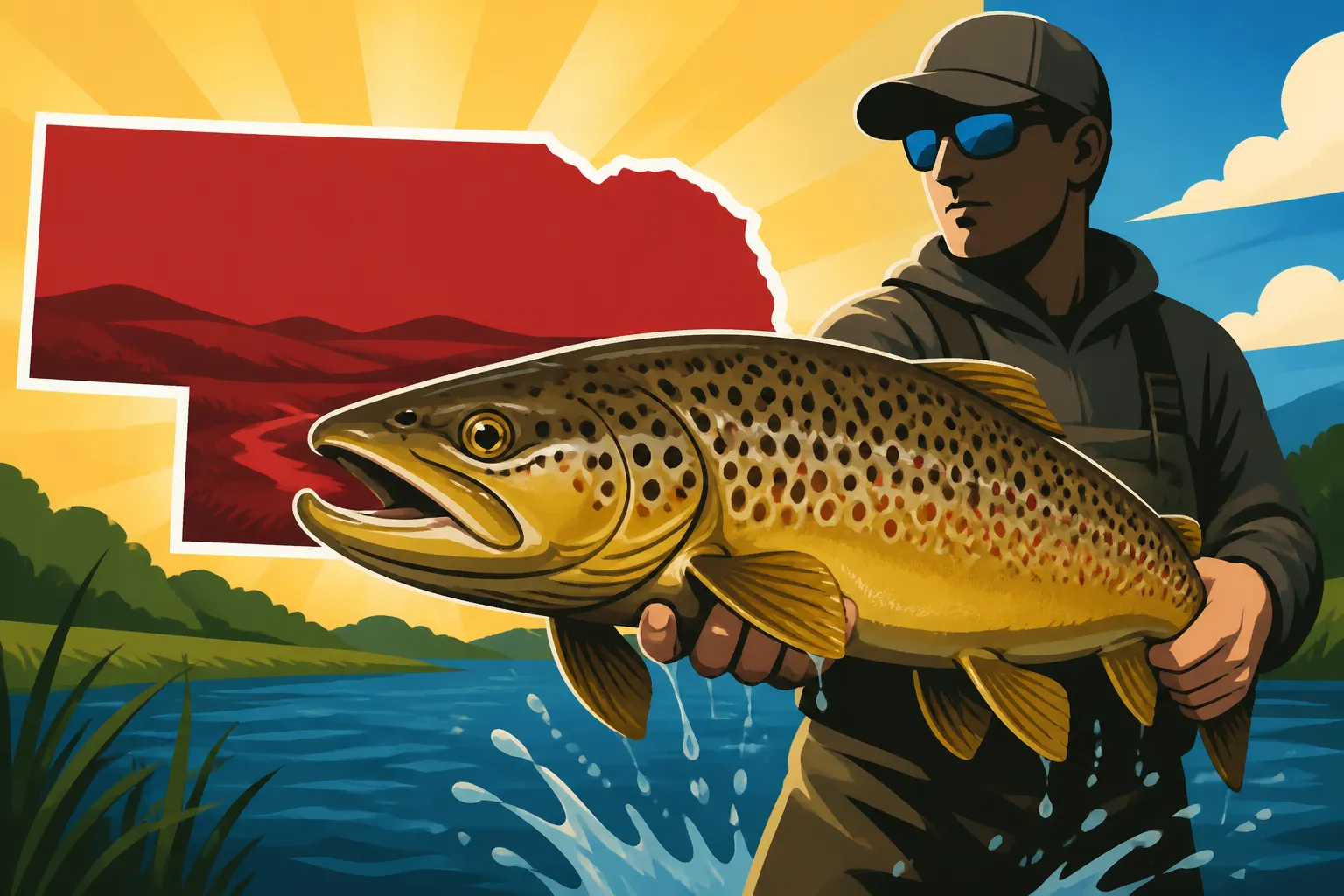
The existing Nebraska state record for brown trout is an impressive 17 pounds, 7 ounces. This magnificent fish wasn't just big; it represented a lifetime achievement for the angler who landed it. This record sets a high bar and illustrates the incredible growth potential these trout possess when given the chance to thrive in Nebraska's often overlooked trout streams and cold-water reservoirs. For many, simply coming close to this weight would be an unforgettable experience. It reminds us that even in a state not always famed for its trout, there are giants lurking beneath the surface.
Significance of a Record Brown Trout
A state record isn't just a number; it's a legacy. It represents the pinnacle of a species' potential within a geographical area and highlights the health of specific ecosystems. For the brown trout, a species that can be notoriously finicky, a record-setting catch speaks volumes about the quality of habitat available in certain Nebraska waters. It also inspires countless other anglers to explore new waters, refine their techniques, and chase their own personal bests. The allure of that Nebraska State Record Brown Trout Weight keeps the spirit of competitive fishing alive and fosters a deep respect for the fish and their environment.
Think about the conditions that must have aligned for such a fish to grow to that size: abundant food sources, consistent cold water, minimal predation, and enough time to mature over many years. It's a snapshot of a thriving fishery. Achieving a record means meticulous planning, patience through countless casts, and the sheer strength and determination to bring in a truly exceptional fish. It's a reminder that truly wild and impressive fish exist right here in the Cornhusker State, waiting for the dedicated angler.
Where Trophy Brown Trout Might Be Found in Nebraska
While rainbow trout are more widely stocked in Nebraska, brown trout have established populations in specific, often more secluded, cold-water environments. These typically include the tailwaters below certain dams, spring-fed streams, and some deeper, colder reservoirs. Areas like the Snake River and other Sandhills streams are known for their wild brown trout populations, offering a unique challenge for fly anglers. Similarly, the cold-water discharge below Kingsley Dam, creating Lake Ogallala, is a well-known spot where trout, including browns, can grow to considerable sizes. Merritt Reservoir Trout Fishing is another location where brown trout have found a home, often preferring the deeper, cooler sections.
These locations require careful navigation and a keen understanding of trout behavior. Brown trout are incredibly wary, especially as they get larger. They often prefer hiding in complex cover—undercut banks, submerged logs, and deep pools—making them difficult to approach and even harder to entice. Success in these waters often means being stealthy, making precise casts, and understanding subtle water currents. It's not always about quantity here, but about the quality of the fishing experience and the potential for a truly memorable catch.
Understanding Nebraska's Brown Trout Dynamics
Brown trout (Salmo trutta) are revered worldwide for their intelligence, strength, and beautiful markings. In Nebraska, they aren't as prevalent as their rainbow trout cousins, but where they do exist, they offer an unparalleled angling experience. Their preference for cooler, well-oxygenated water with plenty of cover dictates their distribution, making them a target for serious trout enthusiasts. They are a formidable adversary, often requiring sophisticated techniques and a deep understanding of their lifecycle.
The brown trout's reputation as a challenging catch is well-earned. They are opportunistic feeders, consuming insects, crustaceans, and even smaller fish as they grow. This varied diet means anglers need to adapt their presentations to match the prevalent food sources. Their keen eyesight and sensitivity to vibrations mean a stealthy approach is crucial. Unlike some other fish, they won't often tolerate sloppy presentations or loud movements on the bank. This makes the pursuit of a trophy brown trout an engaging mental game as much as a physical one.
Brown Trout Habitat and Behavior
Brown trout thrive in colder waters, ideally between 50 and 65 degrees Fahrenheit. They seek out areas with overhead cover like fallen trees, undercut banks, and large rocks, which provide both shelter from predators and ambush points for prey. In rivers and streams, they'll often be found in deeper pools, current breaks behind obstacles, or along seams where fast and slow water meet. In lakes and reservoirs, they'll move to deeper, cooler thermoclines during warmer months, often coming shallower during dawn, dusk, or periods of cloudy weather to feed. Understanding these preferences is key to success.
Their behavior is also highly influenced by the season and time of day. During the spring and fall, when water temperatures are ideal, brown trout can be more aggressive and found in a wider range of habitats. In summer, they become much more nocturnal, feeding heavily under the cover of darkness to avoid heat and light. This often means early morning or late evening fishing, or even Nebraska Night Fishing Rules for some dedicated anglers, can be the most productive times for larger fish. Their territorial nature also means that once you locate a prime piece of habitat, there's a good chance a quality brown trout is calling it home.
Diet and Feeding Habits of Brown Trout
Brown trout are not picky eaters, but they are discerning. Their diet shifts as they grow, starting with aquatic insects like nymphs and larvae, then graduating to terrestrial insects that fall into the water, and eventually to larger prey like baitfish, crayfish, and even small rodents. This makes them adaptable but also means anglers need to carry a diverse tackle box. For smaller browns, imitating insect hatches can be highly effective with flies or small spinners. For larger, record-seeking browns, streamers, plugs, or even live bait that mimics their larger prey can be essential.
Matching the hatch, whether it's an insect or a local baitfish, is a fundamental strategy for brown trout. Knowing what they're currently feeding on in a particular water body will dramatically increase your chances. This often involves observing the water for insect activity or seeing what baitfish are present. The larger the brown trout, the more their diet will consist of other fish, making a properly presented minnow imitation or a large streamer a top choice. Remember, patience is a virtue, and sometimes the biggest browns require the least obvious presentations.
The Quest for a Trophy Brown Trout
Chasing a state record brown trout in Nebraska is not for the faint of heart. It requires dedication, extensive knowledge, and often, a bit of luck. It's about being in the right place at the right time with the right presentation. While the 17-pound, 7-ounce mark is daunting, every cast offers the potential to connect with a true monster. The journey itself, the hours spent exploring pristine waters and honing techniques, is often as rewarding as the catch.
Preparation is paramount. This includes not only your fishing gear but also your understanding of the local regulations. You'll need to know about Nebraska Fishing Daily Bag and Possession Limits, any specific length limits for trout, and ensure you have your Nebraska Fishing License Guide in order. Additionally, considering the fragile nature of some trout habitats, practicing catch and release, especially for larger fish, helps ensure these populations thrive for future generations. It’s a pursuit that fosters a deep connection to the natural world.
Essential Gear for Targeting Big Brown Trout
When targeting trophy brown trout, your gear needs to be up to the task. These fish are powerful, often making strong runs and fighting dirty by trying to wrap your line around submerged structure. A medium-light to medium power spinning rod, around 6.5 to 7.5 feet in length, coupled with a quality spinning reel spooled with 6-10 pound test monofilament or fluorocarbon, or even braided line with a fluorocarbon leader, is a solid starting point. For fly anglers, a 5-7 weight rod with a matching reel and a good selection of streamers, nymphs, and dry flies is ideal. You can find a vast array of high-quality fishing rods and reels on platforms like Amazon, offering options for every budget and preference.
Beyond the rod and reel, consider a strong, wide landing net with a rubberized mesh to protect the fish if you plan to release it. Pliers or forceps are essential for hook removal. Don't forget a tackle box stocked with a variety of lures: suspending jerkbaits, deep-diving crankbaits, spoons, and soft plastic swimbaits that imitate baitfish. For bait fishing, consider live minnows, crawlers, or even large chunks of cut bait for the biggest browns. Always check local bait regulations before heading out. A good pair of waders, easily found on Amazon, can also be invaluable for accessing prime wading spots in rivers and streams.
Techniques for Enticing a Record Brown
Successfully catching a large brown trout often comes down to a combination of presentation and patience. Here are a few techniques to consider:
- Trolling with Plugs: In larger reservoirs like Merritt or McConaughy (especially below the dam in Lake Ogallala), slow trolling deep-diving crankbaits or spoons can be effective. Vary your speed and depth until you find the fish.
- Drift Fishing with Bait: In rivers, drifting live minnows, worms, or even dead bait through deep pools and runs can attract a lurking trophy. Use just enough weight to keep your bait near the bottom without snagging.
- Casting Large Streamers (Fly Fishing): For fly anglers, throwing big, articulated streamers that imitate baitfish can provoke aggressive strikes from large browns. Focus on casting these into undercut banks, logjams, and current seams.
- Finesse Fishing with Soft Plastics: Rigging a soft plastic swimbait or grub on a jig head and slowly working it along the bottom can be deadly, especially in clear water where browns are more wary.
- Night Fishing: As mentioned, large brown trout are often most active at night. Casting noisy topwater lures or large crankbaits can elicit explosive strikes from nocturnal giants. Just be sure to check Nebraska Night Fishing Rules for any specific regulations.
Remember, stealth and accurate casting are paramount. Approach your chosen fishing spots quietly, and try to make your first cast count, as wary brown trout can be spooked easily. Observing your surroundings and understanding water current and structure will greatly increase your odds.
The Future of Brown Trout Fishing in Nebraska
While brown trout may not be as abundant as other species in Nebraska, their presence offers a unique and highly prized fishing experience. Conservation efforts, responsible angling practices, and continued stocking in suitable waters are all crucial for maintaining and enhancing these populations. The thrill of chasing a wild, elusive brown trout, knowing a state record could be just a cast away, adds an exciting dimension to Nebraska's diverse fishing scene.
As anglers, we all play a role in protecting these valuable resources. By understanding and adhering to regulations, practicing responsible catch and release, and supporting habitat conservation efforts, we can help ensure that future generations also have the opportunity to chase their own trophy brown trout dreams. The quest for that exceptional fish, whether it's a personal best or a state record, connects us to the wild places of Nebraska and the incredible fish that inhabit them.
| Trout Species | Typical Habitat in Nebraska | Average Size Range | Nebraska Record (Weight) | Primary Diet |
|---|---|---|---|---|
| Brown Trout | Coldwater streams, river tailwaters, deep reservoirs | 12-20 inches, larger in prime spots | 17 lbs, 7 oz | Insects, crustaceans, baitfish |
| Rainbow Trout | Stocked ponds, lakes, some coldwater rivers | 10-18 inches, larger in reservoirs | ~17 lbs | Insects, pellets (stocked), baitfish |
| Brook Trout | Very cold, pristine spring-fed streams | 6-12 inches, rarely larger | ~4 lbs | Aquatic insects, small crustaceans |
This table provides a snapshot of the different trout species you might encounter in Nebraska and their general characteristics, highlighting the impressive size of the record brown trout in comparison.
Conservation and Responsible Angling
The pursuit of trophy fish, especially a state record, comes with a great responsibility. Brown trout, particularly the larger specimens, are often older fish that have survived many challenges. Their genetics are valuable for the population. Practicing careful catch and release for any fish you don't intend to keep for a meal is vital. Minimize their time out of the water, handle them gently with wet hands, and use proper de-hooking tools. Ensure they are revived completely before releasing them back into their habitat.
Supporting organizations that work on stream restoration and habitat improvement also contributes to the health of brown trout populations. The presence of such a magnificent record brown trout is a reminder that with careful management and respectful angling, Nebraska's waters can produce truly world-class fish. Always clean your gear between different water bodies to prevent the spread of Nebraska Aquatic Invasive Species Stamp or other harmful organisms. Our collective actions directly impact the future of fishing in Nebraska.
Disclaimer
This article is for general informational purposes only and does not constitute professional advice. Laws, prices and regulations vary by location and change over time. Consult a qualified professional for guidance on your specific situation.