Why Did Nebraska Fishing License Prices Go Up in 2026?
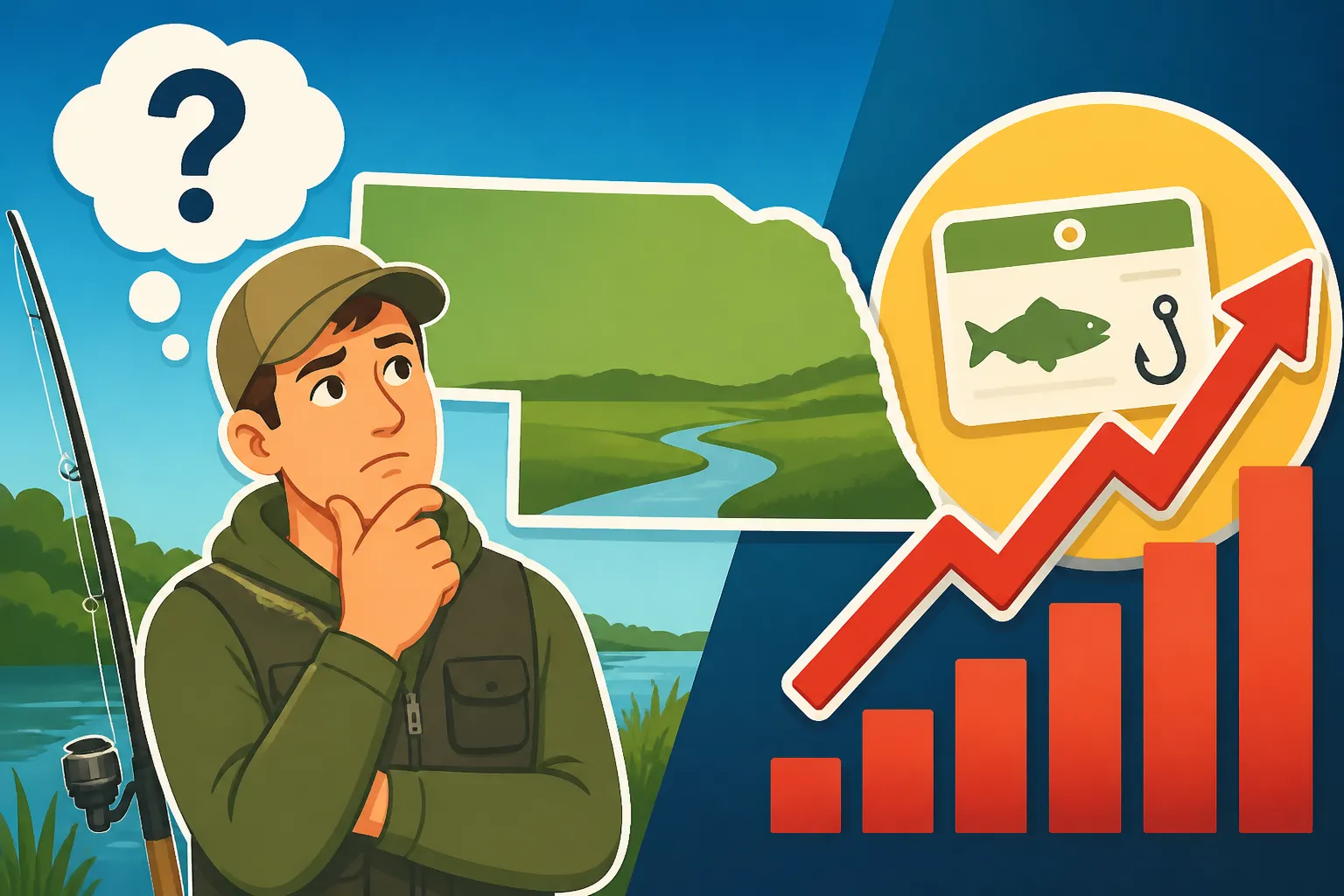
It's incredibly frustrating, isn't it? You're out there enjoying the peace and quiet of a Nebraska lake, maybe casting a line on the Platte River, and then you hear whispers or see the news: fishing license prices are going up again. For many of us, fishing isn't just a hobby; it's a way of life, a connection to nature, and an escape. When those essential costs climb, it can feel like a punch to the gut. The question on everyone's mind for 2026 is, "Why did Nebraska fishing license prices go up?" This comprehensive guide is here to unravel the mystery, providing a realistic look at the driving forces behind the expected adjustments.
Understanding the Nebraska Game and Parks Commission's Funding Model
When you fork over your hard-earned money for a fishing license in Nebraska, it's not just disappearing into some black hole. The Nebraska Game and Parks Commission (NGPC), the state agency tasked with managing our wildlife and outdoor recreation, operates largely on a "user pays, public benefits" model. This means that a significant portion of their funding comes directly from the sales of hunting and fishing permits, stamps, and related fees, not from general state tax revenues. So, when those prices rise, it's usually because the costs of doing business have increased, or because there's a greater need for conservation and management efforts.
Where Your License Money Really Goes
Every dollar spent on a Nebraska fishing license is earmarked for specific programs and initiatives that directly benefit the state's anglers and aquatic ecosystems. Think about it: those healthy populations of walleye in Lake McConaughy, the abundant crappie in Branched Oak Lake, or the trout in the chilly waters below Kingsley Dam didn't just appear by magic. Your license fees contribute to things like:
- Fish Stocking Programs: Raising millions of fish in hatcheries, from tiny fry to catchable-sized trout, and then transporting them to waters across the state. This is a massive undertaking, and the costs of fish food, facility maintenance, and transportation are substantial.
- Habitat Improvement Projects: Protecting and enhancing the places where fish live and spawn. This could involve restoring wetlands, creating in-lake structures like brush piles, or stabilizing shorelines to prevent erosion, all of which improve water quality and fish populations.
- Access Development and Maintenance: Keeping boat ramps open, maintaining fishing piers, and ensuring public access to prime fishing locations. Nobody wants to find their favorite spot overgrown or inaccessible.
- Research and Management: Biologists are constantly studying fish populations, water quality, and environmental factors to make informed decisions about bag limits, length limits, and stocking strategies to ensure sustainable fishing for generations to come.
- Enforcement: Game wardens play a crucial role in ensuring everyone follows the Nebraska Fishing Regulations Explained, protecting our natural resources from overharvesting and illegal activities.
- Education and Outreach: Programs that teach kids and adults about responsible angling, conservation, and water safety. The Nebraska Mentored Youth Fishing Program Rules are a great example of this.
It's a complex system, and each piece requires funding to function effectively.
The Impact of Inflation and Rising Operational Costs
Just like your grocery bill or the cost of filling up your gas tank has crept up over the years, the expenses faced by the NGPC are not immune to inflation. Every single aspect of their operations has become more expensive. Consider some of these realities:
- Fuel Costs: Transporting fish to stocking sites, patrolling waterways, and driving to remote habitat projects all require vehicles and boats, and fuel prices have seen significant volatility.
- Equipment and Supplies: From specialized fish hatchery equipment to boats, research tools, and even office supplies, the cost of goods has steadily risen. Just imagine the expense of maintaining a fleet of vehicles and heavy machinery needed for large-scale habitat work.
- Labor and Benefits: Attracting and retaining skilled biologists, conservation officers, and hatchery staff requires competitive salaries and benefits, which naturally increase over time. These are dedicated professionals, and their expertise is invaluable.
- Utilities and Infrastructure: Maintaining state-owned facilities, including hatcheries, offices, and visitor centers, comes with ever-increasing costs for electricity, water, and general upkeep. An aging infrastructure sometimes requires significant investment to remain operational and efficient.
These aren't hypothetical increases; they are very real financial pressures that impact the NGPC's ability to fulfill its mission. Without adjusting license fees, the quality and scope of services would inevitably suffer, leading to less fish, poorer habitats, and fewer opportunities for anglers.
Key Factors Driving the 2026 Price Increase
The decision to increase fishing license prices is never taken lightly. It typically comes after extensive analysis, public hearings, and careful consideration of the long-term health of Nebraska's aquatic resources and the recreational opportunities they provide. For 2026, several specific factors are likely at play, pushing these costs upward.
Enhanced Conservation and Habitat Restoration Initiatives
Nebraska is a state of diverse waterways, from the mighty Missouri River to the serene Sandhills lakes. Protecting and enhancing these habitats is a continuous, often expensive, endeavor. The 2026 price increase likely reflects a strategic push for more ambitious conservation and restoration projects. This could involve:
- Wetland Restoration: Recreating critical wetland areas that act as natural filters and nurseries for many fish species, particularly panfish like bluegill and crappie.
- Stream Bank Stabilization: Preventing erosion along rivers and streams like the Niobrara or Elkhorn Rivers, which protects water quality and creates better spawning grounds for species like smallmouth bass.
- Aquatic Vegetation Management: Controlling invasive aquatic species that can choke out native plants and degrade habitat, while also encouraging the growth of beneficial native vegetation.
- Fish Passage Improvements: Removing or modifying barriers that prevent fish from moving freely to spawning or feeding grounds, which is crucial for maintaining healthy populations across an entire watershed.
Many of these projects are expensive, requiring specialized equipment, expert labor, and long-term monitoring. For instance, the Nebraska Aquatic Habitat Stamp Explained already directs funds to these efforts, but increasing operational costs mean even more is needed to maintain and expand such vital work.
Expanding Public Access and Facility Improvements
Ask any angler, and they'll tell you that access is key. Finding good public fishing spots, especially those with amenities like well-maintained boat ramps, accessible piers, or clean restrooms, significantly enhances the fishing experience. The price increase in 2026 is likely tied to efforts to expand and improve these critical access points. This could mean:
- New Boat Ramps and Docks: Creating easier and safer launching points, especially on popular but sometimes underserved waters like parts of the Platte River or smaller reservoirs.
- Handicap-Accessible Fishing Piers: Ensuring that everyone, regardless of physical ability, can enjoy the sport of fishing. These require specific construction and maintenance.
- Shoreline Access Development: Clearing paths, installing designated fishing areas, and providing parking at popular bank fishing locations, making it easier for those without boats to enjoy the water.
- Upgrading Existing Facilities: Many of our beloved state recreation areas and parks, like Fremont Lakes State Recreation Area or Wagon Train Lake, have facilities that age and require periodic repair or complete overhaul. Think about replacing old docks, repaving parking lots, or improving signage. These improvements benefit not just anglers, but all visitors enjoying Nebraska's beautiful outdoors. For example, maintaining areas like the Fremont Lakes State Recreation Area Fishing requires constant attention and financial investment.
Increased Costs of Fish Hatchery Operations and Stocking Programs
This is perhaps one of the most direct and impactful areas where your license fees make a difference. Nebraska's hatcheries are the backbone of many of our trophy fisheries. Raising millions of fish to supplement natural populations or introduce new species is a costly endeavor, and those costs are always on the rise.
Consider the life cycle of a fish in a hatchery:
- Broodstock Management: Maintaining healthy adult fish for spawning. This requires specialized tanks, feed, and veterinary care.
- Egg and Fry Rearing: Carefully managing conditions for eggs to hatch and tiny fry to grow. This is a delicate process, susceptible to disease and environmental changes.
- Grow-Out Ponds: Transferring fish to larger ponds where they can grow to a size suitable for stocking. These ponds require aeration, water quality monitoring, and, most significantly, a massive amount of high-quality fish food. The cost of fish food alone, a specialized blend of proteins and nutrients, has dramatically increased over the years.
- Distribution: Transporting millions of fish in specialized trucks with aerated tanks to lakes and rivers across the state. This requires fuel, vehicle maintenance, and trained staff.
When we talk about stocking walleye in Lake McConaughy, trout in Lake Ogallala, or catfish in urban ponds, we're talking about massive logistical operations with significant ongoing expenses. The demand for specific species, like walleye, often necessitates substantial hatchery investment, and the more robust our Walleye Fishing in Nebraska becomes, the more resources are poured into ensuring its continued success.
The Long-Term Vision for Nebraska's Fisheries
Ultimately, the increase in fishing license prices, while never popular, is framed by the NGPC as a necessary investment in the future. It’s about ensuring that Nebraska remains a premier destination for anglers and that our natural resources are not just maintained, but actively improved for future generations.
Investing in Sustainable Fishing for Future Generations
The NGPC isn't just thinking about next year's catch; they're looking decades down the road. Sustainable fishing means balancing the desires of anglers with the ecological health of our waters. Price increases are often designed to fund initiatives that build resilience in our aquatic ecosystems, protecting them from environmental stresses, climate change impacts, and increasing fishing pressure. This proactive approach ensures that your kids and grandkids will have the same, if not better, opportunities to enjoy fishing as you do today. It's about preserving the natural heritage and outdoor lifestyle that Nebraskans cherish. This long-term thinking directly impacts the rules and seasons you see, such as detailed in Nebraska Fishing Season Dates and Limits.
Comparing Nebraska's License Fees to Neighboring States
It’s natural to wonder how Nebraska’s fishing license costs stack up against those of our neighbors. While specific figures for 2026 are still being finalized, and prices vary by license type (annual, short-term, resident, non-resident, senior, youth), a general comparison can offer valuable context. Many states face similar pressures, and their conservation agencies often respond with comparable fee adjustments. It's common for states with robust stocking programs and significant public access infrastructure to have higher license fees.
Here's a generalized look at how a Nebraska Resident Annual Fishing Permit might compare to similar permits in bordering states, reflecting typical costs and potential 2026 increases (these are illustrative values, please check current NGPC official sources for exact figures):
| State | Typical Resident Annual Fishing Permit Cost (Illustrative) | Key Funding Priorities (General) |
|---|---|---|
| Nebraska (2025) | ~$39.00 – $45.00 | Habitat, Stocking, Access, Enforcement |
| Nebraska (2026 Est.) | ~$45.00 – $55.00 | Expanded Conservation, Infrastructure Upgrades |
| Iowa | ~$20.00 – $25.00 | Habitat, Water Quality, River Management |
| Missouri | ~$19.00 – $25.00 | Public Access, Trout Management, Conservation |
| Kansas | ~$27.00 – $32.00 | Reservoir Management, Public Lands |
| Colorado | ~$35.00 – $40.00 | Coldwater Fisheries, Mountain Lakes |
| Wyoming | ~$27.00 – $35.00 | Wildlife Management, High-Elevation Lakes |
| South Dakota | ~$28.00 – $35.00 | Walleye Stocking, Lake Management |
Note: These figures are approximations for comparison and do not include additional stamps or permits often required (e.g., Aquatic Habitat, Trout Stamp, etc.). Always verify current prices with the respective state's game and fish department.
As you can see, even with a potential increase, Nebraska's costs often remain competitive, especially considering the diverse fishing opportunities available here, from warm water reservoirs to coldwater trout streams. The added requirement of an Nebraska Aquatic Habitat Stamp Cost is a specific example of how Nebraska directs funds to particular conservation efforts, often making the overall cost slightly higher but for a distinct purpose.
Navigating the Changes and Making Your Dollars Count
While a price increase is never ideal, understanding the "why" behind it can help us appreciate where our money goes. It also prompts us to think about how we can make the most of our investment in Nebraska's fishing future.
Exploring Different License Options and Their Value
Before you renew your Nebraska Annual Fishing Permit, take a moment to consider all the options available. The NGPC offers a variety of permits designed to fit different needs, and some might offer better long-term value, even with the price increase.
- Annual vs. Multi-Year: While the immediate cost is higher, a multi-year license (if available) can sometimes lock in rates or offer a slight discount over purchasing individual annual licenses repeatedly. It also saves you the hassle of annual renewals.
- Combination Permits: If you also enjoy hunting, a Nebraska Combination Hunt and Fish Permit might be a more economical choice than buying two separate permits.
- Lifetime Permits: For dedicated anglers, a Nebraska Lifetime Fishing Permit Cost might seem steep upfront, but it's an excellent investment that guarantees you never have to worry about future price increases or renewal deadlines. It's essentially fishing for free for the rest of your life once purchased. For many, the question of "Is a Lifetime Fishing License Worth It in Nebraska?" is a resounding yes in the long run.
- Short-Term Permits: If you only fish a couple of times a year, perhaps when visiting family or on a specific trip, a Nebraska 1-Day Fishing Permit Price or a 3-day permit might still be your most cost-effective option.
It pays to do a quick calculation based on your typical fishing habits. And remember, purchasing your license online through the GoOutdoorsNE Online Permit System is often the easiest and quickest way to secure your permit.
Other Ways to Support Nebraska's Fisheries
Your fishing license is the primary way to contribute, but it's not the only way to support the healthy aquatic environments we all enjoy. If you're passionate about Nebraska fishing, there are other avenues to consider:
- Voluntary Contributions: The NGPC often has opportunities for voluntary donations that directly support conservation projects. These can be added during the license purchase process or made separately. Every little bit helps.
- Get Involved: Consider volunteering for local conservation groups or participate in community clean-up efforts at lakes and rivers. Hands-on involvement can be incredibly rewarding.
- Responsible Angling: Practice catch and release effectively, especially for trophy fish, and adhere strictly to all bag and length limits. Be mindful of litter and leave no trace when you visit fishing spots. Check out Catch and Release Best Practices in Nebraska for tips.
- Educate Others: Share your knowledge and passion for conservation with new anglers, especially kids. Teaching them the value of our natural resources is vital for their long-term preservation.
- Gear Up Responsibly: While a direct contribution, purchasing fishing gear from reputable retailers (like those you might find on Amazon for certain items, if you're looking for things like new tackle boxes or specialized lures) helps support the broader fishing economy, which in turn benefits the industry that works alongside conservation efforts. Just be sure to always prioritize quality gear that helps you fish effectively and ethically.
By understanding why prices are increasing and exploring how to make the most of your investment, we can continue to enjoy the incredible fishing opportunities Nebraska has to offer for years to come.
Disclaimer
The information provided in this guide is for general informational purposes only and is subject to change. While we strive to provide accurate and up-to-date details, fishing regulations and license costs can be modified by the Nebraska Game and Parks Commission. Always refer to the official Nebraska Game and Parks Commission website or the latest Nebraska Fishing Guide for the most current and authoritative information before planning your fishing activities.