Where to Catch Yellow Perch in Nebraska
If you've ever found yourself dreaming of a quiet morning on a Nebraska lake, pulling in a stringer of those beautiful, tasty yellow perch, you're not alone. Many anglers feel a mix of excitement and frustration when it comes to finding these elusive panfish. While they might seem to hide sometimes, with a bit of knowledge about their preferred haunts and habits, you can dramatically increase your chances of a successful outing. This guide is all about demystifying yellow perch fishing in the Cornhusker State, pointing you to the best spots, and giving you the know-how to fill your cooler.
Understanding Yellow Perch in Nebraska
Before we dive into specific locations, let's get a good handle on what makes yellow perch tick here in Nebraska. They're a fantastic sportfish and absolutely delicious on the dinner table, but understanding their biology and behavior is key to consistently finding them.
Identifying Yellow Perch
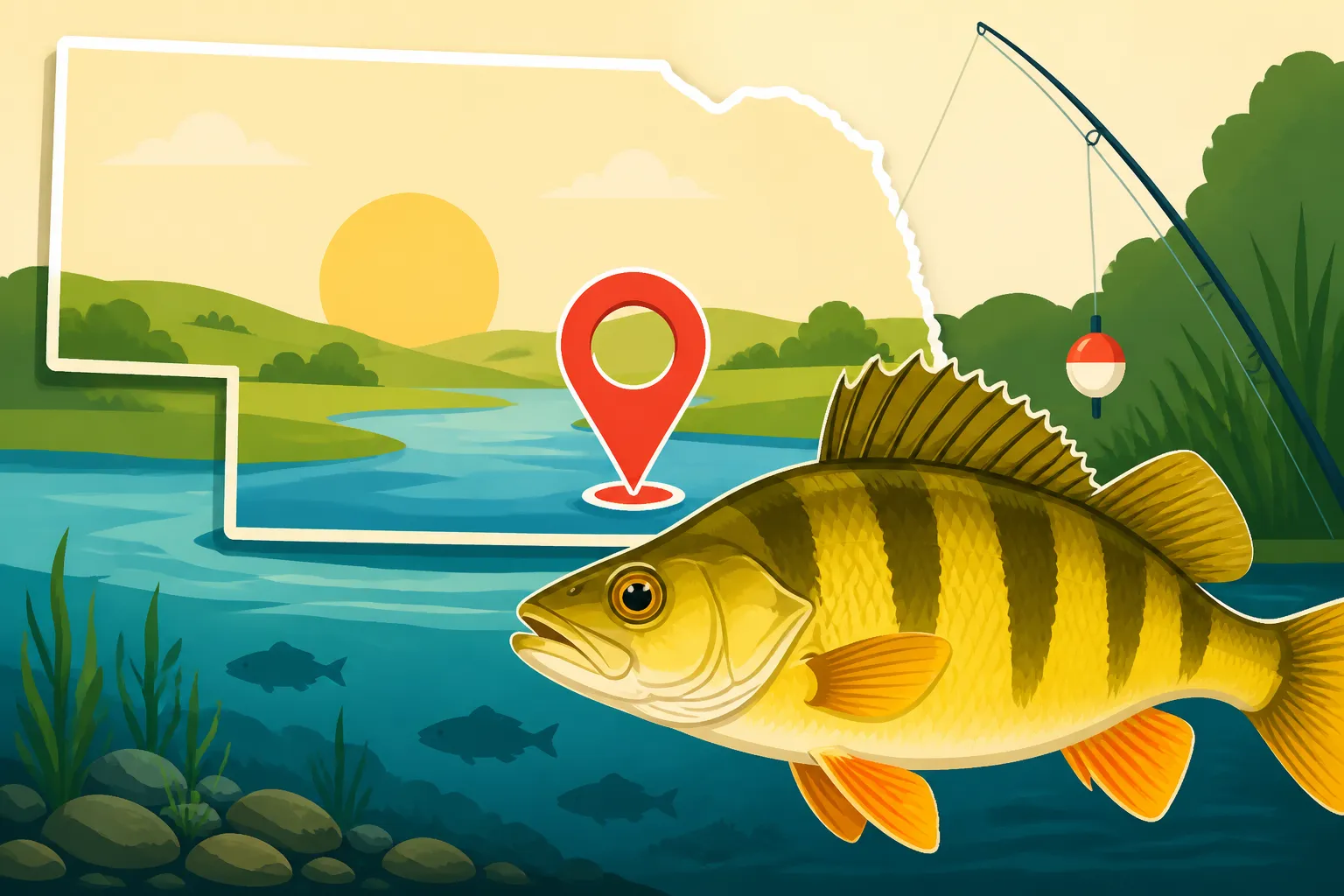
Yellow perch are easily recognizable, even for a beginner. They typically have a golden-yellow to brassy green body with six to eight distinct dark vertical bars running down their sides. Their fins are often vibrant, especially the lower fins, which can range from bright orange to fiery red, particularly during spawning season. They have two dorsal fins, with the first being spiny and the second softer-rayed. They generally grow to about 6 to 10 inches in length in Nebraska waters, though bigger "jumbo" perch pushing 12-14 inches are definitely out there and a true prize for any angler. Telling them apart from other panfish like bluegill or crappie is usually pretty straightforward because of those distinctive vertical bars and the two separate dorsal fins. If you're ever in doubt, a quick check against a Nebraska Fish Species Identification Guide can help.
When you're out on the water, you'll notice their relatively small mouths, which tells you a lot about the size of bait and hooks you should be using. Their coloration also offers some clues about their environment; fish from clearer, sandier bottom lakes tend to be brighter yellow, while those from darker, weedy waters might have a deeper, almost olive hue. They’re a schooling fish, which means if you catch one, there are often many more nearby, making for some fast and furious action once you locate the school.
Preferred Habitats
Yellow perch are true structure lovers, and understanding this is half the battle in finding them. They aren't typically open-water wanderers like some other species. Instead, they prefer to associate with various types of cover and structure, especially areas that offer both food and protection from predators.
In Nebraska's diverse waters, you'll often find yellow perch congregating around weed beds, especially those with green, healthy vegetation. These weeds provide ambush points for hunting smaller prey and offer cover from larger fish like walleye and northern pike. Look for points, inside turns, and edges of these weed lines. Drop-offs are another prime location. Perch will often suspend along these sudden changes in depth, moving up to feed on the shallower flats during low light and retreating to the safety of deeper water when the sun is high or predators are active. Submerged timber, brush piles, rock piles, and even old roadbeds or foundations are all magnets for yellow perch. These types of hard structure offer excellent ambush points and concentrate baitfish, which in turn attracts the perch. They particularly like gravelly or sandy bottoms, especially for spawning.
The type of habitat they choose also changes with the seasons. In colder water, they tend to move deeper, seeking more stable temperatures, often hugging the bottom near deep structure. As water warms, they'll spread out and use shallower cover more extensively. Knowing this helps you narrow down your search area, whether you're fishing in spring, summer, fall, or even Nebraska Ice Fishing Regulations in winter.
What Yellow Perch Eat
Yellow perch are opportunistic predators with a diverse diet, which is good news for anglers because it means a variety of baits and lures can be effective. Their diet largely consists of what's readily available in their environment.
They primarily feed on small invertebrates like insect larvae, worms, and crustaceans, especially freshwater shrimp and scuds. As they grow larger, they'll also readily consume smaller fish, including the young of other species and even their own fry. Minnows, especially fathead and shiner varieties, are a favorite food source. In lakes with abundant crayfish, perch will certainly key in on those as well. This varied diet is why you'll often hear about anglers catching perch on everything from tiny jigs tipped with waxworms to small crankbaits designed to imitate baitfish. Their feeding habits also tend to be most active during specific times of day, often correlating with low-light conditions like dawn and dusk, or during periods of stable weather. If you're looking for bait ideas, you might find some crossover with species like walleye; often, the same forage attracts both, so checking out guides like Best Bait for Nebraska Walleye can give you additional insights.
Understanding their diet is crucial for bait selection. If you know what's abundant in a particular lake, you can often "match the hatch" with your bait, whether it's a small artificial lure mimicking a minnow or a natural offering like a red worm.
Top Nebraska Lakes and Reservoirs for Yellow Perch
Nebraska offers a variety of fishing opportunities, and while yellow perch might not be as widespread as channel catfish or walleye, there are definitely some fantastic spots if you know where to look. Their populations can fluctuate, so it's always a good idea to check local fishing reports, but these locations generally have a reputation for producing good numbers of perch.
Western Nebraska Hotspots
The western part of Nebraska, particularly the Sandhills region, boasts some of the state's best perch fishing, often in lakes with exceptional water quality and abundant forage.
Lake McConaughy: Affectionately known as "Big Mac," this massive reservoir is famous for its walleye and striped bass, but it also holds a healthy population of yellow perch. The perch here can grow quite large, offering a challenge and a rewarding catch. Look for them around submerged humps, points, and weed lines, especially in the western shallower arms of the lake. During late fall and winter, they often congregate in deeper basins. Access points are numerous, but knowing the specific contours and underwater structure is key. Lake McConaughy Fishing Guide can offer more general insights into fishing this behemoth.
Box Butte Reservoir: Located in the Panhandle, Box Butte is a gem for various species, including yellow perch. Anglers often find perch in good numbers, especially during ice fishing season. The reservoir has a lot of structure, including flooded timber and varying depths, which yellow perch absolutely love. Focus your efforts around the dam face, old creek channels, and the edges of any remaining weed growth. It's a fantastic place for both boat and shore anglers willing to explore.
Merritt Reservoir: While renowned for its muskellunge and walleye, Merritt Reservoir also has a respectable yellow perch fishery. The clear, deep waters and abundant submerged vegetation make for excellent perch habitat. Target the numerous bays and points, paying close attention to transitions from weeds to open water or along the natural contours of the reservoir. Merritt offers a wilder, more remote fishing experience, and the perch here tend to be robust. For those interested in other species, checking out Merritt Reservoir Muskellunge Fishing Tips might give you an idea of the diverse fish life here.
Central and Eastern Nebraska Gems
Moving eastward, while the perch populations might not always reach the jumbo sizes of the western lakes, there are still plenty of opportunities for enjoyable fishing.
Sherman Reservoir: In central Nebraska, Sherman Reservoir is another reliable spot for yellow perch. This reservoir features a mix of submerged trees, rock piles, and points that attract schools of perch. It's a popular destination for anglers targeting walleye and white bass, but those targeting panfish can do very well. Concentrate on the brushy areas and channel edges, particularly during the colder months when perch tend to school up more tightly. The perch here can offer consistent action.
Calamus Reservoir: Nestled in the Sandhills near Burwell, Calamus is known for its walleye and wipers, but also has a solid reputation for yellow perch, especially through the ice. The reservoir's relatively clear water and varied bottom structure, including sandy flats and drop-offs, provide ideal conditions for perch. Targeting the transitions between different bottom types and areas with submerged cover can be highly productive. Consider exploring the southern bays and main lake points.
Branched Oak Lake: Near Lincoln, Branched Oak Lake offers a convenient option for eastern Nebraska anglers. While not as famous for perch as some western lakes, it does have a decent population that can provide good action. Focus on the main lake points, flooded timber, and the deeper areas near the dam. Early spring and late fall often see the best results, as perch will move shallower to feed. For those closer to urban areas, this reservoir can be a great day trip. Details on larger species in this lake can be found in a Branched Oak Lake Crappie Fishing guide.
Urban Fishing Program Ponds: Don't overlook your local urban ponds! The Nebraska Game and Parks Commission manages an Nebraska Urban Fishing Program Stocked Ponds Near Me that sometimes includes yellow perch in their stocking rotations, especially in ponds specifically managed for panfish. These can be fantastic spots for kids or for a quick, convenient fishing trip where you might just stumble upon a school of perch. Always check the specific stocking reports for your local ponds, as species composition can change.
| Location | Primary Perch Type | Key Features for Perch | Best Season(s) |
|---|---|---|---|
| Lake McConaughy | Jumbo Yellow Perch | Submerged humps, points, weed lines, deeper basins | Fall, Winter (Ice) |
| Box Butte Reservoir | Good numbers, decent size | Flooded timber, old creek channels, dam face, weed edges | Year-round, especially Ice |
| Merritt Reservoir | Robust Yellow Perch | Deep, clear water, submerged vegetation, bays, points | Fall, Winter (Ice) |
| Sherman Reservoir | Consistent Action | Submerged trees, rock piles, channel edges | Fall, Winter (Ice) |
| Calamus Reservoir | Good numbers | Clear water, varied bottom, sandy flats, drop-offs | Year-round, especially Ice |
| Branched Oak Lake | Decent Population | Main lake points, flooded timber, deeper areas near dam | Spring, Fall |
| Urban Ponds | Variable (stocked) | Accessible, often stocked with panfish, localized structure | Spring, Summer |
Best Techniques and Baits for Yellow Perch
Once you've picked your spot, knowing how to present your bait effectively is the next step to a successful day of perch fishing. Yellow perch can be finicky, but with the right approach, you'll be consistently hooking into them.
Tackle and Rigging Essentials
You don't need heavy-duty gear to catch yellow perch; in fact, lighter tackle often makes the experience more enjoyable and allows for a more sensitive presentation. An ultralight or light action spinning rod, typically 5 to 6.5 feet long, paired with a small spinning reel spooled with 2 to 6-pound test monofilament or fluorocarbon line is ideal. This setup provides excellent sensitivity for detecting those subtle perch bites and makes even a small perch feel like a trophy. Many anglers find a good ultralight rod and reel combo on Amazon, making online shopping convenient for specific setups.
When it comes to rigging, simple is often best. A classic setup involves a small jig (1/32 to 1/8 ounce) tipped with a piece of bait. Jig colors like chartreuse, white, orange, and black are often productive. Another effective rig is a slip bobber setup, which allows you to present your bait at a precise depth. This is particularly useful when perch are suspended. Use small, sharp hooks (sizes 8 to 12) to match their relatively small mouths. Aberdeen hooks are popular for live bait as they are thin and don't harm the bait as much.
For leader material, a light fluorocarbon leader (4-6 pound test) can be beneficial in clear water, as it's nearly invisible to fish. Keep your knots strong and your tackle organized – a small tackle box or bag with multiple compartments, also readily available on Amazon, can keep your jigs, hooks, and weights separate and easy to find.
Seasonal Strategies
Yellow perch behavior changes significantly with the seasons, so adjusting your tactics accordingly is crucial.
Spring: As ice recedes and water temperatures rise into the 40s and 50s, perch begin to move shallower for their spawning ritual. Look for them in shallow bays, along sand and gravel flats, and around submerged vegetation that warms up first. Small jigs tipped with minnows or worms, fished slowly near the bottom, are often irresistible. This is a great time to target them from shore if you can find good access to these spawning areas.
Summer: During the warmer months, perch often retreat to deeper, cooler waters, especially during the heat of the day. They'll relate to structure like deep weed lines, submerged humps, and brush piles at depths of 10-25 feet or more. Early morning and late evening can find them moving shallower to feed. Small crankbaits, spoons, or bottom rigs with live bait (minnows or worms) can be effective. Trolling with small lures or a crawler harness can also cover water and locate schools. Remember to fish slowly and patiently, especially when the bite is tough.
Fall: This is a fantastic time for perch fishing in Nebraska. As water temperatures cool, perch become incredibly active, feeding aggressively to build up fat reserves for winter. They often form large schools and can be found congregating on main lake points, deep flats, and around prominent underwater structures. Vertical jigging with spoons or blade baits, or fishing a minnow under a slip bobber, can be incredibly productive. Focus on depths similar to summer, but don't be afraid to experiment with shallower presentations if the weather is overcast or stormy.
Winter (Ice Fishing): How to Ice Fish in Nebraska is a specialized skill, and it's perhaps the most popular time to target yellow perch. Once safe ice forms, perch gather in large schools, often in predictable areas like deep flats, weed edges, and basin areas. Ice fishing provides a unique opportunity to directly target these schools. Use small jigs, spoons, or tiny soft plastics tipped with a waxworm, maggot, or minnow head. A flasher or fish finder, easily found on Amazon, is incredibly helpful for locating schools and presenting your bait precisely to them. Drilling multiple holes and moving until you find active fish is a common and highly effective strategy.
Ice Fishing for Perch
Ice fishing for yellow perch is a beloved winter tradition in Nebraska, and for good reason—when you find a school, the action can be non-stop. The key to success often lies in mobility and precision.
First, safety first! Always check ice thickness, and never venture out alone. Make sure you have the appropriate Nebraska Ice Fishing Safety Tips before heading out. Once you're on safe ice, start by drilling a series of holes over known perch habitat like weed lines, drop-offs, or submerged humps. A portable shelter and a good auger (power augers are a blessing on thick Nebraska ice!) make this much easier.
Your setup should be an ultralight ice rod with a sensitive tip. Small jigs (1/32 to 1/16 ounce) in bright colors, tipped with a waxworm, spikes, or a small minnow, are deadly. Small Swedish Pimples or other ice spoons can also work well, especially when jigged aggressively to draw fish in. Once you locate a school with your fish finder, focus on that area. Perch often respond well to a "pounding" retrieve, where you rapidly jig your bait near the bottom to create a disturbance, then pause it. They are curious fish and will often investigate. If the bite slows, try raising or lowering your bait a few feet; sometimes they suspend just above the bottom. Don't be afraid to experiment with different jigging motions and baits until you find what they prefer on a given day. Sometimes, simply holding your bait perfectly still is what triggers a strike.
Maximizing Your Perch Fishing Success
Beyond knowing where and when to fish, a few advanced tips can help you turn good days into truly memorable ones. Yellow perch, while often eager biters, can also be quite finicky.
Reading the Water and Structure
Developing the ability to "read" the water and interpret structure is a game-changer for any angler, especially when targeting schooling fish like yellow perch. It's not just about looking at a map; it's about understanding why fish are in certain places at certain times.
Identify Transition Zones: Perch love transition zones. This could be where a hard bottom meets a soft bottom, where a weed bed ends and open water begins, or where shallow water abruptly drops into deeper water. These areas offer the best of both worlds: diverse forage and cover. Pay close attention to these subtle changes in the lakebed, as they often concentrate baitfish, and therefore, perch. Using a good depth finder or even a portable fish finder can help you map these underwater features, especially if you’re fishing a new body of water.
Look for Subtleties in Weeds: Not all weed beds are created equal. Healthy, green weeds that reach close to the surface, but still allow for open pockets, are often more productive than sparse, dying, or overly dense mats. Perch will use the edges and pockets within these healthy weed beds for ambush points and cover. Don't be afraid to cast into the open pockets or along the outside edge of a weed line.
Understand Wind and Current: Wind can be your friend when perch fishing. A consistent breeze pushes baitfish and plankton, creating current and concentrating food sources on wind-blown points and shorelines. Perch will often follow this food. Conversely, strong currents in rivers or below dams will often position perch behind current breaks like rocks, logs, or eddies, where they can ambush prey without expending too much energy. Learning to use the wind to your advantage, or understanding how perch relate to Nebraska Fishing Regulations for Reservoir Tailwaters, can significantly improve your catch rates.
Catching and Keeping Your Perch
Catching a mess of yellow perch is one thing; keeping them fresh and legal is another. Always be aware of the Nebraska Fishing Daily Bag and Possession Limits for yellow perch in the specific body of water you're fishing. Limits can vary by lake, so always check the current Nebraska fishing guide.
Handling Your Catch: When you catch a perch, handle it carefully. If you're planning to release it, wet your hands before touching the fish to protect its slime coat, which is vital for disease prevention. Use pliers or a hook remover to quickly unhook the fish, especially if you're using small hooks. If you're keeping your catch for a delicious meal, dispatch the fish quickly and place it on ice immediately. A quality cooler, kept out of direct sunlight, is essential for preserving the flavor and freshness of your fish. Best Coolers for Keeping Fish Fresh can help you choose the right one.
Cleaning Your Perch: Yellow perch are fantastic eating, with firm, white, flaky flesh. Their smaller size means filleting them can be a bit more tedious than a larger fish, but it's well worth the effort. A sharp fillet knife and a steady hand are key. Many anglers choose to scale and gut them, leaving the skin on for frying, or completely fillet them by removing the head, gutting, and then carefully cutting the meat off both sides of the backbone. Practicing your filleting technique will make the process faster and more efficient over time, leaving you with more delicious meat and less waste.
By paying attention to these details, you'll not only be more successful at finding and catching yellow perch but also ensure that your efforts result in a truly enjoyable and ethical fishing experience in Nebraska.
Disclaimer
This article is for general informational purposes only and does not constitute professional advice. Laws, prices and regulations vary by location and change over time. Consult a qualified professional for guidance on your specific situation.