What Panfish Species Live in Nebraska Ponds
It's a common scenario: you pull up to a quiet Nebraska pond, rig your trusty rod with a worm and a bobber, and settle in, wondering what kind of finned friends might be lurking beneath the surface. While big reservoirs often get all the glory, our state's countless ponds are true gems, teeming with fantastic panfish action that's perfect for a relaxing afternoon or teaching a youngster the ropes. This guide will take a deep dive into the common panfish species you're likely to encounter in Nebraska's ponds, helping you identify them, understand their habits, and ultimately, catch more of them.
The Charms of Panfishing in Nebraska Ponds
There's something uniquely satisfying about fishing a pond. Maybe it's the peaceful solitude, the ease of access, or the consistent action that often comes with these smaller bodies of water. For many Nebraska anglers, especially those just starting out or looking for a low-stress outing, ponds offer an unparalleled experience. They're often less intimidating than large, open lakes and can provide incredible opportunities to connect with nature and, of course, some feisty fish.
Why Ponds are Panfish Havens
Ponds, whether they're farm ponds, community lakes, or smaller bodies of water within state recreation areas, are naturally suited to panfish. Their shallower depths often mean warmer water temperatures, which can lead to prolific breeding cycles for many sunfish species. These smaller environments also tend to have abundant submerged vegetation, fallen timber, and other structures that provide ideal cover and feeding grounds for panfish. You don't always need a fancy boat or specialized electronics to find success here; often, a walk along the bank is all it takes. Many of these spots are perfect for Nebraska Pond Fishing Techniques, allowing anglers of all skill levels to enjoy the sport.
Unlike the major reservoirs that can see heavy fishing pressure, many smaller ponds offer a more tranquil setting and often less competition for these eager biters. This accessibility makes them fantastic training grounds for new anglers, allowing them to gain confidence without the complexities of navigating vast waters. The consistent nature of panfish bites in ponds means less downtime and more chances to feel that satisfying tug on your line, which is absolutely invaluable for keeping enthusiasm high.
The Thrill of a Panfish Bite
Don't let their "pan-sized" moniker fool you – panfish, even the smaller ones, can put up an incredibly spirited fight on light tackle. That sudden dip of the bobber, followed by a determined tug, is pure joy, especially when you're using a light action rod. Beyond the fight, panfish are also celebrated for their delicious, flaky white meat. A fresh catch of bluegill or crappie, expertly filleted and fried, makes for one of the finest shore lunches or backyard dinners you can imagine.
For parents or grandparents introducing children to fishing, panfish are the ultimate gateway species. Their willingness to bite, combined with their manageable size, ensures that kids stay engaged and excited. There's nothing quite like seeing a child's face light up as they reel in their first fish, and a Nebraska pond full of panfish provides that memory-making opportunity time and time again. It teaches them patience, appreciation for nature, and the simple, undeniable thrill of catching their own meal.
Common Panfish Species in Nebraska Ponds
Nebraska's ponds are rich with a variety of panfish that are not only fun to catch but also contribute significantly to the aquatic ecosystem. Knowing what to look for can enhance your fishing experience and help you tailor your techniques for specific species.
Bluegill: The Ubiquitous Sunfish
If you're fishing in a Nebraska pond, chances are you'll encounter a bluegill. These charming fish are arguably the most common and beloved panfish across the state, and for good reason. They are prolific, cooperative, and absolutely delicious.
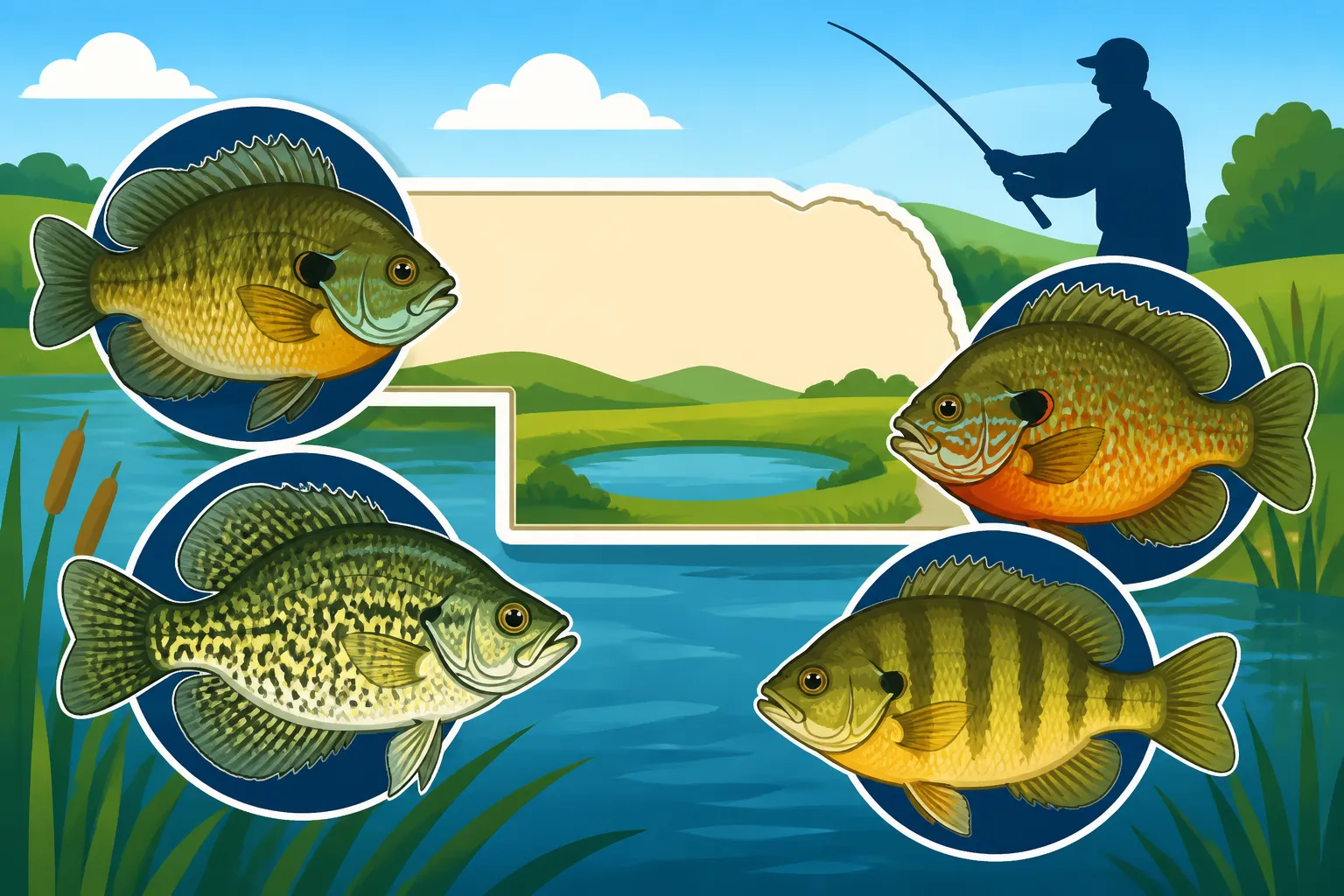
Identification: Bluegill are easily recognized by their distinct, often iridescent blue-green sheen on their sides, a small mouth, and a prominent, dark spot on the posterior (back) part of their dorsal fin. They also have a dark, often black, ear flap (operculum) that gives them their name. Their bodies are typically deep and compressed, almost disc-shaped.
Habitat and Behavior: Bluegill love structure. You'll find them schooling around weed beds, submerged logs, docks, brush piles, and any other cover that offers protection and food. They are visual feeders, often pecking at insects, small crustaceans, and plant matter. In ponds, they are a primary forage fish for larger predators like largemouth bass, which is why they reproduce so readily. They're incredibly adaptable and can thrive in a wide range of pond conditions, from clear, vegetated waters to slightly murkier environments. Fishing for them often involves a simple setup: a small hook, a bit of worm, and a bobber, fished near cover. For more specific bait recommendations, check out Best Bait for Bluegill and Sunfish.
Green Sunfish: The Aggressive Cousins
Often overlooked or confused with their bluegill relatives, green sunfish are another common resident of Nebraska ponds. They might not grow as large as some other panfish, but they make up for it with their feisty attitude and willingness to bite.
Identification: Green sunfish have a more robust, elongated body compared to the bluegill's deep disc shape. Their most distinguishing features include a noticeably larger mouth that extends back to or beyond the front of the eye, and often a mottled green-blue coloration with yellowish fins. Many also exhibit wavy, iridescent blue lines on their faces and a prominent dark spot on the rear of their dorsal and anal fins, similar to the bluegill's ear flap. Understanding the Difference Between Bluegill and Green Sunfish can greatly help in identifying your catch.
Habitat and Behavior: These are incredibly hardy fish, often thriving in ponds with less-than-perfect water quality where other panfish might struggle. They're common in smaller, sometimes muddier farm ponds, ditches, and slow-moving streams. Green sunfish are aggressive, opportunistic feeders, readily striking at nearly anything edible that comes their way, from insects to small minnows. Their territorial nature means they'll often chase off rivals, and they're quick to hit a bait, making them an exciting catch, especially for beginners.
Crappie: The Pond-Dwelling Delicacy
When anglers talk about delicious panfish, crappie are usually at the top of the list. While more commonly associated with larger lakes and reservoirs, crappie can certainly thrive in larger, well-established Nebraska ponds, especially those with good depth and plenty of submerged cover. There are two main species of crappie you might encounter: black crappie and white crappie.
Identification:
- Black Crappie: Typically have 7 or 8 dorsal spines (the hard, spiny rays in their top fin) and their black spots are usually scattered irregularly over their silvery-green bodies. Their bodies tend to be deeper and more "dinner plate" shaped.
- White Crappie: Generally possess 5 or 6 dorsal spines and often have more distinct vertical bars or dark blotches on their silvery bodies, giving them a more striped appearance. They tend to have a more streamlined, elongated body than black crappie.
Learning to differentiate between these two is part of the fun, and this guide on Nebraska Black Crappie vs White Crappie can provide more detailed visuals.
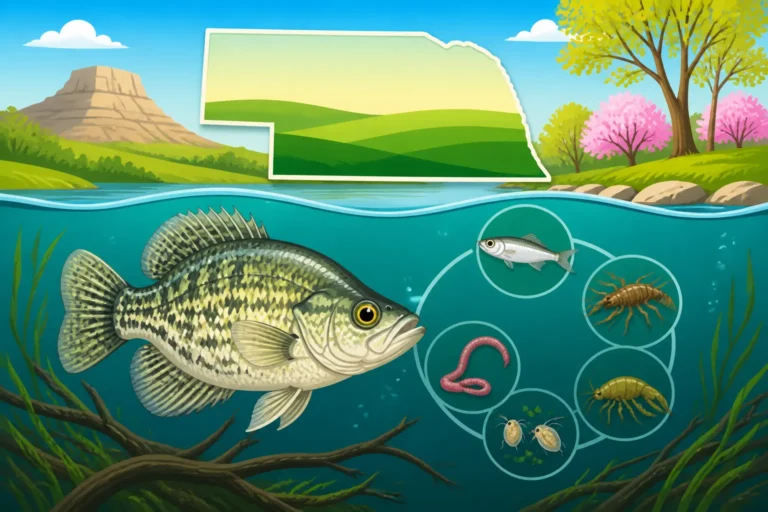
Habitat and Behavior: Crappie are schooling fish, preferring to hang out in groups around submerged brush piles, standing timber, rock piles, or deep weed edges. In ponds, they'll seek out the deepest available water or areas with the densest cover. They are ambush predators, feeding primarily on small minnows, insects, and crustaceans. Their bites can be incredibly subtle, often feeling like a slight tap or just added weight on the line. They are a highly sought-after species due to their excellent taste and their tendency to school, which can lead to rapid-fire action once you find them.
Yellow Perch: The Striped Gems
While not as widespread in every Nebraska pond as bluegill, yellow perch are a prized catch, particularly in the Sandhills region and in deeper, clearer farm ponds. They're easily recognizable and offer a unique panfishing experience.
Identification: Yellow perch are distinctive with their golden-yellow to brassy-green bodies adorned with 6 to 8 dark, vertical bars that extend down their sides. They also have two separate dorsal fins, with the front one being spiny and the back one soft-rayed. Their smaller mouths are packed with tiny, sharp teeth.
Habitat and Behavior: Yellow perch prefer cooler, clearer waters than some other panfish. In ponds, they'll often be found in the deeper areas, especially during warmer months, or near structure like submerged timber and drop-offs. They are schooling fish and, like crappie, can provide fast action once you locate them. Perch are voracious feeders, dining on insects, crustaceans, and small minnows. They are particularly popular during the hardwater season, making them a fantastic ice fishing target in suitable ponds. If you're wondering Are Perch Common in Nebraska Lakes?, this refers to specific conditions often found in larger clear lakes, but these conditions can exist in some ponds too.
Less Common but Possible Panfish Encounters
While the above species are your most likely catches, Nebraska's diverse aquatic environments mean you might occasionally hook into other pan-sized fish that aren't quite as common in typical small ponds but are still a fun surprise.
Rock Bass and Warmouth
These two species, while part of the sunfish family, are generally less prevalent in the average Nebraska farm pond compared to bluegill or green sunfish.
- Rock Bass: You might find these in ponds that have a rocky bottom or connection to clear, rocky streams. They are often confused with other sunfish but can be identified by their robust body, often mottled brown or olive coloration, and most distinctly, their prominent red eyes and typically 5-6 anal spines (compared to 3 on most other sunfish).
- Warmouth: These are usually found in slow, murky, heavily vegetated waters. They have a stout, bass-like body, often a mottled brown or olive pattern, and typically have teeth on their tongue (a feature unique among sunfish). If your pond is particularly weedy and turbid, you might just stumble upon a warmouth.
Bullheads: The Smaller Catfish
Okay, so technically, bullheads aren't "panfish" in the same family as sunfish or perch, but they are often caught on similar gear, in the same ponds, and are definitely "pan-sized" and delicious! Many anglers consider them honorary panfish due to their accessibility and excellent table fare.
Identification: Nebraska is home to black, brown, and yellow bullheads. All are characterized by their smooth, scaleless skin, eight barbels (whiskers) around their mouth, and a tail fin that is squared or slightly emarginate (not deeply forked like a channel catfish). They typically don't grow as large as channel catfish but can still put up a respectable fight. What a Bullhead Catfish Is and Where They Live delves deeper into these interesting fish.
Habitat and Behavior: Bullheads are incredibly hardy and tolerant of poor water quality, making them common inhabitants of nearly any Nebraska pond, especially those that might be a bit muddy or have lower oxygen levels. They are bottom feeders, using their barbels to search for food in the muck – anything from insects, worms, and small fish to decaying organic matter. They are especially active at night, but you can certainly catch them throughout the day. Their resilience means they can often be the most numerous fish in certain ponds.
Maximizing Your Panfish Pond Experience
Now that you know what to look for, let's talk about how to make the most of your panfishing adventures in Nebraska's ponds. It’s about more than just catching fish; it’s about enjoying the process, the environment, and the company (or solitude) of the outdoors.
Gear and Bait for Pond Panfish
You don't need a boatload of expensive gear to have a blast panfishing. Simplicity is often key, especially in a pond setting.
- Rods and Reels: A light action spinning rod, about 5 to 7 feet long, paired with a small spinning reel spooled with 4 to 6 pound test monofilament or fluorocarbon line, is perfect. This setup allows you to feel even the lightest bites and makes every panfish feel like a trophy.
- Terminal Tackle: Small hooks (size 8 or 10 are great for most panfish), small split shot weights, and sensitive bobbers (clip-on or slip bobbers) are essential.
- Bait: Live bait is usually king for panfish. Worms (red wigglers or nightcrawlers cut into pieces), crickets, grasshoppers, and small minnows are all highly effective. For artificials, tiny jigs (1/32 to 1/16 ounce) tipped with a small plastic grub or hair jig, and micro-spinners, can be deadly. You can find a fantastic selection of all this gear, from basic hooks to specialty bobbers, easily on Amazon. For more detailed bait recommendations, our guide on Best Bait for Bluegill and Sunfish is an excellent resource.
Finding Panfish Hotspots
Panfish are creatures of habit and structure. Knowing where to focus your efforts can drastically improve your catch rates.
- Structure is Key: Always look for areas with cover. This includes weed beds, lily pads, submerged logs, brush piles, fallen trees, rock piles, culverts, and even old tires. These spots provide both protection from predators and ambush points for feeding.
- Depth Changes: Pay attention to areas where the bottom contour changes. Drop-offs, ledges, and channels within a pond will attract fish, especially as water temperatures fluctuate throughout the day or season.
- Seasonal Movements: In spring and early summer, panfish, especially bluegill and crappie, will often move into shallower water for spawning. During the heat of summer, they might retreat to deeper, cooler waters or denser shade. In fall, they'll often return to shallower feeding grounds before moving to deeper wintering areas. The time of day also matters; early mornings and late evenings are often prime feeding times, though panfish can be caught all day. If you're after crappie, understanding Best Time of Day to Catch Crappie can be particularly beneficial.
Catch and Release vs. Keeping for the Pan
One of the great things about panfishing is the opportunity to bring home a delicious meal. However, responsible angling practices are crucial for maintaining healthy fish populations in our ponds.
- Harvest Wisely: Panfish populations can easily become stunted if there are too many small fish competing for food. Keeping a mess of medium-sized bluegill or crappie for dinner is often beneficial for the pond's overall health, as it thins out the population and allows the remaining fish to grow larger. Release the bigger, trophy-sized individuals, as they are often the best breeders.
- Proper Handling: If you plan to release fish, handle them as little as possible. Wet your hands before touching them to protect their protective slime coat. Use pliers to quickly remove hooks, especially if they're deeply set. For a detailed guide on how to safely release your catch, refer to Catch and Release Best Practices in Nebraska.
- Cleaning Your Catch: Once you've decided to keep some panfish, knowing how to properly clean and fillet them is key to enjoying your hard-earned meal. Our guide on How to Clean and Fillet a Crappie offers excellent advice that applies to most panfish species.
Here's a quick reference table for identifying the most common panfish in Nebraska ponds:
| Species | Primary Identification Features | Typical Habitat in Ponds | Taste Profile (if kept) |
|---|---|---|---|
| Bluegill | Dark spot on dorsal fin, small mouth, dark ear flap, disc-shaped | Weed beds, docks, submerged logs, brush piles, warm shallow | Sweet, flaky, mild |
| Green Sunfish | Large mouth past eye, mottled green, wavy blue facial lines, robust | Tolerates poorer water, muddy, heavily vegetated shallows | Mild, slightly firmer |
| Black Crappie | 7-8 dorsal spines, scattered black spots, deep body, schooling | Deeper water, brush piles, standing timber, rock piles | Excellent, flaky, sweet |
| White Crappie | 5-6 dorsal spines, vertical bars, streamlined body, schooling | Deeper water, brush piles, standing timber, rock piles | Excellent, flaky, sweet |
| Yellow Perch | 6-8 dark vertical bars, golden-yellow body, two dorsal fins | Cooler, clearer water, deep weed edges, drop-offs | Firm, white, mild |
| Bullhead | Smooth skin, 8 barbels, flat/slightly emarginate tail, bottom-dweller | Tolerates poor water, muddy bottoms, dense vegetation | Rich, earthy, firm |
Whether you're after a quick bite, a delicious meal, or simply the joy of a bending rod, Nebraska's ponds offer fantastic panfishing opportunities. Grab your light tackle, a handful of worms, and head out to explore the amazing diversity of panfish swimming in our local waters. Don't forget, if you're taking the little ones, a fishing license is required for most adults, but Do Kids Need a Fishing License in Nebraska? is a good resource to review. Have fun, be safe, and happy fishing!
Disclaimer
This article is for general informational purposes only and does not constitute professional advice. Laws, prices and regulations vary by location and change over time. Consult a qualified professional for guidance on your specific situation.