What Fish Species Are in Branched Oak Lake
Getting out on the water is one of life's simple pleasures, but nothing beats the satisfaction of knowing what fish you're targeting and actually catching them. If you've ever found yourself staring at the vast expanse of Branched Oak Lake wondering what treasures lie beneath, you're not alone. It can feel a bit overwhelming, especially with such a diverse ecosystem. This guide is here to demystify the aquatic life of Branched Oak, giving you the insider scoop on the fish species you're most likely to encounter, along with tips to help you fill your stringer.
The Main Attractions: Game Fish of Branched Oak
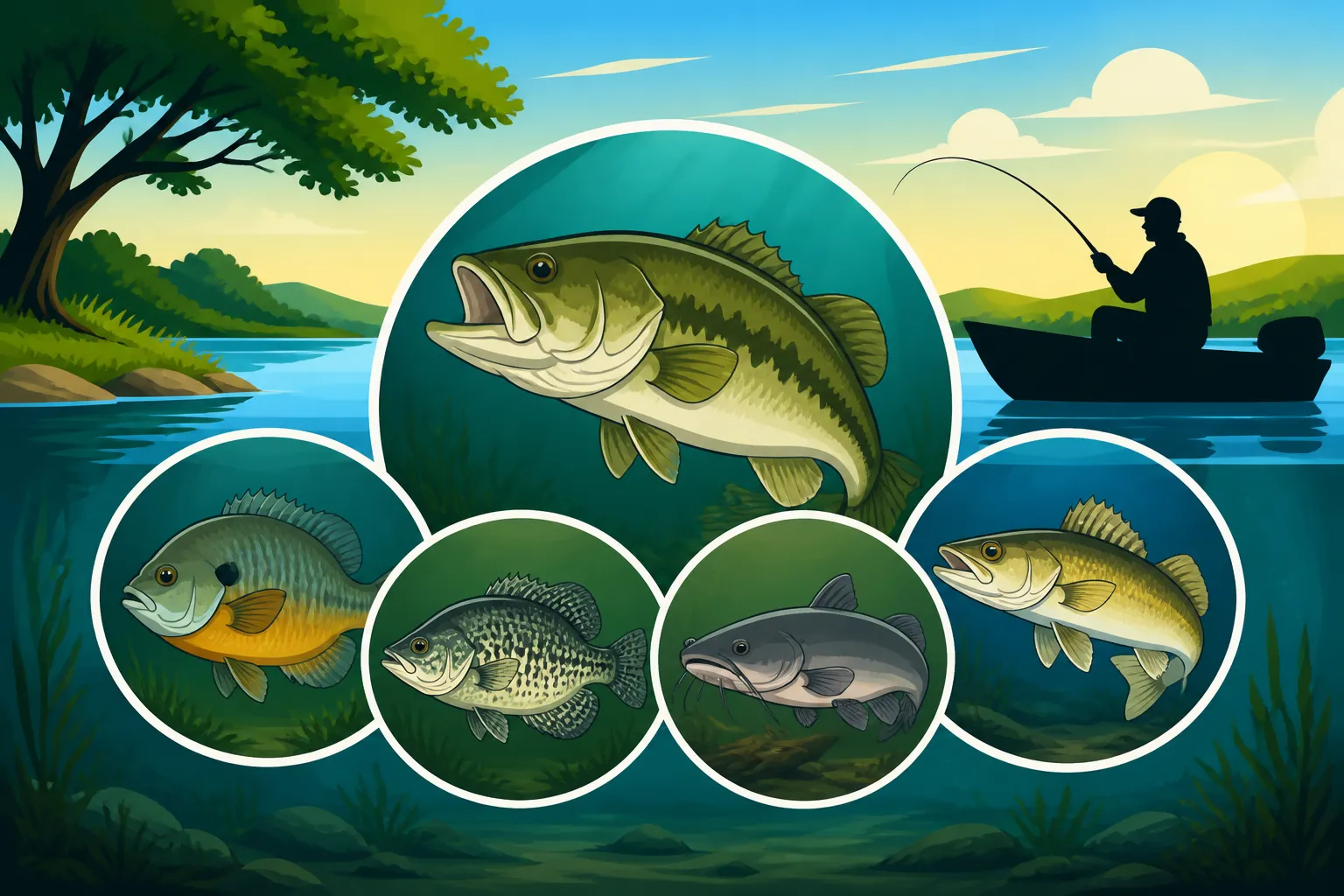
Branched Oak Lake, located just northeast of Lincoln, is one of Nebraska's largest reservoirs and a real gem for anglers. Its sheer size and varied habitat mean it supports a fantastic array of sport fish. When you head out to this lake, you're not just hoping for a bite; you're often targeting specific species that make their home in its depths and along its shores. It's a prime example of a multi-species fishery, offering something for everyone, from the dedicated trophy hunter to the casual family angler. Knowing what's available helps you refine your strategy and pick the right gear for the day.
Walleye: The Elusive Prize
Ah, the walleye. Many anglers consider this fish the king of freshwater game fish, and for good reason. They're notoriously challenging to catch, putting up a respectable fight, and absolutely delicious on the dinner plate. Branched Oak Lake has a healthy population of walleye, and they're one of the most sought-after species here. You'll often find them lurking around deeper structures like submerged humps, old creek channels, and the edges of drop-offs, especially during the day. They prefer cooler, dimmer conditions, so early mornings, late evenings, and overcast days are often prime times to target them.
Catching these finicky eaters often involves precise presentations. Trolling with crankbaits is a popular method, as is jigging with live bait like nightcrawlers or minnows. Many serious walleye anglers invest in good electronics, often found on sites like Amazon, to pinpoint these structures and schools of fish. It can be frustrating when they're not biting, but that just makes the reward of a big walleye even sweeter. Remember to check out the Walleye Fishing in Nebraska guide for even more in-depth strategies.
Channel Catfish: The Steady Fighter
If you're looking for a consistent bite and a fish that pulls hard, the channel catfish is your best friend at Branched Oak Lake. These whiskered warriors are incredibly abundant and widely distributed throughout the lake. They're not picky eaters and can be caught using a variety of baits, making them a fantastic target for anglers of all skill levels, including those new to fishing. You'll find them almost anywhere, from shallow coves to deeper main lake areas, often congregating around submerged timber, brush piles, or muddy bottoms.
Bank anglers particularly love channel cats, as they are readily accessible from shore. A simple bottom rig with a weight and a hook baited with cut bait, chicken livers, or stink bait is often all you need. Evening and night fishing can be particularly productive as catfish become more active under the cover of darkness. They are fantastic eating fish, too, making them a popular choice for a shore lunch. For more detailed insights into targeting these powerful fish, be sure to read our article on Channel Catfish Fishing in Nebraska.
Largemouth Bass: The Pond Prowler
The largemouth bass is another prominent game fish in Branched Oak Lake, providing thrilling action for those who love topwater blowups and battling fish in heavy cover. These aggressive predators are especially fond of areas with abundant vegetation, submerged trees, rock piles, and points that drop off into deeper water. They are territorial and ambush predators, making them a blast to target with artificial lures. You'll often find them tucked into shady spots or lurking near weed lines, waiting for an unsuspecting meal to swim by.
Spinnerbaits, crankbaits, plastic worms, and jigs are all highly effective for largemouth bass at Branched Oak. Spring and early summer are fantastic times to target them as they move into shallower waters for spawning and feeding. The challenge with bass fishing often lies in presenting your lure effectively in dense cover without getting snagged. Many anglers find a good selection of weedless hooks and robust fishing line, which can be easily ordered from Amazon, to be indispensable for bass fishing in the lake's brushy areas. If you're keen on improving your bass game, our Largemouth Bass Fishing in Nebraska guide has even more great advice.
Panfish and Other Fun Catches
Beyond the primary game fish, Branched Oak Lake is teeming with other species that offer fantastic fishing opportunities, especially for families or those looking for a relaxed day on the water. These "panfish" often bite readily, are perfect for introducing kids to fishing, and can provide a delicious meal.
Crappie: The Springtime Delight
Branched Oak Lake is known for its excellent crappie fishing, particularly in the spring when these schooling fish move into shallower waters to spawn. Both black crappie and white crappie are present, though white crappie tend to be more prevalent in the murkier, open waters, while black crappie prefer clearer, weedier areas. These fish are notorious for congregating around submerged timber, brush piles, bridge pilings, and other forms of cover, making them a relatively easy target once you find a school.
Light tackle is the key to successful crappie fishing. Small jigs, minnows under a bobber, or tiny crankbaits are all highly effective. Finding those brush piles or submerged trees, perhaps with the aid of a fish finder, is often the biggest challenge. Once you locate a school, the action can be fast and furious, providing hours of fun. Check out our dedicated guide to Branched Oak Lake Crappie Fishing for more specific tips on how to fill your cooler.
White Bass: The Schooling Blitzers
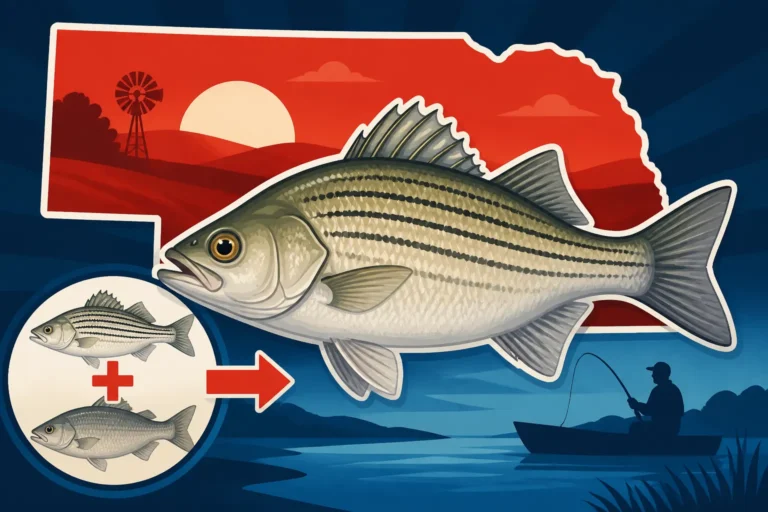
White bass are a high-energy, schooling fish that can offer some of the most exciting fishing experiences on Branched Oak Lake, especially during their spring and early summer feeding frenzies. These aggressive fighters chase down baitfish in open water, often creating visible surface boils where they're actively feeding. When you find a school of white bass, it's often non-stop action, with multiple hookups possible on every cast. They are strong, spirited fighters, pound for pound.
Look for white bass in open water, particularly around points, humps, and the main lake basin. During their runs, they can also be found congregating in shallower areas and along shorelines. Small spoons, inline spinners, jigging spoons, or even small crankbaits can elicit explosive strikes. Keep an eye out for birds diving or splashes on the surface—these are tell-tale signs of a white bass feeding frenzy. Having a variety of small, flashy lures on hand, easily purchased through Amazon, will serve you well when these fish are on the prowl. For more on catching these fast-paced fish, take a look at our White Bass Fishing in Nebraska article.
Bluegill and Other Sunfish: Family Favorites
For sheer numbers and guaranteed smiles, especially with younger anglers, bluegill and other sunfish species (like green sunfish) are hard to beat in Branched Oak Lake. They are incredibly common, found almost everywhere, and are enthusiastic biters. These panfish thrive in various habitats, from shallow, weedy coves to the edges of deeper drop-offs, often seeking out cover in brush or around docks. They're perfect for teaching kids the basics of fishing, as patience is rarely tested too long.
A simple setup is all you need: a cane pole or a light spinning rod, a bobber, a small hook, and some live bait like worms, crickets, or even small pieces of bread. They are often found in large schools, so once you catch one, you're likely to catch several more from the same spot. While they don't grow to massive sizes, their feisty nature on light tackle makes them incredibly fun to catch, and they're quite tasty fried up for dinner.
Understanding Branched Oak's Unique Habitat for Better Fishing
Every lake has its own personality, and Branched Oak is no different. Its large size and varied underwater landscape play a huge role in where fish live, feed, and spawn. Understanding these environmental factors can significantly improve your chances of success, helping you "read" the water and pinpoint potential hotspots. It's not just about luck; it's about applying knowledge to the conditions you face on any given day.
Lake Structure and Depth
Branched Oak Lake features a diverse underwater topography that directly influences where different fish species congregate. The lake was formed by damming a creek, so remnants of the old creek channels still exist, winding through the deeper sections. These channels are often highways for fish, especially walleye and channel catfish, as they move between feeding and resting areas. Beyond the channels, you'll find numerous humps, points, and sudden drop-offs. Walleye, in particular, love to hold on these subtle changes in depth, using them as ambush points.
Understanding the contours of the lake bottom, perhaps through detailed maps or a fish finder, is crucial. Fish will often relate to the specific depth where their preferred baitfish are holding or where water temperatures are most comfortable. In the summer, fish will often move to deeper, cooler water, while in spring and fall, they might be shallower. Targeting these structural elements—whether it's a rocky point or a deep submerged hump—is key to consistent success.
Vegetation and Cover
Like many large reservoirs, Branched Oak Lake has areas with significant aquatic vegetation, especially in its shallower bays and protected coves. These weed beds provide vital cover for baitfish, which in turn attract predator species like largemouth bass, northern pike (though less common, they are present), and crappie. Thick weeds offer hiding spots, shade from the sun, and oxygenated water, making them prime habitat. Submerged timber, fallen trees, and brush piles are also fish magnets, serving the same purpose of cover and ambush points.
Fishing around these types of cover requires a different approach. For bass, weedless jigs and soft plastics are ideal for probing the thick stuff. For crappie, vertically jigging small offerings right alongside a brush pile can be incredibly effective. Even channel catfish will tuck into brush during the day. Don't be afraid to fish right in the cover; that's often where the biggest fish are hiding. Many anglers will purchase heavy-duty hooks and line from retailers like Amazon specifically for fishing these snag-prone areas.
Water Clarity and Temperature
Water clarity and temperature are dynamic factors that significantly impact fish behavior at Branched Oak Lake. Clarity can vary throughout the year, influenced by rainfall, runoff, and algal blooms. Murkier water often makes fish less skittish and can be excellent for catfish and even walleye, while clearer water might require lighter lines and more subtle presentations for bass and crappie. Fish species have preferred temperature ranges, and as the seasons change, they will move to find their comfort zone.
In spring, rising water temperatures trigger spawning for many species, moving them into warmer, shallower areas. Summer heat often drives fish to deeper, cooler water or into dense shade. Fall sees a turnover, where surface and bottom waters mix, and fish become highly active as they feed heavily before winter. In winter, fish are generally slower and hug the bottom. Paying attention to weather patterns and understanding how they influence these factors can help you predict where the fish will be and what they'll be willing to bite. Check out Nebraska Fishing Weather and Barometric Pressure Tips to learn more about how these factors affect fish activity.
Gear and Techniques for Success at Branched Oak
Having the right equipment and knowing how to use it are critical for a productive day on Branched Oak Lake. While every angler develops their own preferences, there are some fundamental setups and techniques that consistently produce results for the diverse fish species found here. It's not about having the most expensive gear, but rather the appropriate gear for the job.
Essential Rods and Reels
For the variety of species at Branched Oak, a versatile rod and reel setup is often a good starting point. A medium-action spinning rod, about 6 to 7 feet long, paired with a reliable spinning reel, is a fantastic all-around choice. This setup can handle everything from panfish to decent-sized walleye and bass. For those specifically targeting larger channel catfish or aiming for trophy bass in heavy cover, a medium-heavy baitcasting setup might be more appropriate. This provides the backbone needed to haul bigger fish out of thick vegetation or strong currents.
Having multiple setups allows you to switch techniques quickly. A dedicated ultralight rod for crappie and bluegill fishing offers maximum sensitivity and makes even small fish feel like giants. Meanwhile, a sturdier setup with heavier line is crucial for casting larger baits and battling bigger game. You can find a wide array of reliable rods and reels on platforms like Amazon to suit your budget and specific fishing needs. For a detailed breakdown of what might work best for you, consider reading our Best Fishing Gear for Nebraska Anglers guide.
Go-To Baits and Lures
The key to success at Branched Oak is often matching your bait or lure to the species you're targeting and the conditions of the day. For walleye, live nightcrawlers and minnows fished on a crawler harness or jig are perennial favorites. Artificial crankbaits and jigs are also highly effective, especially when trolling or working deeper structures. Channel catfish are less particular, readily taking cut bait, chicken liver, stink bait, or even large nightcrawlers fished on the bottom.
Largemouth bass, being aggressive predators, respond well to a variety of artificials. Soft plastic worms, jigs, spinnerbaits, and topwater lures fished around cover are all excellent choices. For crappie and other panfish, small minnows, tiny plastic jigs (often tipped with a bit of scent), and wax worms under a bobber are unbeatable. Always carry a selection of different baits and lures, as fish preferences can change throughout the day. A well-stocked tackle box from Amazon, featuring a diverse range of colors and sizes, will prepare you for almost any situation.
Shore vs. Boat Fishing
Branched Oak Lake is large enough to offer excellent opportunities for both shore and boat anglers, each with its own advantages. Shore fishing is incredibly accessible, with numerous access points, fishing piers, and stretches of public shoreline. This is often the preferred method for targeting channel catfish and panfish, especially when utilizing simple bottom rigs or bobber setups. Many bank anglers also find success with largemouth bass along the edges of weed beds and timber that extend close to shore. Our Branched Oak Lake Shore Fishing Spots article has great info on where to cast from land.
For those with a boat, the entire lake opens up, providing access to deeper structures, main lake points, and remote coves that are unreachable from shore. Boating allows you to cover more water, troll for walleye and white bass, and precisely position yourself over submerged humps or brush piles. Kayaks and canoes are also fantastic for reaching these slightly more remote areas without the need for a large motorboat, offering a quiet and intimate fishing experience. Whether by foot or by vessel, understanding the lake's layout will significantly boost your fishing adventures.
Table of Common Branched Oak Lake Fish Species
Here's a quick overview of some of the most commonly sought-after fish species at Branched Oak Lake, along with typical sizes and preferred methods.
| Species | Average Size (Inches) | Preferred Habitat | Common Baits/Lures | Notes |
|---|---|---|---|---|
| Walleye | 15-22 | Deep humps, creek channels, drop-offs | Nightcrawlers, minnows, crankbaits, jigs | Finicky, best at dawn/dusk or overcast. |
| Channel Catfish | 12-25 | Muddy bottoms, brush piles, main lake | Cut bait, chicken liver, stink bait, worms | Abundant, great for bank anglers, active at night. |
| Largemouth Bass | 12-18 | Weed beds, submerged timber, rocky points | Plastic worms, spinnerbaits, jigs, crankbaits | Aggressive, excellent cover-oriented fish. |
| Crappie (Black/White) | 8-12 | Brush piles, submerged trees, docks | Small jigs, minnows, tiny crankbaits | Schooling fish, fantastic spring bite. |
| White Bass | 10-15 | Open water, points, chasing baitfish | Spoons, inline spinners, jigging spoons | High-energy schooling, visible feeding frenzies. |
| Bluegill / Sunfish | 4-8 | Shallow coves, weed edges, docks | Worms, crickets, small artificials | Great for kids and consistent action. |
Seasonal Strategies for Branched Oak Success
The beauty of Branched Oak Lake is that it offers fantastic fishing opportunities year-round, but your approach will definitely need to shift with the seasons. Fish behavior is heavily influenced by water temperature, available food, and spawning cycles. Understanding these seasonal changes is like having a secret weapon in your tackle box, allowing you to anticipate where fish will be and what they'll be willing to bite. Don't let a change in weather stop you; just adapt your tactics!
Spring: Spawning and Shallow Water Action
Spring is often heralded as one of the best times to fish Branched Oak Lake, as many species become highly active and move into shallower water. As the ice melts and water temperatures begin to rise, crappie, white bass, and walleye will move towards warmer, shallower bays and coves to begin their spawning rituals. This is when you can find massive schools of crappie in brush piles and along the banks, and white bass often make their aggressive runs. Largemouth bass will also move shallow, preparing to spawn.
Targeting these pre-spawn and spawning patterns means focusing on shallower areas, often 2-10 feet deep, where cover is abundant. Small jigs and minnows are deadly for crappie, while white bass will smash anything flashy. Walleye will be found on shallow points and flats, often responding to slow presentations. Don't forget the channel catfish, which also become very active in the warming waters, cruising the shallows looking for food. It's a prime time for both boat and bank anglers to experience some fast-paced action.
Summer: Deeper Waters and Early/Late Bites
As summer progresses and water temperatures peak, many fish species at Branched Oak Lake will seek refuge in deeper, cooler waters, especially during the heat of the day. This doesn't mean fishing shuts down, but it does mean a strategic shift is needed. Walleye will retreat to their deep humps and creek channels, often requiring trolling with crankbaits or deep jigging to reach them. Largemouth bass will often hold tight to dense cover or suspend over deeper drop-offs, becoming most active during the cooler hours of dawn and dusk, or even at night.
Channel catfish, ever-resilient, will remain active throughout the summer, though the best bites might still be in the evenings and overnight. Look for them on the main lake basin's muddy flats or around any deep structure. Panfish will also be found around deeper cover or suspending in slightly cooler water. Focus your efforts during the low-light periods or on overcast days. A good pair of polarized sunglasses, available on Amazon, can help you spot subtle movements or even fish near cover in clearer summer waters.
Fall: Feeding Frenzies and Transition
Fall is a fantastic time to fish Branched Oak Lake, often considered a "second spring" by many experienced anglers. As water temperatures begin to cool, fish sense the approaching winter and embark on aggressive feeding frenzies to fatten up. Many species, particularly walleye, white bass, and largemouth bass, will move back into shallower to mid-depth ranges, chasing baitfish. The fall turnover, where the lake's water columns mix, can initially make fishing tough, but once it settles, the bite can be incredible.
Walleye will be found on points, humps, and flats, often biting crankbaits or jigging spoons. White bass will continue their schooling behavior, chasing baitfish in open water. Largemouth bass will be feasting on larger baitfish offerings, hitting spinnerbaits, jigs, and larger plastics. Channel catfish remain very active, especially on warming days. It's a great time to experiment with bigger baits as fish are focused on calorie intake. Fishing during the crisp autumn days can be incredibly rewarding, offering both comfortable weather and aggressive fish.
Final Thoughts on Fishing Branched Oak Lake
Branched Oak Lake truly offers a diverse and exciting fishing experience for anglers of all stripes. From the challenging pursuit of walleye to the reliable fight of a channel catfish, or the pure joy of watching a child catch their first bluegill, this lake has it all. The key to consistent success lies in understanding the species present, their preferred habitats, and how their behavior changes with the seasons.
Don't be afraid to experiment with different techniques and baits. What works one day might not work the next, and that's just part of the fun and challenge of fishing. Always prioritize safety, especially if you're out on the water in a boat. A properly maintained vessel, with all required safety gear and valid registrations (as outlined in Nebraska Boat Registration and Fishing Rules), ensures a worry-free day. Most importantly, get out there and enjoy the incredible natural resources that Nebraska has to offer. Tight lines!
Disclaimer
This article is for general informational purposes only and does not constitute professional advice. Laws, prices and regulations vary by location and change over time. Consult a qualified professional for guidance on your specific situation.