How to Rig Cut Bait for Channel Catfish
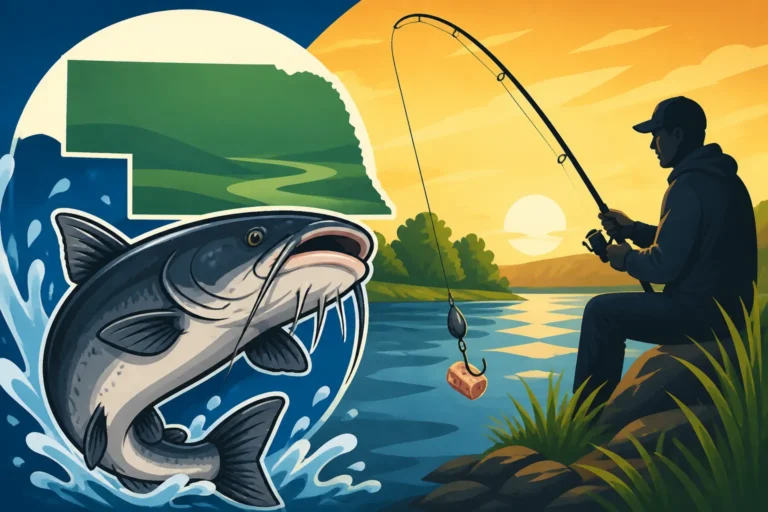
There's nothing quite as frustrating as heading out for a productive day of channel catfish fishing, only to come up short because your bait isn't quite hitting the mark. You've tried stink baits, worms, even bits of hot dog, but the big whiskerfish just aren't biting with the enthusiasm you expect. This guide is all about turning that frustration into triumph by showing you exactly how to rig cut bait for channel catfish, a technique that leverages their incredible sense of smell and natural feeding habits to bring in more fish, more consistently, in Nebraska's diverse waters.
Understanding Channel Catfish and Their Feeding Habits
To truly master fishing for channel catfish, you first need to get inside their heads – or, more accurately, understand their unique sensory world and dietary preferences. These aren't picky eaters, but they are opportunistic and possess an olfactory system that puts many other fish to shame.
Why Cut Bait Excels for Channel Catfish
Channel catfish are primarily scavengers and opportunistic predators. They're not always chasing down live prey; often, they're cruising the bottom or suspended in the water column, searching for an easy meal. This is where cut bait shines. Unlike live bait which might try to swim away, or processed baits which can sometimes lack natural appeal, cut bait releases a potent, continuous scent trail that catfish can detect from surprisingly long distances. Their barbels, often called "whiskers," are packed with taste buds and chemoreceptors, allowing them to "taste" the water and pinpoint the source of that enticing aroma.
Imagine a piece of fresh cut shad slowly dissolving in the current, leaching oils and blood into the water. To a hungry channel catfish, that's like a five-star dinner bell ringing across the entire lake or river bottom. It mimics a wounded or dead baitfish, something they naturally seek out. This is a game-changer compared to a wiggling worm that might not disperse enough scent to draw attention from afar, especially in larger bodies of water like Lake McConaughy or the deeper sections of the Platte River.
Choosing the Right Fish for Cut Bait
The effectiveness of your cut bait largely depends on what fish you're cutting up. Generally, oily fish that are native or common in the waters you're fishing work best because they release the most scent and are part of the catfish's natural diet. In Nebraska, you have some fantastic options readily available.
Shad (Gizzard and Threadfin): These are often considered the gold standard for cut bait. Shad are oily, have a strong scent, and their flesh holds up well on a hook. They are plentiful in many Nebraska reservoirs and rivers, making them a common forage fish for catfish. If you can catch your own shad, you're starting with premium bait.
Carp: Don't underestimate the common carp! They are incredibly effective cut bait. Carp meat is dense and oily, and catfish absolutely love it. You can catch carp easily in most Nebraska waters, making them a readily accessible and free bait source. Just make sure to check local regulations; in some areas, certain species of carp might have specific rules for use as bait.
Perch and Bluegill (Panfish): These smaller panfish, commonly found in Nebraska's ponds and smaller lakes, also make excellent cut bait, especially for medium-sized channel catfish. Their firm flesh stays on the hook well, and they release a good amount of scent. They are easy to catch yourself, and using panfish that are abundant in the system can often lead to better results, as it's a food source the catfish are already accustomed to. When considering Best Bait for Nebraska Catfish, fresh cut perch or bluegill are definitely top contenders.
Selecting the Best Cut Bait for Nebraska Catfish
Once you've decided on the type of fish, how you prepare and handle it can make all the difference between a slow day and a banner day.
Fresh vs. Frozen Cut Bait
This is a classic debate among catfish anglers, and both have their merits depending on your situation.
Fresh Cut Bait: When you can get it, fresh is almost always best. The natural oils, blood, and fluids are at their peak, creating the most intense scent trail. If you're able to catch your baitfish right before or during your fishing trip, you're giving yourself a significant advantage. Simply dispatch the baitfish, cut it into appropriate pieces (we'll get to that shortly), and get it on your hook quickly. The fresh scent dispersal is unparalleled, and it often results in more aggressive bites. The downside, of course, is the time and effort involved in acquiring it fresh.
Frozen Cut Bait: For many anglers, frozen cut bait is a practical necessity. It allows you to stock up when baitfish are plentiful or when you don't have time to catch fresh bait. When using frozen bait, the key is proper thawing and handling. Thaw it slowly in a cooler, not directly in the sun. Some anglers even prefer to let it thaw partially, as it remains a bit firmer on the hook. While some scent might be lost compared to fresh, good quality frozen bait, especially oily fish like shad or carp, will still release plenty of attraction. Just be wary of bait that has been frozen and thawed multiple times, as it tends to become mushy and won't stay on the hook.
To prepare bait for freezing, cut it into portions you'll use, place them in freezer bags with a little water (to prevent freezer burn), and squeeze out all the air before sealing. You can often find pre-packaged frozen cut bait, like shad or carp chunks, at bait shops or even larger sporting goods stores. Always consider the source and freshness of any pre-packaged bait.
Ideal Cut Bait Sizes and Shapes
This isn't a "one size fits all" situation. The size and shape of your cut bait should be tailored to the size of the catfish you're targeting and the water conditions.
For Smaller to Medium Channel Catfish (1-5 pounds):
You'll want smaller, bite-sized pieces. Think about a 1-inch square or a strip of fish about 1-2 inches long and ½ inch wide. The goal is for the catfish to easily get the entire bait, and your hook, into its mouth. Using a whole small fish, like a juvenile bluegill, cut in half vertically or butterflied, can also be very effective, especially if you remove the head and tail to create more exposed flesh for scent.
For Larger Channel Catfish (5+ pounds, up to trophy size):
Go bigger! Large catfish aren't intimidated by a substantial meal. Pieces of cut bait that are 2-3 inches long and 1-2 inches wide are perfect. You can use large chunks from the body of a carp or shad, or a whole side of a smaller baitfish. The increased surface area of larger pieces means more scent dispersal, drawing in those bigger fish. A larger piece also helps deter smaller bait stealers, allowing your offering to sit longer for a monster to find. For trophy hunters focusing on Nebraska Channel Catfish Daily Limit for truly big fish, don't be afraid to use a whole small shad or half a medium-sized carp head.
Shape Considerations:
- Chunks: Good for bottom fishing, release scent steadily.
- Strips: Excellent for creating a fluttering action in the current, also great for scent dispersal. Keep a bit of skin on one end to help it stay on the hook.
- Steaks (from larger fish): Cut cross-sections from larger fish, leaving skin and bone on for durability and scent.
- Head/Tail Sections: While not always preferred for convenience, a head or tail section of an oily fish can be a scent bomb, especially for really big catfish. Just ensure you have a hook large enough to penetrate well.
Essential Gear for Rigging Cut Bait
Having the right gear is just as important as having the right bait. You want a setup that's robust enough to handle powerful channel catfish and present your cut bait effectively.
Hooks, Line, and Leaders
Your connection to the fish is paramount, so don't skimp on quality here. When you’re learning How to Catch Catfish in Nebraska, these gear choices are fundamental.
Hooks: For cut bait, circle hooks are overwhelmingly the best choice for catfish. They are designed to hook fish in the corner of the mouth, leading to fewer gut-hooked fish (which is great for catch and release and also ensures you land more fish, as gut-hooked fish often break off). You don't need to "set" the hook; simply let the fish take the bait and swim away, and the circle hook will do the work as the line tightens.
- Sizes: For typical Nebraska channel catfish, hook sizes ranging from 2/0 to 6/0 are ideal.
- 2/0-3/0: Good for smaller chunks of bait and smaller catfish (1-3 lbs).
- 4/0-5/0: Versatile, great for medium to larger cut bait pieces and most channel cats.
- 6/0: For bigger chunks of bait and targeting trophy-sized catfish.
You can find a wide variety of quality circle hooks from brands like Gamakatsu, Owner, and Eagle Claw on platforms like Amazon. For specifics, check out our guide on Best Circle Hooks for Catfish Fishing.
Line: You need strong line. Channel catfish can put up a surprisingly good fight, especially in current.
- Main Line: For most applications, a high-quality monofilament line in the 15-25 lb test range is sufficient. It has good abrasion resistance and a bit of stretch, which can be forgiving. However, many experienced catfish anglers prefer braided line in the 30-50 lb test range. Braid offers superior strength for its diameter, excellent sensitivity (you feel every little bump), and virtually no stretch, which is great for powerful hooksets (though with circle hooks, you're mostly just reeling).
- Leader Material: A leader is often a good idea, especially if your main line is braid, as braid can be more visible to wary fish. Use a 15-30 lb test monofilament or fluorocarbon leader. Fluorocarbon is less visible underwater and more abrasion-resistant. Keep your leader length around 12-24 inches, depending on the rig.
Weights, Swivels, and Bobbers
These components complete your rigging system, ensuring your bait gets to where the fish are and stays there.
Weights (Sinkers): Most cut bait fishing for channel catfish is done on the bottom, so you'll need sinkers.
- Egg Sinkers: These are popular for Carolina rigs (sliding sinker rigs). They allow the line to slide freely through them, so a biting fish feels less resistance. Weights from ½ oz to 2 oz are common, depending on current and depth.
- No-Roll Sinkers: As the name suggests, these are designed to sit firmly on the bottom without rolling, which is especially useful in rivers or sloped lake bottoms.
- Pyramid Sinkers: Also excellent for current, digging into the bottom to hold your bait in place.
- Choose a weight heavy enough to hold your bait on the bottom without being swept away by current or wind, but not so heavy that it's difficult to cast.
Swivels: Barrel swivels or ball bearing swivels are crucial. They connect your main line to your leader and, more importantly, prevent line twist, which can weaken your line and cause tangles. A good quality swivel in a size appropriate for your line strength (e.g., size 4-8) is essential.
Bobbers (Floats): While much cut bait fishing is bottom-oriented, there are times when channel catfish will suspend in the water column or you need to present your bait just off the bottom. A slip bobber rig is perfect for this. It allows you to fish at any depth, and the bobber acts as a visual strike indicator. You'll need a bobber stopper, a bead, and a slip bobber. This can be especially effective when fishing over submerged structure or when catfish are actively feeding higher in the water column, perhaps near a thermocline.
Step-by-Step Guide to Rigging Cut Bait for Different Scenarios
Now for the practical part: putting it all together. We'll cover the two most common and effective rigs for channel catfish with cut bait.
The Basic Bottom Rig (Carolina Rig Variation)
This is a go-to rig for a reason – it's simple, highly effective, and allows the fish to pick up the bait without feeling immediate resistance from the weight. It's often referred to as a "sliding sinker rig."
Materials Needed:
- Main fishing line (mono or braid)
- Egg sinker (½ oz to 2 oz)
- Barrel swivel (size 4-8)
- Fluorocarbon or monofilament leader (15-30 lb test, 12-24 inches long)
- Circle hook (2/0 to 6/0)
- Fresh or frozen cut bait
- Pliers or line clippers
Step-by-Step Assembly:
- Slide on the Sinker: Take your main fishing line and thread the egg sinker onto it. The tapered end of the sinker usually faces towards your rod tip (the smaller hole first).
- Add the Swivel: After the sinker, tie one end of your barrel swivel to the main line using a strong knot like a Palomar knot or an improved clinch knot. Ensure the knot is tight and secure. This swivel will stop the sinker from sliding down to your hook.
- Tie on the Leader: Take your leader material and tie one end to the other eye of the barrel swivel. Again, use a strong knot. The leader provides a bit of stealth and abrasion resistance near the hook.
- Attach the Hook: Tie your chosen circle hook to the free end of the leader. A snell knot is excellent for circle hooks as it helps orient the hook point for better penetration, but an improved clinch knot works too.
- Hook the Bait: This is crucial for cut bait presentation.
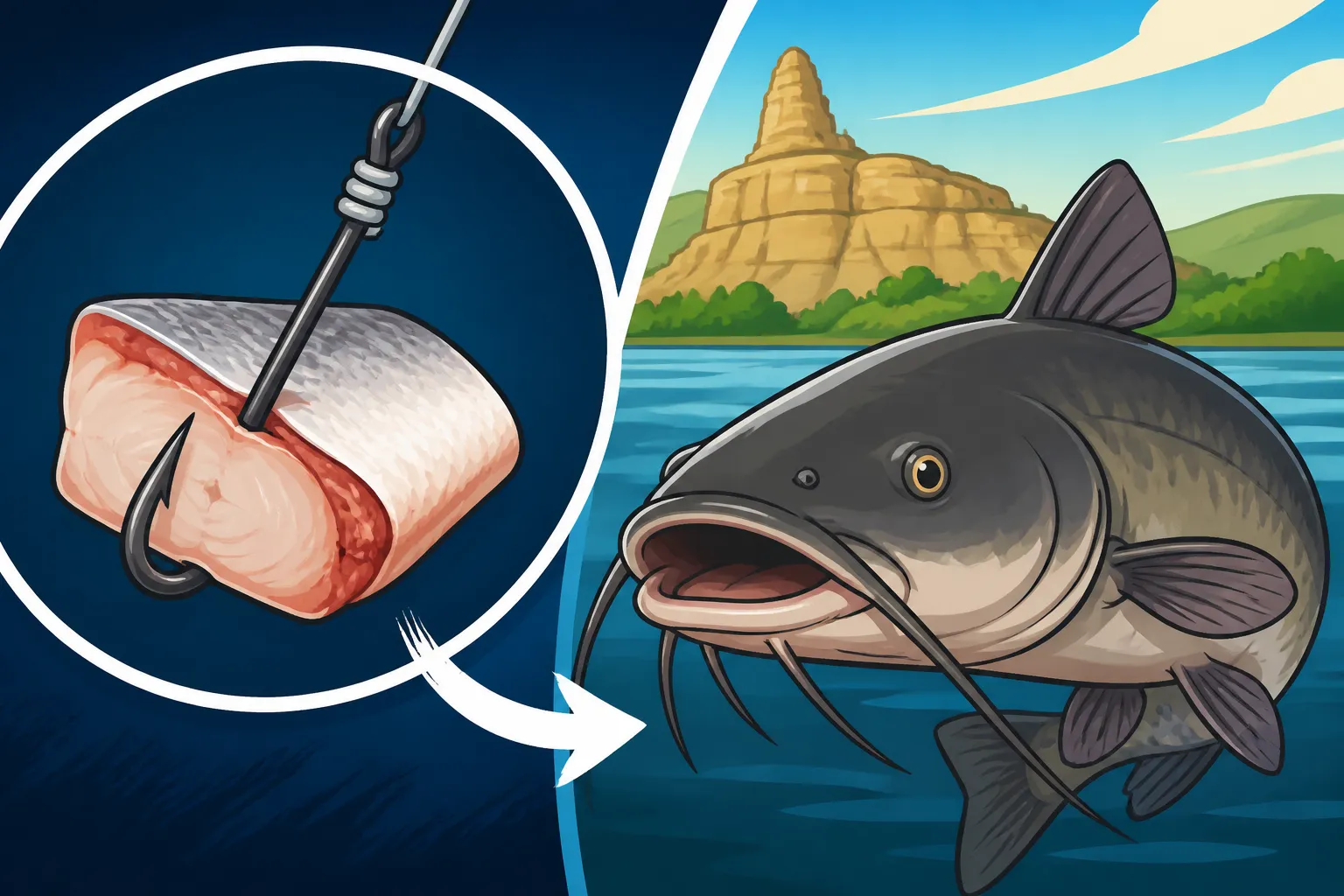
- For chunks or small squares: Thread the hook once through the toughest part of the bait (often near the skin or where there's a bit of bone). The goal is to securely attach the bait so it doesn't fly off on the cast, but also to leave the hook point and barb exposed. Don't bury the hook! For a circle hook, the point needs to be clear to do its job.
- For strips: Thread the hook once or twice through one end of the strip, again leaving the point exposed. This allows the other end of the strip to flutter naturally in the current, creating more movement and scent dispersal.
This rig keeps your bait on the bottom, where catfish frequently feed, and the sliding sinker ensures that when a catfish picks up your bait, it doesn't immediately feel the weight of the sinker, giving it confidence to swallow the bait before the line tightens and the circle hook engages. This setup is perfect for most lake and river fishing for channel cats, allowing you to cast it out, let it sink, and wait for that rod tip to start thumping! It's a key technique covered in How to Catch Channel Catfish From the Bank.
The Suspended Cut Bait Rig (Slip Bobber Rig)
Sometimes, catfish aren't glued to the bottom. They might be suspended over deeper water, near structure, or in areas with a thermocline. A slip bobber rig allows you to present your cut bait at a precise depth off the bottom or anywhere in the water column.
Materials Needed:
- Main fishing line
- Bobber stopper (string or rubber)
- Small bead
- Slip bobber
- Barrel swivel
- Fluorocarbon or monofilament leader (12-18 inches)
- Circle hook
- Split shot or small egg sinker (¼ oz to 1 oz)
- Cut bait
Step-by-Step Assembly:
- Tie on Bobber Stopper: Thread your main line through the bobber stopper and snug it up. This little stopper is what allows you to adjust your fishing depth.
- Add the Bead: Slide a small bead onto your main line, right below the bobber stopper. This bead protects the knot of your stopper from wearing through the bobber.
- Thread the Slip Bobber: Thread your main line through the eyelet at the bottom of the slip bobber, letting it slide freely.
- Attach Swivel: Tie your barrel swivel to the main line, below the bobber.
- Add Leader and Hook: Tie your leader (12-18 inches) to the other end of the swivel, and your circle hook to the end of the leader.
- Add Weight: Crimp a split shot or tie on a small egg sinker directly above the swivel, or onto the leader if you prefer. This weight is essential to get your bait down to the desired depth and to keep your bobber standing upright. The amount of weight should be enough to just make your bobber stand upright, but not so heavy that it pulls the bobber completely under.
- Hook the Bait: As with the bottom rig, securely hook your cut bait, ensuring the circle hook point is exposed.
- Adjust Depth: Once assembled, you can slide the bobber stopper up or down your main line to precisely control the depth at which your cut bait is presented. For example, if you want your bait to be 5 feet off the bottom in 20 feet of water, you'd set your stopper about 15 feet from your hook.
This rig is fantastic for fishing over submerged brush piles, weed lines, or other structures where catfish might be holding but not directly on the bottom. It also keeps your bait visible to the fish for longer periods and prevents it from getting snagged on bottom debris.
River-Specific Rigging Tips
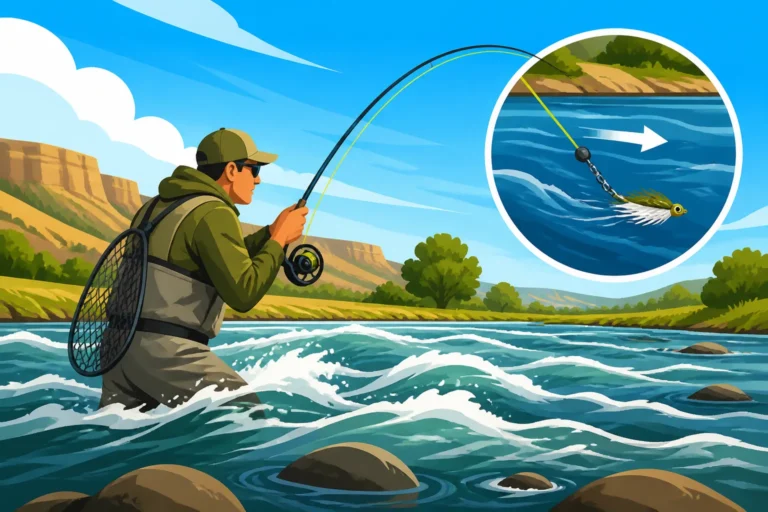
Fishing rivers for channel catfish, particularly large ones like the Missouri River or the main stem of the Platte, presents unique challenges due to current, snags, and shifting bottoms.
- Heavier Weights are Key: In strong currents, you'll need significantly heavier weights to keep your bait stationary. Pyramid or no-roll sinkers in 2 oz up to 4 oz or more might be necessary. You can also use a three-way swivel rig (also called a "dropper rig") where one eye goes to your main line, another to a short leader with a heavy weight, and the third to your leader and hook. This helps keep the bait presented off the bottom while the weight holds firm.
- Breakaway Rigging: Rivers are notorious for snags. Consider using a "breakaway" or "sacrifice" sinker setup. This involves tying your sinker to your main line with a lighter test line (e.g., 8-10 lb mono). If your sinker gets snagged, the lighter line breaks, and you only lose the sinker, saving your main line, leader, and hook (and hopefully your fish!).
- Shorten Leaders: In strong current, long leaders can cause your bait to wash out too much, making it harder for catfish to hone in on it. Shortening your leader to 8-12 inches can help keep your bait closer to the weight and more stable.
- Target Current Breaks: Look for areas where the current slows down, such as behind submerged rocks, wing dams, logs, or in deep eddies. Catfish will often hold in these slack water areas, conserving energy while waiting for food to drift by. Presenting your cut bait right at the edge of these current breaks can be deadly.
- Utilize Rod Holders: When fishing rivers from the bank, robust rod holders are essential. The force of the current combined with a catfish strike can easily pull an unattended rod into the water. For a truly effective river fishing experience, review our guide on Best Rod Setup for Nebraska Catfish.
Advanced Tips for Maximizing Your Cut Bait Success
Even with the perfect rig, a few extra tricks can significantly boost your cut bait game.
Bait Scent Enhancement and Presentation
Catfish are scent hounds, so making your bait even more appealing is always a good idea.
Adding Blood and Attractants:
- "Bleeding" Fresh Bait: If you're using fresh baitfish, a small cut to the gills or belly just before hooking it will release more blood and juices, creating an immediate, intense scent trail. This is a powerful natural attractant.
- Commercial Scent Boosters: Many companies make liquid or gel attractants designed specifically for catfish. These often contain garlic, anises, or various fish oils. A few drops or a smear on your cut bait can enhance its appeal, especially if you're using frozen bait that might have lost some of its natural potency. Brands like Catfish Pro or Berkley PowerBait produce effective liquid scents that can be found on Amazon or at local bait shops.
- Garlic Powder/Oil: A simple sprinkle of garlic powder or a few drops of garlic oil can be surprisingly effective. Catfish seem to be drawn to the strong, pungent aroma. Just a light dusting is all you need.
Presentation is Key:
- Exposed Hook Point: As mentioned, ensure your circle hook's point and barb are completely exposed. Do not bury the hook in the bait. A common mistake is to try and hide the hook, which prevents proper hook sets with circle hooks.
- Freshness: While frozen bait works, switching to a fresh piece every 20-30 minutes, especially if you're not getting bites, can refresh the scent trail and stimulate strikes. If the bait looks washed out or loses its firmness, it's time for a new piece.
- Keep it Natural: While adding enhancers, don't overdo it. The goal is to enhance the natural appeal, not mask it completely. A balance between fresh bait, natural presentation, and a subtle scent boost is often the most effective.
Best Fishing Spots and Times for Cut Bait
Knowing where and when to present your perfectly rigged cut bait is the final piece of the puzzle. You'll want to leverage the catfish's natural behavior and habitat preferences.
Prime Locations in Nebraska:
- Deep Holes and Channels: Catfish often retreat to deeper water during the day, especially in warmer months. Look for the deepest parts of lakes and rivers.
- Structure: Submerged trees, brush piles, rock piles, old foundations, and bridge pilings provide cover, ambush points, and attract baitfish. Present your cut bait near these structures. Places like Branched Oak Lake or Pawnee Lake often have excellent structure for catfish.
- Inflow/Outflow Areas: Where rivers feed into lakes or reservoirs, or where water exits, the current can concentrate baitfish and nutrients, creating feeding zones for catfish. Below dams, like Kingsley Dam for Lake McConaughy, can also be productive. Our guide to Missouri River Fishing in Nebraska delves into specific riverine structures.
- Seams and Eddies in Rivers: As mentioned earlier, current breaks are gold mines in rivers. The calmer water behind an obstruction or on the inside bend of a river provides a comfortable resting and feeding area.
- Muddy Water: Don't shy away from muddy or turbid water, especially after a rain. Catfish use their superior sense of smell and taste in low visibility conditions, giving them an advantage over sight-feeding predators. Your cut bait's potent scent will shine here.
Best Times to Fish:
- Night Fishing: This is prime time for channel catfish, especially in summer. They are primarily nocturnal feeders, becoming more active and roaming shallower areas after dark. The low light reduces pressure and makes them bolder. Many anglers find How to Fish Overnight for Catfish to be incredibly productive, using cut bait for big results.
- Dawn and Dusk: The transition periods of sunrise and sunset are also excellent, as catfish are moving between their daytime resting areas and nighttime feeding grounds.
- Warm Water Periods: Catfish are warm-water species. They become most active when water temperatures are consistently above 60-70 degrees Fahrenheit, typically from late spring through early fall in Nebraska.
Troubleshooting Common Cut Bait Problems
Even the best-laid plans can encounter snags (literally!). Here's how to deal with common issues.
- Bait Stealers: You cast out a nice chunk of cut bait, only to reel in a stripped hook or a tiny nibble mark. This is usually the work of smaller panfish or crayfish.
- Solution: Go with larger cut bait pieces. Small fish can't easily swallow a 2-3 inch chunk. You can also try slightly tougher parts of the baitfish, like the skin or a section with more bone. Moving to a different spot where smaller fish are less concentrated can also help. Sometimes, a faster current helps wash away the smaller fish, allowing your bait to sit longer.
- Constant Snags: This is a pain, especially in rivers or lakes with lots of underwater structure.
- Solution: Use breakaway sinker rigs in rivers. In lakes, try moving slightly away from the densest cover. If using a bottom rig, switch to a slip bobber rig to suspend your bait just above the snags. Pay attention to your cast and try to land your bait in clear zones near the structure, rather than directly on top of it.
- No Bites: You've got the perfect rig and bait, but nothing is happening.
- Solution:
- Check Freshness: Is your bait still fresh and oily? Change it out.
- Vary Depth/Location: Catfish can move. If fishing on the bottom, try a slip bobber rig to present bait higher. If in a deep hole, try the edges. Move to a different spot along the bank or shoreline.
- Change Bait Size/Type: Maybe the catfish want smaller pieces, or a different baitfish altogether. Experiment!
- Time of Day: If it's the middle of a bright, hot day, consider coming back during prime low-light hours or fishing deeper.
- Patience: Sometimes, channel catfish just take their time to find the bait. Give your spot at least 30-45 minutes before moving, unless you're certain no fish are present.
- Solution:
By understanding these fundamentals and adapting your approach, rigging cut bait will quickly become one of your most successful techniques for landing impressive channel catfish in Nebraska.
Cut Bait Selection and Hook Size Guide
| Target Catfish Size | Ideal Baitfish Source | Recommended Cut Bait Size | Recommended Hook Size (Circle Hook) | Best Rig Type | Notes |
|---|---|---|---|---|---|
| Small (1-3 lbs) | Shad, Bluegill, Perch | 1" squares or ½"x1" strips | 2/0 – 3/0 | Bottom Rig | Focus on exposed hook point; easy for smaller mouths. |
| Medium (3-8 lbs) | Shad, Carp, Perch | 1.5"-2" squares or 1"x2" strips | 3/0 – 5/0 | Bottom or Slip Bobber | More scent, larger target. |
| Large (8+ lbs) | Carp, Large Shad | 2"-3" chunks or 1.5"x3" strips | 5/0 – 6/0 | Bottom Rig | Big bait for big fish, deters bait stealers. |
| Trophy (15+ lbs) | Large Carp, Oily Fish Heads | Large chunks (3"+) or whole smaller fish halves | 6/0 – 8/0 | Heavy Bottom Rig | Maximum scent, requires heavy tackle. |
Disclaimer
Fishing regulations, license requirements, and fish consumption advisories can change. Always consult the latest Nebraska Game and Parks Commission regulations before heading out. This guide is for informational purposes only and does not replace official state guidelines.