What Fish Species Are in Lewis and Clark Lake
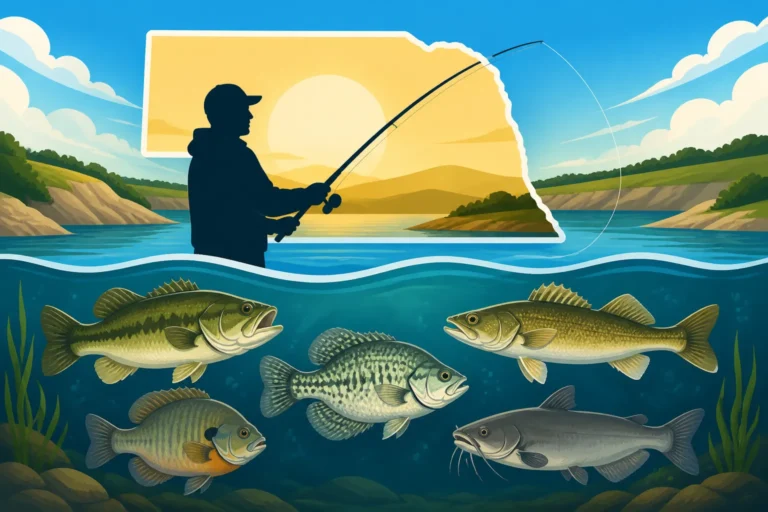
One of the most exciting parts of planning a fishing trip to a new body of water is wondering what treasures lie beneath the surface. For anglers heading to Lewis and Clark Lake, that curiosity is certainly justified, as this massive reservoir, straddling the Nebraska-South Dakota border, boasts an incredibly diverse and thriving fishery. This guide will take a deep dive into the primary fish species you can expect to encounter in Lewis and Clark Lake, giving you a clear picture of the angling opportunities and what makes this Nebraska gem so special.
The Walleye Kingdom: Crown Jewel of Lewis and Clark Lake
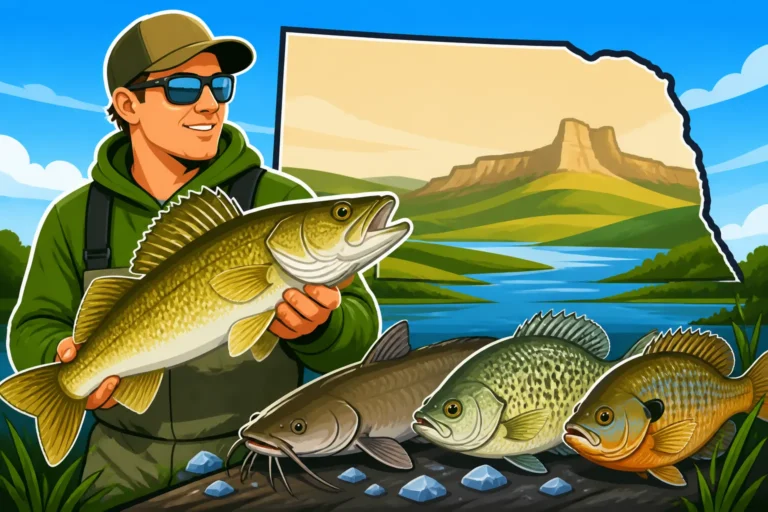
If there's one species that truly defines the angling experience on Lewis and Clark Lake for many, it's the walleye. These elusive, delectable fish are incredibly popular, and Lewis and Clark is rightfully renowned as a premier walleye fishery in the region. The sheer size of the lake, coupled with its connection to the Missouri River system, creates an ideal environment for these finicky feeders to grow large and healthy.
Why Walleye Thrive in Lewis and Clark's Waters
Walleye are really particular about their habitat, and Lewis and Clark Lake offers exactly what they love: cool, clear to slightly stained water, plenty of structure, and an abundant forage base. They're often found around the main river channel, submerged points, rocky ledges, and breaks in depth. The lake's vast expanses and varying depths provide ample room for them to roam and find ideal conditions, whether they're shallow in the spring or hunkered down in deeper water during the heat of summer. The fertile waters contribute to a rich food chain, supporting the growth of their preferred prey like shad, smelt, and various minnow species, which helps them pack on the pounds. This is why anglers flock to the lake year after year, hoping to land that trophy walleye.
Typical Walleye Sizes and Expectations
When you're chasing walleye on Lewis and Clark Lake, you can expect a wide range of sizes. Anglers regularly pull in "eater" walleye, those perfect 15- to 20-inch fish that make for a fantastic meal. But don't be surprised if you hook into something much larger. Many experienced anglers target and land walleye in the 20 to 25-inch range, and fish exceeding 28 inches are caught every season. While a true trophy "greenback" might not come every trip, the potential is always there. The sheer number of active walleye in the system means you often have good days with plenty of action, even if they aren't all giants. Keeping an eye on the Nebraska Walleye Daily Bag Limit is always a good idea before you head out, as regulations can change.
Catfish: The Mighty Bottom Dwellers
Beyond the walleye, Lewis and Clark Lake is a fantastic destination for catfish enthusiasts. The Missouri River influence means that both channel catfish and flathead catfish thrive here, offering powerful fights and some incredible table fare. If you love the thrill of a strong tug on your line, especially after dark, the catfish population won't disappoint.
Channel Catfish: Abundant and Aggressive
Channel catfish are incredibly abundant in Lewis and Clark Lake, making them a reliable target for anglers of all skill levels. They're not particularly picky eaters and can be found almost everywhere in the lake, from shallow coves to the deeper main river channel. You'll often find them cruising along creek beds, around submerged timber, and near any source of fresh inflow. They're known for their powerful runs and willingness to bite, especially when using traditional catfish baits. Many anglers specifically target them from shore or by anchoring their boats in strategic locations. You might find a great selection of durable catfish rigs and strong hooks on Amazon if you're looking to stock up before your trip.
You can expect to catch a lot of channel catfish in the 2 to 10-pound range, which are perfect eating size. However, Lewis and Clark Lake is definitely capable of producing much larger channel cats, with fish hitting the mid-teens or even pushing 20 pounds not uncommon. Their fighting spirit, combined with their delicious flavor, makes them a perennial favorite for many who fish these waters. Understanding the Nebraska Channel Catfish Daily Limit will help you plan your catch and keep.
Flathead Catfish: The Lake's Apex Predator
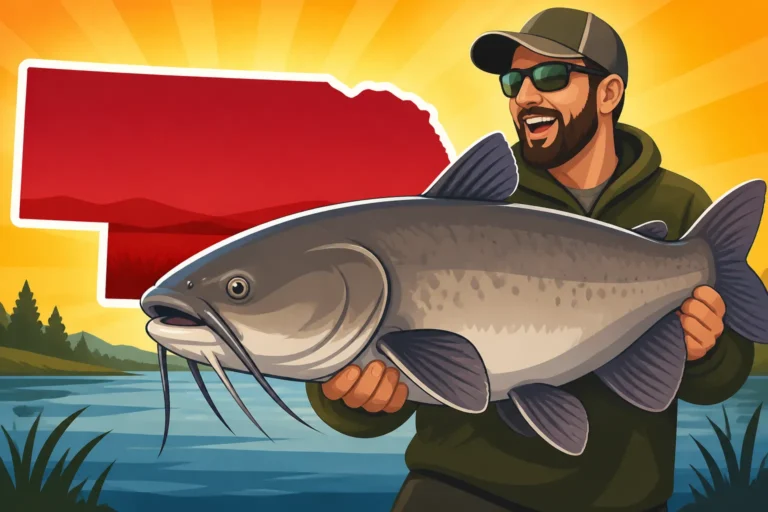
For those seeking a true challenge, the flathead catfish is Lewis and Clark Lake's undisputed heavyweight. These solitary, ambush predators are a different beast entirely from their channel cat cousins. They prefer deep holes, heavy cover like submerged logs and rock piles, and generally shun prepared baits, opting instead for live prey. Targeting flatheads often means using stout gear, large live baits such as sunfish or carp, and patiently waiting for that powerful, deliberate take.
While less numerous than channel cats, the flathead population in Lewis and Clark includes some absolute monsters. Anglers regularly catch flatheads weighing 20, 30, or even 40 pounds, and fish pushing the 50-pound mark are not unheard of. Landing one of these giants requires dedication, strong tackle (you might want to check out heavy-duty rods and reels on Amazon specifically for this kind of fishing), and a bit of luck, but the reward of battling such a powerful fish is truly unforgettable.
Panfish, Bass, and Other Exciting Catches
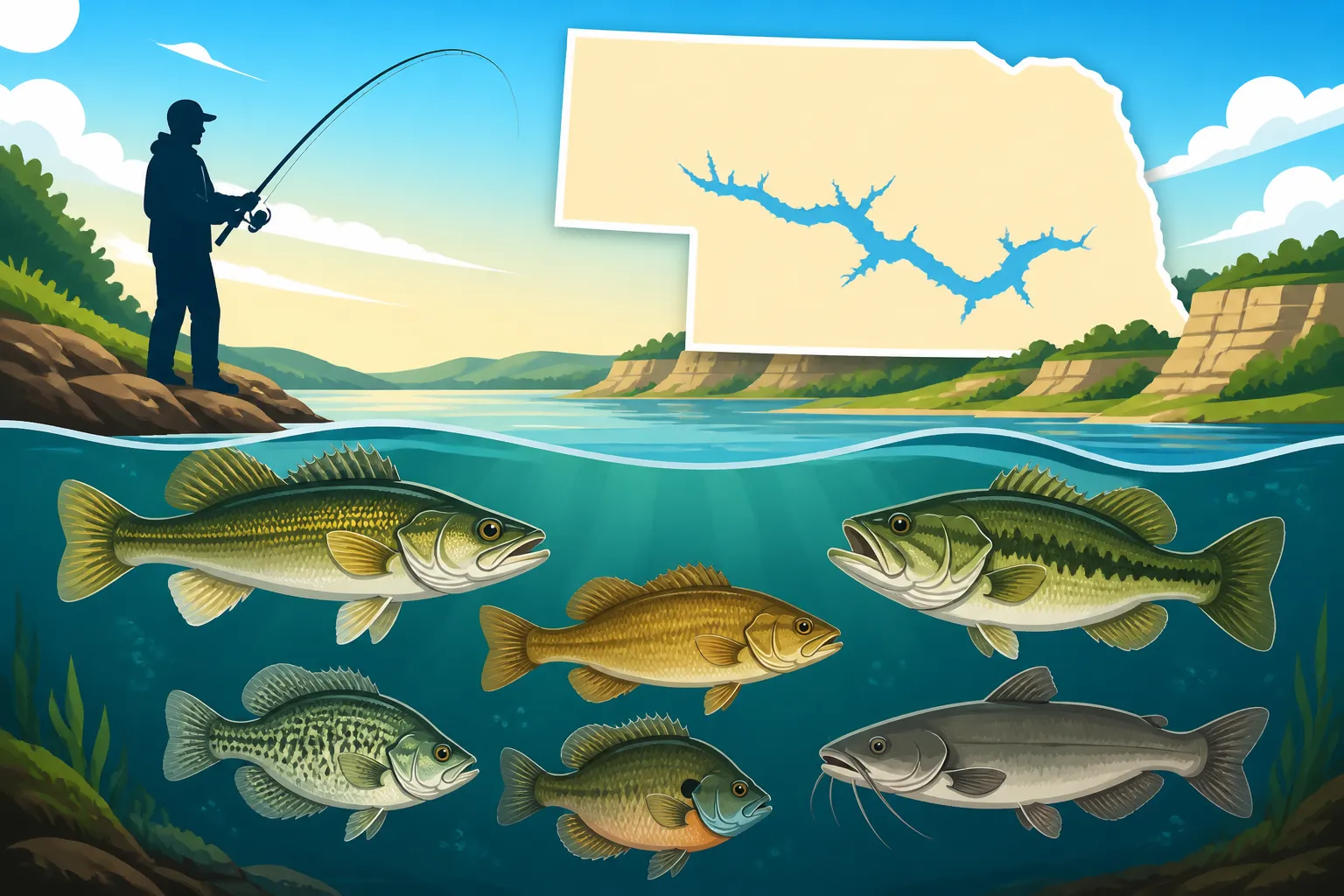
Lewis and Clark Lake offers more than just walleye and catfish. A diverse array of other species provides fantastic action for anglers looking for different experiences, whether it's fast-paced panfish action, aggressive bass bites, or the thrill of fighting a hard-hitting hybrid.
Crappie: Abundant and Fun to Catch
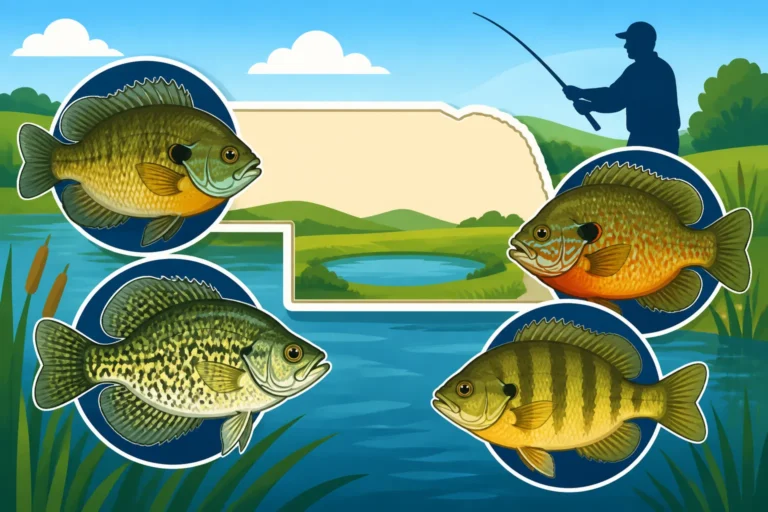
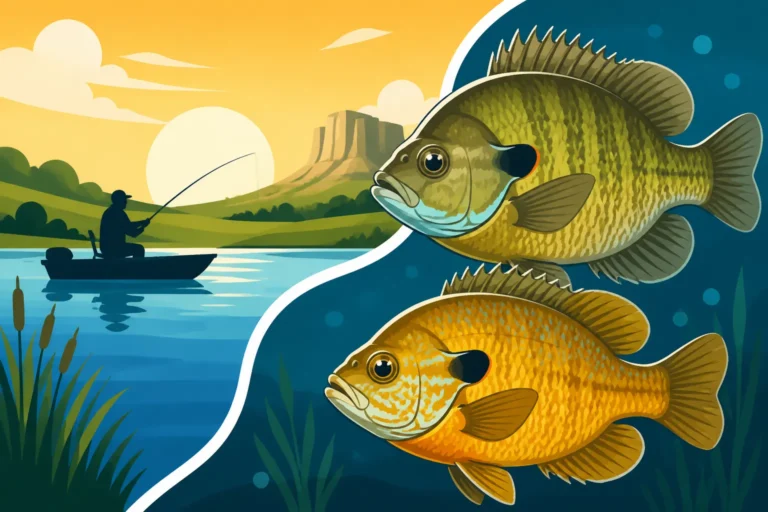
Both black crappie and white crappie call Lewis and Clark Lake home. These popular panfish are known for their schooling behavior and willingness to bite, making them a fantastic target, especially for families and beginner anglers. They love structure, so you'll often find them congregating around submerged brush piles, standing timber, dock pilings, and bridge abutments. In the spring, they move into shallower water to spawn, providing some of the best crappie fishing opportunities of the year.
Crappie in Lewis and Clark typically range from 8 to 12 inches, with slabs pushing 14-15 inches making an appearance for persistent anglers. They offer light tackle fun and make for excellent table fare. Small jigs, minnows, and soft plastics are often the baits of choice. You can learn more about Nebraska Crappie Daily Limit to ensure you're fishing within the rules.
White Bass and Wipers: Hard-Fighting Schooling Fish
If you're looking for fast action and powerful fights, Lewis and Clark Lake's white bass and wiper populations are definitely worth exploring. White bass are prolific and often form large schools, especially during their spring spawning runs up tributary rivers. When you find a school, the action can be non-stop, with multiple hookups common. They're aggressive feeders and will readily strike small crankbaits, spoons, and jigs.
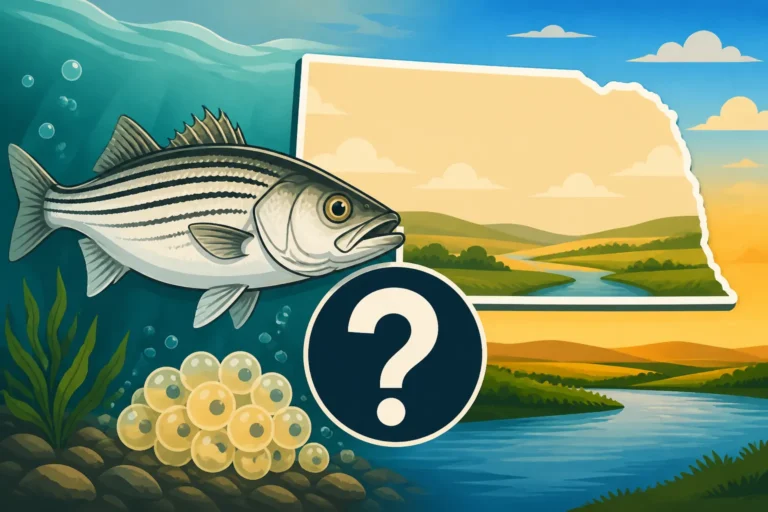
Wipers, a hybrid cross between white bass and striped bass, offer an even more intense fight. These powerful fish are stocked by the state and grow much larger than pure white bass, often reaching impressive sizes in Lewis and Clark. They're hard fighters that hit like a freight train and are often found chasing baitfish in open water, sometimes indicated by bird activity. Both species are fantastic for an exciting day on the water and make good eating too. Understanding Nebraska Striped Bass and Wiper Fishing can help you target these formidable fish.
Largemouth Bass and Smallmouth Bass: The Aggressive Predators
While not as dominant as walleye or catfish, Lewis and Clark Lake also offers good opportunities for both largemouth and smallmouth bass. Largemouth bass prefer the shallower, weedy areas, coves with submerged timber, and calmer backwaters, particularly in the lower end of the lake. They're ambush predators that readily strike a variety of lures, from soft plastics to topwater baits.
Smallmouth bass, on the other hand, favor the rockier, clearer sections of the main lake and the more riverine stretches. They are known for their strong fights and acrobatic jumps once hooked. Both species offer a thrilling challenge for bass anglers using traditional techniques. You'll want to check the specific Nebraska Bass Length Limits as they can vary by waterbody.
Understanding the Lewis and Clark Ecosystem
The incredible diversity and health of the fishery in Lewis and Clark Lake aren't just by chance; they're a direct result of its unique geography and ongoing management efforts. Being a major reservoir on the Missouri River means it benefits from a constant inflow of nutrients and a vast watershed, supporting a complex food web from microscopic plankton up to the largest predatory fish.
Influence of the Missouri River
The Missouri River acts as a vital artery for Lewis and Clark Lake, constantly replenishing its waters and contributing to its dynamic ecosystem. This connection brings in a variety of forage species and helps maintain a healthy balance, preventing stagnation and ensuring a steady supply of oxygenated water. Fish species from the river itself can migrate into the lake, further enriching the diversity. This riverine influence also means that conditions can change, especially with water levels and current, which smart anglers always take into account. For those interested in Missouri River Border Water Fishing License Rules, it's important to understand how state lines affect your permit.
Habitat and Management Efforts
The varied underwater topography of Lewis and Clark Lake—with its deep channels, rocky points, sandy flats, and submerged timber—provides a wide range of habitats suitable for different fish species. The Nebraska Game and Parks Commission, along with South Dakota Game, Fish and Parks, actively manage the fishery through stocking programs, habitat improvements, and careful regulation. These efforts ensure that popular species like walleye and wipers continue to thrive and provide excellent angling opportunities for generations to come. They also monitor the health of native populations and watch for any invasive species that could disrupt the delicate balance.
Preparing for Your Lewis and Clark Fishing Adventure
Knowing what fish species are in Lewis and Clark Lake is the first step toward a successful and enjoyable fishing trip. Whether you're planning to target trophy walleye, battle giant flatheads, or simply enjoy some relaxing panfish action, the lake offers something for everyone. Make sure you have the appropriate Best Fishing Gear for Nebraska Anglers and bait for your chosen species.
Before you head out, always make sure your Nebraska Fishing License Guide is up to date and that you understand the specific regulations for Lewis and Clark Lake, especially concerning daily bag and possession limits for the species you intend to target. Packing a good pair of polarized sunglasses (you can find many options on Amazon) can also make a huge difference in spotting fish or subtle changes in water clarity. The diverse fishery of Lewis and Clark Lake is truly a treasure, promising memorable experiences for all who cast a line into its waters.
Disclaimer
This article is for general informational purposes only and does not constitute professional advice. Laws, prices and regulations vary by location and change over time. Consult a qualified professional for guidance on your specific situation.