Nebraska State Record Crappie Weight
For many Nebraska anglers, the thought of landing a truly massive crappie is a dream that keeps them casting, through scorching summer days and chilly winter ice. It’s a species that provides incredible sport and even better table fare, but sometimes, you just want to know if that monster you're fighting is truly special. This guide will dive into the elusive world of Nebraska’s state record crappie, what it takes to catch one, and how you can pursue your own personal best.
The Allure of Nebraska Crappie Fishing
Crappie, whether black or white, hold a special place in the hearts of many Nebraska fishermen and women. They're often one of the first fish a new angler catches, providing that initial spark of excitement that turns into a lifelong passion. But beyond the sheer fun, there's a serious pursuit for those who aim to land a truly exceptional specimen, one that might even etch their name into the state record books.
Why Crappie Capture Our Hearts
Crappie are notoriously fun to catch. They often school in large numbers, meaning if you find one, you've likely found a whole mess of them. This makes for fast-paced action, perfect for a lively day out with friends or teaching a youngster the ropes. Plus, they put up a surprisingly spirited fight for their size, especially when hooked on light tackle. Beyond the thrill of the fight, their flaky, white meat is considered a delicacy by many, making a successful crappie outing a win-win situation. The accessibility of crappie in so many of Nebraska's waters, from large reservoirs to small farm ponds, makes them a favorite target for anglers of all skill levels.
They also offer diverse fishing opportunities throughout the year. In spring, they move shallow to spawn, making them accessible to shore anglers. In summer, they retreat to deeper, cooler waters, often around submerged structures. Fall sees them schooling up again as they feed heavily before winter, and even through the ice, crappie provide exciting opportunities. This year-round appeal truly solidifies their spot as one of Nebraska's most cherished game fish.
The Dream of a Trophy Crappie
Every angler, deep down, has that glimmering hope of catching "the big one." With crappie, that means a fish that truly pushes the scales, boasting shoulders wider than your hand and a length that makes you gasp. It's a testament to patience, skill, and sometimes, a little bit of luck. The pursuit of a trophy crappie isn't just about the numbers; it's about the challenge of finding and fooling a mature, seasoned fish that has evaded countless hooks and learned the ways of its watery home. It's about understanding their habits, their preferred forage, and the structure they call home.
When you're out on the water, whether you're jigging around a brush pile at Branched Oak Lake or scanning submerged timber at Merritt Reservoir, that thought of a record-breaking crappie is always there, pushing you to try one more spot, one more lure, one more retrieve. It’s this blend of accessible fun and the potential for a truly monumental catch that makes crappie fishing so captivating in Nebraska.
Unveiling Nebraska's State Record Crappie
The Nebraska Game and Parks Commission meticulously tracks state records for various fish species, and the crappie category is certainly one that draws a lot of attention. While individual water bodies might have their own "lake records," the official state record stands as the pinnacle of crappie angling achievement in the Cornhusker State.
The Current Nebraska State Record Crappie
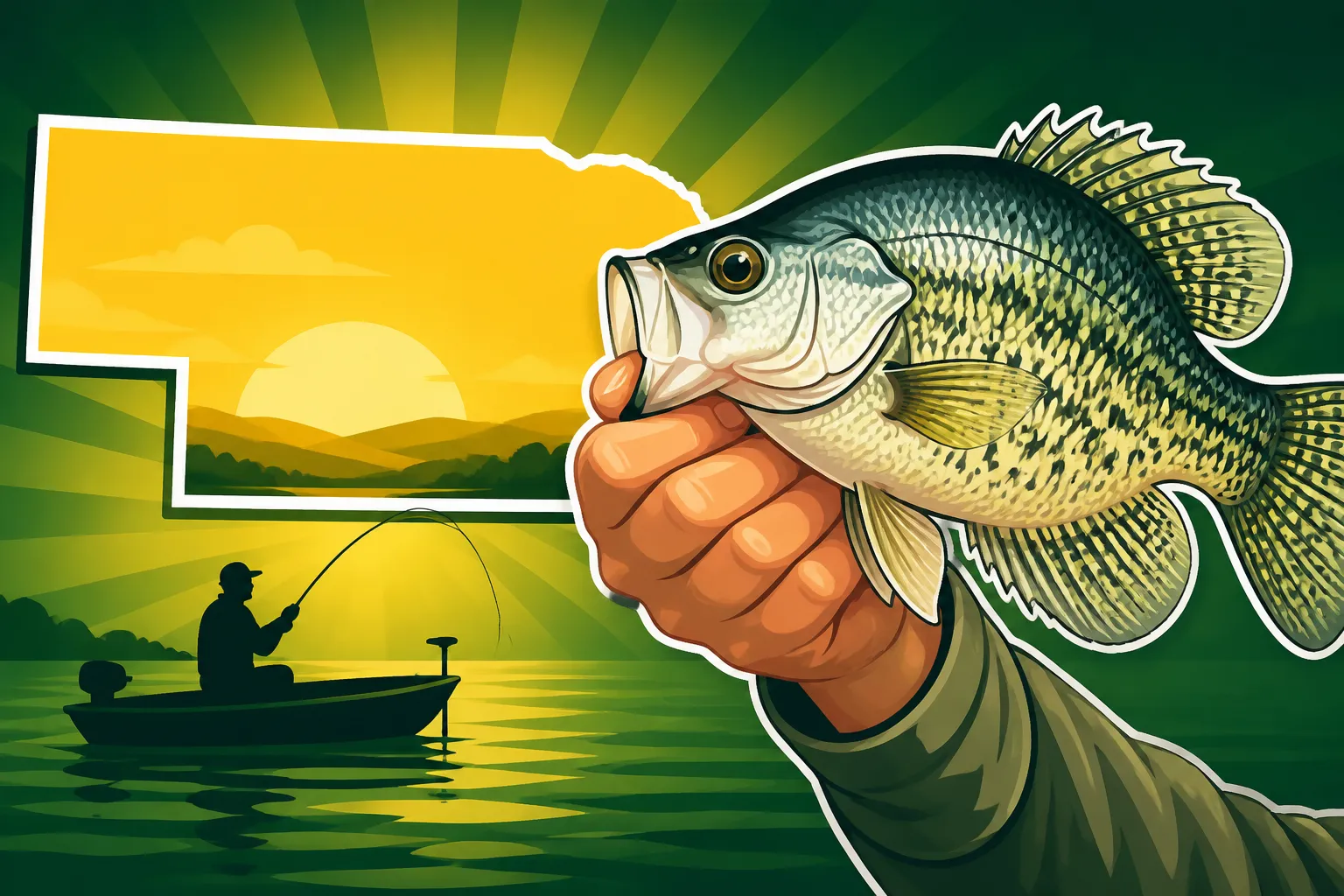
For many years, the Nebraska state record for crappie has been held by an incredible Black Crappie, weighing a whopping 4 pounds, 8 ounces. This magnificent fish was caught in a sandpit near Memphis, Nebraska, back in 1962. It's a legendary catch, a true testament to the potential for giant crappie in Nebraska's diverse waters. Imagine the thrill of pulling a fish of that caliber from the water – a true once-in-a-lifetime experience!
It's important to remember that these records, while long-standing, are always open to being broken. There are always whispers and rumors of colossal crappie being caught, and perhaps one day, someone will land a fish that eclipses this impressive mark. You can always check the official Nebraska Game and Parks Commission website for the most up-to-date record information, as specifics like weight and date are subject to official verification.
What Makes a Crappie a Record-Breaker
A crappie doesn't just grow to 4.5 pounds overnight. Several factors contribute to a fish reaching such gargantuan proportions. First and foremost is age. These record-setting fish have lived for many years, surviving predators, harsh winters, and countless fishing attempts. They've likely seen many spawning seasons and developed robust survival instincts. Second is abundant food. Waters rich in forage fish, like shad or minnows, allow crappie to bulk up significantly. A consistent, high-protein diet is crucial for rapid growth and packing on those extra ounces.
Genetics also play a role; some fish simply have the genetic predisposition to grow larger than their peers. Lastly, habitat quality is paramount. A stable environment with plenty of structure for cover, consistent water quality, and appropriate water temperatures allows these fish to thrive without undue stress. A sandpit, like the one where the record crappie was caught, often provides these ideal conditions, with deep holes, submerged timber, and a rich ecosystem to support robust fish populations.
Chasing Your Own Nebraska Trophy Crappie
Setting your sights on a trophy crappie, whether it’s a personal best or a hopeful state record, involves more than just luck. It requires understanding their behavior, knowing where to look, and employing the right techniques and gear. It's a rewarding challenge that can elevate your crappie fishing game to a whole new level.
Top Tips for Targeting Large Crappie
If you're serious about catching bigger crappie, think like a predator. Big crappie are often more solitary or found in smaller schools of similar-sized fish, preferring deeper water and substantial cover. Here are some strategies:
- Focus on Structure: Large crappie love substantial cover. Think submerged timber, deep brush piles, old bridge pilings, rock piles, and even artificial fish attractors. They use these structures for ambush points and protection. Fish vertically over these spots or cast jigs around them.
- Go Deeper: While crappie move shallow in spring, the biggest ones often hold in deeper water, especially during warmer months. Use electronics to locate thermoclines or schools of baitfish in deeper sections of lakes like Harlan County Reservoir or Sherman Reservoir.
- Larger Baits (Sometimes): While crappie are known for hitting tiny jigs, a slightly larger minnow or a 2-inch soft plastic grub can sometimes entice a bigger bite from a more discerning trophy crappie. Don't be afraid to experiment with your lure size.
- Early Morning/Late Evening: These low-light conditions often bring bigger crappie out to feed more aggressively.
- Patience and Persistence: You might have to sift through a lot of smaller fish to find the giants. Don't get discouraged! Keep working those prime spots.
For more seasonal advice, you might find valuable insights in How to Catch Crappie in Spring or Nebraska Fall Crappie Fishing Techniques.
Essential Gear for Serious Crappie Anglers
Having the right equipment can make a huge difference in your pursuit of a trophy crappie. You don't need to break the bank, but investing in quality gear tailored for crappie will pay off.
- Rods and Reels: A light to medium-light action spinning rod, typically 6 to 7 feet long, paired with a small, smooth spinning reel is ideal. This setup provides the sensitivity needed to detect subtle crappie bites and the backbone to handle a larger fish. Brands like Ugly Stik or St. Croix offer great options that you can often find readily available on Amazon.
- Line: Stick with light line, generally 4 to 6-pound test monofilament or fluorocarbon. Lighter line allows for better lure presentation and is less visible to wary fish. Braided line can also be used, especially in heavy cover, with a fluorocarbon leader.
- Lures and Baits:
- Jigs: Small lead-head jigs (1/32 to 1/8 ounce) tipped with soft plastic bodies (tubes, grubs, swimbaits) are classic crappie producers. Experiment with colors like chartreuse, white, black, and natural shad patterns.
- Minnows: Live minnows, fished under a bobber or on a jig head, are often irresistible to crappie, especially larger ones.
- Crankbaits: Small, shallow-diving crankbaits can be very effective when crappie are actively chasing baitfish.
- Bobbers: Slip bobbers are fantastic for fishing at precise depths, allowing you to present your bait right in the crappie's strike zone. A diverse tackle box with these essentials can often be curated through online retailers like Amazon.
- Electronics: A good fish finder can be invaluable for locating submerged structure and schools of crappie, particularly in deeper waters. Portable units are great for smaller boats or even ice fishing. If you're looking for an all-around setup, consider exploring options like those reviewed in Best Fish Finders for Nebraska Lakes.
This gear, combined with understanding crappie habits, will put you in a strong position to land a lunker.
Documenting Your Potential Record
So, you've done it! You've landed a crappie that looks like it could challenge the state record. What now? Proper documentation is absolutely critical for official recognition. Don't just snap a quick photo and toss it back.
- Keep the Fish Alive (if possible): If you're confident it's a record, the fish must be weighed on a certified scale. Keep the fish in a livewell or a large cooler with aerated water to ensure it remains in good condition until you can get to a certified weigh station.
- Locate a Certified Scale: This usually means a grocery store, bait shop, or other commercial establishment with a scale certified for trade. Call ahead to confirm their scale is officially certified and available for use. The weight must be verified by an independent witness.
- Take Measurements: Record the length (from tip of nose to tip of tail) and girth (around the thickest part of the fish). While not always primary for the record, these measurements can provide valuable supporting information.
- High-Quality Photos: Take clear photos of the fish from multiple angles, especially showing its entire length, width, and any distinguishing features. Include a photo of the fish on the certified scale with the weight clearly visible, if possible.
- Identify the Species: Be certain of the species (black crappie vs. white crappie). While the Nebraska state record combines them, accurate identification is important for all record submissions. Learning How to Tell a Black Crappie From a White Crappie can be helpful.
- Contact Nebraska Game and Parks Commission: As soon as possible, contact the Nebraska Game and Parks Commission to report your potential record. They will guide you through the official submission process, which will include forms, affidavits, and possibly an inspection of the fish by a fisheries biologist. They'll confirm all the details and ensure everything is by the book.
- Witnesses: Have witnesses present during the weighing and identification process. Their statements may be required as part of the official record submission.
Failing to follow these steps can unfortunately disqualify an otherwise record-breaking catch. Being prepared for the possibility of catching a record means you won't miss out on the recognition.
Beyond the Record: Enjoying Nebraska Crappie Fishing
While the pursuit of a state record is exciting, the true joy of crappie fishing in Nebraska lies in the overall experience: the tranquility of the water, the thrill of the bite, and the camaraderie of fellow anglers. Nebraska offers a wealth of opportunities for crappie enthusiasts, regardless of whether you're aiming for a record or just a delicious meal.
Finding Crappie Hotspots in Nebraska
Nebraska is dotted with fantastic crappie fishing destinations. Many of the state's large reservoirs and smaller pits consistently produce good numbers of crappie, and sometimes, those elusive giants.
- Eastern Nebraska: Lakes like Branched Oak Lake, Pawnee Lake, and Wagon Train Lake near Lincoln, and Standing Bear Lake or Zorinsky Lake near Omaha, are popular choices. These often have good populations of both black and white crappie, particularly around submerged timber and brush piles.
- Central and Western Nebraska: Lake McConaughy is renowned for its diverse fishery, including crappie. Merritt Reservoir, nestled in the Sandhills, is another top-tier crappie lake, offering clear water and abundant structure. Calamus Reservoir and Sherman Reservoir also provide excellent crappie opportunities. For more on specific locations, check out What Fish Species Are in Merritt Reservoir or What Fish Species Are in Branched Oak Lake.
- Rivers: While more challenging, crappie can also be found in the slower backwaters and oxbows of rivers like the Platte and Missouri, especially during certain times of the year when they seek refuge from stronger currents.
Always consult local fishing reports and maps to identify prime crappie habitat, such as flooded timber, creek channels, and rock ledges. These areas are magnets for both baitfish and the crappie that prey on them.
Responsible Angling and Conservation
Whether you're after a record or just a tasty dinner, practicing responsible angling is crucial for sustaining Nebraska's crappie populations. This includes adhering to Nebraska Crappie Bag Limits and understanding Nebraska Fishing Regulations Explained.
- Catch and Release: If you're catching a lot of smaller crappie, consider practicing catch and release to allow them to grow. Handle fish gently, especially when releasing them, to ensure their survival.
- Don't Waste Fish: Only keep what you intend to eat or process. Overharvesting can quickly deplete local populations.
- Clean Up: Always pack out what you pack in. Leave no trace of your fishing trip.
- Know Your Limits: Understand the legal limits for crappie in the waters you're fishing. These regulations are in place to ensure healthy fish populations for generations to come.
By being mindful of these practices, we can all contribute to keeping Nebraska a fantastic place for crappie fishing, ensuring that the dream of catching a record-breaker remains a possibility for future anglers.
| Crappie Type | Average Length (inches) | Average Weight (pounds) | Trophy Length (inches) | Trophy Weight (pounds) | Nebraska State Record Weight |
|---|---|---|---|---|---|
| Black Crappie | 8-12 | 0.5-1.5 | 13+ | 2+ | 4 lbs, 8 oz |
| White Crappie | 8-12 | 0.5-1.5 | 13+ | 2+ | Combined with Black Crappie |
Disclaimer
This article is for general informational purposes only and does not constitute professional advice. Laws, prices and regulations vary by location and change over time. Consult a qualified professional for guidance on your specific situation.