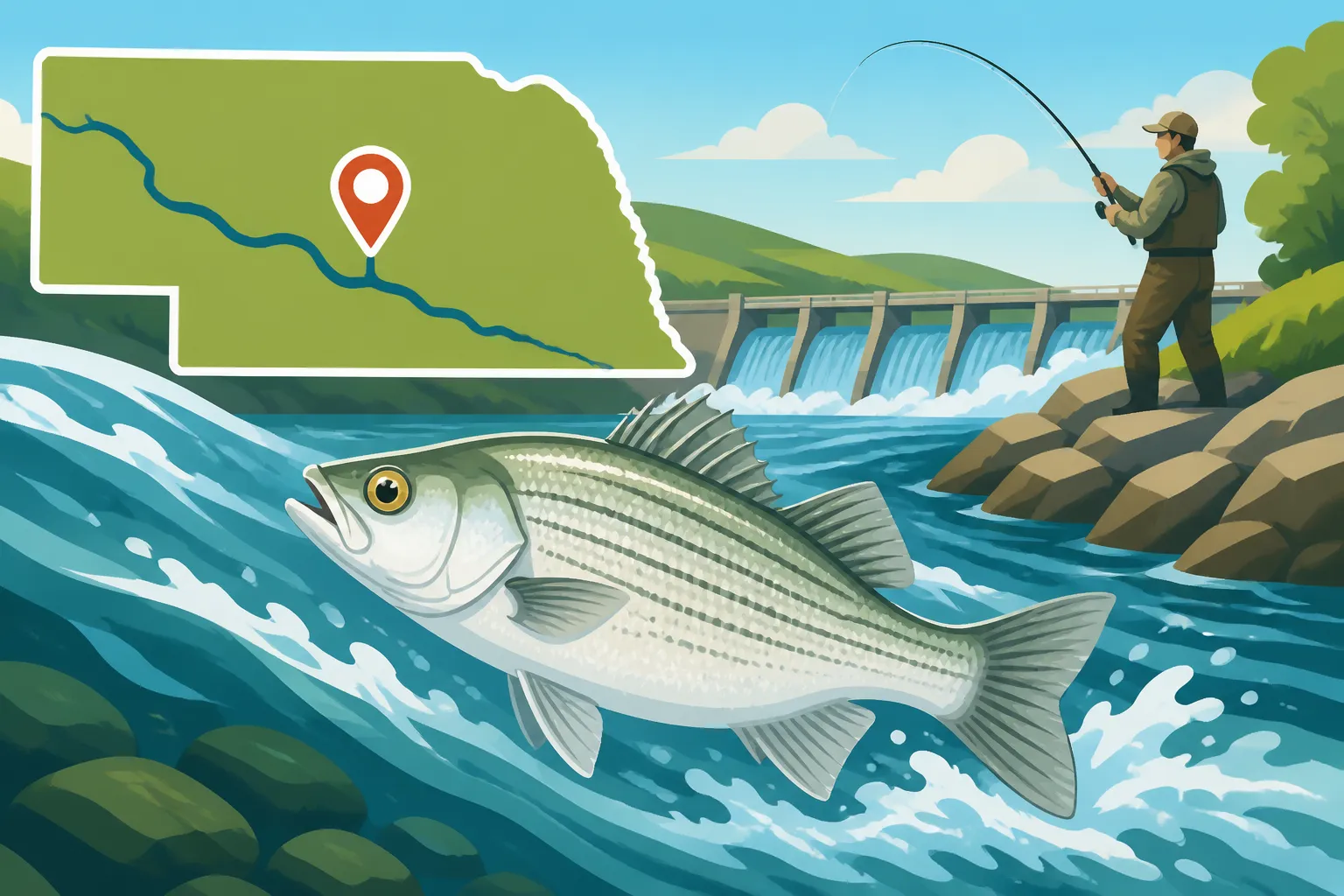
Where to Find White Bass Running Upriver in Spring
Trying to hit the white bass run in spring can feel like chasing a phantom. One day they're there, busting the surface and biting everything you throw; the next, it's crickets, and you're left wondering where they vanished to. It’s a common frustration for many Nebraska anglers, but pinpointing their upriver migration patterns doesn't have to be a guessing game. This comprehensive guide will equip you with the knowledge to understand, locate, and ultimately capitalize on the exciting spring white bass run across Nebraska's diverse river systems.
Understanding the Spring White Bass Run in Nebraska
The annual spring white bass run is one of the most anticipated events for many Nebraska anglers. It’s a time when these feisty fish congregate in large numbers, pushing upriver in a predictable pattern, making them incredibly fun to catch. But what exactly drives this mass movement, and what should you be looking for to find them?
Why White Bass Move Upriver in Spring
The primary driver for the white bass migrating upstream each spring is the ancient urge to spawn. As the days lengthen and the sun warms the water, usually reaching temperatures in the low to mid-50s Fahrenheit, white bass instinctively begin their journey. They seek out moving water in tributary rivers and streams that feed into larger reservoirs and lakes, as these areas provide ideal conditions for laying and fertilizing their eggs. Think of it like an aquatic pilgrimage – a biological imperative that overrides almost everything else.
This isn't just a casual swim; it’s a determined migration. The fish are often stacked up, sometimes by the hundreds or even thousands, in relatively shallow areas with gravel or rock bottoms where the current can help distribute their semi-buoyant eggs. They're looking for clean, oxygenated water to ensure the best chance for their offspring to survive. As such, paying attention to water temperatures is paramount to timing your trip. Often, the run will start slowly, pick up dramatically as temperatures stabilize, and then taper off after the main spawning activity is complete. It's a relatively short window of opportunity, which is why being prepared and knowing where to go is so important.
Key Environmental Factors to Look For
Beyond water temperature, several other environmental factors influence where and when white bass will be found during their spring run. Water clarity is a big one; heavy rains and snowmelt can muddy up rivers quickly, making it harder for white bass to see and hunt, and for anglers to spot activity. They generally prefer at least some visibility, so after a major rain event, it might take a few days for the water to clear sufficiently for the fish to become active again. Look for periods of stable weather, where river levels aren't fluctuating wildly.
Current breaks, riffles, and deeper pools just downstream from rapids or constrictions are also classic white bass hangouts. The current itself is important for their spawning, but they also need areas where they can rest out of the main flow, conserving energy. These areas also tend to concentrate baitfish, which the white bass will actively pursue. Overhanging trees, submerged timber, or even bridge pilings can offer subtle current breaks or ambush points. It’s a lot like trying to decipher a map of the river: where does the water slow down? Where does it get agitated? These are your clues. Being able to "read the water" is a skill that comes with practice, but knowing what to look for will give you a huge advantage, especially when you're trying to locate fish without a boat or fancy electronics.
Prime Nebraska Rivers and Access Points for White Bass Runs
Nebraska boasts several river systems that experience fantastic white bass runs each spring. Knowing which rivers to target and, more importantly, where to access them, is half the battle. Remember to always check the latest Nebraska Fishing Regulations Explained before heading out, as rules can change.
Missouri River Hotspots
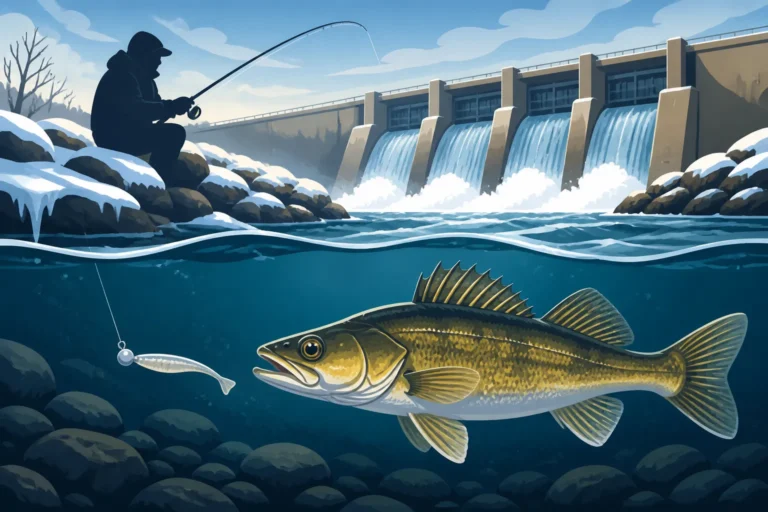
The mighty Missouri River is arguably the most consistent producer for spring white bass in Nebraska. Its sheer size and the presence of major dams create ideal conditions for congregating fish. One of the absolute prime locations is the tailwaters directly below Gavins Point Dam, near Yankton, South Dakota, and upstream into the boundary waters. Here, the dam's outflow creates a constant current and a reliable baitfish supply, attracting huge numbers of white bass, as well as walleye and other species. Anglers often fish from the shore below the dam, casting jigs or small crankbaits into the swirling eddies and current seams. This area provides phenomenal access, but it can also get quite crowded during peak run times, so plan to arrive early, especially on weekends.
Further downstream, other dam structures or significant confluences where tributaries meet the main river can also hold impressive numbers. Areas around Sioux City, or where rivers like the Niobrara or Platte empty into the Missouri, can be very productive. Boat access points are available at various towns along the river, allowing anglers to target main channel current breaks, wing dams, and deeper holes that might be inaccessible from shore. Remember, fishing the Missouri often means dealing with strong currents, so heavier tackle might be necessary, and safety should always be your top priority. For those looking for multi-species action, the Missouri River also offers excellent Missouri River Fishing in Nebraska opportunities for catfish and other game fish.
Platte River System Opportunities
The Platte River, and its various forks and tributaries, offers another exciting opportunity for spring white bass, though it can be a bit more challenging due to its often-braided and shallower nature. The white bass pushing up the Platte River are typically migrating from larger reservoirs like Lake McConaughy or Harlan County Reservoir. Look for areas downstream of significant dams or near the confluence of the North and South Platte rivers. Towns like North Platte, Lexington, and Kearney can offer potential access points. Public access areas and bridge crossings often provide good starting points for exploring.
The Platte is known for its sand flats and shallower channels, but during the spring run, white bass will seek out deeper runs, scour holes, and areas with more defined structure. Focus your efforts on the outside bends of the river, where the current has carved deeper pockets, or around any visible current breaks like fallen trees or rock piles. The "Best Platte River Access Near North Platte" would be a great resource to scout beforehand. Wading can be an effective way to cover water in the Platte, but always exercise extreme caution due to unpredictable currents and soft bottom conditions. Look for clear, flowing water, and be prepared to move around until you locate active schools.
Other Notable Nebraska Rivers
While the Missouri and Platte systems are undeniably major players, other Nebraska rivers can also offer fantastic spring white bass action. The Elkhorn River, particularly its lower stretches as it flows towards the Platte, can host a strong run. Anglers often find success targeting the deeper pools and bends, especially around bridge crossings or public access points near towns like Waterloo or Fremont. The white bass here typically originate from the lower Platte or Missouri River system. Similarly, the Loup River and its forks, as well as the Republican River in the southwestern part of the state, can see smaller, but equally enthusiastic, white bass migrations.
For these smaller river systems, the key is often to find the specific "pinch points" or "funnel areas" where fish are forced to concentrate. These might be narrower sections of the river, areas with rocky bottoms ideal for spawning, or locations where a deeper channel hugs the bank. Local knowledge can be invaluable here, so don't hesitate to ask bait shop owners or other anglers about recent reports. Keep an eye on river flow rates from local water data; a stable, moderate flow is usually best. Remember, even smaller rivers can produce big fun during the white bass run, offering a quieter alternative to the more popular hotspots. You can often find great gear for these smaller rivers on Amazon, from waders to tackle boxes.
Essential Techniques and Gear for Spring White Bass
Catching white bass during their spring run is often less about finesse and more about getting your lure into the feeding zone where thousands of hungry fish are stacked up. However, having the right techniques and gear will definitely increase your success.
Effective Lures and Baits
White bass are aggressive feeders, especially when they're concentrating for the spawn, so fast-moving, flashy lures are often the ticket. One of the most consistently effective options is a small jig, particularly those with a spinner blade, often called "roadrunners." These mimic small baitfish and the flash attracts attention in the current. Colors like white, chartreuse, and bright orange are perennial favorites, but don't hesitate to experiment with chrome or silver in clearer water. You can find a wide variety of these jigs on Amazon, often in multi-packs, making it easy to stock up.
Small crankbaits, especially those with a tight wobble and a diving lip that gets them down to the depth of the fish, are also excellent. Silver, chrome, or patterns that imitate shad are usually best. The key is to match the hatch, so to speak, to whatever baitfish the white bass are feeding on. Spinnerbaits, especially in tandem with a curly-tail grub, can also be deadly, creating both flash and vibration that white bass find irresistible. While artificials are highly effective, don't discount live bait. Small minnows, fished on a simple hook and sinker rig, or even worms, can sometimes entice bites when the fish are a bit more finicky, or when the current is particularly strong. Having a selection of these "Best Lures for the White Bass Run in Nebraska" ready to go will serve you well.
Rods, Reels, and Line Considerations
For spring white bass, you generally want a setup that’s sensitive enough to feel the often subtle taps in current, yet robust enough to handle the powerful fight of a schooling fish. A medium-light to medium power spinning rod, around 6 to 7 feet in length, is ideal. This length provides good casting distance and control, whether you’re fishing from the bank or a boat. Paired with a decent quality spinning reel in the 2000-3000 size range, you'll have a balanced setup that's comfortable to cast all day. You'll find many reputable brands offering excellent rod and reel combos, many of which are readily available through online retailers like Amazon.
As for fishing line, 6 to 10-pound monofilament or fluorocarbon is a solid choice. Monofilament offers a bit more stretch, which can be forgiving, while fluorocarbon provides more sensitivity and less visibility underwater. Some anglers prefer braided line (10-15 pound test) for its incredible sensitivity and casting distance, often adding a short fluorocarbon leader (2-3 feet) to make it less visible to the fish. The choice often comes down to personal preference and water conditions, but having a sensitive rod and low-stretch line can make a big difference in detecting those light bites when fishing in current. Don't forget to check your Best Rods and Reels for Nebraska Fishing to ensure you have the right tools for the job.
Reading the Water and Positioning
Successfully targeting spring white bass often comes down to knowing how to "read the water" and position yourself correctly. When fishing rivers, white bass will hold in specific areas to conserve energy while waiting for baitfish or to stage for spawning. Look for current seams, which are the visible lines where fast-moving water meets slower water. These are prime ambush points. Eddies, which are calmer pockets of water behind obstacles like rocks, bridge pilings, or fallen trees, are also magnets for white bass looking to rest or ambush prey.
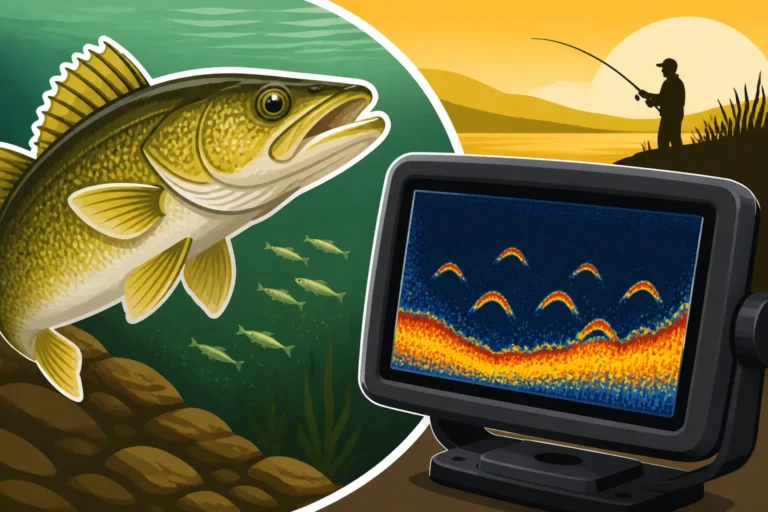
If you’re fishing from the bank, systematically cast to different depths and current zones. Focus on areas downstream of riffles or rapids, where deeper pools often form. If you're wading, always be mindful of safety and current strength, especially in early spring when water levels can be high. For boat anglers, positioning your vessel upstream of likely holding areas and allowing your lures to drift naturally into the strike zone can be incredibly effective. Pay attention to your fish finder if you have one; large schools of white bass often show up as dense clouds near the bottom or suspended in the water column. Being able to correctly interpret these subtle cues will dramatically increase your chances of finding and catching fish, making your spring white bass trip truly memorable. This is especially true on large bodies of water like Lake McConaughy or Lewis and Clark Lake.
When and Where to Catch Spring White Bass in Nebraska
To maximize your chances of success, it’s helpful to understand the general timing of the white bass run across different river systems in Nebraska. Keep in mind that these are general guidelines, and actual timing can shift year to year based on weather and water conditions.
| River System | Typical Peak Run Timing | Preferred Access Method | Common Techniques | Key Locations |
|---|---|---|---|---|
| Missouri River | Early April – Mid-May | Boat & Shore | Jigs, Crankbaits, Spinners | Gavins Point Tailwaters, Confluences |
| Platte River | Mid-April – Late May | Shore & Wading | Jigs, Small Crankbaits | Below Reservoirs, River Bends, Deeper Holes |
| Elkhorn River | Late April – Early June | Shore & Wading | Jigs, Minnows, Small Spinners | Bridge Crossings, Deeper Pools |
| Loup River System | Late April – Early June | Shore & Wading | Jigs, Live Bait | River Bends, Tributary Mouths |
| Republican River | Mid-April – Late May | Shore & Wading | Jigs, Small Crankbaits | Below Harlan Co. Res., Deeper Stretches |
This table provides a quick overview, but always remember to stay updated on local fishing reports and current river conditions. The white bass run is dynamic, and success often comes to those who are willing to adapt and explore. Whether you're casting from the bank, wading into a riffle, or drifting in a boat, the thrill of hooking into a hard-fighting white bass during the spring run is an experience every Nebraska angler should enjoy.
Disclaimer
Please be aware that fishing regulations, conditions, and fish populations can change. Always consult the latest Nebraska Game and Parks Commission regulations before fishing. This guide is for informational purposes only and should not replace official sources. Practice safe boating and fishing, and always prioritize personal safety on the water.