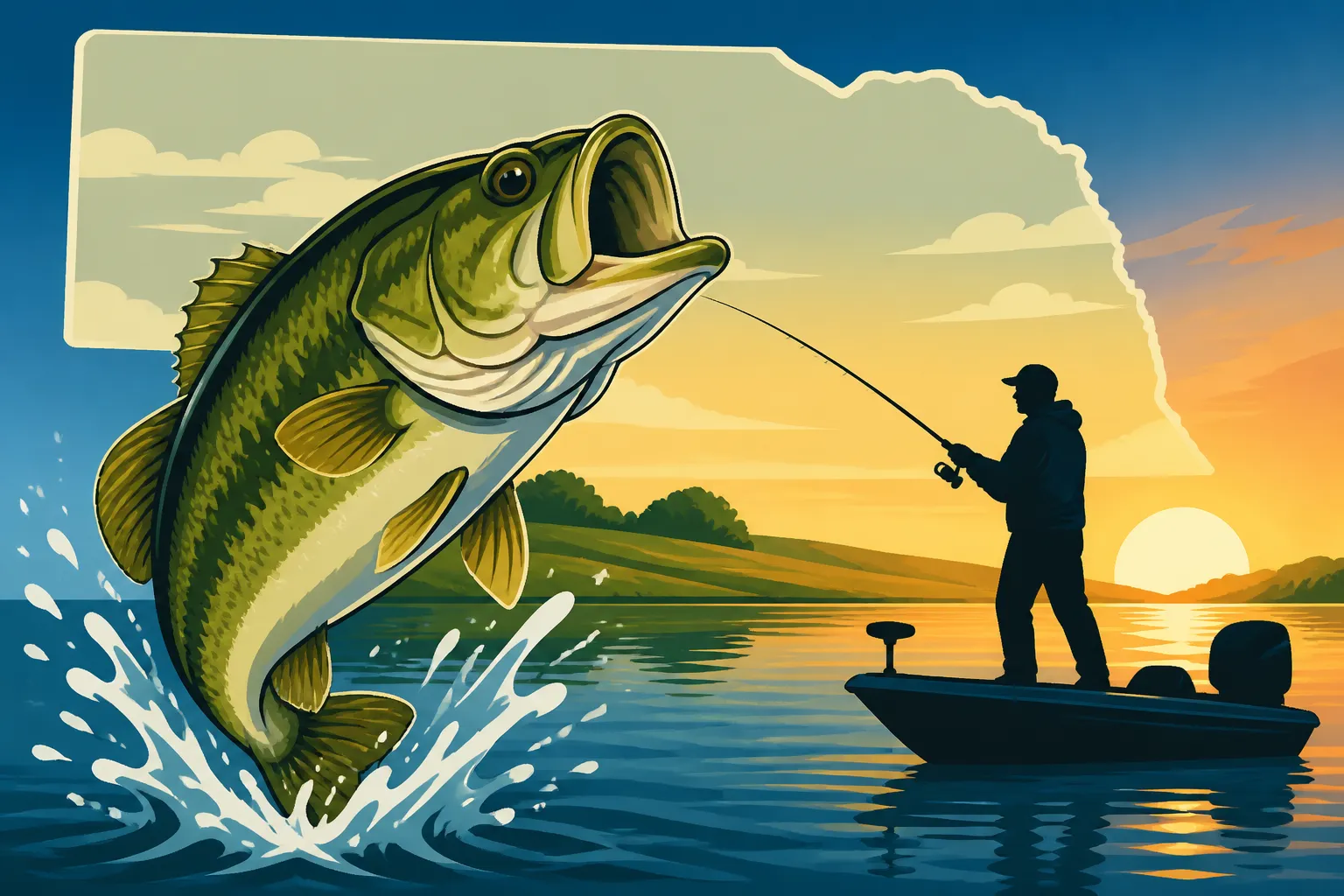
Cunningham Lake Bass Fishing
Let's be real, finding consistent, quality bass fishing right in the middle of a bustling city like Omaha can feel like searching for a needle in a haystack. You want the thrill of a good largemouth fight without the long drive, the crowds of larger reservoirs, or the uncertainty of an unknown farm pond. This comprehensive guide is here to cut through the confusion, offering you an in-depth look at what makes Cunningham Lake a fantastic, accessible hotspot for bass anglers, breaking down everything from the fish themselves to the best techniques and prime locations.
Unraveling Cunningham Lake's Largemouth Bass Fishery
Cunningham Lake, nestled on the northern edge of Omaha, Nebraska, isn't just another pretty urban lake; it's a legitimate bass factory that often gets overlooked by anglers focused on bigger, more remote waters. But for those in the know, or those willing to learn its secrets, Cunningham offers some truly rewarding largemouth opportunities right in your backyard.
Lake Profile and Prime Bass Habitat
Cunningham Lake is a substantial body of water, spanning over 1,050 acres, providing ample space for both fish and anglers. What makes it particularly interesting for bass is its diverse array of habitat. You've got everything from riprap along the dam and causeways to submerged timber, scattered weed lines, and even old roadbeds beneath the surface. These varied structures create ideal ambush points and foraging grounds for largemouth bass throughout the year. The lake's average depth and contour also play a significant role, offering shallower, warmer water in coves for spawning and deeper pockets for bass to retreat to during the heat of summer or the cold of winter.
Being an urban lake, Cunningham receives consistent attention from the Nebraska Game and Parks Commission, sometimes including fish stocking and habitat improvement projects, all of which benefit the bass population. It's not just a wild, unmanaged fishery; there’s a conscious effort to keep it healthy and productive for recreational angling. The constant influx of nutrients from urban runoff can also contribute to a rich food chain, supporting a healthy forage base of shad, bluegill, and various invertebrates that largemouth bass absolutely feast on.
Understanding Cunningham's Largemouth Bass Population
The largemouth bass in Cunningham Lake are resilient and plentiful. While you might not always be pulling out 10-pound giants, the lake is known for a very respectable population of bass in the 1 to 3-pound range, with healthy numbers of 4 and 5-pounders making appearances for dedicated anglers. Trophy potential absolutely exists here, and many local anglers have stories of landing true bucketmouths that push the scales. The lake’s rich forage base allows the bass to grow quickly and maintain excellent condition.
One of the beautiful things about Cunningham is that you can often find bass actively feeding in a variety of depths, from just a few feet of water around shallow cover to deeper main lake points. The fishery is managed under specific regulations, so it's always critical to check the current Nebraska Fishing Regulations Explained before you head out, paying close attention to any length or bag limits that might be in place for bass. The goal is to ensure sustainable fishing for everyone for years to come. For instance, understanding Nebraska Bass Length Limits is crucial for responsible angling here, helping to protect the larger, spawning fish.
Effective Techniques and Lures for Cunningham Lake Bass
Fishing for bass at Cunningham Lake is a rewarding challenge because the fish respond to a wide range of presentations. What works one day might not the next, but having a versatile tackle box and a willingness to adapt is key to consistent success.
Seasonal Lure Selection
The bass at Cunningham Lake are largely influenced by water temperature and their spawning cycle, meaning your lure selection should change throughout the year.
- Spring (Pre-spawn & Spawn): As water temperatures climb into the 50s and 60s (Fahrenheit), bass move shallow to stage for the spawn. This is prime time for reaction baits like lipless crankbaits, spinnerbaits, and ChatterBaits fished along rocky banks and emerging weed lines. Once they move to beds, soft plastics like Texas-rigged worms, creature baits, and jigs become incredibly effective for sight fishing, especially in the clearer pockets of coves.
- Summer: When the water heats up, bass often retreat to deeper, cooler water or seek refuge in dense cover. Early mornings and late evenings are fantastic for topwater lures like frogs, poppers, and walking baits over and around submerged vegetation or near docks. During the day, switch to deep-diving crankbaits, Carolina rigs, and drop-shots fished on points, humps, and submerged roadbeds. Don't forget to work those shady spots!
- Fall: As temperatures cool, bass enter a feeding frenzy, bulking up for winter. This is a fantastic time for a mix of reaction baits and slower presentations. Crankbaits (both shallow and deep), jerkbaits, and bladed jigs can be deadly as bass aggressively chase baitfish. Jigs and Texas-rigged plastics remain reliable around structure.
- Winter: Bass become much less active, often grouping up in the deepest parts of the lake. Finesse techniques shine here. Blade baits, small jigs, Ned rigs, and spoons worked slowly on the bottom can elicit bites, though they'll be subtle. This is generally the toughest time for bass but can yield some surprisingly good catches if you're patient and precise.
Here's a quick reference table for seasonal lure considerations at Cunningham Lake:
| Season | Primary Bass Behavior | Recommended Lures & Techniques | Key Areas |
|---|---|---|---|
| Spring | Staging, Spawning | Lipless crankbaits, spinnerbaits, jigs, Texas-rigged plastics | Rocky banks, coves, emerging weed lines, brush piles |
| Summer | Seeking cover, deeper water | Topwater (dawn/dusk), deep crankbaits, Carolina rigs, jigs | Dense vegetation, docks, main lake points, submerged timber |
| Fall | Feeding frenzy, chasing bait | Crankbaits (all depths), jerkbaits, bladed jigs, jigs, plastics | Bridge pilings, main lake points, riprap, creek channels |
| Winter | Deep, slow, grouped up | Blade baits, Ned rigs, small jigs, spoons (finesse) | Deep humps, submerged roadbeds, main lake basin |
Mastering Fishing Techniques
Beyond just choosing the right lure, how you present it makes all the difference. Cunningham Lake offers a fantastic classroom for mastering various bass fishing techniques.
- Flipping and Pitching: This is essential for targeting the dense cover common in Cunningham, like thick weed mats, standing timber, or boat docks. Use heavy jigs or creature baits on stout rods to drop your lure silently into tight spots where bass might be hiding. The goal is precision and minimal disturbance.
- Power Fishing: When bass are aggressive, especially in spring and fall, covering water quickly with reaction baits is the name of the game. Casting spinnerbaits, crankbaits, and ChatterBaits and reeling them back at a steady pace can trigger explosive strikes. This is particularly effective along the riprap, main lake points, and across large flats.
- Finesse Fishing: When conditions get tough – clear water, post-frontal, or cold water – slowing down and downsizing can make all the difference. Techniques like the wacky rig, Ned rig, and drop-shot with small soft plastics can fool wary bass. These are often best around subtle structure or when fish are holding tight to cover without actively chasing.
- Topwater Action: There's nothing quite like a bass blowing up on a topwater lure. Cunningham provides ample opportunities for this, particularly in low light conditions over submerged vegetation or near shaded banks. Frogs, poppers, and walking baits can provoke exhilarating strikes. If you're looking for more details on How to Catch Largemouth Bass in Muddy Water, some of these techniques, especially those creating vibration or noise, can be adapted.
Remember, practice is key. The more you experiment with different Best Lures for Nebraska Bass and retrieve styles at Cunningham, the better you'll understand what the bass are keying in on that particular day.
Navigating Cunningham Lake: Prime Spots and Access
Cunningham Lake is sizable, and knowing where to focus your efforts can save you a lot of time and frustration. While bass can be found throughout the lake, certain areas consistently produce more fish due to ideal habitat and structure.
Key Structures and Hotspots
Every lake has its "honey holes," and Cunningham is no exception. While local knowledge is gold, here are some general areas where you're likely to find bass:
- The Dam and Riprap Sections: The riprap along the main dam and several causeways provides excellent cover for bass. These rocky areas attract baitfish, which in turn attract hungry largemouth. They’re also great for spring staging bass and fall feeding frenzies. Crankbaits, jigs, and spinnerbaits are very effective here.
- Coves and Points: Look for protected coves, especially those with submerged timber or weed lines. These are prime spawning grounds in the spring. Points that extend into deeper water are always bass magnets, serving as travel corridors and ambush points. They often hold fish year-round.
- Submerged Roadbeds and Humps: Like many reservoirs, Cunningham has old roadbeds and humps that are now underwater. These contour changes create perfect holding areas for bass, especially during summer and winter when fish relate to deeper structure. A good fish finder can be invaluable for locating these.
- Bridge Pilings: The pilings from bridges that cross the lake offer vertical structure that bass love to relate to. They provide shade, current breaks, and ambush points. Jigs, crankbaits, and even drop-shots can be very effective worked around these structures.
- Marina Areas: Docks and associated structures in the marina area provide abundant cover and shade, making them excellent spots for bass, especially during sunny days or hot weather. Flipping and pitching jigs or soft plastics under and around these docks can produce solid fish.
For those keen on exploring beyond Cunningham, it's worth checking out other fantastic opportunities in the area, such as the Best Fishing Spots Near Omaha, which offers a broader view of local fisheries.
Boat Ramps, Shore Access, and Regulations
Accessibility at Cunningham Lake is generally very good, catering to both boat anglers and those who prefer to fish from shore.
- Boat Ramps: There are several well-maintained boat ramps available, allowing easy access for everything from full-sized bass boats to smaller jon boats and kayaks. When launching, always remember to practice proper Nebraska Boat Registration and Fishing Rules and Nebraska Aquatic Invasive Species Stamp protocols to prevent the spread of unwanted organisms.
- Shoreline Fishing: For anglers without a boat, Cunningham Lake offers extensive shoreline access. The park around the lake is well-developed with walking trails that hug the shoreline for miles, offering numerous spots to cast a line. The dam, causeways, and accessible points within the park are popular for shore fishing. You’ll also find designated fishing piers that make it even easier to reach deeper water without a boat. Always make sure you have your Nebraska Fishing License Guide in order, regardless of whether you’re fishing from a boat or the bank.
- Park Regulations: Cunningham Lake is part of the Omaha Parks and Recreation system, and while it's a great public resource, there might be specific park rules in addition to state fishing regulations. Typically, no special permits are required beyond a standard Nebraska fishing license to fish from the shore or launch a boat, unlike some state parks where a Nebraska State Park Fishing Permit Rules might apply. However, it's always smart to quickly check the Omaha Parks website or signage at the lake for any specific local ordinances.
Whether you're fishing from a boat or the bank, always be mindful of other users and maintain a respectful distance. This ensures everyone can enjoy the beauty and bounty of Cunningham Lake.
Optimizing Your Cunningham Bass Fishing Experience
Making the most of your time on the water at Cunningham Lake goes beyond just knowing where the fish are and what lures to use. It involves understanding the subtleties of timing, gear, and leveraging local knowledge.
Timing Your Trip for Success
The old adage "timing is everything" certainly holds true for bass fishing. While you can catch bass at Cunningham year-round, certain times offer higher probabilities for success.
- Time of Day: For much of the year, especially during warmer months, dawn and dusk are prime feeding times for largemouth bass. The lower light conditions make them more active and willing to move into shallower water to feed. This is when topwater action can be absolutely phenomenal. During the bright, hot parts of the day, bass will typically retreat to deeper water or dense cover, requiring slower presentations or different techniques. Understanding Best Time of Day to Catch Bass in Hot Weather is crucial for summer success.
- Weather Conditions: Overcast days with a light breeze can often be fantastic for bass fishing, as the clouds diffuse the sunlight and the chop on the water helps break up the fish's vision, making them less wary. Immediately after a cold front, however, bass can become notoriously tight-lipped and inactive, requiring a shift to slower, finesse presentations. Keep an eye on local forecasts and adjust your strategy accordingly.
- Seasonal Trends: As we discussed, the bass go through distinct seasonal patterns. Spring and fall are often considered the "glory days" for bass fishing due to active feeding behaviors. Summer can be excellent, especially with early morning or late evening efforts, but requires adapting to deeper patterns during midday. Winter is challenging but can produce some impressive catches for dedicated anglers. A good general guide for Best Time of Year to Catch Bass in Nebraska can help you plan bigger trips, but the specifics of Cunningham will always vary.
Essential Gear and Leveraging Local Insights
Having the right gear makes a huge difference, especially when you're trying to outsmart an elusive largemouth. For Cunningham Lake bass, a good medium-heavy casting rod paired with a Best Baitcasting Reels for Bass Fishing is a versatile choice, allowing you to throw everything from jigs to crankbaits. Don't forget a spinning setup for lighter finesse presentations or when you need to cast Best Soft Plastic Worm Colors for Nebraska Ponds a long distance. Always carry a variety of line types, including braided line for heavy cover and fluorocarbon for stealthier presentations in clearer water.
Beyond your tackle box, local insights can be a game-changer. While this guide gives you a fantastic starting point, talking to other anglers at the boat ramp or local bait shops can provide real-time information on what's biting and where. Sometimes, for a truly specialized experience or if you're visiting from out of town and want to maximize your limited time, considering a local guide is invaluable. Platforms like FishingBooker can connect you with experienced Nebraska fishing guides who know Cunningham Lake intimately and can put you on fish faster than you could on your own. Booking a trip through FishingBooker also offers the convenience of having all the necessary gear and local knowledge at your fingertips. They can help you understand subtle nuances that only years of experience on the water can teach.
Moreover, keeping an eye on online fishing forums or local Facebook groups dedicated to Omaha-area fishing can provide current reports and tips. The more information you gather, the better equipped you'll be to tackle Cunningham's bass, whether it's your first time or your hundredth. So, grab your gear, plan your strategy, and get ready to enjoy some fantastic Nebraska Largemouth Bass Fishing right here at Cunningham Lake!
Disclaimer
The information provided in this guide is for general informational purposes only and is based on typical conditions and regulations. Fishing conditions, fish behavior, and regulations can change rapidly. Always consult the most current Nebraska Game and Parks Commission regulations and local park rules before engaging in any fishing activities. Adherence to all laws and safety guidelines is the responsibility of the angler.