Northern Pike Fishing in Nebraska
Many anglers in Nebraska dream of hooking into a powerful, toothy northern pike, but often feel frustrated by the elusive nature of these apex predators. They're often overlooked in favor of walleye or bass, leaving many wondering where to find them and what it takes to bring one to the boat or through the ice. This comprehensive guide is dedicated to helping you unravel the mysteries of northern pike fishing in the Cornhusker State, offering detailed insights into their behavior, the best places to find them, and the techniques that will significantly improve your chances of success.
Understanding Northern Pike in Nebraska
Northern pike (Esox lucius) are fascinating fish, known for their aggressive strikes and formidable fighting power. While not as widespread as some other species in Nebraska, they certainly have strongholds where they thrive, offering exciting opportunities for anglers willing to target them. Understanding their biology and habits is the first step toward consistent success.
Northern Pike Characteristics and Behavior
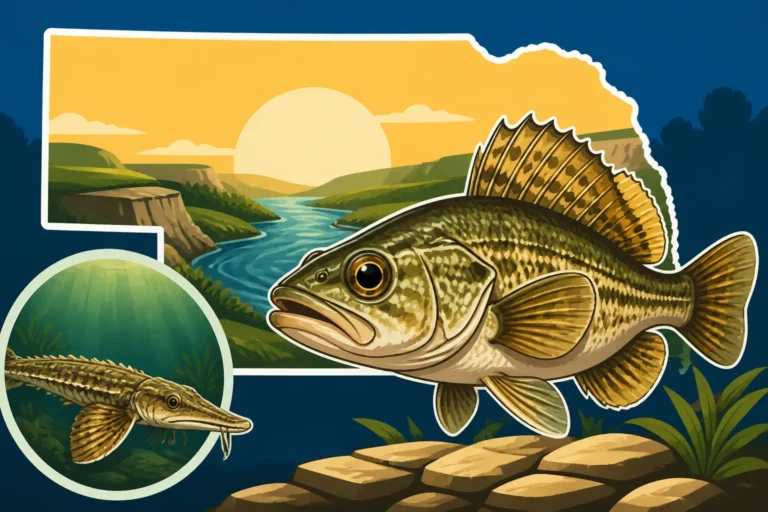
Pike are easily recognizable by their long, torpedo-shaped bodies, duck-bill snouts, and sharp, needle-like teeth. Their coloration, typically green to brown with light, bean-shaped spots, provides excellent camouflage among weeds and submerged timber. They are ambush predators, often lying in wait for unsuspecting prey to swim by. This means they are highly visual hunters, relying on their keen eyesight to spot movement. Their diet is diverse, including smaller fish, frogs, crayfish, and even small mammals or birds if the opportunity arises. This aggressive, opportunistic nature is what makes them such a thrilling target for anglers. They don't just bite; they attack!
You’ll often find pike in areas with good cover. Think weed lines, submerged brush, fallen trees, and rocky points. They prefer cooler water, but in Nebraska's warmer summers, they'll seek out deeper, cooler thermal refuges or areas with current and oxygen. When the water cools in spring and fall, they become incredibly active, feeding heavily. This behavior dictates when and where you should focus your efforts. Knowing what makes them tick—their need for cover, their visual hunting style, and their seasonal movements—is crucial for getting your lure in front of them at the right moment.
Preferred Habitats in Nebraska
In Nebraska, northern pike tend to gravitate towards specific types of environments. Large, fertile reservoirs with abundant aquatic vegetation are prime locations. Lakes with extensive weed beds, lily pads, and submerged timber offer the perfect ambush points for these stealthy predators. These areas provide both cover for hunting and protection from the sun in warmer months. Deeper sections adjacent to these shallow cover areas are also critical, especially as water temperatures rise, offering a quick retreat to cooler, more stable conditions.
Beyond reservoirs, some river systems and even larger sandpit lakes can hold decent populations of pike, particularly those with slower currents and plenty of backwater areas or oxbows rich in vegetation. The presence of ample forage fish, such as shad, perch, or juvenile panfish, is another key indicator of good pike habitat. Pike are top-level predators, so they need a robust food chain to support them. Look for these combinations of cover, depth, and forage, and you’ll be on the right track to finding pike. Understanding Nebraska Northern Pike Habitat can definitely give you a leg up.
Life Cycle and Spawning Habits
Northern pike typically spawn very early in the spring, often right after ice-out, when water temperatures are still quite cold, usually between 40-50 degrees Fahrenheit. They migrate into flooded grassy areas, shallow marshes, or vegetated shorelines to lay their adhesive eggs. This shallow, vegetated habitat provides protection for the eggs and newly hatched fry from predators and harsh currents. The male pike are often first to arrive, followed by the females. It's a relatively short and intense spawning period, after which they disperse back into their main foraging grounds.
After spawning, pike are often lethargic for a short period, but they quickly recover and begin to feed aggressively to regain energy. This post-spawn period can be a fantastic time to target them, as they are hungry and less wary. As the year progresses, their feeding habits and preferred locations will shift with water temperature and forage availability. Understanding this annual cycle, from their shallow spawning grounds to their summer retreats and fall feeding frenzies, will help you tailor your tactics throughout the year.
Top Nebraska Lakes and Rivers for Northern Pike
While not every body of water in Nebraska holds pike, there are several key locations that consistently produce good numbers and even trophy-sized fish. Knowing these hotspots is essential for planning a successful pike fishing trip.
Key Reservoirs and Their Pike Populations
Nebraska boasts a few reservoirs that are legendary for their northern pike fishing. Merritt Reservoir Fishing Guide is an absolute must-read for any pike angler. Merritt, tucked away in the Sandhills, is probably the state's most famous pike destination. It's known for its clear water, abundant weed growth, and a strong population of pike, including some true giants. Anglers here regularly report pike in the 30-inch range, with much larger fish being caught annually. The extensive weed beds provide ideal ambush points and cover, making it a perfect pike habitat. You'll want to focus on the bays and main lake points with significant weed lines.
Another excellent spot is Box Butte Reservoir in the panhandle. This smaller, shallower reservoir also has good weed growth and offers a strong pike fishery, especially for those looking to target them from shore or small boats. The key here is finding those healthy weed beds and fishing around the edges. Lake McConaughy also occasionally yields pike, especially in its shallower, weedier bays, though it's more famous for walleye and stripers. While it might not be a primary pike destination, don't overlook its potential, especially in early spring or late fall. For those looking for a different experience, Box Butte Reservoir Fishing offers a fantastic opportunity.
River Systems and Pike Opportunities
While rivers are generally more associated with catfish and bass in Nebraska, certain sections can hold surprising numbers of northern pike. River systems with slower currents, oxbow lakes, and backwaters that have plenty of submerged vegetation can provide suitable habitat. The Niobrara River, particularly its slower stretches and adjacent sloughs, can offer some exciting pike fishing, often in conjunction with smallmouth bass. These areas provide the necessary cover and forage base that pike prefer.
The Platte River, especially in its broader, slower stretches and interconnected sandpits, can also have pike populations. Look for areas where the river widens, or where old gravel pits have been incorporated into the river system, creating deeper, more stable environments with aquatic plants. These riverine pike often ambush prey from current breaks or dense cover along the banks. Fishing these environments requires a different approach than large reservoirs, often focusing on casting to specific targets rather than trolling open water. For more general information on fishing locations, check out Best Places to Fish in Nebraska.
Lesser-Known Pike Haunts
Beyond the mainstays, there are several smaller lakes and sandpits scattered across Nebraska that might not be nationally famous but can offer excellent local pike fishing. These often include state recreation areas or county parks with lakes that have diverse depths and good vegetation. Fishing reports and local bait shops are invaluable resources for uncovering these hidden gems. Sometimes, even a quiet farm pond that's connected to a larger water system, or one that has been specifically stocked with pike, can produce unexpected results.
The beauty of these lesser-known spots is often less fishing pressure. While the fish might not be as large on average as those in Merritt, the action can be steady, and the peace and quiet are an added bonus. Always remember to check current regulations for any specific lake or pond, as rules can vary. Exploring new waters, especially those with good cover and forage, is part of the adventure of pike fishing in Nebraska.
Essential Gear for Northern Pike Fishing
Tackling northern pike requires robust gear that can withstand their aggressive strikes, powerful runs, and sharp teeth. Don't go into a pike battle with light bass tackle unless you're specifically targeting smaller fish, or you're asking for trouble (and likely a lost lure).
Rods and Reels for Handling Pike
For most northern pike fishing in Nebraska, a medium-heavy to heavy power rod, typically 6'6" to 7'6" in length, is ideal. This rod action provides the backbone needed to cast larger lures and to muscle a feisty pike away from heavy cover. A fast action tip is beneficial for detecting subtle bites and setting the hook quickly. Whether you prefer spinning or baitcasting gear is a personal choice, but both can be effective. Baitcasting setups often excel at throwing heavier lures and provide more torque for fighting larger fish, while spinning gear is often easier for beginners and can handle lighter presentations when needed.
Match your rod with a reliable reel. For spinning setups, a 3000-4000 size reel with a smooth drag system is usually sufficient. For baitcasters, a low-profile reel with a good gear ratio (around 6.4:1 to 7.1:1) will provide the power and speed necessary for handling pike. Ensure your reel has enough line capacity for longer runs. Don't skimp on quality here; a subpar drag can lead to frustration and lost fish, especially with powerful species like pike. Always make sure your drag is set correctly before you start fishing. You can find many suitable options for Best Fishing Gear for Nebraska Anglers on Amazon.
Line and Leader Choices
The line you choose is critical for pike fishing. Braided line is a popular choice for its strength, low stretch, and abrasion resistance. A 30-50 pound test braided line will handle most pike, allowing for strong hooksets and easy detection of bites. Its lack of stretch is a huge advantage when fishing at longer distances or in deep water. If you prefer monofilament, opt for a heavy test, perhaps 15-25 pound, though it won't offer the same sensitivity or abrasion resistance as braid.
However, the most important component when targeting toothy pike is the leader. Without a bite-proof leader, you will undoubtedly lose fish and expensive lures. Pike have incredibly sharp teeth that can easily slice through standard monofilament or fluorocarbon line. Steel leaders, titanium leaders, or heavy fluorocarbon leaders (60-100 pound test) are essential. Pre-made leaders with swivels and snaps are convenient, or you can tie your own using appropriate knots. Always check your leader for nicks and abrasions after each fish or snag, replacing it if there's any damage. A pike's teeth are no joke!
Must-Have Lures and Baits
Northern pike are aggressive eaters, and they respond well to a variety of lures that mimic their natural prey or trigger an instinctual strike. Large spoons, like Daredevils or Doctor Spoons, are classics for a reason; their flashy, wobbling action is irresistible to pike. Spinnerbaits with large blades and skirts, particularly in chartreuse, white, or black, are also highly effective, especially when fished around weeds. Hard swimbaits and jerkbaits that imitate baitfish are excellent choices, offering a realistic profile and erratic action. Think big, bright, and noisy!
In terms of soft plastics, large paddle tail swimbaits rigged on heavy jig heads can be deadly, especially when fished slower or vertically jigged through weed pockets. Live bait, particularly large shiners, suckers, or chubs, can be incredibly effective under a bobber or slowly trolled. When using live bait, ensure your hook is robust and sized appropriately for the bait and the expected size of the pike. Having a diverse selection of these lures will prepare you for varying conditions and pike moods. Many anglers swear by particular brands of spoons or large soft plastics which are readily available on Amazon.
Essential Terminal Tackle and Tools
Beyond rods, reels, line, and lures, several other tools are absolutely essential for a successful and safe pike fishing trip. Due to their sharp teeth and aggressive nature, handling pike requires caution. A long-nosed pair of pliers or a hook remover tool is non-negotiable for extracting hooks safely from their mouths, protecting both you and the fish. A jaw spreader can also be helpful for keeping their mouth open while you work on removing the hook, though use it carefully to avoid injury to the fish.
A large, rubberized landing net is also highly recommended. This helps you safely land a thrashing pike without damaging fins or slime coat, and the rubberized mesh prevents hooks from tangling, which is a common frustration with traditional nylon nets. Always have a measuring tape on hand to ensure compliance with Nebraska Fishing Daily Bag and Possession Limits. Finally, carry a pair of heavy-duty wire cutters in case a leader gets too tangled or a hook is deeply embedded and needs to be cut. Being prepared with these tools makes the experience much safer and more enjoyable for everyone.
Effective Northern Pike Fishing Techniques
Northern pike are ambush predators, but their activity levels and preferred locations change with the seasons. Adapting your techniques throughout the year is key to consistent success.
Spring Pike Tactics
Spring in Nebraska, right after ice-out, is arguably one of the best times to target northern pike. As mentioned, they move into shallow, vegetated areas for spawning. Once spawning is complete, they remain in these shallow areas or close by, feeding aggressively to recover lost energy. Focus on shallow bays, creek mouths, and areas with emerging weed growth. Water temperatures in the high 40s to low 50s are prime.
Casting spinnerbaits, jerkbaits, and spoons along weed lines or through sparse cover can be highly effective. Pike are often very active and willing to strike at this time. Slower presentations can also work if the fish are still a bit lethargic from spawning or if a cold front has moved through. Consider suspending large live bait under a bobber in these shallow areas. As spring progresses and water temperatures climb, pike will start to transition towards slightly deeper cover, but the shallow bite can be fantastic for several weeks.
Summer Pike Strategies
Summer in Nebraska can present more of a challenge for pike anglers, especially during the heat of the day. As water temperatures rise, pike often retreat to deeper, cooler water, or seek out dense overhead cover to escape the sun. They'll still feed, but their activity windows might be shorter, often concentrated in early mornings, late evenings, or during overcast conditions. Look for pike in areas with deep weed lines, submerged humps, points that drop into deeper water, or around deep timber.
Trolling can be a very effective strategy in summer, allowing you to cover large amounts of water and present lures at precise depths. Deep-diving crankbaits, large spoons, and heavy inline spinners are good choices. For casting, focus on pitching large soft plastics or heavy spinnerbaits into deep weed pockets or along the edges of drop-offs. Live bait, fished on bottom rigs or suspended with a slip bobber in deeper holes, can also produce results when the bite is tough. Always be mindful of the pike's comfort zone in warmer water; they're still there, just deeper.
Fall Pike Approaches
Fall is another fantastic season for northern pike fishing in Nebraska. As water temperatures begin to cool, pike sense the approaching winter and embark on a feeding frenzy to fatten up. They become incredibly active and aggressive, often moving back into shallower and mid-depth areas that they occupied in spring, especially those with good remaining weed cover or rocky structure.
Large spoons, spinnerbaits, and jerkbaits are all excellent choices for fall pike. Focus your efforts on main lake points, sharp drop-offs, and remaining green weed beds. Trolling can be particularly effective during this time, allowing you to present large baits over vast areas where pike are actively cruising for prey. Fly fishing with large streamer patterns can also be an exciting way to target these aggressive fish in the fall. The cooler temperatures and increased activity make fall a rewarding time to chase trophy pike. Consider checking out Fall Fishing in Nebraska for more general tips.
Ice Fishing for Pike
When Nebraska's lakes freeze over, the northern pike action doesn't stop; it just moves beneath the ice! Ice fishing for pike is a popular pursuit, and it can be incredibly productive. Pike remain active under the ice, continuing their predatory habits. You'll want to focus on areas that held pike in the late fall: deep weed edges, points, and humps that top out near good cover. Accessing these spots requires specialized Nebraska Ice Fishing Gear Guide.
Tip-ups are a favored method for ice fishing pike. Set them up with large shiners or suckers, fished just above the weed line or suspended over deeper structure. The flag going up is an unmistakable signal that a pike has taken the bait! Jigging with large spoons or lipless crankbaits can also entice strikes, especially if you move around to cover different areas. Always remember ice safety and carry appropriate gear. Knowing How to Ice Fish in Nebraska effectively is crucial for both safety and success.
Nebraska Regulations for Northern Pike
Navigating fishing regulations can sometimes feel like a puzzle, but when it comes to northern pike in Nebraska, it’s straightforward and absolutely essential for responsible angling. These rules are in place to ensure a healthy and sustainable pike population for everyone to enjoy for years to come.
Current Bag and Length Limits
Like many game fish, northern pike in Nebraska have specific bag and length limits. These regulations can vary by body of water and may change over time, so it is paramount to consult the most current Nebraska Fishing Guide or visit the Nebraska Game and Parks Commission website before heading out. Generally, there's a daily bag limit for northern pike, meaning you can only keep a certain number of fish per day. There might also be a possession limit, which is the maximum number of fish you can have on hand, including those at home.
Length limits are also common. For example, there might be a minimum length that a pike must be to be legally kept, or sometimes, a slot limit, where fish within a certain size range must be released. The purpose of these limits is often to protect smaller, immature fish to allow them to grow and reproduce, or to protect larger, trophy-sized breeding stock. Always measure your catch accurately; a measuring board is far more reliable than a quick guess. Being caught with undersized or over-the-limit fish can result in significant penalties, so it’s always better to err on the side of caution. Details on this can always be found in the Nebraska Fishing Regulations Explained booklet.
Special Regulations and Considerations
Beyond general bag and length limits, some specific lakes or river segments might have unique regulations pertaining to northern pike. This could include gear restrictions, seasonal closures, or even different length or bag limits compared to statewide rules. For instance, a particular lake known for trophy pike might have a stricter slot limit or a lower daily bag limit to promote the growth of larger fish. Always check the specific regulations for the body of water you intend to fish.
Another important consideration is the method of take. While rod and reel is the primary method, if you're interested in alternative methods like spearfishing or bowfishing for pike, be aware that these often have their own set of specific rules, seasons, and licensing requirements. It's also vital to remember that a valid Nebraska fishing license is required for most anglers. You can find detailed information on Nebraska Fishing License Guide to ensure you're fully compliant before casting a line.
Handling and Releasing Pike
Proper handling and release practices are crucial for the survival of northern pike, especially if you plan on releasing fish that don't meet the legal size requirements or if you're practicing catch and release. Pike are robust fish, but their large size and sharp teeth can make them difficult to handle safely for both the angler and the fish. Always use a large, rubberized net to land the fish gently, minimizing its time out of the water.
When handling pike, protect your hands. Specialized gloves can help. Grip the pike firmly behind the head, or use a fish gripper on its lower jaw to control it. Avoid holding pike by the eye sockets or gill plates, as this can cause severe internal damage. Use long-nosed pliers or a hook remover to extract the hook quickly. If the fish is deeply hooked, it's often better to cut the line as close to the hook as possible rather than tearing sensitive internal organs. Support the fish horizontally or upright in the water for a few moments, allowing it to recover before gently releasing it. This responsible approach ensures that released pike have the best chance of survival and contributes to a healthy fishery.
Tips for Locating and Catching Trophy Pike
Catching a truly massive northern pike is often the dream of dedicated anglers. While consistent action on smaller pike is great, targeting those elusive trophy-class fish requires a more refined approach, combining knowledge of their habits with advanced tactics.
Reading the Water for Pike Structure
Trophy pike, much like their smaller counterparts, are ambush predators, but they often utilize more subtle or unique structures. When searching for a big one, don't just look for general weed lines; seek out irregularities within those weed beds. This could be a deeper hole within a shallower flat, a point or finger of weeds that extends further than the rest, or an isolated clump of healthy vegetation in an otherwise sparse area. These "breaks" in the pattern provide a prime ambush point where a large pike can hide and wait for prey.
Also, pay close attention to structural transitions. The seam where a weed flat drops off into deeper water, a rock pile adjacent to a sandy bottom, or submerged timber near a break line are all high-percentage areas. These locations offer pike access to both shallow feeding grounds and deep-water sanctuary. Look for areas where baitfish are congregating, as the pike won't be far behind. Often, trophy pike will hold on the edges of these structures, ready to dart out and grab a meal. Using a good fish finder to identify these nuances can be a game-changer.
Understanding Pike Movements
Trophy pike, especially in larger Nebraska reservoirs, often have expansive territories and follow distinct seasonal migration patterns. In early spring, they'll be in the spawning flats. Post-spawn, they might hang around these areas briefly before moving to the edges of deeper cover as temperatures rise. During the peak of summer, the biggest pike often go deep, seeking out cooler water near thermoclines or in the coolest, darkest sections of dense cover. They'll use distinct travel corridors between these deep sanctuaries and shallower feeding areas.
As fall approaches, these fish become highly nomadic, actively cruising large areas in search of schools of baitfish. They'll often follow these bait schools, making them more challenging to pinpoint but also more aggressive when found. Learning these seasonal movements, often by keeping a detailed log of your catches and conditions, can help you predict where the big ones will be at different times of the year. Don't be afraid to change your strategy and explore different depths and structures as the seasons progress.
Best Practices for Landing a Trophy
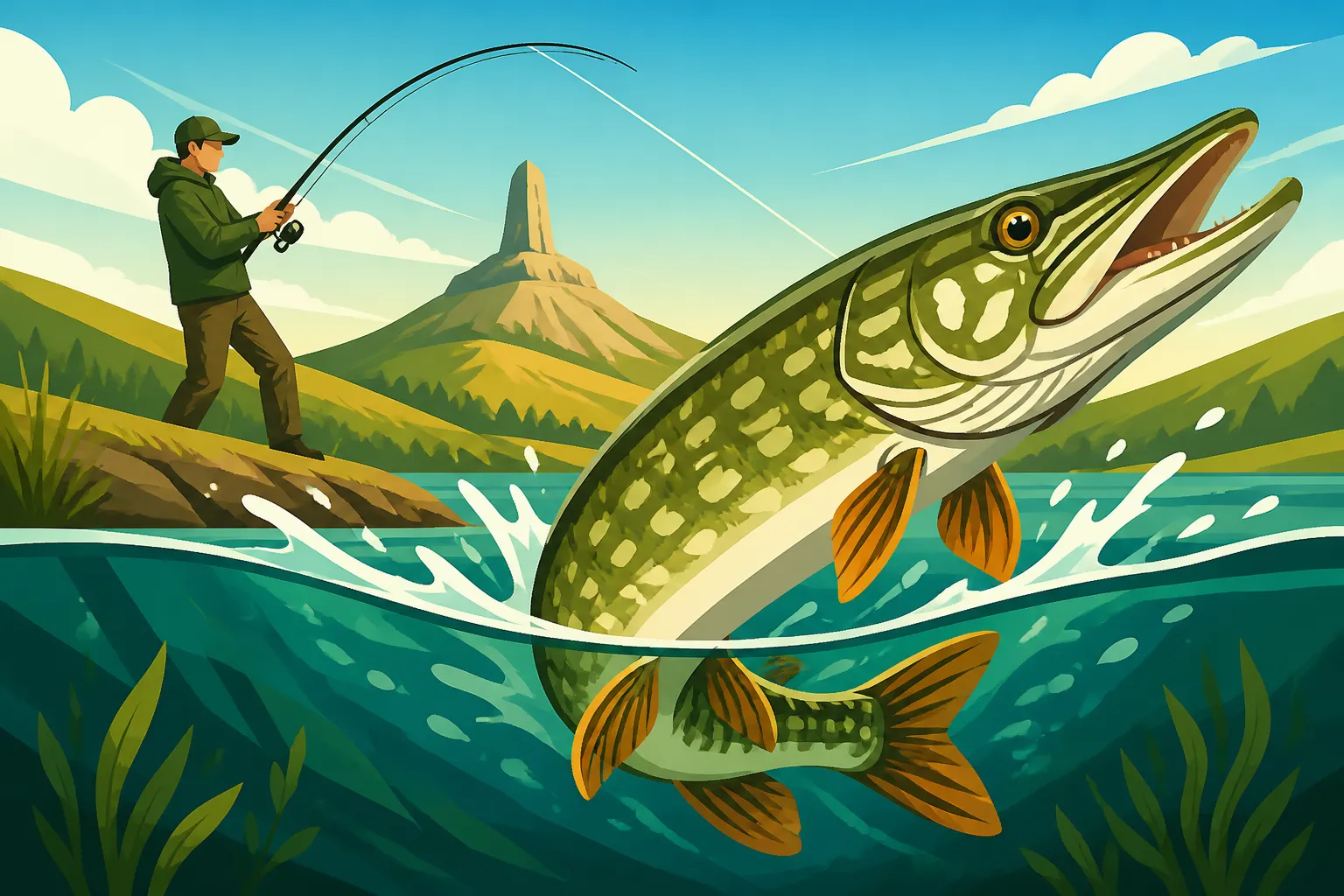
Landing a trophy northern pike is an experience you won't soon forget, but it requires patience and the right technique. Once you've hooked into a big one, the fight will be intense. Don't try to horse the fish in too quickly; instead, let your rod and reel's drag do the work. Apply steady pressure, and pump the fish toward you, but be prepared for strong runs, especially if the fish has plenty of energy.
Keep the rod tip up to maintain tension and absorb head shakes. If the pike jumps, bow to the fish by dropping your rod tip slightly to reduce slack and prevent the hook from pulling out. When the fish is near the boat or shore, use a large, rubberized landing net to scoop it headfirst, minimizing stress. Be ready with your pliers and camera for a quick measurement, photo, and release. Remember, trophy fish are often older and more vulnerable, so handle them with the utmost care to ensure they swim away strong to fight another day.
Safety and Conservation When Pike Fishing
Fishing for northern pike is an exhilarating experience, but it comes with responsibilities. Ensuring your safety and contributing to the conservation of this magnificent species are paramount for enjoying Nebraska's waters for years to come.
Safe Handling of Pike
The razor-sharp teeth of a northern pike are not to be underestimated. A moment of carelessness can lead to a nasty injury. Always assume every pike has the potential to bite, even when it appears subdued. As mentioned, long-nosed pliers or a hook remover are absolutely essential. Never put your fingers directly into a pike's mouth, even with gloves, unless you are highly experienced and know exactly where their crushing plates are. Many anglers choose to use a specialized jaw spreader to safely remove hooks, allowing them to work without fear of getting bitten.
When holding a pike for a photo, support its body properly. Avoid hanging it vertically by the jaw for extended periods, as this can damage its spine and internal organs, especially for larger fish. Cradle the fish horizontally with one hand supporting the belly and the other gripping it firmly behind the head or using a lip gripper. Minimize its time out of the water, especially in warmer conditions. Have your camera ready so the fish can be returned to the water quickly.
Practicing Responsible Catch and Release
Catch and release is a cornerstone of conservation, especially when targeting larger, breeding-size northern pike. Properly releasing a fish ensures its survival and helps maintain healthy populations. Always wet your hands before handling the fish to protect its protective slime coat, which guards against disease. Avoid placing the fish on dry, rough surfaces like boat carpets or hot ground.
If a fish is deeply hooked and removing the hook would cause excessive trauma, it's often best to cut the line as close to the hook as possible. Hooks made of non-stainless steel will eventually corrode and fall out. Once the hook is removed, hold the pike gently in the water, facing into a slight current if possible, until it regains its strength and can swim away on its own. Sometimes a gentle back-and-forth motion can help circulate water through its gills, but avoid over-handling. Patience here is key to a successful release. This practice, combined with adherence to Nebraska Fishing Regulations Explained, ensures a sustainable future for pike fishing.
Preventing the Spread of Aquatic Invasive Species
Nebraska's waters are constantly threatened by aquatic invasive species (AIS), and anglers play a critical role in preventing their spread. Northern pike fishing often takes you to various lakes and rivers, increasing the risk of inadvertently transferring AIS from one body of water to another. Before leaving any body of water, it's crucial to "Clean, Drain, and Dry" your boat and gear.
Clean: Inspect your boat, trailer, waders, and fishing gear (including anchors and ropes) for any visible plants, mud, or organisms. Remove and dispose of them properly, away from the water.
Drain: Drain all water from your boat, livewell, bait bucket, and any other water-holding compartments. Pull drain plugs when trailering your boat.
Dry: Allow your boat and all gear to thoroughly dry before launching into another body of water. A minimum of five days of drying is often recommended, especially for difficult-to-dry items.
Remember to dispose of unused bait in the trash, not in the water. These simple steps, though they take a little extra time, are vital for protecting Nebraska's precious aquatic ecosystems from the irreversible damage that AIS can cause. For more details, consider reading about the Nebraska Aquatic Invasive Species Stamp requirements.
| Key Pike Fishing Waters in Nebraska | Primary Location | Best Season(s) | Key Features for Pike | Common Forage |
|---|---|---|---|---|
| Merritt Reservoir | Valentine | Spring, Fall, Ice | Extensive weed beds, clear water, depth variations | Perch, Sunfish, Shad |
| Box Butte Reservoir | Crawford | Spring, Fall, Ice | Healthy weed growth, shallower depths, good structure | Perch, Panfish |
| Lake McConaughy (select bays) | Ogallala | Spring, Fall | Weedy bays, shallower arms, some submerged timber | Shad, Panfish |
| Niobrara River (backwaters) | North Central | Spring, Fall | Slower currents, oxbows, abundant riverine vegetation | Baitfish, Frogs |
| Platte River (sandpit connections) | Central/East | Spring, Fall | Connected sandpits, slower channels, current breaks | Shad, Panfish |
Disclaimer
This article is for general informational purposes only and does not constitute professional advice. Laws, prices and regulations vary by location and change over time. Consult a qualified professional for guidance on your specific situation.