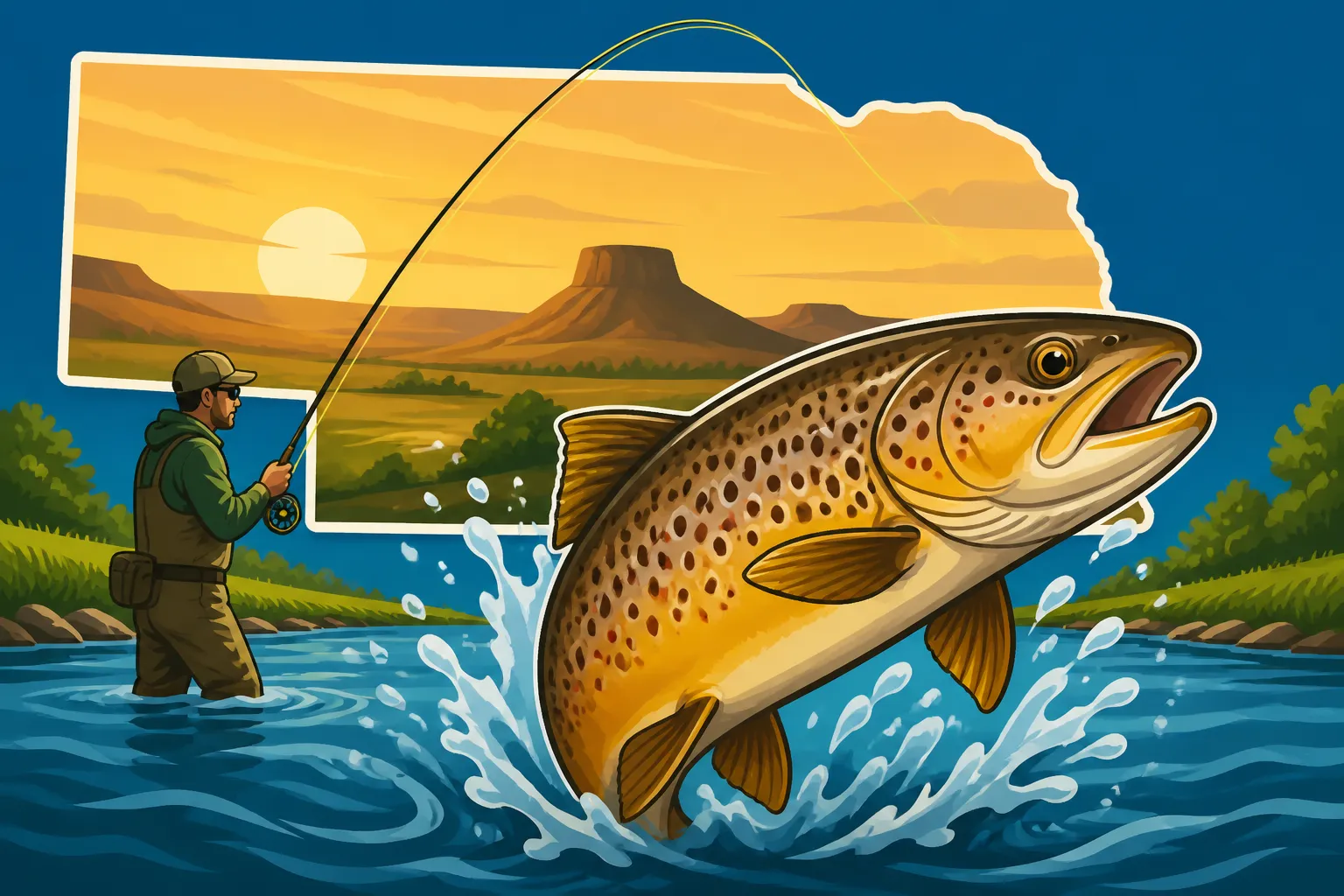
Nebraska Brown Trout Fishing
For many anglers, the thought of trout fishing conjures images of clear mountain streams out West or the pristine rivers of the Ozarks. But here in Nebraska, a state often associated with its vast cornfields and prairie rivers, the idea of chasing trout, especially the wily brown trout, can seem like a bit of a pipe dream. It’s a common frustration to feel like you need to travel hundreds of miles for a decent trout bite, but I’m here to tell you that with the right knowledge, patience, and a bit of stealth, you can absolutely find and even catch some incredible brown trout right here in the Good Life State. This guide is dedicated to demystifying brown trout fishing in Nebraska, helping you uncover those hidden gems and experience the thrill of landing one of these elusive beauties.
The Brown Trout: A Nebraska Anomaly
When we talk about trout in Nebraska, most folks immediately think of rainbow trout. They're regularly stocked, easier to catch, and pop up in many urban and state park ponds. But brown trout, that's a different story. They're often considered the connoisseur's choice – a more challenging, more rewarding quarry. Their presence here is a testament to some truly unique and fragile habitats that are worth understanding and protecting.
Understanding Brown Trout Biology and Behavior
Brown trout, or Salmo trutta, are not native to North America; they were introduced from Europe in the late 19th century. What makes them so fascinating, and frankly, so challenging, is their behavior. Unlike their often more gregarious rainbow cousins, brown trout are notoriously wary. They are predators, often nocturnal, and incredibly sensitive to changes in their environment, especially water temperature and clarity.
Their appearance is striking: typically a golden-brown or olive-brown back, fading to creamy flanks and a lighter belly. What really sets them apart are those distinctive dark spots, often surrounded by lighter halos, scattered across their body. They have a more pointed snout and a powerful, muscular build, designed for holding in current and making explosive strikes. Their diet is incredibly varied, ranging from aquatic insects like nymphs and caddisflies to terrestrial insects that fall into the water. As they grow larger, they become highly piscivorous, meaning they eat other fish, and won't hesitate to ambush minnows, shiners, or even small rodents and frogs that get too close. This predatory nature is what allows them to grow to impressive sizes, even in smaller streams, if the forage is available. They absolutely thrive in colder, well-oxygenated water, often seeking out areas with plenty of cover like undercut banks, fallen logs, deep pools, and rocky bottoms where they can hide from predators and ambush prey.
Why Brown Trout are Special in Nebraska
The reason brown trout hold a special place in the hearts of Nebraska anglers is precisely because they are so rare and challenging here. While rainbow trout are regularly stocked by the Nebraska Game and Parks Commission, finding a self-sustaining, naturally reproducing population of brown trout is like discovering a hidden treasure. These wild populations are typically found in spring-fed streams, usually in the Sandhills region, where the groundwater keeps the water temperatures consistently cool year-round, even during the scorching Nebraska summers. This is crucial for their survival and spawning success.
Catching a wild Nebraska brown trout isn't just about the fish itself; it's about the entire experience. It's about meticulously scouting for those specific cold-water pockets, employing utmost stealth, and presenting your bait or fly with precision. When you finally connect with one, feeling that powerful head shake and seeing those distinct spots, there's a profound sense of accomplishment. It's a connection to a wild, untamed part of Nebraska that many people don't even know exists. It's an affirmation that even in an unexpected landscape, nature finds a way, and with careful angling, you can be a part of that unique story. It truly elevates the fishing experience beyond just catching a fish; it's about appreciating a delicate ecosystem.
Where to Find Nebraska Brown Trout
Finding brown trout in Nebraska is less about driving to a popular lake and more about detective work. You're searching for specific conditions, often in less-traveled areas, that cater to their unique cold-water preferences. It's part of the adventure, though it can certainly test your patience.
The Elusive Wild Trout Streams
The heart of Nebraska's wild brown trout country lies predominantly within the Sandhills region. This vast, unique ecosystem, characterized by rolling grass-covered dunes and countless wet meadows, is where many small, pristine spring-fed streams originate. These streams are the lifeblood for wild trout. Think of places like the headwaters of certain tributaries to the Niobrara River or the Snake River system. These aren't big, wide rivers; often, they are narrow, winding ribbons of water, sometimes only a few feet across, but deep enough in spots to hold significant fish.
The key features of these streams are consistent cold water temperatures, even through summer, thanks to abundant groundwater seeping in, and plenty of natural cover. You'll find dense aquatic vegetation, undercut banks that create natural hiding spots, and sometimes submerged logs or brush piles. Access to these areas can be challenging, as much of the Sandhills is private ranch land. This means extensive scouting, checking maps, and, most importantly, asking for permission from landowners, are often necessary. Public access points can be few and far between, requiring a bit of a hike, but the reward of solitude and untouched water is immense. For those willing to explore and respect the land, these streams offer some of the most authentic trout fishing experiences in the state. Best Nebraska Rivers for Fishing can give you a broader overview of other river systems, but for wild brown trout, the Sandhills springs are paramount.
Lakes and Tailwaters with Brown Trout Populations
While wild brown trout are concentrated in specific streams, there are a few larger water bodies, primarily tailwaters and reservoirs, where brown trout can also be found, though often through stocking efforts rather than entirely self-sustaining populations.
The most notable location is almost certainly Lake Ogallala, often referred to as the "Little Lake" below Kingsley Dam at Lake McConaughy. The release of cold, deep water from Lake McConaughy through the dam creates a fantastic cold-water fishery in Lake Ogallala. While rainbow trout are the most common catch here, brown trout are also stocked and thrive in these conditions, often growing to impressive sizes. Fishing here is often a mix of bait, lures, and fly fishing. It’s a much more accessible and predictable trout fishery than the wild Sandhills streams. For more details on this specific spot, check out Lake Ogallala Trout Fishing.
Another area that occasionally sees brown trout is Merritt Reservoir. While primarily known for its walleye and panfish, the reservoir's deeper, cooler sections and some of its feeder creeks can support brown trout, especially if they are stocked. These fish might be harder to target directly, as they are often mixed in with other species, but dedicated anglers occasionally find them. The cool water releases from Merritt Dam also create trout-friendly conditions in the Snake River below, extending the potential range for these fish. If you're keen on exploring this area, Merritt Reservoir Trout Fishing offers a deeper dive into the reservoir's potential. These larger water bodies provide a different kind of challenge and opportunity for brown trout anglers in Nebraska, often requiring boat access or fishing close to dam structures.
Accessing Prime Brown Trout Habitat
The pursuit of Nebraska brown trout isn't just about knowing where they are, but how to get to them. This is where the rubber meets the road, and sometimes, where frustrations can mount. Many of these prime, spring-fed stream habitats flow through private agricultural or ranch land. Showing up unannounced is a definite no-no and can jeopardize future access for everyone. The golden rule here is always, always seek landowner permission. A friendly knock on the door, a polite request, and a promise to leave no trace often go a long way. Building a good relationship with a landowner can open up incredible fishing opportunities that very few others will ever experience.
For public access, you'll be looking for designated public land, state parks, wildlife management areas, or specific public easements. These are often highlighted on Nebraska Game and Parks maps, and it's always wise to consult these resources before heading out. Once you're at the water, be prepared for some bushwhacking. These wild trout streams are often overgrown with tall grasses, willows, and other vegetation. Wading is often the primary method of access, requiring appropriate gear like waders and wading boots. You'll need to be mindful of your surroundings, both for your safety and to minimize your impact on the delicate stream banks. For a comprehensive look at public access, Best Free Public Fishing Access in Nebraska can offer additional guidance. The effort in accessing these spots is directly proportional to the untouched beauty and quality of the fishing you'll encounter.
Essential Gear and Techniques for Nebraska Brown Trout
Brown trout, with their wary nature and preference for cover, demand a thoughtful approach when it comes to gear and technique. It's not usually a "chuck and wind" kind of fishery. You need to think about stealth, presentation, and imitating what they naturally feed on.
Fly Fishing for Wary Browns
Fly fishing is, without a doubt, one of the most effective and rewarding ways to target brown trout in Nebraska's smaller, wild streams. The delicate presentation, the ability to "match the hatch," and the natural drift of a fly often make all the difference with these finicky fish. A lightweight setup is usually best: a 3 to 5-weight fly rod, typically between 7.5 and 9 feet long, paired with a matching reel and a weight-forward floating line. This lighter gear allows for subtle presentations and protects lighter tippets, which are crucial for tricking wary browns.
When it comes to flies, variety is key. For subsurface action, nymphs are often incredibly effective. Patterns like a Pheasant Tail, Hare's Ear, Prince Nymph, or even a small Copper John can imitate a wide range of aquatic insects. Fishing these under an indicator or with a dry-dropper rig works well. When brown trout are looking up, especially during insect hatches, dry flies can provide explosive surface strikes. Keep patterns like Elk Hair Caddis, Adams, Parachute Adams, or various small mayfly and caddisfly imitations in your fly box. Don't forget terrestrial patterns like ant, beetle, or hopper imitations, especially in late summer and fall when these bugs are common. For larger, more aggressive browns, particularly in stained water or during low-light conditions, streamers like a Woolly Bugger (in black, olive, or brown) or a small sculpin imitation can elicit powerful strikes, mimicking their predatory instincts. Many of these effective fly patterns can be found on platforms like Amazon, making it easy to stock up for your next trip. Always remember that careful approach and accurate casting, often to specific pockets of water or undercuts, are more important than brute force. How to Fly Fish for Trout in Nebraska delves deeper into the nuances of this method.
Spinning Gear for Brown Trout
While fly fishing often gets the spotlight for trout, you absolutely don't have to be a fly angler to catch brown trout in Nebraska. Light spinning tackle can be incredibly effective, especially in larger streams, tailwaters, or when conditions make fly casting difficult. The key is "light" – think ultralight or light-action spinning rods, typically 5 to 6.5 feet long, paired with small spinning reels spooled with 4-6 pound test monofilament or fluorocarbon line. The lighter line is crucial for achieving natural presentations and avoiding spooking fish in clear water.
When it comes to lures, small inline spinners are perennial favorites. Brands like Mepps (Aglia or Black Fury patterns), Panther Martin, or Rooster Tail, in sizes #0 to #2, are excellent choices. Their flash and vibration often trigger aggressive strikes. Small spoons, such as Kastmasters or Little Cleos in silver or gold, can also be deadly, especially when trying to imitate small baitfish. Tiny crankbaits, like miniature Rapalas or other trout-specific plugs, are fantastic for targeting larger, predatory browns, particularly when fished slowly along current breaks or near cover. For bait, while wild brown trout are often less interested in dough baits, live worms (like a small piece of nightcrawler), grasshoppers, or minnows can be very effective, especially when drift-fished naturally with minimal weight. Always ensure your bait presentation is subtle and doesn't appear unnatural. When choosing gear, looking at reviews on Amazon can help you find quality ultralight rods and reels that won't break the bank.
Stealth and Presentation
This cannot be stressed enough: brown trout are perhaps the most paranoid fish in Nebraska. They are masters of their environment, acutely aware of anything out of place. This means stealth and presentation are paramount, often more important than the specific lure or fly you're using.
Firstly, approach the water carefully. Walk softly, keep a low profile, and avoid sudden movements or casting a shadow over the water. Brown trout have excellent eyesight and will bolt at the first sign of danger. Approaching from downstream, casting upstream, and letting your offering drift down to the fish is often the most effective method, as it allows you to present your bait or fly to undisturbed fish. When wading, shuffle your feet to avoid dislodging rocks and creating unnecessary noise.
Secondly, perfect your presentation. For fly anglers, this means drag-free drifts, ensuring your line doesn't pull your fly unnaturally. For spin anglers, it means casting accurately to target specific cover – an undercut bank, a submerged log, or a deep pocket – and retrieving your lure or bait in a natural manner. Use long leaders and light tippet (for fly fishing) or light line (for spinning) to minimize visibility. The goal is to make your offering look as much like natural food as possible, drifting effortlessly downstream or swimming convincingly. Learning to read the water – identifying where currents meet, where eddies form, and where fish might be holding – is a skill that will dramatically increase your success with brown trout. They prefer spots where they can expend minimal energy while still being in a prime ambush position.
Best Times and Conditions to Target Brown Trout
Just like with any species, timing is everything when pursuing brown trout in Nebraska. Understanding their seasonal movements and how they react to different weather and water conditions can significantly increase your chances of success.
Seasonal Strategies for Nebraska Brown Trout
Nebraska's seasons play a huge role in brown trout behavior, especially given their sensitivity to water temperature.
-
Spring (March – May): This can be an excellent time. As winter ice melts and water temperatures slowly rise, brown trout become more active after their colder, slower winter metabolism. Post-spawn fish (browns spawn in the fall) are often recovering and feeding aggressively. Insect activity begins to pick up, leading to potential hatches that can draw fish to the surface. Water levels might be higher due to spring runoff, which can offer more cover and disperse fish. Cooler air temperatures are also ideal for trout, and the fish are generally less pressured than in some other seasons. Checking Nebraska Trout Season Dates is always a good idea before heading out.
-
Summer (June – August): This is arguably the most challenging time for brown trout in many Nebraska waters, particularly outside of the consistently cold spring-fed streams. As air and water temperatures rise, trout become stressed and seek refuge in the coldest, most oxygenated water available. This often means deep pools, shady spots, or areas directly fed by cold springs. Fishing during the early morning or late evening hours is crucial, as water temperatures are at their lowest. If you hook a fish, minimize its time out of the water and use careful catch and release practices to ensure its survival. Some streams may become too warm, making fishing for trout unethical due to stress on the fish.
-
Fall (September – November): Many dedicated brown trout anglers consider autumn the prime time for trophy browns. As water temperatures begin to cool, the fish become much more active and aggressive, feeding heavily in preparation for their spawning season (which typically occurs in late fall). Larger browns, especially males, become vibrant in color and can be incredibly territorial. This is when you might have your best chance at catching a truly large fish, whether on streamers, larger nymphs, or even dry flies during sporadic hatches. The cooler weather and beautiful fall foliage also make for an incredibly pleasant fishing experience. For general fall fishing advice, Fall Fishing in Nebraska provides helpful context.
-
Winter (December – February): While less common, winter can offer unique opportunities if you're willing to brave the cold. In open water areas, especially tailwaters like Lake Ogallala, brown trout can be caught with slow, methodical presentations. Their metabolism slows down, so bites will be subtle, and fish will often be concentrated in deeper pools. Ice fishing for brown trout is rare in Nebraska but might be possible in some specific, stocked lakes that maintain sufficient cold water under the ice. Always prioritize ice safety.
Weather and Water Conditions
Beyond the seasons, daily weather and immediate water conditions heavily influence brown trout activity.
- Overcast Days: Often better than bright, sunny days. The reduced light makes brown trout feel more secure, encouraging them to move out from cover and feed more actively. Bright sun can make them incredibly skittish, driving them deep into hiding spots.
- Stable Water Levels: Consistent water levels are generally preferred. Rapid rises from heavy rain can push fish out of their usual holding lies and muddy the water, making feeding difficult. Conversely, extremely low and clear water can make fish incredibly wary and exposed.
- Slight Discoloration: While clear water is generally preferred, a slight tea-stain or light tint to the water can sometimes work in your favor. It provides a bit more cover for the fish, making them less spooky, while still allowing them to see your presentation. Heavily muddy water, however, will usually shut down the bite for brown trout.
- Barometric Pressure: Trout, like many fish, can be sensitive to changes in barometric pressure. A stable or slowly falling barometer often indicates good fishing conditions, as it can precede or accompany active feeding. Rapidly falling pressure, associated with approaching storms, might make fish more active initially, but a sudden drop or very low pressure can shut them down. Conversely, a rapidly rising barometer after a storm might put them off the bite for a bit. Nebraska Fishing Weather and Barometric Pressure Tips offers more insights into this subtle but impactful factor.
- Time of Day: Especially in warmer months, or in highly pressured areas, early morning and late evening (dawn and dusk) are prime times. This is when water temperatures are typically cooler, light levels are lower, and larger brown trout often move out of their daytime hiding spots to feed. During these low-light conditions, they're less cautious and more willing to chase larger prey.
By paying close attention to these factors, you can dramatically improve your chances of encountering one of Nebraska's truly special brown trout.
Conservation and Ethics: Preserving Nebraska's Brown Trout
The unique and often fragile nature of Nebraska's brown trout populations means that responsible angling isn't just a suggestion—it's a necessity. These fish, especially the wild, naturally reproducing ones, are a precious resource that we all share a responsibility to protect for future generations.
Catch and Release Best Practices
When targeting brown trout in Nebraska, particularly in the wild Sandhills streams, catch and release should be the default mindset. These populations are often small and delicate, and every fish released successfully contributes to their longevity. Mastering proper catch and release techniques is an ethical obligation for any angler.
Firstly, minimize handling. The less you touch a fish, the better. If you must handle it, wet your hands thoroughly beforehand. Dry hands can remove the fish's protective slime coat, leaving it vulnerable to infection. Secondly, keep the fish in the water as much as possible. Prolonged air exposure is incredibly stressful and can lead to irreversible damage to their gills. If you want a photo, prepare your camera beforehand, quickly lift the fish, snap the shot, and return it immediately. Thirdly, use barbless hooks. These hooks penetrate easily but, more importantly, are much easier and quicker to remove, causing less tissue damage. You can buy barbless hooks or simply crimp down the barb on your existing hooks with a pair of pliers. Fourthly, revive the fish properly. If a fish seems sluggish after the fight, hold it gently in the water, facing into the current, until it regains its strength and can swim away on its own. Don't vigorously pump it back and forth, as this can force water the wrong way through its gills. Catch and Release Best Practices in Nebraska offers a more detailed guide on how to handle your fish with care. Remember, the goal is to leave the fish healthier than you found it, ensuring it can spawn and contribute to the population for years to come.
Respecting Regulations and Habitat
Beyond how you handle the fish, respecting the regulations and the habitat itself is crucial for brown trout conservation. The Nebraska Game and Parks Commission sets specific rules for trout fishing, which can include special regulations for certain streams or tailwaters. These might involve reduced bag limits, minimum or maximum length limits, or even tackle restrictions in designated trout management areas. It's imperative that you always check the current Nebraska Fishing Guide before heading out, as regulations can change. Nebraska Fishing Regulations Explained can provide a general overview, but always consult the official guide.
Furthermore, we, as anglers, are stewards of these environments. Practice "Leave No Trace" principles: pack out everything you pack in, and perhaps even a little more. Avoid disturbing stream banks, which are vital for erosion control and provide critical insect habitat. Be mindful of wading, avoiding unnecessary disturbance of spawning beds (redds) during the fall spawning season. If you're on private land, ensure you stick to agreed-upon access points and routes. If you ever witness poaching, pollution, or habitat destruction, report it to the Nebraska Game and Parks Commission. Protecting these unique, cold-water habitats is paramount, because without them, Nebraska's brown trout would cease to exist. Our actions today directly impact the fishing opportunities of tomorrow.
| Feature | Brown Trout | Rainbow Trout |
|---|---|---|
| Origin | Europe | Pacific Ocean drainages (North America) |
| Appearance | Golden-brown to olive, distinct dark spots often with "halos," sometimes red spots. | Silvery with a prominent pink/red stripe, small dark spots. |
| Temperament | Wary, predatory, often nocturnal, elusive. | Generally more active, less wary, often school. |
| Preferred Water | Colder, clear, well-oxygenated. Prefers cover, undercut banks, deep pools. | Colder, clear, well-oxygenated. More tolerant of open water. |
| Diet | Insects, crustaceans, baitfish (highly piscivorous as they grow). | Insects, crustaceans, smaller baitfish. |
| Spawning Season | Fall (October-November in Nebraska) | Spring (March-May in Nebraska) |
| Nebraska Status | Rare wild populations in spring-fed streams; stocked in some tailwaters/lakes. | Widely stocked across the state; wild populations in specific areas. |
| Fishing Challenge | High (stealth and precise presentation needed for wild fish). | Moderate (more forgiving, good for beginners in stocked areas). |
Chasing brown trout in Nebraska is an endeavor that requires patience, respect, and a willingness to explore. It's a journey into the wild, often unseen corners of our state, where cold, clear springs sustain a truly magnificent game fish. While it may not be as straightforward as heading to a stocked pond, the reward of outsmarting one of these elusive beauties, especially a wild one, is an experience that resonates deeply with the soul of an angler. It teaches us about the resilience of nature and the importance of our role in its preservation. So, arm yourself with knowledge, practice your stealth, and prepare for a unique Nebraska fishing adventure that you won't soon forget.
Disclaimer
This article is for general informational purposes only and does not constitute professional advice. Laws, prices and regulations vary by location and change over time. Consult a qualified professional for guidance on your specific situation.