Nebraska Northern Pike Habitat
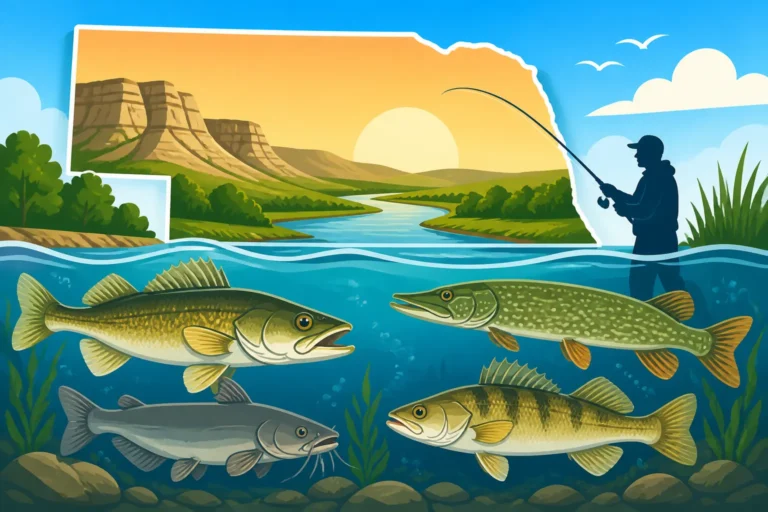
Oh, the elusive Northern Pike in Nebraska! You know, for many anglers, these toothy critters feel like a bit of a mystery here in the Cornhusker State. Folks often think of pike as being more at home in the colder, rockier lakes of Minnesota or Canada, but let me tell you, Nebraska has some incredible pike fisheries, if you know where to look and, more importantly, what kind of habitat they prefer. It's not always easy to find these ambush predators, and it can be frustrating to spend a day on the water without a sniff. This guide is all about peeling back the layers on where Northern Pike hang out in Nebraska, helping you understand their preferred environments so you can increase your chances of a successful encounter with one of our state's most exciting game fish.
Understanding Northern Pike in Nebraska
Northern Pike are a fantastic species, known for their aggressive strikes and powerful fights. But they're not everywhere in Nebraska, and their distribution is quite specific. Understanding their general characteristics and how deeply tied they are to their environment is the first step to becoming a more successful pike angler here. We're talking about a species that thrives in particular conditions, and Nebraska, with its diverse waterways, offers these conditions in certain pockets.
General Characteristics and Behavior
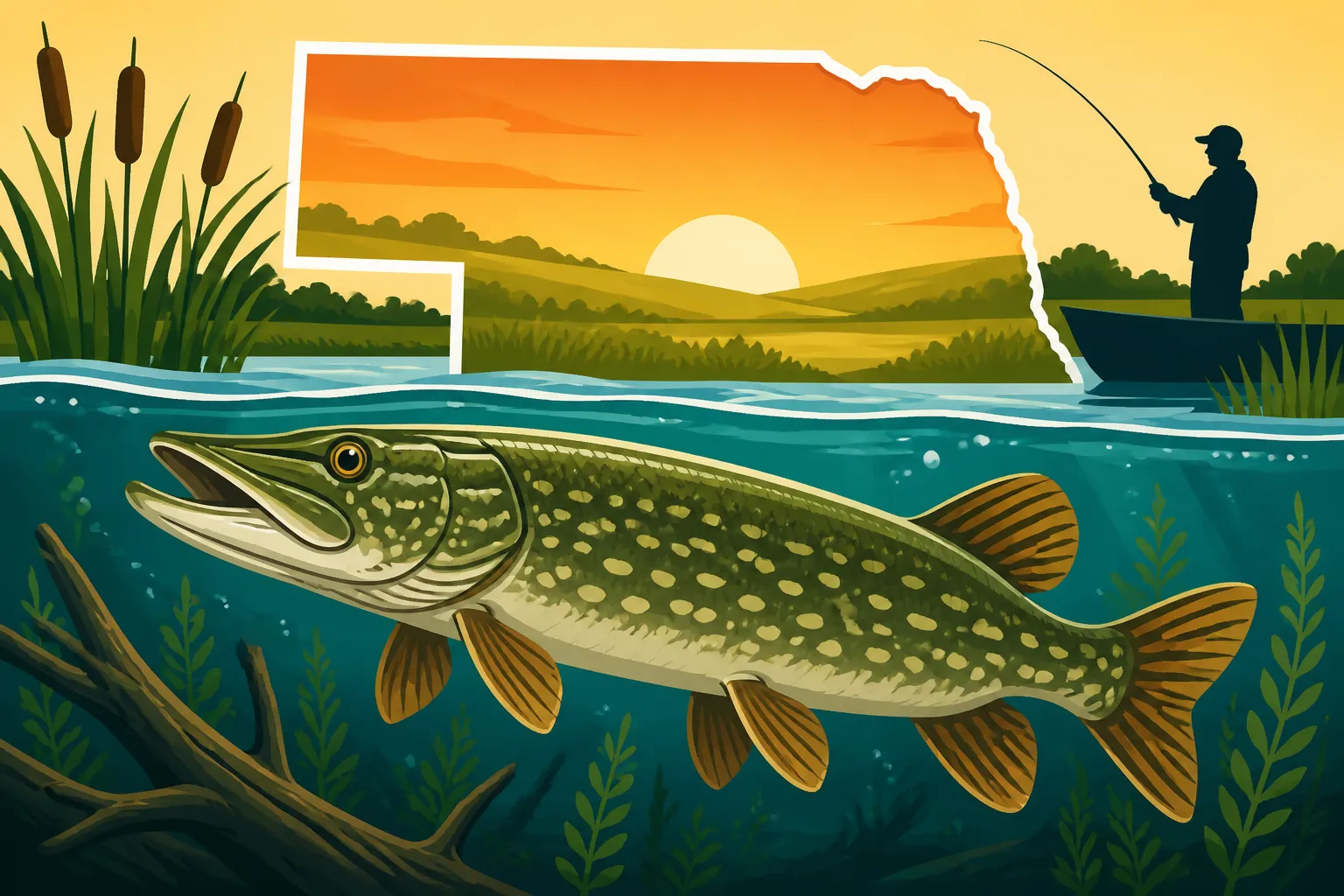
When you think of a Northern Pike, picture a long, torpedo-shaped fish with a duckbill-like snout full of razor-sharp teeth. They're built for speed and ambush, perfectly adapted to dart out from cover and snatch unsuspecting prey. Their coloration, a mottled green and yellow pattern, provides excellent camouflage amidst aquatic vegetation. In Nebraska, these fish can grow to impressive sizes, though they may not reach the gargantuan proportions found in some northern waters. However, a 10-pound pike here is a formidable catch, and some much larger ones certainly lurk in our bigger reservoirs.
Their behavior is largely dictated by their predatory nature. Pike are visual hunters, relying on their keen eyesight to spot prey. They are often solitary, especially the larger specimens, staking out prime ambush points. While they are cold-water fish, they can tolerate a fairly wide range of temperatures, but they truly thrive when they can find a balance between cool, oxygen-rich water and abundant food sources. They’re also known for their incredible bursts of speed, which makes them such a thrill to catch. If you want to learn more about targeting these exciting fish, check out Northern Pike Fishing in Nebraska.
The Importance of Habitat to Pike Survival
For Northern Pike, habitat isn't just a place to live; it's everything for their survival. It dictates where they feed, where they spawn, and where they can escape predation (especially when they're young). Without the right combination of water temperature, oxygen levels, cover, and forage, a pike population simply cannot thrive. In Nebraska, where many lakes and reservoirs are warmer and more turbid than traditional pike waters, finding these ideal habitats is critical. Shallow, vegetated bays are often critical nursery areas for juvenile pike, providing both food and protection from larger predators. As they grow, their habitat needs shift, but the fundamental requirements for cover and cool water remain paramount.
Think of it like this: if you were a stealthy predator, would you want to live in a wide-open field or a dense forest with plenty of nooks and crannies to hide in? Pike are definitely "forest dwellers" of the aquatic world, preferring structure and vegetation that allows them to remain hidden until the opportune moment.
Nebraska's Northern Pike Introduction and History
Northern Pike aren't exactly native to all Nebraska waters, though they have a history in some of our larger river systems, particularly the Missouri River drainage. However, many of the healthy pike populations we enjoy today in our reservoirs are largely the result of deliberate stocking efforts by the Nebraska Game and Parks Commission. These efforts started decades ago, identifying lakes and reservoirs that possessed suitable habitat and could sustain a pike population. The goal was to provide diverse angling opportunities and to introduce another top-tier predator to help manage other fish populations.
This history means that pike populations in Nebraska can sometimes be more localized or subject to management decisions. Reservoirs that once held strong pike populations might see declines if habitat changes, or new lakes might emerge as pike hotspots due to successful stocking. It's a dynamic situation, and understanding this background helps anglers appreciate the effort that goes into maintaining these fisheries and how dependent they are on specific environmental factors.
Key Habitat Features Northern Pike Seek
So, what exactly makes a piece of water a five-star hotel for Northern Pike in Nebraska? It comes down to a few critical factors that provide them with everything they need to thrive: comfortable water, places to hide and ambush, and a reliable food source. Get any of these wrong, and the pike won't stick around.
Water Temperature and Oxygen Levels
Pike are often referred to as "cool water" fish. While they can survive in warmer temperatures for periods, they truly prefer water that is cool and well-oxygenated. Ideal temperatures for pike activity generally range from the low 50s to the low 70s Fahrenheit. When water temperatures climb higher, pike can become stressed, lethargic, and seek out deeper, cooler refuge. This is why certain Nebraska lakes, particularly those with deeper sections or cooler inflowing water, are more consistent pike producers.
In shallower, warmer lakes, especially during the peak of summer, pike will often move to the thermocline – that distinct layer where water temperature rapidly changes with depth – or concentrate around areas with springs or inflows that offer cooler, more oxygenated water. Low oxygen levels, often a problem in warm, stagnant water, are deadly for pike. This pursuit of comfortable water is a major driver of their movements throughout the seasons.
Abundant Aquatic Vegetation (Weed Beds)
If you ask any seasoned pike angler about prime habitat, "weed beds" will almost certainly be at the top of their list. Northern Pike are masters of camouflage and ambush, and dense aquatic vegetation provides the perfect cover for both. Cattails, reeds, lily pads, coontail, pondweed, and milfoil are all excellent candidates. These weed beds serve multiple purposes:
- Ambush Points: Pike will lie in wait at the edges or within pockets of weed beds, perfectly hidden from their prey until they decide to strike.
- Shade and Cooler Water: Dense vegetation can offer shade, helping to keep the water beneath slightly cooler than exposed areas, especially on sunny days.
- Prey Habitat: Weed beds are teeming with baitfish – panfish, minnows, and smaller game fish – which are the primary food source for pike. This makes them a natural pantry.
- Spawning Grounds: In the spring, many pike will use flooded vegetation in shallow bays as their preferred spawning habitat.
Understanding the types of vegetation present and how healthy they are is crucial for locating pike. When searching for fishing gear or mapping tools that show aquatic vegetation, I often check out what's available on Amazon to get an idea of the best options for my needs. The edges of these weed lines, especially where they meet open water or a drop-off, are always high-percentage spots.
Structure: Submerged Timber, Rock Piles, and Drop-offs
While vegetation is king, other forms of structure are equally important, especially in lakes that might not have extensive weed growth or during times of the year when weeds are sparse.
- Submerged Timber and Brush Piles: Fallen trees, stumps, and intentional brush piles provide excellent cover for pike. Like weed beds, they offer ambush points and shade. These are particularly effective in reservoirs where natural rock formations might be limited.
- Rock Piles and Boulders: Rocky areas, especially those with larger boulders and crevices, offer shelter and ambush opportunities. They also tend to hold heat differently than mud bottoms, which can influence baitfish presence.
- Drop-offs and Ledges: Pike are transitional predators. They will often patrol the edges of drop-offs, moving between shallow feeding areas and deeper, cooler water. A steep breakline that transitions from a shallow flat to deep water is an ideal highway for pike and a prime spot for anglers to intercept them. Look for these transition zones where different habitat types meet – where a weed line ends and a drop-off begins, or where a rocky point plunges into deeper water.
Prey Fish Availability
A pike's diet is largely fish-based, so the presence of abundant prey is non-negotiable for a healthy pike habitat. They'll feed on almost anything they can swallow, including yellow perch, crappie, bluegill, small bass, and even smaller pike! In Nebraska, many of our reservoirs have robust populations of panfish and suckers, providing a consistent food supply.
Lakes or river sections with a strong forage base will inevitably hold more pike, and often larger ones, as they have plenty to eat to fuel their growth. Anglers often look for schools of baitfish on their sonar or observe feeding activity on the surface as an indicator of where pike might be lurking. A lake might have great weeds and perfect water temps, but without a buffet of baitfish, it won't be a consistent pike producer.
Prime Nebraska Lakes and Reservoirs for Northern Pike
Nebraska might not be Minnesota, but we certainly have our share of fantastic Northern Pike waters. These are generally larger reservoirs that offer the depth, cooler water, and varied structure that pike adore. Knowing where to start your search can save you a lot of time and lead to some incredible catches. For a more general overview, you can always check out Best Places to Fish in Nebraska.
Western Nebraska Hotspots: Box Butte and Merritt Reservoir
When people think of pike in Nebraska, often the conversation starts out west. These reservoirs truly shine for pike.
- Box Butte Reservoir: Located in the Nebraska Panhandle, Box Butte is a prime example of excellent pike habitat. It's a shallower, weedy lake that provides extensive cover. The extensive vegetation in its bays and along its shoreline offers countless ambush points. Pike here are known to be aggressive, often hitting a variety of lures. The relatively cooler water temperatures in the panhandle also benefit pike throughout the summer months. Anglers targeting Box Butte should focus on the weed lines, submerged timber, and any areas with deeper cuts or channels within the main lake body. It's a consistent producer of good numbers of pike, with the potential for true trophies.
- Merritt Reservoir: Down in the Sandhills, Merritt Reservoir is another gem. While perhaps more famous for its trophy muskellunge, Merritt also holds a healthy population of Northern Pike. The lake's clear, deep waters and diverse structure – including plenty of submerged timber, rocky points, and significant weed beds in certain areas – make it ideal for these predators. Pike in Merritt often relate to the same kinds of structure as muskies, so if you're targeting one, you might just hook into the other. The challenge at Merritt is its size, so understanding where the prime habitat exists (e.g., specific coves, submerged creek channels) is key. You might also find some helpful information by looking at Merritt Reservoir Muskellunge Fishing Tips, as the habitat overlap is significant.
Central Nebraska Lakes: Calamus and Sherman Reservoir
Moving into central Nebraska, there are other fantastic options that consistently produce pike catches.
- Calamus Reservoir: Nestled in the eastern Sandhills, Calamus is known for its clear water and excellent fishing for multiple species, including Northern Pike. While it doesn't always get the same press as Box Butte for pike, it offers a quality fishery. Anglers often find pike around the deeper weed lines, submerged points, and in the clearer sections of the reservoir. The lake's various bays and coves offer protection and good forage opportunities. Its generally cooler temperatures, thanks to its Sandhills location, also make it suitable for pike throughout the year. The diverse habitat, from sandy flats to rocky structures and areas of aquatic vegetation, ensures pike have plenty of places to hide and hunt.
- Sherman Reservoir: Near Loup City, Sherman Reservoir is another central Nebraska hotspot. This lake is known for its fluctuating water levels, which can impact habitat, but it consistently produces good numbers of pike. Anglers often target pike along the reservoir's varied shoreline, focusing on areas with submerged brush, rocky riprap, and any developing weed growth. The deeper main lake basin and the old river channel provide cool-water refuges during the warmer months, while shallow flats and coves become active feeding grounds during spring and fall. The ability of pike to adapt to these changing conditions is a testament to their resilience and the robust forage base within Sherman.
The Role of Stocking in Sustaining Pike Populations
It's important to remember that many of Nebraska's prime pike fisheries are sustained, at least in part, by consistent stocking programs from the Nebraska Game and Parks Commission. While some natural reproduction occurs, particularly in suitable river backwaters, stocking helps to maintain healthy population levels and introduce new genetics into the system.
These stocking efforts are not random; they are carefully planned based on habitat assessments and angler demand. The success of these programs highlights the importance of suitable habitat. Without the right conditions – water quality, forage, and cover – stocked fish simply wouldn't thrive. So, when you're out there chasing pike, give a nod to the folks who work tirelessly to ensure these thrilling fish remain a part of our state's angling landscape. Understanding the distribution of stocked fish can often point you towards the most reliable pike waters.
River and Stream Habitats for Northern Pike in Nebraska
While reservoirs often get the most attention for pike fishing, it's a mistake to overlook Nebraska's river systems. Pike are surprisingly adaptable and can thrive in certain riverine environments, especially those with slower currents and plenty of cover.
Larger River Systems: Platte and Missouri River Backwaters
The mighty Missouri River, forming Nebraska's eastern border, is a classic example of a large river system that holds Northern Pike. It's not necessarily the main channel with its swift currents, but rather the numerous backwaters, oxbow lakes, sloughs, and protected bays that are key. These areas offer:
- Reduced Current: Pike prefer slower-moving or stagnant water where they can conserve energy and set up ambushes. The calm waters of backwaters are perfect for this.
- Abundant Cover: These backwater areas often accumulate fallen trees, logjams, and dense stands of aquatic vegetation, providing the ideal hiding spots.
- Rich Forage: Backwaters are nurseries for many baitfish species, providing a constant food supply for growing pike.
Similarly, sections of the Platte River, especially its slower-moving stretches and associated sloughs or oxbows, can hold pike. The key is to find those areas that are somewhat disconnected from the main flow, offering calm water and plenty of cover. Exploring these areas can be an adventure, and they often hold some surprisingly large fish. Always check Missouri River Border Water Fishing License Rules if you plan to fish the border waters between Nebraska and neighboring states, as regulations can vary.
Smaller Tributaries and Oxbow Lakes
Beyond the main stem of the larger rivers, many smaller tributaries and their associated oxbow lakes can also be pike habitat. Oxbow lakes, formed when a river channel changes course and leaves behind a crescent-shaped body of water, are often prime locations. They typically have:
- Stable Water Levels (often): Compared to the main river, oxbows can have more stable water levels, leading to healthier aquatic vegetation.
- Sediment and Nutrient Rich: The historical connection to the river means these areas are often fertile, supporting robust ecosystems.
- Diverse Cover: Submerged trees, brush, and thick weed beds are common in these secluded water bodies.
These smaller, often overlooked waters can be incredible gems for pike fishing, particularly in the spring when pike move into shallower, warmer water for spawning. They might require a bit more effort to access, but the reward of finding an unpressured pike fishery is well worth it. You might need to carry your gear in, so consider a good fishing backpack or tackle bag for efficiency, and again, Amazon is a great place to browse for highly-rated options.
Current, Cover, and Food Sources in Riverine Environments
In river systems, the interplay of current, cover, and food is even more critical than in still waters. Pike in rivers will almost always be found relating to current breaks – spots where the flow of water is interrupted, creating an eddy or slack water.
- Current Breaks: This could be behind a large rock, a fallen tree, a sandbar, or in an eddy created by a bend in the river. Pike position themselves here, expending minimal energy while waiting for prey to be swept past them in the current.
- Vertical Cover: Unlike lakes where horizontal weed lines are dominant, river pike often utilize vertical cover like bridge pilings, logjams, or steep banks where they can hide out of the current.
- Mobile Food Source: River currents constantly bring food to the pike. They'll key in on schools of baitfish that are also seeking refuge from the main current or feeding in shallower, calmer areas.
Understanding these dynamics is key to river pike success. Don't just cast into the fastest water; look for the seams, eddies, and slack-water pockets adjacent to the main flow.
Seasonal Shifts in Northern Pike Habitat and Behavior
Just like us, Northern Pike don't stay in one place all year. Their habitat preferences change dramatically with the seasons, driven by water temperature, spawning urges, and the availability of food. Mastering these seasonal movements is perhaps the most important skill for consistent pike fishing in Nebraska.
Spring: Spawning and Shallow Water Movement
Ah, spring! This is a fantastic time to target Northern Pike in Nebraska. As soon as the ice melts and water temperatures begin to creep into the upper 30s and low 40s (Fahrenheit), pike begin to think about spawning. They'll move out of their deeper wintering holes and into shallow, vegetated bays, flooded marshy areas, or quiet backwaters.
- Spawning Grounds: They often seek out areas with flooded grasses or other aquatic vegetation, where females can broadcast their eggs and males can fertilize them. These areas typically have soft, muddy bottoms and are well-protected from strong winds and currents.
- Post-Spawn Aggression: After the spawn, which usually occurs when water temperatures reach the mid-40s to low 50s, pike can be incredibly hungry. They've expended a lot of energy and will aggressively feed to recover. They'll still be found in or very near those shallow spawning areas, often cruising the edges of newly emerging weed beds or around submerged timber. This is a prime time for casting spoons, spinnerbaits, or large jerkbaits in shallow water.
Summer: Deeper, Cooler Water and Weed Line Activity
As Nebraska summer temperatures soar and surface waters warm, Northern Pike will adapt by seeking refuge in cooler, deeper water. This doesn't mean they disappear, but their preferred habitat shifts.
- Thermocline and Deep Structure: In deeper reservoirs, pike will often relate to the thermocline, that comfort zone where temperatures are stable and oxygen levels are still good. This might mean patrolling deep points, humps, or the edges of old creek channels.
- Main Lake Weed Lines: While they leave the super-shallow spawning bays, pike will still relate heavily to the deepest, healthiest weed lines available in the main lake body. These weeds offer both cover and a steady supply of cooler water that the deep root systems can access. They might sit in the dense part of the weeds during the hottest part of the day, then move to the outer edges to feed during low-light periods.
- Open Water Suspending: Sometimes, especially in lakes with abundant open-water forage like shad or alewives, larger pike will suspend in open water, following schools of baitfish. This can be challenging to target but can yield huge fish for anglers willing to troll large baits.
During summer, early mornings and late evenings are often the most productive times to fish, as pike move shallower to feed under cooler, darker conditions.
Fall and Winter: Return to Shallows and Ice Fishing Opportunities
Fall is another fantastic season for pike fishing in Nebraska, mirroring some aspects of spring. As water temperatures cool down, pike become incredibly active again.
- Fall Turnover and Feeding Frenzy: The fall turnover, where the lake's water layers mix due to cooling temperatures, revitalizes oxygen levels throughout the water column. Pike will aggressively feed to pack on weight before winter. They often return to shallower bays and main-lake weed beds that were too warm in summer, becoming more accessible to anglers. Large crankbaits, swimbaits, and spoons can be very effective.
- Ice Fishing: When winter truly sets in and the ice thickens, Northern Pike become a prime target for ice anglers. They are one of the most exciting fish to catch through the ice. Their winter habitat often revolves around weed beds, transition zones, and points that drop off into deeper water. Pike will still use those deep weed lines, but they'll also cruise shallower flats and edges, especially during stable weather periods under the ice. Tip-ups are a popular method, allowing anglers to cover more ground with live bait, while jigging with larger spoons or jigging raps can also be very productive. For safety and gear tips, check out Nebraska Ice Fishing Safety Tips and Nebraska Ice Fishing Gear Guide.
| Season | Primary Habitat | Key Features | Fishing Strategy |
|---|---|---|---|
| Spring | Shallow, vegetated bays, flooded marshy areas, river backwaters | Spawning grounds, recovering from spawn, cool water | Cast shallow lures (spoons, spinnerbaits), focus on vegetation edges |
| Summer | Deepest healthy weed lines, thermocline, submerged structure, open water | Cooler water refuge, oxygenated areas, ambush points | Early/late fishing, troll deep, target weed edges, deep structure |
| Fall | Main lake weed lines, points, shallow flats, river backwaters | Pre-winter feeding, active movement, recovering water temps | Aggressive casting (crankbaits, swimbaits), focus on rejuvenated weeds |
| Winter | Deep weed lines, transition zones, points, shallow flats under ice | Less active, but still opportunistic feeding | Ice fishing with tip-ups (live bait), jigging spoons/raps |
Conservation and Management of Northern Pike Habitat
As anglers, we all have a role to play in ensuring the health of our fisheries for future generations. For a species like the Northern Pike, which relies so heavily on specific habitat, conservation efforts are paramount. It's not just about what the state does, but also about our individual actions.
Protecting Aquatic Vegetation and Water Quality
Healthy aquatic vegetation isn't just a convenience for pike; it's a necessity. It provides shelter, spawning grounds, and a nursery for their prey. Unfortunately, human activities can often degrade this vital habitat.
- Shoreline Development: Excessive shoreline development, dredging, and removal of natural vegetation can eliminate critical shallow-water habitat.
- Boating and Angling Practices: Careless boat operation in shallow, weedy areas can tear up vegetation. Similarly, discarding fishing line, lures, or other trash can foul habitats and harm wildlife. Using proper retrieval techniques to minimize snagging weeds is also important.
- Water Quality: Runoff from agricultural fields, urban areas, and septic systems can introduce pollutants and excess nutrients, leading to algal blooms and reduced oxygen levels, which are detrimental to pike. Supporting local conservation groups and advocating for responsible land use practices are ways to contribute to better water quality.
Responsible Angling and Catch-and-Release Practices
Anglers have a direct impact on pike populations. Practicing responsible angling, especially when it comes to catch-and-release, is crucial for maintaining healthy fisheries.
- Careful Handling: Pike have sharp teeth, but with proper tools (long-nosed pliers, jaw spreaders if needed), they can be handled safely. Always support the fish horizontally, especially larger ones, to avoid damaging internal organs or the spine. Avoid handling them by the eye sockets or gills if you plan to release them.
- Quick Release: Minimize the time the fish is out of the water. Have your camera ready, take a quick photo, and get the fish back into the water as soon as possible.
- Revival: If a pike seems sluggish after a fight, hold it gently in the water, facing into any current, until it regains strength and can swim away on its own.
- Respecting Regulations: Always adhere to Nebraska's fishing regulations, including length limits, bag limits, and any special regulations for specific waters. These rules are in place to ensure the sustainability of the fishery. Familiarize yourself with Nebraska Fishing Regulations Explained to be sure.
The Future of Northern Pike in Nebraska
The future of Northern Pike fishing in Nebraska largely depends on continued habitat protection and thoughtful management. As climate patterns shift, water temperatures might rise, potentially challenging pike populations in some of our shallower, warmer lakes. This makes the deeper, cooler reservoirs and well-managed river backwaters even more critical.
Ongoing efforts by the Nebraska Game and Parks Commission to monitor populations, conduct habitat restoration projects, and strategically stock fish are vital. As anglers, our responsibility extends beyond just catching fish; it involves becoming stewards of the aquatic environments that support them. By understanding, respecting, and protecting Northern Pike habitat, we can help ensure that the thrill of hooking one of Nebraska's apex predators remains a cherished experience for generations to come. Let's keep those lines wet and those pike fighting!
Disclaimer
This article is for general informational purposes only and does not constitute professional advice. Laws, prices and regulations vary by location and change over time. Consult a qualified professional for guidance on your specific situation.