What Fish Live in the Missouri River in Nebraska
The Missouri River, a true titan of North American waterways, can feel like an intimidating expanse to any angler, whether you're a seasoned pro or just dipping your toes into its muddy waters. Its vastness, powerful currents, and ever-changing character can leave you scratching your head, wondering what secrets lie beneath the surface. But fear not, fellow angler! This comprehensive guide is designed to demystify the aquatic world of the Nebraska stretch of the Missouri River, revealing the diverse array of fish species that call it home and giving you the knowledge to confidently target your next big catch.
The Kings of the Current: Popular Game Fish of the Missouri River
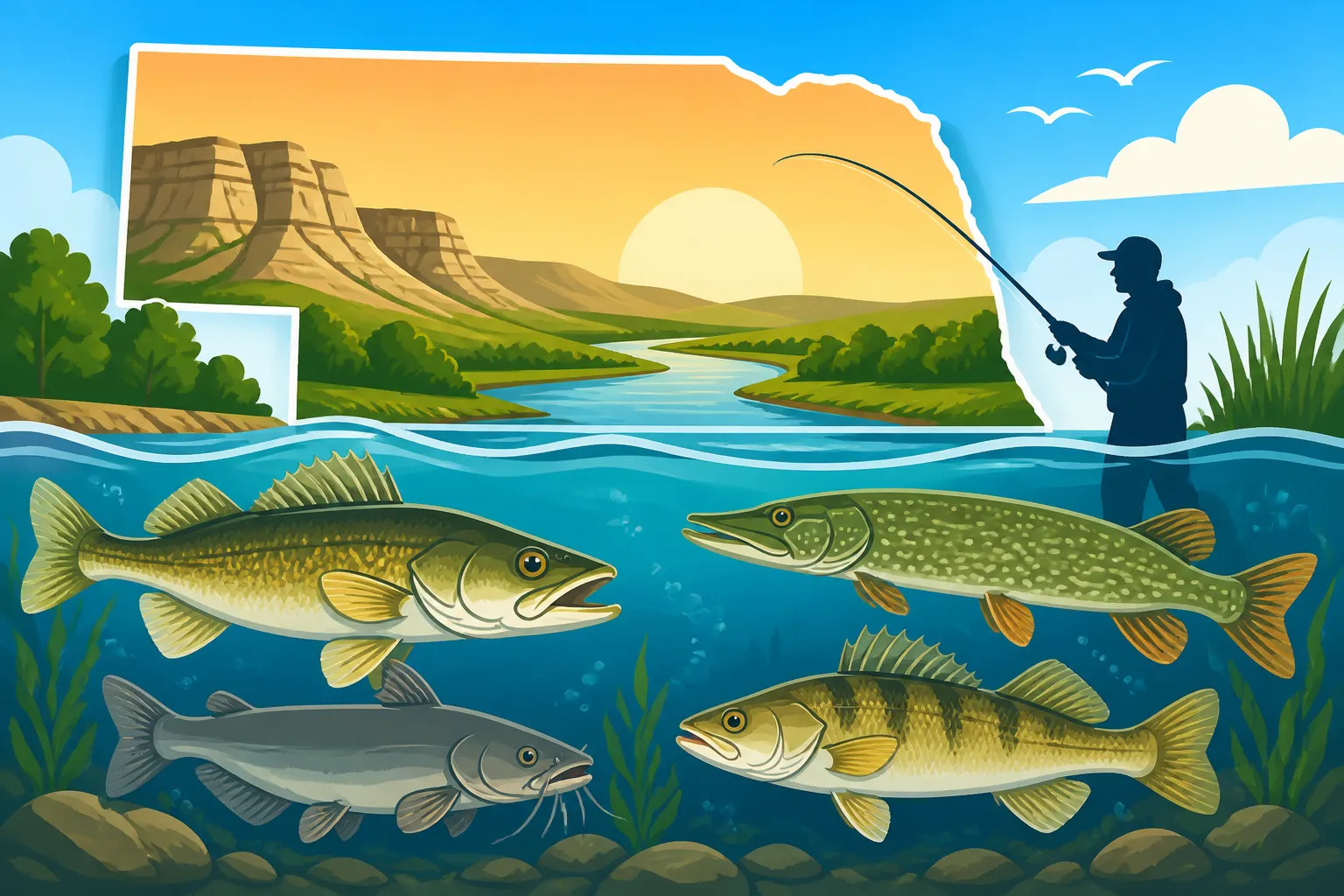
When you think about fishing the Missouri River in Nebraska, certain species immediately spring to mind. These are the heavy hitters, the ones that draw anglers from all over for their fighting spirit, delicious table fare, or sheer challenge. Understanding where and how these popular game fish thrive in the river's dynamic environment is the first step to a successful outing.
Channel Catfish and Flathead Catfish
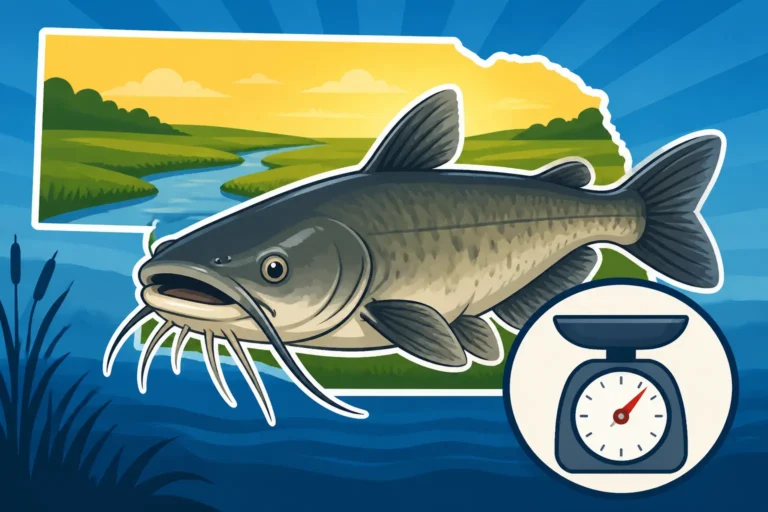
The Missouri River is a true paradise for catfish enthusiasts, boasting healthy populations of both channel catfish and flathead catfish. These whiskered warriors are arguably the most iconic species in the river, perfectly adapted to its deep channels, strong currents, and abundant food sources. Channel catfish are incredibly prevalent, found almost anywhere in the river system, from the main channel to calmer backwaters and tributary mouths. They're opportunistic feeders, thriving on a diverse diet that includes insects, smaller fish, and a variety of decaying organic matter. You'll often find them lurking in deeper holes, around fallen trees, log jams, and especially along riprap banks where current breaks and food collects. Missouri River Nebraska Catfish Fishing Access is plentiful, but knowing where the cats hide is key.
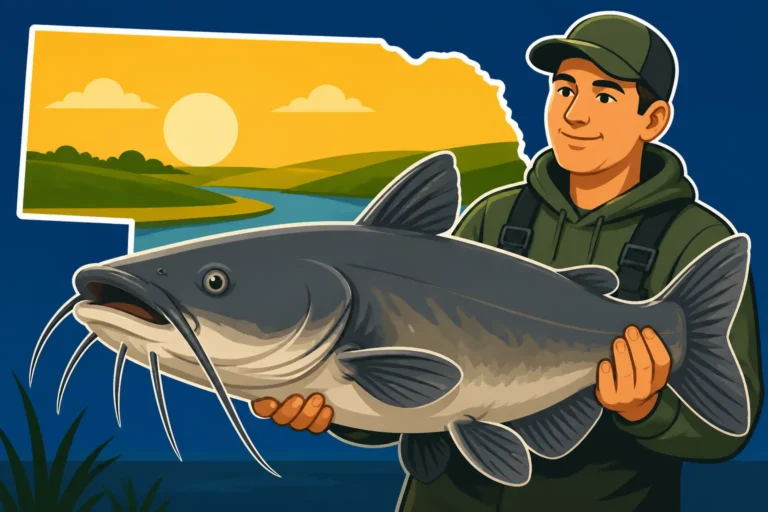
Flathead catfish, on the other hand, are the true titans of the river, known for their immense size and preference for live bait. Unlike channels, flatheads are ambush predators that prefer live fish, like bluegill or carp, and often stake out prime real estate in deep, slow-moving holes with plenty of cover, such as large log piles or underwater rock formations. They are solitary and territorial, making them a challenging but incredibly rewarding catch. Anglers targeting flatheads often use heavy gear and fish after dark, allowing their live bait to sit patiently near known flathead haunts. For both species, strong current can mean finding them in eddies or behind structures that break the flow, where they can conserve energy and wait for a meal to drift by. Mastering How to Catch Catfish in Nebraska on the Missouri often means adapting your approach to these specific behaviors.
Walleye and Sauger
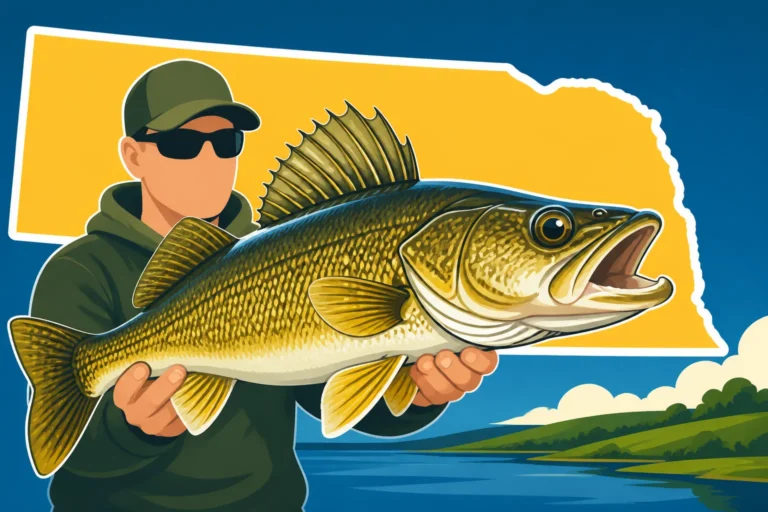
While the Missouri River isn't typically thought of as a primary walleye destination like some of Nebraska's large reservoirs, it certainly holds its own, particularly in certain stretches and at specific times of the year. Walleye are present, especially in areas with rockier bottoms, calmer backwaters, and notably in the tailwaters below dams where they congregate to feed. They prefer cooler, clearer water than catfish, often moving to deeper areas during the heat of summer. Sauger, a close cousin to the walleye, are even more at home in the Missouri River's turbid, flowing water. They generally prefer stronger currents and deeper holes than walleye and are known for their distinct darker markings and more slender body. Learning How to Tell a Sauger From a Walleye is crucial for identifying your catch and adhering to specific regulations.
Both species are aggressive predators that feed on smaller baitfish. Anglers targeting walleye and sauger often use jigs tipped with minnows or plastics, crankbaits, or bottom bouncers with crawler harnesses. Seasonal migrations are significant for these fish; spring and fall often see them more active and concentrated. Fishing below dams can be exceptionally productive, especially during spawning runs. Remember, if you're fishing border waters of the Missouri, Missouri River Border Water Fishing License Rules can be a bit different, so always double-check your permits.
White Bass and Striped Bass Hybrids (Wipers)
The Missouri River comes alive with schooling predators, and white bass are a fantastic example. These aggressive, hard-fighting fish are abundant and provide incredible action, especially during their spring runs up tributaries or along the main river channel. They are often found in large schools, chasing baitfish on the surface, making for exciting sight-fishing opportunities. White bass love areas where current is concentrated, such as wing dams, sandbars, and rocky points, using these spots to ambush schools of shad.
Wipers, also known as hybrid striped bass, are a cross between white bass and striped bass. They are stocked in some of Nebraska's larger reservoirs but can occasionally be found in the Missouri River, especially near the confluence with major tributaries or in lake-like stretches. Wipers are renowned for their powerful fights and larger size compared to pure white bass. Both white bass and wipers are typically targeted with fast-moving lures like crankbaits, spinnerbaits, or topwater plugs when they are actively feeding. Watching for bird activity or surface boils can often pinpoint schools of these voracious eaters. Knowing when and where to look for the Nebraska White Bass Spring Run can lead to some of the most exhilarating fishing experiences on the river.
Other Notable Inhabitants: Panfish, Rough Fish, and More
While the big game fish often steal the spotlight, the Missouri River's ecosystem is rich with a wider variety of species, many of which provide excellent angling opportunities, especially for those seeking a more relaxed pace or looking to introduce newcomers to fishing.
Crappie and Bluegill
You might not immediately associate crappie and bluegill with the powerful main channel of the Missouri River, but these popular panfish thrive in the river's quieter, calmer backwaters, oxbow lakes, and sloughs that are connected to the main flow. These areas offer the slower current, abundant aquatic vegetation, and submerged timber that crappie and bluegill prefer. Here, they can find shelter, spawn, and ambush small insects, crustaceans, and minnows.
Crappie, both black and white varieties, will congregate around submerged brush piles, downed trees, and bridge pilings in these calmer pockets. They are particularly active in spring and fall, offering fantastic fishing for those who seek them out. Bluegill, a favorite for family fishing outings, are even more common in these slack water areas, often found closer to shore among lily pads and weeds. Both species readily bite on small jigs, minnows, worms, or even tiny spinnerbaits. If you're planning a trip with kids or just want to enjoy consistent action, targeting these species in the Missouri's quieter haunts can be incredibly rewarding. Make sure you have some good bait on hand; Best Bait for Bluegill and Sunfish is usually a simple nightcrawler or waxworm, but small jigs can also be deadly.
Carp and Gar
Often overlooked by sport anglers, carp and gar are abundant in the Missouri River and play important roles in its ecosystem. Common carp are extremely hardy and adaptable, found throughout the entire river system. They are bottom feeders, constantly rooting around in the sediment for insects, larvae, and plant matter. While not typically targeted for their eating quality in the same way as walleye or catfish, carp offer a surprisingly powerful fight, making them a favorite among those who enjoy a strong tug on their line. They can be caught on corn, dough balls, or various prepared baits.
Gar, including longnose and shortnose species, are ancient predators with distinctive long, toothy snouts. They are often seen basking near the surface in calm, shallow areas or cruising slowly in search of prey. Gar are primarily piscivores, meaning they eat other fish. While challenging to hook due to their bony mouths, they are a blast to fight on a rod and reel, and are also a popular target for bowfishing. How to Bowfish for Carp in Nebraska often includes gar as a secondary target, providing an exciting, active hunting experience. If you're unsure about what you've caught, understanding How to Identify a Longnose Gar will help distinguish it from other species.
Drum and Bullhead
Two other common but sometimes underrated fish in the Missouri River are freshwater drum and bullhead. Freshwater drum, also known as sheepshead, are bottom-dwelling fish that are often caught incidentally by anglers targeting catfish or walleye. They are known for their powerful fight and are surprisingly good to eat, often described as having a mild, white flesh. Drum feed on mollusks, insects, and small fish, and are often found in deeper holes or along channel edges, readily biting on worms or cut bait.
Bullheads, another type of catfish, are even hardier than channel catfish and can tolerate poorer water conditions. They are smaller than their channel and flathead cousins but are incredibly numerous, especially in shallower, muddier backwaters and sloughs. Bullheads are opportunistic feeders, taking almost any natural bait offered, and are a staple for many anglers looking for consistent action and decent table fare, particularly when fried whole. They are excellent for introducing beginners to fishing due to their willingness to bite.
Factors Influencing Fish Distribution in the Missouri River
The Missouri River is a dynamic environment, constantly shaped by natural forces and human intervention. Understanding these factors is crucial for predicting where different fish species will hold and for adapting your fishing strategies accordingly.
River Structure and Habitat
The varied underwater landscape of the Missouri River is what makes it such a rich fishery. It's not just one big, uniform channel; rather, it's a mosaic of different habitats that cater to diverse fish species. Wing dams, for instance, are man-made structures designed to constrict the river's flow, deepening the main channel. However, they also create incredible fishing opportunities by producing current seams, eddies, and scour holes where fish congregate. Walleye, sauger, and various catfish species will often hold on the upstream or downstream side of these structures, out of the main current, waiting for food to be swept past. Learning How to Fish a Missouri River Wing Dam is a skill that can unlock incredible potential.
Beyond wing dams, natural structures like riprap (rocky banks), fallen trees, and log jams provide essential cover and ambush points for flathead catfish, channel catfish, and even bass. Deep channels and scour holes offer refuge during extreme temperatures or high flows. Furthermore, the numerous backwater areas, oxbows, and sloughs connected to the main river offer vital spawning grounds and calmer habitats for species like crappie, bluegill, and smaller baitfish. The presence of these varied structures dictates where different species can find food, shelter, and suitable conditions for reproduction.
Water Flow and Clarity
The Missouri River's water flow and clarity are perhaps the most significant factors influencing fish behavior and distribution. The river experiences natural fluctuations due to rainfall and snowmelt, as well as controlled releases from upstream dams. High water levels can push fish into shallower, slower-current areas, flood new foraging grounds, or make the main channel difficult to navigate and fish. Conversely, low water levels can concentrate fish in deeper holes or reveal new structures.
The river's clarity, often described as turbidity, also varies greatly. After heavy rains, the water can become very muddy, reducing visibility for sight-feeding fish like walleye and forcing them to rely more on scent and vibration. Catfish, with their superior sense of smell, often thrive in these conditions. In clearer water, anglers might need to use more subtle presentations or longer leaders. Adaptability is key; what works one week might not work the next, depending on the river's mood.
Seasonal Changes and Migrations
Just like on any large body of water, seasonal changes drive major shifts in fish behavior on the Missouri River. Water temperature is the primary trigger for spawning migrations, feeding frenzies, and movements to deeper or shallower water. Spring is a time of awakening, with species like walleye, sauger, and white bass making spawning runs. This is when Nebraska Walleye Spawning Season brings them into more predictable patterns, often congregating in specific areas.
Summer sees fish spreading out and generally holding in deeper, cooler water or seeking out shade and current breaks. Night fishing becomes particularly effective for catfish as they move into shallower areas to feed under the cover of darkness. Fall triggers a feeding binge for many species as they fatten up for winter, often becoming more aggressive and easier to catch. Even in winter, when the river might partially freeze, ice fishing can be productive in calmer backwaters for species like crappie and perch, while open water sections can still hold active walleye and catfish in deeper holes.
Practical Tips for Targeting Missouri River Fish
Fishing the Missouri River is an adventure, and a little preparation and knowledge can go a long way in making it a successful one. From choosing the right gear to understanding safety, these practical tips will help you navigate this incredible waterway.
Essential Gear and Tackle Considerations
Given the size and strength of the Missouri River, your gear needs to be up to the task. You'll generally want to lean towards heavier rods, reels, and lines than you might use on smaller lakes. For catfish, medium-heavy to heavy action rods with robust baitcasting or spinning reels capable of holding substantial braided line are ideal. The current can be deceptively strong, so heavier sinkers are often necessary to keep your bait in place. For heavy-duty lines and robust hooks, many anglers find a good selection on Amazon. Best Rod Setup for Nebraska Catfish often involves a sturdy rod with enough backbone to haul in a big flathead, paired with a reliable reel.
For walleye and sauger, a medium-light to medium-heavy spinning rod or baitcaster with sensitive tip is crucial for detecting subtle bites, especially when jigging in current. Using braided line with a fluorocarbon leader is a popular choice for sensitivity and abrasion resistance. Best Fishing Line for Nebraska Walleye often comes down to personal preference for braid, mono, or fluoro, but braided line excels in its strength-to-diameter ratio and lack of stretch, which is great for sensing bites in current. Ensure your tackle box includes a variety of jigs (1/4 to 1 ounce), crankbaits that dive to different depths, and bottom bouncers, along with an assortment of hooks and sinkers.
Safety on the Big River
Safety should always be your top priority when venturing out onto the Missouri River. Its immense size, powerful current, shifting sandbars, and unpredictable weather can create hazardous conditions quickly. Always wear a life jacket, especially if you're in a boat or wading. Ensure your boat is properly maintained and equipped with all necessary safety gear, including navigation lights, a horn, a first-aid kit, and enough life jackets for everyone on board. Finding the right depth finders or GPS units that can handle river conditions is key, and reliable models are often available through retailers like Amazon.
Check the weather forecast meticulously before heading out, and be prepared for sudden changes. High winds can quickly make the river extremely choppy and dangerous for small boats. Be aware of commercial barge traffic; they have the right of way and create massive wakes that can swamp smaller vessels. If wading, always use a wading staff and know the river bottom; currents can be strong and footing can be treacherous. Stocking up on essential safety gear, such as life jackets and first-aid kits, can be conveniently done via Amazon before your trip.
Respecting Regulations and the Environment
Before casting a single line, ensure you have the appropriate Nebraska Fishing License Guide and are familiar with the specific regulations for the Missouri River. This includes daily bag limits, length limits, and any special restrictions that apply to particular species or river stretches. Remember, if you're fishing border waters with states like Iowa or South Dakota, there might be specific agreements or separate license requirements, so always check Missouri River Border Water Fishing License Rules.
Practice responsible angling by handling fish carefully, especially if you intend to release them, and always adhere to catch-and-release best practices for protected or trophy species. Leave no trace; pack out everything you pack in, and avoid littering. The Missouri River is a valuable natural resource, and it's up to all of us to protect it for future generations. If you're looking to upgrade your rain gear or find specific polarized sunglasses for cutting glare on the water, checking out what's available on Amazon could be a smart move, helping you stay comfortable and spot fish more effectively. A comprehensive river fishing guide book or map, often found on Amazon, can provide invaluable insights into specific river stretches.
Missouri River Fish Species at a Glance
Here’s a quick overview of some of the most common and sought-after fish species you'll encounter in the Nebraska stretch of the Missouri River:
| Species | Primary Habitat | Common Baits/Lures | Notes |
|---|---|---|---|
| Channel Catfish | Deep holes, log jams, riprap, current breaks | Cut bait, stink bait, worms, prepared baits | Abundant, excellent fighters, great table fare |
| Flathead Catfish | Deep holes, heavy cover (logs), slow current | Live bluegill, suckers, shad | Solitary, trophy potential, powerful fighters |
| Walleye | Tailwaters, rocky bottoms, calmer stretches | Jigs (minnows/plastics), crankbaits | Prefer clearer water, seasonal movements |
| Sauger | Stronger currents, deeper holes, turbid water | Jigs, crankbaits, bottom bouncers | More river-adapted than walleye, distinct markings |
| White Bass | Schools in open water, current breaks, tributaries | Small crankbaits, spinners, jigs, topwater | Aggressive, schooling, exciting surface action |
| Wiper (Hybrid Striped Bass) | Open water, current breaks, larger pools | Fast-moving crankbaits, large jigs | Powerful fighters, occasional catches |
| Crappie | Backwaters, oxbows, sloughs, brush piles | Small jigs, minnows, worms | Excellent panfish, provide consistent action |
| Bluegill | Backwaters, sloughs, vegetation, shallow areas | Worms, crickets, small jigs, tiny spinners | Family-friendly, abundant panfish |
| Common Carp | Throughout the river, bottom feeders | Corn, dough balls, prepared baits | Strong fighters, tolerant of varied conditions |
| Gar (Longnose/Shortnose) | Shallow, calm water, basking near surface | Live bait, cut bait (difficult to hook), bowfishing | Ancient predators, challenging to catch on hook |
| Freshwater Drum | Deep holes, channel edges | Worms, cut bait | Strong fighters, surprisingly good eating |
| Bullhead Catfish | Shallow, muddy backwaters, sloughs | Worms, cut bait, any natural bait | Hardy, numerous, great for beginners |
The Missouri River is a truly special place for anglers in Nebraska. With its rich diversity of fish species and dynamic environment, every trip offers a new opportunity and a new challenge. By understanding the common inhabitants, their preferred habitats, and the factors that influence their movements, you'll be well on your way to a memorable fishing experience on this magnificent river. Tight lines, and happy fishing!
Disclaimer
This article is for general informational purposes only and does not constitute professional advice. Laws, prices and regulations vary by location and change over time. Consult a qualified professional for guidance on your specific situation.