The Nebraska Wiper Hybrid Fish Explained
It's easy to get a little lost in the lingo when you're talking about fish in Nebraska. You might hear terms like "striped bass," "white bass," and then, thrown into the mix, "wipers." For many anglers, it can be confusing to know exactly what a wiper is, how it differs from its cousins, and why they've become such a beloved sport fish in our state. This guide is here to clear up that confusion, explaining everything you need to know about the Nebraska wiper hybrid fish.
Understanding the Wiper: A Hybrid Success Story
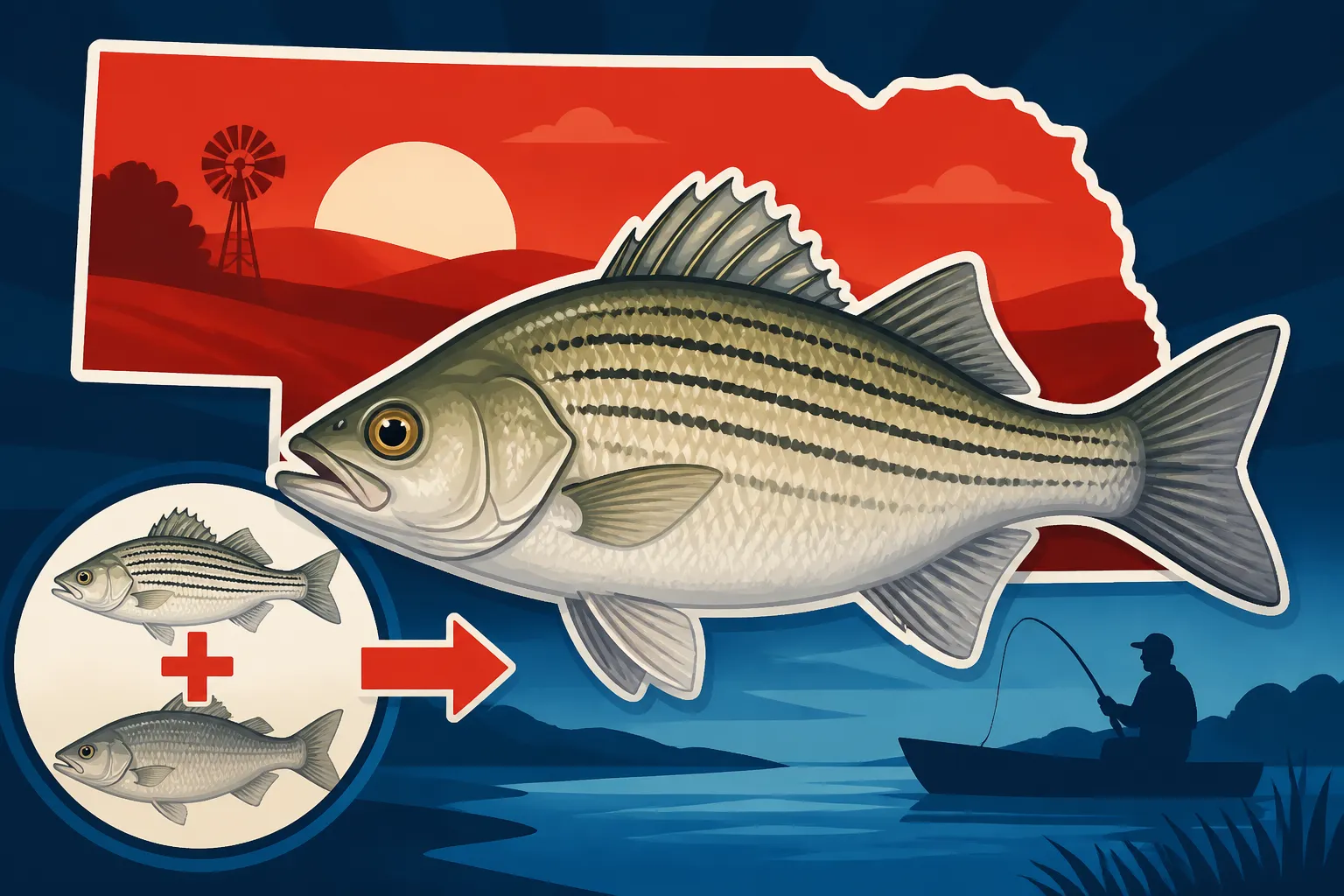
Let's dive right into what makes a wiper, well, a wiper! This isn't a naturally occurring species; it's a fascinating hybrid created by combining two different fish. Specifically, a wiper is a cross between a female striped bass and a male white bass. It’s a deliberate stocking effort by fisheries managers to introduce a hard-fighting, fast-growing game fish that thrives in certain Nebraska reservoirs. The result is a fish that often combines the best traits of both parents, offering anglers an exciting challenge.
The White Bass and Striped Bass Connection
To truly understand the wiper, you need to know its lineage. On one side, you have the white bass, a smaller, schooling fish common in many of our waters. White bass are known for their aggressive feeding habits and their tendency to school tightly, making them a blast to catch in numbers. They're typically silver with faint, broken lateral stripes.
Then there's the striped bass, a much larger, ocean-dwelling fish that can adapt to large freshwater impoundments. Stripers are powerful, long-lived, and famous for their strong runs and impressive size. They have distinct, unbroken dark stripes running down their silvery bodies. Because pure striped bass don't typically reproduce successfully in Nebraska's landlocked reservoirs, stocking programs often turn to their hybrid offspring. Is a Wiper a Cross Between White Bass and Striped Bass? is a question often asked, and the answer is a resounding yes!
Why Nebraska Stocks Wipers
So, why go through the effort of creating and stocking a hybrid fish? It boils down to a few key advantages for both the fishery and the angler. Pure striped bass, while incredible fighters, often struggle to reproduce naturally in the conditions found in many Nebraska reservoirs. Wipers, however, grow quickly, reach respectable sizes, and are incredibly hardy. They fill a niche in the ecosystem, preying on abundant forage fish and providing a fantastic angling opportunity. They offer the power of a striped bass in a package that's more sustainable for our inland waters, providing a dynamic sport fish that thrives where pure stripers might not. Why Wipers Are Stocked Instead of Pure Striped Bass further explains these management decisions.
Prime Nebraska Waters for Wipers
When it comes to finding wipers, you won't typically stumble upon them in every pond or creek. They thrive in large, open water reservoirs where they can chase baitfish in vast schools. Nebraska has several prime locations where wipers have been successfully stocked and provide excellent fishing opportunities.
Key Reservoirs and Their Wiper Populations
If you're looking to target wipers, you need to know where they call home. Some of the most renowned wiper fisheries in Nebraska include Lake McConaughy, Branched Oak Lake, and Sherman Reservoir. These large impoundments offer the expansive, deep-water habitat and abundant forage fish (like gizzard shad) that wipers need to thrive. Lake McConaughy is perhaps the most famous, known for its incredible walleye and striped bass fishing, with wipers often mixed in, offering a bonus catch. Lake McConaughy Striped Bass Fishing is a great resource if you're planning a trip there. Sherman Reservoir also boasts a strong wiper population, providing consistent action, as does Branched Oak Lake. You might also find wipers in other larger reservoirs, so always check the latest fishing reports for your chosen destination. Sherman Reservoir Wiper Fishing offers specific tactics for that lake.
Seasonal Movements and Preferred Habitat
Wipers are highly migratory within their chosen reservoir, constantly chasing baitfish. Their movements are largely dictated by water temperature and the location of their food source. In spring, as water temperatures rise, wipers might move into shallower coves and creek arms, following baitfish that are often spawning. This can be an excellent time to target them from shore or with shallow-running lures.
As summer progresses and the water warms, wipers will often move to deeper, cooler waters, concentrating around main lake points, submerged humps, and old creek channels. They’ll often suspend in the water column, especially during low light hours or when actively feeding on schools of shad. During the fall, as temperatures drop, wipers will once again become very active, feeding heavily in preparation for winter, often schooling up tightly and providing some of the best fishing of the year. Locating large schools of baitfish with your fish finder is often the key to finding wipers. If you're wondering how to spot them, How to Read a Fish Finder for Walleye can offer valuable insights that apply to other schooling fish like wipers too.
Tactics and Gear for Chasing Nebraska Wipers
Catching a wiper is an exhilarating experience, thanks to their incredible power and stamina. They hit hard and fight dirty, making them a favorite among anglers looking for a serious battle. To increase your chances, you'll want to employ specific tactics and have the right gear.
Effective Baits and Lures
Wipers are aggressive predators, and they're not too picky when they're in a feeding frenzy, but certain baits and lures tend to be more effective. Live bait, especially shad or large shiners, can be incredibly productive, fished under a bobber or on a bottom rig. However, many anglers prefer to chase them with artificials due to their schooling nature.
Some of the most popular and effective lures include:
- Jigs with soft plastics: White, chartreuse, or pearl-colored swimbaits or grub tails on a heavy jig head work wonders, especially when ripped through schools of bait.
- Crankbaits: Deep-diving crankbaits can reach suspended fish, while lipless crankbaits are great for covering water quickly and imitating fleeing baitfish.
- Spoons: Casting spoons or jigging spoons are excellent for vertical jigging over deep schools of wipers. Silver or chrome colors mimic dying baitfish perfectly.
- Topwater lures: During low-light conditions or when wipers are pushing bait to the surface, topwater poppers or walking baits can lead to explosive strikes.
You can find a massive array of these lures and baits on platforms like Amazon, often with reviews from other anglers that can guide your choices. Remember, presentation is key – matching the hatch (imitating the size and color of the local baitfish) will always give you an edge. How to Catch Striped Bass and Wipers goes into much greater detail about these techniques.
Recommended Rods, Reels, and Line
Given the wiper's fighting prowess, you'll want gear that can stand up to the challenge. Don't go too light, or you might find yourself quickly outmatched!
Here’s a good general setup:
- Rods: A medium-heavy spinning or baitcasting rod, typically 6'6" to 7'6" in length, with a fast action tip and plenty of backbone is ideal. This allows for long casts and the power to control a surging fish. You can find some excellent all-around options on Amazon that balance sensitivity with strength.
- Reels: A sturdy spinning reel in the 3000-4000 series or a reliable baitcasting reel with a smooth, powerful drag system is essential. Wipers make strong, sustained runs, so your drag needs to be up to the task.
- Line: Spool up with 15-20 pound test braided line for its strength, sensitivity, and casting distance. Attach a fluorocarbon leader of 15-20 pound test to the braid using a strong knot like an FG or Alberto knot. The leader provides invisibility in clear water and abrasion resistance. Best Fishing Gear for Nebraska Anglers offers broader advice, but this specific setup is great for wipers. If you're just starting out, a Best Rod and Reel Combo for Beginners in Nebraska might be a good stepping stone, though you may want to upgrade if you specifically target trophy wipers.
| Feature | Wiper (Hybrid Striped Bass) | White Bass | Striped Bass (Pure) |
|---|---|---|---|
| Parentage | Female Striped Bass x Male White Bass | Pure Species | Pure Species |
| Appearance | Silver body, dark broken or irregular stripes | Silver body, faint, often broken lateral stripes | Silver body, distinct, unbroken lateral stripes |
| Body Shape | More robust than white bass, less elongated than pure striper | Deep-bodied, compact | Elongated, streamlined |
| Size | Often 5-15 lbs, can exceed 20 lbs | Typically 1-3 lbs, rarely over 5 lbs | Can exceed 50 lbs (though smaller in landlocked lakes) |
| Fight | Extremely powerful, hard-fighting | Strong for its size, schooling fights | Epic, sustained runs, very strong |
| Reproduction | Sterile, does not reproduce naturally (requires stocking) | Reproduces naturally in most suitable waters | Requires specific conditions for natural reproduction |
| Nebraska Status | Stocked game fish | Native, widespread game fish | Occasionally stocked, but hybrids more common |
The Thrill of the Fight and the Taste of the Catch
Beyond the challenge of locating and enticing them, wipers offer a truly memorable experience on the line and a delicious reward at the dinner table. They are a significant draw for many Nebraska anglers.
The Wiper's Hard-Fighting Nature
When a wiper strikes, there's usually no mistaking it. They often hit a lure with brutal force, tearing off line in powerful, head-shaking runs. Their muscular bodies and determined nature mean you'll be putting your gear, and your arms, to the test. This intense fight is a huge part of their appeal. Many anglers specifically target wipers because they offer such a dynamic and unforgettable battle, especially on lighter tackle. It’s not uncommon for them to make multiple runs, testing your drag and your patience. Being prepared for this kind of fight is half the fun; make sure your knots are solid and your drag is set properly!
Culinary Qualities of Nebraska Wipers
Aside from their fighting spirit, wipers are also highly regarded for their table fare. Their firm, white, flaky meat is delicious, often compared to walleye or other premium white fish. They have a clean, mild flavor that takes well to various cooking methods, whether you prefer to pan-fry, bake, grill, or even smoke your catch. Like any fish, freshness is key, so make sure to keep your wipers on ice after you catch them. Properly cared for, a fresh wiper fillet is a real treat and a fantastic way to enjoy the bounty of Nebraska’s waters. Before heading out, always consult the current Nebraska Fishing Regulations Explained and Nebraska Fishing Season Dates and Limits to ensure you're aware of any bag or length limits for wipers in your chosen body of water.
Remember, fishing for wipers is an exciting pursuit that combines the best aspects of white bass and striped bass angling. With the right knowledge and gear, you’ll be well on your way to experiencing the thrill of catching these magnificent hybrid fish in Nebraska.
Disclaimer
This article is for general informational purposes only and does not constitute professional advice. Laws, prices and regulations vary by location and change over time. Consult a qualified professional for guidance on your specific situation.