Is a Wiper a Cross Between White Bass and Striped Bass?
Many anglers, especially those new to the vibrant fishing scene here in Nebraska, often find themselves scratching their heads when they hear about "Wipers." Is it a different species entirely? Is it just a nickname? The confusion is real, and it often leads to questions about what exactly a Wiper is and how it relates to other well-known fish like white bass and striped bass. This guide will cut through the uncertainty, providing a clear, in-depth look at what Wipers are, why they're so prevalent in our waters, and how you can identify and target these exciting game fish.
The Wiper Hybrid: A Clear Explanation
Let's get right to the heart of the matter: Yes, a Wiper is absolutely a cross between a White Bass and a Striped Bass. It's not just an old wives' tale or a local colloquialism; it's a scientifically recognized hybrid species, specifically created and stocked in many waters, including our own Nebraska lakes and reservoirs. Think of it as a carefully crafted blend, taking some of the best characteristics from both its parent species.
The Genetic Blend: White Bass Meets Striped Bass
The scientific name for the Wiper is Morone saxatilis x Morone chrysops, which is just a fancy way of saying it's a hybrid of Morone saxatilis (the Striped Bass) and Morone chrysops (the White Bass). This hybridization isn't something that happens willy-nilly in nature, especially not to the extent we see them in our lakes. Instead, these fish are produced in hatcheries under controlled conditions. Fisheries biologists carefully select mature male white bass and female striped bass (or vice versa, though the female striped bass cross is more common for production) and manually spawn them. The resulting fry are then raised to fingerling size before being stocked into suitable waters.
The reason for this intentional cross-breeding is to create a fish that combines the best traits of both parents. White bass are prolific, fast-growing, and fight hard on light tackle, but they generally don't reach trophy sizes. Striped bass, on the other hand, are renowned for their immense size potential and incredible fighting ability, but they often require very large, specific habitats and don't always reproduce successfully in landlocked reservoirs. The Wiper steps in as a "best of both worlds" solution. It grows much larger than a white bass, often exceeding 10-15 pounds in Nebraska, yet it adapts better to reservoir environments than pure striped bass, offering a phenomenal angling experience. This intentional breeding and stocking is a key part of fisheries management, enhancing angling opportunities across the state. If you're looking for an exhilarating fight, a Wiper is definitely a fish worth targeting. You might even find specialized Wiper fishing gear and guides on Amazon to help you get started.
Why Hybridization Occurs
The decision to actively hybridize fish species like the Wiper isn't just about curiosity; it's a strategic move in fisheries management. For a state like Nebraska, which boasts numerous reservoirs but few natural lakes large enough to support self-sustaining populations of pure striped bass, the Wiper fills a crucial ecological and recreational niche. Pure striped bass are often anadromous, meaning they migrate between freshwater and saltwater to spawn, or they require vast freshwater rivers with long stretches of current to successfully reproduce. Our Nebraska reservoirs, while impressive, don't typically offer these specific conditions for natural striped bass reproduction.
Wipers, however, thrive in these environments. While they are technically fertile and can produce offspring, their reproductive success in landlocked reservoirs is usually very low, which means fisheries managers can control their populations through stocking without worrying about overpopulation or genetic dilution of native species. This makes them an ideal "put-grow-and-take" fishery – stock them, let them grow large, and let anglers enjoy catching them. They grow quickly, hit lures aggressively, and provide an incredible challenge on the line, contributing significantly to the angling economy and recreational enjoyment in places like Lake McConaughy and other large reservoirs. It's a prime example of how scientific understanding of The Nebraska Wiper Hybrid Fish Explained can be leveraged to create exceptional fishing opportunities.
Distinguishing Wipers from Their Parents
One of the most common questions anglers have is how to tell a Wiper apart from a White Bass or even a pure Striped Bass, especially when they're similar in size. While a Wiper shares traits with both parents, there are definitive clues you can look for to correctly identify your catch. Knowing the difference isn't just for bragging rights; it's important for adhering to specific length and bag limits, which can differ between species.
Key Physical Characteristics of Wipers
Wipers typically exhibit a blend of characteristics from their parent species. Here are the main things to look for:
- Body Shape: They tend to have a deeper, more robust body than the sleeker, more elongated pure Striped Bass, but they are generally more streamlined than the somewhat "chunky" White Bass. It's a happy medium.
- Stripes: This is often the most reliable identifier. Both White Bass and Striped Bass have horizontal stripes along their sides.
- White Bass: Usually has faint, broken stripes, often only one continuous stripe extending to the tail.
- Striped Bass: Has distinct, continuous stripes, usually seven or eight, that extend all the way to the tail.
- Wiper: The hallmark of a Wiper is its broken or irregular stripes. While some stripes might be continuous, many will be noticeably broken, disjointed, or somewhat mottled. Imagine a striped bass's neat lines, but then imagine someone gave them a good shake!
- Dorsal Fins: Look at the two dorsal fins on their back.
- White Bass: The first and second dorsal fins are clearly separate.
- Striped Bass: The first and second dorsal fins are clearly separate.
- Wiper: The first and second dorsal fins are usually connected at the base by a membrane, or are very closely spaced with only a slight gap, much less distinct than their parents. This can be a subtle but consistent indicator.
- Tooth Patches on Tongue: If you're really keen on identification and comfortable handling the fish, check the tongue.
- White Bass: Has a single, small patch of teeth on its tongue.
- Striped Bass: Has two distinct patches of teeth on its tongue.
- Wiper: Typically has two distinct patches of teeth on its tongue, similar to a Striped Bass. This is a very reliable internal characteristic.
Remember, fish can vary, so it's always best to look for a combination of these traits. Consulting a Nebraska Fish Species Identification Guide can be incredibly helpful when you're out on the water. Many anglers carry a waterproof version of these guides, which you can often find on Amazon, for quick reference.
Comparing Wipers, White Bass, and Striped Bass
To make it even easier, here's a quick comparison table of the key identification features:
| Feature | White Bass | Striped Bass | Wiper (Hybrid Striped Bass) |
|---|---|---|---|
| Body Shape | Deep-bodied, somewhat "chunky" | Streamlined, elongated | Intermediate, more robust than pure Striper |
| Horizontal Stripes | Faint, often broken, usually only one reaches tail | 7-8 distinct, continuous stripes reaching tail | Broken, irregular, or disjointed stripes |
| Dorsal Fins | Clearly separate first and second fins | Clearly separate first and second fins | Connected at the base or very close-set |
| Tooth Patches on Tongue | Single, small patch | Two distinct patches | Two distinct patches |
| Size Potential | Generally smaller (1-3 lbs, max ~5 lbs) | Very large (10-50+ lbs, can exceed 100 lbs) | Larger than White Bass (5-20+ lbs, can reach 30+ lbs) |
| Typical Habitat (NE) | Reservoirs, rivers, large ponds | Limited, usually larger reservoirs (stocking dependent) | Large reservoirs, some larger rivers |
This table should be a handy reference next time you're out on the water. Understanding these differences is also key to ensuring you're following the Nebraska Fishing Regulations Explained regarding specific species.
The Angler's Favorite: Why Nebraska Stocks Wipers
Wipers aren't just a biological marvel; they are a cherished component of Nebraska's recreational fisheries. Their introduction and continued stocking are deliberate strategies to enhance fishing opportunities and provide anglers with a unique and exciting challenge that might otherwise be unavailable in many of our landlocked waters.
Benefits of Wipers for Recreational Fishing
The popularity of Wipers among Nebraska anglers stems from several key benefits they offer:
- Exceptional Fighting Fish: Wipers are renowned for their aggressive strikes and powerful, prolonged fights. When you hook a Wiper, be prepared for a battle! They make strong runs, pull hard, and can test your gear and your angling skills. This makes them a highly sought-after species for anglers looking for a thrilling experience. It's a reason why so many anglers specifically target Striped Bass and Wiper Fishing in Nebraska.
- Good Growth Rates: As hybrids, Wipers exhibit "hybrid vigor," meaning they often grow faster and larger than either parent species in suitable conditions. This means anglers have a better chance of catching impressive-sized fish compared to only targeting white bass.
- Adaptability: Wipers adapt well to the diverse conditions found in Nebraska's large reservoirs, thriving in environments with ample forage fish like gizzard shad. They fill an important predatory role, helping to manage baitfish populations and creating a balanced ecosystem.
- Increased Diversity: By stocking Wipers, Nebraska fisheries offer a greater diversity of angling experiences. For those who might not have access to coastal striped bass fisheries, Wipers provide a similar hard-fighting, schooling species right here in the heartland.
- Delicious Table Fare: Beyond the fight, Wipers are also considered excellent eating fish. Their firm, white flesh is highly prized, making them a dual-purpose fish that's fun to catch and tasty to eat.
For these reasons, the Nebraska Game and Parks Commission (NGPC) actively manages Wiper populations through stocking programs in several key reservoirs. This ensures a healthy and vibrant fishery for years to come, offering fantastic opportunities whether you're fishing from a boat or from shore.
Where Wipers Thrive in Nebraska
Nebraska's larger reservoirs are prime habitat for Wipers, offering the expansive open water and abundant forage they need to grow to impressive sizes. These artificial lakes, often created by damming rivers, provide the ideal environment for these hard-fighting hybrids.
Some of the most popular and productive Wiper fisheries in Nebraska include:
- Lake McConaughy: Often considered the crown jewel of Nebraska fishing, Lake McConaughy holds an incredible population of Wipers. The vast, clear waters and huge populations of gizzard shad provide a perfect environment for them to thrive. This is a top destination for Lake McConaughy Striped Bass Fishing, where Wipers are a prime target.
- Branched Oak Lake: Near Lincoln, Branched Oak Lake is another fantastic spot. It's known for producing big Wipers that challenge anglers with their strength and cunning.
- Harlan County Reservoir: Located in south-central Nebraska, this large reservoir offers excellent Wiper fishing, especially during periods when they are actively chasing baitfish.
- Sherman Reservoir: In central Nebraska, Sherman Reservoir is another strong contender for Wiper action, known for its healthy populations and good catch rates.
- Lewis and Clark Lake: Situated on the Nebraska-South Dakota border, this massive Missouri River reservoir also provides excellent opportunities for Wipers, often mixed in with Lewis and Clark Lake Walleye Fishing catches.
These locations, along with others such as Sutherland Reservoir and Johnson Lake, are consistently stocked with Wipers by the NGPC, maintaining a robust fishery. Understanding What Fish Species Are in Lake McConaughy can give you a better idea of the diverse angling opportunities available in these big water bodies. Whether you're targeting Best Nebraska Lakes for Walleye or specifically hunting for a trophy Wiper, these large reservoirs are where you'll find the action.
Techniques for Catching Nebraska Wipers
Catching Wipers can be an incredibly rewarding experience, but they can also be a challenge due to their speed, strength, and schooling behavior. Whether you're an experienced angler or just starting out, understanding the right techniques, baits, and locations will significantly increase your chances of success.
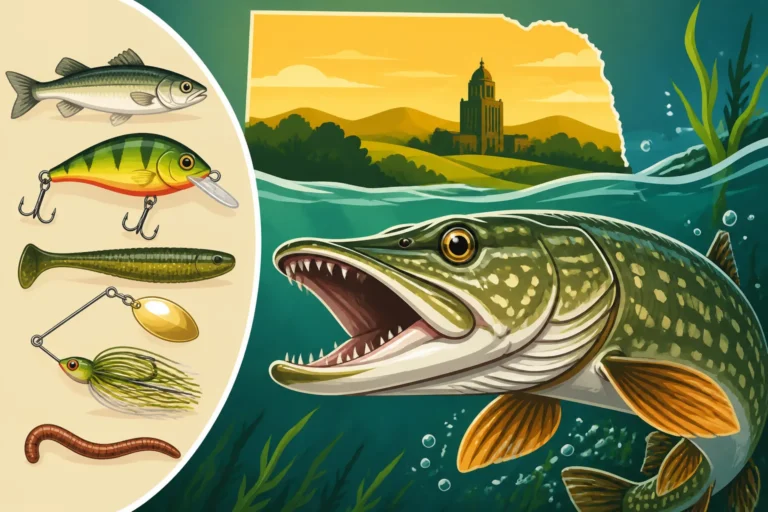
Best Baits and Lures for Wipers
Wipers are opportunistic predators, and they feed heavily on baitfish like gizzard shad. Mimicking their natural forage is key to success.
- Artificial Lures:
- Crankbaits: Medium to deep-diving crankbaits are highly effective, especially those that resemble shad or other forage fish. Trolling these at various depths can cover a lot of water and locate active schools. Colors like chrome, blue/silver, and chartreuse are often productive.
- Spoons: Casting or jigging heavy spoons, especially in silver or white, can imitate dying baitfish and trigger aggressive strikes from Wipers. These are particularly good when you mark schools of fish on your sonar.
- Swimbaits: Soft plastic swimbaits, rigged on a jig head, are excellent for casting and retrieving. Their natural swimming action is irresistible to Wipers. Again, shad patterns are typically best. You can find a huge variety of effective swimbait options and other specialized Wiper lures on Amazon.
- Topwater Lures: During low-light conditions (dawn, dusk) or when Wipers are actively schooling and pushing bait to the surface, topwater lures like poppers, walking baits, and prop baits can provide explosive, heart-stopping strikes.
- Jigs: Bucktail jigs or plastic-tailed jigs can be worked effectively near structure or where baitfish are congregating.
- Live Bait:
- Gizzard Shad: If legal and accessible, live gizzard shad are arguably the best bait for Wipers. Hook them through the back or lips and fish them under a bobber or free-line them near schools of Wipers or baitfish.
- Shiners/Minnows: Larger shiners or other robust baitfish can also be very effective, especially when fished on a bare hook or under a float.
When fishing for Wipers, it's often a good idea to experiment with both presentation and retrieve speed. Sometimes a fast, erratic retrieve will trigger a strike, while other times a slow, steady troll is what they're looking for.
Locating Wipers in Lakes and Reservoirs
Finding Wipers often involves a combination of scouting, observation, and utilizing technology. Because they are schooling fish, once you find one, you're likely to find more!
- Structure and Depth: Wipers, like many predatory fish, relate to structure. Look for underwater humps, points, submerged creek channels, ledges, and drop-offs. These areas provide ambush points and cover for both the Wipers and their prey. During summer, they often hold in deeper, cooler water during the day, moving shallower to feed during low-light periods.
- Baitfish Concentrations: Wipers follow their food. If you can locate large schools of gizzard shad or other baitfish, Wipers won't be far behind. Use your fish finder to mark bait schools, and pay attention to surface activity – diving birds or splashing fish can indicate Wipers pushing bait to the surface.
- Wind-Blown Points and Shorelines: Wind creates currents and pushes baitfish, concentrating them on certain points or shorelines. These can be prime locations for Wipers, especially when the wind has been consistent for a day or two. Casting into these wind-blown areas can be very productive.
- River Channels and Inflows: In larger reservoirs, the old river channels or areas where inflowing rivers or streams enter the main body of water can be excellent holding areas, especially when there's current or a concentration of bait.
- Time of Day/Season: Wipers are often most active during dawn, dusk, and overcast days. They can also be caught throughout the day, particularly during cooler seasons like spring and fall. In the summer, early morning and late evening bites are often the best. Many of the techniques for How to Catch Striped Bass at Lake McConaughy will translate directly to Wiper fishing. When the white bass are on their Nebraska White Bass Spring Run, Wipers will often be in the same areas, feasting on the abundance of food.
Successful Wiper fishing often requires patience and persistence. Don't be afraid to move around until you find actively feeding fish. Once you do, be prepared for some of the most exciting fishing Nebraska has to offer!
Disclaimer
This article is for general informational purposes only and does not constitute professional advice. Laws, prices and regulations vary by location and change over time. Consult a qualified professional for guidance on your specific situation.