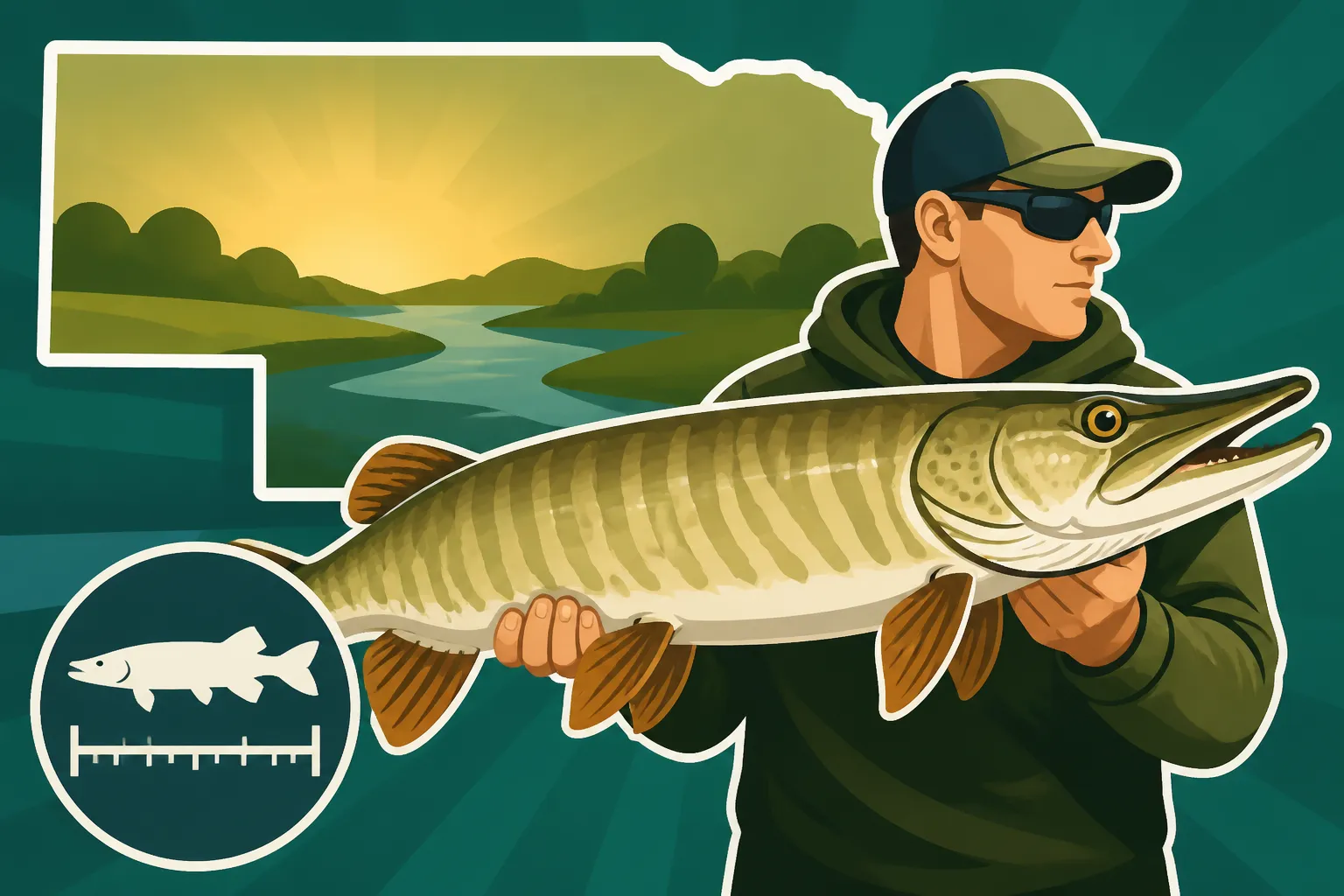
Minimum Length for Keeping a Muskie in Nebraska
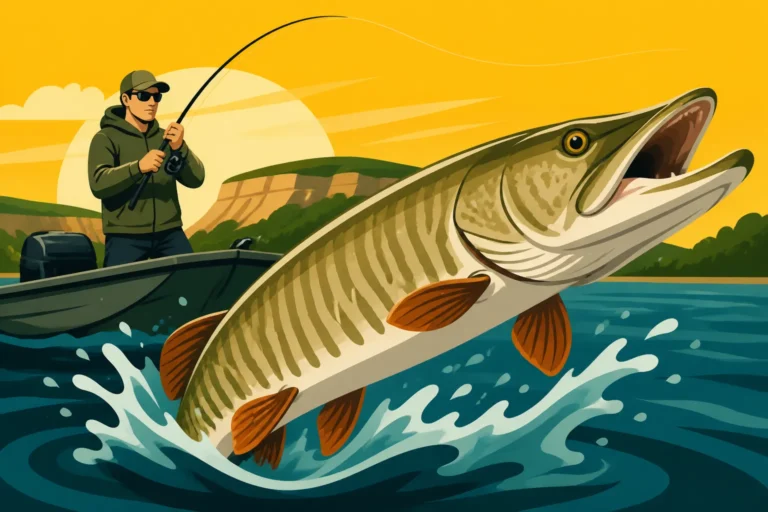
Anglers in Nebraska often dream of hooking into a powerful Muskie, an iconic freshwater predator. However, the excitement of a potential trophy catch comes with a vital responsibility: knowing and adhering to the specific regulations that govern these magnificent fish. Understanding the minimum length for keeping a Muskie in Nebraska is absolutely crucial, not just for legal compliance, but for ensuring the long-term health and sustainability of this incredible fishery. This comprehensive guide will walk you through everything you need to know about Muskie length limits, responsible handling, and where to find these elusive giants.
Understanding Muskie Regulations in Nebraska
Nebraska's fishing regulations are designed with conservation in mind, and no species highlights this more than the Muskie. These are not your average panfish; they are a unique and valuable part of our aquatic landscape, requiring careful management.
Why Size Limits Matter for Muskies
Muskies, often referred to as the "fish of 10,000 casts," are apex predators that play a crucial role in maintaining balance within Nebraska's lakes and reservoirs. Unlike many other game fish, muskies grow slowly and mature relatively late in life. It takes them several years to reach a size where they can effectively reproduce and contribute to the population. If anglers were allowed to harvest smaller, younger muskies indiscriminately, the population would quickly dwindle, leading to a significant decline in overall numbers and a lack of the true trophy-sized fish that draw so many anglers to our waters.
Length limits act as a protective measure, giving individual muskies the opportunity to spawn multiple times before they become eligible for harvest. This ensures that the gene pool remains strong and that future generations of muskies are born, sustaining the fishery for years to come. By protecting these fish through their early growth stages, we're not just preserving a species; we're preserving an experience. Imagine the disappointment of future anglers if all the big fish were taken before they had a chance to contribute. This thoughtful management helps maintain the thrill of chasing a true freshwater giant and keeps our aquatic ecosystems robust. Many dedicated Muskie enthusiasts practice catch-and-release even with legal fish, further aiding these conservation efforts.
The Specific Minimum Length Regulation for Muskies
When you finally feel that unmistakable tug and bring a Muskie to the boat, the immediate question is always, "Is it a keeper?" In Nebraska, there is a very specific statewide minimum length limit that determines if a Muskie can be legally harvested. This isn't a ballpark figure; it's a precise measurement that must be respected. While the exact number can be updated by the Nebraska Game and Parks Commission, it is consistently set at a substantial length, reflecting the Muskie's status as a trophy fish and its slow growth rate. This minimum is considerably larger than the length limits you might find for species like bass or crappie. Always consult the official Nebraska fishing regulations booklet or the GoOutdoorsNE Online Permit System for the most current and accurate figures before your trip.
Measuring a Muskie correctly is as important as knowing the limit itself. You'll need a reliable measuring device, ideally a rigid bump board that allows you to lay the fish flat. The measurement should be taken from the tip of the Muskie's snout to the very tip of its tail, with the tail squeezed gently to ensure maximum length. This process needs to be done quickly and carefully to minimize stress on the fish, especially if it's going to be released. Being even an inch or two under the legal limit can lead to a violation, so precision and awareness are key. This regulation applies uniformly across all waters in Nebraska where muskies are found, from the Sandhills reservoirs to any other stocked lake.
Penalties for Violating Muskie Length Limits
Fishing without adhering to regulations, especially those designed for conservation of specific species like muskies, can lead to significant repercussions. Game wardens are diligent in enforcing these rules, understanding that each violation can negatively impact the overall health and future of the fishery. If you are caught keeping an undersized Muskie, or exceeding the daily bag or possession limits, you could face substantial fines. These penalties are often steep, potentially running into hundreds of dollars, in addition to court costs. In some cases, your fishing gear might be confiscated, and you could even lose your fishing privileges for a period of time.
These aren't empty threats; they are serious consequences designed to deter illegal harvesting and protect Nebraska's valuable natural resources. Imagine the disappointment of catching a beautiful Muskie, only to have it seized and receive a costly ticket because you weren't aware of the current length limits. The best way to avoid such a situation is proactive education. Make it a habit to review the Nebraska Fishing Regulations Explained every year, or even before heading to a new body of water. Carrying a physical copy or having the digital regulations saved on your phone can be a lifesaver. When in doubt, the safest and most responsible action is always to release the fish.
Catching and Handling Muskies Responsibly
The sheer power and size of a Muskie demand respect, not just in the fight, but also in how you handle it once it's landed. Responsible angling practices are paramount for the fish's survival, whether you plan to release it or keep it.
Best Practices for Measuring a Muskie
Successfully landing a Muskie is only half the battle; measuring it accurately and safely is equally important. Before you even make your first cast, ensure your measuring device is easily accessible. A specialized Muskie bump board, often made of durable, non-abrasive material, is highly recommended. These boards usually have a "nose stop" that allows for consistent, accurate measurements from the tip of the fish's jaw. When you land the Muskie, try to keep it in the water as much as possible, perhaps in a large, rubberized net. If you must bring it into the boat, lay it gently on the wet measuring board, ensuring it's on a soft, damp surface like a specialized unhooking mat to protect its delicate slime coat. Never lay a Muskie on dry carpet or rough surfaces.
Carefully slide the Muskie's snout to the nose stop on the board. With your other hand, gently squeeze its tail to get the maximum length measurement. Always support the fish horizontally with both hands, especially its belly, to prevent any internal organ damage or spinal injury. The goal is to be swift and gentle. The less time the fish spends out of the water, the higher its chances of survival upon release. Many experienced Muskie anglers even have a large measuring sticker or decal on their boat's gunwale or net, allowing for a quick initial assessment of length before a more precise measurement on the board. Having specialized long-nosed pliers and jaw spreaders at the ready will also help with quick and safe hook removal. You can find robust options for these vital tools on Amazon, ensuring you have reliable equipment for handling these powerful fish.
Safe Release Techniques for Undersized Muskies
For any Muskie that doesn't meet Nebraska's minimum length requirement, or for the many trophy fish that anglers choose to release, proper handling is absolutely critical for its survival. The focus should always be on minimizing stress and physical harm. Once you've quickly measured the fish (ideally while it's still in the water, or very briefly out), proceed immediately with unhooking. Use your long-nosed pliers or specialized hook removers. If a hook is deeply embedded or in a dangerous position where removal would cause more trauma, it's often better to simply cut the line as close to the hook as possible. The hook will likely rust out over time, and this minimizes damage to the fish's mouth and gills.
Avoid traditional methods of holding fish like gripping the gills or suspending them vertically by the jaw or tail. These methods can cause severe internal damage to a large, heavy fish like a Muskie. Instead, support the fish horizontally under its belly and by the base of its tail. When releasing, gently lower the fish back into the water, head first, and hold it upright. If the fish appears sluggish or unresponsive, gently move it back and forth to encourage water flow over its gills. This "revival" process can take a few minutes, especially in warmer water or after a strenuous fight. Be patient and wait until the Muskie shows signs of strength, like a strong tail kick, before letting it go. Watching a healthy Muskie swim strongly away is incredibly rewarding and directly contributes to the Nebraska Trophy Fish Species Guide for future generations.
Essential Gear for Muskie Anglers
Muskie fishing isn't for the faint of heart, nor for light tackle. These are powerful, toothy predators that demand specialized gear designed for their size and strength. Your basic fishing setup simply won't cut it. A heavy-action casting rod, typically between 7 and 9 feet long, is essential for casting large lures and handling the immense strain of a fighting Muskie. This should be paired with a high-quality baitcasting reel that has a strong drag system and a large line capacity. Spool your reel with heavy braided line, often in the 80-100 pound test range, and always tie on a robust leader made of heavy fluorocarbon or wire to prevent their razor-sharp teeth from cutting your line.
Beyond the rod, reel, and line, several other pieces of equipment are absolutely non-negotiable for safe and successful Muskie fishing. A large, rubber-coated landing net with a hoop size of at least 30-40 inches is crucial for safely scooping and containing a Muskie without damaging its fins or slime coat. Long-nosed pliers and jaw spreaders are paramount for quickly and safely removing hooks from their formidable mouths, protecting both you and the fish. A pair of bolt cutters can also be a wise addition to your tackle box for those times when a hook is too deep to remove safely. And, of course, a reliable, rigid measuring board is a must-have for accurately checking length limits. You'll find a wide selection of these specialized items, from heavy-duty tackle to durable measuring boards, available on platforms like Amazon, making it easy to outfit yourself properly. Investing in the right gear not only improves your chances of success but also ensures you can practice responsible catch-and-release.
Where Nebraska's Trophy Muskies Reside
While Nebraska isn't traditionally known as a Muskie hotspot like some northern states, dedicated management efforts have established several quality fisheries where anglers can pursue these elusive giants.
Prime Muskie Waters in Nebraska
If you're dreaming of landing a Nebraska Muskie, there are a few key locations that stand out as prime destinations. Merritt Reservoir, nestled deep within the scenic Sandhills, is arguably the state's premier Muskie fishery. It's consistently stocked by the Nebraska Game and Parks Commission and managed specifically to produce trophy-sized fish. Anglers willing to put in the time and effort often find their reward here. The reservoir's clear waters and abundant forage base create an ideal environment for Muskie growth. Merritt Reservoir Muskellunge Fishing Tips are highly sought after by those targeting this specific species, highlighting its reputation.
Another excellent option is Box Butte Reservoir, located in the Nebraska Panhandle. This reservoir also maintains a healthy population of muskies, offering anglers another strong opportunity to tangle with these powerful fish. While Merritt and Box Butte are the most celebrated, other waters such as Sherman Reservoir and Lake Minatare occasionally hold Muskie populations, though they might be less consistent or harder to target. For the most up-to-date information on stocking and population health, always check the official Nebraska Game and Parks Commission reports. Regardless of the location, Muskie fishing demands patience, persistence, and a thorough understanding of the regulations.
Understanding Muskie Habitat and Behavior
To successfully target Muskie, you need to think like one of these ambush predators. They are primarily visual hunters, preferring clear, cool water where they can spot their prey from a distance. Their preferred habitat is typically characterized by abundant submerged structure, which provides both cover for ambushing and cooler water temperatures during the warmer months. Look for large weed beds, dense aquatic vegetation, fallen timber, significant rock piles, and distinct drop-offs or points. These are the natural hiding spots where a Muskie will wait for an unsuspecting baitfish or smaller game fish to swim by.
Muskies are known for their notoriously fickle nature. They can follow a lure right to the boat, staring it down before simply turning away – a phenomenon known as a "follow." This often requires a "figure eight" maneuver with your lure at the side of the boat to trigger a strike. Seasonal patterns also dictate their behavior; they might be found shallower during spring and fall when water temperatures are optimal, and deeper during the heat of summer. Understanding factors like water temperature, forage availability, and bottom contours, often aided by a quality fish finder, will significantly increase your chances. Patience, persistence, and a willingness to cover a lot of water are the hallmarks of a successful Muskie angler, especially at lakes covered in guides like Merritt Reservoir Fishing Guide.
Planning Your Muskie Fishing Adventure
Embarking on a Muskie fishing trip in Nebraska is an exciting endeavor that requires thoughtful preparation. From ensuring you're legally compliant to packing the right gear, every detail matters for a safe and successful outing.
Preparing for a Successful Trip
A successful Muskie fishing trip in Nebraska starts long before you even launch your boat or cast a line. First and foremost, ensure you have a valid Nebraska Fishing License Guide and any required stamps. Take the time to meticulously review the current Nebraska fishing regulations, paying close attention to the specific length and possession limits for Muskie. It’s always a good practice to have a physical copy of the regulations or easy access to the digital version on your phone. Checking the weather forecast for your chosen fishing day is also crucial, as conditions can change rapidly in Nebraska, and you'll be out on the water for extended periods. Dress in layers, pack rain gear, and don't forget essentials like plenty of water, snacks, sunscreen, and insect repellent.
Beyond personal preparation, your equipment needs to be in top shape. If you're using a boat, perform all necessary pre-trip checks: ensure your motor is running smoothly, check fluid levels, and confirm you have adequate fuel. Charge your trolling motor batteries and fish finder unit. All your specialized Muskie gear—rods, reels, lines, leaders, lures, landing net, pliers, and measuring board—should be organized and easily accessible. Having leaders pre-tied and a variety of lures ready to go will save valuable time on the water. Finally, always let someone know your float plan, including where you're going and when you expect to return, especially if you're exploring remote areas. This thorough preparation allows you to focus solely on the fishing and the thrilling pursuit of a Nebraska Muskie.
Beyond the Length Limit: Other Key Regulations
While the minimum length limit is a critical regulation for Muskie anglers, it's essential to understand that it's part of a broader framework of rules designed to manage Nebraska's fisheries. Beyond the length, you must also adhere to daily bag and possession limits. Even if you catch multiple legal-sized muskies, there's a specific number you're allowed to keep in a single day, and a separate possession limit that dictates how many you can have in your total possession at any given time (e.g., at home). These limits, much like length limits, are in place to prevent overharvesting and ensure sustainable populations. Always consult the official Nebraska Game and Parks regulations for the exact figures, as they are species-specific and can be different from other fish. For a general overview, you can check Nebraska Fishing Daily Bag and Possession Limits.
Furthermore, anglers need to be aware of regulations regarding fishing methods, bait use, and boat operation. There might be rules concerning the number of lines you can fish simultaneously, or restrictions on using live bait in certain waters. If you're using a boat, you'll need to understand Nebraska Boat Registration and Fishing Rules, which include safety equipment requirements and critical measures to prevent the spread of aquatic invasive species. This includes knowing about the Nebraska Aquatic Invasive Species Stamp and adhering to the "Clean, Drain, Dry" protocol for your watercraft. Taking the time to familiarize yourself with all aspects of the regulations ensures a legal, safe, and enjoyable experience for everyone on the water, while also contributing to the ongoing health of Nebraska's aquatic ecosystems.
Here's a quick overview of Muskie Regulations:
| Regulation Type | Detail | Importance |
|---|---|---|
| Minimum Length | A specific length (e.g., 40 inches, always check current regulations) from snout to tip of tail. | Ensures fish reach sexual maturity and spawn multiple times before being eligible for harvest. |
| Daily Bag Limit | Number of legal-sized muskies you can keep per day (typically very low, often one). | Prevents rapid depletion of the population through concentrated harvesting. |
| Possession Limit | Total number of legal-sized muskies you can have in your possession at any time. | Further limits overall harvest, complementing daily limits, and prevents stockpiling. |
| Bait/Tackle Rules | General statewide rules apply; check for specific water body restrictions on gear. | Ensures fair chase, prevents harm to the fishery, and protects against unlawful methods. |
| Fishing License | Valid Nebraska Fishing License required for all eligible anglers. | Funds crucial conservation, management, and stocking programs that benefit all species and anglers. |
| Aquatic Invasive Species | Mandatory "Clean, Drain, Dry" protocol for boats and gear after each outing. | Essential for preventing the spread of harmful non-native species like zebra mussels or Eurasian watermilfoil. |
Disclaimer
This article is for general informational purposes only and does not constitute professional advice. Laws, prices and regulations vary by location and change over time. Consult a qualified professional for guidance on your specific situation.