What a Freshwater Drum Is and Whether It’s Good to Eat
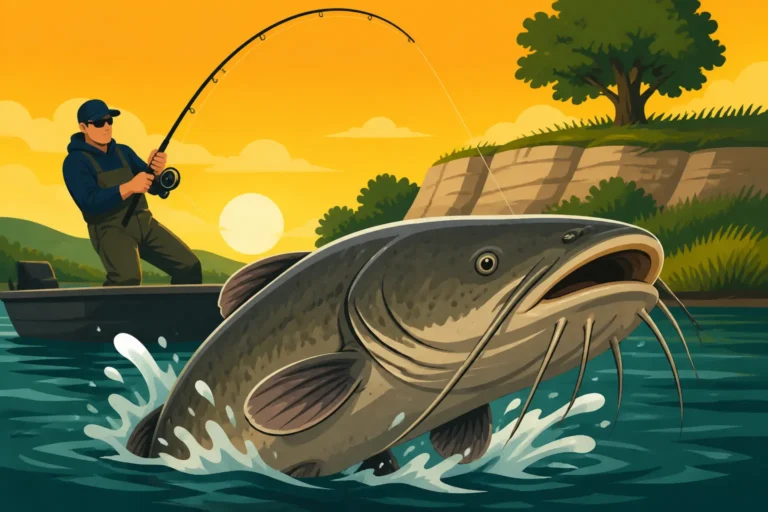
If you've ever spent time fishing the big rivers and reservoirs of Nebraska, chances are you've hooked into a freshwater drum. Often dismissed as a "rough fish" or just another bottom-feeder, many anglers are left wondering what exactly this fish is and, more importantly, if it's actually worth putting on the dinner table. This guide aims to clear up the confusion, delve into the nature of the freshwater drum, and tell you everything you need to know about its surprisingly good table fare.
Understanding the Freshwater Drum: Nebraska's Underdog Fish
The freshwater drum often gets a bad rap, but it's a fascinating and robust fish that plays a significant role in Nebraska's aquatic ecosystems. It's a true survivor, adapting to various conditions, and certainly deserves more recognition than it typically receives.
What Exactly is a Freshwater Drum?
The freshwater drum, scientifically known as Aplodinotus grunniens, is the only freshwater member of the drum family (Sciaenidae) found in North America. They're often called "sheephead" in some areas due to their blunt snout and large, bony head, or "grunt" because of the unique drumming or grunting sound they can make. This sound is produced by vibrating a set of muscles against their swim bladder, believed to be a communication method, especially during spawning.
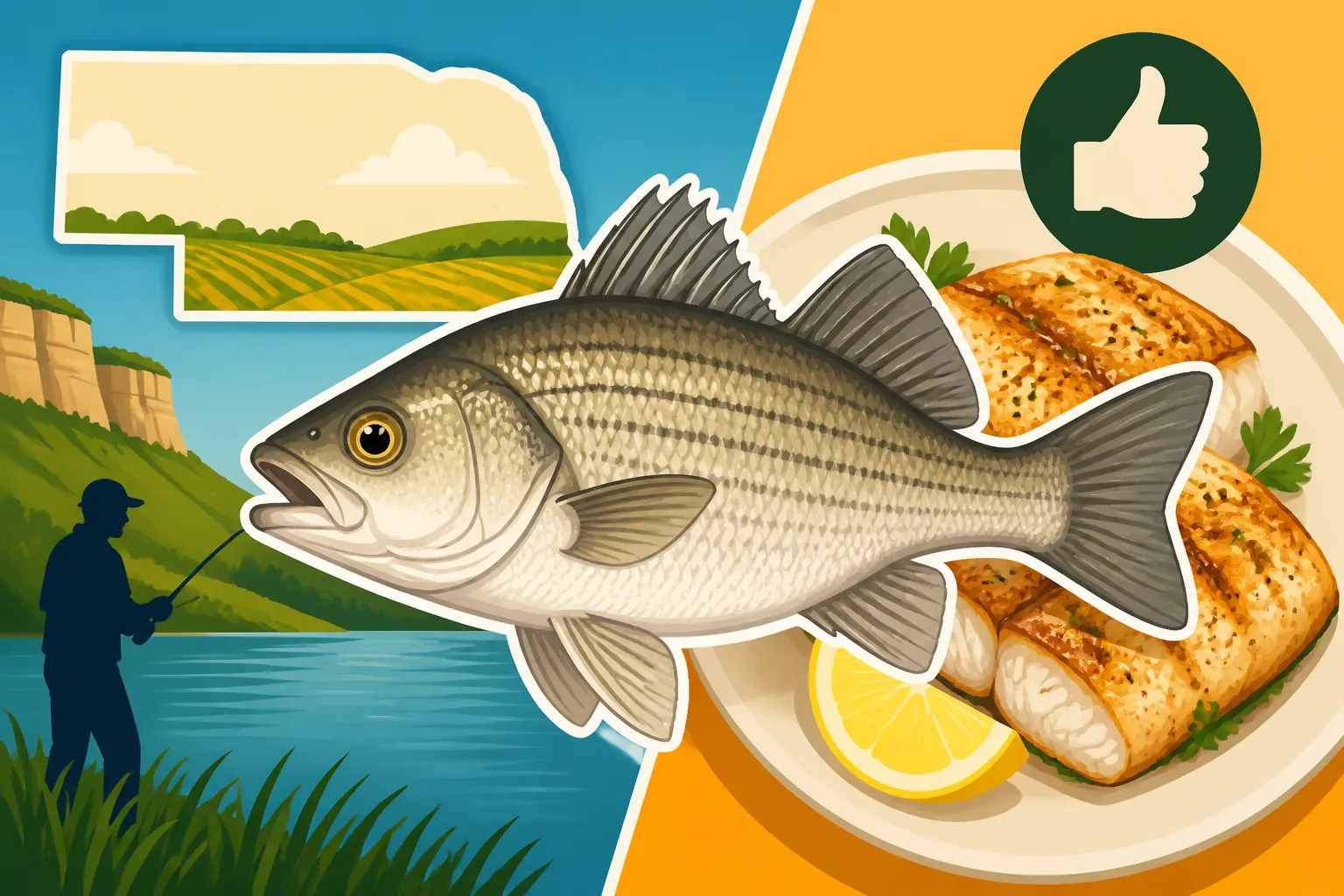
Physically, drum are quite distinctive. They typically have a silvery-gray to brownish body, often with a slightly arched back, making them look a bit stout. Their scales are large, and they possess a prominent lateral line that extends all the way to the tip of their caudal (tail) fin. They are primarily bottom dwellers, using their sensitive barbels (though not as prominent as a catfish's) to feel for food, and their pharyngeal teeth to crush hard-shelled prey. While they can grow quite large, reaching weights upwards of 20 pounds, most commonly encountered drum are in the 1-5 pound range. Their diet mainly consists of small crustaceans, mollusks (especially zebra mussels in some areas, which makes them quite beneficial!), aquatic insects, and small fish, which contributes to their reputation as a bottom-feeder.
Where Freshwater Drum Thrive in Nebraska Waters
Freshwater drum are incredibly adaptable and can be found in a wide variety of habitats across Nebraska. They prefer slower currents or still waters with soft bottoms, but they're resilient enough to inhabit everything from muddy river channels to vast, clear reservoirs.
In Nebraska, you'll most commonly encounter them in the larger river systems. The Missouri River is a prime example, where drum are abundant in the deeper holes, along riprap banks, and around wing dams. The Platte River also holds a healthy population, particularly in its wider, slower stretches and deeper bends. These rivers provide ample food sources and diverse bottom structures that drum favor. Missouri River Fishing in Nebraska and Platte River Fishing Guide offer excellent insights into these aquatic environments.
Beyond the rivers, Nebraska's major reservoirs are also hotbeds for freshwater drum. Huge populations thrive in places like Lake McConaughy, Harlan County Reservoir, and Lewis and Clark Lake. Here, they often congregate in deeper basins, around submerged timber, and along the edges of old creek channels. Their bottom-dwelling nature means they’re often found alongside other popular species like catfish and walleye, though they might be overlooked. They are truly everywhere, making them an accessible species for almost any Nebraska angler.
The Edibility Question: Is Freshwater Drum Good to Eat?
This is the million-dollar question for many anglers. The short answer is a resounding yes, but with some important caveats and preparation tips. Many people are surprised by how good a properly handled and prepared freshwater drum can be.
Debunking the Myths and Misconceptions
The freshwater drum has long suffered from a "rough fish" stigma, often lumped in with carp or buffalo, which some anglers perceive as less desirable for the table. This reputation stems from a few common misconceptions:
First, there's the pervasive myth of a "muddy" or "fishy" taste. While any fish caught from poor quality water can taste off, drum from clean, cool waters often have a mild, white, flaky flesh. The "muddy" taste is often a result of improper handling after the catch, or simply a carryover from the general "rough fish" label. It's also true that larger, older drum can develop a stronger, more pronounced flavor, much like many larger freshwater species.
Second, their appearance doesn't always win them popularity contests. The large head and deep body can seem intimidating to clean for those unfamiliar, and the drumming sound can be a bit startling if you've never heard it before. But don't let looks deceive you! Just like a channel catfish, which also isn't the prettiest fish in the pond, the drum can be excellent table fare if you treat it right.
Factors Affecting Taste and Quality
Like any fish, the taste and texture of a freshwater drum can vary significantly based on several factors. Paying attention to these can greatly improve your culinary experience.
- Water Temperature: This is perhaps the most crucial factor. Fish caught from cooler waters, especially in spring or fall, almost always taste better than those caught in the heat of summer. Cold water makes the flesh firmer and reduces the chance of any "off" flavors. If you're targeting drum specifically for eating, aim for cooler months or deeper, colder parts of a reservoir in summer.
- Size: Generally, smaller to medium-sized drum, those in the 1 to 5-pound range, are considered the best eating. Their flesh is typically more tender and less coarse than very large individuals. While a trophy drum over 10 pounds is a fun catch, you might find its meat tougher and stronger-flavored.
- Water Quality: This goes without saying for any fish. Drum caught from clean, clear lakes and rivers will almost always taste better than those from murky, stagnant, or polluted waters. Nebraska offers many fantastic, clean waterways, and drum from these spots are usually excellent.
- Post-Catch Handling: This is where many people drop the ball, leading to that dreaded "fishy" taste.
- Bleeding: Immediately upon catching a drum you intend to keep, bleed it out. A quick cut to the gills will allow blood to drain, improving the flavor and appearance of the fillets.
- Icing: Get the fish on ice as quickly as possible. Keeping it cold dramatically slows down spoilage and bacterial growth, preserving the quality of the flesh. A good cooler filled with ice is non-negotiable for keeping your catch fresh. Learning how to properly clean and fillet fish is a skill every angler should master, and many of the techniques used for species like catfish are easily adaptable. How to Clean and Fillet a Channel Catfish can provide a good foundation.
Preparing Freshwater Drum for the Table
Once you've got your drum bled and on ice, the next step is proper preparation. This is where you can truly transform a "rough fish" into a delicious meal.
Filleting the Drum:
Filleting a drum is similar to filleting other panfish or smaller game fish, but there are a few specific things to note. The drum has a relatively thick skin and sometimes a layer of dark meat or "silver skin" just beneath it, particularly on larger fish. Many anglers prefer to remove this for a milder flavor.
- Start with a Sharp Fillet Knife: A good, sharp knife is essential. You can find excellent options on Amazon that will make this process much smoother.
- Remove the Fillet: Start behind the gill plate, cutting down to the backbone, then turn your knife and run it along the backbone towards the tail.
- Skinning: Lay the fillet skin-side down. Hold the tail end firmly and work your knife between the flesh and the skin, wiggling it gently to separate them.
- Remove Dark Meat/Silver Skin (Optional but Recommended): Once skinned, examine the fillet. If you see a dark reddish-brown layer of meat or a silvery membrane, carefully slice it away. This part can contribute to a stronger flavor. This process is key to achieving that mild, white fillet.
- Look for "Drum Pearls": As you fillet, you might notice two small, pearly-white stones inside the drum's head, just behind the brain. These are otoliths, or "ear stones," which scientists use to age fish. They're harmless and often kept as good luck charms by anglers!
Cooking Methods:
The flesh of a freshwater drum is firm, white, and flaky when cooked, making it incredibly versatile. It holds up well to various cooking methods.
- Frying: This is a classic for many freshwater fish. Dredge the fillets in seasoned flour or cornmeal, then pan-fry them in hot oil until golden brown and cooked through. The firm flesh prevents it from falling apart in the pan.
- Baking or Broiling: For a healthier option, bake the fillets with butter, lemon, and your favorite herbs. Drum bakes beautifully and stays moist.
- Grilling: Drum fillets can be grilled, especially if placed in a grilling basket or on aluminum foil to prevent sticking. The firm texture is a real advantage here.
- Fish Tacos: The mild, flaky meat is perfect for fish tacos, especially when spiced up with a little cumin and chili powder.
Don't be afraid to experiment! The key is to start with a clean, well-prepared fillet from a healthy fish, and you'll be pleasantly surprised by the delicious results.
Fishing for Freshwater Drum in Nebraska
Beyond their edibility, freshwater drum are a blast to catch. They fight hard, putting up a surprisingly strong battle, making them a fun target for anglers of all skill levels. They're also readily available and often overlooked, meaning less crowded fishing spots!
Best Techniques and Baits for Drum
Given their bottom-feeding nature, the most effective techniques for catching freshwater drum revolve around presenting bait near the bottom.
- Bottom Fishing with Natural Bait: This is hands-down the most consistent method.
- Cut Bait: Small pieces of shad, chub, or even carp can be incredibly effective. The scent trail attracts drum from a distance.
- Worms: Nightcrawlers or redworms are classic drum baits. Use a generous piece to entice a bite.
- Crayfish/Shrimp: Small pieces of fresh or frozen shrimp, or live crayfish, are irresistible to drum, mimicking their natural diet.
- Mussels: If you can gather them (and it's legal in your area), the meat from small mussels is a natural food source for drum and can be highly effective.
- Rigs: A simple slip sinker rig is ideal. This setup involves a sinker that slides freely on the main line above a swivel, which is then tied to a leader and a hook. This allows the fish to pick up the bait and run without feeling the weight of the sinker, leading to more confident bites. Fish this rig on or near the bottom.
- Location, Location, Location: Focus on areas with soft or mixed bottoms, near drop-offs, underwater humps, old river channels, and structures like submerged logs or riprap. Drum often cruise these areas in search of food.
- Lures: While natural bait is king, drum can also be caught on artificial lures, especially if they're actively feeding. Jigs tipped with soft plastics, small crankbaits that dig deep, and even spinnerbaits can entice a strike, especially when bounced along the bottom.
When you hook into a drum, be ready for a fight! They pull hard and make strong, head-shaking runs. They're a great species to hone your fighting skills before tackling a big Nebraska Walleye Bag Limits or Nebraska Channel Catfish Daily Limit.
Recommended Gear for Drum Fishing
You don't need highly specialized gear to catch freshwater drum, which is another point in their favor. Most standard fishing setups will do the trick.
- Rods and Reels: A medium to medium-heavy spinning or baitcasting combo is perfect. This provides enough backbone to handle a strong fighting drum, but still offers good sensitivity to detect subtle bites. A rod in the 6.5 to 7.5-foot range with a moderate fast action is a good all-around choice. Best Rod Setup for Nebraska Catfish would be very similar to a good drum setup.
- Line: Spool your reel with 8-15 pound monofilament or fluorocarbon, or 20-30 pound braided line. Braid offers excellent sensitivity and strength, which can be advantageous when fishing deep or in current.
- Hooks: Circle hooks in sizes #2 to 2/0 are excellent for drum, as they promote jaw hooking and reduce gut-hooking, making release easier if you decide not to keep your catch. J-hooks in similar sizes also work well.
- Sinkers: Various types of sinkers, such as egg sinkers or no-roll sinkers, are suitable for a slip sinker rig. Match the weight to the current and depth you're fishing – just enough to hold bottom without being excessively heavy.
- Tackle Box Essentials: Beyond the basics, make sure you have extra hooks, swivels, and sinkers. A good pair of pliers for hook removal is always wise, as is a net for landing larger fish.
You can find all these gear essentials for a reasonable price, often with great deals available through retailers like Amazon. Starting with a solid Beginner Fishing Gear Guide for Nebraska can ensure you have everything you need without breaking the bank. Don't be shy about targeting freshwater drum; they are abundant, fun to catch, and truly a delicious addition to your menu once you know how to handle them.
| Feature | Freshwater Drum (Good for Eating) | Channel Catfish (Popular Edible Fish) |
|---|---|---|
| Typical Size | 1-5 lbs (smaller best for eating) | 1-10 lbs (all sizes commonly eaten) |
| Taste Profile | Mild, white, firm, flaky. Can be "muddy" if improperly handled or from poor water. | Mild, white, flaky. Can also be "muddy" if improperly handled or from poor water. |
| Texture | Firm, holds up well to various cooking methods | Tender to firm, depending on size and cooking method |
| Best Water Temp. | Cooler water (spring/fall) for optimal flavor | Cooler water generally preferred, but good year-round |
| Cleaning Notes | Remove "silver skin" and dark meat; check for otoliths ("drum pearls") | Relatively easy to fillet, often no dark meat to remove |
| Common Baits | Cut bait, worms, crayfish, shrimp, mussels | Cut bait, worms, stink baits, chicken liver |
| Fighting Style | Strong, hard pulls, head shakes | Strong runs, powerful dives |
| Reputation | Often overlooked "rough fish" | Highly popular game fish and table fare |
Disclaimer
This article is for general informational purposes only and does not constitute professional advice. Laws, prices and regulations vary by location and change over time. Consult a qualified professional for guidance on your specific situation.