Difference Between a Wiper and a Pure Striped Bass
It's incredibly common for anglers in Nebraska to get a little mixed up when it comes to identifying their catch, especially when they reel in something that looks like a striped bass. Many of us have been there, pulling in a beautiful fish and wondering, "Is this a pure striper or one of those hard-fighting wipers?" This guide is here to clear up that confusion once and for all, diving deep into the nuances that distinguish these two exciting game fish you might encounter in Nebraska's waters.
Unpacking the Identity of a Pure Striped Bass
Let's start by talking about the pure, unadulterated striped bass, Morone saxatilis. While they are an iconic saltwater species, they have been successfully introduced and thrive in many freshwater impoundments across the country, including some of Nebraska's larger reservoirs.
Native Range and Their Nebraska Presence
Originally, pure striped bass are an anadromous species, meaning they spend most of their lives in saltwater and migrate to freshwater rivers to spawn. Think of the East Coast fisheries, where they're a legendary catch. Here in Nebraska, far from the ocean, their presence is entirely due to stocking efforts. They can't naturally reproduce in our landlocked waters, as they require long stretches of flowing water to successfully spawn. When you hear about them in Nebraska, you're almost certainly talking about a specific, often large, body of water where they are maintained through continuous stocking, like the mighty Lake McConaughy. Understanding this stocking dependency is key to understanding their role in our fisheries management.
These magnificent fish possess a sleek, torpedo-shaped body, typically silver with distinct, unbroken horizontal stripes running from gill to tail. They can grow to impressive sizes, often reaching weights that make them a true trophy catch. Their powerful tails and broad shoulders are built for strong, sustained fights, which is why they're so revered by anglers. If you're looking for a good reference on identifying various species, a comprehensive Nebraska Fish Species Identification Guide can be a great resource, especially if you're trying to discern the subtle differences between similar-looking fish.
Habitat Preferences and Behavior in Freshwater
In Nebraska, where they exist, pure striped bass are creatures of the open water. They prefer large, deep reservoirs with plenty of baitfish like gizzard shad or alewives. They are highly migratory within these large bodies of water, often following schools of baitfish across vast distances. They are also highly oxygen-dependent, which means they'll seek out cooler, well-oxygenated water, especially during the warmer summer months. This often puts them in deeper water or near areas of current.
Pure stripers are known for their schooling behavior, sometimes forming massive aggregations that can be seen busting bait on the surface, creating a feeding frenzy that's electrifying to witness. This schooling nature means that if you find one, you're likely to find more! Their predatory instincts are strong, and they'll aggressively pursue prey. However, because they don't reproduce naturally here, their populations are entirely managed through careful stocking, making every one you encounter a testament to these management efforts.
The Allure and Challenge of Fishing for Pure Stripers
Targeting pure striped bass in Nebraska is often considered a specialized pursuit due to their specific habitat needs and the sheer size of the waters they inhabit. Anglers often employ trolling techniques with large plugs or spoons, or they might use live bait like shad or large shiners, fished at specific depths. Topwater action during early morning or late evening can be explosive if you find them herding bait to the surface.
Landing a pure striper is an experience many anglers chase for a lifetime. They are incredibly strong fighters, making long runs and powerful dives. The challenge, however, lies in consistently locating these fish, which requires patience, good electronics, and a deep understanding of their movements and feeding patterns within a vast reservoir. For many, just the chance to hook into one of these freshwater giants is reason enough to brave the elements. Keep in mind that specific Nebraska Fishing Regulations Explained will apply to these impressive fish, so always check before heading out.
Delving into the Wiper (Hybrid Striped Bass)
Now, let's talk about the fish that often causes the most confusion, but is arguably the most common "striper-like" fish you'll encounter in Nebraska: the wiper. A true hybrid, the wiper offers a unique combination of traits that make it incredibly popular.
What Makes a Wiper a Wiper?
The wiper, also known as a hybrid striped bass, is a cross between a female white bass (Morone chrysops) and a male striped bass (Morone saxatilis). This isn't a natural occurrence in the wild; rather, it's a deliberate and highly successful hatchery creation. The idea behind this cross was to combine the fast growth and fighting ability of the striped bass with the hardiness and adaptability of the white bass. And boy, did it work!
Wipers grow much faster than white bass and tolerate a wider range of water conditions than pure stripers. They thrive in many of Nebraska's shallower, warmer reservoirs that might not be suitable for pure striped bass. This hybrid vigor makes them an ideal candidate for stocking programs, providing a fantastic sport fishery in numerous lakes and reservoirs across the state. This is why you'll often hear about The Nebraska Wiper Hybrid Fish Explained as a cornerstone of our warm-water fisheries.
Identifying a Wiper: The Key Visual Distinctions
This is where the rubber meets the road for distinguishing these two fish. While wipers share many characteristics with their striped bass parent, there's a crucial visual cue: their stripes.
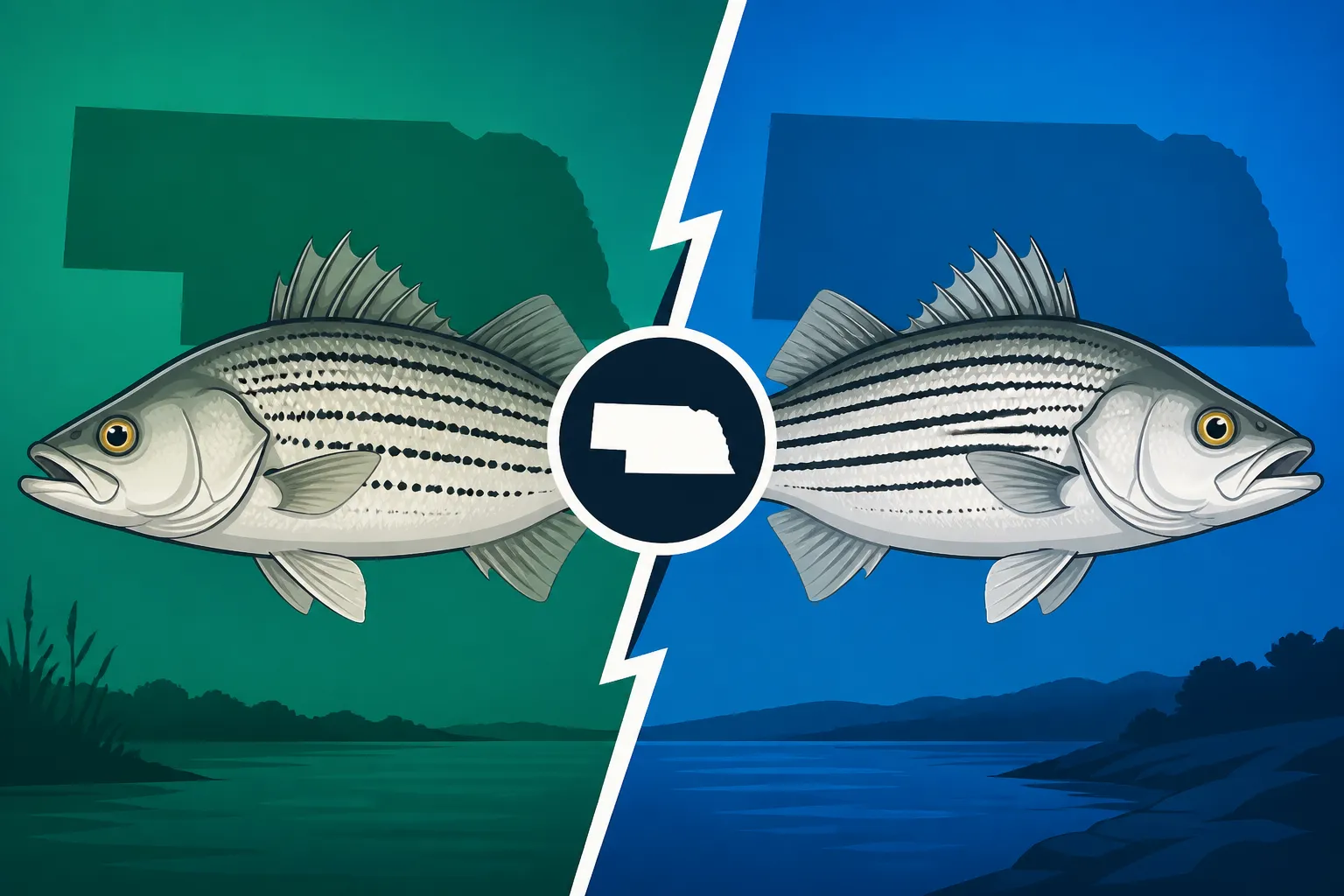
- Pure Striped Bass: The horizontal stripes on a pure striper are generally solid and unbroken from head to tail. They run in continuous lines along the body.
- Wiper: The stripes on a wiper are typically broken, fragmented, or irregular. You'll often see them start solid, then become jagged or interrupted, particularly on the lower half of the body. Some might have wavy lines.
Other subtle differences include a wiper's deeper body profile compared to the more streamlined pure striper, and sometimes a slightly smaller head in proportion to its body. However, the stripes are your most reliable indicator. Having a keen eye, or even a good fishing identification app on your phone, can be incredibly helpful. If you're looking for gear to aid in identification, a reliable pair of polarized sunglasses, easily found on Amazon, can cut glare and help you see these subtle stripe patterns more clearly.
Why Wipers Are So Popular in Nebraska
Wipers are celebrated in Nebraska for a multitude of reasons. First and foremost, they are incredibly aggressive and powerful fighters. They hit lures hard, make drag-screaming runs, and are known for their stamina. This makes them a thrilling target for anglers of all skill levels.
Secondly, their hardiness allows them to be stocked successfully in a wider variety of Nebraska's lakes and reservoirs, from Branched Oak Lake to Lake Minatare, providing more accessible opportunities for anglers. Their faster growth rates mean they reach catchable size quicker, contributing to robust fisheries. This combination of being a hard-fighting game fish that can thrive in many of our waters is precisely Why Wipers Are Stocked Instead of Pure Striped Bass so frequently. They represent a sustainable and exciting sport fish for the region.
Key Differences and Angler Implications
Understanding the subtle yet significant differences between wipers and pure striped bass isn't just about satisfying curiosity; it has real implications for anglers, from identification to regulations and fishing strategies.
Physical and Genetic Distinctions Laid Out
Let's break down the core distinctions in a straightforward way, focusing on what you'll notice when you have one of these fish in hand.
| Feature | Pure Striped Bass (Morone saxatilis) | Wiper (Hybrid Striped Bass) |
|---|---|---|
| Genetic Origin | Pure species, anadromous | Hybrid (Female White Bass x Male Striped Bass) |
| Reproduction | Requires flowing water to spawn | Sterile; cannot naturally reproduce |
| Body Shape | More streamlined, elongated | Deeper body, often more stout |
| Stripes | Generally solid, unbroken lines | Generally broken, irregular, or wavy lines |
| Head Proportion | Can appear larger relative to body | Can appear slightly smaller relative to body |
| Maximum Size | Can grow very large (30+ lbs) | Typically smaller than pure stripers (15-20 lbs common, but can exceed) |
| Hardiness/Range | Less tolerant of warm, shallow water | More tolerant, wider range of habitats |
This table provides a quick visual reference for when you're on the water. Beyond these physical traits, the genetic difference is critical. Pure stripers, if they were to reproduce, would create more pure stripers. Wipers, being sterile, cannot. This is why stocking programs are essential for maintaining wiper populations.
Habitat, Management, and Encounter Likelihood
The differences in their biology dictate where you're most likely to find them and how they're managed by fisheries biologists in Nebraska. Pure striped bass are primarily found in massive, deep, clear reservoirs like Lake McConaughy, requiring specific conditions to survive. They are often managed as a trophy fishery due to their potential size and the effort required to sustain them.
Wipers, on the other hand, are much more widespread. You'll find them in many reservoirs across Nebraska, from smaller flood control lakes to larger bodies of water. Their adaptability means they can thrive in conditions that might stress a pure striper, providing excellent sportfishing opportunities closer to home for many anglers. Because they are stocked so regularly, anglers have a much higher chance of encountering wipers than pure stripers. Your Nebraska Fishing License Guide is your first step to being ready for either!
Tailoring Your Fishing Strategies
Knowing whether you're targeting a wiper or a pure striper can subtly influence your approach. While both are aggressive predators, their preferred habitats and typical behaviors can vary.
- For Wipers: Since wipers are found in a broader range of waters and are known for their aggressive schooling behavior, techniques like casting spoons, crankbaits, or topwater lures into surfacing schools are highly effective. They also readily hit jigging spoons and various soft plastics. When searching for lures, a quick browse on Amazon for "Nebraska wiper fishing lures" can often reveal popular and effective choices. They are often found shallower than pure stripers, especially during spring and fall.
- For Pure Stripers (in their limited Nebraska range): If you're specifically going after the less common pure striped bass, you'll likely be on a very large body of water, perhaps deep trolling with large swimbaits or live bait, or focusing on distinct structures like humps and channels. They often prefer deeper, cooler water. Their tendency to school still means that if you find one, others might be close, but they might be deeper or more spread out than a typical wiper school.
Regardless of the species, a good fish finder is invaluable for locating these open-water predators. While you might use it to How to Read a Fish Finder for Walleye, the same principles apply to finding schools of stripers and wipers.
Nebraska's Focus on Wipers and Stripers
The Nebraska Game and Parks Commission plays a crucial role in managing these fisheries, balancing the desires of anglers with the ecological realities of our state's waters.
Stocking Programs and Their Impact
Nebraska's fisheries management understands the excitement these hard-fighting fish bring. As pure striped bass don't reproduce naturally here, their presence is solely thanks to stocking. This typically occurs in very specific, large reservoirs that can support them, like Lake McConaughy. These programs aim to provide a unique trophy fishery for dedicated anglers.
Wipers, however, are a different story. Their hybrid vigor and adaptability make them prime candidates for widespread stocking. They're stocked in numerous lakes and reservoirs across the state, creating vibrant, exciting fisheries that many anglers can enjoy. This proactive management ensures that there's a strong population of these hard-fighting hybrids, making them one of the most popular game fish in Nebraska. If you want to know more about the specifics, check out Nebraska Striped Bass and Wiper Fishing for details on where these programs are most active.
The Angler's Perspective: Why It Matters
For the everyday angler, understanding the difference between a wiper and a pure striped bass matters for a few practical reasons.
First, regulations can sometimes differ, especially if a rare pure striped bass fishery exists with unique size or bag limits. Always consult the current Nebraska Fishing Regulations Explained before you hit the water. Knowing your catch ensures you're compliant.
Second, it's about personal satisfaction and accurate reporting. Imagine telling a fishing story about catching a magnificent pure striped bass when it was, in fact, a wiper. While both are fantastic fish, precision adds to the integrity of your angling tales! And if you're documenting your catches, a good quality fishing scale, widely available on Amazon, is essential for accurate weight.
Finally, knowing the species helps you become a better angler. By understanding the distinct characteristics, preferred habitats, and behaviors of wipers versus pure stripers, you can refine your techniques, choose appropriate gear, and ultimately increase your success rate, regardless of which striped warrior you're pursuing. Whether it's a Wiper or a Pure Striped Bass, both offer an incredible fight and make for unforgettable fishing memories in the great state of Nebraska.
Disclaimer
This article is for general informational purposes only and does not constitute professional advice. Laws, prices and regulations vary by location and change over time. Consult a qualified professional for guidance on your specific situation.