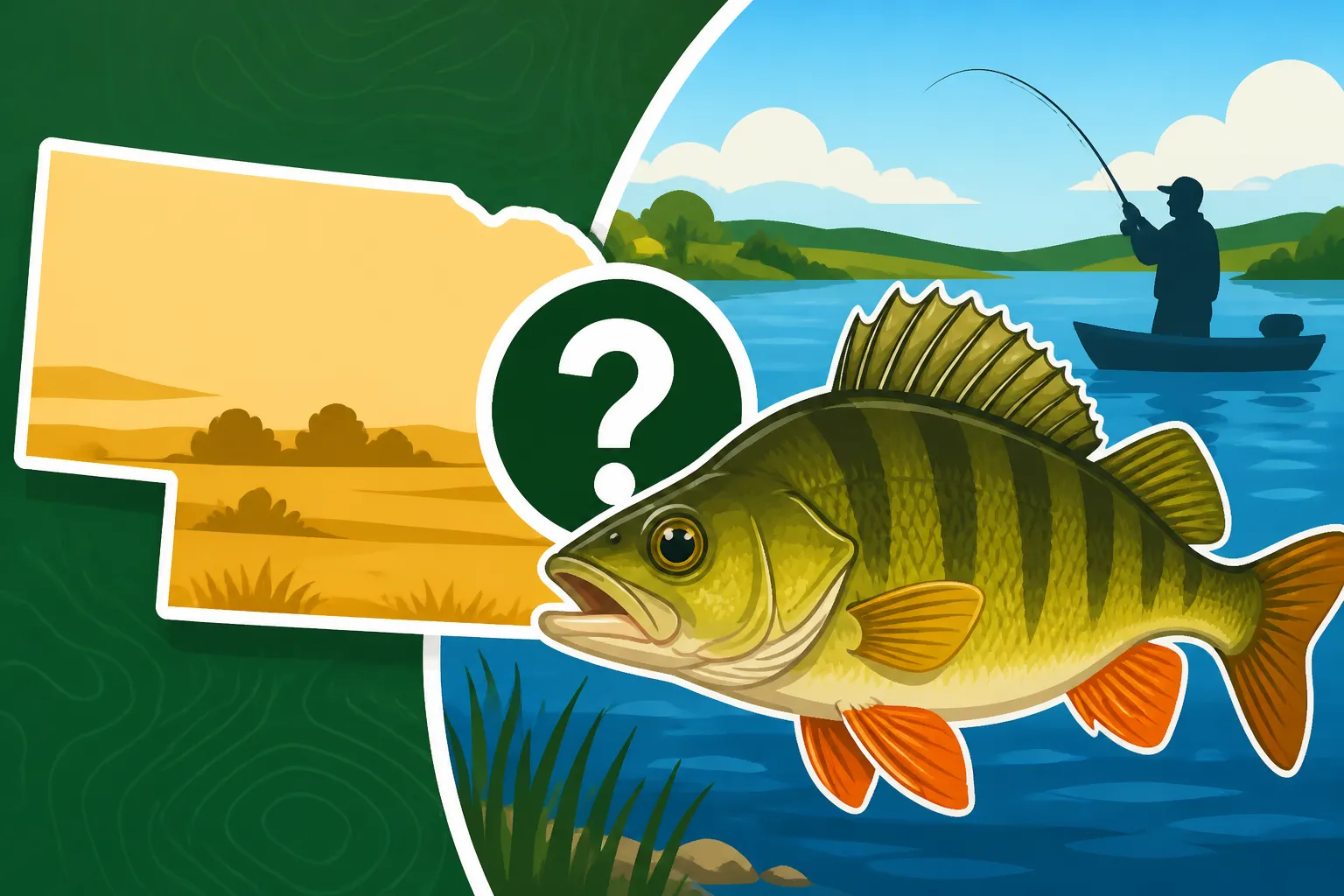
Are Perch Common in Nebraska Lakes?
It's a common question I hear from anglers across the state, especially those new to Nebraska or who primarily target walleye and bass: "Are perch even common here?" You've likely spent hours on the water, maybe pulling in plenty of crappie or bluegill, but those iconic yellow perch seem to elude you. It's easy to feel like they're some mythical creature, always just out of reach. This guide is here to unravel that mystery, confirming whether perch are indeed common in Nebraska lakes, where to find them, and how to successfully add them to your cooler.
Understanding Perch in Nebraska Waters
When we talk about "perch" in Nebraska, we're almost exclusively referring to the yellow perch (Perca flavescens). While some folks might mistake other panfish for perch, true yellow perch have distinct markings and behaviors. They're a schooling fish, often found in cooler, deeper waters, and they can be incredibly fun to catch once you figure out their patterns.
Yellow Perch: The Most Common Variety
Yes, yellow perch are present in many Nebraska lakes and reservoirs, though their populations can fluctuate and they might not be as universally abundant or easy to find as, say, channel catfish or crappie. They thrive in clear, cool to moderately warm water and prefer lakes and larger reservoirs over rivers or smaller ponds. You'll often find them schooling, which means if you catch one, you're likely to catch more. Their distinctive vertical bars and yellowish sides make them easy to identify, and their firm, flaky white meat makes them a prized catch for the dinner table.
One reason they might seem less prevalent than other panfish is their specific habitat preferences and feeding habits. They're not always aggressively hitting every bait, especially during certain times of the year, and they tend to stick to specific structures or depth ranges. This means you might be fishing right over them without realizing it, targeting other species with different presentations. However, when conditions are right, and you find a good school, the action can be fast and furious.
Other Perch-Like Species and Why They're Not Perch
It's completely understandable why anglers might confuse other fish with yellow perch. Nebraska waters are teeming with various panfish, and many share similar sizes, shapes, or even coloration, especially to an untrained eye. However, distinguishing them is key, not just for identification but also for understanding their behavior and regulations.
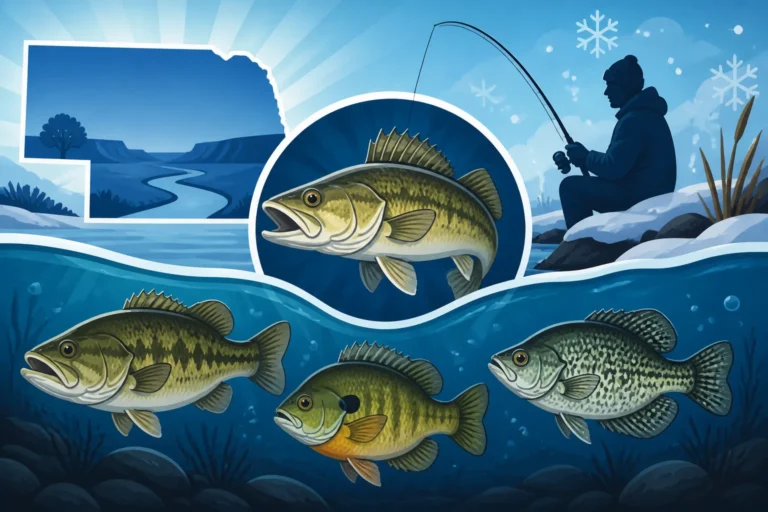
Crappie, both black and white, are probably the most common "mistake" for perch. They're also slab-sided, often have dark markings, and are excellent eating. However, crappie generally have a more silvery body, a larger dorsal fin, and are more disk-shaped compared to the more elongated, deeper-bodied yellow perch. Crappie are also far more widespread and often easier to catch in many Nebraska lakes, which might contribute to the perception that perch are rare. For instance, knowing the Nebraska Crappie Daily Limit is crucial, and those limits are distinct from perch.
Bluegill and other sunfish species also get lumped in sometimes. These fish are generally much rounder, more vibrant in color, and have a small mouth compared to the perch's more pointed snout and larger gape. While both crappie and bluegill are fantastic targets, they require slightly different approaches and can be found in different parts of the water column or structure. Understanding these distinctions helps you fine-tune your approach for whatever species you're truly after. You might use different small jigs or live bait for sunfish, compared to the minnows or worms often preferred by perch. For tips on other common panfish, check out our guide on Best Bait for Bluegill and Sunfish.
Where to Find Yellow Perch in Nebraska Lakes
Finding perch often comes down to knowing their preferred hangouts and understanding their seasonal movements. They aren't usually cruising open water aimlessly; they're tied to structure, depth, and forage.
Identifying Prime Perch Habitats
Yellow perch are masters of camouflage and often relate to various underwater features. Think of them as opportunistic feeders who like to ambush their prey. Here’s what they typically look for:
- Weed Beds and Aquatic Vegetation: Especially during warmer months, perch will use weed lines and submerged vegetation for cover from predators and as a hunting ground for insects and small baitfish. The edges of dense weed beds, or pockets within them, are often prime locations.
- Drop-offs and Ledges: Perch love transitions. A sharp drop-off from a shallow flat to deeper water provides them with easy access to different depths as conditions change. They can move up to feed in shallower water and quickly retreat to the safety and cooler temperatures of the deeper zone.
- Submerged Timber and Brush Piles: Like many other fish, perch use submerged trees, stumps, and brush piles for cover and ambush points. These areas provide excellent habitat for baitfish, which in turn attracts perch.
- Rock Piles and Riprap: Rocky areas, especially those with larger boulders or riprap along dam faces, can hold schools of perch. These rocks often harbor aquatic insects and provide hiding spots.
- Deep Water in Summer and Winter: During the dog days of summer, perch will often move to deeper, cooler water. Conversely, during winter, they are a primary target for ice anglers and are often found schooled up over deeper flats or near drop-offs. Ice fishing for perch is incredibly popular, and you'll find them schooled tightly. For more winter tips, read our Best Ice Fishing Techniques in Nebraska.
Top Nebraska Lakes Known for Perch
While perch might be present in many waters, some lakes consistently offer better perch fishing opportunities than others. These tend to be larger, deeper reservoirs with good forage bases.
- Lake McConaughy: "Big Mac" is famous for its walleye, but it also holds a healthy population of yellow perch, especially in its deeper sections and around structure. Anglers targeting walleye often encounter perch here.
- Merritt Reservoir: Tucked away in the Sandhills, Merritt is another fantastic multi-species lake, and perch are definitely on the menu. Its clear water and diverse structure make it a prime habitat.
- Harlan County Reservoir: This large body of water in south-central Nebraska offers good opportunities for perch, particularly around its extensive submerged timber and creek channels.
- Sherman Reservoir: Known for its wipers and walleye, Sherman also provides decent perch action, especially for those willing to explore its varied depths and structure.
- Box Butte Reservoir: Out in the panhandle, Box Butte can be a sleeper hit for perch, particularly for ice anglers. It offers some excellent winter perch fishing when the ice is safe. This is one of the Best Nebraska Lakes for Ice Fishing.
- Fremont Lakes State Recreation Area: While primarily known for trout and bass in its many pits, some of the deeper sandpits at Fremont Lakes can hold surprisingly good numbers of perch, especially in the cooler months.
Remember, even in these prime lakes, perch can be elusive. Patience and understanding their habits are your best tools.
Techniques for Targeting Nebraska Perch
Catching perch isn't usually about casting large lures. It's about finesse, presentation, and understanding their often subtle bite.
Best Baits and Lures for Perch
Perch have smaller mouths than walleye or bass, so scaling down your presentation is key. They are also opportunistic, meaning they'll eat just about anything small enough to fit.
- Live Bait:
- Minnows: Small minnows (shiners, fatheads) are incredibly effective, especially when tipped on a jig or under a bobber. Their natural movement is irresistible to perch.
- Worms: Small pieces of nightcrawler or red wigglers are classic perch baits. Threading a small piece onto a hook is a simple yet deadly technique.
- Waxworms/Maggots: These small grubs are fantastic, particularly for ice fishing or when perch are finicky. They are full of protein and offer a small, easy meal.
- Artificial Lures:
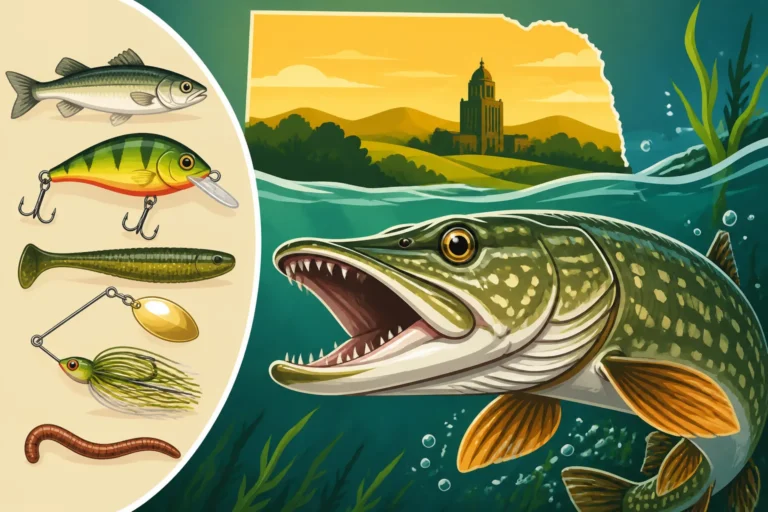
- Small Jigs: Tiny jigs (1/32 to 1/16 oz) are perfect. They can be tipped with live bait or small plastic trailers. Bright colors like chartreuse, orange, and white often work well. Look for variety packs on Amazon to experiment with different sizes and colors.
- Blade Baits: Small blade baits can be effective, especially when jigged vertically over schools of fish. The vibration and flash can really get their attention.
- Small Spoons: For ice fishing, small jigging spoons (like Swedish Pimples or Kastmasters) are excellent. Tip them with a piece of minnow or a waxworm for added appeal.
- Micro Plastics: Tiny soft plastic baits, often used for panfish, can be very productive. Grub tails, small tubes, or finesse worms on a jig head mimic small insects and baitfish.
Seasonal Strategies for Perch Fishing
Perch behavior changes dramatically with the seasons, so adjusting your tactics is essential.
- Spring (Ice-out to Late May): As the ice melts, perch can be found near shallow spawning areas, often associated with weeds or hard bottom. They are hungry after winter and can be quite aggressive. Small jigs tipped with minnows or worms fished near emergent vegetation are effective.
- Summer (June to August): With rising water temperatures, perch move deeper to find cooler water. Look for them on deeper flats, around submerged islands, or along drop-offs. Vertical jigging with small spoons or blade baits, or drifting with a live minnow rig, can produce results. Early mornings and late evenings are often the best times.
- Fall (September to November): This is often one of the best times for perch fishing. As water temperatures cool, perch become more active and feed heavily in preparation for winter. They will move back to shallower weed lines and even shorelines, congregating in large schools. Casting small jigs or crankbaits, or fishing a slip bobber with a minnow, can be very productive.
- Winter (December to March): Ice fishing is prime time for perch. They school tightly, making it possible to catch many from a single hole once you find them. Use small jigging spoons, ice jigs, or tiny vertical baits tipped with a waxworm or minnow head. A Best Portable Fish Finder for Ice Fishing can be invaluable for locating these schools. Many anglers use compact ice fishing rods and reels, which are easy to find on Amazon.
Why Perch Might Seem Scarce (and the truth)
If you've spent time on Nebraska lakes and felt like perch are an endangered species, you're not alone. It's a common perception, but it's often more about how we fish and what we expect, rather than their actual abundance.
Competition from Other Species
Nebraska's diverse fisheries mean perch share the waters with many other popular game and panfish species. In some lakes, crappie populations might be so robust that they outcompete perch for food or dominate prime habitat. When anglers head out specifically for panfish, they often have greater success targeting crappie or bluegill because these fish are often more aggressive, more widely distributed, or simply easier to locate with common techniques.
For example, a brush pile that holds a hundred crappie might only have a few perch, or vice versa. If you're using bait and lures optimized for crappie, you might simply be overlooking or not appealing to the perch that are present. Perch can also be a bit more finicky, especially when there's an abundance of easily caught forage. This means you might need to adjust your approach and presentation specifically for them, rather than expecting them to bite what everything else is biting.
Perch Behavior and Angler Perception
Perch behavior also plays a significant role in their perceived scarcity. Unlike some other species that might spread out or patrol large areas, yellow perch are highly schooling fish. This means if you're not right on top of a school, you might not catch any. It’s a feast or famine scenario – either you hit the jackpot, or you catch nothing. This can make them seem rare, even when large populations exist.
Their bite can also be very subtle, especially in cold water or when they're not actively feeding. It might feel like a tiny tap or just added weight on your line, rather than the aggressive tug of a hungry bass or catfish. Anglers accustomed to more pronounced bites might miss these subtle takes, assuming there are no fish around when in reality, they're just not detecting the bite. Using sensitive rods and light line, often found for a good price on Amazon, can greatly improve your ability to feel these lighter bites.
Lastly, angler effort often dictates what's caught. If most anglers are targeting walleye, bass, or crappie, then naturally, those are the fish that will be reported more often. Perch might be a happy accident or a secondary target, leading to less dedicated effort and therefore, fewer reports of success.
Enhancing Your Perch Fishing Success
So, now that we know perch are indeed out there, how do we increase our chances of actually catching them? It comes down to preparation, technology, and a little bit of old-fashioned angling patience.
The Role of Electronics and Location
In today's fishing world, electronics can be a game-changer for finding schooling fish like perch. A good fish finder, whether it's on your boat or a portable unit for ice fishing, can help you identify schools of fish, determine their depth, and locate the structure they're relating to.
- Sonar (2D): This is your basic fish-finding tool. Look for arches or schools of dots clustered near the bottom, over humps, or suspended near weed lines. Perch schools often appear as dense clouds on the screen.
- Side Imaging/Down Imaging: If your unit has these features, they can be incredibly helpful for scanning wider areas around your boat to locate submerged timber, rock piles, or weed beds where perch might be hiding.
- GPS and Mapping: Once you find a productive spot, mark it on your GPS! Perch will often return to the same areas year after year. Good lake maps can also help you identify potential drop-offs, humps, and channels before you even launch. For ice fishing, many anglers swear by a portable fish finder like the ones you can find on Amazon for scouting new areas quickly. If you're serious about ice fishing, you might want to look into a Best Portable Fish Finder for Ice Fishing.
Don't have fancy electronics? No problem. Focus on physical features: visible weed lines, points, bends in the shoreline, and areas where creek channels enter a lake. These are natural fish magnets. Trial and error, moving from spot to spot, can be just as effective if you pay attention to where you get bites.
Patience and Persistence
Perch fishing, like all fishing, rewards patience. You might not stumble upon a massive school of perch on your first cast. It often requires moving around, trying different depths, and experimenting with various baits and presentations until you crack the code for that particular day and location.
- Cover Water: Don't be afraid to move your boat or walk the shoreline to cover different areas. If one spot isn't producing, try another.
- Vary Your Presentation: If minnows aren't working, try worms. If a jigging spoon isn't getting bites, switch to a small jig and plastic. Sometimes a subtle change in retrieve speed or jigging action can make all the difference.
- Observe Your Surroundings: Pay attention to any signs of baitfish activity, diving birds, or even other anglers catching fish. These can all be clues to where the perch might be.
- Check the Regulations: Before you head out, always make sure you're up-to-date on Nebraska Fishing Regulations Explained. Understanding the specific rules for panfish can prevent any unwelcome surprises. Also, ensure your fishing license is current. You can find information on that in Nebraska Fishing License Costs and Types.
By combining knowledge of perch habitat and behavior with the right techniques and a healthy dose of persistence, you'll find that yellow perch are indeed present in Nebraska and can provide some truly enjoyable fishing experiences.
| Season | Typical Location | Preferred Baits/Lures | Key Strategy |
|---|---|---|---|
| Spring | Shallow weeds, hard bottom near spawning areas | Small minnows, worms, micro jigs | Target emergent vegetation, shallow flats |
| Summer | Deeper flats, drop-offs, submerged structure (15-30+ ft) | Minnows (live), small blade baits, spoons | Vertical jigging, drift fishing deep water |
| **Fall | Mid-depth weed lines, humps, points | Worms, minnows, small crankbaits, jigs | Active feeding, aggressive presentations |
| Winter | Deep flats, channel edges, basin areas (ice fishing) | Ice jigs, jigging spoons, waxworms, minnow heads | Precise vertical presentation, electronics |
The Value of Panfish
While perch might not always be as massive as a trophy walleye or as hard-fighting as a big channel catfish, they offer a different kind of reward. Their delicious, firm white meat makes for an incredible meal, and catching a mess of them can be immensely satisfying. They're also a great target for beginners or kids due to their willingness to bite smaller baits. If you're looking for an accessible and rewarding fishing experience in Nebraska, don't overlook the humble yellow perch. They're definitely around, and with a little effort, you can find them.
Disclaimer
This article is for general informational purposes only and does not constitute professional advice. Laws, prices and regulations vary by location and change over time. Consult a qualified professional for guidance on your specific situation.