What Fish Bite Best in Cold Water
Oh, the crisp air, the quiet solitude of a winter landscape, and the promise of a bite even when the temperatures plummet! Many anglers pack up their gear when the mercury drops, figuring the fish have locked down and gone dormant. But let me tell you, that's a huge misconception! In Nebraska, some of our favorite fish species actually become more active and predictable in cold water, offering some truly fantastic fishing opportunities if you know what to look for. This guide is all about uncovering those cold-water secrets, helping you understand which fish are still willing to bite when the water is frigid, and how you can successfully target them.
The Cold Water Angler's Mindset: Embracing the Chill
It's easy to feel a bit disheartened when the weather turns cold. The open water season feels like a distant memory, and the thought of standing out on a frozen lake or casting into a nippy river can be less than appealing for some. But for those of us who love the thrill of the catch, cold water fishing isn't just a possibility; it's a prime opportunity. The crowds thin out, the scenery is often breathtaking, and the fish, while perhaps slower, can be incredibly concentrated and eager to feed on the right offering. You just have to adjust your expectations and your tactics.
Why Fish Behave Differently in Cold Water
Think about it this way: fish are cold-blooded creatures, which means their body temperature mirrors the water around them. As the water cools down, their metabolism slows down significantly. This isn't to say they stop eating entirely, but rather they become less active. Their movements are more lethargic, and they often seek out areas where they can conserve energy and find what little food is available without expending too much effort. This means they're often found in deeper pockets, near structure that offers shelter, or where slight temperature variations might exist. Understanding this fundamental change in behavior is the first step to success. It means you'll need to slow down your presentations, be more patient, and focus on precision rather than covering vast amounts of water quickly.
The Benefits of Braving the Cold
Beyond the reduced competition, there are some undeniable perks to cold water angling. For one, many species, especially panfish, can be found in large schools, meaning once you find them, the action can be fast and furious. Also, the larger, more mature fish often tolerate the cold better and are looking for substantial meals, increasing your chances of a trophy catch. There's a certain peacefulness, too, that comes with winter fishing. The air is still, the sounds are muffled, and it's a wonderful way to connect with nature on a deeper level. Plus, imagine the satisfaction of a fresh-caught meal on a chilly evening! Just be sure to always prioritize safety, especially when on the ice. A quick read through Nebraska Ice Fishing Safety Tips is always a good idea before heading out.
Top Nebraska Fish Species That Bite Best in Cold Water
Alright, let's get down to the brass tacks: which fish are actually worth targeting when the water temperature dips below 50 degrees Fahrenheit, or even freezes over? While many species slow down, a select few actually thrive and become prime targets for the dedicated cold-water angler in Nebraska.
Walleye: The Winter Gold Standard
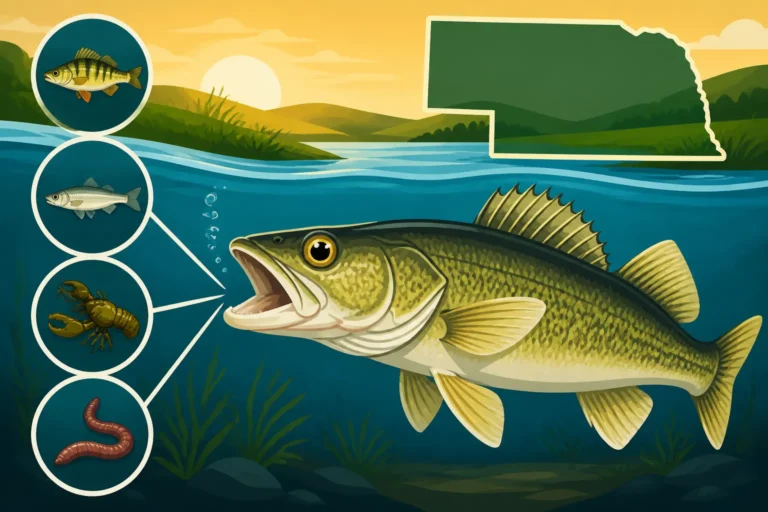
If there's one fish that truly shines in cold water, it's the walleye. These elusive predators are often the holy grail for Nebraska anglers, and winter offers some fantastic opportunities to catch them. As the water cools, walleye often congregate in predictable areas. You'll typically find them near deeper structures like points, humps, main lake basins, or channel edges. They are still feeding, but their movements are slower, so a subtle, vertical presentation is key. Many anglers will tell you that a big slab of walleye fillets tastes even better when caught from icy waters.
- Tactics: Jigging with spoons or small swimbaits is incredibly effective. Ripping a spoon a few feet off the bottom and letting it flutter down can often trigger a strike. Live bait, particularly shiner or chub minnows, fished on a plain hook or a small jig, is also a classic cold-water walleye producer. Keep your retrieve slow and your bait close to the bottom. Remember that walleye eyes are designed for low light, so even on cloudy winter days, they have an advantage. Focusing your efforts during dawn, dusk, or even through the night can sometimes yield the best results for Nebraska Walleye Fishing.
- Locations: Large reservoirs like Lake McConaughy, Merritt Reservoir, Harlan County, and Sherman Reservoir are prime walleye destinations in Nebraska. When ice fishing, look for those deep breaks and areas where current might create warmer pockets or concentrate baitfish.
Panfish: Crappie, Bluegill, and Perch Action
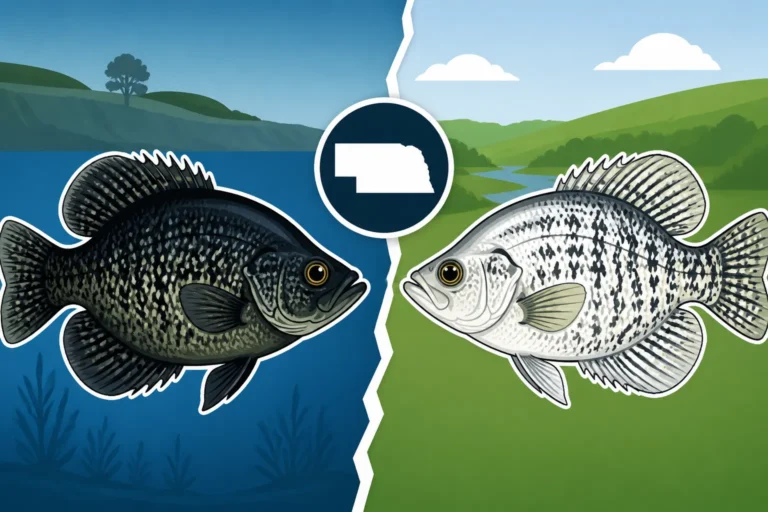
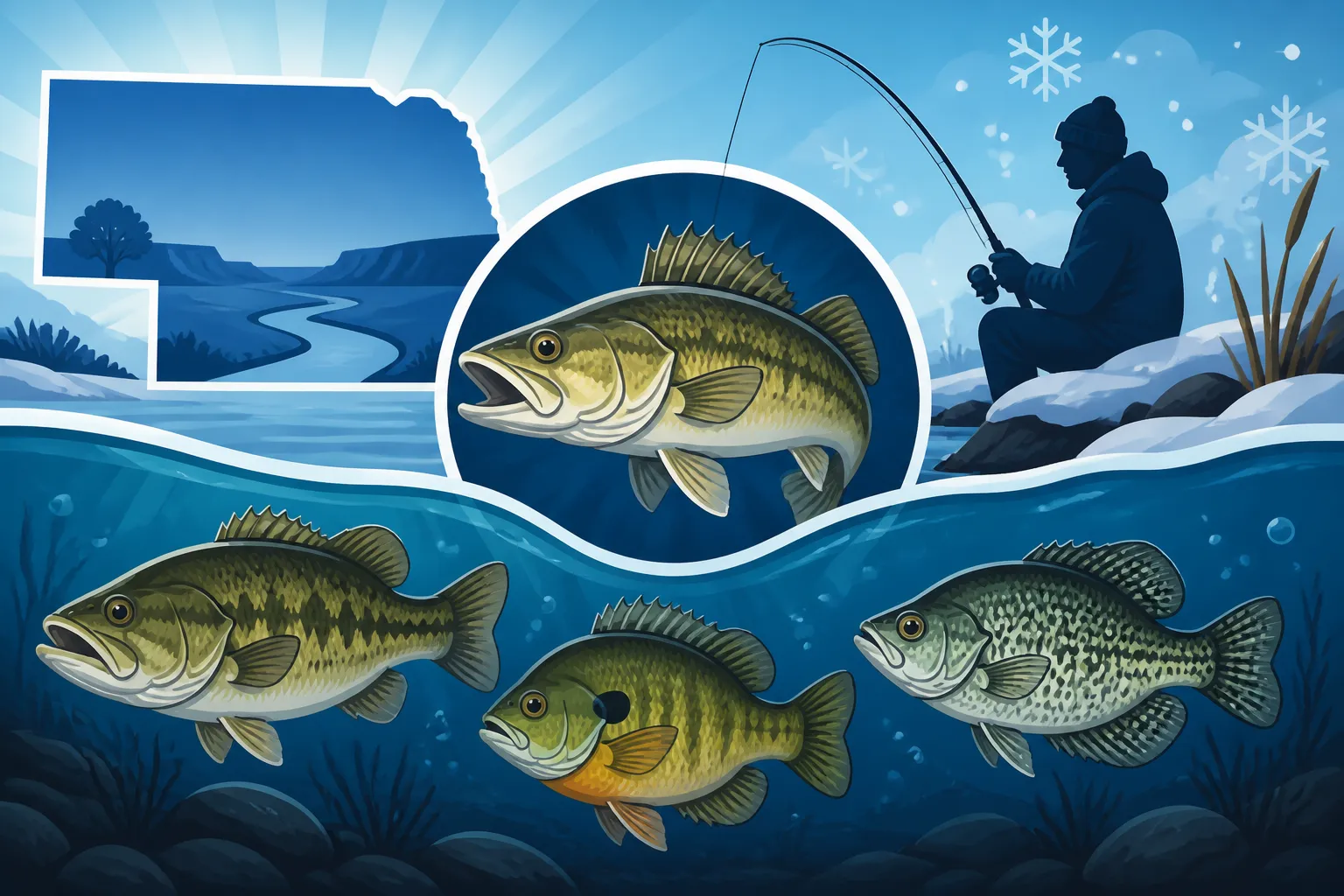
For consistent action and a delicious meal, you can't beat panfish in cold water. Crappie, bluegill, and yellow perch are often found in large schools, making for some incredibly fun and fast-paced fishing, especially through the ice. They don't mind the cold and will actively feed throughout the winter months, albeit with a slower metabolism.
- Crappie: These tasty fish will often suspend in deeper water over brush piles, submerged timber, or along deep breaks. Tiny jigs tipped with a waxworm, minnow, or a small soft plastic are irresistible. Keep your presentation extremely subtle. Many seasoned anglers will meticulously work different depths until they find the crappie school. Finding the right depth is crucial, as schools can be stacked in a narrow band. Explore more specific tactics in Crappie Fishing in Nebraska.
- Bluegill: Often found closer to the bottom in weed lines, around docks, or submerged cover in shallower bays, bluegill are aggressive little fighters even in the cold. Small jigs, teardrops, or tiny spoons tipped with a waxworm, maggot, or piece of corn are usually all it takes. They have small mouths, so tiny hooks are essential.
- Yellow Perch: A favorite among ice anglers, perch often school up over soft bottoms in deeper flats or near main lake channels. They love small minnows, tiny spoons, or jigs tipped with a piece of bait. Once you find a school, you can often catch them one after another. If you're looking to explore targeting these specific species, you might find valuable information in Nebraska Perch Fishing.
Trout: Year-Round Opportunity
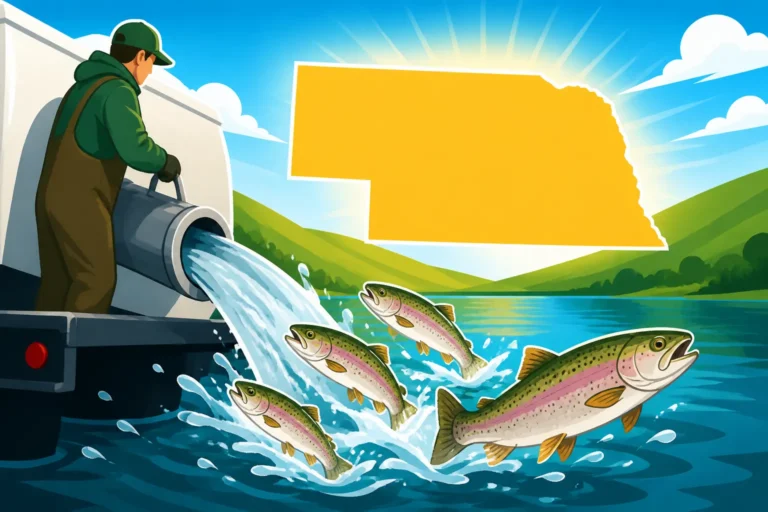
Nebraska might not be famous for its trout streams, but we have some excellent cold-water trout fisheries, particularly in the western part of the state and in specific stocking programs. Rainbow trout are often stocked in urban ponds and lakes through the fall and winter, providing fantastic opportunities, especially for shore anglers and families. Brown trout can also be found in certain colder streams and tailwaters.
- Tactics: For stocked rainbow trout, PowerBait, corn, small minnows, or tiny spoons and spinners work wonders. Fly fishing with nymphs or small streamers can be very effective in streams. Remember that trout in cold water will hug the bottom or hold in slower currents to conserve energy. Targeting them in tailwater fisheries below dams can be particularly productive as these areas often have consistent water temperatures and oxygen levels. Check out Trout Fishing in Nebraska for more detailed information on specific techniques and locations.
- Locations: Lake Ogallala, Two Rivers State Recreation Area, and some urban ponds are great places for rainbow trout during the colder months. Certain Sandhills streams also hold wild brown and brook trout, requiring a more specialized approach.
Catfish: Surprisingly Active
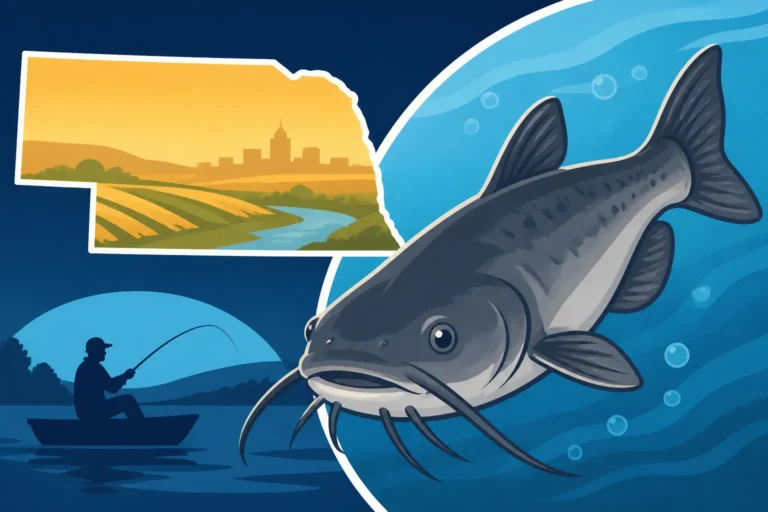
While many people associate catfish with warm summer nights, channel catfish can be surprisingly active in cold water. They don't typically bite as aggressively as in summer, but they still need to feed. Flathead catfish, on the other hand, become much more sluggish and are rarely caught on traditional cold-water tactics.
- Tactics: For channel catfish, go slow and use natural baits. Cut bait, dead minnows, or even shrimp can be effective. They'll often be found in deeper holes in rivers or the main channels of reservoirs, looking for an easy meal. Bottom fishing rigs are ideal. The key is to be patient and let the bait sit for extended periods. While not the primary target, catching a respectable channel cat on a cold day is a rewarding experience.
Essential Gear and Techniques for Cold Water Success
Cold water fishing demands a specific approach and the right equipment. You can't just use your summer bass setup and expect the same results. Adjusting your gear and refining your techniques are paramount to putting fish on the ice or in the boat. This is where investing in some specialized items, often found on platforms like Amazon, can make a real difference.
Ice Fishing Gear: When the Lake Freezes Over
If you're going to truly embrace cold water fishing in Nebraska, ice fishing is often the most accessible and productive method. But safety and comfort are key. You'll need more than just a rod and reel.
| Item | Purpose | Key Feature for Cold Water |
|---|---|---|
| Ice Auger | Drilling holes through the ice | Electric or propane for ease of use |
| Ice Rod & Reel | Shorter, more sensitive for subtle bites | Ultra-light action, small reel |
| Tip-Ups | Set-and-forget devices that signal a bite | Allows covering more area, hands-free |
| Portable Shelter | Protection from wind and cold, can be heated | Insulated, quick setup |
| Electronics | Fish finder/flasher to locate fish and monitor depth | Real-time feedback, great for jigging |
| Warm Clothing | Layered, waterproof, windproof, insulated boots and gloves | Essential for comfort and safety |
| Safety Gear | Ice picks, rope, spud bar (for testing ice thickness) | Non-negotiable for ice safety |
Having the right ice fishing gear makes all the difference. For instance, a quality ice auger, whether it's a manual one for smaller holes or a powered one for convenience, is non-negotiable. Then there are specialized short ice fishing rods that are incredibly sensitive, perfect for detecting those subtle cold-water bites. Many anglers also rely on tip-ups, which allow you to fish multiple holes simultaneously. And of course, dressing in layers, with waterproof and insulated outer shells, is absolutely critical. You can often find fantastic deals on ice fishing essentials like thermal boots or insulated gloves on Amazon. Before you head out, I highly recommend checking out Nebraska Ice Fishing Gear Guide to ensure you're fully prepared.
Open Water Cold Season Tackle & Techniques
Even when lakes aren't frozen, fishing in chilly water still requires adjustments.
- Rods and Reels: Opt for lighter action rods, especially for panfish, to feel those delicate bites. Spinning gear is generally preferred for its sensitivity and ability to cast lighter presentations. Consider a good quality fluorocarbon line as a leader, or even as your main line, as it's nearly invisible underwater and has less stretch than monofilament, enhancing sensitivity.
- Lures and Baits:
- Jigs: Small jigs (1/32 to 1/8 oz) tipped with plastic, waxworms, or small minnows are incredibly effective. The key is to impart very subtle action. Think tiny twitches rather than aggressive rips.
- Spoons: Small jigging spoons, like those found on Amazon, can be fantastic for walleye and perch. Drop them to the bottom, give them a sharp rip upwards, and let them flutter back down. Most bites occur on the fall.
- Minnows: Live minnows, particularly shiners or chubs, are universally loved by cold-water predators like walleye and crappie. Hook them lightly through the lips or dorsal fin and present them under a slip bobber or on a slow-trolling rig.
- PowerBait/Corn: For stocked trout, these scented baits are hard to beat. Fish them on a small hook with a sliding sinker rig to allow the bait to float off the bottom.
- Presentation: Slow and low is the mantra. Fish are less willing to chase, so your bait needs to be in their strike zone for longer. Vertical jigging is often more effective than casting and retrieving, as it keeps your bait in a precise location. Use your fish finder to locate schools and drop your bait right on their heads. Understanding these tactics can greatly improve your success, whether you're learning How to Jig for Walleye in Nebraska or simply trying to entice panfish.
Seasonal Considerations and Safety First
While cold water fishing can be incredibly rewarding, it comes with its own set of challenges and safety precautions. Understanding the nuances of the seasons and prioritizing your well-being are just as important as knowing where the fish are biting.
Early Winter (Late Fall/First Ice)
This is often a transition period. For open water anglers, fish are still in predictable fall patterns but slowing down. They'll be feeding heavily, trying to pack on calories for the long winter. As ice forms, this "first ice" period can be phenomenal. The fish are still relatively active from the fall, and the oxygen levels are good. However, first ice is also the most dangerous ice. Always exercise extreme caution and never venture onto ice you're not absolutely sure is safe. A spud bar is your best friend for testing ice thickness, and wearing a life jacket, even on the ice, is a smart move. When the lakes just start to skim over, check out Best Nebraska Lakes for Early Ice Fishing.
Mid-Winter (Deep Freeze)
During the heart of winter, when the ice is thickest, fish activity can slow down even further. Oxygen levels under the ice can decrease, and fish tend to become even more lethargic. This is when electronics become invaluable for locating those suspended schools or fish hugging the bottom. Patience is key, and highly subtle presentations are crucial. This is also the time when thick, insulated clothing, often including specialized gear bought from retailers like Amazon, is non-negotiable for comfort and survival. This period is prime for many of the species mentioned above, but expect slower bites.
Late Winter/Early Spring (Thaw)
As the ice starts to break up and the water begins to warm slightly, fish often become more active, anticipating the spring spawn. This "last ice" can be another fantastic period, but again, decaying ice is incredibly dangerous. Never take risks on deteriorating ice. For open water anglers, the early spring thaw brings opportunities for fish moving into shallower areas. Winter Fishing in Nebraska provides a broader overview of strategies for these colder months.
Safety on the Ice: No Compromises
I cannot stress this enough: safety is paramount. Falling through the ice is no joke. Always go with a buddy, tell someone where you're going and when you expect to return, and carry essential safety gear.
- Check Ice Thickness: Never assume the ice is safe. Check with local authorities or bait shops for ice reports. Use a spud bar to check as you go. A minimum of 4 inches of clear, solid ice is generally recommended for walking, and more for ATVs or vehicles.
- Dress Appropriately: Layers, waterproof outer shell, insulated boots, hat, gloves, and a floatation suit if possible. Hypothermia is a silent killer.
- Carry Safety Gear: Ice picks (worn around your neck for quick access), a rope, and a fully charged cell phone.
- Avoid Risky Areas: Never fish near open water, current areas, or where ice conditions appear questionable.
By taking these precautions, you can enjoy the incredible bounty that Nebraska's cold waters have to offer.
Disclaimer
This article is for general informational purposes only and does not constitute professional advice. Laws, prices and regulations vary by location and change over time. Consult a qualified professional for guidance on your specific situation.