Best Eating Fish From Nebraska Waters
There's nothing quite like pulling a fresh fish from Nebraska's waters, but if you're like many anglers, you might wonder which ones truly make for the best meal. The freezer can fill up quickly, and you want to make sure you're keeping the most delicious catches for your next family dinner or a quiet evening by the grill. This guide is here to help you identify the top eating fish found in Nebraska, giving you the insider scoop on flavor, texture, and how to best prepare your prized catch, ensuring your next meal is as rewarding as the catch itself.
The Quest for Nebraska's Tastiest Catch
When you're out on the water, whether it's the expansive Lake McConaughy or a quiet farm pond, the thrill of the bite is often followed by the question, "Is this one good to eat?" It's a valid consideration, as not all fish are created equal when it comes to table fare. Some fish are fantastic fighters but have a muddy taste or a mushy texture, while others might not put up much of a struggle but offer incredibly delicate, flaky meat. Understanding what makes a fish truly "good eating" goes beyond just its species; it involves appreciating the nuances of its biology and environment.
Ultimately, personal preference plays a huge role. What one person considers a culinary delight, another might find unremarkable. However, there are general characteristics that most anglers agree make for a desirable meal, and these are the traits we’ll explore when crowning Nebraska’s best eating fish. It’s all about maximizing your enjoyment, from the moment you land the fish to the last delicious bite.
Flavor Profile and Texture
The two most significant factors that determine a fish's appeal on the plate are its flavor and its texture. Flavor can range from very mild and sweet to strong and "fishy." Generally, many people prefer fish with a milder flavor, as it tends to be more versatile and less overwhelming. However, some appreciate the robust taste of a more assertive fish, especially when prepared with strong seasonings. The key is balance and freshness.
Texture is equally important. Think about the difference between a flaky white fish that melts in your mouth and a firmer, almost steak-like fish. Most sought-after eating fish in Nebraska tend to have firm, white, flaky meat. This texture holds up well to various cooking methods and provides a satisfying mouthfeel. Mushy or excessively oily textures are usually less preferred, though proper cooking can sometimes mitigate these issues. A fish's muscle structure and fat content directly influence its texture and how it cooks.
Water Quality and Diet
It’s an undeniable truth that where a fish lives and what it eats have a profound impact on its taste. Fish from clean, cold, well-oxygenated waters often taste better than those from warm, stagnant, or muddy environments. This isn't just an old angler's tale; it's rooted in science. Cleaner water means fewer off-flavors absorbed by the fish's flesh. Similarly, a varied diet of natural forage like minnows, insects, and crustaceans contributes to a cleaner, more pleasant flavor.
Conversely, fish that primarily feed on bottom detritus or live in highly eutrophic (nutrient-rich, low-oxygen) waters can develop a "muddy" or "grassy" taste. This off-flavor is often due to compounds like geosmin and methylisoborneol produced by certain algae and bacteria, which the fish absorb through their gills and skin. This is why location matters so much when you're targeting fish for the dinner table. Even within the same species, a walleye from a clear, deep reservoir might taste markedly different from one caught in a shallow, turbid river backwater.
Top Contenders: The Cream of the Crop
When it comes to the undisputed champions of the dinner table in Nebraska, a few species consistently rise to the top. These fish are celebrated for their delicate flavors, firm textures, and versatility in the kitchen. They are the ones anglers specifically target with a delicious meal in mind, and for good reason. From the most popular game fish to smaller panfish, these species offer a fantastic culinary experience that complements the joy of the catch.
Landing one of these beauties isn't just a trophy moment; it's the promise of a truly satisfying meal. We’ll delve into what makes each of these species a culinary standout and why they are so beloved by Nebraskan anglers. Getting to know these top eating fish will help you make informed decisions on your next fishing trip, ensuring your cooler is filled with prime candidates for your plate.
Walleye: The Golden Standard
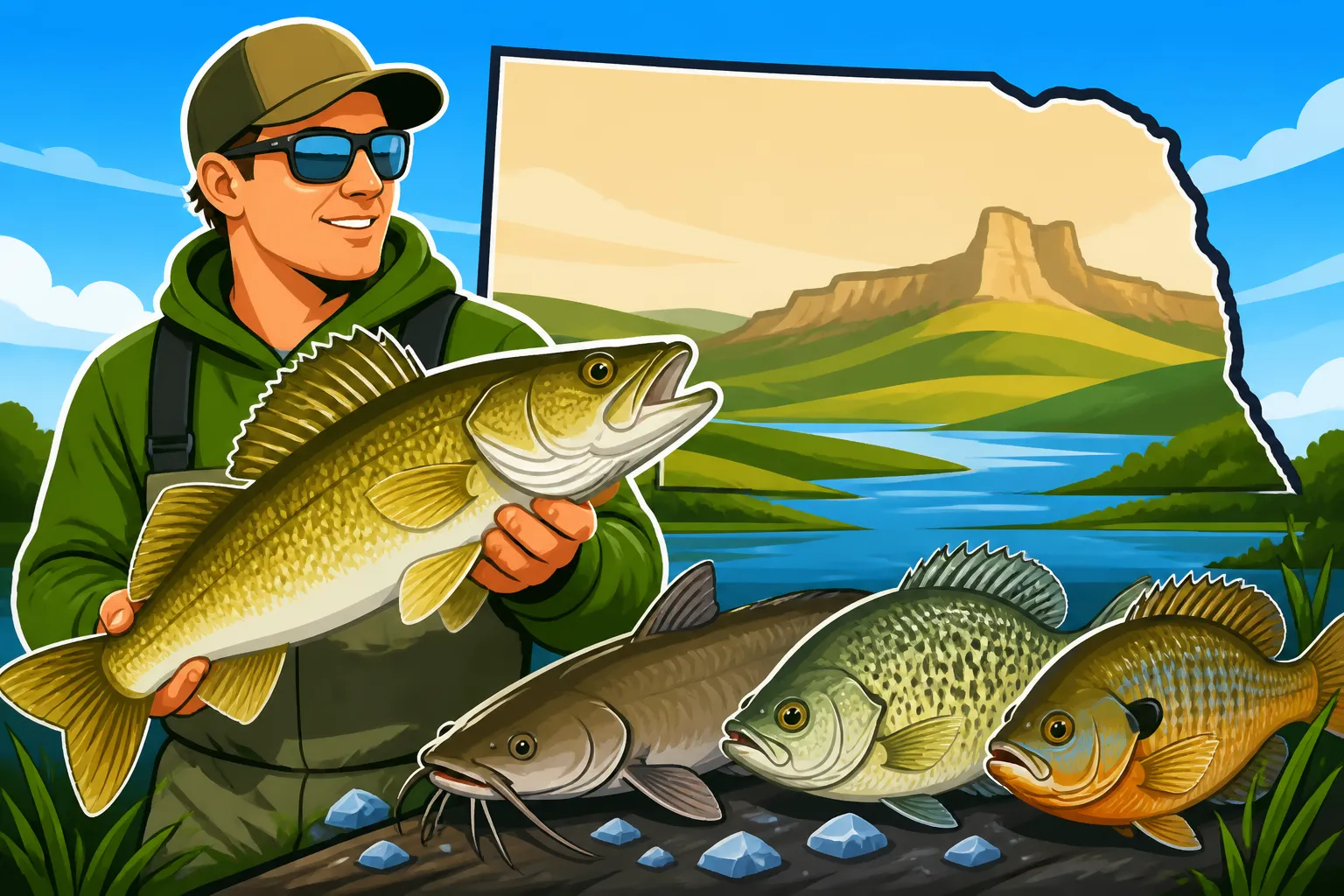
Ask almost any angler in Nebraska what the best eating fish is, and "walleye" will likely be the first answer. The walleye truly holds the title of the state's most coveted table fare, and its reputation is well-deserved. Its flesh is consistently white, flaky, and has a wonderfully mild, almost sweet flavor that many describe as delicate and clean. It's never "fishy," making it appealing even to those who aren't usually big seafood eaters.
The texture of walleye meat is firm yet tender, flaking easily with a fork once cooked. This ideal combination makes it incredibly versatile in the kitchen. Whether you're pan-frying it with a light breading, baking it with herbs and lemon, or even grilling it, walleye holds its integrity and flavor beautifully. Many anglers dream of a Walleye Fishing in Nebraska trip specifically for the bounty it brings to the supper table. The clean, cold waters of large reservoirs like Lake McConaughy and Merritt Reservoir are renowned for producing exceptionally delicious walleye, often contributing to their superior taste compared to those from warmer, murkier waters.
Channel Catfish: A Southern Comfort in the Midwest
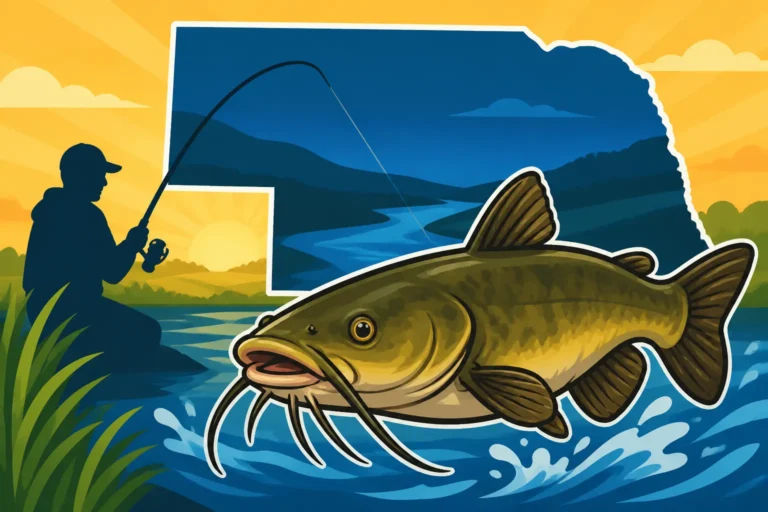
While walleye might be the king of delicate flavor, the humble Channel Catfish holds its own as a beloved eating fish, particularly for those who appreciate a richer, more robust taste. Often associated with Southern comfort food, catfish thrive in Nebraska's rivers and reservoirs, offering abundant opportunities for anglers to bring home a delicious meal. When caught from cleaner waters, especially larger rivers with good current or deeper lakes, their meat is firm, flaky, and has a distinct, earthy flavor that stands up well to bold seasonings.
The key to a great eating catfish often lies in its size and source. Smaller "fryer" catfish, typically in the 1-3 pound range, tend to have the sweetest and least "muddy" taste. Larger catfish, while impressive, can sometimes have a stronger flavor, especially if they've been living in stagnant or overly warm water. How to Catch Catfish in Nebraska is a popular pursuit, and for good reason. Catfish are incredibly versatile: fried crispy with cornmeal, grilled with a spicy rub, or even baked. Many enthusiasts love to How to Clean and Fillet a Channel Catfish and prepare them for a traditional fish fry, showcasing their delightful texture and flavor.
Crappie: Panfish Perfection
Don't let their relatively small size fool you; crappie are absolute gems on the dinner plate. Both black and white crappie found in Nebraska waters are renowned for their incredibly delicate, sweet, and flaky white meat. They are the quintessential "panfish," aptly named because they fit perfectly into a frying pan and are usually prepared whole or as small fillets. Their mild flavor makes them a favorite for even the pickiest eaters, and they rarely suffer from any "fishy" taste.
Crappie are abundant in many of Nebraska's lakes and reservoirs, often found around submerged brush, docks, and other structures. Anglers targeting Crappie Fishing in Nebraska know that a successful outing often means a fantastic fish fry. While filleting small crappie can be a bit more tedious than larger fish, the reward is well worth the effort. A simple dredge in seasoned flour or cornmeal and a quick pan-fry or deep-fry is all it takes to turn these small wonders into a delightful meal. Their meat is so tender and flavorful that it truly stands out as a top contender for the best eating experience, proving that sometimes the best things come in smaller packages.
Other Delicious Options Worth Considering
While walleye, catfish, and crappie often steal the spotlight, Nebraska's diverse waters offer several other species that are absolutely fantastic for eating. Expanding your culinary horizons beyond the "big three" can lead to some delightful discoveries and add variety to your fishing-to-fork adventures. These fish might be less talked about in terms of table fare, but they certainly don't disappoint when prepared correctly.
Often, these alternative choices provide unique flavor profiles or textures that can be a welcome change. Whether you're targeting them specifically or just happen to catch them while pursuing other species, knowing which ones are good for the dinner table can turn an ordinary fishing trip into an extraordinary culinary experience. Let's explore some of these underrated, yet incredibly tasty, Nebraska fish.
White Bass and Wipers: The Fighting, Feasting Combo
If you're looking for a fish that fights hard and tastes great, look no further than white bass and their hybrid cousins, wipers (a cross between white bass and striped bass). These aggressive schooling fish are prevalent in many of Nebraska's larger reservoirs, including Harlan County, Branched Oak, and Lake McConaughy. Their meat is firm, white, and has a clean, mild flavor, especially when caught from cool, clear waters. They offer a good, meaty fillet that holds up well to grilling or baking, making them a fantastic option for a hearty fish dinner.
One common concern with white bass and wipers is the presence of a "red meat" strip along the lateral line, which some anglers believe can impart a stronger, oilier flavor. This is easily remedied by simply trimming out this darker meat when filleting, leaving only the pristine white flesh. The effort is minimal for the reward of a delicious fillet. Many anglers specifically target the spring and fall runs of white bass, not just for the exciting action but for the generous bounty of delicious fillets they provide. These fish are often caught in large numbers, making them an excellent choice for feeding a crowd.
Trout: A Cold-Water Delicacy
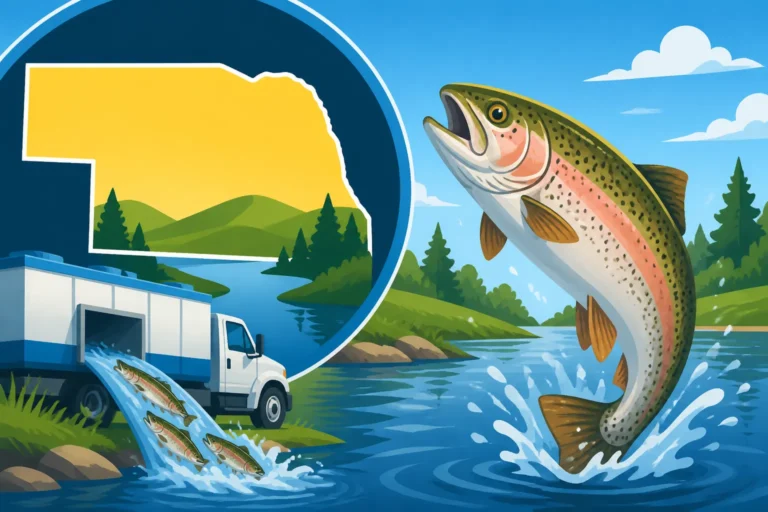
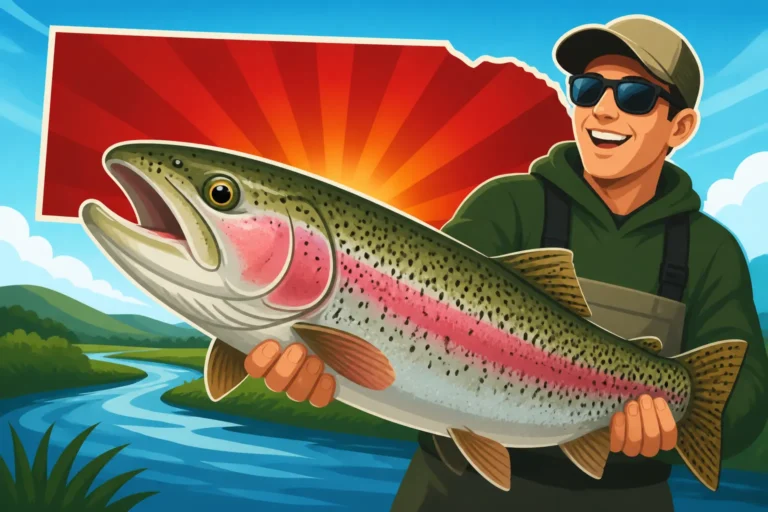
For those who appreciate the unique, delicate flavor of cold-water fish, Nebraska's trout fishing opportunities provide a fantastic culinary experience. Rainbow trout are regularly stocked in various lakes and streams across the state, and wild brown trout can be found in some of Nebraska's pristine cold-water streams. The meat of a rainbow or brown trout is typically pinkish-orange, moist, and very tender, with a distinct, clean flavor that some describe as nutty or earthy. It's a taste profile that stands apart from the milder white fish.
Trout are often prepared whole, either baked, grilled, or pan-fried, allowing their natural flavors to shine. A simple preparation with butter, lemon, and fresh herbs is often all that's needed to create a gourmet meal. Their delicate texture makes them a favorite for those seeking a light yet satisfying dish. Lakes like Lake Ogallala and some of the Sandhills lakes are prime spots for Trout Fishing in Nebraska, offering anglers the chance to catch these beautiful and delicious fish. The clean, cold environments these fish inhabit contribute significantly to their superb eating quality.
Panfish Powerhouses: Bluegill and Perch
Beyond crappie, two other panfish deserve an honorable mention for their excellent table qualities: bluegill and yellow perch. These smaller species are incredibly abundant in Nebraska's ponds and lakes, making them accessible targets for anglers of all skill levels, especially families fishing with kids. While they require a bit more effort to fillet due to their size, the reward is absolutely worth it.
Bluegill, with their bright colors and feisty fight, yield small, sweet, and flaky white fillets that are perfect for pan-frying. Their flavor is consistently mild and delightful. Yellow perch, identifiable by their distinct vertical stripes, offer similarly excellent white meat with a mild, sweet taste and firm, flaky texture. Both are ideal for a classic fish fry and are a great way to introduce new anglers to the joy of eating their catch. Many anglers will head to smaller impoundments or calm bays to fill a bucket with these delicious panfish, knowing they’re bringing home some of the freshest and tastiest morsels Nebraska has to offer.
From Water to Plate: Preparing Your Catch for the Best Flavor
Catching the fish is only half the battle when it comes to enjoying a delicious meal. The way you handle and prepare your fish from the moment it leaves the water to when it hits the pan can drastically impact its final taste and texture. Even the finest eating fish can be ruined by improper care, while careful handling can elevate a good catch to an unforgettable feast. This section isn't just about cooking; it's about the entire process of preserving quality and enhancing the natural flavors of your Nebraska catch.
Taking the time to understand these crucial steps ensures that all your hard work on the water translates into a truly rewarding dining experience. From chilling your fish immediately to mastering the art of filleting, every detail contributes to the plate. You'll want to have the right gear, too, and finding quality items like a good cooler or a sharp fillet knife on platforms like Amazon can make all the difference in this process.
Field Care: The First Step to a Great Meal
The moment a fish comes out of the water, its quality for eating begins to degrade if not handled properly. This is why proper field care is paramount, especially for species you intend to eat. The absolute best practice is to dispatch the fish quickly and humanely, then immediately get it on ice. This rapid chilling stops the metabolic processes that cause spoilage, helps prevent the release of stress hormones that can negatively affect flavor, and firms up the meat. A cooler filled with ice is an essential piece of equipment for any serious angler planning to keep their catch.
Avoid letting fish flop around in a livewell in warm water for extended periods if you plan to eat them, as this can stress them and diminish their flavor. If you're going to use a stringer, try to keep the fish in the coolest, cleanest water possible, away from direct sunlight. Better yet, bleed your fish by making a quick cut to the gills and placing them directly on ice. This removes blood from the flesh, resulting in a cleaner, milder taste and a whiter fillet. Taking these initial steps seriously means you're already halfway to a fantastic meal. For longer trips, consider investing in a high-quality cooler found on Amazon to keep your catch in pristine condition.
Cleaning and Filleting for Optimal Results
Once you're off the water, the next critical step is cleaning and filleting your fish promptly. Delaying this process can negatively impact the flavor and texture. A sharp, flexible fillet knife is your best friend here. While cleaning a fish might seem daunting at first, practice makes perfect, and there are many online resources and videos to guide you through the process for various species like How to Clean and Fillet a Walleye. Proper filleting not only removes bones and skin, making the fish easier to eat, but also allows you to trim away any unwanted dark meat or fatty areas that might contribute to stronger flavors.
For fish like catfish, the skin can be quite tough, and many anglers prefer to skin them rather than scale them. For white bass or wipers, remember to remove that red lateral line for the cleanest taste. Always rinse your fillets thoroughly under cold water after cleaning, pat them dry with paper towels, and then store them in airtight bags or containers in the refrigerator if cooking within a day or two, or freeze them for longer storage. A good cutting board and a sturdy pair of fish-cleaning gloves, easily found on Amazon, will also make the job much more pleasant and efficient.
Simple Cooking Methods to Enhance Natural Flavors
The beauty of Nebraska's best eating fish is that their natural flavors are so good, they often require very little embellishment. Simple cooking methods are often the best way to highlight their delicate taste and flaky texture. Pan-frying is a perennial favorite, especially for walleye, crappie, and smaller catfish. A light breading of seasoned flour or cornmeal, cooked in a hot pan with a bit of oil or butter, creates a crispy exterior and a moist, tender interior.
Baking or grilling are excellent healthy alternatives that allow the fish's true flavor to shine. Wrap fillets in foil with a pat of butter, lemon slices, and your favorite herbs (dill, parsley, or thyme are excellent choices), then bake or grill until flaky. For trout, grilling them whole or baking them stuffed with aromatics is a classic preparation. Even a simple sear with salt and pepper can be incredibly rewarding. The goal is to cook the fish just until it flakes easily with a fork; overcooking will dry it out and diminish its appeal. Don't be afraid to experiment with different seasoning blends, but always start with methods that honor the fish's inherent deliciousness.
| Fish Species | Flavor Profile | Texture | Common Cooking Methods | Notes |
|---|---|---|---|---|
| Walleye | Mild, sweet, clean, not "fishy" | Firm, flaky, tender | Pan-fry, bake, grill, deep-fry | Widely considered the best tasting in Nebraska. |
| Channel Catfish | Mild to robust, earthy | Firm, flaky, meaty | Pan-fry, deep-fry, grill, stew, smoke | Smaller fish (1-3 lbs) generally taste best. |
| Crappie | Very mild, sweet, delicate | Very flaky, tender, soft | Pan-fry (whole or fillets), deep-fry | "Panfish perfection," excellent for fish frys. |
| White Bass/Wiper | Mild, clean, slightly richer than walleye | Firm, white, meaty | Pan-fry, bake, grill, ceviche | Trim red lateral line for best flavor. |
| Rainbow/Brown Trout | Distinct, earthy, nutty, moist | Flaky, tender, somewhat firm | Bake (whole), grill (whole), pan-fry, smoke | Best from cold, clean waters; often pinkish flesh. |
| Bluegill | Very mild, sweet | Flaky, tender | Pan-fry (whole), deep-fry | Great for kids and beginners, small fillets. |
| Yellow Perch | Mild, sweet, clean | Firm, flaky | Pan-fry, deep-fry | Excellent panfish, similar to crappie in taste. |
Disclaimer
This article is for general informational purposes only and does not constitute professional advice. Laws, prices and regulations vary by location and change over time. Consult a qualified professional for guidance on your specific situation.