How Often Nebraska Stocks Trout
If you're an angler in Nebraska, especially one who loves the challenge and beauty of trout fishing, you've probably wondered about the magic behind their appearance in our waters. It's not always easy to track, and the thought of driving a long way only to find no fresh stock can be a real bummer. This comprehensive guide is here to pull back the curtain on Nebraska's trout stocking program, explaining how often and where these beautiful fish are introduced, and how you can best plan your next trout-filled adventure.
Understanding Nebraska's Trout Stocking Program
Nebraska might not be the first state that comes to mind when you think of trout fishing, but thanks to dedicated efforts, it offers some fantastic opportunities. Unlike states with abundant, naturally reproducing coldwater streams, Nebraska relies heavily on strategic stocking to create and sustain its trout fisheries. It's a nuanced process designed to provide diverse angling experiences across the state.
The Nebraska Game and Parks Commission's Role
The folks at the Nebraska Game and Parks Commission (NGPC) are the true architects of our state's trout fishing opportunities. They're the ones behind the scenes, managing fish hatcheries, monitoring water conditions, and making the crucial decisions about where and when trout are stocked. Their work isn't just about dumping fish in a lake; it's a careful balance of ecological science, angler demand, and resource management. They study water temperatures, oxygen levels, and available forage to ensure that when trout are introduced, they have the best possible chance to thrive, at least for a season.
This proactive management is what allows us to enjoy trout fishing in places that otherwise wouldn't support these coldwater species. The NGPC's commitment ensures that both seasoned fly-fishing enthusiasts and families looking for a fun day out have access to these unique angling experiences. It's a continuous cycle of raising, stocking, and assessing to keep the program vibrant and responsive to the needs of Nebraska's angling community.
Why Trout Stocking is Essential in Nebraska
Let's face it, Nebraska is known more for its sprawling prairies and warmwater species like catfish and walleye than for crystal-clear, cold trout streams. The vast majority of our natural waters simply don't stay cold enough year-round to support wild trout populations that can successfully reproduce. Trout, especially rainbow and brown trout, need consistently cold water, typically below 70°F (21°C), with plenty of oxygen to survive and spawn. Our hot summers often push water temperatures well above that threshold in most lakes and rivers.
This is where stocking becomes absolutely vital. Without it, trout fishing would be virtually non-existent in most of the state. The stocking program transforms otherwise unsuitable waters into temporary trout havens, providing a unique fishing experience that many Nebraskans cherish. It bridges the gap between our natural aquatic conditions and the desire for diverse angling pursuits, ensuring that everyone has a chance to catch these beautiful, hard-fighting fish.
General Stocking Philosophy and Goals
The NGPC's stocking philosophy is rooted in providing diverse and accessible fishing opportunities. One primary goal is to create "put-and-take" fisheries, particularly in urban and easily accessible waters, where anglers can enjoy catching recently stocked trout. These locations are perfect for families and beginners, offering a high chance of success shortly after a stocking event. Think of it as a way to introduce new anglers to the sport and guarantee some action.
Beyond these immediate opportunities, there's also a focus on sustaining existing coldwater fisheries where trout can survive for longer periods, sometimes even year-round. These might include unique spring-fed streams or deep reservoirs with cold hypolimnions (the bottom layer of a lake). The goal here is to provide a more challenging and rewarding experience for anglers seeking larger, carryover trout that have adapted to their environment. Ultimately, the program aims to enrich the state's fishing landscape and encourage participation in the sport.
How Often and Where Nebraska Stocks Trout
The timing and location of trout stocking in Nebraska are far from random; they are carefully planned to maximize success and angler enjoyment. You won't find trout being dropped into every pond every week, but rather a strategic, seasonal approach tailored to the species' needs and local conditions.
Seasonal Stocking Schedules
Trout stocking in Nebraska is very much a seasonal affair, primarily concentrated when water temperatures are most favorable. You'll find the bulk of stocking activities occurring during three key periods:
- Fall Stocking: This is a major period, typically from late September through November. As the scorching summer heat fades and water temperatures in many lakes and ponds begin to cool down, these waters become much more hospitable for trout. Fall stockings often focus on urban and community ponds, providing a fantastic opportunity for anglers to get out and enjoy the crisp autumn air while targeting freshly introduced rainbows. This sets up good fishing through the early winter.
- Winter Stocking (for Ice Fishing): Once hard water forms, Nebraska steps up its game for ice anglers. Many of the same community ponds and smaller lakes that received fall stockings are often replenished in December and January, specifically to support the robust ice fishing season. There's nothing quite like jigging for trout through the ice, and these regular winter stockings ensure there are plenty of fish to be caught. Check out our guide on How to Ice Fish in Nebraska for more tips.
- Spring Stocking: As ice melts and before the summer heat truly sets in, spring brings another wave of trout stockings, usually from March through May. These stockings often target similar community fisheries, but also focus on specific coldwater streams and certain reservoir tailwaters where conditions remain suitable. This ensures a fresh batch of fish for anglers looking to hit the open water after the long winter.
It's crucial to understand that summer stocking is generally avoided in most of Nebraska due to the high water temperatures mentioned earlier. Trout simply wouldn't survive. Therefore, if you're planning a summer trout trip, you'll need to focus on locations known for their consistent cold water or seek out larger, deeper bodies of water where trout can retreat to cooler depths.
Key Trout Stocking Locations
Nebraska's trout stocking program is designed to spread the love, offering opportunities across various types of water bodies. Here are the primary kinds of locations where you can expect to find stocked trout:
- Urban and Community Ponds: These are the bread and butter of the "put-and-take" program. Ponds in and around cities like Omaha, Lincoln, Grand Island, and Kearney are routinely stocked. They're easily accessible, often have good bank access, and are perfect for a quick fishing trip after work or school. Think of places like Holmes Lake in Lincoln or Standing Bear Lake in Omaha. They are fantastic spots for beginners or those wanting a high chance of success.
- Coldwater Streams: While rare, Nebraska does have a few precious coldwater streams, primarily in the northern Sandhills, that can sustain trout year-round. Streams like the Snake River, Nine Mile Creek, and portions of the Niobrara River are managed for wild or carryover trout, often supplemented by stocking to maintain healthy populations. These offer a more traditional, challenging trout fishing experience. Our Niobrara River Smallmouth Bass Fishing guide might touch on some of these areas, though smallmouth are warmwater species, the rivers themselves can have cold pockets.
- Reservoir Tailwaters and Deep Lakes: Some larger reservoirs, particularly those with deep water or coldwater releases from dams, can support trout. Lake Ogallala, immediately below Kingsley Dam at Lake McConaughy, is a prime example, famous for its excellent trout fishing due to the cold water discharged from the dam. Merritt Reservoir also has trout populations, particularly during colder months. These locations offer opportunities for larger, often trophy-sized trout.
The specific locations can change year to year based on conditions, so always check the latest information.
Factors Influencing Stocking Frequency and Locations
The decision of how often and where to stock trout isn't pulled out of a hat. The NGPC considers several critical factors:
- Water Temperature and Quality: This is paramount. Trout require cool, well-oxygenated water. If a body of water is too warm, or if it experiences significant oxygen depletion, it won't be considered for stocking. This is why urban ponds are often stocked in fall, winter, and spring, but rarely in summer. The Commission continuously monitors these conditions.
- Angler Demand and Access: The popularity of trout fishing plays a role. Locations that are heavily fished and easily accessible to the public, like community parks, are often prioritized for regular stocking to meet demand. This aligns with the "put-and-take" philosophy, ensuring that more people have the chance to experience trout fishing.
- Habitat Suitability: Even if water temperatures are good, the physical habitat matters. Does the water body have enough cover? Is there suitable forage? While stocked trout are often fed hatchery diets, a healthy ecosystem contributes to their survival and growth once released.
- Budget and Resources: Like any program, funding and logistical resources influence the scale and frequency of stocking. Hatchery capacity, transportation costs, and staff availability all play a part in determining how many fish can be raised and distributed.
- Disease Prevention: Biosecurity is a serious concern. Stocking programs must adhere to strict protocols to prevent the spread of diseases among fish populations, which can sometimes impact stocking schedules or choices of location.
Understanding these factors helps you appreciate the complexity of the program and why stocking isn't a simple, uniform process across the state.
Accessing Stocking Information and Making the Most of It
Knowing that Nebraska stocks trout is one thing, but knowing when and where is the real key to success. Fortunately, the Nebraska Game and Parks Commission makes this information readily available to help you plan your angling adventures.
How to Find Official Stocking Reports
Gone are the days of guessing! The best way to stay in the loop about trout stockings is to go straight to the source:
- Nebraska Game and Parks Commission Website: The NGPC's official website is your primary resource. They typically have a dedicated section for fishing reports and stocking schedules. This is usually updated frequently, especially during peak stocking seasons. Look for news releases or a "Fishing Report" page. This often includes details like the species stocked, the number of fish, and the specific water body.
- Social Media: Follow the Nebraska Game and Parks Commission on their official social media channels. They often post real-time updates and announcements about recent stockings, sometimes even with photos or videos. It's a quick and easy way to get notifications directly to your feed.
- Local NGPC Offices and Bait Shops: Don't underestimate the power of local knowledge! Calling your nearest NGPC office or stopping by a local bait and tackle shop can provide invaluable, up-to-the-minute information. Staff and local anglers often have the freshest scoop. Many of these shops might also sell fishing licenses and stamps, like the Nebraska Aquatic Habitat Stamp Explained, which is often required alongside your permit.
Always verify information from unofficial sources with the official channels, as details can sometimes be miscommunicated. This proactive approach will save you time and gas money, guiding you to the most recently stocked waters.
Planning Your Trout Fishing Trip Around Stocking
Once you've got the hot tip on a recent stocking, it's time to strategize! Freshly stocked trout behave differently than wild or carryover fish, and adjusting your tactics can lead to much greater success.
- Timing is Key: The "honeymoon period" immediately following a stocking can be phenomenal. These hatchery-raised fish are often eager biters, as they're used to being fed regularly. Aim to fish within a day or two, or at least within the first week, after a stocking announcement. The fishing can still be good beyond that, but the initial burst of activity is often the most productive.
- Recommended Gear: You don't need highly specialized gear for recently stocked trout, making it a perfect opportunity for beginners. A light to medium-light spinning rod and reel combo, spooled with 4-6 lb test monofilament or fluorocarbon line, is ideal. Simple setups like a slip bobber rig, a small jig, or a basic bottom rig work wonders. You can find excellent beginner-friendly combos on Amazon that won't break the bank.
- Bait and Lure Choices: Hatchery trout are often raised on pellet feed, so they're not always picky right away. PowerBait (in various colors and forms like dough or nuggets), corn, and small worms are often incredibly effective. Small spinners (like Rooster Tails or Mepps) and tiny spoons can also entice a bite. For flies, small nymphs or attractor patterns can work in streams. Don't overthink it at first; these fish are often just looking for an easy meal.
- Approach and Technique: Fish close to where they were stocked. Often, they haven't dispersed far yet. Try different depths if you're not getting bites immediately, as they might be suspended or hugging the bottom. Keep your presentation simple and be patient, but don't be afraid to try different baits or lures if one isn't working.
This table provides a quick overview of what to expect seasonally:
| Season | Typical Stocking Months | Primary Locations | Key Species | Angling Focus |
|---|---|---|---|---|
| Fall | Late September – November | Urban Ponds, Community Lakes | Rainbow | Put-and-take, easy access, cool weather |
| Winter | December – January | Urban Ponds, Ice Fishing Lakes | Rainbow | Ice fishing, high catch rates |
| Spring | March – May | Urban Ponds, Coldwater Streams | Rainbow | Post-ice-out, stream fishing, family outings |
| Summer | Very limited / None (most areas) | Deep Reservoirs, Coldwater Springs | Rainbow, Brown | Carryover fish, challenging, specific locales |
Beyond Freshly Stocked: Sustaining Your Trout Fishing Success
While the "hot bite" immediately after stocking is fun, the real challenge and reward often come from targeting "carryover" trout—those that have survived and adapted to their new environment for weeks or months.
- Learning to Adapt: These fish become warier and develop more natural feeding habits. They'll transition from pellet-fed opportunists to seeking out insects, minnows, and other natural forage. You'll need to observe the water for insect hatches, look for baitfish activity, and adjust your lure and bait selections accordingly. This is where a good fishing guide or a book on trout tactics from Amazon can be a huge asset.
- Focus on Structure and Cover: Unlike newly stocked fish that might mill around in open water, carryover trout will seek out structure for safety and ambush points. Look for submerged logs, rock piles, drop-offs, weed lines, and undercut banks. These areas provide protection from predators and places for trout to hide from current or strong sunlight.
- Refining Your Presentation: Light line, stealthy approaches, and precise casts become more important. Live baits like nightcrawlers or shiners, expertly presented, can be very effective. For lure fishermen, smaller, more natural-colored jigs, crankbaits, or spoons that imitate local forage will often outperform brighter, more aggressive presentations. Fly fishermen will find success matching the hatch or using versatile nymph patterns.
- Understanding Nebraska Fishing Regulations Explained: As trout adapt and grow, minimum length limits and daily bag limits can become more relevant, especially in waters managed for trophy potential. Always be aware of the specific rules for the water body you are fishing, as they can vary.
Targeting carryover trout is a fantastic way to develop your angling skills and experience a more challenging side of Nebraska's trout fishery.
Types of Trout Stocked and What to Expect
When the Nebraska Game and Parks Commission decides to stock trout, they aren't just grabbing any fish. There's a specific species that makes up the overwhelming majority of their efforts, along with a few others that might appear in very specialized circumstances.
Rainbow Trout: The Mainstay
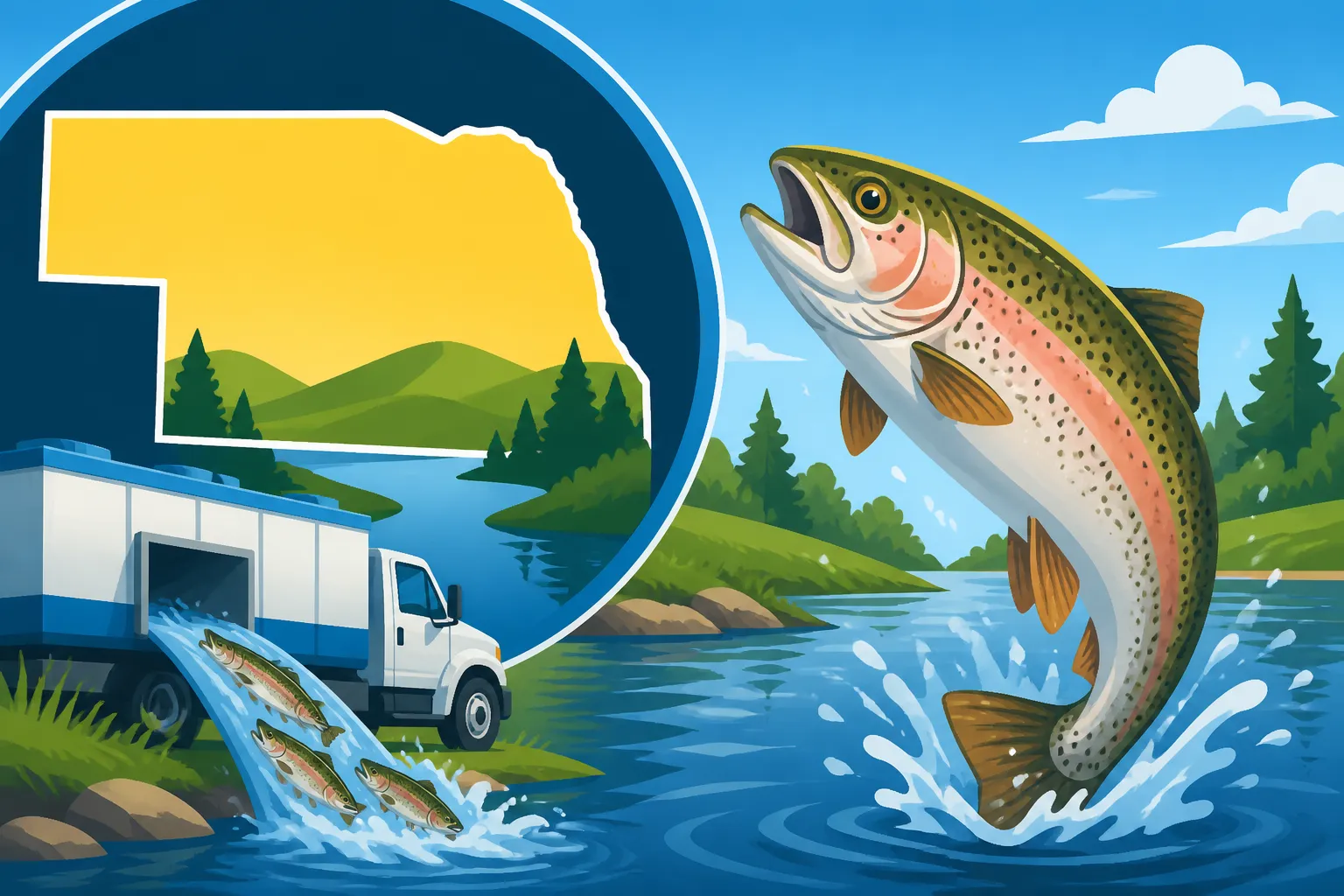
Without a doubt, the Rainbow Trout (Oncorhynchus mykiss) is the star of Nebraska's stocking show. You'll find these vibrant, hard-fighting fish in almost every stocked location across the state. They are incredibly popular with anglers for several excellent reasons:
- Hardiness: Rainbow trout are relatively hardy and tolerate a wider range of water conditions than many other trout species, making them suitable for the fluctuating temperatures found in many Nebraska lakes and ponds during cooler months. This adaptability is crucial for the success of the "put-and-take" fisheries.
- Fast Growers: In a hatchery environment, rainbow trout grow quickly, allowing the NGPC to raise them to a catchable size efficiently. This means more fish for anglers in a shorter amount of time.
- Eager Biters: Hatchery-raised rainbows are often very aggressive feeders, especially immediately after stocking. This makes them an excellent target for beginners and families, providing a high likelihood of success and a fun fishing experience. They'll often readily strike at a variety of baits and lures, from PowerBait to small spinners.
- Good Table Fare: Many anglers enjoy rainbow trout for their mild, flaky white meat. They make for a delicious shore lunch or a meal at home.
When you hear about a trout stocking event in Nebraska, you can almost always assume it's rainbow trout being introduced. They are integral to the Nebraska Trout Fishing experience.
Other Trout Species
While rainbows dominate, a few other trout species might occasionally be found or stocked in very specific, coldwater habitats within Nebraska:
- Brown Trout (Salmo trutta): Brown trout are known for being more wary and challenging to catch than rainbows, often growing to larger sizes. They also tolerate slightly warmer water than brook trout and can be more resilient to environmental changes. In Nebraska, brown trout are typically found in the state's few coldwater streams, especially in the western part of the state. They might be stocked in these specific stream sections to supplement wild populations or create unique trophy opportunities, but they are not part of the widespread "put-and-take" pond stocking. You won't find them in your local urban pond.
- Brook Trout (Salvelinus fontinalis): The brook trout, while technically a char, is often grouped with trout. These beautiful fish require the coldest, purest water of all trout species. Consequently, their presence in Nebraska is extremely limited, usually confined to isolated, spring-fed streams that maintain consistently low temperatures year-round. Any stocking of brook trout would be highly specialized and focused on conserving or enhancing these unique, fragile ecosystems. They are truly a rare treat for Nebraska anglers.
For the vast majority of Nebraska trout fishing, your focus will be squarely on the rainbow trout. If you're looking for brown or brook trout, you'll need to do some very specific research and potentially venture to remote, pristine locations.
Size and Condition of Stocked Trout
When you reel in a freshly stocked trout in Nebraska, what can you expect?
- Catchable Size: The NGPC typically stocks rainbow trout that are already of "catchable" size. This usually means they are anywhere from 8 to 12 inches long, sometimes a bit larger. The goal is to provide immediate angling gratification, so you won't usually be catching tiny fingerlings in these programs.
- Healthy Appearance: These fish come directly from state hatcheries, meaning they are generally in excellent health. They'll be robust, brightly colored, and full of fight. You might occasionally notice a fin clip, which is a common hatchery practice for marking fish for research purposes.
- Acclimation Period: While vigorous, freshly stocked trout are also undergoing a significant environmental change. They've moved from a hatchery raceway to a natural pond or stream. This means they might be disoriented for a short period, which can actually make them easier to catch initially. However, it also means they are adapting to new predators, different water chemistry, and a natural food source. Those that survive this initial period will become the hardier, more elusive "carryover" fish.
The quality of stocked trout in Nebraska is consistently high, reflecting the dedication of the NGPC to provide a great angling experience.
Disclaimer
This article is for general informational purposes only and does not constitute professional advice. Laws, prices and regulations vary by location and change over time. Consult a qualified professional for guidance on your specific situation.