What Fish Have Mercury Advisories in Nebraska
Reeling in a beautiful catch from Nebraska's waters brings immense satisfaction, but many anglers wonder: Is this fish safe to eat, or do I need to worry about mercury? This is a perfectly valid concern, and navigating fish consumption advisories can feel overwhelming. This guide will demystify mercury warnings in Nebraska fish, helping you understand which species and water bodies might carry advisories, why they exist, and how you can enjoy your catch safely.
Understanding Mercury in Fish and Why It Matters
The thought of mercury in your freshly caught fish can be a bit alarming, and it's completely natural to have questions. This isn't just about Nebraska; it's a worldwide environmental consideration. Knowing the basics of what mercury is and how it affects fish, and subsequently us, is the first step toward making informed decisions about your catch.
What is Mercury and How Does it Get Into Fish?
Mercury is a naturally occurring element, but human activities have significantly increased its presence in our environment. When we talk about mercury in fish, we're primarily concerned with a specific form called methylmercury. This highly toxic compound forms when inorganic mercury, released from industrial processes, coal-fired power plants, and even natural events like volcanic eruptions, settles into bodies of water. Microorganisms in the water convert this inorganic mercury into methylmercury.
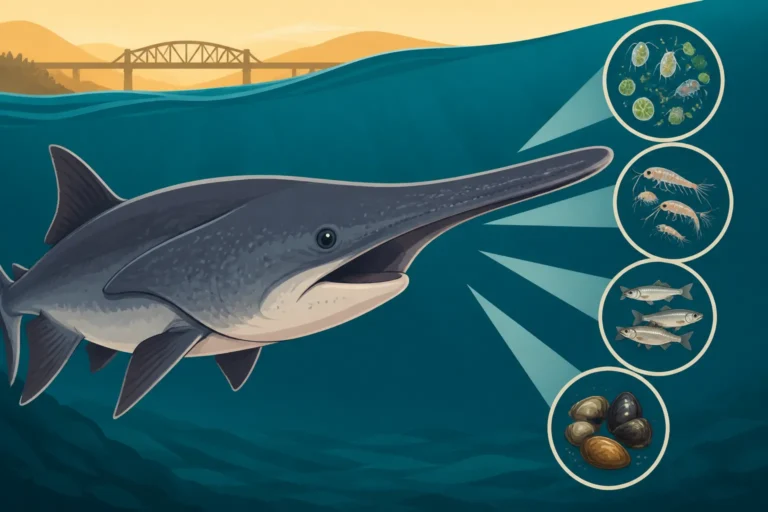
Once in this form, it's absorbed by small aquatic organisms, which are then eaten by larger fish. This is where the process of bioaccumulation comes into play. As smaller fish are consumed by bigger fish, the methylmercury doesn't get excreted; instead, it accumulates in the fish's tissues. This means that fish higher up the food chain, those that eat other fish, tend to have higher concentrations of mercury. It's a classic example of "you are what you eat, and what what you eat eats." This cycle is why understanding which species are more likely to have higher levels is so important for anglers in Nebraska and everywhere else.
Health Risks Associated with Mercury Consumption
Consuming too much methylmercury can lead to serious health issues, primarily affecting the nervous system. The severity of these effects depends on the amount of mercury consumed and the individual's vulnerability. For most healthy adults, occasional consumption of fish with moderate mercury levels is usually not a significant concern. However, continuous or high-level exposure can lead to neurological problems, including tremors, memory issues, and even changes in vision or coordination.
It's not just about obvious symptoms, though. The risks are often subtle and can accumulate over time. Think about the cumulative effect of a steady diet of fish from a high-mercury source. This is why advisories aren't about scaring people away from fish altogether, but about guiding safe consumption patterns to mitigate these potential risks. The good news is that with a little knowledge, you can largely avoid these concerns.
Who is Most at Risk?
While mercury can affect anyone, certain groups are particularly vulnerable and need to be more cautious about their fish consumption. The primary populations at risk include:
- Pregnant Women: Methylmercury can easily pass through the placenta and impact the developing fetus's brain and nervous system, leading to developmental delays and other neurological issues. This is why doctors often advise pregnant women to be very selective about the fish they eat.
- Nursing Mothers: Similarly, methylmercury can be transferred to infants through breast milk, posing a risk to their developing systems.
- Young Children: Their developing brains and nervous systems are highly sensitive to methylmercury, making them more susceptible to its harmful effects. Even small amounts can have long-term consequences on cognitive function and motor skills.
- Women of Childbearing Age (especially those planning pregnancy): Mercury can remain in the body for an extended period. If a woman has elevated mercury levels when she becomes pregnant, it can still pose a risk to the fetus.
- Frequent Consumers of Locally Caught Fish: If you're an avid angler who regularly eats your catch, especially large, predatory species, you might accumulate higher levels of mercury over time. This group includes many dedicated Nebraskan fishermen who enjoy their harvest as a staple of their diet. Being aware of the advisories is especially critical for you.
For these groups, paying close attention to consumption guidelines isn't just a suggestion; it's a vital part of protecting health.
Navigating Nebraska's Fish Consumption Advisories
Understanding why mercury is an issue is important, but knowing what to do about it is even more crucial for Nebraska anglers. The state works to provide clear guidance, but it's up to us to seek out and follow those recommendations. The advice often boils down to a few key principles, varying by the type of water and the species of fish.
General Statewide Recommendations for All Waters
Even if a specific body of water doesn't have a special advisory, there are general statewide recommendations that apply across Nebraska. These guidelines are designed to help you enjoy fish safely from virtually any public water. The core idea is moderation and diversification.
Generally, for healthy adults, the advice often suggests limiting consumption of certain types of fish, or particular sizes, to a specific number of meals per week or month. For vulnerable populations (pregnant women, nursing mothers, young children), these limits are usually stricter. It's not about avoiding fish entirely, but about making smart choices. Smaller, younger fish typically have lower mercury levels than older, larger fish of the same species because they've had less time to accumulate contaminants.
It's always a good practice to consult the most current information available from the Nebraska Game and Parks Commission (NGPC). While I can't give you real-time data, official state resources are regularly updated with comprehensive guides. You can often find these resources online or in printed fishing regulation booklets, which are a must-have for any angler. Understanding these general guidelines is crucial for making daily decisions on the water, whether you're chasing Walleye Fishing in Nebraska or Channel Catfish Fishing in Nebraska.
Specific Water Body Advisories: Where to Pay Extra Attention
Beyond the general statewide recommendations, some specific lakes, rivers, or impoundments in Nebraska might have their own, more stringent advisories. These specific warnings are usually issued when environmental monitoring indicates higher-than-average mercury concentrations in fish from that particular water body, or in specific species within it.
These localized advisories can be influenced by historical industrial activities in the area, the natural geology of the region, or even the unique characteristics of a lake's ecosystem that lead to greater mercury methylation. When an advisory is in place for a particular water, it's vital to heed it, as the general statewide advice might not be sufficient to ensure safe consumption from that location. For instance, a particular lake might have a general "eat up to two meals per week" for walleye, but if it has a specific advisory, that limit might drop to one meal per month, or even a "do not consume" for certain size classes or populations.
Always check for advisories related to the specific body of water you plan to fish. Local bait shops, park offices, and of course, the NGPC website are excellent places to find this information. Don't assume that just because one lake is clear, another nearby one is too. Each water body has its own story, and its own set of potential advisories.
Key Fish Species Often Under Advisory in Nebraska
When it comes to mercury, not all fish are created equal. The species most commonly associated with consumption advisories are typically large, long-lived predatory fish. These fish are at the top of the aquatic food chain, meaning they consume many smaller fish throughout their lives, leading to a greater accumulation of methylmercury in their muscle tissue.
Here are some of the key species in Nebraska that you might find listed in consumption advisories, especially for larger specimens:
- Walleye: A highly prized game fish in Nebraska, walleye are predatory and can grow quite large. Older, bigger walleye are more likely to have higher mercury levels. Anglers targeting Walleye Fishing in Nebraska should be mindful of size limits and consumption recommendations.
- Northern Pike: Known for their aggressive nature and size, northern pike are top predators. Their longevity and diet make them prime candidates for mercury accumulation. If you're after Northern Pike Fishing in Nebraska, consider the "smaller is better" rule for eating.
- Largemouth Bass: Another popular sport fish, largemouth bass are also predatory. While generally not as long-lived as pike or walleye, larger bass still accumulate more mercury than their smaller counterparts. Check advisories if you're planning to eat your Largemouth Bass Fishing in Nebraska catches.
- Catfish (especially older, larger Channel Catfish and Flathead Catfish): Nebraska is famous for its catfish, and while they aren't always at the very top of the food chain, the large, older individuals, especially Channel Catfish Fishing in Nebraska, can accumulate significant mercury. Big flatheads, in particular, are long-lived and predatory.
- Wiper (Hybrid Striped Bass): These popular hybrids are fast-growing and predatory, feeding on smaller baitfish. Due to their position in the food chain and rapid growth, they can also be included in advisories. Enthusiasts of Striped Bass and Wiper Fishing in Nebraska should be aware of recommendations.
It's important to remember that mercury is found throughout the fish's muscle tissue, not just in the fat. This means that common fish cleaning practices like trimming fat will not significantly reduce mercury levels in the fillet. The best way to reduce exposure is through informed consumption choices regarding species, size, and frequency.
Here's a general guide on how fish species and consumption advice often align, keeping in mind that specific advisories always take precedence:
| Fish Type / Group | Typical Mercury Level (General) | Vulnerable Populations (Pregnant/Nursing Women, Young Children) Recommendation | General Population Recommendation |
|---|---|---|---|
| Small, Non-Predatory Fish | Low | Up to 2-3 meals per week | Up to 4+ meals per week |
| (e.g., Bluegill, Crappie, Perch) | |||
| Medium-Sized Predatory Fish | Moderate | Up to 1 meal per week | Up to 2 meals per week |
| (e.g., Smaller Walleye, Bass, Channel Catfish) | |||
| Large, Long-Lived Predatory Fish | Higher | Limit to 1 meal per month or avoid | Limit to 1 meal per week/month |
| (e.g., Large Walleye, Northern Pike, Flathead Catfish, Wiper) |
Note: This table provides general guidance. ALWAYS consult current official Nebraska consumption advisories for specific water bodies and species.
Practical Tips for Safer Fish Consumption
So, you've done your homework, caught some beautiful fish, and now you want to enjoy them safely. Making informed choices about what you keep, how often you eat it, and how you stay updated can make all the difference. Enjoying the bounty of Nebraska's waters doesn't have to be a gamble; it can be a delicious and healthy part of your lifestyle.
Choosing Which Fish to Keep and Eat
When you're out on the water, practicing responsible angling means more than just following Nebraska Fishing Daily Bag and Possession Limits. It also involves making smart choices about what fish to take home for dinner. Here are some tips to help you minimize mercury exposure:
- Embrace the "Smaller is Better" Rule for Mercury: As we've discussed, smaller, younger fish generally have accumulated less mercury than their larger, older counterparts. If you're targeting a species known for mercury concerns, consider keeping the smaller, legal-sized fish and releasing the trophies. A 15-inch walleye is likely a healthier meal than a 25-inch one. This is also a great way to practice Catch and Release Best Practices in Nebraska for those big breeders!
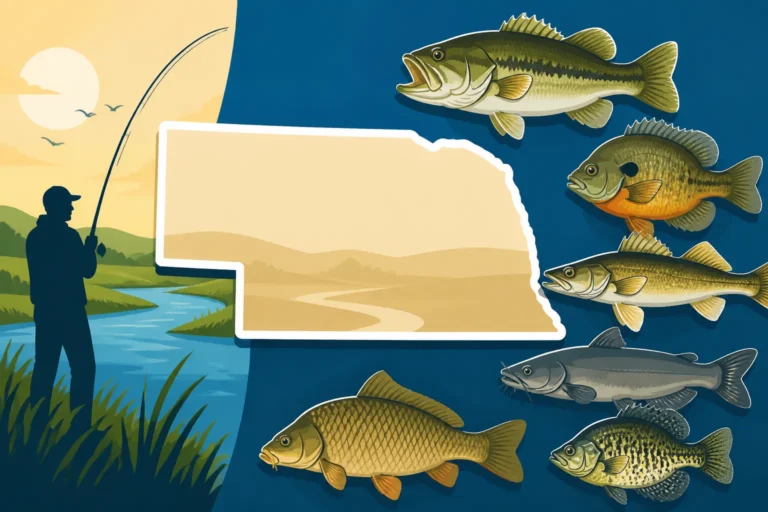
- Vary Your Catch: Don't put all your eggs (or fish!) in one basket. If you regularly fish for walleye, try mixing it up with some panfish like crappie or bluegill, which are typically much lower in mercury. A varied diet of fish species helps diversify your nutritional intake and minimize exposure to any single contaminant.
- Consider Species Diversity: If you have access to different water bodies, think about which species are known for being excellent table fare with lower mercury levels. Panfish, like those found in many of Nebraska's ponds, often pose less concern than apex predators in large reservoirs.
- Preparation Methods Don't Remove Mercury: Unlike some contaminants that might reside in fat (which can be trimmed), methylmercury is bound to the protein in the fish's muscle tissue. This means that filleting, skinning, or cooking methods like frying or baking will not reduce the mercury content in the edible portion of the fish. So, while knowing How to Clean and Fillet a Walleye or How to Clean and Fillet a Channel Catfish is great for taste and texture, it won't mitigate mercury.
By being selective and mindful at the boat ramp or on the bank, you can significantly reduce your family's potential mercury exposure while still enjoying the deliciousness of your fresh catch.
How to Stay Informed About Current Advisories
Staying updated on Nebraska's fish consumption advisories is an ongoing process, as conditions can change. Don't rely on outdated information or hearsay. Here's how you can keep yourself informed:
- Official State Resources: The Nebraska Game and Parks Commission (NGPC) is the primary source for all official fishing regulations and advisories. Their website is regularly updated with the latest information, including statewide guidelines and specific advisories for individual water bodies. They often publish a fishing guide or regulation booklet each year that contains this crucial data. Make it a habit to check their site or grab a new booklet annually.
- Local Tackle Shops and Bait Stores: These community hubs are often a goldmine of local information. Shop owners and staff are usually well-versed in local fishing conditions and might have printouts or be able to direct you to specific advisories for nearby lakes and rivers. They hear what anglers are catching and often have a good pulse on local regulations and concerns.
- Community Boards and Fishing Forums: Online Nebraska-specific fishing forums or local community boards (physical ones at boat ramps or virtual ones) can be helpful for anecdotal insights, but always cross-reference with official NGPC sources. Sometimes anglers will discuss recent advisory changes or observations, which can prompt you to look up the official guidance.
- Educational Materials: Many environmental and health organizations publish general guides on choosing low-mercury fish. While not Nebraska-specific, these can provide a broader understanding. You can often find helpful books or detailed guides on species identification and safe preparation on platforms like Amazon, which can enhance your overall knowledge of fish and how to safely enjoy them. A good guide might help you distinguish species mentioned in advisories.
Being proactive about seeking out and understanding advisories shows true responsibility as an angler.
Balancing the Benefits and Risks of Eating Fish
It's easy to get caught up in the concerns about mercury and forget that fish, especially freshly caught ones, offer tremendous nutritional benefits. Fish are an excellent source of lean protein, essential vitamins and minerals, and perhaps most famously, omega-3 fatty acids. These omega-3s are incredibly important for heart health, brain function, and overall well-being.
The goal of consumption advisories isn't to discourage you from eating fish. Rather, it's about providing the information needed to make smart, balanced choices. Think of it as informed moderation.
Here’s how to strike that balance:
- Focus on the Nutritional Upsides: Appreciate the lean protein and healthy fats your catch provides. For many, eating fish they've harvested is a deeply satisfying and connectional experience, and it absolutely can be a healthy one too. Learning about Best Eating Fish From Nebraska Waters can help you focus on delicious, low-mercury options.
- Diversify Your Plate: If you love eating your Nebraska-caught walleye, enjoy it within the recommended limits. Then, supplement your fish diet with commercially sourced options known to be low in mercury, such as wild-caught salmon, tilapia, cod, or shrimp. This ensures you're still getting the beneficial omega-3s without overdoing it on higher-mercury species.
- Consider "Eat Safe Fish" Guides: Many states, including Nebraska, publish guides that not only list advisories but also highlight fish species that are generally considered safer and lower in mercury. Utilizing these guides helps you pinpoint species that offer great taste with minimal risk. You can often find fishing literature or general cooking guides that feature these types of recommendations on sites like Amazon, making it easier to research and plan your meals.
- Don't Let Fear Override Joy: The simple pleasure of catching your own food and sharing it with family and friends is a cherished part of the fishing experience. With a little knowledge and adherence to guidelines, you can ensure that joy isn't overshadowed by unnecessary worry. You're empowered to make choices that are both healthy and fulfilling.
By understanding the science, staying informed, and making conscious choices about the fish you consume, you can continue to enjoy the fantastic fishing opportunities Nebraska offers while protecting your health and that of your loved ones.
Disclaimer
This article is for general informational purposes only and does not constitute professional advice. Laws, prices and regulations vary by location and change over time. Consult a qualified professional for guidance on your specific situation.