Best Ice Fishing Rods and Reels
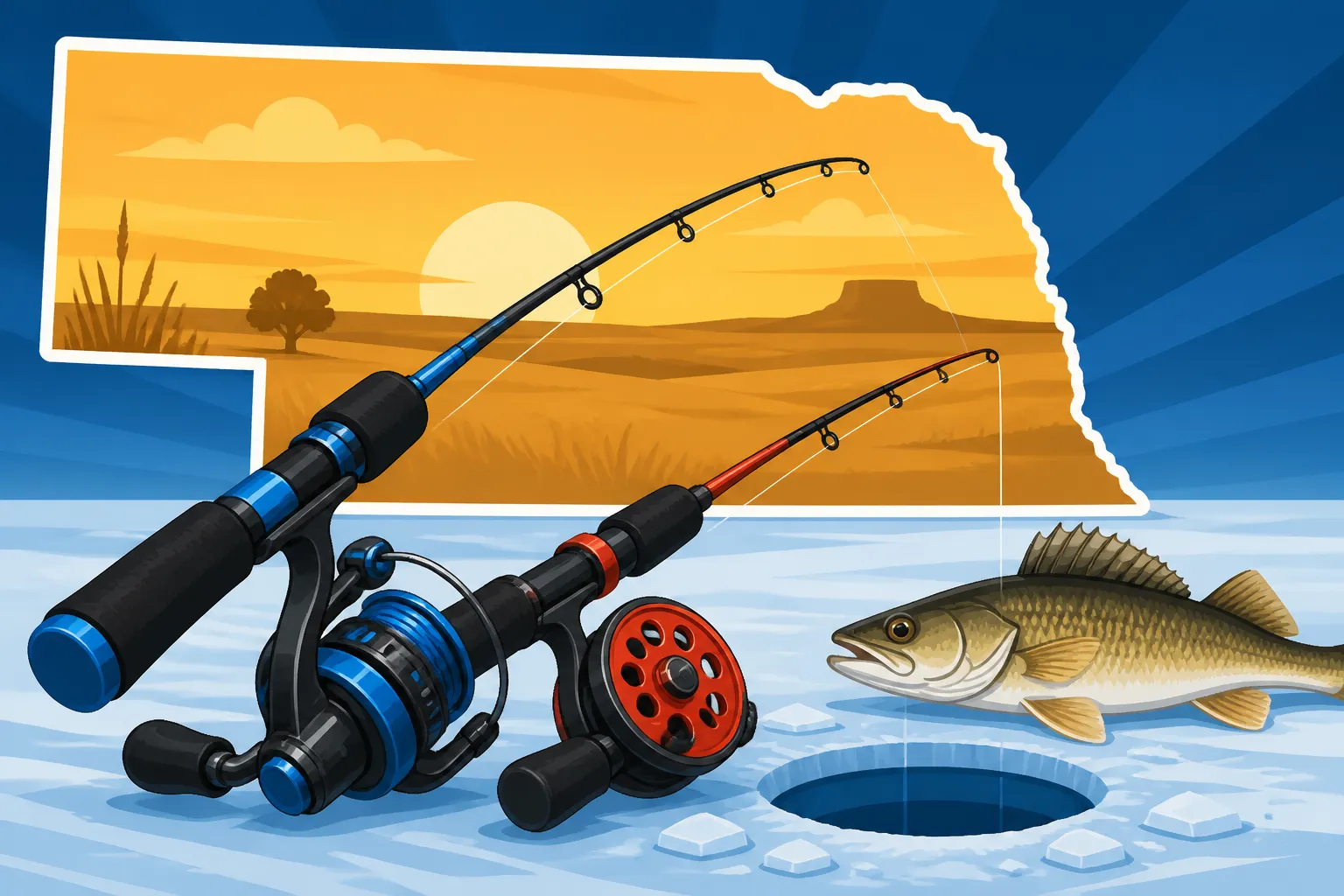
Many anglers, especially those new to the hardwater scene, can feel overwhelmed when trying to pick out the right rod and reel for ice fishing. It's not just about shrinking your open-water setup; ice fishing presents its own unique challenges and requires specialized gear to truly maximize your success and enjoyment. This guide will walk you through everything you need to know about selecting the best ice fishing rods and reels, helping you understand the nuances of action, power, reel types, and how to match your equipment to the specific fish you're targeting under the ice in Nebraska.
Understanding the Unique Demands of Ice Fishing Rods
Ice fishing rods aren't just miniaturized versions of your summer gear; they are purpose-built tools designed to tackle specific challenges. The compact environment of an ice shanty or fishing hole, combined with the need for enhanced sensitivity and precise lure control, means these rods have distinct characteristics that set them apart. Ignoring these differences can lead to missed bites, broken lines, and a generally frustrating experience out on the ice.
Why Ice Rods are Different from Open Water Rods
Think about it: when you're open-water fishing, you have space to cast, retrieve, and fight fish over a wide area. On the ice, your fishing takes place directly over a small hole, sometimes in cramped quarters inside an ice shelter. This fundamental difference dictates the design of ice rods. They are typically much shorter, ranging from 24 to 48 inches, to facilitate comfortable handling inside a shelter or while kneeling over a hole. This shorter length doesn't just make them easier to manage; it also concentrates sensitivity, allowing you to feel even the lightest nibbles in cold water.
The rod blanks themselves are often designed with more backbone closer to the handle, transitioning quickly to a very sensitive tip. This combination gives you the power to set the hook firmly while still being able to detect the subtle movements of finicky fish that might barely mouth your bait. The cold environment also plays a role, with materials chosen to withstand freezing temperatures without becoming brittle, ensuring your rod performs reliably when you need it most. Unlike summer rods, ice rods prioritize vertical jigging and precise lure control over casting distance.
Length and Handle Considerations for Hardwater Success
Choosing the right length for your ice fishing rod is crucial and depends heavily on your fishing style and target species. For panfish like bluegill or crappie, a shorter rod, perhaps 24-30 inches, is often preferred. This allows for fine motor control, jigging tiny baits with precision, and works well in tight spaces or while sight fishing, giving you immediate feedback from those subtle taps.
When targeting larger species like walleye or northern pike, a slightly longer rod, in the 36-48 inch range, can offer better leverage, handle larger lures, and absorb powerful runs more effectively, especially if you're standing over a larger hole or using a tip-up. The extra length provides a smoother arc for fighting stronger fish and helps keep your line from rubbing against the edge of the ice hole. The goal is to maximize comfort and control, given the confined nature of ice fishing.
The handle design is another often-overlooked aspect. Ice fishing often involves holding the rod for extended periods in freezing conditions, sometimes with gloves or mittens on. Therefore, handles are typically made from cork or EVA foam, materials that remain warm to the touch and provide a comfortable, non-slip grip even when wet. Some rods feature split grip designs, which can reduce weight and enhance sensitivity by allowing direct contact with the rod blank. Consider how you hold your rod—whether you prefer a pistol grip for maximum sensitivity or a longer handle for two-handed control, especially for heavier setups targeting bigger fish. You'll thank yourself for this thoughtful consideration after a long day battling the elements on a Nebraska lake.
Choosing the Right Ice Fishing Rod Action and Power
The terms "action" and "power" are fundamental to understanding any fishing rod, and they take on particular significance in the specialized world of ice fishing. Getting these aspects right can dramatically improve your ability to detect bites, effectively set hooks, and successfully land fish. It's not just about what feels good in your hand; it's about matching the rod's characteristics to your target species and fishing technique.
Decoding Rod Action Explained
Rod action refers to where a rod bends along its blank when under pressure. For ice fishing, this typically ranges from "fast" to "slow" (or "parabolic").
- Fast Action: A fast action rod bends primarily in the top third of the blank. This provides extreme sensitivity, allowing you to feel the slightest tap on your line, which is invaluable for detecting subtle bites from species like walleye or crappie in cold water. It also offers a quick, powerful tip for rapid hook sets, transferring energy directly to the hook point. The trade-off is that a very fast action might pull hooks out of a panfish's soft mouth if you're too aggressive with your hook set, requiring a delicate touch.
- Medium Action: These rods bend in the top half of the blank. They offer a good balance of sensitivity and forgiveness, making them a versatile choice. A medium action rod is often a suitable option for anglers targeting a variety of species, from larger panfish to smaller pike, offering enough sensitivity for subtle bites and enough flex to absorb surges during a fight. This action provides a good blend of feel and shock absorption.
- Slow (or Parabolic) Action: A slow action rod bends throughout its entire length, creating a deep, uniform curve. While less sensitive, these rods are incredibly forgiving. They are excellent for protecting light lines and preventing hooks from tearing out of soft-mouthed fish like bluegill or small crappie. The full bend acts like a shock absorber, making them ideal for a more relaxed, gentle jigging style, or for young anglers learning the ropes. They cast small baits well, which isn't a primary ice fishing need but highlights their flexibility.
Understanding these distinctions helps you select a rod that complements your fishing style and the temperament of the fish you're pursuing. Many experienced ice anglers in Nebraska will have a quiver of rods, each with a different action, to be ready for various scenarios throughout the season.
Unpacking Rod Power Explained
Rod power, on the other hand, describes the rod's lifting strength or resistance to bending under a load. It's often labeled as Ultra-Light, Light, Medium-Light, Medium, Medium-Heavy, or Heavy.
- Ultra-Light (UL): Designed for tiny jigs and extremely light lines (often 1-4 lb test), these rods are perfect for finicky panfish. They offer maximum sensitivity and protection for delicate presentations, making a 1/64 oz jig feel substantial.
- Light (L): A step up from UL, light power rods handle slightly larger panfish jigs and small spoons. They're still very sensitive but have a bit more backbone for slightly larger crappie or perch, typically paired with 3-5 lb test line.
- Medium-Light (ML): This is often a go-to power for versatile panfish and smaller walleye setups. It handles small spoons, jigging raps, and larger panfish jigs well, typically accommodating 4-6 lb test line, offering a balance of finesse and strength.
- Medium (M): A great all-around choice for walleye and larger perch, capable of handling heavier spoons, jigging lures, and larger minnow presentations. These typically accommodate 6-10 lb test lines and can handle a surprisingly large fish.
- Medium-Heavy (MH) / Heavy (H): Reserved for larger predators like northern pike or lake trout. These rods have significant backbone to control big fish, set large treble hooks, and handle heavier lures, often with 10 lb test or heavier lines, making them essential for a true trophy hunt.
The combination of action and power is what truly defines a rod's performance. For example, an "Ultra-Light Fast" rod will be incredibly sensitive at the tip but still have the power for a quick hook set on a panfish, while a "Medium Slow" rod might be more forgiving for a walleye that just mouths the bait.
Finding Your Perfect Balance for Nebraska's Ice
Finding the right balance of action and power means considering both your target species and the types of baits you'll be using. If you're primarily chasing small bluegill and crappie in a relatively shallow pond, an Ultra-Light to Light power rod with a Fast or Medium action will give you the finesse you need. Think about tiny tungsten jigs, small plastics, or waxworms. For example, an angler at a local pond might use a 28-inch, Ultra-Light, fast-action rod to feel those subtle crappie bites near submerged brush, ensuring they detect every single nibble.
However, if you're heading to a big walleye lake like Lake McConaughy or Merritt Reservoir, you'll want something with more backbone. A Medium to Medium-Heavy power rod with a Fast or Medium-Fast action will be better suited for working larger spoons, jigging raps, or shiver minnows, and more importantly, for handling a spirited walleye or even a surprise northern pike. The goal is to choose a rod that allows you to present your bait effectively and provides enough control and power to land the fish you're targeting without overwhelming or underpowering your approach. It's often a good idea to have a couple of different setups ready, one for finesse and one for power, to adapt to changing conditions and species. Ultimately, the Best Ice Fishing Rods and Reels for you will be the ones that feel right and perform consistently.
Selecting the Perfect Ice Fishing Reel
While the rod provides the action and power, the reel is where the magic happens for line management, fighting fish, and smooth retrieves. Just like rods, ice fishing reels have specific features that make them ideal for cold-weather angling. Understanding these characteristics will help you choose a reel that complements your rod and performs flawlessly in freezing conditions, preventing frustration when that trophy fish bites.
Spinning vs. Inline Reels for Hardwater Angling
When it comes to ice fishing reels, you generally have two main choices: spinning reels and inline reels.
-
Spinning Reels: These are the most common type of reel and are essentially smaller versions of their open-water counterparts. They are versatile, easy to use, and excellent for managing light lines and a variety of baits. A key advantage is their smooth drag system, which is crucial for fighting strong fish on light line, allowing for controlled line release. However, spinning reels can sometimes introduce line twist, especially with ultralight lines and frequent jigging, which can lead to frustrating tangles when dropping tiny baits down a hole. This can be mitigated by good quality line and proper winding. Many reputable brands offer compact, cold-weather-ready spinning reels perfect for ice fishing, often found at stores like Bass Pro Shops or online retailers like Amazon, offering a wide range of options for every budget.
-
Inline Reels: Inline reels are gaining popularity among serious ice anglers, particularly for panfish and trout. These reels are designed to eliminate line twist by having the spool rotate in line with the rod, much like a fly reel. This means your line goes straight on and straight off, keeping it perfectly straight, which is a huge advantage when dropping tiny jigs where line twist can impact their action or cause frustrating tangles. They also offer a more direct feel to the fish, enhancing sensitivity. The downside is that they typically have a slower retrieve ratio, and their drag systems, while improving, might not always be as robust or smooth as high-quality spinning reels, especially on cheaper models. However, for precise jigging and delicate presentations, an inline reel is hard to beat for finesse species. The Nebraska Ice Fishing Gear Guide often highlights the benefits of inline reels for specific finesse situations.
The choice between spinning and inline often comes down to personal preference and the specific fishing scenario. For versatility and general use with various species and techniques, a spinning reel is a solid choice. For extreme finesse and tackling line twist issues with ultra-light presentations, an inline reel shines.
Drag Systems and Gearing: Smoothness is Key
A smooth and reliable drag system is arguably the most critical feature of any ice fishing reel. When a fish bites, especially a larger walleye or pike that makes a sudden run, the drag allows line to be pulled from the reel in a controlled manner, preventing your line from breaking or your rod from snapping. In cold temperatures, some drag systems can become stiff, jerky, or even freeze up, leading to snapped lines or lost fish. Look for reels with multi-disc drag systems, often made with carbon fiber or similar materials, that promise consistent, unwavering performance in sub-zero conditions. Test the drag before you buy; it should release line smoothly and consistently without any stuttering or sticking. This is paramount for protecting lighter lines when a strong fish decides to run.
Gearing, or the retrieve ratio, also matters, though perhaps less so than drag for many ice fishing scenarios. For most ice fishing, especially with smaller fish and light jigs, a moderate retrieve ratio (e.g., 4.5:1 to 5.2:1) is sufficient. It allows for steady retrieves and gives you plenty of power for fighting fish, making it easier to winch in a heavier fish from deep water. Some inline reels have even slower ratios, emphasizing finesse and direct feel over speed. For quick retrieves or fishing slightly heavier lures, a slightly higher ratio might be preferred to get your bait back to the hole faster. However, outright speed is rarely the primary concern in ice fishing; smoothness, power, and a reliable drag are usually more important.
Spool Capacity and Line Management
Spool capacity on an ice fishing reel doesn't need to be massive, as you're typically not casting long distances or dealing with extremely deep water runs like you might in open water. However, it needs to be adequate for the depth you're fishing and the potential runs of your target species. For panfish, a reel that can hold 50-75 yards of 2-4 lb monofilament or fluorocarbon is usually plenty, as these smaller fish rarely take long runs. For walleye or pike, you might want 75-100 yards of 6-10 lb line to account for deeper water and more powerful surges. It's always better to have a little more line than not enough, especially if you encounter a surprise trophy.
Line management goes beyond just capacity. Consider the reel's arbor (the core of the spool). Larger arbors reduce line memory, meaning the line comes off the spool in straighter coils, reducing tangles and making it lie flatter in the water for a more natural presentation. This is particularly important with light monofilament and fluorocarbon lines that can be prone to coiling and "slinky-ing" in cold weather. Some reels feature "cold weather lubricant" in their internal mechanisms to ensure smooth operation even when the mercury plummets, which is a definite plus when fishing Nebraska's frozen lakes and rivers. A well-designed reel will make a world of difference in your line performance, preventing frustrating tangles and ensuring a consistent, effective presentation throughout your ice fishing experience.
Matching Your Rod and Reel to Target Species
One of the joys of ice fishing in Nebraska is the variety of species you can pursue, from tiny bluegill to formidable northern pike. But you wouldn't use a fly rod for catfishing, and similarly, you shouldn't use a panfish setup for pike. Matching your rod and reel to your target species is paramount for success, ensuring you have the right tools for effective presentation and successful landings, no matter what bites.
Panfish Setups: Crappie, Bluegill, and Perch
When you're chasing panfish like crappie, bluegill, or smaller yellow perch, finesse is the name of the game. These fish often have light bites and soft mouths, requiring sensitive rods and delicate line control to detect strikes and avoid tearing the hook out.
- Rod: Look for an Ultra-Light (UL) to Light (L) power rod, typically 24-30 inches long, with a Fast or Medium-Fast action. The sensitive tip allows you to see and feel the lightest takes, while the subtle backbone helps set the tiny hooks without overpowering the fish. A very visible tip, sometimes colored neon, is a bonus for visual strike detection when bites are extremely subtle.
- Reel: A small spinning reel (size 500 to 1000) or a high-quality inline reel is ideal. Smooth drag is non-negotiable for protecting light lines (2-4 lb test monofilament or fluorocarbon) from even moderately sized panfish. The inline reel shines here for its anti-twist properties when using those tiny jigs, making delicate presentations flawless.
- Line: Stick to light monofilament or fluorocarbon, generally 2-4 pound test. Thin, low-stretch line enhances sensitivity and allows tiny jigs to fall naturally.
- Example: Imagine dropping a tiny tungsten jig tipped with a waxworm into a hole at Branched Oak Lake for crappie. A 28-inch UL fast-action rod paired with a 500-size spinning reel spooled with 3lb fluorocarbon would give you the subtle touch needed to entice those finicky biters and the necessary backbone to bring them up through the ice. Understanding Nebraska Crappie Bag Limits can help you plan your catch and release strategy for these tasty fish.
Walleye and Larger Perch Setups
Walleye are a prized catch through the ice in Nebraska, found in popular spots like Lake McConaughy and Merritt Reservoir. Larger perch also demand a bit more robust gear than their smaller panfish cousins due to their more aggressive takes and stronger fights.
- Rod: Opt for a Medium-Light (ML) to Medium (M) power rod, ranging from 32-40 inches. A Fast or Medium-Fast action is crucial for quick, powerful hook sets and feeling those distinct walleye thumps, which can be subtle even from a larger fish. You need enough power to handle larger lures and fight a strong fish in deeper water without tiring yourself out.
- Reel: A reliable spinning reel (size 1000 to 2000) is the most common choice, known for its strong, smooth drag system that can withstand the powerful runs of a walleye. Gearing isn't as critical as the drag system itself, which needs to perform flawlessly when a walleye surges. Some anglers prefer inline reels for vertical jigging larger baits, but spinning reels offer more versatility for varied presentations.
- Line: Spool up with 6-10 lb test fluorocarbon or braided line with a fluorocarbon leader. Braid offers exceptional sensitivity and strength for deep water, while a fluorocarbon leader provides stealth and abrasion resistance against rough ice edges.
- Example: Jigging a Rapala or a heavier spoon for walleye at Lewis and Clark Lake requires a setup that can handle the lure weight and the power of the fish. A 36-inch ML fast-action rod paired with a 1000-size spinning reel spooled with 8lb braid and a fluorocarbon leader would be a highly effective choice. The braid offers sensitivity in deep water, while the leader provides stealth. For techniques, refer to How to Jig for Walleye in Nebraska.
Pike and Lake Trout Setups
For the true heavy hitters of Nebraska's hardwater – northern pike and potentially large lake trout – you need serious, heavy-duty gear. While lake trout are less common, big pike are definitely present in some Nebraska reservoirs and require robust equipment.
- Rod: Go with a Medium-Heavy (MH) to Heavy (H) power rod, generally 40-48 inches long. A Medium-Fast to Fast action provides the backbone to set heavy hooks and control a powerful, head-shaking fish, preventing them from diving into the hole or under the ice. The longer length offers better leverage for these larger, stronger species.
- Reel: A robust spinning reel (size 2500 to 4000) with an exceptionally smooth and powerful drag is essential. These fish can make blistering runs, and your drag is your first line of defense against a snapped line, absorbing the shock of their initial burst.
- Line: Heavy braided line (15-30 lb test) with a heavy fluorocarbon or steel leader is crucial to prevent bite-offs. Pike have razor-sharp teeth that will easily sever monofilament or fluorocarbon without a leader. A sturdy leader is non-negotiable when targeting these toothy predators.
- Example: Setting a tip-up or actively jigging a large spoon for a trophy northern pike at Merritt Reservoir demands a tough setup. A 48-inch MH fast-action rod with a 3000-size spinning reel spooled with 20lb braid and a 30lb fluorocarbon leader would give you the confidence to tackle these toothy predators. Don't forget proper tools for hook removal with these fish! Learning Merritt Reservoir Muskellunge Fishing Tips can provide valuable insights for big fish.
| Target Species | Rod Power | Rod Action | Rod Length (inches) | Recommended Reel Type | Line Weight (lb) | Key Characteristics |
|---|---|---|---|---|---|---|
| Bluegill, Crappie | Ultra-Light | Fast/Med-Fast | 24-30 | Small Spinning / Inline | 2-4 | Finesse, high sensitivity, soft mouth protection, tiny jigs |
| Perch (Small-Med) | Light | Fast/Med-Fast | 28-34 | Small Spinning / Inline | 3-5 | Good sensitivity, slightly more backbone, small spoons |
| Walleye, Perch (Lg) | Medium-Light | Fast | 32-40 | Spinning (1000-2000) | 6-10 | Power for hook sets, handling larger lures, moderate drag strength, jigging raps |
| Northern Pike | Medium-Heavy | Med-Fast/Fast | 40-48 | Spinning (2500-4000) | 15-30 | Significant backbone, heavy duty drag, bite-off prevention (leader essential), large spoons |
| Lake Trout | Heavy | Fast | 40-52+ | Spinning (3000-5000) | 20-40 | Maximum power and drag for deep, powerful runs, heavy jigs/spoons |
Essential Features to Look for in Ice Fishing Combos
While individual rods and reels are important, many anglers opt for a pre-matched combo. These can be a convenient and often cost-effective way to get started or add a new setup to your arsenal. However, not all combos are created equal. Knowing what to look for beyond just the rod and reel itself can save you headaches on the ice and ensure you're getting a durable, high-performing setup that lasts through many Nebraska winters.
Rod Blank Materials: Sensitivity and Durability
The material your rod blank is made from heavily influences its sensitivity, durability, and weight. The choice between materials often comes down to balancing feel with resilience in sub-zero conditions.
- Graphite: Graphite rods are renowned for their exceptional sensitivity and lightweight feel. They transmit even the slightest vibrations from your lure or a subtle bite directly to your hand, allowing you to react quickly to finicky fish. This makes them excellent for finesse presentations where bite detection is critical, such as when targeting crappie or light-biting walleye. However, graphite can be more brittle in extreme cold compared to fiberglass, making it susceptible to snapping if mishandled or stored improperly, especially if banged against an ice hole. A high-quality graphite blank is a favorite among experienced anglers for its unmatched feel.
- Fiberglass: Fiberglass rods are generally more durable and flexible than graphite. They are less sensitive but more forgiving, which can be an advantage when dealing with aggressive hook sets or when teaching new anglers, as they absorb shock better. Fiberglass rods are often more affordable and hold up better to rough treatment in cold weather. They tend to have a slower, more parabolic action, which is great for protecting light lines and keeping panfish hooked by acting as a shock absorber. Many budget-friendly ice fishing combos found at sporting goods stores or on Amazon might feature fiberglass or a composite blend, providing a good entry point.
- Composite: Many modern ice fishing rods use composite blanks, blending graphite and fiberglass. This aims to combine the best attributes of both materials: the sensitivity of graphite with the durability and flexibility of fiberglass. These can be excellent all-around choices, offering a good balance for a variety of fishing situations and species without leaning too heavily on one characteristic.
When choosing, consider your primary target species and how you handle your gear. If sensitivity is paramount, lean towards graphite. If durability and forgiveness are higher priorities, fiberglass or composite might be a better fit for your style.
Handle and Grip Comfort for Cold Weather
In ice fishing, your hands are constantly exposed to the cold, making a comfortable and ergonomic handle absolutely essential for enjoyable long hours on the ice. Materials like cork and EVA foam are the most common and preferred choices due to their insulating properties.
- Cork: Cork is a classic choice, known for its natural warmth, excellent grip even when wet, and lightweight properties. It's aesthetically pleasing and provides good vibration transfer, enhancing sensitivity as you can feel more through the handle. High-quality cork handles are durable and comfortable for long days on the ice, molding slightly to your hand over time.
- EVA Foam: EVA foam is another popular option, offering superb comfort, warmth, and durability. It's often lighter than cork and provides a fantastic non-slip grip, even with wet hands or when wearing gloves. EVA foam is less prone to chipping or cracking than cork if dropped or subjected to heavy use.
- Handle Shape: Beyond material, consider the shape of the handle. Some prefer a simple, straight handle, while others like pistol grips that fit snugly in the palm, offering maximum control and sensitivity, or longer handles that allow for two-handed jigging or fighting larger fish. Many ice rods also feature a "split grip" design, exposing more of the rod blank, which can increase sensitivity as your fingers can directly contact the blank, feeling even the slightest vibration. Holding the combo in your hand (if possible, like at a Bass Pro Shops) and mimicking a jigging motion can give you a good idea of its comfort and balance.
Reel Seat and Guides: Durability in Freezing Temps
The reel seat and line guides are critical components that must withstand the rigors of cold-weather fishing, particularly the relentless challenge of ice buildup and extreme temperatures.
- Reel Seat: Look for a reel seat that securely holds your reel without wobbling, especially after prolonged use and exposure to vibrations from jigging. Many ice rods have a simple band or tape system, which is effective and reduces weight, sometimes even integrating into the cork or EVA handle. More advanced rods feature a screw-down graphite or aluminum reel seat, offering a more robust and permanent connection. The key is that it holds the reel firmly, ensuring good contact for sensitivity and preventing the reel from coming loose during a fight.
- Line Guides: Ice buildup in line guides is a constant battle for ice anglers. Larger diameter guides, especially the stripping guide closest to the reel, are less prone to freezing over, allowing line to flow more freely. Materials also matter: ceramic or stainless steel guides are common. Stainless steel is often preferred for ice fishing due to its inherent durability and resistance to cracking or shattering in extreme cold, which can happen with ceramic if bumped hard. Some rods feature "recoils" or "fly-style" guides that are essentially thin wire loops. These guides are incredibly flexible and virtually impervious to breaking, and their open design helps shed ice more effectively than traditional framed guides. While guides will always collect some ice, well-designed, robust guides can minimize frustration and keep your line flowing smoothly, which is particularly important when actively jigging or fighting a strong fish. For more general advice, see Best Rods and Reels for Nebraska Fishing, but for ice, these specific features are paramount.
Maintenance and Care for Your Ice Fishing Gear
Investing in quality ice fishing rods and reels is only half the battle; proper maintenance and care are crucial to ensuring their longevity and performance. Neglecting your gear, especially after exposure to freezing temperatures, snow, and slush, can lead to premature wear, corrosion, and frustrating failures when you're out on the ice. A little effort goes a long way in keeping your equipment in top shape for seasons to come, year after year.
Post-Trip Care: Keeping Your Gear Fresh
The moment you step off the ice is when post-trip care should ideally begin. It doesn't need to be an arduous task, but a few simple steps can make a big difference in preventing long-term damage.
- Wipe Down: As soon as you're home or back to the cabin, thoroughly wipe down your rods and reels with a clean, damp cloth. Pay special attention to removing any slush, ice, salt (especially if fishing salted roadsides or near treated areas), or dirt. This prevents corrosion on metal parts and keeps the rod blank and handle clean. Let everything air dry completely, ideally at room temperature, before storing. Avoid direct heat sources like radiators, which can cause materials to warp or lubricants to break down.
- Check Guides and Reel Seats: Inspect your rod guides for any ice residue that might have melted and refrozen, or for any cracks, bends, or missing inserts. Ensure the reel seat is clean and free of grit or debris that could affect its grip or function. Sometimes, a quick rinse under lukewarm water (and drying immediately with a soft cloth) can dislodge stubborn debris from guides that a simple wipe-down misses.
- Loosen Drag: Always back off your reel's drag completely after each trip. Keeping the drag tightened puts unnecessary pressure on the internal drag washers, which can lead to premature wear, compression, and inconsistent performance over time. A simple twist of the drag knob can save you money and headaches down the road by preserving the life of your drag system.
- Line Inspection: Briefly inspect your fishing line for any nicks, abrasions, or excessive memory (coiling). If you notice any damage, especially in the first few feet of line, consider snipping off the affected section or even replacing the line altogether. Fishing with compromised line is a sure way to lose a trophy fish and create unnecessary frustration.
Consistent post-trip care helps prevent small issues from becoming big problems, ensuring your gear is ready for the next hardwater adventure without any surprises.
Off-Season Storage: Protecting Your Investment
When the ice fishing season wraps up, proper off-season storage is vital to protect your rods and reels until next winter. This ensures your investment is preserved and ready for action when the cold returns.
- Clean and Lubricate Reels: Before long-term storage, give your reels a more thorough cleaning. Remove the spool and gently wipe down all accessible parts. Apply a very small amount of high-quality reel oil to moving parts (handle knobs, bail arm pivots, line roller) and reel grease to internal gears, if you're comfortable disassembling the reel slightly. Be sparing; too much lubricant can attract dirt and grime. Refer to your reel's manual for specific lubrication points. This ensures smooth operation when you pull them out next season.
- Store Rods Properly: Store rods in a way that protects the blanks and guides. Rod socks or hard cases are excellent for preventing scratches, tangles, and damage. Stand them upright in a rod rack or hang them horizontally in a climate-controlled area, away from direct sunlight, extreme temperature fluctuations, or anywhere they might be accidentally stepped on or knocked over. Avoid leaning them against walls where they can warp or fall. Never store a rod with a severe bend, as this can take a permanent set in the blank.
- Organize and Accessorize: This is also a great time to organize your tackle boxes, sort out old line, and stock up on fresh supplies for the next season. Check your Nebraska Fishing License Renewal date, ensuring you're ready when the ice returns. Keeping everything organized not only protects your gear but also makes getting ready for your first trip next season a breeze. Many anglers use this downtime to inspect and clean their Best Ice Fishing Shelters for Nebraska Winters and their Best Auger for Nebraska Ice Fishing as well. For a comprehensive overview of preparing for the season, check out the Essential Gear Checklist for a First Ice Fishing Trip.
Troubleshooting Common Ice Fishing Gear Issues
Even with the best care, sometimes issues arise on the ice due to the harsh conditions. Knowing how to troubleshoot common problems can often save a trip and prevent further damage.
- Frozen Guides: This is perhaps the most common ice fishing nuisance. To prevent it, use line conditioners designed for cold weather, or simply dip the rod tip in the hole every few minutes to clear ice buildup. If guides are already frozen, gently tap the ice off with a gloved finger or use a small amount of warm water (from a thermos) if necessary. Never force or yank the line, as this can damage the guides or the line itself.
- Sticky Drag: If your drag feels sticky, jerky, or inconsistent, it's often due to dirt, old lubricant, or worn drag washers. A thorough cleaning and relubrication (or replacing drag washers if they're old and compressed) can often resolve this. Make sure you're using cold-weather-specific lubricants that won't seize up in freezing temperatures.
- Line Twist: Especially prevalent with spinning reels using light lines, line twist can cause frustrating tangles and make your lure spin unnaturally, deterring fish. To fix it, remove your lure and let a long length of line (30-50 feet or more) trail freely behind your boat (if open water) or in a current-free area from your ice hole. The line will untwist itself under its own weight. For inline reels, twist is rarely an issue, which is why many panfish anglers swear by them for finesse presentations. Understanding How to Ice Fish in Nebraska effectively includes managing these common gear issues. Remember, knowing How Thick Ice Needs to Be to Fish Safely in Nebraska is your first priority before even hitting the ice.
Disclaimer
This article is for general informational purposes only and does not constitute professional advice. Laws, prices and regulations vary by location and change over time. Consult a qualified professional for guidance on your specific situation.