Best Fishing Backpacks and Tackle Bags
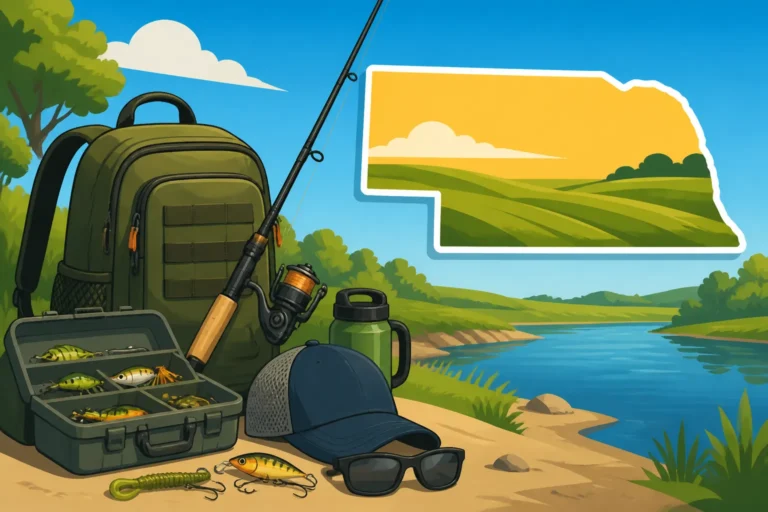
Every angler knows the struggle: you're out on the water, the fish are biting, and you need that one specific lure or tool, but your tackle is a chaotic mess, buried under a pile of other gear. Or maybe you're hiking to a promising spot along the Platte River, juggling rods, a cooler, and a clunky box that keeps snagging on branches. This guide is all about solving that common frustration, diving deep into the world of fishing backpacks and tackle bags, helping you choose and organize the perfect companion for your Nebraska angling adventures.
The Unsung Hero of Angling: Why Organization Matters
For many of us, fishing isn't just a hobby; it's a passion, a way to connect with the incredible natural beauty of Nebraska's lakes and rivers. But let's be honest, the sheer volume of gear we accumulate can sometimes feel overwhelming. Rods, reels, lures, bait, lines, tools, snacks, water, sunscreen, first-aid – the list goes on. Without a proper system, every trip can start with a frantic search and end with a tangled mess. This is where a dedicated fishing backpack or tackle bag truly shines, transforming chaos into calm.
Beyond Just Holding Stuff: The Value of Accessibility
Think about the last time you missed a bite because you were fumbling for a new leader or a pair of pliers. It's incredibly frustrating, right? A well-designed fishing backpack or tackle bag isn't just about hauling your gear; it's about making everything accessible in an instant. Dedicated pockets, modular trays, and thoughtful compartments mean that your essential items are always within reach, allowing you to react quickly to changing conditions or sudden bites. This immediate access can mean the difference between a memorable catch and a missed opportunity.
Consider an evening trip to Branched Oak Lake for some catfish. As the sun dips, the bite often picks up, but so do the mosquitoes. Having your headlamp, bug spray, and fresh bait readily available without digging through a bottomless pit means you can stay focused on the fight, not the fumbling. It elevates the entire experience, reducing stress and increasing your enjoyment of the peaceful hours on the water.
Protecting Your Investment: Gear Longevity
Fishing gear isn't cheap, and proper storage and transport are crucial for protecting your investment. Rods can snap, reels can get scratched, and delicate lures can be damaged if simply tossed into a general-purpose bag. Fishing backpacks and tackle bags are designed with protective features in mind. Many come with reinforced bottoms, padded compartments, and water-resistant materials that shield your expensive equipment from bumps, drops, and the elements.
Imagine navigating a rocky shoreline at Lake McConaughy. A sturdy tackle bag with robust construction will protect your valuable walleye crankbaits and jigging spoons from getting crushed or lost. For those exploring Best Fishing Gear for Nebraska Anglers, investing in a quality bag is just as important as investing in the rods and reels themselves. It’s a proactive step that saves you money in the long run by preventing costly damage and ensuring your gear is always in prime condition for your next outing.
Deciphering Your Options: Fishing Backpacks vs. Traditional Tackle Bags
When it comes to organizing your fishing gear, the two main contenders are fishing backpacks and traditional tackle bags. While both serve the purpose of carrying your essentials, they offer distinct advantages and are best suited for different types of angling excursions. Understanding these differences is key to making the right choice for your specific needs, whether you're bank fishing on a local pond or heading out on a boat for a full day.
The All-Terrain Angler: Fishing Backpacks
Fishing backpacks are designed for mobility and comfort, especially when you're covering ground. They distribute weight evenly across your shoulders and back, making them ideal for long treks to remote fishing spots, wading rivers, or navigating uneven terrain. Many models feature multiple compartments, exterior rod holders, and dedicated tool pockets, allowing for quick access to essentials without needing to set the bag down. Brands like those found at Bass Pro Shops often have extensive selections tailored for different mobility needs.
These backpacks are particularly favored by shore anglers, fly fishermen exploring hidden streams, or kayak anglers who need to maximize space and keep their hands free while paddling. Think about hiking into a quiet stretch of the Niobrara River for smallmouth bass. A fishing backpack allows you to carry water, snacks, extra layers, and all your tackle comfortably, leaving your hands free for balancing or carrying a rod. They often integrate features like hydration sleeves, sunglass pockets, and even rain covers, making them incredibly versatile for adventurous anglers.
The Organized Workhorse: Traditional Tackle Bags
Traditional tackle bags, on the other hand, often prioritize pure storage capacity and internal organization. They typically feature a large main compartment designed to hold multiple plastic utility boxes (often called Plano-style boxes), which are perfect for sorting lures, hooks, weights, and other small items. Many also include external pockets for tools, soft plastics, and other frequently accessed items. These bags are generally carried by a shoulder strap or handles, making them easy to move short distances or transfer between a vehicle and a boat.
For anglers who primarily fish from a boat, a dock, or a stationary bank spot, a tackle bag offers unparalleled organization. If you're targeting walleye at Lake McConaughy, you might have several utility boxes dedicated to different types of crankbaits, jigs, and soft plastics, all neatly arranged within your tackle bag. This allows you to quickly swap out entire setups based on what the fish are biting. They are also excellent for keeping larger tools, spare spools of line, and bait secure and organized.
Here's a quick comparison to help you weigh your options:
| Feature | Fishing Backpack | Traditional Tackle Bag |
|---|---|---|
| Mobility | High (hands-free, comfortable for hiking) | Moderate (shoulder strap or handles, best for short carries) |
| Organization | Good (multiple pockets, sometimes modular trays) | Excellent (designed around utility boxes, highly customizable) |
| Capacity | Varies, often vertically oriented | High, often horizontally oriented for tackle boxes |
| Comfort | High (padded straps, back support) | Moderate (can be heavy on one shoulder) |
| Best Use Case | Shore fishing, kayak fishing, wading, hiking | Boat fishing, dock fishing, stationary bank fishing |
| Key Advantage | Freedom of movement, weight distribution | Superior internal organization for tackle, quick swapping of boxes |
The Hybrid Solution: Tackle Box Backpacks
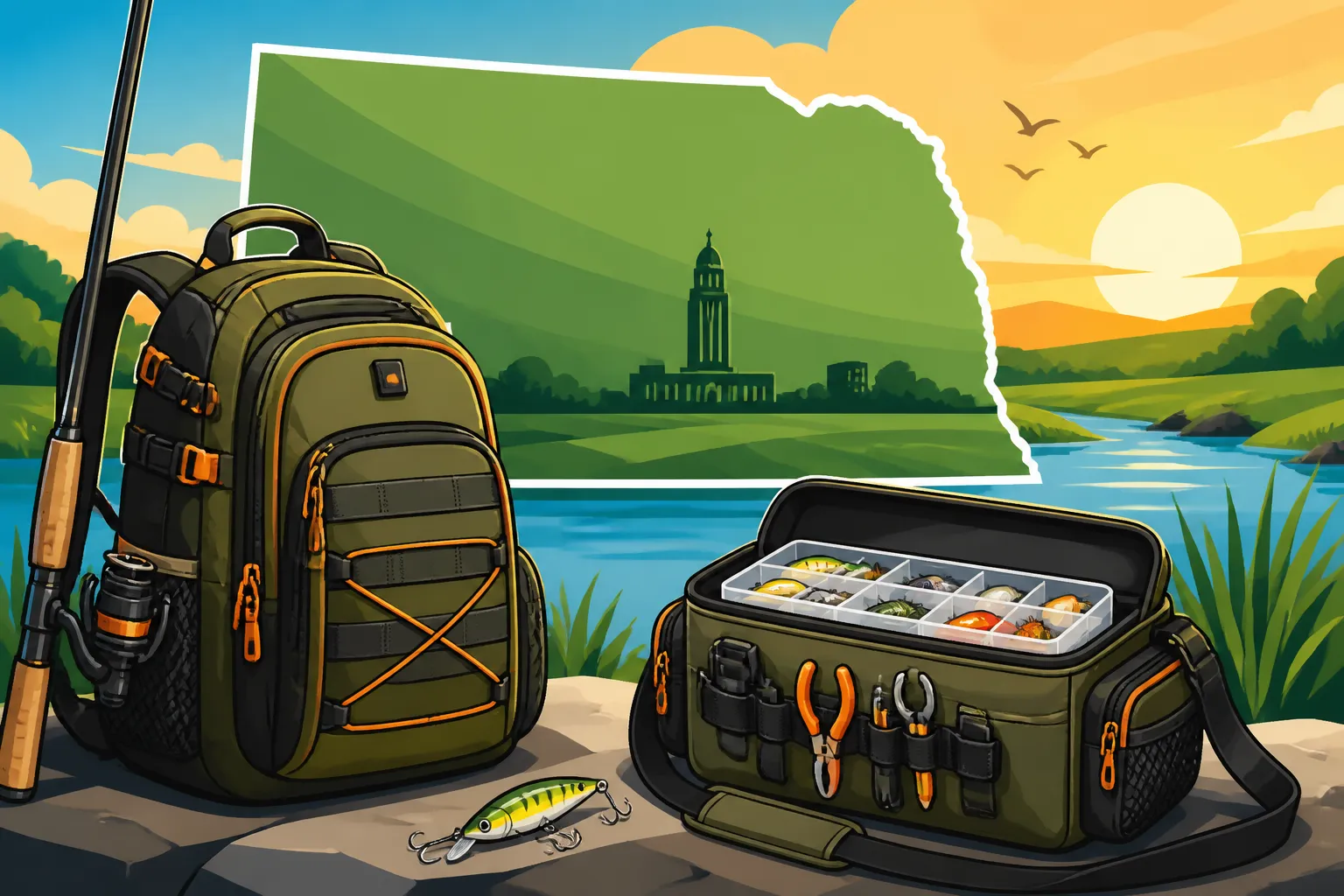
Sometimes, you want the best of both worlds. Many manufacturers now offer "tackle box backpacks" or "convertible bags" that blend the ergonomic design of a backpack with the robust internal organization of a traditional tackle bag. These often feature a main compartment that perfectly fits 2-4 utility boxes, combined with multiple external pockets, rod holders, and comfortable, padded shoulder straps.
These hybrid options are a fantastic compromise for anglers who might hike a bit to their spot but also want the systematic organization that utility boxes provide. If you're exploring the various fishing opportunities around the Fremont Lakes State Recreation Area, you might appreciate a bag that lets you walk comfortably to different ponds while still keeping your specific bass and panfish lures meticulously organized in their respective compartments. Always check the features on sites like Amazon for models that specifically tout this dual functionality.
What Makes a Great Gear Carrier: Essential Features to Prioritize
Choosing the right fishing backpack or tackle bag isn't just about picking a size; it's about evaluating a range of features that will enhance your fishing experience. The devil, as they say, is in the details, and the quality and thoughtful design of these components can truly make a difference in durability, comfort, and usability on the water.
Durability and Material Construction
The material your bag is made from is paramount. Fishing environments are tough – they involve water, dirt, sharp hooks, and rough surfaces. Look for bags constructed from heavy-duty, rip-resistant fabrics like high-denier nylon or polyester. A robust, water-resistant or waterproof coating (such as PVC or a durable water repellent, DWR) is essential to protect your gear from sudden downpours, boat spray, or accidental splashes. A hard, molded bottom is another fantastic feature, as it keeps your bag upright, prevents water from seeping in when placed on wet ground, and adds an extra layer of protection against abrasion.
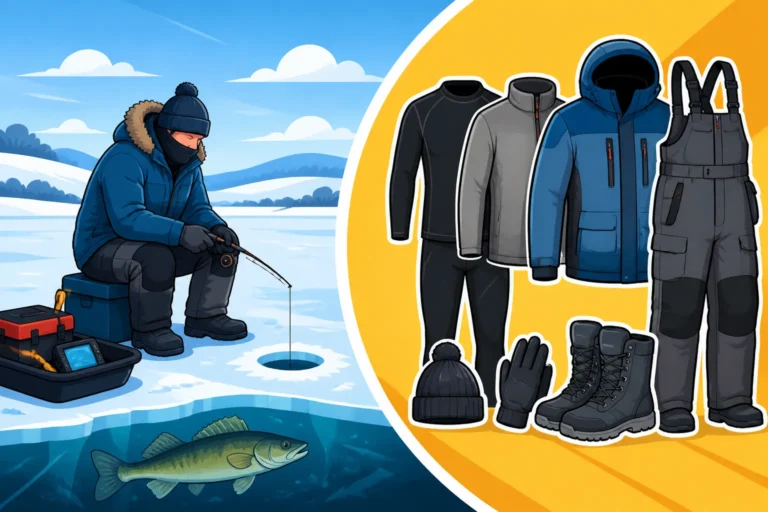
Consider the stress your bag will undergo during a day of ice fishing in Nebraska. It might sit on wet ice, get scraped by an auger, or be tossed around in a sled. A flimsy material simply won't hold up. Always inspect the stitching, too; double-stitched seams and reinforced stress points indicate a higher quality product that can withstand the weight of loaded tackle and repeated use.
Thoughtful Compartments and Pockets
The internal and external organization is perhaps the most critical aspect of a fishing bag. Beyond just a main compartment, look for:
- Dedicated Utility Box Storage: If you're using a tackle bag, ensure it accommodates the standard-sized utility boxes you prefer. Many bags come with these boxes included, which is a great bonus.
- Multiple Zippered Pockets: These are invaluable for separating different types of gear – a pocket for soft plastics, one for tools, another for spare line, and so on. Mesh pockets are great for items that need to air out, like damp gloves or a small towel.
- Tool Holders and Attachments: Integrated loops, elastic bands, or magnetic patches for pliers, clippers, and other frequently used tools mean you won't have to dig for them. Some bags even have specific sheaths for a fillet knife, which is a convenient feature after a successful day on the water, especially when cleaning fish is on your mind after consulting Best Fillet Knives for Cleaning Fish.
- Rod Holders: For backpacks, external rod holders (often elastic loops and a bottom sleeve) are a huge benefit, freeing up your hands for walking or climbing.
- Water Bottle Pockets: Staying hydrated is crucial, especially during long summer days on the water.
When you're packing for an overnight catfishing trip, as detailed in What Gear to Pack for an Overnight Catfishing Trip, having specific pockets for headlamps, lanterns, and other nocturnal essentials will make your experience much smoother.
Comfort and Ergonomics
If you plan on carrying your gear for any length of time, comfort is non-negotiable.
- Padded Shoulder Straps: Wide, adjustable, and well-padded shoulder straps are essential for backpacks. Look for breathable mesh lining to prevent excessive sweating.
- Back Support: A padded and ventilated back panel on a backpack will significantly reduce fatigue and improve airflow, especially during warmer months.
- Waist and Chest Straps: For heavier loads or rugged terrain, adjustable waist belts and sternum straps help distribute weight and stabilize the bag, preventing it from shifting as you move.
- Grab Handles: Sturdy, easy-to-grip handles are important for quickly moving the bag, whether loading it into a boat or pulling it out of the trunk.
Even for a traditional tackle bag carried by a shoulder strap, a wide, padded, and non-slip strap makes a world of difference. No one wants a strap digging into their shoulder when hauling a heavy bag full of tackle from the truck to the bank.
Sizing Up Your Needs: Choosing the Right Capacity and Design
One size certainly does not fit all in the world of fishing gear carriers. The ideal capacity and overall design of your fishing backpack or tackle bag should directly correlate with the type of fishing you do, the duration of your trips, and the amount of gear you typically bring. It's a balance between having enough space and avoiding unnecessary bulk.
Matching Capacity to Trip Duration
Consider the length of your typical fishing outings. Are you usually out for a quick hour or two at a local pond, or do you embark on all-day excursions to larger reservoirs like Lake McConaughy?
- Short Trips (1-3 hours): For quick jaunts, a smaller, compact tackle bag or a minimalist sling pack might be perfect. You only need to carry a few essential lures, a small bait container, pliers, and perhaps a water bottle. Overpacking for these trips just adds unnecessary weight and bulk. These are great for spontaneous stops at an urban fishing pond or a brief session at Holmes Lake in Lincoln.
- Half-Day to Full-Day Trips (4-8 hours): This is where most anglers will find themselves. A medium-sized fishing backpack or a standard tackle bag with 3-5 utility boxes will likely be sufficient. You'll need space for a wider variety of tackle, a larger water supply, snacks, sunscreen, and possibly an extra layer of clothing. Many anglers find the "cluster" of gear discussed in Best Tackle for Nebraska Walleye Fishing fits perfectly in this size range.
- Extended or Specialty Trips (8+ hours, overnight, or specific techniques): For ice fishing, kayak fishing, or multi-day adventures, you'll need maximum capacity. Larger backpacks designed for significant loads, or substantial tackle bags capable of holding 6+ utility boxes plus other bulky items, become essential. Think about Essential Gear Checklist for a First Kayak Fishing Trip where everything from safety gear to multiple tackle trays needs a home.
Adapting Design to Fishing Style
Your primary fishing style dictates whether a backpack, a traditional tackle bag, or a hybrid design will serve you best.
- Bank/Shore Fishing: If you spend most of your time walking shorelines, casting from various points, or wading, a fishing backpack is almost always the superior choice. It allows you to move freely, keep your hands clear for casting, and distribute weight comfortably over long distances. The ability to carry your gear hands-free means you can navigate overgrown paths or rocky banks with greater ease and safety.
- Boat Fishing: For those with a boat, space isn't as much of a constraint, and easy access to multiple tackle boxes is often preferred. A traditional tackle bag that sits neatly on the deck or in a storage compartment, allowing for quick swaps of entire lure collections, is ideal. The emphasis here is on organized storage and quick retrieval, rather than portability over long distances.
- Kayak Fishing: Kayak anglers often need a specialized approach. Waterproof or highly water-resistant backpacks are popular because they can be stowed behind the seat or in hatches and are less likely to tip over than an open tackle box. The ability to carry gear to and from the launch site on your back is also a huge advantage. Features like D-rings for strapping down the bag are also invaluable. Best Kayak Fishing Setup for Beginners highlights how specific gear choices enhance the experience.
- Ice Fishing: While a dedicated ice fishing sled is often used, a tackle bag or a specialized ice fishing backpack can be useful for keeping jig boxes, tip-ups, and electronics organized within the sled or for shorter walks. Look for insulated pockets for bait. The Essential Gear Checklist for a First Ice Fishing Trip often includes compact, durable bags for sensitive electronics and small tackle.
When browsing options, envision how you'll be using the bag on your next trip. Will you be carrying it for miles, or will it be mostly stationary? This mental rehearsal can save you from buying a bag that doesn't quite fit your actual needs. Remember to check out stores like Bass Pro Shops or online retailers like Amazon for the sheer variety of designs available to match different fishing styles.
Mastering the Art of the Pack: Organizing Your Tackle for Efficiency
So, you've chosen your perfect fishing backpack or tackle bag. The next step, and perhaps the most crucial for truly optimizing your time on the water, is mastering the art of organization. It's not just about cramming everything in; it's about strategic placement that makes every retrieve effortless and every moment on the water more enjoyable.
Categorization is Key: Grouping Your Gear
The first rule of efficient tackle organization is to categorize your gear. Don't mix everything together. Think about your target species, the type of water you'll be fishing, and the techniques you plan to employ.
- By Lure Type: Dedicate separate utility boxes or compartments to different lure types. For instance, one box for crankbaits, another for jigs, a third for soft plastics, and maybe a smaller one for topwater lures. This is especially helpful if you're trying to replicate the success of How to Fish for Walleye in Nebraska, where specific lure selections are critical.
- By Species: If you often target multiple species on a single trip, consider organizing by fish. For example, a "bass box" with various worms, jigs, and spinnerbaits, and a "panfish box" with small jigs, bobbers, and hooks. This way, if the crappie bite turns on at Pawnee Lake, you can grab the whole crappie box and be ready in seconds.
- By Usage Frequency: Keep your most frequently used items in the most accessible pockets. Pliers, line clippers, a small tape measure, and a bottle of water should be in easily reachable external pockets. Less frequently used items, like spare spools of line, a first-aid kit, or rain gear, can reside in deeper or less accessible compartments.
A good system means less time searching and more time fishing. When you're in the middle of a hot bite on the Missouri River, you don't want to be digging through a chaotic bag for that specific catfish bait or hook.
Leveraging All Available Space: Beyond Just the Main Compartment
Your fishing backpack or tackle bag is a system, and every pocket, loop, and strap has a purpose.
- External Pockets: These are your quick-access zones. Use them for your phone (in a waterproof case!), keys, wallet, sunscreen, bug spray, and any tools you use constantly. Some bags have specialized pockets with fleece lining for sunglasses, which is a great feature for protecting expensive eyewear.
- Internal Compartments: Beyond the main tackle box area, utilize any internal zippered mesh pockets for things like leader material, extra batteries, or a small headlamp. These pockets keep small items contained and prevent them from rattling around or getting lost in the main cavity.
- Attachment Points: Many bags feature D-rings, Molle webbing, or other external loops. These are perfect for clipping on accessories like a fish gripper, a small net (if it folds), or even a compact first-aid kit. Consider Best Rod Holders for Bank Fishing and how a smaller, portable version might attach to your pack.
- Utility Boxes: Don't just toss items into utility boxes. Use the adjustable dividers to create custom compartments for different lure sizes, hook types, and weights. Labeling these boxes (e.g., "Walleye Jigs," "Bass Plastics," "Terminal Tackle") can save you even more time.
Remember that flexibility is also important. What works for a day of Nebraska Spring Walleye Fishing Techniques might be different from an autumn crappie trip. Be prepared to reconfigure your bag as your fishing targets or conditions change.
Maintaining Order: Post-Trip Rituals
The organization shouldn't end when your fishing trip does. A quick post-trip ritual will ensure your bag is ready for the next adventure and help prolong the life of your gear.
- Clean and Dry: Remove all lures and baits from your bag. Wipe down any wet or dirty items. Let soft plastics air out to prevent mildew. Ensure your bag itself is clean and completely dry before storing it, especially if it got wet during the trip. This prevents rust on hooks and lures, and keeps the bag smelling fresh.
- Restock and Repair: Check your inventory. Are you low on a particular type of lure or hook? Did your line clippers get dull? Restock consumables and note any repairs needed. This way, you're not scrambling the night before your next trip.
- Seasonal Adjustment: As seasons change, so do fishing techniques and target species. What you need for Summer Fishing in Nebraska is very different from Winter Fishing in Nebraska or How to Ice Fish in Nebraska. Take the time to swap out seasonal tackle. Remove those heavy ice fishing jigs in the spring and replace them with warm-water crankbaits. This also makes How to Store Fishing Gear Over the Winter much easier, as everything will be clean and sorted.
By treating your fishing backpack or tackle bag as a dynamic storage system rather than a static container, you'll always be prepared, efficient, and ready to make the most of your time on the water.
Care and Maintenance for Longevity
You've invested in a good quality fishing backpack or tackle bag, and it's doing an admirable job keeping your gear organized and protected. Now, to ensure it serves you well for many seasons to come, a little routine care and maintenance go a long way. Ignoring these simple steps can lead to premature wear, mildew, and ultimately, a compromised bag that no longer protects your valuable tackle.
Regular Cleaning and Drying
The most important aspect of maintaining your fishing bag is keeping it clean and dry. After every trip, especially if the bag has been exposed to rain, boat spray, or wet ground, take everything out.
- Empty and Inspect: Remove all tackle boxes, loose lures, and any other contents. Shake out any dirt, sand, or debris that might have accumulated inside. This is a good time to check for any stray hooks that might be embedded in the fabric.
- Wipe Down: Use a damp cloth with mild soap and water to wipe down both the interior and exterior of the bag. Pay attention to any muddy or stained areas. For stubborn grime, a soft brush can be helpful. Avoid harsh chemicals or bleach, as these can damage the fabric and its water-resistant coatings.
- Thorough Drying: This step is critical. Hang your bag upside down or in a well-ventilated area, preferably outdoors but out of direct, intense sunlight (which can degrade fabric over time). Ensure all pockets are open to allow air circulation. Do not put your bag away until it is bone dry. Even slight dampness can lead to mildew, which not only smells terrible but also degrades the fabric.
Proper drying is especially important for bags used in environments like Nebraska Ice Fishing Regulations, where constant exposure to moisture is common.
Zipper Care and Hardware Inspection
Zippers are often the first point of failure on any bag, especially in fishing environments where they are exposed to dirt, sand, and saltwater (if you're ever venturing beyond Nebraska's freshwater, of course).
- Keep Zippers Clean: Regularly brush off any dirt or sand from the zipper teeth. A small brush or even an old toothbrush works well.
- Lubrication: Apply a silicone-based zipper lubricant or even a small amount of paraffin wax to the zipper teeth periodically. This helps them glide smoothly, prevents corrosion, and prolongs their lifespan. Work the zipper back and forth a few times after applying.
- Inspect Hardware: Check all buckles, clasps, D-rings, and other hardware for signs of wear, cracks, or corrosion. While many high-quality bags use durable plastic or stainless steel, constant exposure to the elements can take its toll. Address any issues promptly to prevent further damage or loss of gear.
A well-maintained zipper can extend the life of your bag significantly, preventing the frustration of a stuck or broken closure when you need quick access to your Best Jigs for Nebraska Walleye.
Storage Best Practices
How you store your fishing backpack or tackle bag between trips also impacts its longevity.
- Cool, Dry Place: Store your clean, dry bag in a cool, dry place away from direct sunlight. Basements, garages, or closets are usually suitable. Avoid storing it in places with extreme temperature fluctuations or high humidity.
- Off the Floor: If possible, hang your bag or place it on a shelf rather than directly on the floor, especially if your storage area is prone to dampness or pests.
- Protect from Pests: In some areas, mice or insects might be attracted to residual bait smells. Ensure your bag is thoroughly cleaned and sealed, or consider placing it in a pest-proof container if storing for extended periods. This is also a good practice for general How to Store Fishing Gear Over the Winter to keep everything pristine.
By following these simple care and maintenance tips, your fishing backpack or tackle bag will remain a reliable, organized companion for countless angling adventures across Nebraska's beautiful waters.
Disclaimer
This article is for general informational purposes only and does not constitute professional advice. Laws, prices and regulations vary by location and change over time. Consult a qualified professional for guidance on your specific situation.