Best Bobbers and Floats for Panfish
There’s nothing quite like the simple pleasure of watching a bobber dance and then plunge under the surface, signaling a bite from a feisty panfish. But for many anglers, especially those just getting into the sport or teaching a youngster, choosing the right bobber for panfish can feel surprisingly complicated, leading to missed bites and frustration. This guide is here to demystify the world of bobbers and floats, helping you select and rig the perfect one to put more crappie, bluegill, and sunfish in your net here in Nebraska.
Understanding Bobbers and Floats: More Than Just an Indicator
When you think of fishing, often one of the first images that comes to mind is a bobber floating peacefully on the water, waiting for a fish to tug it down. It seems so simple, right? Just a piece of plastic or cork that tells you when you've got a bite. But for panfish, that little float is actually a crucial piece of your presentation, acting as much more than just a bite indicator. It controls your bait's depth, how it drifts, and even how subtle a panfish's nibble appears. Overlooking these details can be the difference between a fantastic day of catching fish and a frustrating one with an empty stringer.
Beyond the Basics: Why Panfish Demand Finesse
Panfish, like crappie, bluegill, and sunfish, aren't typically known for aggressive, rod-bending strikes. They're often subtle eaters, especially when the water is cold or they're not in an active feeding mood. A heavy, oversized bobber can actually hinder your ability to detect these light bites, causing you to miss fish repeatedly. Imagine a bluegill barely mouthing a tiny worm; if your bobber has too much buoyancy or resistance, that little tug won't translate into a visible dip, and you'll assume there are no fish around. Effective panfish fishing demands a lighter touch, a more sensitive setup, and a bobber that truly complements that finesse approach. It's about letting the fish take the bait naturally without feeling undue drag.
The Anatomy of a Float: What Makes Them Work
At its core, a fishing float, or bobber, works on the principle of buoyancy. It's designed to suspend your bait at a specific depth in the water column while still remaining visible on the surface. But there's more to it than just floating. The shape, size, and material all play a significant role. A slender pencil float, for instance, offers very little resistance, making it super sensitive to even the lightest tap. A round, weighted bobber, on the other hand, might be easier to cast and see from a distance but offers more resistance to a biting fish. The goal is to find that sweet spot where your bobber supports your bait, lets you know when a fish is interested, and doesn't spook the fish away with too much drag. Think of it as a delicate balance between visibility for you and invisibility for the fish.
Types of Bobbers and Floats for Panfish
When you walk into a sporting goods store, or even browse online at a place like Bass Pro Shops, you might be overwhelmed by the sheer variety of bobbers on display. Each one has its place, and understanding the different types is key to picking the right tool for the job when you're targeting panfish here in Nebraska.
Fixed Bobbers: The Classic Choice
Fixed bobbers are what most people picture when they think of a fishing bobber. They attach directly to your fishing line at a set point and stay there. This means your bait will always be suspended at the same depth below the bobber. They are incredibly simple to use and are fantastic for shallow water fishing, typically anything less than six to eight feet deep.
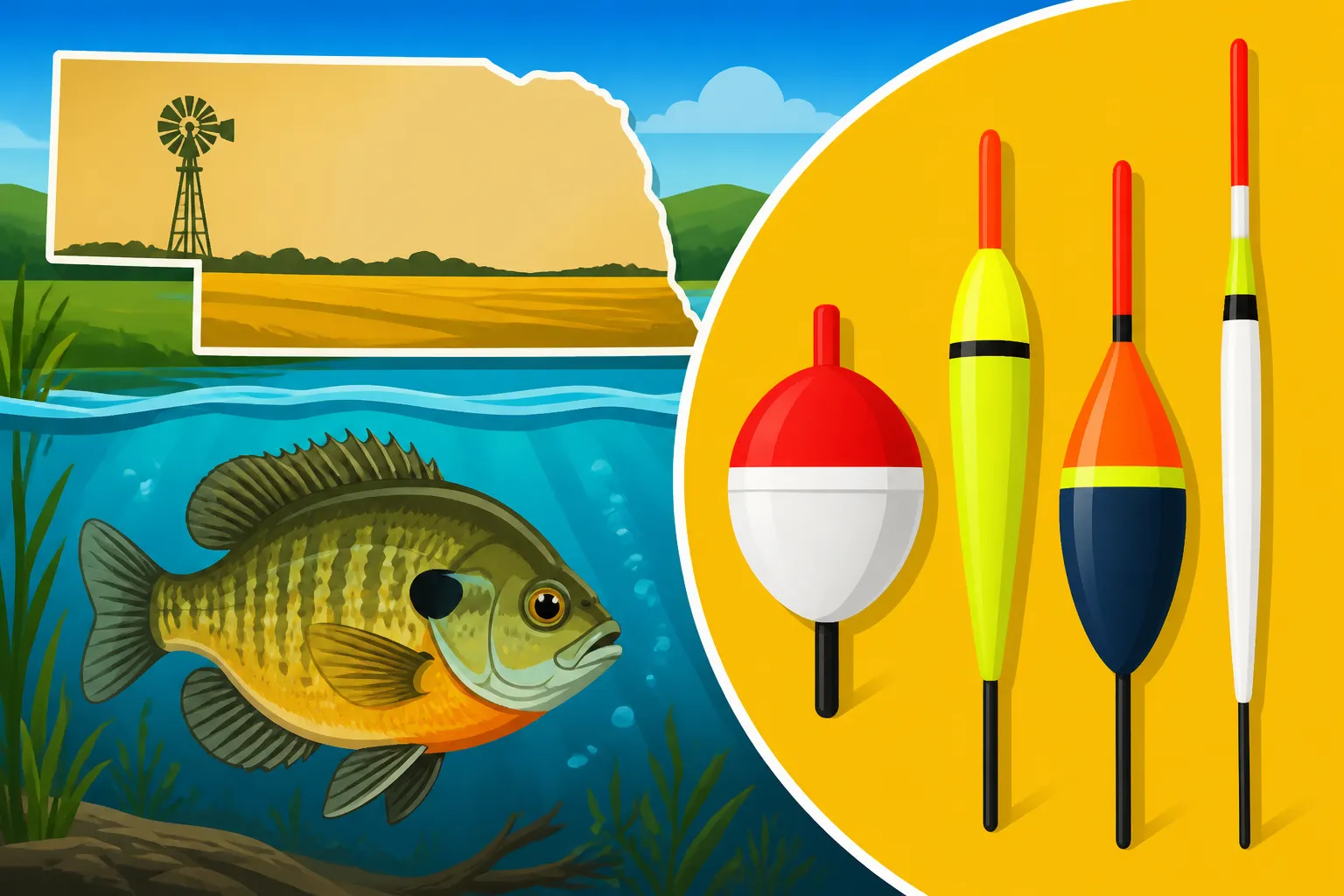
- Spring Clip Bobbers: These are probably the most common fixed bobbers you'll find. They usually have a spring-loaded button on top and a small hook on the bottom. You press the button, slip your line through the hook, release the button, and then pinch a clip on the bottom to secure the line. They're quick to attach and remove, making them a go-to for many anglers. They come in various sizes and colors, from small red and white plastic spheres perfect for bluegill to larger ones for casting heavier baits. They're also quite durable, enduring many casts and catches. The simplicity of a spring clip bobber makes it ideal for teaching kids how to fish, as it's straightforward to rig and understand.
- Stem Bobbers/Pencil Floats: These fixed floats are long and slender, resembling a pencil. They are incredibly sensitive because they offer very little resistance when a fish bites. You thread your line through an eyelet at the bottom and secure it with a small rubber stopper or by wrapping the line around the stem. They're excellent for calm water conditions where panfish are finicky, or when you need to detect those super-light bites. The longer stem helps them stand upright even with minimal weight, making subtle dips very apparent. However, they can be harder to cast long distances and might get blown around more easily in windy conditions compared to their rounder counterparts.
Slip Bobbers: Depth Control is Key
If you're fishing in deeper water—say, more than eight feet—or need to cast a significant distance, a slip bobber is your best friend. Unlike fixed bobbers, slip bobbers "slip" freely up and down your fishing line. Your line runs through the bobber, and a small "bobber stop" (a knot or small bead and string) on your line determines the depth at which the bobber stops and suspends your bait.
- Advantages of Slip Bobbers: The main advantage is that you can set your bait to any depth you desire, even 20 feet or more, without having to reel in extra line or manage a long leader while casting. When you cast, the bobber slides down to your bait, creating a compact rig that's easy to throw. Once it hits the water, the weight of your bait pulls the line through the bobber until it reaches the bobber stop, suspending your bait at your desired depth. This versatility makes slip bobbers essential for covering the entire water column, especially when fish are suspended off the bottom or hanging out in deeper submerged cover. They also allow for a more natural presentation, as your bait falls freely after the cast before being suspended. You can find excellent slip bobber setups and accessories on Amazon, often in kits that include bobber stops and beads.
- Rigging for Versatility: Setting up a slip bobber rig involves a few more steps than a fixed bobber, but the benefits are well worth it. You'll typically thread a small bobber stop onto your line first, followed by a small bead, then the slip bobber itself, and finally tie on your hook or jig. The bead prevents the bobber stop from sliding through the eyelet of the bobber. This system allows for precise depth control, which is incredibly useful when panfish are holding at a specific thermocline or structure. It’s also much easier to cast a bait that's 15 feet below the surface when the bobber can slide down to the hook, allowing for a compact presentation during the cast.
Specialized Floats: Stealth and Sensitivity
Beyond the standard fixed and slip bobbers, there are a few specialized floats that can give you an edge in specific panfish situations. These are often designed for maximum sensitivity or for delivering a very particular presentation.
- Cigar Floats and Weighted Floats: Cigar floats are typically longer and thinner than traditional round bobbers, offering a good balance of visibility and sensitivity. They often have a pointed end, allowing them to cut through the water more efficiently when drifting. Some bobbers come pre-weighted on the bottom, which helps them cast farther and stand upright quickly in the water. This weighting also provides excellent stability in choppy water or light current, preventing your bait from being pulled off its intended depth by surface movement. For panfish that are very shy or in clear water, a weighted float can help ensure your bait settles quickly and naturally.
- Ice Fishing Floats: When ice fishing for panfish, the rules change a bit. You're usually fishing in a relatively small hole, and detecting incredibly subtle bites is paramount. Ice fishing floats are often much smaller and designed for maximum sensitivity. They might be tiny spring bobbers that attach to your rod tip, or small, ultra-light foam or plastic floats that sit just above the water in your hole. Their primary purpose is to show the faintest tap, which is crucial when crappie or bluegill are barely inhaling a small jig in cold water. These specialized floats are often brightly colored and designed to be easily seen against the ice and snow, making them indispensable for hard-water anglers targeting species like crappie and yellow perch through the ice. Ice Fishing Gear Setup is a great resource if you're looking to explore more ice fishing techniques.
Choosing the Right Bobber for Your Panfish Setup
Selecting the perfect bobber for your panfish adventure isn't just about grabbing the first one you see. It involves a thoughtful consideration of several factors, including the size of your bait, the conditions of the water you're fishing in, and even the specific panfish species you're targeting. A well-chosen bobber can drastically improve your catch rate and overall enjoyment on the water.
Matching Bobber Size to Bait and Fish
One of the most common mistakes anglers make is using a bobber that's too large for their bait and target fish. A big bobber requires a significant amount of force to pull under, meaning those light-biting crappie or bluegill can mouth your bait and spit it out without you ever seeing a dip.
- Small Bait, Small Bobber: If you're fishing with tiny jigs, small hooks tipped with waxworms, or a single kernel of corn, you need a small, sensitive bobber. This minimizes resistance to the fish and maximizes your ability to detect a bite. Think about the size of a quarter or smaller for bluegill and sunfish rigs. The bobber should be just buoyant enough to suspend your bait without being pulled under by the bait itself. For delicate presentations, Best Bait for Bluegill and Sunfish offers some great options to pair with a small float.
- Crappie and Larger Panfish: While crappie can also be subtle, they often hit a little harder than a bluegill. For crappie, especially when using a minnow or a slightly larger jig, you can move up to a medium-sized bobber, perhaps the size of a half-dollar. The key is to still maintain that sensitivity. If your bobber is too big, the crappie might feel the resistance and drop the bait before you can set the hook. A good rule of thumb is to use the smallest bobber that allows for a decent cast and is still visible to you.
Considering Water Conditions: Wind, Current, and Depth
The environment you're fishing in plays a huge role in bobber selection. What works perfectly on a calm, protected pond might be a nightmare on a windy, open reservoir.
- Calm Water and Stealth: On still, clear water, especially when panfish are spooky, you want the most sensitive and least obtrusive bobber possible. Think pencil floats or very small fixed bobbers. These offer minimal splash when they hit the water and show even the faintest nibble. When panfish are suspended in clear water, a subtle presentation is paramount.
- Windy or Choppy Conditions: Wind can make traditional bobbers a challenge, causing them to drift wildly or creating false bites as waves jostle them. In these conditions, a slightly heavier, sometimes weighted, fixed bobber or a more robust slip bobber can be beneficial. The added weight helps it remain stable and cuts through the chop better. While you lose a tiny bit of sensitivity, the improved visibility and stability are often worth the trade-off. You might even choose a brighter colored bobber to stand out against the white caps.
- Current and Drift Fishing: If you're fishing in a river or a lake with a noticeable current, like parts of the Platte River, your bobber choice becomes critical for a natural drift. Cigar floats or other slender floats that cut through the water efficiently are ideal. You want your bobber to drift with the current, presenting your bait naturally, rather than getting pushed sideways and creating unnatural drag. Slip bobbers can also be effective in current, allowing your bait to tumble naturally at a set depth.
- Depth Considerations: As mentioned earlier, fixed bobbers are excellent for shallow water (under 8 feet). For anything deeper, or when you need to cast a long way to reach a brush pile or drop-off, a slip bobber is the undisputed champion. It allows you to present your bait exactly where the fish are holding, whether that's near the bottom in 20 feet of water or suspended 10 feet down over a deeper channel. Best Bobber Depth for Suspended Crappie goes into more detail on how to find that sweet spot.
Material Matters: From Foam to Balsa
Bobbers are made from a variety of materials, each with its own characteristics that impact performance.
- Plastic: Most common and affordable. Plastic bobbers are durable and come in a wide range of sizes and shapes. They are a good all-around choice for most panfishing scenarios. They tend to be less sensitive than balsa but more so than some larger foam models.
- Foam: Often found in larger, more buoyant bobbers. Foam is lightweight, inexpensive, and highly visible. While great for suspending heavier baits or in rougher conditions, very dense foam bobbers can sometimes lack the sensitivity needed for light-biting panfish.
- Balsa Wood: The connoisseur's choice for sensitivity. Balsa wood bobbers are incredibly light and buoyant, offering minimal resistance to a biting fish. They are often thin and elongated, making them excellent for detecting the most subtle taps. They are typically more expensive and can be more fragile than plastic or foam bobbers, but their performance for finesse fishing is unmatched. Anglers who are serious about their panfish often swear by balsa floats for their ability to signal even the slightest interest.
| Bobber Type | Pros | Cons | Best Use for Panfish |
|---|---|---|---|
| Spring Clip (Fixed) | Easy to use, durable, affordable, good for kids | Limited depth, less sensitive than slip/pencil | Shallow water, close-range fishing, teaching beginners |
| Pencil Float (Fixed) | High sensitivity, stands upright easily | Harder to cast far, affected by wind/current | Calm, shallow water, finicky eaters, clear water |
| Slip Bobber | Unlimited depth control, easy long casts | Requires bobber stop & bead, slightly more rigging | Deep water, suspended fish, casting long distances |
| Weighted Bobber | Better casting distance, stability in chop | Slightly less sensitive, can be bulkier | Windy conditions, light current, needing casting distance |
| Ice Fishing Float | Extreme sensitivity, designed for small bites | Specific to ice fishing, very small | Ice fishing through a small hole, very cold water |
Rigging Your Bobber for Optimal Panfish Success
Getting your bobber setup correctly is just as important as choosing the right one. A poorly rigged bobber can lead to tangled lines, lost baits, and missed fish. But with a few simple steps, you can create a reliable and effective panfish rig that maximizes your chances of success, whether you're targeting Nebraska Bluegill and Sunfish Fishing or chasing down crappie in the early spring.
Setting Up a Fixed Bobber Rig
Fixed bobbers are generally the easiest to rig, making them perfect for beginners or quick setups.
- Tie on Your Hook/Jig: Start by tying your chosen hook or jig to the end of your fishing line using a strong knot like a Palomar knot or an improved clinch knot. For panfish, hooks in sizes #8 to #12 are often ideal, paired with small jigs like a 1/32 or 1/64 ounce.
- Add Split Shot (if needed): If your bait isn't heavy enough to pull your bobber upright and keep it stable, add one or two small split shot weights a few inches above your hook. The goal is to barely submerge the bobber so only the tip is showing, maximizing sensitivity. You don't want your bobber lying flat on the water.
- Attach the Bobber: Now, attach your fixed bobber. For spring clip bobbers, press the top button, thread your line through the small hook on the bottom, release the button, and then pinch the bottom clip to secure the line. For pencil floats, thread the line through the bottom eyelet and secure it with the integrated stopper or by wrapping the line.
- Set the Depth: Adjust the bobber up or down your line to set your desired fishing depth. For panfish, start by fishing a few feet off the bottom or around any visible cover like submerged weeds or brush. Remember, fixed bobbers are best for shallower water. If you want to fish deeper than your rod length, you’ll need a slip bobber.
Mastering the Slip Bobber Setup
While a bit more involved than a fixed bobber, the slip bobber setup offers incredible versatility and is a must-know for serious panfish anglers. This setup is particularly effective when you're exploring How to Find Crappie in Cold Water or other situations where fish might be holding deep.
- Add a Bobber Stop: First, slide a bobber stop onto your fishing line. These usually come in a small tube with a loop of line. Thread your main line through the loop, pull the bobber stop off the tube, and then pull it tight onto your main line. You can adjust this stop later to change your depth.
- Thread a Bead: Immediately after the bobber stop, thread a small plastic or glass bead onto your main line. This bead prevents the bobber stop from pulling through the top eyelet of your slip bobber.
- Attach the Slip Bobber: Now, thread your main line through the center of your slip bobber. It should slide freely up and down the line.
- Add Weight (if needed): For slip bobbers, it's often beneficial to add a small amount of weight—usually a split shot or two, or a small bell sinker—about 6-12 inches above your hook or jig. This weight helps pull the line through the bobber and get your bait down to the desired depth quickly. Without enough weight, your bait might not sink properly.
- Tie on Your Hook/Jig: Finally, tie your hook or jig to the end of your line.
- Adjust Depth: With your rig set up, pull your bobber stop up or down your main line to achieve your desired fishing depth. This is where the magic of the slip bobber comes in – you can easily change depths from a few feet to many yards, casting a compact rig every time.
Troubleshooting Common Bobber Rig Issues
Even experienced anglers run into bobber troubles sometimes. Here's how to tackle a few common frustrations:
- Tangles, Especially with Fixed Bobbers: If your line is constantly tangling around your fixed bobber during the cast, it's often a sign that your leader (the line from the bobber to the hook) is too long for the weight of your bait, or you're using a bobber that's too light for your bait. Try shortening the leader, adding a small split shot near the hook, or using a slightly heavier bobber. Using a stiffer monofilament line for your leader can also help reduce tangles compared to very limp fluorocarbon.
- Bobber Lying Flat or Not Standing Upright: This indicates you don't have enough weight below the bobber. Add more split shot until the bobber stands up straight, with only the tip or the top third visible. For slip bobbers, ensure you have enough weight to pull the line through the bobber and get the bait down.
- Difficulty Detecting Bites: If you suspect fish are biting but your bobber isn't reacting, you might be using too large or insensitive of a bobber, or your bait is too heavy. Try switching to a smaller, more sensitive balsa or pencil float, reducing the size of your split shot, or using a lighter hook/jig. Sometimes, even the smallest split shot can add enough resistance to deter a finicky panfish.
- Bobber Stop Slipping (Slip Bobbers): If your bobber stop is sliding out of position, it's likely not tight enough. Re-tie it or replace it with a fresh one. Ensure you're using the right size bobber stop for your line diameter. Sometimes, wrapping the tag ends of the bobber stop around the main line a few times before tightening can provide a more secure grip.
Advanced Bobber Techniques and Tips for Nebraska Anglers
Once you've mastered the basics of rigging, you can elevate your panfish game with more advanced techniques. These tips can help you coax bites from even the most finicky Nebraska panfish and adapt to changing conditions. This is where your bobber truly becomes a sophisticated tool in your arsenal, especially when you're exploring Best Nebraska Lakes for Shore Fishing Without a Boat or trying to pinpoint fish in tricky spots.
Detecting the Most Subtle Bites
Panfish, especially crappie in cold water, can be incredibly gentle. Their "bite" might not be the classic plunge you expect. Learning to read these subtle cues is crucial.
- The "Lift" Bite: Sometimes, a panfish will pick up your bait and swim upwards, actually relieving tension on your line. Instead of plunging, your bobber might slowly tilt to one side, lay flat, or even slightly rise out of the water. This is a common crappie bite, and if you're not paying attention, you'll miss it entirely. It demands constant vigilance.
- The "Jiggle" or "Dance": Often, before a full plunge, your bobber might give a small jiggle, a slight tremor, or a series of tiny dips. This is usually the fish mouthing the bait, trying to decide if it's edible. Don't wait for the big dip; if you see any unnatural movement, lift your rod tip to feel for the fish. A slight pull-back or twitch could be a fish deciding to commit.
- Using Highly Visible Colors: While not directly about bite detection, choosing a bobber with a highly visible top portion (neon orange, bright yellow, or chartreuse) can help you spot those subtle movements from a distance, particularly on overcast days or against choppy water.
Finesse Presentations: Dead Sticking and Slow Drifts
Your bobber can be instrumental in delivering natural, enticing presentations that panfish can't resist.
- Dead Sticking Under a Bobber: This technique involves simply casting your bobber and bait out and letting it sit completely still. Panfish, particularly crappie and bluegill, often prefer a motionless bait. The bobber keeps your bait suspended at the optimal depth, and any movement of the water will give it just enough subtle action. This is incredibly effective when fish are sluggish or in highly pressured areas. You might find this strategy especially useful at urban fishing ponds where fish are used to seeing a lot of lures. Nebraska Urban Fishing Program Stocked Ponds Near Me are perfect places to try this.
- Slow Drifts with Current or Wind: When there's a gentle current or a light breeze, use a slip bobber or a sensitive pencil float to allow your bait to drift naturally. This mimics a free-floating insect or minnow. Cast upstream or upwind and let your bobber carry your bait through potential holding areas like brush piles, weed lines, or submerged timber. The natural movement can often trigger strikes from fish that might ignore a stationary bait. Experiment with how much slack line you give the bobber to control the speed of the drift.
Utilizing Bobbers for Ice Fishing Panfish
Ice fishing presents its own unique challenges, and bobbers, or specialized ice fishing floats, are indispensable for success.
- Spring Bobbers on Rod Tips: These are small, highly sensitive wire or plastic coils that attach to the very tip of your ice fishing rod. Your line runs through them, and they act as an ultra-sensitive bite indicator. When a panfish bites, the spring bobber will twitch, straighten, or dip, signaling the slightest interest. They are crucial for detecting the often minuscule bites of bluegill and crappie in freezing water.
- Small, In-Hole Floats: Some ice anglers use tiny, buoyant floats that sit directly in the ice hole, just touching the water. Their small size means minimal weight, and any subtle rise or fall indicates a bite. The key with all ice fishing floats is to use the absolute smallest amount of weight necessary to get your jig down, making the presentation as light and natural as possible. This approach is key to success when How to Catch Crappie Through the Ice is your goal.
- Visual vs. Feel: While many ice anglers rely on feeling the bite through their rod, integrating a sensitive bobber provides a visual cue that can often detect bites you might otherwise miss, especially when fishing with multiple lines or in windy conditions where rod tip detection is difficult.
Maintaining Your Bobbers and Floats
Just like any other piece of fishing gear, your bobbers and floats benefit from a little care and attention. Proper maintenance ensures they perform reliably season after season, saving you money and preventing frustrations on the water. After all, you don't want a sticky clip or a cracked float to ruin a perfect day of Spring Fishing in Nebraska.
Cleaning and Inspection for Longevity
It might seem trivial, but a quick clean and inspection after each trip can significantly extend the life of your bobbers.
- Rinse Off Debris: After a day on the lake or river, your bobbers can accumulate algae, dirt, and even bait residue. A simple rinse with fresh water, especially around the clips or line guides, will prevent buildup that could hinder their function. For slip bobbers, make sure the center hole is free of grit, as this could abrade your line over time.
- Check for Cracks and Damage: Plastic bobbers can get brittle over time, and a hard impact might cause a hairline crack. Inspect your bobbers for any visible damage, especially around the spring clips or where the line threads through. A cracked bobber can lose buoyancy and sink, or worse, cut your fishing line. Balsa wood floats, while durable, can get nicked or waterlogged if their protective coating is compromised. A quick inspection helps you identify and replace compromised floats before they cause problems.
- Spring Clip Functionality: For fixed bobbers, check that the spring clip mechanism is clean and functioning smoothly. Grit or rust can cause the spring to stick, making it difficult to attach or remove the bobber. A tiny drop of silicone lubricant can sometimes help, but avoid petroleum-based products that can damage plastic.
Smart Storage Solutions
How you store your bobbers can be just as important as how you clean them. Proper storage prevents tangles, keeps them organized, and protects them from damage.
- Dedicated Tackle Box Compartments: Many tackle boxes come with adjustable dividers, making them perfect for creating dedicated compartments for different sizes and types of bobbers. This prevents them from rolling around and getting crushed by heavier gear.
- Bobber Storage Tubes/Racks: For longer, more delicate pencil floats or slip bobbers, consider using specialized storage tubes or racks. These protect them from bends and breaks, which is especially important for sensitive balsa wood floats. You can often find these at sporting goods stores or make your own with PVC pipe.
- Keep Them Dry and Out of Direct Sunlight: Store your bobbers in a cool, dry place away from direct sunlight. UV rays can degrade plastic and paint over time, causing them to become brittle and faded. Excess moisture can lead to rust on metal components, especially the springs in fixed bobbers.
- Separate by Type/Size: Organizing your bobbers by type (fixed vs. slip) and size makes it incredibly easy to grab the right one when you're out on the water. Imagine fumbling through a tangled mess of bobbers when the fish are biting! A well-organized tackle box means more time fishing and less time searching. You might even consider having a small, dedicated "panfish essentials" box within your larger tackle box, containing a selection of small bobbers, hooks, and weights, ready for quick deployment.
Disclaimer
This article is for general informational purposes only and does not constitute professional advice. Laws, prices and regulations vary by location and change over time. Consult a qualified professional for guidance on your specific situation.