Nebraska Bluegill and Sunfish Fishing
If you've ever felt overwhelmed trying to target Nebraska's trophy fish, or maybe just want to enjoy a relaxing day on the water with consistent action, then focusing on bluegill and other sunfish is an absolute game-changer. These feisty, colorful panfish are abundant, relatively easy to catch, and offer fantastic table fare, making them perfect for anglers of all ages and skill levels. This guide is dedicated to helping you understand, locate, and consistently catch bluegill and sunfish across Nebraska's diverse waters, from tiny farm ponds to sprawling reservoirs.
Understanding Nebraska's Panfish: More Than Just Bluegill
When we talk about "sunfish" in Nebraska, it's a bit like saying "dog" – there are many breeds! While bluegill are undoubtedly the most popular and widespread, they share the water with several other sunfish species, each with unique characteristics. Understanding these differences can help you tailor your approach and appreciate the diversity beneath the surface.
Bluegill: The Everyday Nebraska Favorite
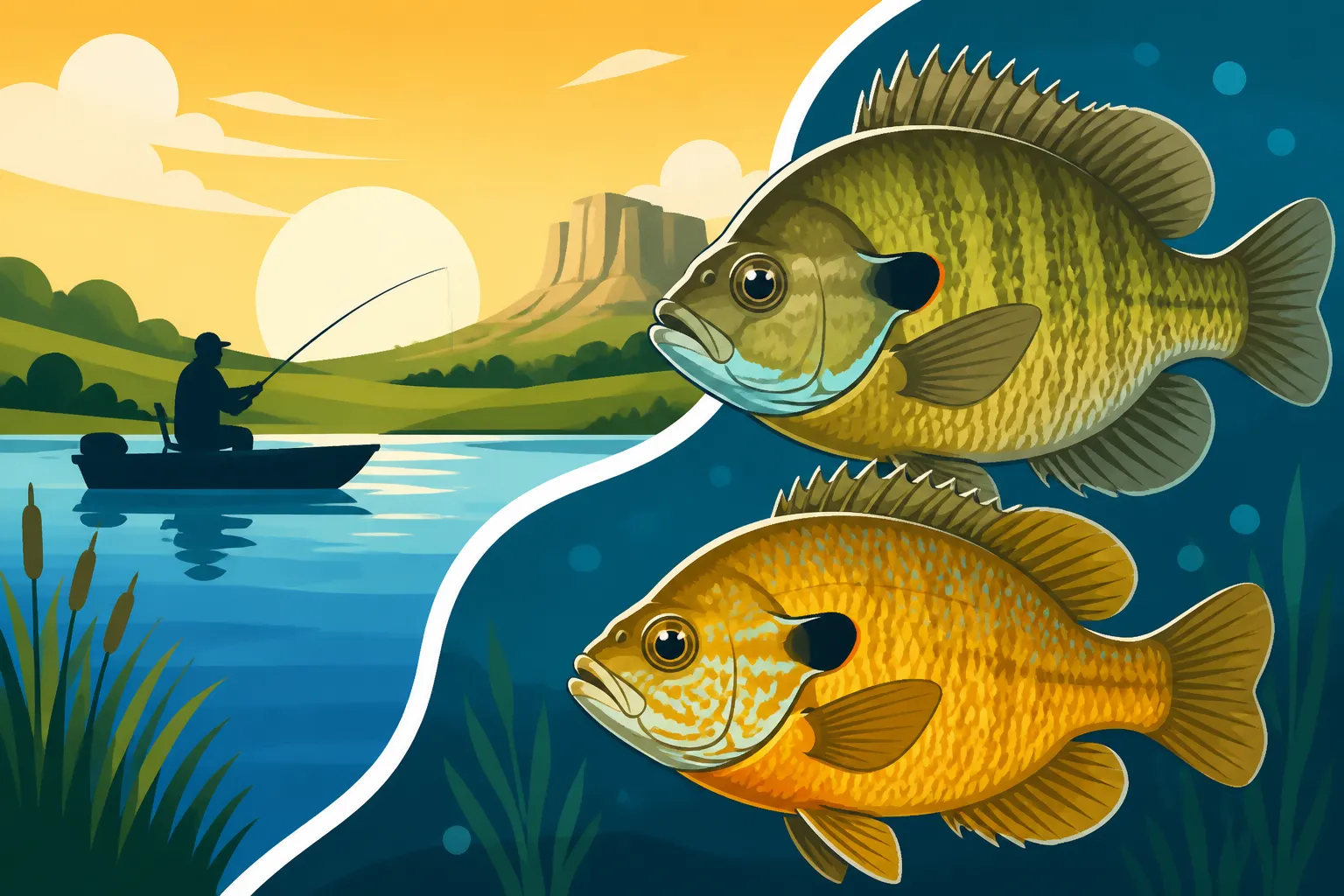
Ah, the bluegill. This is often the first fish many Nebraskans catch, and for good reason! They are incredibly common, found in nearly every pond, lake, and slow-moving river section across the state. Bluegill are typically recognized by their dark ear flap (often with a distinctive blue-black spot), small mouth, and usually a vertical barring pattern on their sides, though their coloration can vary wildly from deep olive to bright orange and yellow depending on water clarity and diet.
They are primarily insect-eaters, feasting on aquatic insects, small crustaceans, and even tiny fish larvae. This diverse diet makes them quite willing to bite a variety of baits. Bluegill are also known for their aggressive, pugnacious fight on light tackle, which is a big part of their appeal. They typically school up, especially around submerged cover like weeds, brush piles, or dock pilings, making it possible to catch several in one spot once you find them. Their willingness to bite makes them a perfect target for beginners and a fun challenge for experienced anglers looking for consistent action.
Other Notable Sunfish Species in Nebraska
Beyond bluegill, you'll encounter a few other common sunfish species that are often lumped together but have their own quirks. Knowing the difference can sometimes inform your bait choice or where you might find them.
Green Sunfish
The green sunfish is perhaps the most widespread and hardy of the sunfish family, often thriving in waters where bluegill struggle. They have a larger mouth than a bluegill, extending back to at least the middle of the eye. Their bodies are typically stout, often with iridescent green-blue spots on their sides and a prominent, often yellow-orange, margin on their fins. They also have that characteristic dark ear flap, but it might have a reddish or orange edge.
Green sunfish are more predatory than bluegill, often eating small minnows and crawfish in addition to insects. This means they might hit slightly larger baits or lures. You'll frequently find them in shallow, murky waters, small creeks, and farm ponds, sometimes right under the bank or around downed trees. They're tenacious fighters and are usually a welcome sight in the creel.
Pumpkinseed Sunfish
Pumpkinseeds are arguably the prettiest of the sunfish in Nebraska, though they aren't quite as common as bluegill or green sunfish. You can identify a pumpkinseed by its vibrant, almost jewel-like colors, especially the wavy blue lines on its cheek and the distinct bright red or orange spot on the back of its ear flap. They have a smaller, more compressed body shape than a green sunfish and also a smaller mouth.
They prefer clear, vegetated waters, often hanging out in submerged weeds or around lily pads. Their diet is similar to bluegill, focusing on insects and small invertebrates. Catching a pumpkinseed is always a treat, both for their beauty and their spirited fight. They're a fantastic fish for kids to target, as their bright colors are easily recognizable and exciting.
Where to Find Bluegill and Sunfish in Nebraska
Nebraska offers an incredible array of fishing opportunities for bluegill and sunfish, from urban ponds to vast reservoirs. The key to consistent success is understanding their habitat preferences and how to pinpoint those honey holes.
Farm Ponds and Small Lakes
These are often prime locations for bluegill and sunfish, sometimes holding surprisingly large specimens. Many landowners are happy to allow respectful anglers access, making them a fantastic, often unpressured resource. In these smaller bodies of water, fish tend to be more spread out but will still gravitate towards cover.
Look for areas with submerged vegetation, fallen trees, brush piles, or even old tires or cinder blocks if the pond has them. These provide both ambush points for feeding and protection from predators. Deeper areas near the dam or any sudden drop-offs can be good in warmer months. Remember to always ask for permission before fishing on private property. For more on accessing these spots, check out Nebraska Farm Pond Fishing Permission and Access.
Nebraska's State Recreation Areas and Urban Ponds
Many of Nebraska's State Recreation Areas (SRAs) and urban ponds managed by the Nebraska Game and Parks Commission are regularly stocked and carefully managed to provide excellent fishing, especially for panfish. These areas are designed for public access, often featuring docks, fishing piers, and easy bank access, making them ideal for families and beginners.
Some fantastic examples include the ponds within Fremont Lakes State Recreation Area, the various lakes around Lincoln like Holmes Lake and Wagon Train Lake, and Omaha's Standing Bear Lake and Zorinsky Lake. These urban ponds are perfect for a quick fishing trip after work or on a weekend morning. They are often stocked with a variety of species, including bluegill, and are typically well-marked with access points. The Nebraska Urban Fishing Program Ponds list can give you some excellent starting points.
Large Reservoirs and Rivers
While bluegill and sunfish might not be the primary target for many anglers on Nebraska's larger reservoirs like Branched Oak Lake or Harlan County Reservoir, they are certainly present and can grow to impressive sizes. In these larger waters, focus on bays, coves, and shallower areas with abundant submerged aquatic vegetation, brush, or timber. Boat docks and marinas are also magnets for panfish.
On rivers, bluegill and sunfish prefer calmer backwaters, oxbows, and slow-moving eddies rather than the main current. Look for areas with tangled roots, logjams, or thick aquatic plants. While you might not find huge numbers, the ones you do find in these less-pressured river environments can be exceptionally large and robust. For a comprehensive list of places to explore, consider Best Places to Fish in Nebraska.
Essential Gear for Panfishing Success
One of the greatest things about bluegill and sunfish fishing is that you don't need a boatload of expensive gear. Simplicity and finesse are often more effective than heavy tackle.
Rods and Reels: Keep it Light and Sensitive
For optimal enjoyment and success, light tackle is the way to go. A lightweight spinning rod and reel combo is perfect for panfish.
Spinning Rods
Look for an ultralight or light action spinning rod, typically between 5 to 6.5 feet long. The ultralight action will allow you to feel even the most subtle bites from these small fish and makes their fight incredibly exciting. A fast or moderate-fast tip will give you good casting accuracy for those small baits. A sensitive graphite rod blank will transmit those light bites right to your hands. Many excellent options can be found for a very reasonable price, making it easy to get started.
Spinning Reels
Pair your ultralight rod with a small spinning reel, typically in the 500 to 1000 series size. These reels are designed for light line and small lures, balancing perfectly with an ultralight rod. Smooth drag is more important than raw power, as you'll be using very light line. Again, you don't need to break the bank here; reliable models are widely available. If you're looking for specifics, Best Spinning Reels for Panfish provides some excellent guidance. For general gear, platforms like Amazon offer a vast selection of entry-level and advanced panfishing combos that won't strain your wallet.
Line, Hooks, and Bobbers: The Finesse Connection
These smaller components are crucial for panfish. They have keen eyesight and sensitive mouths, so going light makes a huge difference.
Fishing Line
Spool your reel with 2 to 4-pound test monofilament or fluorocarbon line. Monofilament is a popular choice due to its stretch (which helps cushion the fight) and its floating properties, which are good for bobber fishing. Fluorocarbon is nearly invisible underwater and sinks, making it a good choice for direct contact fishing without a bobber. You can often find a spool of quality fishing line at a local bait shop or readily available on Amazon.
Hooks
Small hooks are absolutely essential for panfish. Bluegill and other sunfish have relatively small mouths. Stick with Aberdeen hooks (long shank wire hooks) or small J-hooks in sizes #8 to #12. The long shank of an Aberdeen hook makes it easier to remove from their tiny mouths. If you're using live bait like a small piece of worm, a tiny hook ensures the bait looks natural and the fish can inhale it easily.
Bobbers
Bobbers are your visual cue to a bite and help suspend your bait at a desired depth. Traditional round or oval clip-on bobbers work fine, but if you want to get a bit more advanced, consider small slip bobbers. Slip bobbers allow you to fish at virtually any depth without having to constantly adjust your setup. The key is to use the smallest bobber possible that will still keep your bait suspended. A small, sensitive bobber will indicate the lightest nibbles. For details on rigging, check out How to Rig a Slip Bobber for Panfish.
Bait and Lures: Tempting Their Palates
Bluegill and sunfish aren't usually picky, but some baits are consistently more effective.
Live Bait
- Worms: The undisputed king of panfish bait. A small piece of nightcrawler, a red worm, or even a piece of an earthworm will almost always get a bite. Thread it onto your tiny hook, leaving the hook point exposed.
- Crickets/Grasshoppers: These are fantastic during warmer months, especially near grassy banks. Their natural wiggling on the surface or just below is irresistible.
- Small Minnows: While bluegill primarily eat insects, a tiny minnow (sometimes called a "crappie minnow") can entice larger bluegill or even other sunfish like green sunfish that have a more predatory nature. Hook them lightly through the lips or dorsal fin.
- Waxworms/Mealworms: These grubs are excellent, especially for ice fishing or when fish are being finicky. They are small, juicy, and irresistible. You can often find these at bait shops.
Artificial Lures
- Micro Jigs: Tiny jigs, often 1/64 to 1/16 ounce, tipped with a small plastic grub, tube, or hair are deadly. Colors like chartreuse, white, black, or natural insect patterns work well. Jig them gently under a bobber or slowly retrieve them.
- Small Spinners: Tiny inline spinners with a small blade, such as a Rooster Tail or Mepps Aglia in sizes #0 or #1, can be very effective, especially for more aggressive sunfish. Cast them out and retrieve slowly.
- Flies: If you enjoy fly fishing, small wet flies, nymphs, or even dry flies imitating insects can be incredibly effective, especially in clear water.
For a deeper dive into bait selection, you might find Best Bait for Bluegill and Sunfish helpful. And remember, you can easily stock up on a variety of small jigs and artificial baits from retailers like Amazon.
Effective Techniques for Catching Bluegill and Sunfish
Whether you're fishing from shore or a boat, there are a few tried-and-true techniques that will help you put more bluegill and sunfish in your net.
Bobber Fishing: The Classic Approach
This is probably the most common and effective method, especially for beginners or when fishing with kids. It's simple, visual, and requires minimal skill to get started.
- Attach a Bobber: Clip a small bobber onto your line, usually 1-3 feet above your hook. The depth will depend on how deep the fish are holding, but start shallow (1-2 feet) and adjust as needed.
- Add Weight (Optional but Recommended): A small split-shot weight, usually a foot or so above the hook, helps your bait sink faster and keeps it in place, especially on windy days. The bobber should be just barely floating, making it more sensitive to bites.
- Bait Your Hook: Thread a piece of worm, a cricket, or a grub onto your small hook.
- Cast and Wait: Cast your rig near cover – lily pads, submerged weeds, a dock, or a brush pile. Watch your bobber closely. When it dips, dances, or disappears, gently set the hook with a slight upward sweep of your rod. Don't yank!
This method allows you to visually detect even the slightest nibble. It's incredibly rewarding to watch that bobber go down!
Bottom Fishing: When Fish are Deep
Sometimes, especially in the heat of summer or during colder months, bluegill and sunfish will move to deeper water. In these situations, getting your bait to the bottom can be more effective.
- Carolina Rig or Basic Sinker: A simple setup involves tying a small bell sinker or egg sinker (1/8 to 1/4 ounce) to the end of your main line, then tying a small swivel about 6-12 inches above the sinker. From the swivel, tie a 6-12 inch leader of lighter line (e.g., 2 lb test) to your small hook. This keeps your bait slightly off the bottom and allows the fish to pick it up without feeling the weight of the sinker immediately.
- Bait and Cast: Bait your hook with a juicy piece of worm or grub. Cast out and let it sink to the bottom.
- Feel for Bites: Unlike bobber fishing, you'll feel the bites directly through your line. Watch your rod tip for small taps or a gentle bend. Pick up the slack in your line, keeping it just tight enough to detect a bite without moving your bait too much.
This technique is excellent when you've identified a deeper area or a drop-off where fish are holding, such as around a submerged roadbed or the base of a brush pile.
Small Jigging: Active and Engaging
Jigging with micro jigs is a more active way to catch bluegill and sunfish, and it can be incredibly rewarding. It allows you to cover water and often triggers more aggressive strikes.
- Light Jig Head and Plastic: Use a tiny jig head (1/64 to 1/8 ounce) paired with a small soft plastic grub, tube, or hair jig. Match the color to the forage or water conditions – natural colors for clear water, brighter colors for stained water.
- Cast and Retrieve: Cast your jig near cover. Allow it to sink, watching your line for any twitches or pauses. Retrieve with a slow, steady reel, adding small twitches or pauses with your rod tip to give the lure action.
- Vertical Jigging: If fishing from a boat or a dock over a known brush pile, drop the jig directly down and lift and drop it gently, imitating a struggling insect or baitfish. This is particularly effective during ice fishing season.
Jigging can be fantastic for finding schools of active fish, and you can experiment with different retrieve speeds and actions until you find what they prefer.
| Technique | Ideal Situation | Pros | Cons | Recommended Bait/Lure |
|---|---|---|---|---|
| Bobber Fishing | Shallow water, visible cover, beginners | Easy to learn, highly visual, relaxing | Less effective in deep water, can be slow | Worms, crickets, waxworms |
| Bottom Fishing | Deeper water, calm conditions | Gets bait to fish holding deep | Less visual, requires more feel | Worms, mealworms, small minnows |
| Small Jigging | Active fish, searching for schools, ice fishing | Active, covers water, triggers strikes | Requires more practice, can be finicky | Micro jigs (plastic, hair) |
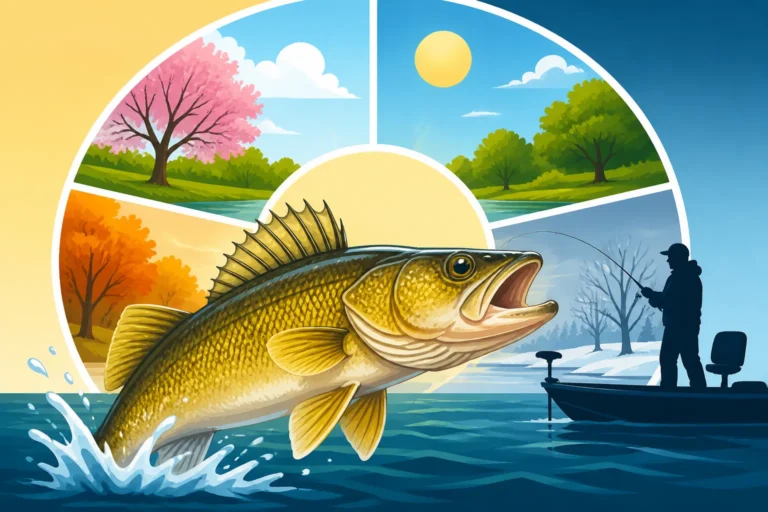
Seasonal Strategies for Panfish in Nebraska
Bluegill and sunfish behavior changes throughout the year, driven primarily by water temperature and spawning cycles. Adjusting your tactics to the season will dramatically improve your catch rate.
Spring: Spawning Frenzy and Shallow Action
As water temperatures rise into the 60s Fahrenheit, bluegill and sunfish begin to spawn. This is arguably the best time of year to catch them in large numbers and often some of the biggest individuals.
Shallow Beds
Panfish will move into very shallow, protected areas like sandy flats, gravel bottoms, or hard-bottomed pockets within weed beds. They create circular "beds" or nests, often in large colonies. You can sometimes see these beds as lighter-colored depressions on the bottom. Focus your efforts in water just 1-5 feet deep.
Aggressive Bites
During the spawn, fish are highly aggressive, protecting their nests. They will readily strike at anything that comes near, making them relatively easy to catch. Use small baits like worms or crickets under a bobber, casting directly to or just beyond the beds. Tiny jigs retrieved slowly will also work wonders. This is a prime time for bank fishing, as many beds are accessible from shore. For specific season dates for other species, you might check out Nebraska Fishing Season Dates and Limits.
Summer: Seek Shade and Submerged Structure
Once the spawn is over and water temperatures really heat up, bluegill and sunfish often move to deeper, cooler water, but they will still be associated with structure.
Deep Water & Shade
Look for bluegill and sunfish in deeper weed lines, brush piles, submerged timber, or under boat docks and overhanging trees that provide shade. They'll also use drop-offs and humps in the middle of lakes. Early morning and late evening can still find them shallower, but during the bright midday sun, they'll usually retreat to deeper cover.
Varied Tactics
Both bobber fishing and bottom fishing can be effective, depending on the depth. If they're in dense weeds, a small jig fished along the edge or in pockets can be productive. If they're suspended under docks, a tiny jig dropped straight down or a slip bobber rig is ideal. Consider using different depths around a promising piece of structure until you find where they're concentrated. For tips on battling the heat, read How to Fish During the Heat of the Day in Summer.
Fall: Feeding Frenzy Before Winter
As water temperatures begin to cool in autumn, bluegill and sunfish will enter a feeding frenzy, trying to fatten up before the long winter months.
Transition Areas
Fish will often move out of the very shallow summer haunts and begin to school up in transition areas – places where shallow water drops off into deeper areas. Look for points, humps, and the edges of submerged weed beds. They might be a bit more scattered than in spring, but once you find a school, the action can be fast.
Slightly Larger Baits
While still favoring small baits, you might find bluegill and sunfish are willing to hit slightly larger offerings, such as a bigger piece of worm or a slightly larger micro jig. They are actively foraging, so presenting your bait effectively is key. Pay attention to changes in weather; a cold front can make them lethargic, so slow down your presentation.
Winter: Ice Fishing for Panfish
Nebraska's frozen lakes offer fantastic ice fishing opportunities for bluegill and sunfish. They remain active under the ice, often schooling tightly, making them a prime target for hardwater anglers.
Deep Holes and Weeds
During winter, bluegill and sunfish will seek out the deepest parts of lakes and ponds, often near structure like submerged timber, rock piles, or green weed beds that still produce oxygen. They will congregate in these areas, making them relatively easy to locate with electronics like a fish finder. For specific gear, check out Best Fish Finder for Ice Fishing.
Tiny Baits, Subtle Presentation
Ice fishing requires finesse. Use tiny jigs (1/64 to 1/32 ounce) tipped with a single waxworm, a small piece of plastic, or a maggot. Light line (2-pound test) is crucial. Jig your bait very subtly, just barely twitching your rod tip. Pay close attention to your line or a sensitive bobber, as bites can be incredibly light. Once you catch one, keep fishing that hole – there are likely many more! For safety and gear, review Nebraska Ice Fishing Safety Tips and Nebraska Ice Fishing Gear Setup.
Enjoying the Catch: From Hook to Table
Catching bluegill and sunfish is not just about the thrill of the bite; it's also about enjoying the fruits of your labor! These panfish are delicious, offering delicate, flaky white meat.
Handling and Care
Once you've caught a bluegill or sunfish you intend to keep, it's important to handle it properly to ensure the best quality meat. Gently remove the hook. If you're keeping it, place it immediately on ice in a cooler. This keeps the fish fresh and firm, which makes cleaning much easier. Never let your catch sit in warm water or direct sunlight for too long. If you're planning on releasing fish, wet your hands before handling them to protect their protective slime coat, and try to minimize their time out of the water. Catch and Release Best Practices in Nebraska offers more detailed advice.
Cleaning and Filleting
Cleaning panfish is a straightforward process. Many anglers prefer to fillet them, especially the larger ones, to avoid small bones.
- Scaling (Optional): Some people scale their panfish and cook them whole, but filleting avoids this step.
- Filleting: Using a sharp fillet knife, make a cut behind the gill plate, down to the backbone. Turn the knife flat and slide it along the backbone towards the tail, removing the fillet. Flip the fillet skin-side down and carefully cut the meat off the skin. Repeat on the other side.
- Rib Cage: You can either cut around the small rib cage on the fillet or use a pair of pliers to pull the ribs out.
The small, boneless fillets are perfect for frying, baking, or grilling. Many folks swear by pan-fried bluegill, lightly breaded and cooked to a golden crisp. It's a true taste of Nebraska. For detailed instructions, you might consult How to Clean and Fillet a Crappie, as the process is quite similar for all panfish.
Conclusion: Embrace the Panfish Lifestyle
Nebraska's bluegill and sunfish offer an unparalleled opportunity for anglers of all stripes to enjoy consistent action, delicious table fare, and countless hours of relaxation and excitement on the water. From teaching a child the joy of their first catch to providing a seasoned angler with a challenging yet rewarding pursuit, these vibrant panfish truly embody the spirit of accessible, fun fishing. So grab a light rod, a handful of worms, and head to your nearest pond or lake. You might just find that the biggest thrills come in the smallest packages.
Disclaimer
This article is for general informational purposes only and does not constitute professional advice. Laws, prices and regulations vary by location and change over time. Consult a qualified professional for guidance on your specific situation.