How Often to Replace Fishing Line
It's happened to all of us: you're reeling in what feels like the fish of a lifetime, the rod is bent, your heart is pounding, and then… snap. The line breaks, and your trophy, along with your favorite lure, is gone. This gut-wrenching experience is often preventable, stemming from something as simple as neglected fishing line. This guide is here to walk you through exactly when and why you should replace your fishing line, ensuring your next big catch in Nebraska doesn't end in heartbreak.
Why Your Fishing Line's Integrity Matters
Think of your fishing line as the absolute cornerstone of your entire fishing setup. It's the only direct connection you have to the fish. If it's compromised, everything else – your fancy rod, your smooth reel, that perfectly tied knot – means nothing. Many anglers, myself included, often overlook this critical component until it's too late. It’s easy to focus on the flashier gear, but a fresh, strong line is paramount for successful and enjoyable days on the water, especially when you're targeting those feisty Nebraska walleye or powerful river catfish.
The Hidden Dangers of Old Line
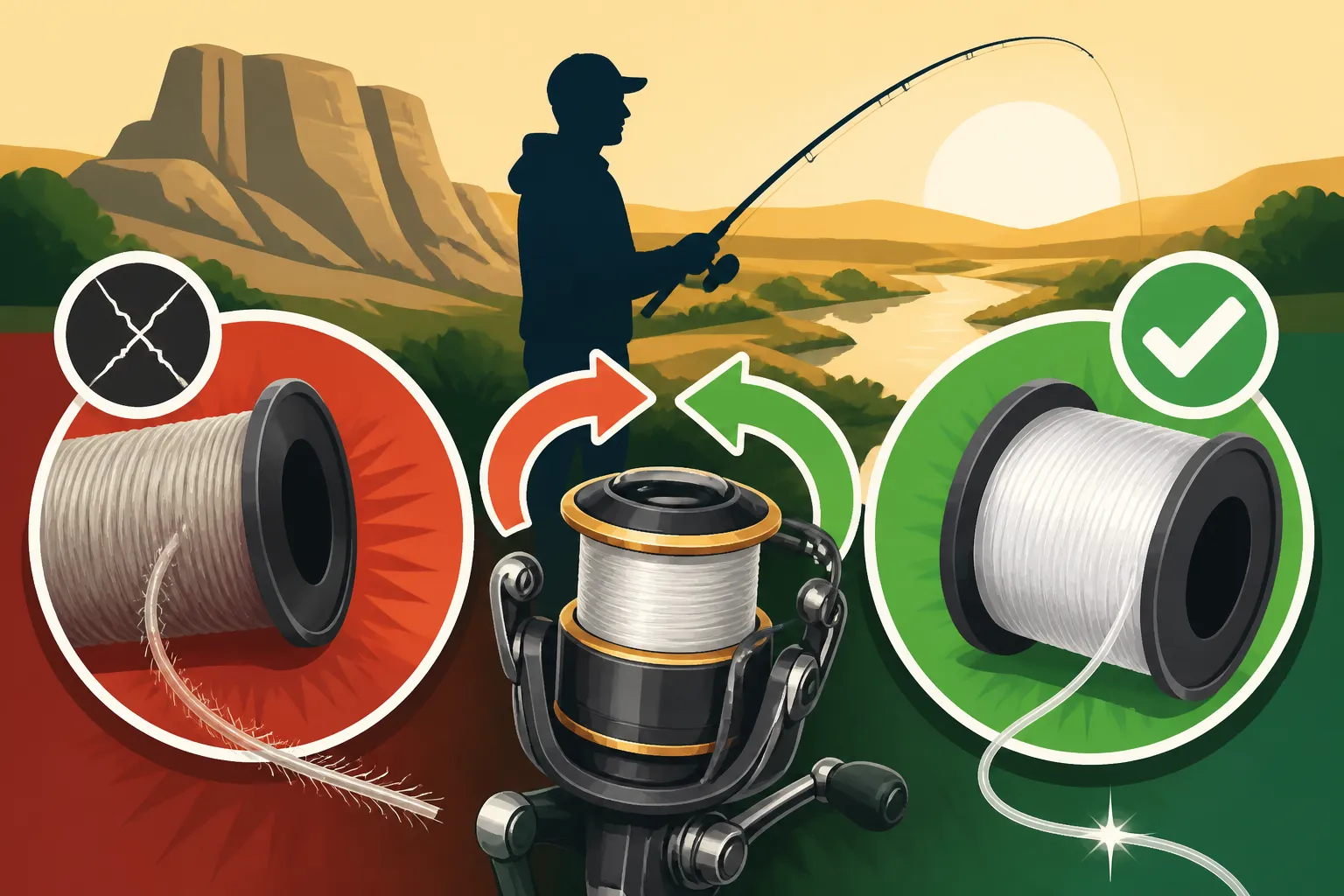
Old or damaged fishing line isn't just a minor inconvenience; it's a significant liability. It loses its strength, develops memory, and can become brittle. This directly impacts your ability to cast accurately, feel subtle bites, and most importantly, fight and land a fish without fear of breakage. Imagine spending a whole day on Branched Oak Lake, finally hooking into a nice channel cat, only for your worn-out line to give way right at the boat. The frustration is immense, and it's a feeling we all want to avoid. Regularly inspecting and replacing your line is like giving your fishing success a major upgrade, one that costs far less than a new rod or reel.
Impact on Casting and Sensitivity
Beyond strength, line condition profoundly affects how well you can fish. Fresh line is typically smoother and more pliable, allowing it to flow off your reel with less friction, resulting in longer and more accurate casts. This is particularly important when you're trying to reach those distant structures at Lake McConaughy. Conversely, old line often develops "memory," meaning it retains the coil shape from being on the spool. This memory leads to tangles, decreased casting distance, and frustrating backlashes, especially with spinning reels.
Furthermore, line sensitivity is crucial for detecting those barely-there bites, especially when fishing for finicky species like crappie or walleye. Fresh line, free of nicks and abrasions, transmits vibrations much more effectively, letting you feel every bump and tick. Old, stiff, or frayed line acts as a damper, reducing your ability to interpret what's happening at the business end of your setup.
Understanding Different Fishing Line Types and Their Lifespans
The world of fishing line isn't one-size-fits-all. Different materials have distinct properties, advantages, and, crucially, varying lifespans. Knowing what kind of line you're using and how it degrades is the first step in establishing a smart replacement schedule. Whether you're a fan of the classic monofilament or have embraced the latest braided tech, each demands specific attention.
Monofilament Line: The All-Rounder
Monofilament (mono) line is arguably the most common and recognizable type of fishing line. Made from a single strand of nylon, it's known for its stretch, knot strength, and affordability. It's forgiving, making it a great choice for many anglers, especially beginners. However, mono is also the most susceptible to degradation from environmental factors.
Sunlight, specifically UV radiation, is monofilament's worst enemy. Prolonged exposure can break down the nylon polymers, making the line brittle and weak, even if it hasn't seen much use. It also absorbs water, which can temporarily weaken it and make it more prone to nicks and abrasions. Due to these factors, many experienced anglers fishing the sunny Nebraska plains recommend replacing monofilament line every 3-6 months, especially if you're fishing regularly. If you only hit the water a few times a year, you might get away with replacing it annually, but always err on the side of caution.
Fluorocarbon Line: The Invisible Choice
Fluorocarbon line, often used as a leader or even as a main line, boasts several advantages: it's nearly invisible underwater due to its refractive index being similar to water, it's much more abrasion-resistant than mono, and it has very low stretch for increased sensitivity. It's a fantastic choice for clear water applications, like trout fishing in Lake Ogallala or targeting wary bass in farm ponds.
While more durable than monofilament, fluorocarbon isn't indestructible. It's less affected by UV light and water absorption, but it can still develop "memory" and become stiff over time, especially if stored improperly. This stiffness can lead to casting issues. Generally, fluorocarbon main line can last 6-12 months with regular use, or even longer if it's primarily used as a leader that is frequently replaced. Always check your leaders after every fish or snag, as they are the first point of contact with rough structure. You can often find great deals on larger spools for leaders on sites like Amazon, making it economical to replace frequently.
Braided Line: The Durable Workhorse
Braided line is a powerhouse, woven from multiple strands of synthetic fibers like Spectra or Dyneema. It offers incredible strength-to-diameter ratio, virtually no stretch for maximum sensitivity, and fantastic casting distance. It's the go-to for heavy cover situations, deep water jigging for walleye, or when you need to really lean into a big catfish on the Missouri River.
The good news is that braided line is incredibly durable and resistant to UV light and water absorption. It doesn't break down chemically like monofilament. The main concerns with braid are fraying from abrasion (running against rocks, timber, or fish teeth) and loss of color. While the color loss is mostly aesthetic, severe fraying can compromise its strength. With proper care, braided line can easily last 1-3 years or even longer for some anglers. Many folks simply cut off the first 10-20 feet of line every few months to remove any potential damage from casting and retrieving. You might still have to re-spool entirely after a few seasons, but it's significantly more resilient than mono or fluoro. When looking for quality braided line, checking out options at Bass Pro Shops can give you a good idea of what's available.
Specialty Lines
Beyond the big three, there are also specialty lines, such as lead core for trolling or various coated lines. Lead core line, used to get lures down deep without heavy weights, degrades similarly to monofilament on its outer sheath and can become kinked or weakened over time, often needing replacement every year or two depending on use. Fly lines, while not strictly fishing "line" in the same sense, also require care and conditioning to maintain their buoyancy and casting performance, usually lasting several years with proper treatment.
Here's a quick comparison of general guidelines:
| Line Type | Typical Lifespan (Regular Use) | Primary Degradation Factors | Key Benefit |
|---|---|---|---|
| Monofilament | 3-6 months | UV light, water absorption, memory | Stretch, affordability, knot strength |
| Fluorocarbon | 6-12 months (main) | Memory, stiffness, abrasion | Near invisibility, abrasion resistance |
| Braided | 1-3+ years | Abrasion, fraying | Strength, sensitivity, casting distance |
Factors That Influence Fishing Line Longevity
It's not just the type of line that dictates how often you should change it; a myriad of other factors play a significant role. Your personal fishing habits, the environments you frequent, and even how you store your gear all contribute to how quickly your line degrades. Ignoring these can lead to premature line failure, regardless of how new your spool might seem.
Frequency of Use and Intensity
This one is a no-brainer. The more you fish, the faster your line will wear out. An angler who's out on the water every weekend at Merritt Reservoir, casting and retrieving hundreds of times, will need to replace their line much more frequently than someone who only goes a few times a year on Nebraska's Free Fishing Day. Each cast creates friction, each retrieve puts tension on the line, and every fish fight tests its limits. If you're consistently putting your gear through its paces, consider shortening your replacement intervals.
The type of fishing also matters. If you're constantly casting heavy lures for bass into thick cover, your line is going to take a beating from abrasions. Similarly, if you're trolling with planer boards, the constant rubbing against boards and water can wear down your line faster than simple still-fishing with a bobber.
Environmental Exposure
Nebraska fishing can expose your line to a range of harsh elements.
- Sunlight (UV Radiation): As mentioned, UV rays are particularly brutal on monofilament, breaking down its chemical structure and making it brittle. Even fluorocarbon can be affected over very long periods, though to a much lesser extent. Storing your rods and reels out of direct sunlight can significantly extend your line's life.
- Water Conditions: Dirty, silty rivers like parts of the Platte can cause more abrasive wear than clear, sandy-bottomed lakes. Saltwater, while not a primary concern for most Nebraska anglers, is also extremely corrosive if you ever venture out of state.
- Extreme Temperatures: Storing line in places with extreme temperature fluctuations (like a hot garage in summer or freezing shed in winter) can cause materials to expand and contract, potentially compromising their integrity over time.
Abrasion and Nicks
This is perhaps the most common cause of premature line failure. Every time your line rubs against rocks, submerged timber, dock pilings, or even the rough scales and teeth of a fish, it can suffer nicks, cuts, and frays. These small imperfections become weak points that can lead to catastrophic breaks under pressure. This is particularly true when How to Catch Catfish in Nebraska in rocky river channels or battling Walleye Fishing in Nebraska near riprap.
- Knots: Poorly tied knots are also notorious weak points. Make sure you moisten your line before cinching knots tightly to prevent friction burns, which can weaken the line at the knot.
- Rod Guides: Inspect your rod guides regularly. A chipped or grooved guide insert can act like sandpaper on your line, causing rapid wear and eventual failure. Run a cotton swab around the inside of each guide; if it snags, you likely have a damaged guide that needs repair.
Line Memory and Coiling
Line memory refers to the tendency of monofilament and, to a lesser extent, fluorocarbon, to retain the coiled shape of the spool. This memory leads to line twists, tangles, and decreased casting performance. While not a direct measure of strength loss, excessive memory is a strong indicator that your line is aging and its performance is degrading. You'll notice it when your line springs off the reel in tight coils or your lure spins uncontrollably during retrieve.
Practical Steps for Line Inspection and Replacement
Knowing when your line should be replaced is one thing, but actually inspecting it and taking the plunge to re-spool can feel like a chore. However, building good habits here will save you countless headaches and lost fish. This isn't just about preventing breaks; it's about maintaining peak performance for every cast and every fight.
Visual and Tactile Inspection
Before every outing, and periodically during longer trips, take a few moments to inspect the first 10-20 feet of your line, as this is the section that takes the most abuse.
- Visual Check: Look for any signs of fraying, nicks, discoloration, or kinks. Hold the line up to the light to get a good look. Pay close attention to the area just above your leader or knot.
- Tactile Check: Run the line through your fingers, feeling for any rough spots, bumps, or thin areas. If it doesn't feel consistently smooth, that's a red flag.
- Knot Inspection: Always inspect your knots. If they look fuzzy, discolored, or are starting to unravel, re-tie them immediately. A good knot is only as strong as the line it's tied in.
If you find any significant damage, it's always best to cut out the affected section. For monofilament and fluorocarbon, if the damage is persistent or occurs frequently along the first few feet, it's time for a full re-spool. With braided line, you can often get away with cutting back 10-20 feet to remove the most stressed section, especially if you have a lot of line on your spool. This is a common practice for anglers doing a lot of Nebraska Walleye Spawning Season jigging or Nebraska Catfish Bag Limits fishing, where repeated casting and abrasion is typical.
When to Re-spool Your Reels
Aside from obvious damage, there are general guidelines for when to completely replace the line on your reels:
- Monofilament: As a general rule, if you fish frequently (multiple times a month), plan to re-spool all your monofilament reels every 3-6 months. For casual anglers (a few times a year), aim for at least once a year.
- Fluorocarbon: If used as a main line, every 6-12 months for regular anglers. Leaders should be changed much more frequently, often after every few fish or any contact with structure.
- Braided: This is the longest-lasting. For heavy use, consider re-spooling every 1-3 years. Many anglers simply cut back the first 10-20 feet every few months and get many seasons out of a single spool. When the line becomes excessively faded, frayed throughout, or just doesn't cast as well, it's probably time.
Proper Line Storage and Care
Extending the life of your fishing line starts with good habits off the water.
- Avoid Direct Sunlight: Store your rods and reels in a cool, dark place, away from windows or direct sunlight. This is especially crucial for monofilament. A rod locker or a covered garage is ideal.
- Clean Your Line: After fishing in dirty or murky water, a quick rinse of your line with fresh water can help remove grit and grime that can cause abrasions. There are even special line conditioners you can apply, available at places like Bass Pro Shops or Amazon, that can help keep mono and fluoro supple and reduce memory.
- Reduce Line Twist: Line twist is a silent killer of line performance. It's often caused by faulty reels, reeling against a strong drag, or using lures that spin uncontrollably without a swivel. If you notice excessive twist, try letting out all your line in an open area (like a field or calm body of water) and reeling it back in without a lure.
Selecting the Right Line for Nebraska Fishing
Choosing the right fishing line isn't just about breaking strength; it's about matching the line to the species, the technique, and the specific conditions you're facing on Nebraska's diverse waters. Making an informed decision here can greatly impact your success and the lifespan of your line.
Matching Line to Species and Technique
Different fish and different fishing styles demand specific line properties.
- Walleye: For jigging or slip-bobber fishing for walleye in clear reservoirs like Lewis and Clark Lake, the low-stretch and near-invisibility of fluorocarbon can be a huge advantage for sensitivity and stealth. If you're trolling with crankbaits, monofilament's stretch can be beneficial for shock absorption, especially with larger fish. Many anglers opt for braided main line with a fluorocarbon leader for maximum sensitivity and invisibility. Consider what you need for How to Troll for Walleye in Nebraska.
- Catfish: Channel Catfish Fishing in Nebraska in rivers like the Platte or Missouri often involves fishing around snags and heavy current. Here, the extreme abrasion resistance and brute strength of heavy braided line shine. You'll want something tough to pull those big flatheads out of their log jams.
- Bass: For Largemouth Bass Fishing in Nebraska in ponds and lakes, a good quality monofilament or fluorocarbon is excellent for topwater and finesse presentations, while braided line is ideal for punching through heavy vegetation.
- Trout: For the delicate presentations required for Trout Fishing in Nebraska in places like the Niobrara River or Lake Ogallala, light fluorocarbon leaders are almost a necessity due to their stealth.
Considering Water Clarity and Cover
Nebraska's waters vary widely. You'll find crystal clear lakes in the Sandhills, murky rivers after a rain, and everything in between.
- Clear Water: In clear bodies of water like Lake McConaughy or the small, clear streams, invisibility is key. Fluorocarbon is king here, either as a main line or a leader, to avoid spooking wary fish.
- Stained/Murky Water: In stained or muddy water, line visibility isn't as critical, so you can lean more on strength and abrasion resistance. Braided line often performs well here, and its lack of stretch helps you feel bites in situations where visual cues are limited.
- Heavy Cover: If you're fishing around submerged trees, rocks, or thick weeds, abrasion resistance is paramount. Braided line, with its superior cut resistance, is the go-to choice, often paired with a heavy fluorocarbon leader for added protection and stealth in the immediate strike zone. This is especially true when fishing for big Northern Pike Fishing in Nebraska.
By paying attention to these details, you'll not only select a line that performs better but one that will also last longer, reducing the frequency of replacement and keeping you focused on the fish, not on your gear failing. Taking a trip to your local Bass Pro Shops or browsing online at Amazon for different line types can give you a lot of insight into the options available for your specific needs.
Disclaimer
This article is for general informational purposes only and does not constitute professional advice. Laws, prices and regulations vary by location and change over time. Consult a qualified professional for guidance on your specific situation.