Nebraska Aquatic Invasive Species Stamp for Boats
If you're anything like me, you probably love hitting the water for a peaceful day of fishing or boating in Nebraska. But let's be honest, navigating all the permits, licenses, and stamps can sometimes feel like trying to untangle a backlash on your favorite spinning reel – utterly frustrating! One particular requirement that often raises questions for boaters and anglers alike is the Nebraska Aquatic Invasive Species (AIS) Stamp. It might seem like just another fee, but trust me, understanding why this stamp exists and what it truly protects is vital for keeping our beautiful Nebraskan waters healthy for generations to come. This comprehensive guide will break down everything you need to know about the AIS Stamp, from its purpose to how to get yours, and most importantly, how to do your part in preventing the spread of these harmful invaders.
Understanding the Threat: What are Aquatic Invasive Species?
Before we dive into the nitty-gritty of the stamp itself, let's talk about the big picture: what exactly are Aquatic Invasive Species, or AIS, and why are they such a concern here in Nebraska? Imagine a new kid moving into a small town who doesn't respect the local customs, outcompetes the long-time residents for resources, and generally causes a ruckus. That's pretty much what AIS do in our lakes, rivers, and streams. They are non-native organisms – plants, animals, or pathogens – that, when introduced to a new environment, can cause significant ecological, economic, and recreational damage. They don't have natural predators or diseases to keep their populations in check in their new home, so they can spread rapidly and wreak havoc.
Why AIS are a Major Problem for Nebraska Waters
The delicate balance of Nebraska's aquatic ecosystems is under constant threat from these invaders. When AIS establish themselves, they can displace native species, alter water quality, clog water intake pipes, and even damage boats and fishing gear. Think about our vibrant fishing industry and the natural beauty of our reservoirs and rivers; AIS can jeopardize all of that. Preventing their introduction and spread is far more effective and less costly than trying to manage or eradicate them once they've taken hold.
For example, a common frustration for boaters can be weeds getting tangled in their propellers or on their anchor. While some of these might be native, many invasive aquatic plants can form dense mats, making boating, swimming, and fishing nearly impossible. They can also choke out native vegetation that provides food and shelter for fish. It’s not just about inconvenience; it’s about the very health of the water we all enjoy.
Common Examples of AIS Affecting Nebraska
Nebraska has been proactive in trying to prevent and manage several notorious AIS. You've probably heard of some of them, especially the infamous zebra mussels. These tiny shelled creatures attach themselves to virtually any hard surface, including boat hulls, docks, rocks, and even other native mussels. They filter massive amounts of water, removing plankton that native fish and other aquatic life depend on for food, leading to clearer but less productive waters. Once they get into a water body, they're incredibly difficult to remove and can cause millions of dollars in damage to infrastructure like power plants and municipal water systems.
Another one on the radar is the silver carp, often called "flying fish" because they leap out of the water when startled by boat engines, posing a physical danger to boaters and damaging equipment. These large, filter-feeding fish outcompete native species for food, disrupting the entire food web. We also keep a close eye out for rusty crayfish, which are aggressive and can outcompete native crayfish and disrupt aquatic plant beds, impacting fish habitats. Protecting against these threats is precisely why measures like the AIS Stamp are put into place. For more general information about these dangers, you can check out Invasive Fish Species in Nebraska or specifically Are Zebra Mussels a Problem in Nebraska Lakes?.
The Nebraska Aquatic Invasive Species Stamp: What It Is and Why You Need It
So, you understand the threat. Now, let's talk about the solution: the Nebraska Aquatic Invasive Species Stamp. This isn't just an arbitrary fee; it's a critical component of Nebraska's defense strategy against these harmful invaders. Every dollar generated by the sale of these stamps goes directly into funding programs dedicated to preventing, detecting, and controlling AIS throughout the state. This includes everything from public awareness campaigns and inspection stations to rapid response efforts when a new invasion is detected.
Mandatory Requirement for Most Watercraft
Here’s where some people get a bit confused. The AIS Stamp isn't just for big fishing boats with powerful motors. It’s required for nearly all watercraft that venture into Nebraska's public waters. This includes:
- Motorized boats: Your typical fishing boats, pontoons, speedboats, personal watercraft (jet skis), and even small motors on canoes.
- Sailboats: Vessels primarily propelled by wind.
- Non-motorized boats: Canoes, kayaks, paddleboards, belly boats, float tubes, and other similar vessels.
Essentially, if it floats and you’re using it on public waters, you likely need this stamp. The only exceptions are certain small, non-motorized vessels like inflatable toys that stay solely within designated swimming areas, but it's always best to assume you need it and confirm if unsure. This might be a surprise for someone with a simple fishing kayak, but the logic is that any watercraft can inadvertently transport AIS from one body of water to another.
Who Needs It: Residents, Non-Residents, and Everyone In Between
Whether you're a lifelong Nebraskan or just visiting our beautiful state for a fishing vacation, if you're operating a boat, you'll need the AIS Stamp. It applies equally to both residents and non-residents, because invasive species don't care about state lines. If you're coming from out of state with a boat, this stamp, along with potentially other requirements like the Nebraska Nonresident Fishing License Guide, is essential to ensure you're legally and responsibly enjoying Nebraska's waters.
The purpose is simple: collective responsibility. We all benefit from clean, healthy waters, and we all have a role to play in protecting them. This stamp ensures that the necessary resources are available for the dedicated teams working to keep our lakes and rivers free from the devastating impacts of AIS. Think of it as a small investment in the future of Nebraska's natural resources and recreational opportunities.
What the AIS Stamp Covers
The Aquatic Invasive Species Stamp is specifically designed to fund preventative measures. This means money for boat inspection and decontamination stations at popular ramps, educational materials to inform the public, monitoring efforts to detect new infestations early, and rapid response plans to address any outbreaks. It's a proactive approach to a serious problem, ensuring that instead of reacting to a full-blown crisis, we're doing everything we can to prevent one.
It's important to remember that this stamp is separate from your general Nebraska Fishing License Guide or your boat registration. While they all contribute to the overall management of our outdoor resources, the AIS Stamp is solely dedicated to the invasive species battle. It's an additional requirement that underscores the severity of the threat AIS pose to our aquatic environments.
Getting Your AIS Stamp: How and Where to Purchase
Purchasing your Nebraska Aquatic Invasive Species Stamp is a pretty straightforward process, designed to be as convenient as possible for anglers and boaters. No one wants extra hurdles when they're eager to get out on the water, and thankfully, the system is well-established.
Online Through the GoOutdoorsNE System
The easiest and most common way to acquire your AIS Stamp, along with other necessary permits, is through the official GoOutdoorsNE Online Permit System. This online portal is a one-stop shop for all your Nebraska fishing and hunting needs. You can access it from the comfort of your home, anytime, day or night.
When you're buying a fishing license or renewing your boat registration online, you'll typically be prompted to add the AIS Stamp to your cart if it's applicable to your situation. The system is designed to guide you through the process, minimizing the chances of you forgetting a crucial requirement. Just make sure you have your boat registration information handy if you’re purchasing it specifically for a registered vessel. After purchase, you'll receive a digital copy, which you can keep on your phone, or print out and keep with your boat's documents.
In-Person at Authorized Vendors
For those who prefer a more traditional approach or need to pick up a stamp on the fly, you can also purchase the Nebraska AIS Stamp in person at various authorized vendors across the state. These typically include:
- Local bait and tackle shops: Often run by fellow anglers, they can offer great local advice too.
- Sporting goods stores: Larger chains like Bass Pro Shops often have a permit desk where you can purchase licenses and stamps.
- Nebraska Game and Parks Commission offices: You can visit their offices during business hours for assistance.
- Select county treasurer's offices: Some locations may offer permit sales.
When buying in person, you'll likely need to provide similar information as you would online, including details about your watercraft. It’s always a good idea to call ahead to ensure the vendor you plan to visit offers permit sales and to confirm their hours. This flexibility ensures that no matter where you are or what your preference, getting your stamp is a hassle-free experience.
What Information You'll Need
Regardless of whether you purchase online or in person, be prepared to provide some basic information. This usually includes:
- Your personal identification details (name, address, date of birth).
- Your Nebraska Game and Parks customer ID number (if you have one already from previous licenses).
- For registered boats, you might need your boat's registration number and hull identification number (HIN).
- Payment method.
Having this information ready will make the process much smoother. It's just like gathering your documents when you go to buy a Nebraska Resident Fishing License Requirements or any other official permit.
How It Connects with Other Permits and Registrations
It’s crucial to understand that the AIS Stamp is a standalone requirement. It doesn't replace your fishing license, nor does it replace your Nebraska Boat Registration Fees. Instead, it complements them, forming a comprehensive framework for responsible water recreation. Think of it this way: your fishing license allows you to fish, your boat registration allows you to legally operate your vessel, and your AIS Stamp allows you to do both without inadvertently spreading harmful invaders. They are all pieces of the puzzle that ensure our waters remain pristine and productive. So, when you're checking your tackle box before heading out, make sure you've got all your current permits in order!
Clean, Drain, Dry: Your Role in Preventing AIS Spread
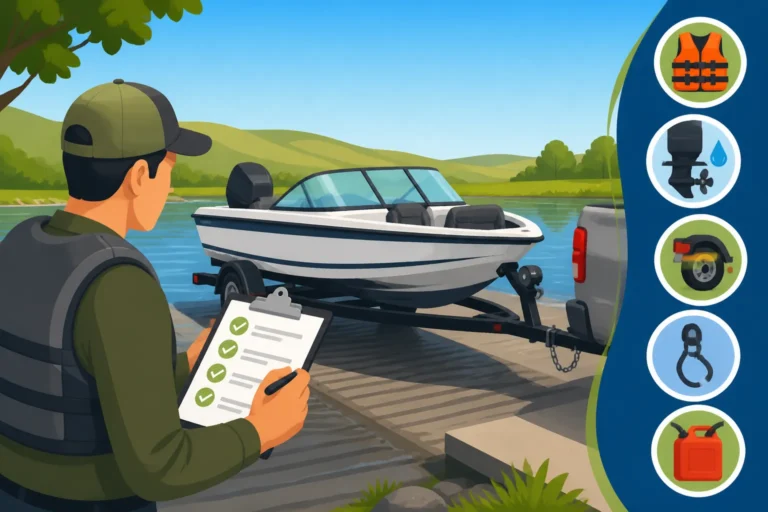
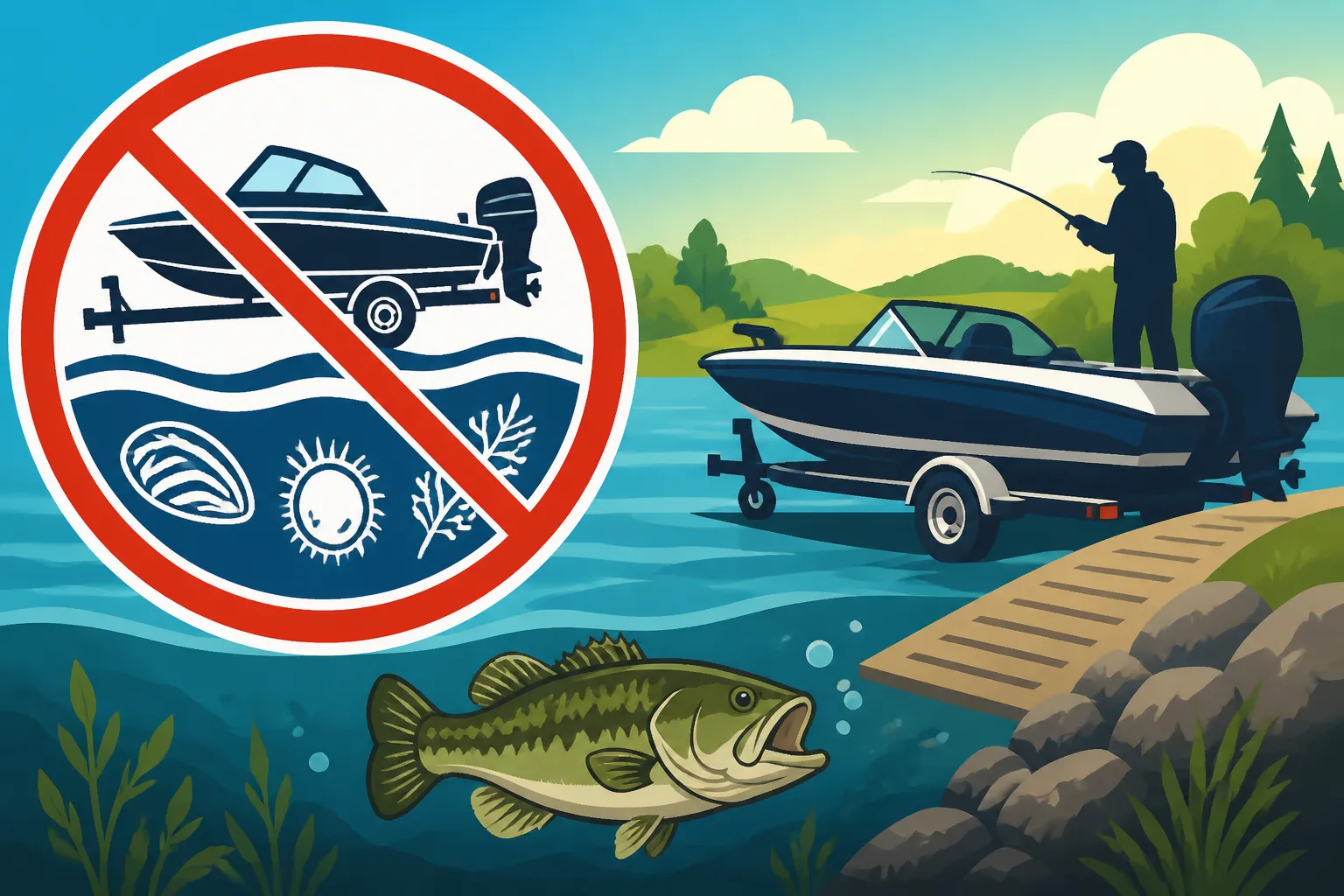
Getting your AIS Stamp is a crucial first step, but it's only part of the equation. The most effective defense against aquatic invasive species is you. Every time you move your boat, kayak, or even fishing gear from one body of water to another, you have the potential to transport hidden invaders. This is where the simple yet incredibly powerful "Clean, Drain, Dry" protocol comes into play. It's a mantra for responsible boating and fishing, and adhering to it is paramount for protecting Nebraska's precious aquatic resources.
The Critical Steps: Clean, Drain, Dry
Let's break down each step in detail, because each one plays a vital role in severing the chain of transmission for AIS.
1. CLEAN Your Watercraft and Gear
This step is all about removing visible aquatic plants, animals, and mud from your boat, trailer, and all fishing gear. It might seem obvious, but it's easy to overlook small fragments.
- Inspect thoroughly: Before you leave the boat ramp, take a few minutes to meticulously inspect every part of your boat and trailer. Look at the hull, motor, propeller, anchor, and especially the bunks and rollers of your trailer. Even a tiny piece of plant material or a single zebra mussel can start a new invasion.
- Remove all debris: Manually remove any aquatic vegetation, mud, or attached organisms. Don't just wipe it off and leave it on the ground; dispose of it in a trash can or on dry land away from any water source.
- Focus on fishing gear: Your fishing rods, tackle box, waders, and nets can also harbor AIS. Pay special attention to your landing net, as small organisms or plant fragments can easily get caught in the mesh. A good scrub or even a rinse with hot water (if appropriate for the gear) can make a huge difference. Amazon or Bass Pro Shops offer a variety of boat cleaning supplies that can make this process easier and more efficient.
2. DRAIN All Water from Your Watercraft
This step is critical for removing microscopic invaders or the larvae of organisms like zebra mussels that you can't see with the naked eye.
- Pull the plug: Open all drain plugs on your boat, including those in the bilge, livewells, baitwells, and any compartments that can hold water. Let all the water completely empty before you leave the launch area. Many states, including Nebraska, prohibit transporting a boat with the drain plug in while on public roads.
- Empty all containers: This means emptying bait buckets, coolers (if they've held water from the lake), and any other containers that have come into contact with lake water. Don't release bait from one lake into another; dispose of it properly in the trash.
- Flush the motor: If your motor has a flushing port, run fresh water through it to clear out any remaining lake water from the cooling system.
3. DRY Your Watercraft and Gear Completely
Moisture is life for many aquatic organisms. Drying them out is a death sentence. This is often the most overlooked but equally important step.
- Allow ample time: Ideally, allow your boat and gear to dry completely for at least five days before launching in another water body. If you're moving between different waters more quickly, consider more active drying methods.
- Accelerate drying: If time is short, you can wipe down all surfaces with a towel. For hard-to-reach areas, a leaf blower or shop vacuum can help remove lingering moisture.
- Hot water decontamination: In some cases, or if you've been in a known infested water body, hot water decontamination (washing with water hotter than 140°F) is recommended or even required at designated inspection stations. This kills most AIS.
Why Each Step is Important and Consequences of Non-Compliance
Each of these steps acts as a crucial barrier. Cleaning removes the visible hitchhikers, draining flushes out the unseen, and drying desiccates anything left behind. Skipping even one step significantly increases the risk of spreading AIS.
The consequences of failing to comply with these regulations and inadvertently spreading AIS can be severe. This isn't just about a slap on the wrist. You could face hefty fines for transporting AIS, for having your drain plug in while in transit, or for refusing inspection. More importantly, the ecological cost of a new AIS infestation can be irreversible, impacting everyone who enjoys Nebraska's outdoor recreation. This is a serious issue that demands serious attention from every boater and angler. For details on related enforcement, see Nebraska Fishing Violation Penalties.
Here's a quick summary table of the Clean, Drain, Dry protocol:
| Step | Action | Why It's Important |
|---|---|---|
| Clean | Remove all visible plants, animals, and mud. | Prevents the transport of large, visible AIS, their eggs, and larvae. |
| Drain | Pull all plugs; empty livewells, baitwells, and bilge. | Eliminates standing water where microscopic AIS or larvae can survive and be transported. |
| Dry | Allow boat and gear to dry completely for at least 5 days. | Desiccates and kills remaining AIS that may have survived cleaning and draining, especially in hard-to-reach areas. |
Frequently Asked Questions About the AIS Stamp
It's totally normal to have questions about the Aquatic Invasive Species Stamp. Regulations can be complex, and you want to make sure you're doing everything right. Let's tackle some of the most common questions I hear.
Do Kayaks, Canoes, and Paddleboards Need the AIS Stamp?
Yes, this is one of the most frequently asked questions, and the answer is a resounding yes! As mentioned earlier, the Nebraska AIS Stamp is required for all vessels that are used on public waters, regardless of whether they are motorized or not. This absolutely includes kayaks, canoes, paddleboards, belly boats, and float tubes.
The logic is simple: even though these smaller watercraft don't have motors or complex bilges, they can still pick up invasive plant fragments on their hulls, or carry tiny organisms in residual water inside the boat or on fishing gear. A single paddleboard moved from an infested lake to a pristine one without proper cleaning and drying could introduce a new population of zebra mussels or an aquatic plant that chokes out native vegetation. So, if you're planning a quiet paddle on a Nebraska lake, remember to grab your AIS stamp and follow the Clean, Drain, Dry protocol diligently. For more details on what constitutes a "boat" in terms of registration, you can check out Do Kayaks Need to Be Registered in Nebraska?.
What if I Only Fish Private Ponds or Lakes?
This is a good question and gets at the heart of public versus private land. Generally, if you are only fishing or boating on a completely private pond or lake that has no outlet or inlet to public waters, and you never move your watercraft to public waters, then the AIS stamp requirement typically wouldn't apply to that specific private use.
However, here's the crucial caveat: most people don't only fish private ponds. If you ever take that same boat, kayak, or even a set of waders and fishing boots from a private pond and then launch it into a public lake or river, you absolutely need the AIS stamp and must follow Clean, Drain, Dry. It’s nearly impossible to guarantee a private pond is free of all invasive species, and you wouldn't want to be the one to introduce something new to a public waterbody. Always err on the side of caution and responsibility.
Is the AIS Stamp Included in Other Licenses?
No, the Nebraska Aquatic Invasive Species Stamp is a separate purchase. It is not automatically included when you buy a general Nebraska Fishing License Costs and Types, a hunting permit, or even when you register your boat. While the online system (GoOutdoorsNE) will often prompt you to add it if you're buying other relevant permits, it's an distinct item that you need to ensure you add to your cart and pay for.
This distinct nature ensures that the funds generated are specifically earmarked and dedicated to AIS prevention and control efforts, without being diluted by other operational costs for general hunting and fishing programs. It's a targeted investment in protecting our waterways from this particular threat.
How Long is the AIS Stamp Valid?
The Nebraska Aquatic Invasive Species Stamp is typically valid for the same permit year as your other annual licenses, usually from January 1st through December 31st. So, when you're thinking about your Nebraska Fishing License Renewal for the new year, make sure you add the AIS Stamp to your checklist as well.
It's a small annual investment that collectively makes a massive difference. Keeping tabs on these dates ensures you're always legal and always doing your part to protect the waters we all cherish. Don't let an expired stamp be the reason you face a fine or, worse, unknowingly contribute to an environmental problem.
Disclaimer
This article is for general informational purposes only and does not constitute professional advice. Laws, prices and regulations vary by location and change over time. Consult a qualified professional for guidance on your specific situation.