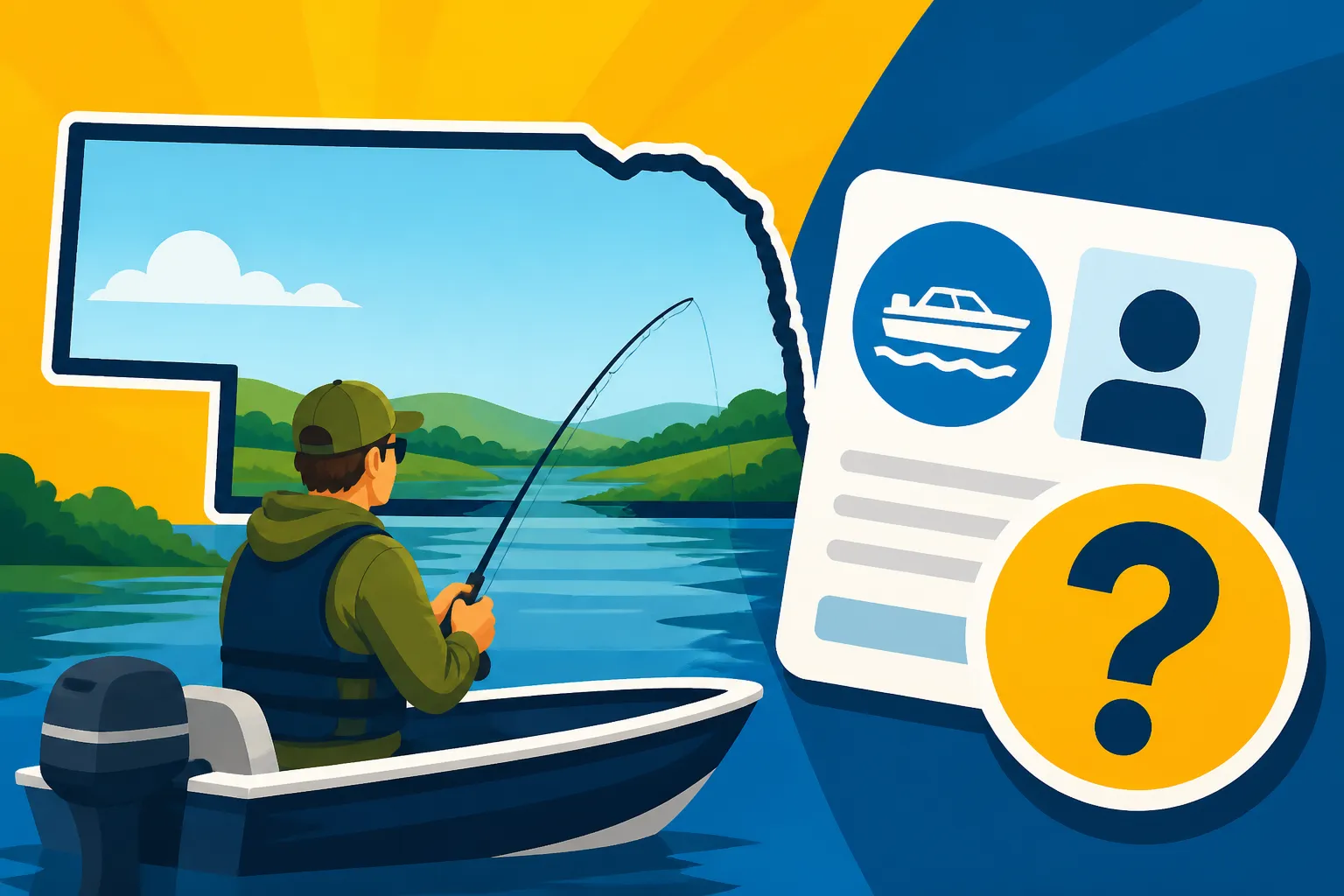
Does Nebraska Require a Boating Education Card?
It's easy to feel a bit lost in the choppy waters of regulations when you're just trying to enjoy a peaceful day on a Nebraska lake or river. One question that pops up a lot, especially for newer boaters or parents of eager young mariners, is about boating education cards. Do you actually need one to operate a boat in Nebraska, and if so, who needs it and how do you get it? This guide is here to clear up all that confusion, helping you navigate the requirements so you can focus on making memories on the water, safely and legally.
Understanding Nebraska's Boating Education Requirements
Nebraska, like many states, recognizes that operating a boat isn't just about turning a key and going. It involves understanding navigation rules, safety protocols, and how to react in emergencies. The aim of boating education is to foster a safer environment for everyone on the water, from the casual canoeist to the serious angler. It's not about making things difficult; it's about preventing accidents and ensuring that everyone comes home safely at the end of the day.
The need for formal boating education has grown significantly over the years as more people discover the joys of boating. With increased traffic on our beautiful lakes and rivers, having a baseline understanding of safe operation becomes even more critical. Think of it like getting your driver's license for a car – you wouldn't just hop behind the wheel without some basic knowledge and testing, right? The same principle applies to operating a vessel on the water. It ensures that you, your passengers, and other boaters are protected. These regulations are a key part of overall Nebraska Boat Registration and Fishing Rules, designed to keep our waterways enjoyable for all.
Why Boating Education Matters for Everyone
Even if you've been around boats your whole life, formal boating education often covers critical topics you might not have considered or that have changed over time. For instance, do you know the proper procedure for approaching another vessel, or the specific buoy markers used on Nebraska waters? These courses aren't just for beginners; they're a comprehensive refresher that can highlight new laws, best practices, and advanced safety techniques.
Beyond the legal requirements, having a boating education card can sometimes even help with insurance premiums, as it demonstrates a commitment to safe practices. More importantly, it equips you with the confidence and knowledge to handle unexpected situations, whether it's a sudden change in weather, a mechanical issue, or encountering an uncooperative fellow boater. It's about being a responsible steward of our waterways and ensuring enjoyable experiences for generations to come.
Who Needs a Boating Education Card in Nebraska?
This is where many people get tripped up, because the requirements aren't universal for every boater. Nebraska has specific rules about who must carry a boating education card, primarily based on the operator's age and the type of vessel being operated. It's crucial to understand these distinctions to avoid any potential fines or, worse, accidents.
Generally speaking, Nebraska law dictates that any person born on or after January 1, 1986, must successfully complete a Nebraska Game and Parks Commission-approved boating safety course and carry their certificate of completion when operating a motorboat or personal watercraft (PWC). This is the core rule that affects the most people.
Age and Vessel Type Specifics
Let's break down the requirements to make it crystal clear:
- Born on or after January 1, 1986: If you fall into this age bracket, you must have a boating education card to operate a motorboat (any vessel propelled by machinery, regardless of horsepower) or a personal watercraft (PWC). This includes things like jet skis or other similar watercraft. There's no getting around this one; if you're in this age group and operating such a vessel, you need the card.
- Born before January 1, 1986: If you're fortunate enough to have celebrated a few more birthdays and were born before this date, you are generally exempt from the mandatory boating education card requirement. However, that doesn't mean you're exempt from knowing the rules! Experienced boaters still benefit from staying current on boating laws and safety.
- Personal Watercraft (PWC) Operators: This is a particularly important point. Regardless of your birth year, if you're operating a PWC, there are additional age restrictions. Nebraska Boating Age Requirements for Operating Alone explains that no one under 14 years of age may operate a PWC. Even if you're 14 or 15, you still need to have completed the boating safety course and carry the card, and you must be accompanied on board by a person at least 18 years of age who is also certified, or a person 19 years of age or older. Once you hit 16, you can operate a PWC solo with your card.
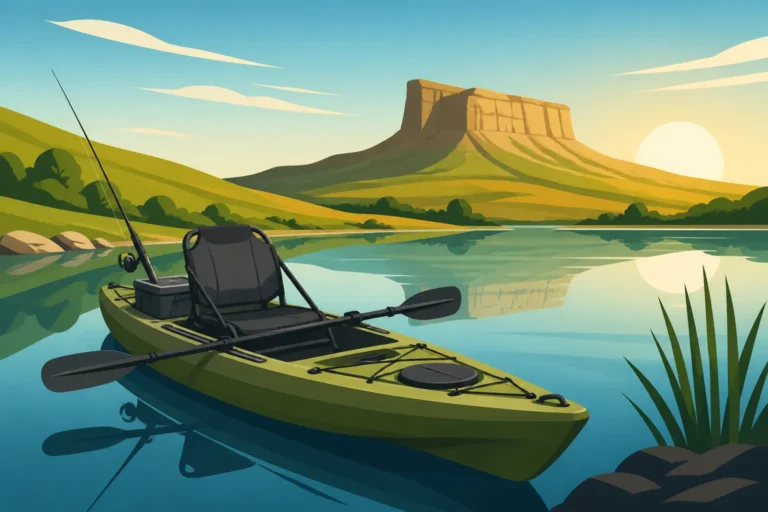
- Non-Motorized Vessels: If you're paddling a canoe, kayak, or rowing a small boat, you are generally exempt from the boating education card requirement. The focus of the card is on motorboats and PWCs, where the potential for speed and power-related incidents is higher. This means you won't need one if you're enjoying some quiet time kayak fishing on a calm lake, but always remember basic water safety rules regardless of your vessel type.
Here’s a quick overview to help clarify:
| Operator's Birthdate | Vessel Type | Boating Education Card Required? |
|---|---|---|
| On or after Jan 1, 1986 | Motorboat (any horsepower) | Yes |
| On or after Jan 1, 1986 | Personal Watercraft (PWC) | Yes |
| Before Jan 1, 1986 | Motorboat (any horsepower) | No |
| Before Jan 1, 1986 | Personal Watercraft (PWC) | No |
| Any age | Non-motorized (kayak, canoe, rowboat, sailboat) | No |
| Under 14 | Personal Watercraft (PWC) | No (cannot legally operate PWC) |
| 14 or 15 (with card) | Personal Watercraft (PWC) | Yes (with adult supervision) |
Keep in mind that while the card might not be legally required for everyone, taking a course is still a fantastic idea for any boater. Knowledge truly is power, especially when you're out on the water.
How to Obtain Your Nebraska Boating Education Card
Alright, so you've figured out you need a card. Now what? Getting your Nebraska boating education card is a straightforward process, thanks to various options provided by the state. The Nebraska Game and Parks Commission (NGPC) approves several ways to fulfill the requirement, giving you flexibility to choose what works best for your schedule and learning style.
The primary goal of these courses is to teach you the fundamentals of safe boating, including navigation rules, emergency procedures, environmental awareness, and specific Nebraska regulations. Once you successfully complete an approved course, you'll receive a certificate or card that serves as your official proof of completion.
Course Options and Process
There are typically two main avenues to complete your boating safety education: online courses and in-person classes.
-
Online Boating Safety Courses: This is often the most popular choice due to its convenience and flexibility. You can learn at your own pace, from the comfort of your home, and fit it around your work or family schedule.
- Providers: Several online providers are approved by the Nebraska Game and Parks Commission. These courses are generally interactive, with modules covering different topics like PWC operation, navigational aids, emergency preparedness, and general boating law. They often include quizzes to test your understanding as you go. You might even find materials or study guides on general outdoors retail sites or online marketplaces like Amazon that complement these courses, though the actual certification must come from an approved program.
- The Test: At the end of the online course, you'll typically take a final exam. This exam covers all the material presented in the course. Don't worry, if you've paid attention and reviewed the material, you should do just fine. Most courses allow you to retake the exam if needed.
- Certification: Once you pass, you'll usually be able to print a temporary certificate immediately, and a permanent card will be mailed to you. Make sure you keep this card with you whenever you're operating a motorboat or PWC, as law enforcement officers can request to see it.
- Cost: While I can't give specific current prices, these online courses typically involve a fee. It's a small investment for the knowledge gained and the ability to legally operate your vessel.
-
In-Person Boating Safety Classes: For those who prefer a classroom setting or learn better with direct instruction and interaction, in-person courses are also available.
- Schedule: These classes are typically offered by the Nebraska Game and Parks Commission, local boating clubs, marinas, or through organizations like the U.S. Coast Guard Auxiliary or U.S. Power Squadrons. They might be a full-day session or spread out over several evenings.
- Content: The curriculum is similar to the online courses, covering all the essential safety and regulatory information. The advantage here is being able to ask instructors questions directly and engage in discussions with other students.
- Certification: Upon successful completion of the class and any required testing, you'll receive your certificate or card directly.
- Finding Classes: The Nebraska Game and Parks Commission website is the best place to find scheduled in-person classes in your area.
Once you have your certificate or card, remember that it's your proof of compliance. Keep it in a waterproof container on your vessel, or carry it with you, much like your Nebraska Fishing License Guide or driver's license. The digital permit system, GoOutdoorsNE Online Permit System, might also offer a way to display your certificate, making it even more convenient.
Beyond the Card: Other Important Boating Safety Considerations in Nebraska
Getting your boating education card is a fantastic first step, but safe boating in Nebraska goes far beyond simply carrying that piece of plastic. It's about cultivating a mindset of awareness, preparation, and respect for the water and everyone else on it. The card is a symbol of your foundational knowledge, but practical application and continuous learning are what truly make a responsible boater.
As a seasoned angler and boater, I've seen firsthand how quickly conditions can change on Nebraska waters, from a calm morning to a windy, white-capped afternoon. Relying solely on your certificate without embracing broader safety practices would be like getting a driver's license and then ignoring all traffic laws.
Essential Safety Practices and Equipment
Here are some crucial aspects of boating safety that every Nebraska boater should internalize:
- Life Jackets (Personal Flotation Devices – PFDs): This is non-negotiable. Every vessel must have a U.S. Coast Guard-approved PFD for each person on board, and they must be readily accessible. For children under 13, it's mandatory to wear a PFD while the vessel is underway. But honestly, why wouldn't everyone wear one? Accidents happen fast. You can find excellent, comfortable PFDs for all ages at outdoor retailers like Bass Pro Shops or even online at Amazon, designed for specific activities like fishing, kayaking, or general boating. Having enough PFDs is a core element of Nebraska Boat Safety Equipment Requirements.
- Know Before You Go: Check the weather forecast before you leave the dock and keep an eye on conditions while you're out. Thunderstorms can roll in quickly across the plains, bringing dangerous winds and waves. Tell someone where you're going and when you expect to return.
- Designated Operator & Sober Boating: Alcohol and boating don't mix. Impaired operation is a serious offense and a leading cause of boating accidents. Designate a sober operator, just as you would with a car. It's not just about avoiding a Nebraska Fishing Violation Penalties; it's about saving lives.
- Required Equipment: Beyond PFDs, your boat needs other essential equipment. This can include a fire extinguisher, sound-producing device (horn or whistle), navigation lights (if operating after sunset), and visual distress signals (flares). Ensure all your equipment is in good working order before you launch.
- Vessel Maintenance: A well-maintained boat is a safe boat. Regularly check your engine, fuel lines, electrical systems, and steering. Catching a small issue on land is far better than dealing with a breakdown far from shore on a big reservoir like Lake McConaughy.
- Respecting Other Boaters and Anglers: Common courtesy goes a long way. Maintain safe speeds, especially in crowded areas or no-wake zones. Give anglers plenty of space, and be mindful of your wake. We're all out there to enjoy the water, so let's do it harmoniously.
- Aquatic Invasive Species (AIS) Prevention: This might not seem like a "safety" issue for you personally, but it's crucial for the health of Nebraska's waters. Always Clean, Drain, and Dry your boat and gear after every outing to prevent the spread of invaders like zebra mussels. Learning How to Clean a Boat to Prevent Zebra Mussels in Nebraska is an essential step in protecting our precious aquatic ecosystems.
Remember, the goal isn't just to comply with the law, but to become a truly skilled and responsible boater. Continual learning, staying informed about Nebraska Fishing Regulations Explained, and practicing good judgment are the hallmarks of a veteran on the water.
Disclaimer
This article is for general informational purposes only and does not constitute professional advice. Laws, prices and regulations vary by location and change over time. Consult a qualified professional for guidance on your specific situation.