Best Fish Cleaning Station Setup at Home
There's nothing quite like a successful day of fishing in Nebraska, reeling in a beautiful walleye from Lake McConaughy or pulling a plump channel cat from the Platte River. But that post-trip glow can quickly dim when you face the messy reality of cleaning your catch. Far too many anglers end up wrestling with fish on a cramped kitchen counter or trying to manage scales and guts with a garden hose in the backyard. This guide is here to solve that common frustration, showing you exactly how to set up the best home fish cleaning station so you can efficiently and hygienically process your hard-earned harvest, making the entire experience more enjoyable.
Why a Dedicated Home Fish Cleaning Station is a Game Changer
Let's be honest, cleaning fish isn't everyone's favorite part of fishing, but it's a necessary step to get those delicious fillets onto your plate. Without a proper setup, it can be a chore, leading to lingering odors, slippery surfaces, and an overall sense of dread. A dedicated cleaning station transforms this task from a messy inconvenience into a streamlined operation.
The Frustration of Makeshift Setups
We've all been there, right? You come home after a long, rewarding day on the water, maybe from Merritt Reservoir Walleye Fishing or a great afternoon of Branched Oak Lake Catfish Fishing, and suddenly you're staring down a cooler full of fish. The kitchen sink seems like the easiest option, but it quickly becomes a nightmare. Scales fly everywhere, blood gets on the counter, and the smell seems to permeate every cupboard. You try to hose them down on the patio, only to find yourself hunching over, the fish constantly slipping, and no good way to dispose of the waste without attracting unwelcome critters. It’s inconvenient, unhygienic, and frankly, it takes away from the joy of the catch. Trying to make do with a flimsy card table or an old picnic bench just doesn't cut it when you've got a decent haul.
The lack of proper drainage means you're constantly fighting a puddle, and without a steady water supply right at hand, rinsing becomes a two-person job or a series of awkward trips back and forth. You might even find yourself losing perfectly good fillets because you didn't have a stable surface or the right angle to make a clean cut. This kind of setup often leads to wasted meat and a profound sense of "never again" – which is the last thing you want after a fun day of angling.
Benefits of a Proper Setup
Imagine a space where you can clean your fish with ease, speed, and absolute confidence in its cleanliness. That's the promise of a dedicated fish cleaning station. First and foremost, hygiene is vastly improved. You're working on surfaces designed for food prep, with immediate access to running water to rinse away scales and blood instantly. This not only keeps your fish cleaner but also prevents cross-contamination and minimizes odors. The efficiency gain is enormous. With everything you need at your fingertips – the right tools, a sturdy surface, and proper drainage – you can process your catch much faster, meaning less time cleaning and more time relaxing or preparing your meal.
Beyond the practical aspects, a proper cleaning station actually enhances the entire fishing experience. It allows you to take pride in your harvest and prepare it respectfully. You'll achieve better, cleaner fillets with less waste, savoring more of that hard-earned protein. It also means you can transition smoothly from the thrill of the catch to the satisfaction of a fresh meal, without the stress and mess in between. Think about it: no more scrubbing fish guts from your kitchen faucet or chasing scales across your garage floor. It’s all contained, controlled, and cleaned up in a snap, making the whole process an enjoyable extension of your day on the water.
Essential Components of a Top-Notch Home Fish Cleaning Station
Building the ultimate home fish cleaning station requires thoughtful consideration of several key elements. It's not just about a table; it's about integrating various components to create a seamless workflow.
The Right Surface: Durable, Easy-to-Clean Tabletops
The foundation of any good fish cleaning station is a robust and easy-to-clean tabletop. Forget about porous wood or wobbly plastic camping tables. You need a surface that can withstand sharp knives, resist staining, and is simple to sanitize. Marine-grade high-density polyethylene (HDPE) plastic is an excellent choice. It's non-porous, doesn't absorb odors, and is incredibly durable. Another premium option is stainless steel, offering unparalleled hygiene and resistance to corrosion, though it can be a bit pricier.
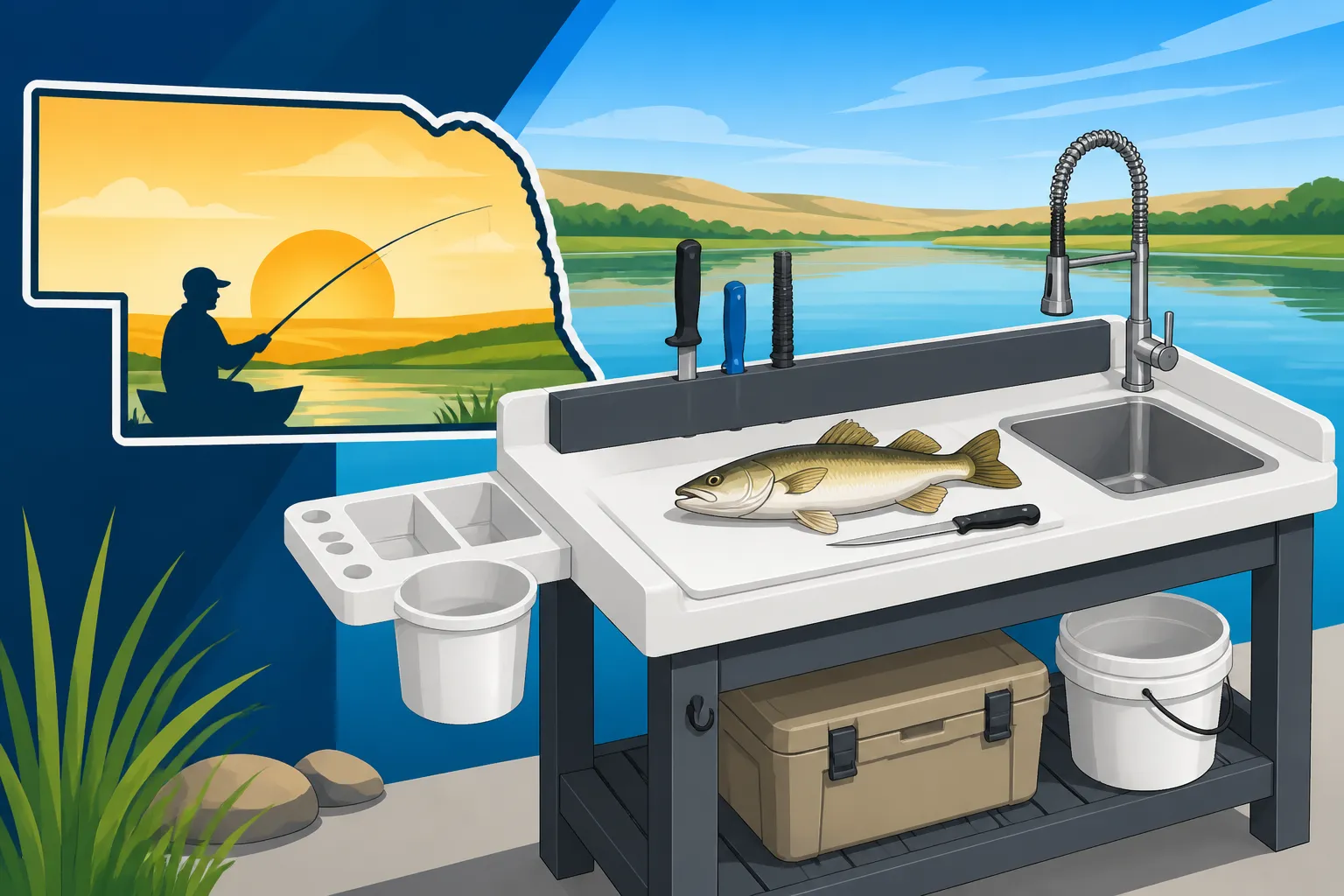
Look for tables with specific features that cater to fish cleaning. Raised edges or a perimeter channel are invaluable for containing liquids and preventing scales and blood from spilling onto the floor. A built-in drain or sink is a massive bonus, allowing you to continually rinse your workspace and direct waste water away. Some tables even come with integrated measuring rulers, which are incredibly handy for checking Nebraska Walleye Minimum Length Limit or Nebraska Largemouth Bass Length Limit. You can find excellent dedicated fish cleaning tables at outdoor retailers like Bass Pro Shops, or search online for sturdy, high-quality options that fit your space and budget. Whether you opt for a portable folding table that can be stashed away or a more permanent fixture, prioritize a material that you can scrub down thoroughly after each use, ensuring no lingering smells or bacteria.
Water Access and Drainage: Making the Mess Manageable
Consistent water flow is critical for keeping your work area clean and making the filleting process much easier. Trying to clean fish without readily available water is like trying to paint without a brush – frustrating and messy. The ideal setup includes a dedicated sink with a faucet, preferably with a pull-down sprayer, allowing you to quickly rinse fish, tools, and the cutting surface. If permanent plumbing isn't an option, a robust utility sink with a garden hose attachment can serve admirably. Make sure the hose can reach your station and has a nozzle that provides a strong, directed spray.
Equally important is an effective drainage system. If your table has a built-in sink or drain, you'll need to plumb it to a suitable discharge point. For outdoor setups, a large bucket positioned directly under the drain can collect waste water, or you can route it to a designated area away from living spaces and sensitive landscaping. If you're going portable, consider a table with a sloped surface that directs water into a removable catch basin. Whatever your chosen method, the goal is to quickly and efficiently remove scales, blood, and guts from your immediate work area. This prevents them from drying onto surfaces, which makes cleanup infinitely harder and contributes to odors. A simple solution for those without direct plumbing might be a large, durable tote or cooler to act as a temporary drain, which can then be emptied when full.
Tools of the Trade: Knives, Sharpeners, and More
No fish cleaning station is complete without the right arsenal of tools. A sharp knife is not just a convenience; it's a safety essential. Dull knives require more force, increasing the risk of slips and cuts. You'll want a selection of fillet knives:
- Manual Fillet Knives: A few different lengths are ideal, typically a 6-inch for panfish like crappie and a longer 8 or 9-inch flexible blade for larger species like walleye or catfish. Look for high-carbon stainless steel blades that hold an edge well and comfortable, non-slip handles. Brands like Rapala, Bubba Blade, and Dexter-Russell are popular for good reason.
- Electric Fillet Knives: These are absolute game-changers, especially if you process a lot of fish or tackle larger, tougher species like big channel catfish. An electric knife dramatically speeds up the process and reduces fatigue. You can find excellent options from Mister Twister, Rapala, or Berkley. Consider whether you need a corded model for continuous power or a battery-powered one for portability. Our article Electric Fillet Knife Versus Manual Fillet Knife delves deeper into this choice.
Beyond knives, a good sharpening system is non-negotiable. Whether it's a pull-through sharpener, an electric sharpener, or a set of whetstones, keep those blades razor-sharp. Other essential tools include:
- Scaling tools: While a knife can scale, a dedicated scaler makes the job quicker and less messy.
- Fish gripper/lip gripper: This helps hold slippery fish securely, especially important for toothy species, protecting your hands.
- Cutting gloves: A mesh or cut-resistant glove on your non-dominant hand provides an invaluable layer of protection.
- Heavy-duty shears: Great for fins or tougher bits.
- Coolers and ice: Essential for keeping fillets fresh while you work and for storage afterward. For options, check out Best Cooler Size for a Day of Fishing.
- Waste containers: Multiple buckets or bins for offal and general trash.
Many of these items, from fillet knives to sharpeners and cutting gloves, can be easily sourced from large online retailers like Amazon, often with a wider selection and competitive pricing. Having all these tools organized and within arm's reach is key to an efficient and enjoyable cleaning experience.
Setting Up Your Station: Practical Considerations and Layouts
Once you have your components, it's time to think about where and how you'll set up your cleaning station. This involves weighing the pros and cons of indoor vs. outdoor locations and designing a workflow that makes the process smooth and enjoyable.
Indoor vs. Outdoor: Pros and Cons
Deciding whether to place your fish cleaning station indoors or outdoors is a big choice, and both options have distinct advantages and disadvantages.
Indoor Setup (Garage, Basement, Utility Room):
- Pros:
- Climate Control: No more freezing fingers in winter or sweating buckets in summer. You can clean fish comfortably year-round, regardless of Nebraska's unpredictable weather.
- Direct Plumbing: Often easier to tap into existing water lines and drainage, providing a truly seamless sink and disposal system.
- Security: Your tools and equipment are safely stored indoors, less prone to theft or damage from the elements.
- Lighting: You can install dedicated, bright task lighting, which is crucial for precision filleting and safety.
- Cons:
- Odor: Even with good ventilation and immediate cleanup, there's always a risk of lingering fish odors permeating your indoor space. This is a major concern for many.
- Dedicated Space: Requires allocating a specific area that might otherwise be used for storage or other activities.
- Mess Containment: While improved, scales and blood can still be tracked into other parts of the house if you're not careful.
Outdoor Setup (Patio, Deck, Shed, or dedicated corner of the yard):
- Pros:
- Ventilation: Nature's best air freshener! Odors are naturally dispersed, minimizing any lingering smell issues.
- Easy Cleanup: Scales and blood can often be hosed directly into a designated area, like a garden bed (if legal and appropriate for your municipality and the health of your plants) or a drain, without worrying about your interior.
- Space: Outdoor areas often provide more flexibility for a larger setup, and a dedicated shed can be a perfect option.
- Cons:
- Weather Dependent: Rain, extreme cold, or scorching sun can make cleaning fish a miserable experience. This is a significant drawback for year-round anglers in Nebraska.
- Limited Plumbing: May require running a long hose or relying on portable water containers, making constant rinsing less convenient.
- Pest Attraction: Fish waste, even if properly disposed of, can attract insects, rodents, or other wildlife if not managed carefully and promptly.
- Storage: Tools need to be weatherproofed or brought inside after each use.
Ultimately, the best choice depends on your specific home layout, frequency of fishing, and tolerance for potential odors. Many anglers opt for a garage setup that can be easily hosed out, or a portable outdoor station that's rolled out only when needed.
Ergonomics and Workflow
A well-designed cleaning station isn't just about having the right gear; it's about setting it up in a way that makes the work flow naturally and comfortably. Ergonomics play a huge role in preventing fatigue and making the task more enjoyable.
First, table height is paramount. Your cutting surface should be at a height where you can work without hunching over or reaching too high, allowing your arms to be at a comfortable angle for filleting. For most people, this means a height similar to a kitchen counter (around 36 inches), but adjust it to your own comfort. Poor table height can lead to back pain and reduce precision, which nobody wants when trying to How to Clean and Fillet a Walleye.
Next, think about the layout of your tools. Arrange your knives, sharpeners, and other accessories in a logical order, preferably on a magnetic strip or in a tool caddy within arm's reach. You want to move from catching the fish (in a cooler right next to the station), to the cleaning surface, to the rinse sink, to bagging the fillets, all with minimal steps. A simple "assembly line" approach works best:
- Incoming Fish: Cooler or bucket for uncleaned fish.
- Cleaning/Filleting Zone: The main cutting board/tabletop.
- Rinsing Zone: Sink or dedicated rinsing area.
- Outgoing Fillets: Cooler with ice or container for clean fillets.
- Waste Management: Easily accessible buckets for fish heads, guts, and scales.
Good lighting is non-negotiable. Bright, shadow-free illumination over your workspace allows you to see clearly, making precise cuts and spotting any missed scales or bones. Task lighting, such as an LED shop light or a portable work light, is ideal.
Finally, consider waste management right from the start. Have clearly labeled containers for different types of waste. One for offal (guts, heads, bones) that needs immediate disposal or composting, and another for general trash (packaging, paper towels). The faster you can get organic waste into a sealed container and out of your immediate area, the better for odor control and hygiene. Some dedicated outdoor stations even incorporate a chute that drops waste directly into a larger, lined drum for later disposal.
Advanced Features and Upgrades
For those who regularly process large quantities of fish or simply want to elevate their cleaning game, several advanced features and upgrades can turn a basic station into a true pro setup.
One of the most impactful upgrades is a waste disposal grinder. Similar to a kitchen garbage disposal, these units can be installed under a sink in your cleaning station. They can pulverize fish guts and small bones, making waste disposal incredibly easy, especially if you're connected to a septic system or municipal sewer (check local regulations first). This dramatically reduces the bulk of your organic waste and eliminates the need for messy buckets of offal.
Another fantastic addition is dedicated refrigeration or cooler space. Having a small refrigerator or a large, ice-filled cooler right at your station allows you to keep cleaned fillets chilled immediately, preserving their freshness and quality as you work through the rest of your catch. This is especially crucial on warm days or when you have a big haul and it takes a while to process everything. For tips on keeping your catch fresh, check out How to Keep Fish Fresh Without a Cooler.
Think about comfort-enhancing features for year-round use. If your station is in an unheated garage, a portable electric heater can make winter cleaning tolerable. In a hot outdoor space, a mistersystem or a small fan can provide much-needed relief. Having easily accessible power outlets is also essential for electric fillet knives, sharpeners, and any other powered tools you might use. Consider weather-proof outlets if your station is outdoors.
For the ultimate setup, some anglers even integrate vacuum sealing stations right into their workflow. After filleting and rinsing, fillets go straight to the vacuum sealer, then into the freezer, ensuring maximum freshness and freezer life. This level of integration truly makes the process from water to freezer seamless and professional.
Maintaining Your Fish Cleaning Station for Longevity and Hygiene
A fish cleaning station is an investment in your fishing lifestyle, and like any good tool, it requires proper care and maintenance. Keeping it clean isn't just about preventing odors; it's about ensuring hygiene, prolonging the life of your equipment, and making sure it's always ready for your next big catch.
Immediate Cleanup After Each Use
The golden rule of fish cleaning stations is "clean as you go" and "clean immediately after." Don't let scales, blood, or fish slime dry onto surfaces. The moment you finish processing your last fish, begin the cleanup.
First, rinse everything thoroughly with a strong stream of water. Use a brush or sponge to scrub away any stuck-on bits. Pay close attention to corners, crevices, and under raised edges where grime can hide. For portable tables, a good spray from a garden hose is usually sufficient, but for more permanent setups with a sink, hot water and a scrubbing brush are your best friends.
After the initial rinse, sanitize all surfaces. A diluted bleach solution (about 1 part bleach to 10 parts water) or a commercial food-grade disinfectant spray works wonders to kill bacteria and eliminate lingering odors. Let it sit for a few minutes, then rinse thoroughly with clean water. Make sure to dry all surfaces completely to prevent water spots and the growth of mold or mildew, especially on plastic or stainless steel components. Don't forget to clean your Best Fillet Knives for Walleye and Catfish and other tools right away too; dried blood and scales are much harder to remove.
Regular Deep Cleaning and Tool Maintenance
While immediate cleanup prevents daily build-up, a regular deep clean is vital, especially if you use your station frequently. This involves more than just a quick wipe down. Periodically, you might want to use a degreasing agent to tackle any fish oil residue that can accumulate. For outdoor stations, a pressure washer can be incredibly effective for blasting away stubborn grime from surfaces, floors, and even waste containers.
Tool maintenance is another critical aspect.
- Knives: Always wash and dry your knives immediately after use. Store them properly – a magnetic strip, knife block, or sheath will protect the blades and keep them sharp. Regularly sharpen your knives; a dull knife is not only inefficient but dangerous.
- Electric Fillet Knives: Disassemble the blades from the motor handle, clean them thoroughly, and dry them before reassembly or storage. Make sure the motor unit itself is wiped down but never submerged in water.
- Other Tools: Keep scaling tools, grippers, and shears clean and dry to prevent rust. Lubricate moving parts on shears or sharpeners if necessary.
Don't overlook your drainage system and waste bins. These areas can become breeding grounds for bacteria and odors if not regularly sanitized. Flush drains with hot water and a disinfectant. Thoroughly scrub and sanitize all waste buckets, allowing them to air dry in the sun if possible. A well-maintained station not only smells better but also functions better and lasts longer.
Addressing Odor Control
One of the biggest concerns for any home fish cleaning station, especially indoor ones, is odor. Even with diligent cleaning, fish can leave behind stubborn smells. But fear not, there are effective strategies to combat this.
- Immediate Waste Disposal: This is your first line of defense. As soon as you're done filleting, bag all fish offal in sturdy, sealed trash bags and dispose of them promptly. Don't let them sit in your bins for days. If you're in an area where municipal pickup isn't frequent, consider double-bagging and freezing the waste until trash day.
- Natural Deodorizers: After cleaning and sanitizing, natural deodorizers can help neutralize lingering smells. Sprinkle baking soda liberally over your tabletop and let it sit for an hour or two before wiping it clean. A spray bottle with a diluted white vinegar solution can also be effective – spray, let it sit, then wipe. The vinegar smell dissipates quickly, taking the fish odor with it.
- Air Circulation: Good ventilation is key, especially for indoor stations. Open windows, use exhaust fans, or set up portable fans to create airflow during and after cleaning. For outdoor stations, simply being in the open air naturally helps.
- Activated Charcoal: Placing small bags of activated charcoal near your station can help absorb airborne odors over time.
- Dedicated Cleaning Supplies: Keep a separate set of sponges, brushes, and towels specifically for your fish cleaning station. This prevents fish odors from migrating to your kitchen cleaning supplies.
- Regular Liners: Always use durable trash can liners in your waste bins, and change them frequently, even if the bin isn't full, to prevent odors from seeping into the plastic.
By implementing these strategies, you can keep your home fish cleaning station fresh and inviting, ready for your next successful outing, whether you're targeting Nebraska Walleye Bag Limits or looking for Nebraska Crappie Daily Limit. A clean station ensures that the delicious taste of your fresh catch is the only lingering memory of your filleting efforts.
Here's a quick comparison of portable versus permanent cleaning stations to help you decide what fits your angling style best:
| Feature | Portable Fish Cleaning Station | Permanent Fish Cleaning Station |
|---|---|---|
| Location | Can be set up anywhere with water access (patio, camp, garage) | Fixed in one spot (garage, shed, dedicated outdoor area) |
| Setup Time | Quick to set up and take down, usually foldable | Once installed, always ready |
| Water Source | Typically requires hose connection or manual water source | Can be plumbed directly for continuous water flow and drainage |
| Waste Mgmt. | Buckets or temporary drains; needs manual emptying | Can be plumbed to drain or garbage disposal for easier waste removal |
| Durability | Often lighter materials, can be less stable for heavy use | More robust construction (stainless steel, heavy-duty plastic) |
| Cost | Generally lower initial cost | Higher initial cost due to materials, plumbing, and installation |
| Storage | Folds down for compact storage | Requires dedicated space, not movable |
| Ideal For | Occasional anglers, camping trips, limited space, outdoor use only | Frequent anglers, year-round use, dedicated hobby space |
| Odor Control | Excellent, as it can be used outdoors and easily hosed down | Requires good ventilation if indoors; careful cleaning crucial |
Disclaimer
This article is for general informational purposes only and does not constitute professional advice. Laws, prices and regulations vary by location and change over time. Consult a qualified professional for guidance on your specific situation.