How to Choose a Boat for Big Nebraska Reservoirs
If you've ever stood on the shore of Lake McConaughy or Merritt Reservoir on a windy day, watching those whitecaps roll in, you know that fishing Nebraska's larger impoundments isn't for just any boat. Choosing the right vessel for these vast, often challenging waters can feel overwhelming, but this guide is here to walk you through the essential considerations to ensure your next fishing adventure is safe, comfortable, and successful.
Understanding the Demands of Big Nebraska Reservoirs
Nebraska's bigger reservoirs, like Lake McConaughy, Harlan County, or Lewis and Clark Lake, are truly special places, offering incredible fishing opportunities. However, they're not glorified farm ponds. These are serious bodies of water that demand a specific type of boat to handle their unique characteristics.
Wind, Waves, and Open Water
One of the first things any angler learns about big Nebraska reservoirs is their susceptibility to wind. A calm morning can quickly turn into an afternoon white-knuckle ride as a strong breeze whips across miles of open water. This isn't just uncomfortable; it can be downright dangerous in the wrong boat.
Imagine you're out on Lake McConaughy, miles from the nearest ramp, and a squall rolls in unexpectedly. A smaller, shallower boat might struggle to cut through the waves, taking spray over the bow, making navigation difficult and soaking everything on board. A properly designed boat, however, will have a hull that can slice through those waves, providing a much drier and smoother ride, allowing you to get back to shore safely. The boat needs to inspire confidence when the water gets rough, not fear.
Multi-Species Fishing Needs
Unlike smaller ponds where you might target one or two species with a simple setup, Nebraska's large reservoirs are often teeming with a diverse array of fish. You might start your morning trolling for walleye, switch to casting for wipers in the afternoon, and then anchor up to battle some big catfish into the evening. Your boat needs to be versatile enough to accommodate these different fishing styles without feeling cramped or inadequate.
Consider the layout: Is there enough open deck space for multiple anglers to cast simultaneously? Are there rod holders suitable for trolling spreaders? Can you easily switch from a forward-facing sonar setup for casting to a traditional transducer for deeper vertical jigging? A boat designed with multi-species angling in mind will have features that support all these activities, making your fishing days more productive and enjoyable. It's not just about getting to the fish, but effectively fishing for them once you're there.
Navigating Vast Expanses
Covering ground efficiently is another crucial aspect of fishing big water. Some of these reservoirs are enormous, and a short run from one prime fishing spot to another can still be several miles. This means considering factors like fuel capacity, engine reliability, and even creature comforts for long hours on the water.
You don't want to cut a productive day short because you're worried about running out of gas miles from the marina. Similarly, a comfortable seating arrangement and protection from the elements can make a huge difference in your endurance and enjoyment. Furthermore, having reliable electronics, like a good GPS and charting system, is indispensable for navigating submerged hazards, finding your way in low light, and returning to those honey holes you marked days earlier. A boat that allows you to confidently explore and fish the entire expanse of a large reservoir opens up a world of possibilities.
Key Boat Types for Nebraska's Big Waters
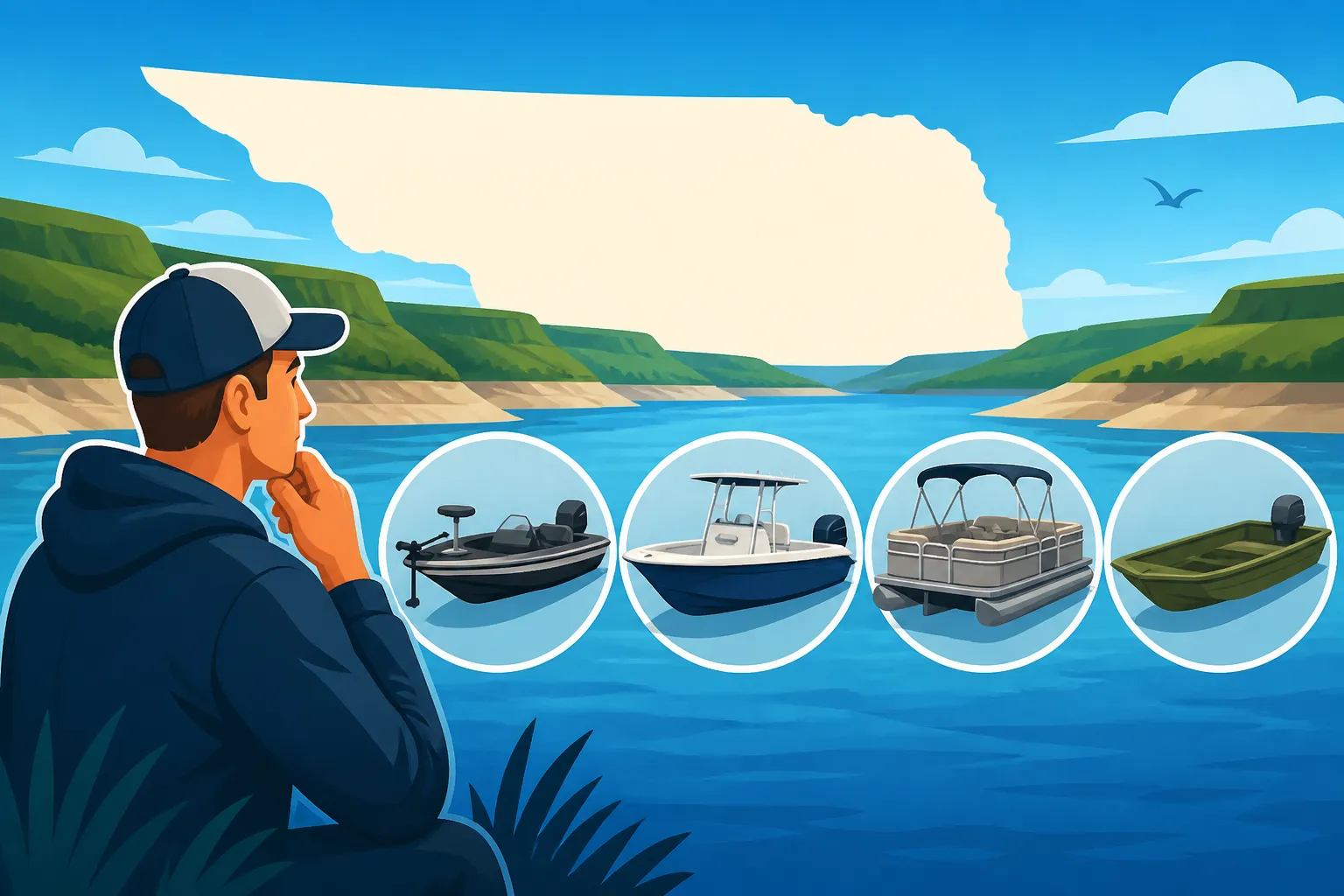
When you start looking at boats, you'll quickly realize there's a wide world of options. For Nebraska's big reservoirs, certain types naturally stand out due to their design and capabilities.
Deep-V Walleye Boats
Often considered the workhorses of the northern fishing scene, deep-V walleye boats are an excellent choice for Nebraska's big waters. Their defining feature is their deep-V hull, which extends from the bow all the way to the stern, providing a sharp entry point to cut through waves and a wide, stable platform at rest.
These boats are specifically designed for comfort and safety in rough water. They typically offer high freeboard (the distance from the water to the gunwale), which helps keep spray out of the boat and provides a secure feeling for passengers. They come equipped with plenty of rod storage, large livewells, and usually a spacious casting deck up front, often rigged for trolling motors. Brands like Lund, Ranger, and Alumacraft are popular choices in this category, and you can often see a great selection and talk to experts at places like Bass Pro Shops to get a feel for them. Their ability to handle choppy conditions makes them ideal for pursuing Walleye Fishing in Nebraska on lakes like McConaughy where the wind can be a constant factor.
Multi-Species Boats
While "walleye boat" often implies a deep-V design, many manufacturers also offer "multi-species" boats that share similar characteristics but might have a slightly more versatile interior layout. These boats aim to bridge the gap between pure walleye rigs and bass boats, offering features that cater to a wider array of fishing techniques.
They generally feature durable aluminum hulls, spacious layouts, and powerful outboard motors. You'll find ample storage for rods and tackle, often with convertible seating that allows for both comfortable cruising and effective fishing. They are designed to handle rough water while also providing good casting platforms and often incorporate features for both trolling and stationary fishing. This versatility makes them incredibly popular among anglers who don't want to limit themselves to just one type of fish or one style of fishing on diverse bodies of water like Harlan County Reservoir.
Bass Boats and Their Limitations
Bass boats are sleek, fast, and designed for competitive bass fishing. They feature low profiles, powerful engines, and huge casting decks perfect for quickly running between shallow spots and pinpoint casting. They excel at speed and shallow water maneuverability.
However, for big Nebraska reservoirs, bass boats often hit their limits when the water gets rough. Their low freeboard means they take on more spray in chop, and their typically flatter hull designs can lead to a jarring, wet ride in strong waves. While fantastic for targeting Largemouth Bass Fishing in Nebraska in calm bays or smaller impoundments, they may not be the most comfortable or safest choice for crossing miles of open, windy water on Lake McConaughy. If your primary goal is bass fishing in protected coves, a bass boat can be great, but be realistic about its capabilities on truly vast, windy expanses.
Utility Jon Boats and Their Limitations
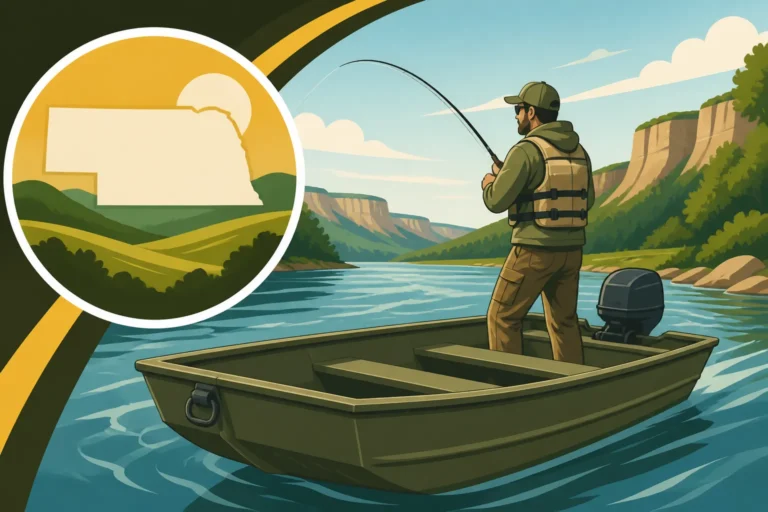
Jon boats are typically flat-bottomed, open boats, often made of aluminum. They are incredibly versatile for calm waters, small lakes, and rivers like the Platte, offering a stable platform and easy maneuverability. They are also generally very affordable and easy to maintain.
While excellent for quieter waters or navigating smaller rivers, their flat bottom and low sides make them unsuitable for big, open reservoirs when the wind kicks up. They tend to pound in waves, and their low freeboard means they can quickly take on water. They might be a good option for accessing sheltered coves or smaller sections of a larger body of water on a very calm day, but they are not designed to safely handle the kind of chop you frequently encounter on Nebraska's major reservoirs. If you're looking for a boat to conquer the main lake body, a jon boat simply won't cut it. However, if you're looking for a Best Jon Boat Size for the Platte River for smaller, calmer adventures, they're a great choice.
Essential Features and Considerations for Your Reservoir Boat
Once you have an idea of the general type of boat that suits your needs, it's time to dive into the specifics. Every feature plays a role in your overall experience on those big Nebraska reservoirs.
Hull Design and Construction
The hull is the foundation of your boat, and its design dictates how it will perform in various conditions.
- Aluminum vs. Fiberglass: Aluminum boats are typically lighter, more durable against bumps and scrapes (especially helpful around rocky shores or shallow ramps), and often more affordable. They tend to be a bit noisier on the water in chop. Fiberglass boats generally offer a smoother, quieter ride in rough conditions due to their weight and hull-shaping capabilities. They can be more expensive and require more careful handling to avoid gel coat damage. Many anglers prefer aluminum for the rugged nature of reservoir fishing in Nebraska.
- Deadrise: This refers to the angle of the hull's V-shape at the transom. A higher deadrise (deeper V) will cut through waves more effectively, providing a softer ride, but might be slightly less stable at rest. A flatter hull provides more stability at rest and in shallow water but will pound harder in chop. For big reservoirs, a deeper V is generally preferred for comfort and safety.
- Length and Beam: Longer boats generally handle rough water better and offer more interior space. A wider beam (width) contributes to stability. For Nebraska's big reservoirs, a boat in the 17 to 20-foot range is a good starting point, offering a balance of maneuverability and big-water capability.
Motor and Power
Your boat's engine is its heart, and for big reservoirs, you need a strong, reliable one.
- Outboard Horsepower: Don't skimp on horsepower. Having enough power to get on plane quickly and run safely in changing conditions is vital. Consult the boat's maximum horsepower rating and try to get as close to it as your budget allows. This isn't just about speed; it's about control and safety.
- Kicker Motors: A small auxiliary motor, or "kicker," is almost a necessity for serious trolling on big waters. It allows for precise speed control, saves wear and tear on your main engine, and acts as a crucial backup in case your primary motor fails miles from the ramp.
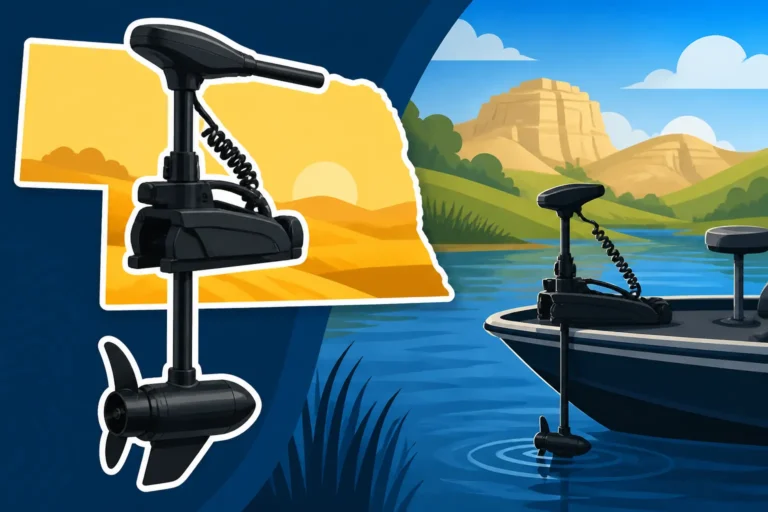
- Trolling Motors: A bow-mounted electric trolling motor with adequate thrust and a long shaft is essential for precise boat control, whether you're working a shoreline, holding over structure, or battling strong winds. Look for features like GPS Spot-Lock, which can hold your boat in place automatically – a game-changer on windy days. Check out guides like Best Trolling Motors for Nebraska Boats for more in-depth information.
Storage and Livewells
A day on a big reservoir often means bringing a lot of gear, and potentially a lot of fish.
- Rod Storage: Secure, accessible rod lockers are a must. You'll likely be carrying multiple rods rigged for different techniques, so ensure there's enough room and protection.
- Tackle Storage: Compartments for tackle boxes, soft plastics, and tools keep your deck clear and your gear organized. Built-in storage trays can be a huge bonus.
- Livewells: A large, aerated livewell is critical if you plan on keeping fish or participating in catch-and-release tournaments. Look for features like recirculation systems, timers, and easy-access hatches. A second baitwell for minnows or crawlers is also a great addition.
Electronics and Navigation
Modern electronics have revolutionized fishing, especially on large, complex bodies of water.
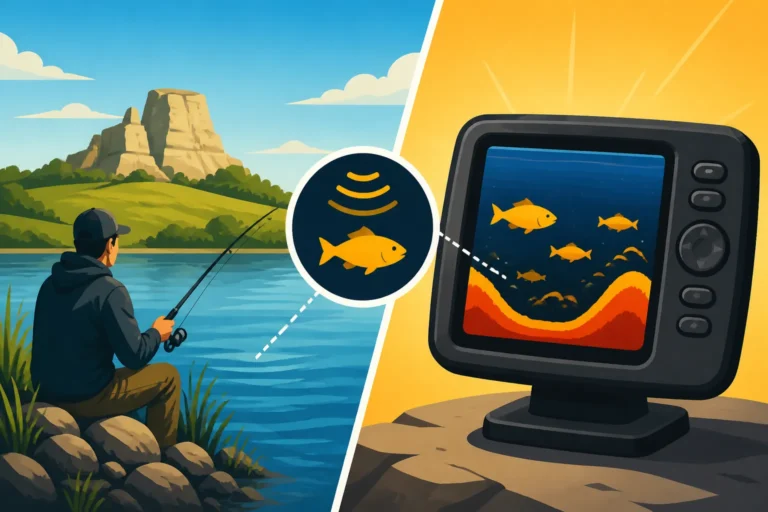
- Fish Finders and Sonar: High-quality fish finders with side-imaging and down-imaging capabilities are indispensable for locating structure and fish in vast reservoirs. They allow you to scan large areas quickly and identify productive spots. Many anglers choose units with large, clear screens for easy viewing. Best Fish Finders for Nebraska Lakes can offer more guidance here.
- GPS and Chartplotters: Integrated GPS with detailed mapping is crucial for navigating open water, marking waypoints, and returning to specific spots. It's also a vital safety feature for preventing you from getting lost in unfamiliar areas or low visibility.
- VHF Radio: For truly big waters, a VHF radio can be a critical safety item, allowing you to communicate with other boats or emergency services beyond cell phone range.
Comfort and Safety Features
Long days on the water demand comfort and safety measures.
- Seating: Comfortable, supportive seating is important for long runs and hours of fishing. Pedestal seats are common in fishing boats, allowing for flexibility.
- Bimini Tops: A bimini top can provide much-needed shade on hot summer days, protecting you from the intense Nebraska sun.
- Safety Rails: Grab rails are important for stability and safety, especially when moving around a pitching boat.
- Required Safety Gear: Always ensure your boat is equipped with all necessary safety gear, including life jackets for everyone on board, a fire extinguisher, signaling devices, and a first-aid kit. Understanding Nebraska Boat Safety Equipment Requirements is not just good practice, it's the law.
Budgeting and Ownership Considerations
Bringing home a new (or new-to-you) boat involves more than just the sticker price. It's an investment, and like any investment, it comes with ongoing costs and responsibilities.
New vs. Used Boats
The choice between a new and a used boat often comes down to budget and preference.
- New Boats: Offer the latest technology, full warranties, and the peace of mind of knowing its history. You can also customize it exactly to your liking. However, new boats depreciate quickly and come with a higher initial cost. You'll find a wide range of new boats at dealerships, often with financing options.
- Used Boats: Can offer significant savings and often come with extras already installed by the previous owner. They allow you to get more boat for your money. However, used boats require thorough inspection to avoid inheriting problems, and warranties are often limited or non-existent. Always factor in potential repair costs when considering a used boat. Online marketplaces and local classifieds are good places to start looking, and you might even find aftermarket electronics or accessories on platforms like Amazon.
Maintenance and Storage
Owning a boat means committing to its care.
- Regular Maintenance: This includes routine engine servicing, checking fluids, hull cleaning, and ensuring all electrical systems are functioning. Neglecting maintenance can lead to costly repairs down the line.
- Winterization: If you fish year-round, this might not apply, but for most Nebraska anglers, proper winterization is crucial to protect your engine and systems from freezing damage.
- Storage: Where will you keep your boat when it's not in use? Options include a dedicated boat garage, outdoor storage with a cover, or a marina slip. Each has its own costs and benefits. Remember that certain regulations, like the Nebraska Aquatic Invasive Species Stamp for Boats, require careful attention to cleaning your boat after each use to prevent the spread of harmful species. Following guidelines like How to Clean a Boat to Prevent Zebra Mussels in Nebraska is essential.
Licensing, Registration, and Insurance
These administrative steps are non-negotiable for boat ownership.
- Registration: All motorized boats operated on Nebraska waters must be registered. This involves fees and paperwork. Understanding the Nebraska Boat Registration and Equipment Requirements is vital. You'll need to know How to Register a Boat in Nebraska and the associated costs, which vary by boat length.
- Trailer Registration: Don't forget that your boat trailer will also need to be registered and licensed for road use.
- Insurance: While often not legally required for smaller boats, boat insurance is highly recommended. It protects your investment against damage, theft, and liability in case of an accident on the water.
Choosing the right boat for Nebraska's big reservoirs is a significant decision, but by carefully considering these factors, you can find a vessel that will provide years of safe, enjoyable, and successful fishing adventures.
| Feature / Boat Type | Deep-V Walleye Boat | Multi-Species Boat | Bass Boat | Utility Jon Boat |
|---|---|---|---|---|
| Rough Water Capability | Excellent | Very Good | Limited | Poor |
| Primary Fishing Style | Trolling, Jigging, Casting | Versatile (Trolling, Casting, Live Bait) | Fast-paced Casting | Calm water, Shoreline |
| Deck Space | Good, often with bow deck | Good, often convertible | Excellent (forward/aft) | Basic, open |
| Speed | Good | Good | Excellent | Modest |
| Stability at Rest | Good | Good | Good (due to width) | Excellent (flat bottom) |
| Storage | Ample rod/tackle, large livewell | Good general storage, livewell | Large rod/tackle, livewell | Minimal, open |
| Engine Needs | Powerful outboard, kicker recommended | Powerful outboard, kicker useful | High-HP outboard | Small outboard, electric |
| Best For | Lake McConaughy, Merritt Reservoir, Lewis and Clark Lake | Branched Oak, Harlan County, diverse use | Calm reservoir bays, river sections | Small ponds, calm rivers |
Disclaimer
This article is for general informational purposes only and does not constitute professional advice. Laws, prices and regulations vary by location and change over time. Consult a qualified professional for guidance on your specific situation.