How Warm You Need to Dress for Nebraska Ice Fishing
There's nothing quite like the crisp, still air of a Nebraska winter morning, the vast expanse of a frozen lake stretching before you, and the anticipation of a bite on your line. But let's be honest, that serene picture can quickly turn into a miserable experience if the biting cold starts to creep into your bones. No one wants their ice fishing trip cut short because their fingers are numb or their toes are aching. This comprehensive guide is all about helping you understand exactly how to dress warmly for Nebraska ice fishing, ensuring you stay comfortable, safe, and focused on the fish, not the frost.
The Harsh Reality of Nebraska Ice Fishing Conditions
Nebraska winters are famously unpredictable. One day you might have a calm, sunny afternoon where the ice feels almost hospitable, and the next, a brutal northern wind can sweep across the plains, dropping the "feels like" temperature far below zero. It's this volatility that often catches new ice anglers, and even some seasoned ones, off guard. Ignoring these conditions isn't just uncomfortable; it can be genuinely dangerous.
Understanding Nebraska's Winter Climate
When we talk about Nebraska's winter climate, we're not just talking about the temperature reading on your phone. We're talking about the whole package: the persistent wind, often unobstructed by natural barriers on large reservoirs like Lake McConaughy or Merritt Reservoir; the relative humidity, which can make a cold day feel even colder; and the potential for sudden snow squalls or freezing rain. These aren't conditions to take lightly. The "feels like" temperature, or wind chill, is your true enemy out on the open ice, stripping away body heat at an alarming rate. Even when the air temperature is a respectable 20 degrees Fahrenheit, a 15-20 mph wind can make it feel like zero or even below, drastically increasing your risk of frostbite and hypothermia. Nebraska Fishing Seasons Explained will give you a broader look at the year, but for ice fishing, winter truly demands respect.
Moreover, if you’re fishing inside an ice shelter, the internal temperature might feel cozy, but the moment you step outside to check tip-ups or move to a new hole, that warmth can evaporate instantly. The stark contrast between the inside of your shelter and the outside elements means you need to be prepared for both extremes, constantly ready to adjust your attire. Think of it as a constant dance with Mother Nature; she sets the rhythm, and you have to adapt your movements to stay in sync.
Common Pitfalls of Under-Dressing on the Ice
The most common mistake anglers make when heading out onto the ice is underestimating how quickly their body heat will dissipate, especially during periods of inactivity. Many people dress for the walk to the ice, not for the several hours of sitting still over a hole. Here are some of the frequent traps:
- Wearing Cotton: This is perhaps the cardinal sin of cold-weather dressing. Cotton absorbs moisture – whether it's sweat from walking out or melting snow – and then loses all its insulating properties. Once wet, cotton pulls heat away from your body, leaving you shivering even in seemingly mild conditions. It's truly a fast track to being miserable.
- Insufficient Layers: Relying on one big, bulky coat might seem like a good idea, but it's far less effective than multiple thinner layers. Layers trap air, creating insulation, and they allow you to adjust your warmth as conditions change or your activity level fluctuates.
- Neglecting Extremities: Your head, hands, and feet are like radiators, constantly losing heat. Leaving them inadequately covered is like leaving a window open in your house on a cold day – all the warmth escapes. Frostbite often starts in these areas, and once they're cold, it's incredibly difficult to warm the rest of your body.
- Forgetting Wind and Water Protection: Even if the air feels relatively warm, a persistent wind can cut right through permeable fabrics. Likewise, slushy ice or unexpected dips can quickly soak through non-waterproof gear, leading to a rapid drop in core temperature. Remember, out on the ice, you're exposed to the elements from all angles.
These pitfalls often lead to an early end to a fishing trip, or worse, a dangerous situation. Staying out on the ice for prolonged periods requires a thoughtful approach to what you wear, prioritizing warmth, dryness, and the ability to adapt. For more on staying safe, check out Nebraska Ice Fishing Safety Tips.
Layering: Your Best Defense Against the Cold
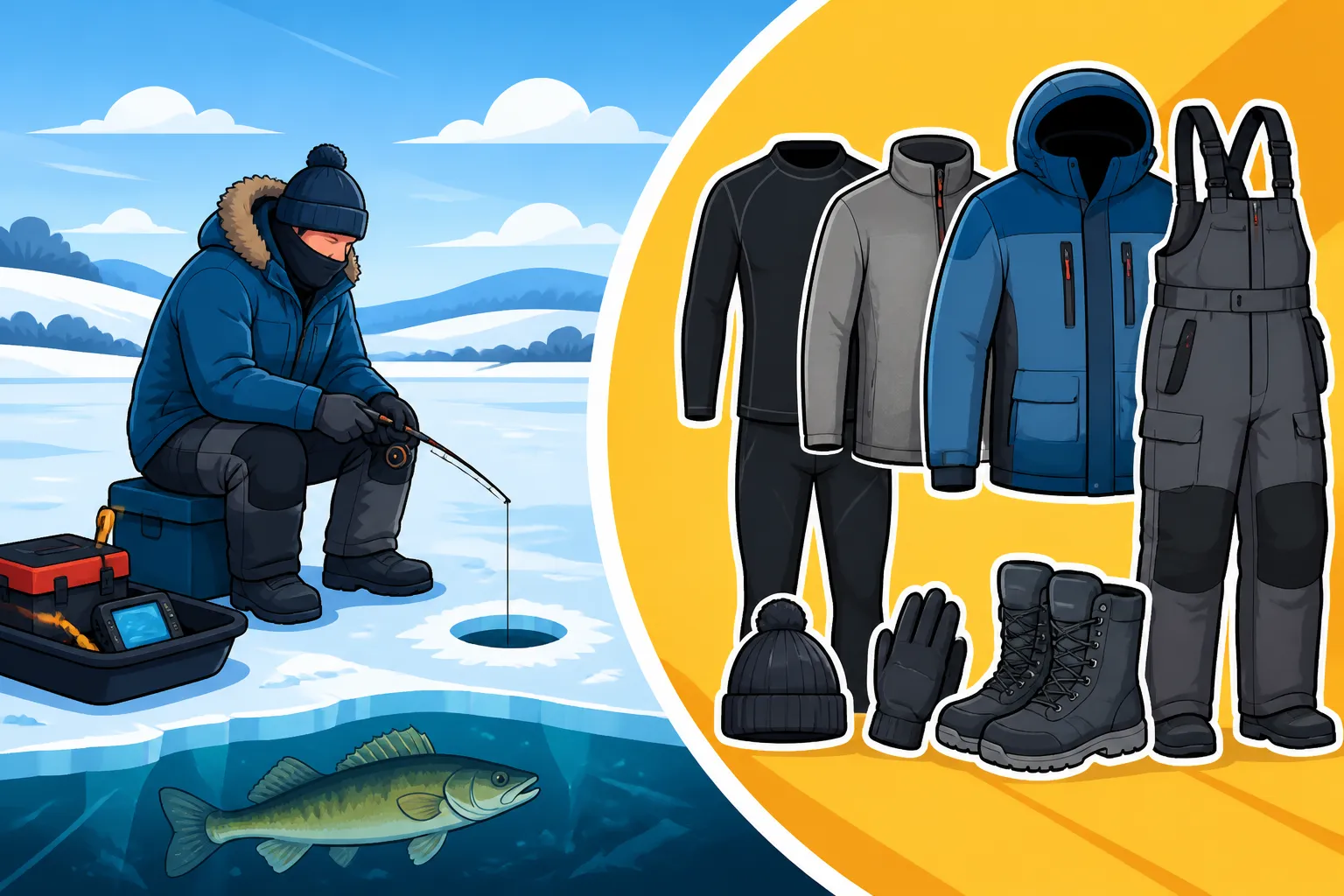
The secret to staying warm and comfortable while ice fishing isn't finding one magical coat; it's all about the art and science of layering. This strategy allows you to trap warmth, wick away moisture, and protect yourself from the elements, all while offering the flexibility to adjust your insulation as needed. Think of it as building a fortress against the cold, brick by brick.
The Base Layer: Wicking Away Moisture
Your base layer is the foundation of your cold-weather wardrobe. Its primary job isn't necessarily to keep you warm, but to wick moisture (sweat) away from your skin. When you're walking out to your fishing spot, drilling holes, or even just setting up your shelter, your body generates heat and sweats. If that sweat stays on your skin, it cools rapidly and chills you to the bone. This is why cotton is absolutely a no-go for this layer.
The best materials for base layers are:
- Merino Wool: This natural fiber is a superstar. It's incredibly soft (not itchy like traditional wool), wicks moisture effectively, and remarkably, retains much of its insulating properties even when damp. It's also naturally odor-resistant, which is a nice bonus if you're on the ice for extended periods. You can often find great merino wool base layers on
Amazon. - Synthetics (Polyester, Polypropylene): These engineered fabrics are designed specifically for moisture-wicking. They're usually more affordable than merino wool and dry very quickly. They might not offer the same warmth-when-wet as merino, but they do an excellent job of moving sweat away from your skin. Look for athletic or thermal underwear labeled "moisture-wicking" or "performance fit."
Your base layer should fit snugly against your skin but not be uncomfortably tight, allowing for good blood circulation. It should cover your entire torso and legs.
The Mid-Layer: Insulating for Warmth
Once your sweat is being managed by the base layer, the mid-layer steps in to provide the bulk of your insulation. This is where you trap warm air close to your body. Depending on how cold it is and how active you plan to be, you might wear one or even two mid-layers.
Good options for mid-layers include:
- Fleece: Polyester fleece is a fantastic, versatile mid-layer. It's lightweight, breathable, and provides excellent warmth-to-weight ratio. Different weights of fleece (100-weight, 200-weight, 300-weight) offer varying degrees of warmth. A good 200-weight fleece jacket or vest can make a huge difference.
- Down or Synthetic Insulated Jackets/Vests: Puffy jackets filled with down or synthetic insulation (like Primaloft or Thinsulate) are incredibly warm for their weight. Down offers superior warmth and packability but loses insulating power when wet. Synthetics perform better if they get damp. These are great for really bitter days, or to throw on when you stop moving and start to feel a chill. You can often find a wide selection of these at
Bass Pro Shops, specifically designed for outdoor activities. - Wool Sweaters: While less common in high-performance layering systems these days, a thick wool sweater can still provide excellent warmth and breathability. Just make sure it's not cotton!
The mid-layer should fit comfortably over your base layer, allowing for full range of motion without being overly baggy. The goal is to create air pockets that hold warmth.
The Outer Layer: Protection from Wind and Wetness
Your outer layer, often called a shell, is your ultimate defense against the external elements: wind, snow, sleet, and freezing rain. Its main job is to provide a barrier while ideally allowing some moisture (from your inner layers) to escape, preventing you from getting clammy.
For ice fishing, your outer layer needs to be:
- Windproof: Even a slight breeze can penetrate inferior fabrics, nullifying the warmth of your inner layers. Your outer shell must block the wind completely.
- Waterproof or Water-Resistant: Slush, melting snow, or even sitting on damp ice can quickly soak through non-protected clothing. A truly waterproof outer layer is ideal, especially for pants. Look for materials like Gore-Tex or similar proprietary waterproof-breathable membranes.
- Durable: Ice fishing can be tough on gear, from scraping against ice to kneeling on frozen surfaces. Your outer layer should be able to withstand some abuse.
Many dedicated ice fishing suits (bibs and jackets) combine excellent insulation with a tough, waterproof/windproof outer shell. These are often the best choice for serious ice anglers because they are designed specifically for the unique demands of the sport, often including flotation assistance for safety, which is a huge peace of mind benefit on potentially unpredictable ice. If you're looking for specialized ice fishing apparel, stores like Bass Pro Shops or online retailers like Amazon will have dedicated sections for these products.
| Layer Type | Purpose | Recommended Materials | Avoid | Fit |
|---|---|---|---|---|
| Base Layer | Wicks moisture, light warmth | Merino Wool, Synthetic (Polyester) | Cotton | Snug but comfortable |
| Mid-Layer | Insulates, traps warmth | Fleece, Down, Synthetic Puffy | Thick, non-breathable sweaters | Comfortable, not tight |
| Outer Layer | Protects from wind, snow, water | Waterproof/Windproof Shell, Ice Fishing Suit | Anything permeable to wind or water | Allows full movement |
Essential Gear Beyond the Layers
While the layering system is paramount, dressing warmly for ice fishing extends beyond just your core body. Neglecting your extremities, or failing to consider practical additions, can still lead to a cold and miserable day on the ice. Every piece of gear plays a role in your overall warmth and safety.
Head, Hands, and Feet: Critical Areas for Heat Retention
You've heard it before: you lose a significant amount of heat through your head. Your hands and feet are also highly susceptible to cold and frostbite because they're farthest from your core and have a large surface area relative to their mass.
- Headwear: A warm hat is non-negotiable. Look for a wool or fleece beanie that covers your ears. On truly frigid or windy days, a balaclava or neck gaiter can be a lifesaver, protecting your face, neck, and chin from exposure. Consider one that can be pulled up over your nose and mouth to warm the air you breathe.
- Hand Protection: This is often the trickiest part, as you need warmth but also dexterity to tie knots, bait hooks, and handle fish.
- Layered approach: Start with thin, moisture-wicking glove liners (merino wool or synthetic). Over these, wear a pair of well-insulated, waterproof gloves or mittens. Mittens are generally warmer than gloves because your fingers share warmth.
- Convertible Mittens: These are popular for ice fishing as they allow you to flip back the mitten portion for finger access when needed, then quickly cover your fingers again.
- Hand Warmers: Don't underestimate the power of chemical hand warmers. Stash a few in your pockets or inside your mittens. They can provide hours of comforting warmth. Many anglers buy these in bulk on
Amazonbefore the season hits.
- Foot Protection: Your feet are constantly in contact with the cold ice.
- Socks: Again, skip the cotton. Opt for thick wool or synthetic thermal socks. Some anglers even double up, wearing a thin wicking liner sock under a heavier insulating sock. Make sure your socks aren't so thick that they compress your feet in your boots, which can cut off circulation.
- Boot Warmers/Foot Warmers: Similar to hand warmers, these adhesive patches stick to your socks and can provide continuous warmth for hours. These are excellent when you know you'll be sitting still for a long time.
Remember, if your hands and feet get cold, your entire body will feel it. Investing in quality items for these areas is crucial for a comfortable day on the ice.
Footwear and Traction: Staying Warm and Safe
Your boots are perhaps the single most important piece of gear for keeping your feet warm and dry on the ice. They need to be more than just warm; they need to offer protection and stability.
- Insulated, Waterproof Boots: Look for boots specifically designed for extreme cold, often rated for temperatures well below freezing. They should have ample insulation (e.g., 800-1200 grams of Thinsulate or similar synthetic insulation) and be completely waterproof. Rubber or waterproof leather exteriors are common. Make sure they are tall enough to prevent snow from getting in if you're stepping through drifts or slush.
- Proper Fit: Ensure your boots are roomy enough to accommodate thick socks without being tight. Restricted circulation leads to cold feet.
- Traction: The ice itself presents a significant safety hazard. While your boots will have some tread, conditions can vary from smooth, clear ice to crunchy snow-covered ice, or even slippery slush. Ice cleats or traction devices that strap onto your boots are highly recommended. These greatly reduce the risk of slips and falls, which can lead to injury or even breaking through thin ice. Safety always comes first on the ice; remember to always check How Thick Ice Needs to Be to Fish Safely in Nebraska before venturing out.
Eye Protection and Sunscreen: Don't Forget the Sun
It might seem counterintuitive to think about sun protection when ice fishing, but it's incredibly important.
- Polarized Sunglasses: The sun reflecting off vast expanses of snow and ice can be incredibly bright, leading to eye strain and even snow blindness over prolonged exposure. Polarized sunglasses cut down on glare, improve visibility, and protect your eyes from harmful UV rays. This is particularly important for spotting subtle changes in the ice or seeing your line in bright conditions.
- Sunscreen: Just like sunglasses, sunscreen is often overlooked. The combination of intense UV reflection off the snow and ice, and potentially clear winter skies, means your skin is highly exposed. Apply a broad-spectrum sunscreen to any exposed skin, especially your face, neck, and ears, even on cloudy days. Don't forget lip balm with SPF to prevent chapped, sun-burned lips.
Even though it’s cold, the elements can still harm your skin and eyes. A little preparation goes a long way in ensuring comfort and safety throughout your ice fishing adventure. When considering your overall setup, referring to a Essential Gear Checklist for a First Ice Fishing Trip can help ensure you don't overlook any crucial items.
Adapting Your Attire to Changing Conditions
One of the biggest lessons you'll learn in Nebraska ice fishing is that conditions are rarely static. The weather can shift quickly, and your own activity level will fluctuate. The true test of a well-dressed angler is their ability to adapt on the fly, adding or shedding layers to maintain that sweet spot of warmth and comfort.
When to Add or Shed Layers
The key to comfortable layering is proactive adjustment. Don't wait until you're shivering uncontrollably or sweating profusely before making a change.
- Before You Start Moving: If you’ve been sitting still in a warm shelter and are about to head out to drill new holes or check distant tip-ups, consider removing an outer or mid-layer before you start working. You'll warm up quickly with exertion, and if you sweat too much, that moisture will make you cold when you stop.
- When You Stop Moving: Conversely, as soon as your physical activity ceases, or if you're settling into your ice shelter for a long period, it's wise to add a layer. This could be your heavy insulated jacket, an extra fleece, or even just pulling up your balaclava. Your body's heat production will drop significantly, and the extra insulation will help retain the warmth you've built up.
- Inside an Ice Shelter: Even the best insulated ice shelters can fluctuate in temperature, especially if you're using a portable heater. Be ready to open or close vents, or unzip a jacket, to regulate your internal climate. If you're out on a major body of water, you might consider Best Ice Fishing Shelters for Nebraska Winters to improve your comfort and warmth.
- Wind Pick-Up: If the wind starts to howl, immediately tighten your outer layers, zip up everything, and make sure your head and face are fully covered. Wind is a notorious heat thief.
- Sun Comes Out/Goes In: Bright sun can provide a surprising amount of warmth, even in cold temperatures. If you start to feel too warm, be ready to shed a layer. If the sun ducks behind clouds, you might need to bundle up.
A good rule of thumb is to feel slightly cool when you start any strenuous activity, knowing your body will generate heat. And when you stop, put on an extra layer to prevent that initial chill from setting in.
Emergency Preparedness: What to Carry Just in Case
Even the most meticulous planning can't account for every scenario. That's why carrying emergency clothing items is a smart, responsible practice for any ice angler. You might think you're only going out for a short trip, but unforeseen circumstances can extend your time on the ice or leave you in a vulnerable position.
- Dry Change of Clothes: This is perhaps the most critical emergency item. Accidents happen – you could step in a slushy patch, trip and fall into a snowdrift, or even worse, break through the ice (though with proper ice safety, this should be a rare occurrence). Having a full set of dry base layers, socks, and a mid-layer stored in a waterproof bag (like a dry bag or sturdy garbage bag) in your sled or vehicle can literally be a lifesaver. Getting wet in freezing temperatures is a direct path to hypothermia.
- Extra Hat and Gloves/Mittens: These are small, easily lost items, and having an extra set means you won't be caught off guard if one gets wet or blows away. Again, merino wool or synthetic options are best for these backups.
- Survival Blanket/Bivvy: A compact, lightweight emergency blanket or bivvy sack can provide surprising warmth and protection from wind in a pinch. It's a low-cost item that could make a huge difference if you get stranded or have an unexpected delay.
- High-Energy Snacks and Hot Liquids: While not clothing, these are essential for maintaining core body temperature. High-calorie snacks provide fuel for your body to generate heat, and a thermos of hot cocoa, coffee, or soup can offer immediate internal warmth and comfort.
By thinking ahead and packing these emergency essentials, you're not just preparing for the worst; you're investing in peace of mind. Ice fishing in Nebraska offers incredible opportunities, but it demands respect for its challenging conditions. Dress wisely, stay adaptable, and you'll be able to enjoy every moment on the hard water. For further guidance on local regulations and ensuring your permits are in order, refer to Nebraska Fishing License Regulations Explained.
Disclaimer
This article is for general informational purposes only and does not constitute professional advice. Laws, prices and regulations vary by location and change over time. Consult a qualified professional for guidance on your specific situation.