Best Rain Gear for Spring Fishing Trips
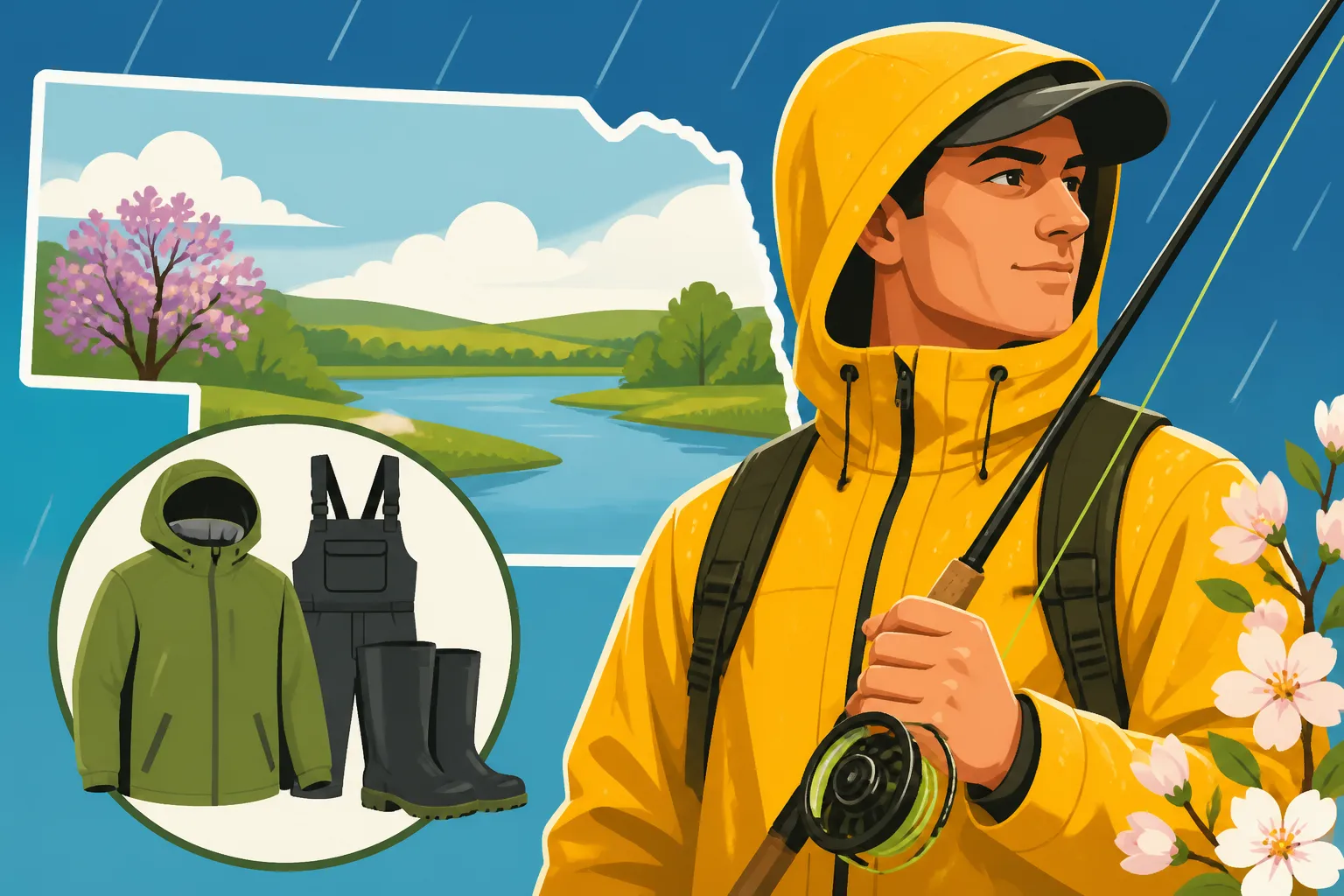
There’s nothing quite like the excitement of a spring fishing trip in Nebraska. The fish are often more active, the landscapes are coming alive, and the promise of a great catch hangs in the air. But let's be real, spring weather in the Cornhusker State can be notoriously fickle, turning a beautiful sunny morning into a cold, driving downpour in a blink. Showing up unprepared means a miserable, potentially cut-short trip. This guide is all about equipping you with the knowledge to choose the best rain gear, ensuring you stay dry, comfortable, and focused on the bite, no matter what Mother Nature throws your way.
Understanding Nebraska's Spring Weather for Fishing
Spring in Nebraska is a beautiful but often challenging time for anglers. You can experience all four seasons in a single day, which makes preparing for your fishing excursion a bit more complicated than just checking the hourly forecast. Ignoring these realities can quickly turn a hopeful day on the water into a shivery retreat.
The Unpredictable Nature of Spring Rain
One moment, you're enjoying clear skies and a gentle breeze, and the next, a dark cloud rolls in, unleashing a cold, steady rain or even a sudden, heavy downpour. This isn't just a nuisance; cold rain can penetrate ordinary clothing, leading to a rapid drop in body temperature. You might think a regular jacket will do, but after an hour or two on the water, you'll be soaked to the bone, shivering, and regretting not investing in proper rain gear. It's not just about staying dry, it's about staying safe and being able to endure the elements long enough to actually enjoy the fishing. Spring showers, especially in Nebraska, aren't always warm and gentle; they can be downright chilly and persistent.
Temperature Swings and Wind Chill
Beyond just the rain, spring in Nebraska brings significant temperature fluctuations. A morning that starts in the 40s can climb to the 60s by midday, only to dip back down rapidly if a cold front moves through or the sun goes behind thick clouds. Add to this the ever-present wind, especially on large open reservoirs like Lake McConaughy or Harlan County, and the wind chill factor can make even moderate air temperatures feel biting cold. Your rain gear needs to do more than just repel water; it needs to block the wind effectively to prevent that chilling effect. Layering is crucial here, and good rain gear should accommodate those layers without feeling bulky or restrictive. When you’re out on the water, particularly if you’re fishing from a boat or kayak, you'll be exposed, and a strong gust combined with damp clothes can be a recipe for discomfort and even hypothermia if you’re not careful. Think about this when planning your Spring Fishing in Nebraska trip.
Key Features of Effective Fishing Rain Gear
Choosing effective rain gear isn't just about grabbing the first waterproof jacket you see. There's a science to staying dry and comfortable, especially when you're active, casting, and battling fish. Understanding the nuances of rain gear technology will help you make a smart investment that lasts for many spring fishing seasons.
Waterproofing vs. Water Resistance
This is one of the most common misconceptions. Many casual jackets claim to be "water resistant," which often means they'll shed a light drizzle for a short period. However, when faced with a true Nebraska spring downpour or prolonged exposure, water resistance will fail. Water will eventually soak through, leaving you wet and cold.
- Water-resistant gear typically has a coating that causes water to bead up and roll off initially. This is fine for a quick dash to the car or a very brief sprinkle.
- Waterproof gear, on the other hand, is designed to completely prevent water penetration, even under sustained pressure. This is achieved through specialized membranes (like Gore-Tex or similar proprietary technologies) and critically, sealed seams. If seams aren't sealed, water will find its way in, no matter how good the fabric is. For serious anglers who brave truly wet conditions, genuine waterproofing with taped or welded seams is non-negotiable.
Breathability and Ventilation
Here's the rub: if rain can't get in, how does the sweat and humidity from your body get out? Without breathability, even waterproof gear can leave you feeling damp and clammy from the inside. Imagine working up a sweat while reeling in a big catfish, only to have that moisture trapped against your skin. That's almost as bad as getting wet from the rain.
- Breathable waterproof fabrics are engineered with microscopic pores large enough for water vapor (sweat) to escape, but too small for liquid water (rain) to enter. This is the holy grail for active fishing.
- Ventilation features like zippered armpit vents or mesh linings can further enhance comfort, allowing you to regulate your temperature without compromising your dry outer layer. When you're actively casting or moving around, proper air circulation is essential to prevent overheating and internal condensation.
Durability and Construction
Fishing is not a gentle sport. Your rain gear will encounter hooks, boat benches, abrasive surfaces, and potentially thorny brush if you're How to Fish From Shore in Nebraska. Cheap, flimsy rain gear might save you a few bucks upfront, but it's likely to tear or delaminate quickly, rendering it useless.
- Look for gear made from robust, ripstop fabrics that can withstand the rigors of the outdoors. The denier rating of the fabric often indicates its strength.
- Reinforced stress points, such as elbows, knees, and seat areas, are a huge plus, as these are the spots most likely to wear out first.
- High-quality zippers are paramount. They should be corrosion-resistant (especially if you fish the Missouri River) and have storm flaps to prevent water leakage. Snaps and Velcro should also be sturdy and well-attached. Think about the construction, not just the material.
Practical Design Elements for Anglers
Good rain gear isn't just waterproof; it's angler-specific. Generic rain jackets often miss crucial details that make a huge difference on the water.
- Adjustable Hoods: A good hood should move with your head, not obstruct your peripheral vision, and be adjustable to fit snugly, even over a ball cap. A brimmed hood helps keep rain off your face and glasses.
- Deep, Accessible Pockets: You need pockets that are waterproof or have protective flaps to keep your phone, license, and small tackle items dry. Easy access is key, especially when wearing a life vest.
- Adjustable Cuffs and Hems: Cuffs that can be cinched tight prevent water from running down your arms when you raise them to cast. An adjustable hem helps seal out drafts and splash.
- Internal Storm Flaps: These are extra layers of fabric behind zippers to prevent water and wind from sneaking through.
- D-rings or Attachment Points: Handy for clipping tools or a kill switch.
- High Collar: A collar that stands up protects your neck from wind and rain.
These seemingly small details are what separate frustrating, poorly designed rain gear from truly effective, angler-friendly apparel.
Types of Rain Gear for Anglers
When you're gearing up for a wet spring day on a Nebraska lake or river, you'll find a range of options designed to keep you dry from head to toe. Each type has its advantages, depending on the severity of the weather and your fishing style.
Rain Jackets and Parkas
The rain jacket is often the first piece of rain gear anglers consider. A good fishing-specific rain jacket or parka offers more than just basic waterproof protection. They typically feature longer cuts for better coverage, articulated sleeves for ease of movement when casting, and often have additional pockets for gear.
- Lightweight Shells: These are perfect for unexpected showers or warmer spring rains. They are highly packable, making them easy to stash in a Best Fishing Backpacks and Tackle Bags or boat compartment. Many offer excellent breathability.
- Heavy-Duty Parkas: When the weather gets truly nasty—cold, windy, and driving rain—a heavier parka with insulation or a robust outer shell is your best friend. These often have fleece-lined collars and more durable construction, sacrificing a bit of packability for maximum protection. They are excellent for keeping warm on those days when How to Plan a Nebraska Fishing Trip Around Weather feels impossible.
When shopping, look for jackets with fully seam-sealed construction and a durable water repellent (DWR) finish on the exterior fabric to help shed water. Brands like those you might find at Bass Pro Shops or online through Amazon often have angler-specific features built into their designs.
Rain Bibs and Pants
A common mistake is to only buy a rain jacket. While your upper body stays dry, your legs will inevitably get soaked from spray, rain, or sitting on wet surfaces. Rain bibs or pants are essential for complete protection.
- Rain Pants: These are typically worn over your regular fishing pants. They are good for light rain or when you don't expect prolonged wet conditions. Look for full-length leg zippers to make them easy to get on and off over boots.
- Rain Bibs: Bibs offer superior protection, covering your chest and back, which is invaluable on a boat where spray can come from any direction. They prevent water from running down your back when you bend over and ensure no gap between your jacket and pants. Bibs also tend to stay up better and offer more warmth. They are often favored by serious boat anglers or those who spend long hours exposed to the elements.
Just like jackets, ensure bibs and pants are fully waterproof with sealed seams and made from durable, breathable material. Reinforced knees and seat areas are a huge bonus for longevity.
Full Rain Suits
For the ultimate protection against the elements, a full rain suit is the way to go. This typically consists of a matching jacket and bibs, designed to work together seamlessly to create a complete barrier against water and wind.
- Coordinated Protection: A full suit ensures that all components are made from the same quality material and feature consistent waterproofing and breathability. This eliminates any weak points where water could potentially enter.
- Maximum Coverage: Whether you're standing, sitting, or kneeling, a full suit provides comprehensive coverage, minimizing the chances of any part of your body getting wet. This is particularly valuable during intense rain, heavy boat spray, or when you're dealing with big fish that create a lot of splash.
Many anglers who spend considerable time on the water, especially during early spring or late fall when conditions are most challenging, swear by a dedicated full rain suit. It's an investment in comfort and endurance, allowing you to focus on Nebraska Fishing Seasons Explained without worrying about the weather.
Essential Accessories
Don't overlook the smaller items that complete your wet-weather gear.
- Waterproof Gloves: Cold, wet hands are miserable and make tying knots or handling fish a challenge. Neoprene or waterproof shell gloves can keep your hands warm and functional.
- Waterproof Boots: Essential for stepping into puddles, launching a boat, or wading along the bank. Look for comfortable, non-slip options.
- Waterproof Hat: A baseball cap under your jacket hood helps keep rain off your face, but a wide-brimmed waterproof hat can offer even better protection and improve visibility.
- Dry Bags/Containers: Crucial for keeping your electronics, spare clothes, and other sensitive items absolutely dry. Many Best Kayaks for Nebraska Fishing enthusiasts rely on these.
Choosing the Right Rain Gear for Your Spring Trip
Selecting the perfect rain gear involves balancing your specific fishing habits, the typical conditions you face, and your budget. It's not a one-size-fits-all decision, but a thoughtful investment.
Considering Your Fishing Style and Location
Your rain gear needs will vary wildly depending on how and where you fish in Nebraska.
- Bank Anglers: If you primarily fish from shore, perhaps at a local urban pond or a public access point on the Platte River, you'll want durable pants or bibs that can handle sitting on wet ground or brushing against vegetation. A good, breathable jacket is key, as you might be walking more and working up a sweat. Look for gear that allows for easy movement and has accessible pockets for bait or tools. For those unexpected cold fronts, consider gear that can layer easily over warmer clothes, similar to how you'd dress for What to Wear Ice Fishing in Nebraska in milder conditions.
- Boat Anglers: Those spending hours on large reservoirs like Lake McConaughy or Merritt Reservoir in a boat will face constant spray and wind, even on non-rainy days. Full rain suits, especially bibs, are almost a necessity here to prevent water from splashing up or running down your back. Durability is paramount, as boat seats and constant movement can be hard on fabric. You'll also appreciate features like D-rings for attaching kill switches or tools.
- Kayak Anglers: Kayakers have unique needs. Sitting low in the water means constant exposure to splash, and gear must allow for unrestricted paddling. Breathability is very important to prevent overheating. Lightweight, flexible, yet highly waterproof jackets and bibs are ideal. A well-designed hood is critical for visibility. Look for jackets with shorter fronts that don't bunch up when seated in the kayak. Check out our guide on Best Kayaks for Nebraska Fishing for more details on this active style.
Think about the most extreme conditions you expect to encounter and choose gear that can handle slightly worse. It's always better to be over-prepared than under-prepared.
Budget-Friendly Options and Investment Pieces
Rain gear, especially high-performance angler-specific gear, can range significantly in price.
- Entry-Level (Practical & Basic): You can find decent waterproof jackets and pants for a more modest price point. These might use proprietary waterproof coatings rather than premium membranes, and breathability might not be as advanced. They are suitable for occasional use, lighter rain, or if your budget is tight. Look for brands that still offer seam-sealed construction and a reputable name. Checking online retailers like Amazon can sometimes yield good deals on these types of sets.
- Mid-Range (Balanced Performance): This category offers a great balance of waterproofing, breathability, and durability for many dedicated anglers. You'll start seeing more advanced proprietary membranes and better construction. These pieces will comfortably handle most spring conditions you'll encounter in Nebraska and last for several seasons with proper care. Many popular fishing brands fall into this category, offering excellent value.
- High-End (Premium & Professional): This is where you'll find top-tier gear, often featuring Gore-Tex or similar premium multi-layer membranes, exceptional durability, and all the angler-specific design elements you could wish for. These are built for professionals or hardcore anglers who spend hundreds of hours on the water in all conditions. While a significant investment, they offer unparalleled comfort and protection, often lasting a decade or more. You'll likely find these at specialty retailers or major outdoor chains like Bass Pro Shops.
Consider your frequency of fishing and the typical conditions. If you're out every weekend from March to May, investing in better gear makes sense. If it's a couple of times a year, a more budget-friendly option might suffice. Regardless, remember that quality rain gear is part of your essential gear checklist for a first fishing trip and a crucial element of safety and enjoyment.
Sizing and Layering for Comfort
Getting the right fit is crucial for comfort and performance. Rain gear should not be so tight that it restricts your movement, nor so baggy that it becomes cumbersome or allows wind to whip through.
- Layering Space: Always try on rain gear with the layers you plan to wear underneath. In Nebraska spring, this might include thermal base layers, a fleece jacket, or a hoodie. Your rain jacket should fit comfortably over these without feeling stretched or tight in the shoulders or arms, allowing for a full range of motion for casting and netting.
- Freedom of Movement: Perform motions you'd do while fishing – cast an imaginary rod, bend over, sit down. Does the jacket ride up? Do the pants pinch? Good rain gear should feel like an extension of your body, not a constraint.
- Adjustability: Look for adjustable features on cuffs, hems, and hoods. These allow you to customize the fit, seal out drafts, and prevent water from entering.
Proper sizing ensures your rain gear functions as intended, providing warmth by trapping air within your layers, allowing breathability, and most importantly, keeping you absolutely dry. Protecting your Best Rods and Reels for Nebraska Fishing is one thing, but protecting yourself is even more important!
Here's a quick comparison of typical rain gear features:
| Feature/Type | Lightweight Shell Jacket | Heavy-Duty Parka | Rain Pants | Rain Bibs |
|---|---|---|---|---|
| Waterproofing | Good – Excellent | Excellent – Superior | Good – Excellent | Excellent – Superior |
| Breathability | Very Good – Excellent | Good – Very Good | Good – Excellent | Good – Very Good |
| Durability | Moderate – Good | Very Good – Excellent | Moderate – Good | Very Good – Excellent |
| Insulation | Minimal (Shell only) | Often Insulated | Minimal (Shell only) | Minimal (Shell only), covers torso for warmth |
| Coverage | Upper body | Upper body | Lower body | Lower body + torso |
| Movement | Highly Flexible | Good (can be bulkier) | Highly Flexible | Good (can be slightly bulkier) |
| Best Use Case | Light rain, warmer temps, packability | Cold, heavy rain, sustained exposure | Moderate rain, quick on/off | Heavy rain, boat spray, all-day comfort |
| Typical Cost Range | $50 – $200 | $150 – $500+ | $40 – $150 | $100 – $400+ |
No matter where you choose to fish, be it the sandy shores of Lake McConaughy or the quiet bends of the Niobrara River, having the right rain gear means the difference between a memorable fishing trip and a miserable one. Stay dry, stay warm, and keep those lines tight! Remember that fishing in cold front conditions can often mean needing this gear.
Disclaimer
This article is for general informational purposes only and does not constitute professional advice. Laws, prices and regulations vary by location and change over time. Consult a qualified professional for guidance on your specific situation.