Nebraska Ice Fishing Regulations
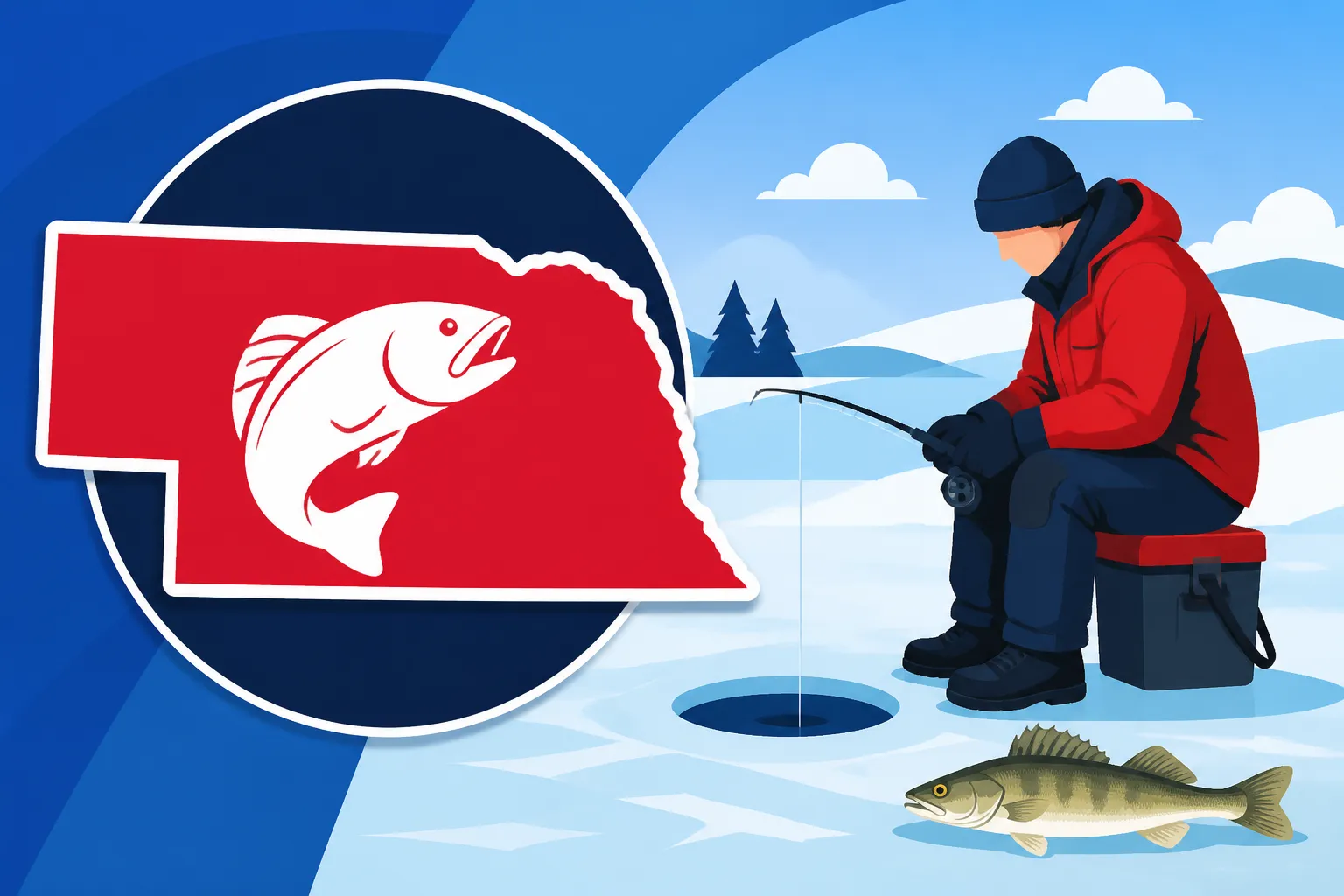
The biting wind, the endless expanse of white, the thrill of pulling a feisty fish through a tiny hole in the ice – ice fishing in Nebraska is an experience like no other. But let's be real, the thought of wading through all those regulations can feel as daunting as a whiteout blizzard. Don't worry, fellow angler, this guide is here to cut through the confusion and explain everything you need to know about Nebraska's ice fishing rules so you can enjoy your time on the hard water safely and legally.
Essential Ice Fishing License Requirements
Before you even think about drilling a hole, the first thing you absolutely need to sort out is your fishing permit. It's a common point of frustration for many, especially when you're just looking to get out and enjoy nature, but understanding the basics will save you a headache and potential fines.
Who Needs a Nebraska Fishing License for Ice Fishing?
Just like open-water fishing, if you're 16 years of age or older and plan to drop a line through the ice in Nebraska, you're going to need a valid fishing license. This isn't just a suggestion; it's a legal requirement that supports wildlife conservation efforts across the state. It doesn't matter if you're targeting panfish near Omaha or chasing walleye on Lake McConaughy; the rule applies across the board. Exemptions are pretty limited, mainly for very young children or those participating in specific supervised events like the annual Nebraska Free Fishing Day Date for 2026 (when it occurs). For most adult anglers, getting your permit squared away is step one.
There's often confusion, especially for new residents or those just starting, about whether ice fishing has separate licenses. The good news is, it doesn't. Your regular annual or short-term Nebraska fishing license covers you for ice fishing as well. You can pick up a Nebraska Annual Fishing Permit or a short-term option like a Nebraska 3-Day Fishing Permit if you're just visiting or want to try it out without a full commitment. You'll also typically need to ensure you have the Aquatic Habitat Stamp, which is a crucial component that helps fund improvements to our state's waterways. Understanding the full picture of what permits you need is laid out in our comprehensive guide on Nebraska Fishing License Costs and Types.
Where and How to Obtain Your Permit
Getting your Nebraska fishing license is thankfully quite straightforward these days. You have a few convenient options, so there's really no excuse to hit the ice unprepared. Many people prefer the ease of purchasing their license online directly through the Nebraska Game and Parks Commission's portal, often referred to as the GoOutdoorsNE Online Permit System. This is a fantastic option because you can do it from the comfort of your home, print your permit, or even keep a digital copy on your phone.
If you're more of a traditionalist or just happen to be out and about, you can also purchase permits in person. This typically includes bait shops, sporting goods stores, and various county and state park offices throughout Nebraska. Places like a local Ace Hardware or even some Walmart locations often serve as official vendors. It's always a good idea to call ahead to confirm their hours and services, especially during peak season or holidays. Just remember, regardless of where you buy it, make sure it's valid for the current season and that you have all the necessary stamps like the Nebraska Aquatic Habitat Stamp Explained that are often required in conjunction with your base permit.
Ice Fishing Gear and Shelter Regulations
Once your license is sorted, your mind probably turns to gear. Ice fishing requires specialized equipment, and while most of it is perfectly fine, there are specific regulations concerning tip-ups, lines, and especially ice shelters that you need to be aware of. Neglecting these rules could lead to penalties or even unsafe conditions.
Number of Lines and Tip-Ups Permitted
This is one of the most frequently asked questions among ice anglers. In Nebraska, the general rule is that you can fish with no more than two lines at any given time. This includes any combination of rod and reel setups and tip-ups. A tip-up, for those unfamiliar, is a device that signals when a fish bites, allowing you to cover more ice than with just a single rod in hand. So, you could use two rods, or one rod and one tip-up, or two tip-ups. The key is that the total number of lines in the water from your permit does not exceed two. This applies statewide to all public waters.
It's tempting to want to spread out and cover as much ice as possible, especially if the bite is slow, but adhering to the two-line limit is critical. Imagine the chaos if everyone had five or ten lines out! This regulation helps manage fishing pressure and ensures a fairer experience for all anglers. Always make sure you're actively monitoring your lines, whether they're rods or tip-ups. Leaving them unattended for extended periods can also be an issue, both from a regulation standpoint and, more importantly, from an ethical angling perspective.
Ice Shelter Rules and Identification
Ice shelters are a godsend on those frigid Nebraska days, offering protection from wind, snow, and extreme cold. However, the Nebraska Game and Parks Commission has specific rules about how these shelters are used and identified. First and foremost, any ice fishing shelter left unattended on the ice overnight must be clearly marked with the owner's name and address or a current Nebraska driver's license number and telephone number. This is crucial for identification and enforcement, especially if weather conditions change rapidly or the ice becomes unsafe.
Furthermore, there are deadlines for when ice shelters must be removed from the ice. Generally, all ice fishing shelters must be removed from public waters by February 25th of each year. This date is critical, as conditions can deteriorate rapidly as spring approaches, and abandoned shelters pose a significant hazard. Leaving a shelter out past this date can result in it being confiscated and the owner facing fines. For temporary shelters used only during daylight hours, these rules are less stringent, but it's still good practice to be able to identify your gear. If you're looking for recommendations, many anglers find excellent portable shelters on Amazon that comply with Nebraska's regulations and offer great convenience and warmth. You can learn more about choosing the right shelter in our guide to Best Ice Fishing Shelters for Nebraska Winters.
Safety Considerations and Rules on the Ice
Ice fishing, while incredibly rewarding, comes with inherent risks. Nebraska Game and Parks is very clear about the importance of safety on the ice, and while some are common sense, others are specific regulations designed to keep everyone safe. You can't just walk out onto any frozen body of water and assume it's safe; vigilance is key.
Ice Thickness Guidelines and Advisories
The most critical safety factor in ice fishing is ice thickness. There are no regulations stating a minimum thickness you must adhere to, as conditions can vary wildly even on the same lake, but the Nebraska Game and Parks Commission strongly recommends minimum ice thickness guidelines. Generally, a minimum of 4 inches of clear, solid ice is recommended for walking and ice fishing. For groups of people, or when bringing snowmobiles or ATVs onto the ice, 5-7 inches is typically advised. If you plan to drive a car or light truck onto the ice, you should be looking for at least 8-12 inches of solid ice. These aren't just suggestions; they are crucial benchmarks that can mean the difference between a fun day and a tragic accident.
Always test the ice as you go, especially on unfamiliar bodies of water or early in the season. Use an ice chisel or an auger to drill test holes as you walk out. Remember that ice thickness can vary due to currents, springs, underwater structures, and even sun exposure. Don't assume that if one spot is safe, the entire lake is. Pay attention to local advisories and reports; often bait shops or online forums will have up-to-date ice conditions for popular spots like Lake McConaughy or Merritt Reservoir. Our How Thick Ice Needs to Be to Fish Safely in Nebraska article dives deeper into this crucial topic.
Operating Vehicles on Frozen Lakes
While tempting and sometimes necessary for accessing remote fishing spots, operating vehicles on frozen lakes carries significant risks and is subject to specific regulations. As mentioned, a minimum of 8-12 inches of solid ice is generally recommended for cars and light trucks. However, even with sufficient thickness, hidden hazards can exist. Many lakes also have specific rules about where you can drive vehicles onto the ice. Some state recreation areas might have designated access points, while others might prohibit vehicle access entirely.
It's vital to check with the local Nebraska Game and Parks office or consult the specific regulations for the lake you plan to fish before driving any vehicle onto the ice. Always proceed with extreme caution, maintain slow speeds, and be aware of your surroundings. Avoid congregating vehicles in one small area, as this can increase the load on the ice. Some lakes might also have weight restrictions or specific times when vehicle access is allowed or prohibited. Ignoring these safety guidelines, even if not explicitly a "violation" in every instance, is a massive risk to yourself and others.
Species-Specific Bag and Length Limits for Ice Fishing
Just like during the open water season, ice fishing in Nebraska requires you to adhere to specific bag and length limits for various fish species. These regulations are designed to maintain healthy fish populations and ensure sustainable fishing opportunities for future generations. It’s easy to get excited when the bite is hot, but keeping track of what you can keep is paramount.
Walleye and Sauger Limits
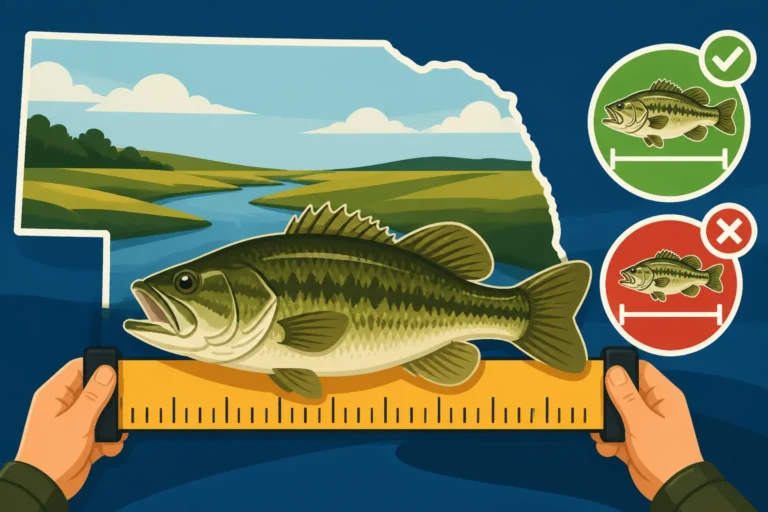
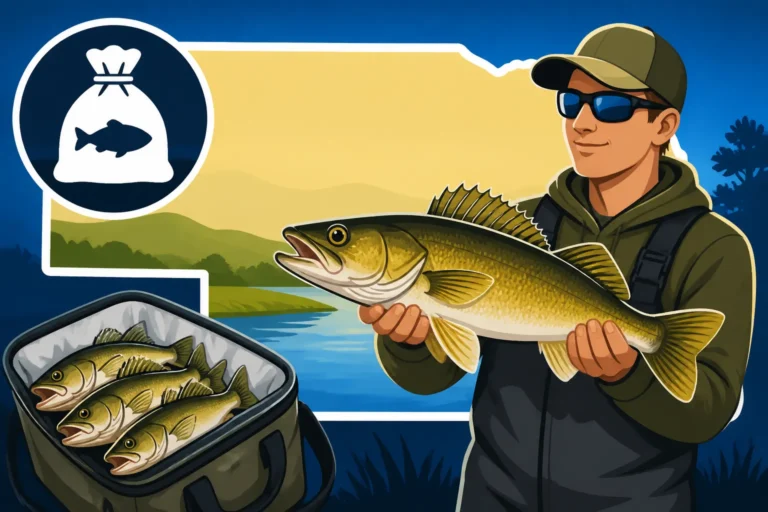
Walleye are a highly sought-after species through the ice, especially in lakes like Lake McConaughy and Sherman Reservoir. For walleye and sauger, Nebraska generally has a combined daily bag limit of four fish. This means you can keep up to four walleye, four sauger, or a combination totaling four. There are also usually minimum length limits that apply. While these can vary by water body, a common minimum length for walleye is often around 15 inches. This protects younger fish and allows them to reproduce before being harvested.
It’s crucial to consult the most current Nebraska Fishing Guide, available annually from Game and Parks, as these limits can occasionally change or have special restrictions for certain lakes. For example, some lakes might have protected slot limits where fish within a certain size range must be immediately released, or specific daily bag limits that deviate from the statewide standard. Knowing your Nebraska Walleye Bag Limits for your chosen fishing destination is essential to avoid accidental violations.
Panfish Limits: Crappie, Perch, and Bluegill
Panfish like crappie, yellow perch, and bluegill are incredibly popular targets for ice anglers in Nebraska, offering fast action and delicious table fare. They are often less restricted than walleye, but still have important limits to follow. For crappie, a typical daily bag limit is 15 fish, with no statewide length limits, though some specific water bodies might have them. The same often applies to bluegill and other sunfish, usually with a generous daily bag limit of 25 fish.
Yellow perch are another ice fishing favorite, and generally, you can keep 15 of them per day. While these limits might seem high, panfish populations can be very sensitive to overharvesting, especially in smaller lakes and ponds. Always check the current regulations for the specific lake you're fishing. It's not uncommon for popular ice fishing lakes to have more restrictive panfish limits to protect their populations. If you're new to targeting yellow perch, our guide on Nebraska Perch Fishing offers some great tips. Remember, adherence to these limits ensures that these species remain abundant for everyone to enjoy for years to come.
Prohibited Activities and Common Violations
Understanding what not to do is just as important as knowing what you can do. There are several activities that are strictly prohibited while ice fishing in Nebraska, along with common violations that anglers unknowingly commit. Being aware of these rules can save you from a hefty fine and the disappointment of having your fishing trip cut short.
Littering and Environmental Protection
This should go without saying, but it's a rule that unfortunately gets violated far too often: littering is strictly prohibited. This isn't just about common courtesy; it's a legal requirement with penalties. Everything you bring onto the ice, you must take off. This includes bait containers, fishing line, food wrappers, broken gear, and especially fish carcasses. Leaving behind garbage spoils the environment for others, harms wildlife, and can create dangerous conditions once the ice melts.
Nebraska's pristine waters and landscapes are precious resources, and it's every angler's responsibility to help protect them. Imagine pulling up to your favorite ice fishing spot only to find it strewn with trash from previous anglers – it's incredibly frustrating and disrespectful. So, make sure you have a designated trash bag or container, and double-check your area before you pack up and leave. A simple act of packing out what you pack in goes a long way.
Unauthorized Ice Fishing Methods
While rod-and-reel and tip-ups are the standard and permitted methods for ice fishing, certain fishing methods are strictly prohibited or require special permits. For example, snagging (intentionally hooking fish in areas other than the mouth) is generally illegal for game fish, though there are specific, limited seasons for species like paddlefish. Using explosives or poisons to take fish is, of course, absolutely forbidden and carries severe penalties. You also cannot use spears or nets for taking game fish through the ice, unless specifically authorized in very limited circumstances or for certain "rough fish" species.
Another crucial point is related to taking bait. While catching minnows for bait is generally allowed, there are regulations concerning how you can do it and which waters are open for bait harvesting. Transporting bait from one water body to another, especially across different drainages, is often restricted to prevent the spread of aquatic invasive species. Always check the current regulations regarding bait acquisition and usage. If you're ever unsure about a specific method or technique, it's always best to err on the side of caution and consult the Nebraska Game and Parks Commission directly or refer to the official Nebraska Fishing Regulations Explained booklet. Violations can range from minor citations to significant fines and even loss of fishing privileges, as outlined in our guide on Nebraska Fishing Violation Penalties.
Where to Find Official Information and Resources
Navigating fishing regulations can be complex, and while this guide aims to be comprehensive, the official sources are always your best bet for the most up-to-date and legally binding information. Knowing where to look will empower you to fish confidently and responsibly.
The Nebraska Game and Parks Commission Website
The Nebraska Game and Parks Commission (NGPC) website is your absolute go-to resource for all things fishing regulations, including ice fishing. Their website, OutdoorNebraska.gov, hosts the most current fishing guide, which is updated annually. You can download a PDF version, which is incredibly handy to keep on your phone or print out and tuck into your tackle box. This guide contains detailed information on license requirements, specific bag and length limits for all fish species, special regulations for individual lakes and rivers, and general rules of conduct.
Beyond the regulations, the NGPC website also provides valuable resources like fishing reports, stocking schedules, and information on aquatic invasive species. They often post advisories regarding ice conditions for popular lakes, which can be invaluable for planning a safe trip. Whenever there's any doubt about a rule or a specific water body, checking the official NGPC website should be your first step. It's maintained by the experts, so you can trust the information.
Local Bait Shops and Public Information Boards
While the internet is incredibly convenient, don't underestimate the value of local bait shops and public information boards at boat ramps and lake access points. Bait shop owners are often avid anglers themselves and are usually very knowledgeable about local regulations, ice conditions, and recent changes. They can offer practical advice specific to the body of water you're planning to fish, which can be invaluable, especially for nuances that might not be immediately obvious in a statewide guide.
Public information boards at state parks, recreation areas, and boat launches are another excellent source. These boards often display current regulations specific to that particular body of water, including any special length or bag limits, ice removal deadlines, or vehicle restrictions. While not always as immediate as an online update, they serve as a consistent reminder of the rules. Just remember, these local resources are supplementary to the official NGPC guide, which should always be your primary reference. Many of the specialized items you need for ice fishing, from specialized augers to tip-ups and ice fishing line, can also be found at these local shops or, if you prefer, through larger online retailers like Amazon.
| Species | Statewide Daily Bag Limit (Ice Fishing) | Statewide Length Limit (Ice Fishing) | Common Exceptions / Notes |
|---|---|---|---|
| Walleye / Sauger | 4 (combined) | 15 inches minimum (Walleye) | Some lakes may have slot limits or different minimums. Check specific lake regs. |
| Crappie | 15 | None | Some lakes may have reduced bag limits. |
| Yellow Perch | 15 | None | Generally consistent, but always check. |
| Bluegill / Sunfish | 25 | None | Includes Green Sunfish, Pumpkinseed, etc. |
| Channel Catfish | 10 | None | Very popular through the ice in some areas. |
| Trout (Rainbow, Brown) | 5 (combined) | None (for stocked waters) | Special regs for wild trout streams. Often stocked in urban ponds for winter. |
Disclaimer
Please note that fishing regulations are subject to change. While this guide aims to provide accurate and up-to-date information, it is your responsibility to consult the most current official Nebraska Game and Parks Commission Fishing Guide and local advisories before engaging in any fishing activity. Adherence to all rules and safety guidelines is paramount for a safe and legal fishing experience.