Is There a Closed Season for Walleye in Nebraska?
It can be incredibly confusing trying to keep track of all the different fishing regulations out there, especially when you're just looking to enjoy a peaceful day on the water. Many states have specific closed seasons for popular species, leaving anglers scratching their heads and wondering if their favorite pursuit is off-limits. If you've been wondering if Nebraska has a closed season for walleye, you're not alone in seeking clarity, and this guide is here to untangle the rules so you can confidently plan your next fishing trip.
Understanding Walleye Fishing Seasons in Nebraska
When it comes to pursuing the highly sought-after walleye in Nebraska, a common concern for many anglers is whether specific times of the year are off-limits. It’s a fair question, as many states implement closed seasons, particularly during spawning periods, to protect fish populations and ensure future generations. The good news for those of us who love chasing these toothy critters is that Nebraska takes a slightly different approach, focusing more on management through limits rather than outright closures.
The Good News: No General Closed Season
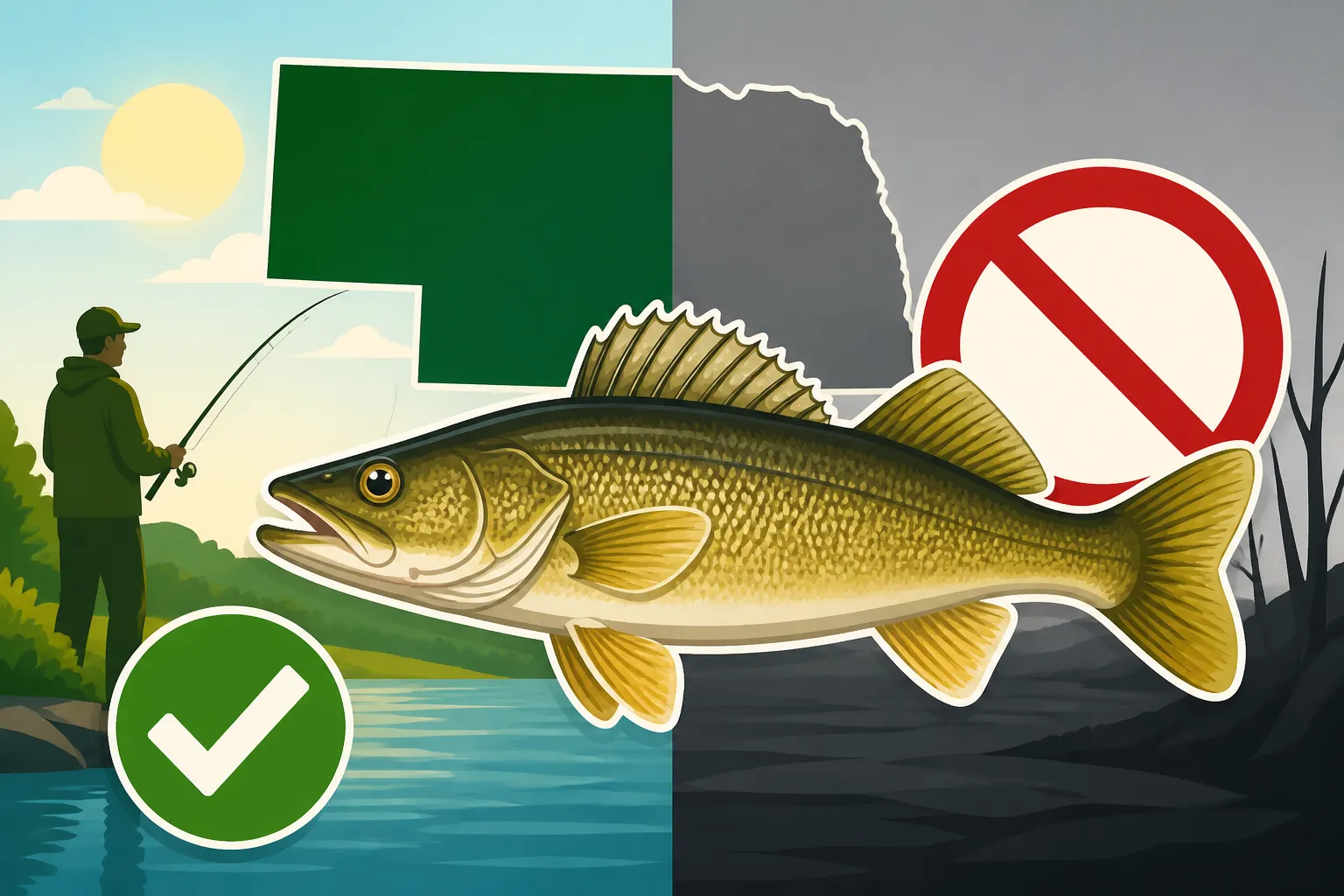
Let's cut right to the chase: Nebraska does not impose a general, statewide closed season for walleye. This is fantastic news for dedicated walleye anglers because it means you can legally target walleye virtually any day of the year. Whether the ice is thick enough to drill a hole, the spring rains are filling the reservoirs, or the summer sun is beating down, the opportunity to fish for walleye is there. This continuous access is a big perk, allowing for incredible flexibility in when and how you plan your fishing excursions. You don't have to worry about missing a narrow window or waiting for a specific opening day, which removes a lot of planning stress for those of us with busy schedules.
This year-round accessibility is a testament to the robust management strategies employed by the Nebraska Game and Parks Commission (NGPC). Instead of blanket closures, they focus on other conservation tools to ensure sustainable walleye populations across the state. This means more fishing opportunities for you, and who doesn't love that?
The Nuance: Specific Waterbody Regulations
Now, while there isn't a statewide closed season, it's absolutely crucial to understand that regulations can and do vary significantly from one body of water to another. This is where things get a little more intricate, but don't let it discourage you. The NGPC manages individual lakes and reservoirs based on their unique ecosystems, fish populations, and angler pressure. What's perfectly legal at Lake McConaughy might be different at Merritt Reservoir or Sherman Reservoir.
These specific waterbody regulations often come in the form of unique length limits or adjusted daily bag and possession limits. For example, some lakes might have "slot limits," which require you to release fish within a certain size range, while allowing you to keep fish both smaller and larger than that range. Other areas might have a higher or lower daily bag limit for walleye to either encourage harvest or protect a recovering population. It's not a closed season in the traditional sense, but these nuanced rules serve the same purpose: to ensure healthy fish stocks. Always, and I mean always, check the current regulations for the specific lake or river you plan to fish. Getting caught unaware can lead to a hefty fine and a ruined day, and nobody wants that. You can find detailed information in the official Nebraska Fishing Regulations Explained guide.
Why Continuous Season is a Big Deal for Anglers
Having a continuous open season for walleye truly opens up a world of possibilities for Nebraska anglers. Think about it: you can target walleye during the vibrant spring bite when they're moving shallow, chase them to the deep summer structures, or enjoy a crisp fall day casting crankbaits. And for many, the crowning jewel of a continuous season is the chance to hit the ice. Ice fishing for walleye is a beloved winter pastime across the state, and the open season ensures that passionate anglers can continue their pursuit even when temperatures drop.
This flexibility allows anglers to develop diverse skill sets, adapting their techniques to different conditions throughout the year. It means more time on the water, more opportunities to create memories, and a deeper connection to the fishing lifestyle that we all cherish. Whether you're a weekend warrior or a dedicated multi-season angler, Nebraska's approach to walleye season truly caters to maximizing your time out there. You might even find yourself looking up new gear on Amazon to tackle the changing conditions, from heavy ice fishing suits to specialized open-water electronics.
Navigating Walleye Length and Bag Limits
While the concept of a "closed season" for walleye might not apply broadly in Nebraska, the state effectively manages its walleye populations through meticulously crafted length and bag limits. These rules are arguably even more critical for anglers to understand, as they directly impact what you can and cannot keep from your catch. Misinterpreting these limits is a common pitfall and one that can easily lead to violations.
The Role of Length Limits in Walleye Management
Length limits are a cornerstone of fisheries management, particularly for species like walleye that grow to impressive sizes and are highly prized. Instead of shutting down fishing entirely, length limits allow continuous angling while protecting specific segments of the fish population. For walleye, this typically means protecting the sexually mature breeding stock. For instance, a minimum length limit ensures that younger fish have a chance to grow and spawn at least once before being harvested.
You might also encounter "slot limits," which are a bit more nuanced. A common slot limit might say something like: "No walleye between 18 and 22 inches may be kept." This encourages anglers to keep smaller, more abundant fish and larger, older fish (which might have passed their prime spawning years or are "trophy" fish), while protecting the prime breeding stock in the middle range. It's a clever way to balance angler opportunity with conservation. Understanding these regulations is paramount, and it’s why resources like the official Nebraska Walleye Minimum Length Limit are so vital. Always have the current guide handy, whether it's a paper copy or a digital version on your phone.
Daily Bag and Possession Limits: What You Need to Know
Beyond length, you also need to be acutely aware of daily bag and possession limits. These numbers dictate how many fish you can legally take home. The "daily bag limit" refers to the maximum number of fish of a specific species that an angler can harvest in a 24-hour period, typically from midnight to midnight. So, if the daily limit for walleye is four, you can only keep four fish within that timeframe, regardless of how many times you go out.
The "possession limit" is equally important and often misunderstood. This limit refers to the maximum number of fish of a specific species that an individual can have in their possession at any given time, whether they are in your livewell, cooler, freezer, or even already cleaned and processed at home. This is often, but not always, twice the daily bag limit. The idea here is to prevent anglers from stockpiling large quantities of fish over multiple days. If you're on a multi-day fishing trip, say at Lake McConaughy, and the daily limit is four and the possession limit is eight, you can only have eight walleye total, even if you’ve fished for two days and caught four each day. Once you reach your possession limit, you can continue to fish, but any additional walleye caught must be immediately released. For a clear breakdown, check out the Nebraska Walleye Daily Bag Limit information available from the state.
Examples of Specific Lake Regulations for Walleye
To truly drive home the point that regulations vary, let's look at some examples. While general statewide regulations exist, many of Nebraska's premier walleye fisheries have special rules designed to optimize their unique populations.
For instance, the regulations for walleye in Lake McConaughy and Lake Ogallala might be quite specific. Lake McConaughy, being one of the best places to fish in Nebraska, often has particular nuances to ensure its walleye population remains healthy under intense fishing pressure. This could include unique slot limits or adjusted bag limits. Similarly, a lake like Merritt Reservoir, another fantastic walleye destination, could have its own set of rules. These rules are not arbitrary; they are the result of extensive biological surveys and data analysis by fisheries biologists. They're designed to help sustain the excellent fishing opportunities we all enjoy. Before heading out, make it a habit to check the most recent regulations for your chosen destination. A quick search on the NGPC website or a flip through the latest fishing guide on Amazon can save you a lot of grief.
Best Times and Tactics for Walleye Through the Year
Given that there’s no closed season for walleye in Nebraska, it means you have the fantastic opportunity to chase these elusive fish year-round. This flexibility, however, also means understanding how walleye behavior changes with the seasons and adapting your tactics accordingly. Fishing for walleye in the dead of winter is a completely different ballgame than pursuing them in the heat of summer!
Walleye Fishing in Spring: Post-Spawn Opportunities
Spring is often considered prime time for many walleye anglers, especially after the spawn. As the ice recedes and water temperatures slowly creep up, walleye will move to shallower areas for their spawning rituals. While they might be less interested in feeding during the spawn, the period immediately following, known as the post-spawn, can be absolutely fantastic. Female walleye, spent from spawning, will aggressively feed to regain energy, and males will often hang around the spawning areas.
During this time, targeting shallow points, rocky shorelines, and main lake flats with jigs tipped with live bait (like minnows or nightcrawlers) or soft plastics can be incredibly effective. Slow trolling with shallow-diving crankbaits or spinner rigs is another go-to tactic. The key is to be present in areas where walleye are recuperating and feeding heavily. Keep an eye on water temperatures; as they rise into the 40s and 50s, the bite will usually pick up significantly. Many anglers head to places like Lake McConaughy in the spring, looking for those hungry post-spawn fish.
Summer and Fall Walleye Strategies
As summer progresses and water temperatures climb, walleye often move to deeper, cooler waters, seeking out thermoclines, submerged structures, and areas with good oxygen levels. This is when understanding your electronics becomes incredibly valuable. Looking for humps, ledges, old creek channels, and standing timber in deeper water will be key. Trolling with deep-diving crankbaits or bottom bouncers with spinner rigs (often tipped with a crawler or leech) can cover a lot of water and help you locate scattered fish. Night fishing for walleye can also be incredibly productive in the summer, as they move shallower under the cover of darkness to feed on baitfish.
Fall brings a change in tactics again. As water temperatures start to drop, walleye often experience a "second feeding frenzy" as they gorge themselves in preparation for winter. They'll move back shallower to ambush baitfish, making them more accessible. Jigging with heavier jigs, casting crankbaits along rocky points, or vertical jigging over main lake structures can be very effective. This transitional period can offer some of the year's biggest walleye. For a deeper dive into techniques, our comprehensive guide on How to Fish for Walleye in Nebraska offers detailed insights.
Ice Fishing for Walleye: A Winter Wonderland
When winter finally sets in and Nebraska's lakes and reservoirs freeze over, the walleye fishing doesn't stop; it just changes form. Ice fishing for walleye is a cherished tradition for many, offering a unique and often highly productive way to catch these fish. While it requires different gear and safety considerations, the thrill of pulling a big walleye through a hole in the ice is unmatched.
Typical ice fishing tactics for walleye include jigging with spoons or jigging raps, often tipped with a minnow head or waxworm. Deadsticking a live minnow under a bobber in a separate hole nearby is another deadly technique. Walleye are often found near structure, transition areas, or even suspended in the water column during winter. Safety is paramount, so always ensure the ice is thick enough, dress warmly, and fish with a buddy. Many anglers swear by portable shelters, ice augers, and specialized fish finders, all readily available on Amazon, to enhance their ice fishing experience. If you’re considering trying it out, be sure to read up on How to Ice Fish in Nebraska for essential tips and safety guidelines. The pursuit of Walleye Fishing in Nebraska truly can be a year-round adventure.
Essential Resources for Staying Legal and Informed
Staying on the right side of the law while enjoying your time on Nebraska's waters is crucial. With regulations that can vary by waterbody and change annually, knowing where to find the most accurate and up-to-date information is just as important as knowing where to cast your line.
Where to Find the Most Current Regulations
The single most reliable source for current Nebraska fishing regulations is the Nebraska Game and Parks Commission (NGPC). They publish an annual Fishing Guide, which is absolutely your bible for all things regulatory. You can typically pick up a free physical copy at most bait shops, sporting goods stores, or NGPC offices. However, in our digital age, the NGPC website is an equally fantastic, and often more immediately updated, resource.
I can't stress this enough: always check the current year's regulations. A rule that applied last year might have changed, or a new special regulation might have been implemented for a specific lake. Imagine you’ve planned a big trip to Harlan County Reservoir, confidently remembering last year’s limits, only to find out a new slot limit for walleye was put in place. It would be a frustrating way to discover you're out of compliance. Make it a habit to glance at the NGPC's website before each fishing season, or even before heading to a new body of water. For a general overview of the seasons and limits, refer to the Nebraska Fishing Season Dates and Limits article.
The GoOutdoorsNE System and Digital Access
In today's connected world, the Nebraska Game and Parks Commission has made it incredibly easy to manage your fishing permits and access vital information through the GoOutdoorsNE online permit system. This system is a game-changer for convenience. Not only can you purchase your Nebraska Fishing License Guide online from the comfort of your home, but the platform also often provides digital access to the current fishing regulations.
Many anglers find it incredibly useful to have the regulations available on their smartphone or tablet. Imagine you're out on Branched Oak Lake, and you catch a fish that looks like it might be on the borderline of a length limit. Instead of guessing or having to paddle back to shore for a paper guide, you can pull out your device, open the GoOutdoorsNE app or a downloaded PDF (perhaps saved after a download from an Amazon device), and quickly verify the rule. This immediate access to information can prevent accidental violations and give you peace of mind. If you haven't already, I highly recommend setting up an account and familiarizing yourself with the GoOutdoorsNE Online Permit System. It’s designed to make your life as an angler easier and ensure you stay legal.
Why Your Fishing License is Non-Negotiable
While this article focuses on walleye seasons and limits, it's worth a quick, emphatic reminder that none of these discussions matter if you don't have a valid Nebraska fishing license. Just like a driver's license for your car, a fishing license is your permit to operate on the state's waters. Fishing without one is a surefire way to incur significant fines and penalties.
The good news is that acquiring a license is straightforward. Whether you're a resident or a non-resident, the process is simple through GoOutdoorsNE or at authorized vendors. Most gas stations, convenience stores, and sporting goods shops sell them. If you're wondering Where to Buy a Nebraska Fishing License, you’ll find plenty of options. Ensure your license is current for the season you're fishing. It's a small investment that supports Nebraska's conservation efforts and ensures the future of our fishing heritage. Don't leave home without it!
Nebraska Walleye Regulations at a Glance
To help consolidate some of the key information, here’s a quick overview of typical walleye regulations in Nebraska. Remember, this is a general guide, and you should always verify the latest rules for your specific fishing location with the Nebraska Game and Parks Commission.
| Regulation Type | General Statewide Rule (Typical) | Common Variations (Examples) | Importance |
|---|---|---|---|
| Closed Season | None (open year-round) | N/A | Allows continuous fishing opportunities. |
| Daily Bag Limit | 4 walleye (sometimes combined with sauger/saugeye) | Some lakes may have 2, 3, or 5 fish limits | Limits daily harvest to sustain populations. |
| Possession Limit | Twice the daily bag limit (e.g., 8 walleye) | Varies with daily limit; check specific waterbody | Prevents over-harvesting on multi-day trips. |
| Minimum Length | 15 inches (common) | 18 inches, 20 inches, or no minimum on specific waters | Protects young fish, allowing them to mature and spawn. |
| Slot Limits | Not always statewide, but common on managed lakes | No walleye between 18-22 inches (protects prime breeders) | Balances harvest of smaller/larger fish while protecting key spawners. |
| Trout Stamp Req. | No, not for walleye. | Only required if targeting trout in designated trout waters. | Specific to species and location. (e.g. Nebraska Trout Stamp Requirements) |
| Aquatic Habitat Stamp | Required with most permits unless exempt. | Applies broadly across permit types. | Funds aquatic habitat improvements. |
Note: This table provides typical examples and is not a substitute for checking the official Nebraska Game and Parks Commission regulations booklet for the current year and specific waterbody.
Disclaimer
Please remember that fishing regulations, bag limits, and season dates are subject to change. While every effort has been made to provide accurate and up-to-date information, it is your responsibility as an angler to consult the official Nebraska Game and Parks Commission (NGPC) fishing guide or their website for the most current and specific regulations pertaining to the waterbody you plan to fish. Always fish safely and responsibly.