Nebraska Fishing Rules for Farm Ponds and Private Lakes
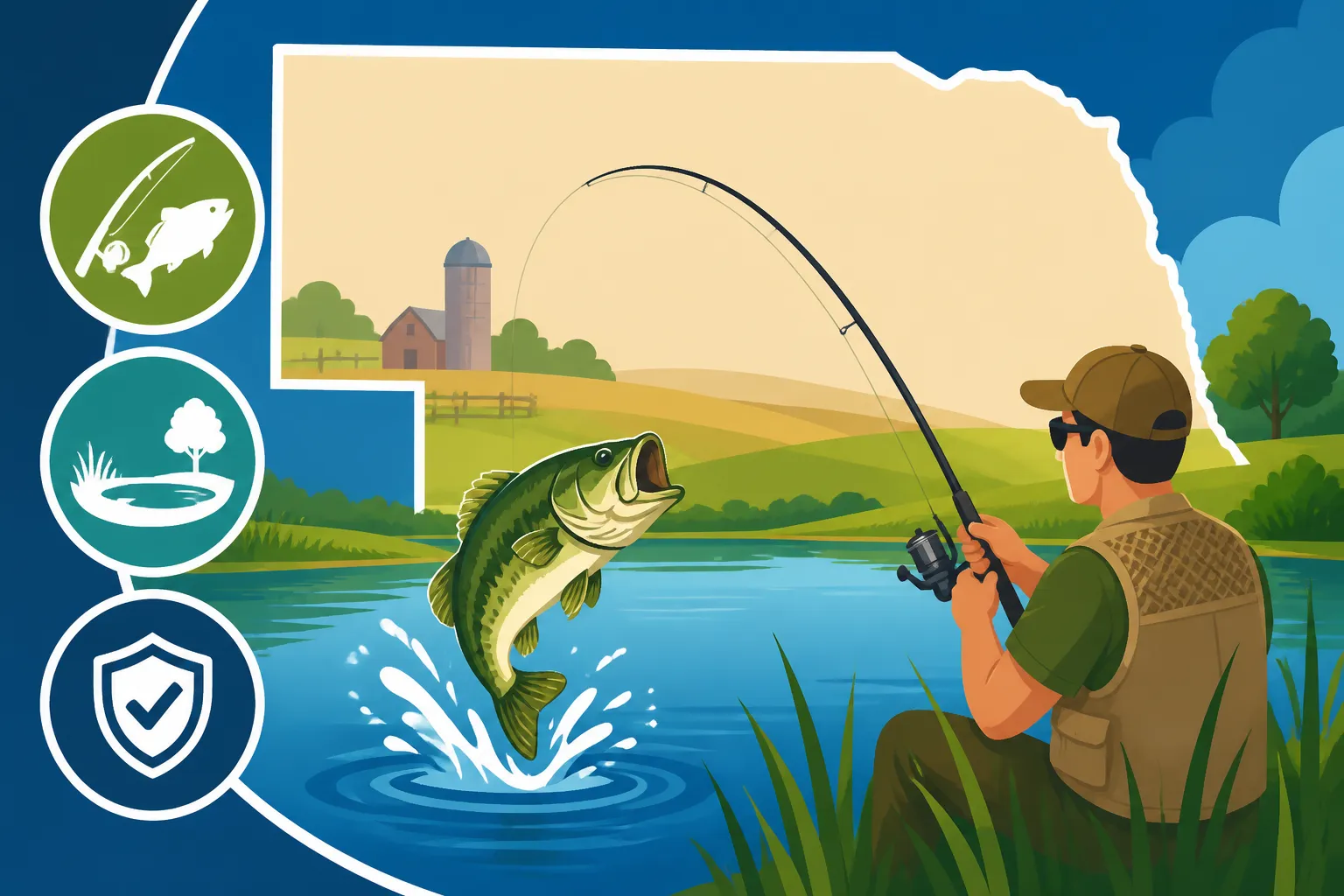
It’s a common scenario: you’ve got a buddy with a fantastic farm pond or a private lake right on their property here in Nebraska, and the thought of an easy, peaceful fishing trip away from the crowds sounds absolutely idyllic. But then the nagging question pops into your head – "Do the same Nebraska fishing rules apply out there, even though it’s private land?" This confusion is totally understandable, as the line between public and private water regulations can feel blurry. This guide aims to clear up all those questions, laying out exactly what you need to know to fish legally and responsibly on private Nebraska ponds and lakes.
What Defines a "Private Pond" in Nebraska's Fishing Regulations?
Before we dive into the nitty-gritty of licenses and limits, let's nail down what "private water" truly means in the eyes of Nebraska's fishing regulations. It’s not always as simple as "it's on my land, so it's mine." The distinction can have significant implications for whether you need a permit or if statewide regulations apply.
The Legal Line in the Water: Private vs. Public Access
In Nebraska, a body of water is generally considered "private" if it is entirely contained within private property, has no inlet or outlet that connects it to public waters (like a river or stream), and there is no public access easement across the property. Think of a man-made pond dug on a farmer’s field, completely surrounded by their land, with no direct connection to a natural waterway that flows off their property. This is a clear-cut private pond.
However, things can get tricky. If a stream flows through your property, even if you own the land on both sides, that stream itself is often considered a public waterbody, and specific regulations regarding fishing in flowing waters may still apply. Similarly, large natural lakes or reservoirs, even those with significant private shoreline, often have public access points and are subject to full statewide regulations because the water itself is deemed a public resource. The key factor is whether the public has, or could have, legal access to the water, regardless of who owns the surrounding land. For instance, a pond created by damming a public stream, even if the dam is on private property, would likely still fall under public water regulations.
Common Misconceptions About Ownership and Exemption
Many folks mistakenly believe that simply owning the land around a pond automatically exempts them and their guests from all fishing rules. This isn't quite true in Nebraska. The Nebraska Game and Parks Commission (NGPC) draws careful distinctions. Owning the land gives you control over access to the pond, meaning you can grant or deny permission to others. But it doesn't automatically mean the fish within are exempt from state management, especially concerning species that are part of the broader ecological system or could be transferred to public waters.
Another common misconception is that a "no trespassing" sign magically makes all fishing regulations disappear. While "no trespassing" certainly applies to human access, it doesn’t override fish and game laws for those who are given permission to be there. This misunderstanding can lead to fines and penalties for anglers who think they're in the clear just because they're on private property with the landowner's blessing. It's really about the water's connection to the larger ecosystem and the state's interest in managing its fisheries resources uniformly to prevent overharvesting or the spread of disease, even in seemingly isolated environments.
Do You Still Need a Fishing License on Private Nebraska Ponds?
This is the big question for many anglers, and the answer isn't a simple yes or no. Nebraska has specific exemptions, but they are narrower than many people realize. Understanding these nuances is crucial to avoid an unexpected citation.
Landowner and Immediate Family Exemptions Explained
Good news for landowners! In Nebraska, there are specific situations where you and your immediate family might not need a fishing license on your own private pond. According to the Nebraska Game and Parks Commission, a resident fishing license is not required for residents who own or lease land for agricultural purposes and their immediate family members (spouse, children, grandchildren) who are actually domiciled on such land.
Let's break that down:
- Resident Status: You must be a Nebraska resident.
- Ownership/Lease: You must either own the land or lease it for agricultural purposes. This typically means active farming or ranching.
- Domiciled on Land: This is a key part. It means you and your immediate family members must actually live on that specific parcel of land. Your cousin who lives across town, even if they're family, wouldn't qualify under this particular exemption unless they meet other criteria.
- Your Own Land: The exemption only applies when fishing on your own land. If you own multiple properties and only reside on one, this exemption might not extend to the others unless they too are used for agricultural purposes and you meet the domicile requirement.
If you don't fit this exact description – perhaps you own a recreational parcel without a residence, or you’re leasing it for non-agricultural use – you and your family would still need a valid Nebraska fishing license. It’s always best to check the latest version of the Nebraska Fishing License Guide or directly with NGPC if you have any doubts about your specific situation.
Rules for Guests and Non-Resident Anglers
Here's where it often surprises people: guests, even if invited by the landowner, generally do need a valid Nebraska fishing license, even on private ponds. The landowner exemption does not extend to friends, distant relatives, or anyone else who doesn't reside on the agricultural land. So, if your buddy invites you to their killer bass pond, make sure you have your permit ready! This includes all adult anglers, and even children sometimes, depending on their age. You can learn more about specific age requirements in our guide on Nebraska Fishing License Rules for Kids and Seniors.
For non-residents, the rules are even more straightforward: a non-resident fishing license is always required, regardless of whether you're fishing on public or private waters. There are no landowner or family exemptions for non-residents, even if they are guests of a qualifying Nebraska landowner. Trying to fish without the proper permit, even on private land, can lead to Fine for Fishing Without a License in Nebraska and other serious Nebraska Fishing Violation Penalties.
Other Required Stamps and Permits
Beyond the basic fishing permit, Nebraska sometimes requires additional stamps for specific activities or species. These requirements generally apply to private waters as well.
- Aquatic Habitat Stamp: This stamp is required for anyone 16 years of age or older who needs a fishing permit. It helps fund important conservation efforts. You’ll typically need this if you need a fishing license, regardless of where you fish. Our article, Nebraska Aquatic Habitat Stamp Explained, dives deeper into its purpose and cost.
- Trout Stamp: If you're specifically targeting or keeping trout, you’ll need a trout stamp in addition to your regular fishing license and aquatic habitat stamp. While many private ponds in Nebraska primarily contain warmwater species, some landowners do stock trout, especially in cooler regions or deeper ponds. So, if your friend's pond holds these cold-water beauties, be prepared. Our guide, Do I Need a Trout Stamp to Fish for Trout in Nebraska? clarifies this further.
- Bullfrog/Snapping Turtle Permit: If you plan on harvesting bullfrogs or snapping turtles from a private pond, you'll need the specific bullfrog and snapping turtle harvest permit, in addition to your fishing license (if required). You can find more information in our Nebraska Bullfrog and Snapping Turtle Harvest License post.
Beyond the License: General Fishing Rules for Private Waters
While the license situation has its specific exemptions, many other Nebraska fishing regulations still apply, even on private ponds. The state aims to manage fish populations consistently across all waters to ensure sustainable resources and prevent the spread of disease.
Applying Statewide Bag, Length, and Possession Limits
This is another area where private pond anglers often get caught off guard. For most species, statewide bag, length, and possession limits generally apply to fish caught in private ponds, just as they do in public waters. This means if the daily limit for channel catfish is 10, you can't keep 20 just because you caught them in your own pond. Similarly, if there's a slot limit for largemouth bass, you must adhere to it.
The primary reason for this is to prevent overharvest, even in what might seem like a closed system. Fish can reproduce quickly, and without limits, a private pond could be depleted, or, if connected to public waters, could impact those populations. There are very rare exceptions where a landowner might be granted specific management permits for a truly isolated, self-contained private pond, allowing them to manage their fish differently. However, these are not common and require direct approval from the NGPC. Always check the current Nebraska Fishing Regulations Explained booklet or website for the most up-to-date limits, species by species. This includes knowing your Nebraska Walleye Daily Bag Limit, Nebraska Channel Catfish Daily Limit, and Nebraska Crappie Daily Limit.
Permitted and Prohibited Fishing Methods
The methods you use to catch fish are also typically regulated statewide, regardless of whether you’re on public or private property. This means:
- Number of Lines: Generally, you’re limited to two lines (rods and reels) per person while fishing in Nebraska, unless specified otherwise for ice fishing or trotlines. This applies to your private pond.
- Prohibited Methods: Methods like snagging, using chemicals to stun fish, or certain types of netting without proper permits are illegal across the board. These regulations are in place to ensure fair chase, prevent harm to non-target species, and protect fish populations.
- Trotlines, Setlines, and Jug Lines: While sometimes allowed in certain public waters, these methods usually require specific permits and adherence to tagging rules (identifying the owner) and location restrictions. Don't assume you can deploy them freely in a private pond without checking the specific regulations for those devices.
- Bowfishing: Bowfishing is a popular method for certain "rough fish" like carp. While generally permitted for specific species, the rules regarding season, location, and species apply to private waters, especially if there's any connection to public waterways.
When planning your private pond outing, it's a good idea to refresh yourself on general methods. If you're looking for new gear, you can find a variety of rods, reels, and tackle appropriate for pond fishing on Amazon.
Seasonal Considerations and Protected Species
While many of Nebraska’s fishing seasons are open year-round for common species, some fish have specific closed seasons, especially during spawning periods, to protect breeding populations. Trout, for example, often have specific regulations for designated trout waters. Even if your private pond has trout, you'd need to be aware of any applicable Nebraska Trout Season Dates.
Furthermore, Nebraska has certain endangered or protected fish species. While it's unlikely you'll encounter them in a stocked farm pond, if your private water connects to a natural river system, it’s always important to be aware of what fish are protected. Catching one of these, even accidentally, requires careful and immediate release. Knowledge of Nebraska Fish Species Identification Guide is invaluable.
Managing Your Private Fishery: Stocking, Maintenance, and Responsibilities
Owning a private pond can be a fantastic asset, offering exclusive fishing opportunities. But with that privilege comes a significant responsibility for its management and ecological health.
Navigating Fish Stocking Regulations and Best Practices
So, you've got a private pond and want to stock it with fish. Can you just buy any fish and dump them in? Not quite. Nebraska has regulations in place to prevent the introduction of invasive species or diseases that could harm the state’s wild fish populations.
- Permits for Stocking: You generally need a permit from the Nebraska Game and Parks Commission to stock fish into your private pond. This isn't just bureaucratic red tape; it's a crucial step to protect the broader ecosystem.
- Approved Species: The NGPC will specify which fish species are approved for stocking. They will typically recommend native species or well-established, non-invasive game fish like channel catfish, largemouth bass, and various panfish (bluegill, crappie). Introducing species like certain types of carp or exotic game fish without proper authorization can lead to severe ecological consequences, potentially impacting nearby public waters.
- Reputable Sources: Always purchase fish for stocking from reputable, certified hatcheries. These facilities are usually inspected to ensure their fish are healthy and disease-free, preventing the spread of pathogens into your pond and potentially beyond. Never transfer fish from public waters to your private pond, as this is a common way to spread disease and invasive species. You can find excellent resources on pond management, including recommended stocking densities and species mixes, on Amazon or through local extension offices.
Protecting Your Pond from Invasive Species and Disease
Even if your pond is isolated, you have a responsibility to keep it healthy and prevent it from becoming a source of problems for other waters.
- Aquatic Invasive Species (AIS): Things like zebra mussels, Asian carp, or certain aquatic plants can wreak havoc on ecosystems. If your pond is connected to public waters, or even if gear used in your pond is later used elsewhere, you could inadvertently contribute to their spread. Always clean, drain, and dry boats and gear, even when moving between private ponds. The Nebraska Aquatic Invasive Species Stamp Explained highlights why this is so important.
- Disease Prevention: Avoid introducing fish from unknown sources or public waters. If you notice unusual fish deaths or signs of disease in your pond, contact the NGPC for guidance. They can help identify the problem and suggest solutions before it spreads.
- Responsible Management: Aeration systems, careful control of vegetation, and balanced stocking can all contribute to a healthy pond ecosystem. Regular testing of water quality can help ensure your fish thrive and your pond remains a joy to fish. Many helpful books and pond maintenance supplies can be purchased through Amazon.
Ensuring Responsible Access and Preventing Trespassing
While this article focuses on fishing regulations, it's important to touch upon the general aspect of access. When you grant permission for others to fish your private pond, you are essentially giving them a limited license to be on your property. It's crucial to communicate clear boundaries and expectations:
- Explicit Permission: Always ensure guests have explicit permission to be on your property. Verbal permission is often sufficient, but for regular visitors or larger groups, written permission might be wise.
- Define Boundaries: Make sure guests know exactly where they are allowed to go and where off-limits areas are. This helps prevent accidental trespassing onto neighboring properties.
- Liability: Be aware of your liability as a landowner when inviting guests. While many states have recreational use statutes that offer some protection, it's always wise to understand your responsibilities or consult with an attorney about specific concerns.
By following these guidelines, you can ensure that fishing on private ponds remains a rewarding and legal experience for everyone involved.
Common Questions and Misconceptions About Private Water Fishing
Even with all the rules laid out, certain scenarios and lingering myths can cause confusion. Let’s tackle some of the most frequently asked questions about fishing private waters in Nebraska.
Can Guests Fish Without a License?
This is perhaps the biggest misconception out there, and one that often leads to fines. As covered earlier, no, guests generally cannot fish without a license on private Nebraska ponds. The specific landowner exemption only applies to the landowner or lessee (for agricultural purposes) and their immediate family members who are domiciled on that land. This means your buddy, your uncle, your nephew from Lincoln, or even your spouse if they don't live on the farm, all need a valid Nebraska fishing permit.
It’s easy to assume that because the property is private and you have permission, the rules are waived. However, the state’s interest in managing its fisheries extends beyond property lines. Think of it this way: if a landowner could invite dozens of people to fish without licenses, it could create unregulated pressure on fish populations, potentially impacting fish that could eventually move into or out of public waters if there’s a connection. So, always advise your guests to get their Nebraska Resident Fishing License Requirements in order before they cast a line.
What About Shared Ponds or HOAs?
This situation adds another layer of complexity. If you live in a development with a shared pond managed by a Homeowners Association (HOA), the rules can vary.
- Shared Ownership: If the pond is truly community property and accessible by all residents, it’s still considered private water belonging to the collective landowners (the HOA members). However, the individual landowner exemption for fishing without a license typically applies only to agricultural landowners domiciled on the land. So, unless the HOA itself somehow qualifies for a rare, specific management permit from the NGPC (which is highly unlikely for a residential pond), individual HOA members and their guests will almost certainly need a fishing license.
- HOA Rules: The HOA itself might have additional rules regarding fishing, such as catch-and-release only policies, limitations on specific baits, or designated fishing areas. These are in addition to state regulations, not instead of them. Always check with your HOA management for their specific guidelines.
- Stocking and Management: HOAs that manage their own ponds often work with fisheries biologists or private companies to stock and maintain the fish population. They will be responsible for obtaining any necessary stocking permits from the NGPC.
When in doubt, assume you need a license and check both state regulations and your HOA's specific rules.
When Private Water Becomes Public
While rare, there are scenarios where water that seems private can legally be considered public.
- Navigable Waters: Historically, if a body of water was "navigable" (meaning it could be used for commerce or public transport), it might be deemed public, even if entirely surrounded by private land. In Nebraska, this mostly applies to larger rivers and lakes.
- Public Easements/Access: If a public road or a designated public access point touches the water, even if most of the shoreline is private, that portion of the water accessible by the public is subject to public water regulations. This often occurs with rivers or larger reservoirs where the state has acquired access easements.
- Connection to Public Waters: As mentioned, if a private pond has a continuous, natural connection to a public river or stream, even if that connection sometimes dries up, the NGPC may still consider it part of the public waterway system for regulatory purposes. This prevents landowners from unilaterally managing fish that are part of a larger, public-resource population.
It's a nuanced topic, but for the vast majority of private farm ponds and residential lakes in Nebraska, if they are truly self-contained and entirely on private property with no public access, they will be treated as private waters under these specific license and regulation exemptions. For clarification on any specific body of water, it's always best to contact the Nebraska Game and Parks Commission directly.
| Rule Category | Public Waters (e.g., Lake McConaughy) | Private Pond (Qualifying Landowner/Family) | Private Pond (Guests/Non-Qualifying Anglers) |
|---|---|---|---|
| Fishing License | Required (16+ years old) | Not required (if resident landowner/family domiciled on agricultural land) | Required (16+ years old) |
| Aquatic Habitat Stamp | Required (if license needed) | Not required (if license not needed) | Required (if license needed) |
| Trout Stamp | Required (if targeting/keeping trout) | Required (if targeting/keeping trout) | Required (if targeting/keeping trout) |
| Bag/Length Limits | Apply statewide | Generally apply statewide | Generally apply statewide |
| Prohibited Methods | Apply statewide | Apply statewide | Apply statewide |
| Stocking Fish | Illegal for individuals | Requires NGPC permit and approved sources | N/A (Landowner responsibility) |
| Trespassing | Not applicable | Not applicable | Illegal without landowner permission |
Disclaimer
The information provided in this guide is for general informational purposes only and does not constitute legal advice. Fishing regulations and laws are subject to change. Always consult the most current Nebraska Game and Parks Commission fishing guide or contact them directly for the most accurate and up-to-date information before fishing on any waters, public or private.