Sherman Reservoir Fishing
Trying to find a truly productive and diverse fishing spot in Nebraska can sometimes feel like searching for a needle in a haystack, especially when you're looking to escape the crowds of the larger, more famous lakes. Many anglers struggle to uncover those hidden gems that offer both quantity and quality without being overwhelmed. This comprehensive guide will pull back the curtain on Sherman Reservoir, revealing why it's a prime destination for a variety of species and how you can maximize your success on its waters.
Unveiling Sherman Reservoir: A Nebraska Fishing Gem
Sherman Reservoir, nestled in the heart of central Nebraska, isn't just another body of water; it's a vibrant ecosystem that consistently delivers for anglers willing to explore its depths. Often celebrated for its robust walleye and wiper populations, this sprawling lake also boasts impressive numbers of crappie, channel catfish, and both largemouth and smallmouth bass, offering something for every fishing preference.
Where is Sherman Reservoir and Why is it Special?
Sherman Reservoir is located in Sherman County, just a few miles east of Loup City and north of Highway 92. It's easily accessible and offers a welcome escape from the hustle and bustle of more populated areas. Managed by the Nebraska Game and Parks Commission, the reservoir spans over 2,800 surface acres with 60 miles of shoreline, providing ample space for both boat and shore anglers to spread out. Its relatively clear waters and diverse underwater structure, including old river channels, submerged timber, and rocky points, create an ideal habitat for a wide array of fish species. Unlike some of the state's larger reservoirs that can feel overwhelming, Sherman strikes a perfect balance, offering big-lake opportunities with a more intimate, accessible feel. It's a place where you can truly connect with nature and the thrill of the catch.
What truly makes Sherman special isn't just its size or beauty, but its consistent fishery. Anglers often report excellent catch rates, particularly for walleye and wipers, which are known for their strong fights and delicious fillets. The ongoing management efforts, including strategic stocking programs, ensure that the lake remains a top-tier destination year after year. For anyone looking for a rewarding fishing experience in Nebraska, Sherman Reservoir offers a fantastic blend of challenge and reward, whether you're casting from the bank or cruising in a bass boat.
Key Fish Species You'll Encounter
When you hit the waters of Sherman Reservoir, you're stepping into a multi-species angler's paradise. While the lake is perhaps most renowned for its walleye and wipers, there's a thriving community of other game fish that make every outing an adventure. Knowing what to expect and what lurks beneath the surface is half the battle, and Sherman certainly doesn't disappoint in variety.
The undisputed stars of Sherman Reservoir are the walleye. These highly sought-after fish are present in good numbers and can grow to impressive sizes, making them a top target for many. Following closely are the wipers, a hard-fighting hybrid cross between white bass and striped bass. Wipers offer an incredible fight, often schooling and chasing baitfish near the surface, providing exhilarating action. Beyond these two, you'll find a healthy population of crappie, both black and white, which are a favorite for panfish enthusiasts, especially during their spring spawn. For those who love a good tussle, channel catfish are abundant throughout the reservoir, particularly in the deeper channels and around creek mouths, and can reach considerable sizes. Additionally, you'll encounter both largemouth and smallmouth bass, though perhaps not in the same trophy numbers as walleye or wipers, they still offer exciting opportunities, especially around rocky areas and submerged cover. Other species like northern pike, bluegill, and various sunfish round out the rich aquatic life, ensuring there's always something tugging on your line.
Understanding the Unique Character of Sherman Lake
Every lake has its personality, and Sherman Reservoir is no exception. Understanding its unique characteristics, from its underwater topography to its water clarity, is crucial for unlocking its fishing potential. This isn't just about throwing a line in; it's about appreciating the subtle nuances that make Sherman tick and applying that knowledge to your angling strategy.
Sherman is characterized by a mix of diverse habitats. The eastern end of the reservoir, near the dam, tends to be deeper with more defined rocky structures, offering excellent deep-water opportunities for walleye and wipers. As you move westward, the lake gradually becomes shallower, transitioning into areas with more submerged timber, brush piles, and gradual slopes, which are ideal for crappie, bass, and catfish. The old river channel of the Middle Loup River snakes through the reservoir, creating distinct depth changes and current breaks that act as natural fish highways and holding areas. Water clarity can vary, often being clearer in the spring and fall, and sometimes experiencing a slight stain after heavy rains, which can actually be a boon for walleye fishing. The numerous coves and fingers along the shoreline provide sheltered areas, making them prime spots when the wind picks up, which is a common occurrence on Nebraska's larger reservoirs. Knowing these features helps you choose the right fishing spots and techniques. Using a service like FishingBooker can help you find local guides who are intimately familiar with these unique characteristics, offering insights that can significantly shorten your learning curve on a new lake.
Mastering Walleye Fishing at Sherman Reservoir
Walleye are undoubtedly one of the most sought-after game fish in Nebraska, and Sherman Reservoir consistently ranks as one of the top destinations for them. Their elusive nature and delicious fillets make them a prize catch, but it takes more than just luck to consistently put them in the boat. To truly master walleye fishing at Sherman, you need to understand their seasonal movements, preferred habitats, and the most effective tactics.
Prime Seasons and Hotspots for Walleye
Walleye activity at Sherman Reservoir is highly seasonal, dictated largely by water temperature and their spawning cycle. Understanding these patterns is key to being in the right place at the right time. Your best bet for consistent action often revolves around these distinct periods, each offering unique challenges and rewards.
Spring (Pre-Spawn and Spawn): As the ice recedes and water temperatures begin to climb into the low 40s to low 50s Fahrenheit, walleye become very active, moving towards traditional spawning grounds. The riprap areas near the dam, rocky points, and shallow gravel flats on the northern and southern shores are prime locations. During this pre-spawn period, the fish are aggressive, feeding heavily before they commit to spawning. Post-spawn, usually mid-to-late April into May, walleye disperse from these areas but remain in relatively shallow water, often relating to the first significant break lines or submerged points near their spawning grounds. This is an excellent time for targeting them with jigs and minnows or slow-trolling crankbaits. For more detailed information, check out our guide on how to fish for walleye in Nebraska.
Summer: Once water temperatures stabilize in the high 60s and 70s, walleye typically move to deeper, cooler water. They'll relate heavily to main lake points, submerged humps, the old river channel, and deep break lines. Structure is everything in the summer months. Look for areas where the depth changes abruptly or where there's submerged cover. Early morning and late evening bites can be crucial, but many anglers find success trolling deeper running crankbaits or presenting live bait rigs (like bottom bouncers with crawler harnesses) over deeper flats and along the edges of the channel during midday. Targeting suspended schools of baitfish, especially shad, is also a highly effective summer strategy, as walleye will often follow their food source.
Fall: As water temperatures cool down in September and October, walleye become increasingly active, feeding aggressively to build up fat reserves for winter. They'll often move back into shallower main lake areas, similar to spring patterns but also relating to prominent points and humps. This is a fantastic time for both casting crankbaits and jigging, as well as trolling. The fish are often schooled up, so once you find one, there are usually more nearby. The fall bite can be some of the most consistent and exciting of the year, offering opportunities for larger, fatter fish. However, always be aware of the changing weather conditions and consult the Nebraska Fishing Season Dates and Limits to ensure you're compliant with regulations.
Top Walleye Techniques and Baits
When it comes to walleye fishing at Sherman, having a diverse arsenal of techniques and baits is crucial. These fish can be finicky, and what works one day might not work the next. Adaptability is your best friend. From slow and subtle presentations to aggressive trolling, each method has its place and time on Sherman's waters.
One of the most consistently effective techniques, particularly in spring and fall, is jigging. A classic jig and minnow or a jig tipped with a plastic grub or paddle tail can be deadly, especially when fished slowly along break lines, rocky points, or around submerged timber. The key is to maintain bottom contact and impart a subtle hopping or dragging motion. Vertical jigging directly over fish marked on your electronics is also highly effective, especially for deeper holding walleye in summer. For anglers covering more water, trolling is a powerful technique. This involves pulling crankbaits, spinner rigs, or worm harnesses behind a boat at slow speeds. Experiment with different crankbait diving depths and colors. Firetiger, perch, and chrome/blue are often excellent choices. Trolling allows you to explore vast areas and find active fish, especially during the summer months when walleye are spread out over deep flats or following bait schools.
Live bait remains a perennial favorite for walleye, and for good reason. Minnows, especially shiners or fatheads, are hard to beat in cold water periods. They can be fished under a slip bobber over structure or tipped on a jig. Crawler harnesses, consisting of a snelled hook and spinner blade pulled behind a bottom bouncer, are incredibly effective throughout the open water season, especially for summer walleye on deep flats. The combination of flash, vibration, and natural bait scent is often irresistible. Don't forget the power of artificial lures beyond crankbaits. Lipless crankbaits, jerkbaits, and even larger soft plastic swimbaits can entice aggressive walleye, particularly when they are chasing baitfish. Always consult the specific regulations for the Nebraska Walleye Daily Bag Limit to ensure you stay within legal harvesting parameters.
Navigating the Sherman Wiper Fishery
While walleye often steal the spotlight, the wiper fishery at Sherman Reservoir offers an equally exciting, often more explosive, angling experience. These feisty hybrids are a cross between white bass and striped bass, inheriting the best fighting qualities of both. They grow large, fight hard, and often school in massive numbers, making for fast-paced action that can be incredibly thrilling.
Wipers in Sherman Reservoir are highly pelagic, meaning they often roam open water in search of schooling baitfish, particularly gizzard shad. Their behavior is often characterized by aggressive feeding frenzies, where they'll bust baitfish on the surface, creating visible commotion that alerts anglers to their presence. These "boils" are prime opportunities for casting fast-moving lures. The warmest months, from late spring through fall, are typically the best times to target wipers, as they are most active when chasing shad. They will often relate to main lake points, submerged humps, and the dam area, but they can be found anywhere baitfish are present. The key to finding them is often observation – look for diving birds, surface activity, or large schools of bait on your fish finder.
When it comes to techniques, speed and aggression are often rewarded. Casting spoons (like Kastmasters or Little Cleos), heavy jigs (such as bucktail jigs or blade baits), and fast-moving crankbaits are excellent choices when wipers are schooling. A medium-heavy spinning or baitcasting setup with braided line is recommended to handle their strong runs. If you find them deeper, vertical jigging with heavy spoons or blade baits can be incredibly effective. Trolling deep-diving crankbaits or large swimbaits can also draw strikes, particularly when you're trying to locate scattered schools. Another effective method, especially in summer, is to use a slip bobber with live shad or large shiners, suspended just above reported schools of wipers. Just like with walleye, always be mindful of the Nebraska Fishing Daily Bag and Possession Limits, as wiper regulations can be specific. For those unfamiliar with the best spots, hiring a guide through a service like FishingBooker can provide invaluable local knowledge for locating these hard-fighting fish.
Chasing Panfish and Catfish: Sherman's Abundant Opportunities
While walleye and wipers are the marquee species, Sherman Reservoir offers fantastic action for panfish and catfish, providing consistent opportunities for anglers of all skill levels. These species are often more accessible, making them perfect targets for family outings or when you simply want to enjoy a day of steady bites. Don't underestimate the thrill of catching a slab crappie or wrestling a big channel cat!
Crappie and Other Panfish Strategies
Crappie at Sherman Reservoir are plentiful and can grow to impressive sizes, making them a favorite for many anglers. Both black and white crappie thrive in these waters, offering delicious table fare and enjoyable fishing, especially during certain times of the year. Beyond crappie, other panfish like bluegill and sunfish provide consistent action, particularly for younger anglers or those new to the sport.
The best time to target crappie is often during the spring spawn, typically when water temperatures are in the high 50s to low 60s Fahrenheit. During this period, crappie move into shallow water, congregating around submerged brush piles, standing timber, and boat docks. The numerous coves and sheltered areas on Sherman's western side are prime for this. Small jigs (1/32 to 1/16 ounce) tipped with a minnow or a small plastic grub are deadly. Light line (4-6 lb test) and a sensitive rod will help you detect their subtle bites. After the spawn, crappie tend to move to deeper structure, suspending over brush piles, old submerged roadbeds, or the edges of the river channel. Here, they can be targeted with spider rigging (multiple rods with different depth presentations) or by vertically jigging over marked schools. For bluegill and other sunfish, focus on shallower, weedier areas or around any shoreline cover. A tiny jig or a piece of worm under a bobber is usually all it takes to get them biting. Always consult the Nebraska Crappie Daily Limit before you head out, as limits are in place to ensure sustainable populations.
Taming the Channel Catfish and Flathead
For anglers who love a powerful fight and excellent eating, Sherman Reservoir's catfish population is a major draw. You'll find abundant channel catfish, known for their strong pulls and willingness to bite a variety of baits. While less common, the elusive flathead catfish also lurk in the deeper, woodier sections of the reservoir, offering a true trophy hunt for dedicated anglers.
Channel catfish are widespread throughout Sherman. They can be found in a variety of habitats, from shallow flats to deep channels, often relating to structure or current. The warmer months, from late spring through fall, are prime time for channel cats. They are particularly active at night, but good catches can be made throughout the day, especially during overcast conditions or after a rain. Favorite baits include prepared stink baits, cut bait (like shad or sunfish), chicken livers, and even nightcrawlers. Fish these baits on the bottom using a slip sinker rig or a Santee Cooper rig, especially near creek mouths, along the old river channel, or in any areas with submerged timber or brush. For those targeting flathead catfish, you'll need a different approach. Flatheads prefer live bait, such as bluegill, sunfish, or large shiners, and they are typically found in the deepest, snaggiest parts of the lake, particularly along the main river channel or around large submerged trees. Heavy tackle is a must for these powerful fish. Night fishing is often the most productive time for flatheads. Knowing how to catch catfish in Nebraska effectively can really boost your success rate on Sherman. Don't forget to review the Nebraska Channel Catfish Daily Limit before you hit the water.
Essential Gear and Boating for Sherman Reservoir
Having the right gear and understanding the boating nuances of Sherman Reservoir can make or break your fishing trip. This isn't just about having any rod; it's about having the right rod for the target species, the correct tackle to match the conditions, and the knowledge to navigate safely and efficiently. Sherman's diverse fishery demands versatility in your equipment choices.
Recommended Rods, Reels, and Line
Outfitting yourself correctly for Sherman's varied fishing opportunities will significantly enhance your experience. You don't necessarily need a boatload of gear, but having versatile setups or specialized options for your primary targets is a smart move. Thinking about the species you're chasing will guide your choices.
For walleye, a medium-light to medium power spinning rod, 6'6" to 7'6" in length, is ideal. This length provides good casting distance from shore or boat and enough backbone for setting hooks and fighting fish, while still offering the sensitivity needed for subtle walleye bites. Pair it with a 2500-3000 series spinning reel spooled with 8-10 lb braided line, often with a 6-8 lb fluorocarbon leader for stealth. This setup works well for jigging, casting crankbaits, and even light trolling rigs. When targeting wipers, you'll want to step up the power. A medium-heavy spinning or baitcasting rod, 7 feet or longer, with a strong reel (3000-4000 series spinning or a comparable baitcaster) spooled with 15-20 lb braided line, is essential to handle their explosive runs. For crappie and panfish, a light to ultra-light action spinning rod, typically 5'6" to 6'6" long, with a small 1000-2000 series reel spooled with 4-6 lb monofilament or fluorocarbon, offers the delicate touch needed for these smaller fish. And for those robust catfish, particularly channel cats, a medium-heavy to heavy action rod, 7-9 feet long, paired with a stout baitcasting reel or a larger spinning reel (4000-6000 series) spooled with 15-30 lb monofilament or braided line is recommended. This allows for casting heavy weights and fighting powerful fish in potentially snaggy areas. Choosing the best rods and reels for Nebraska fishing depends heavily on your target species, and having a few specialized setups will always improve your chances.
Navigating Sherman's Waters: Boat and Access Points
Sherman Reservoir is large enough that a boat significantly expands your fishing opportunities, allowing access to deeper water, offshore structures, and remote coves. However, even without a boat, there are still plenty of excellent options for shore anglers. Understanding the access points and navigation considerations is key to a smooth and enjoyable trip.
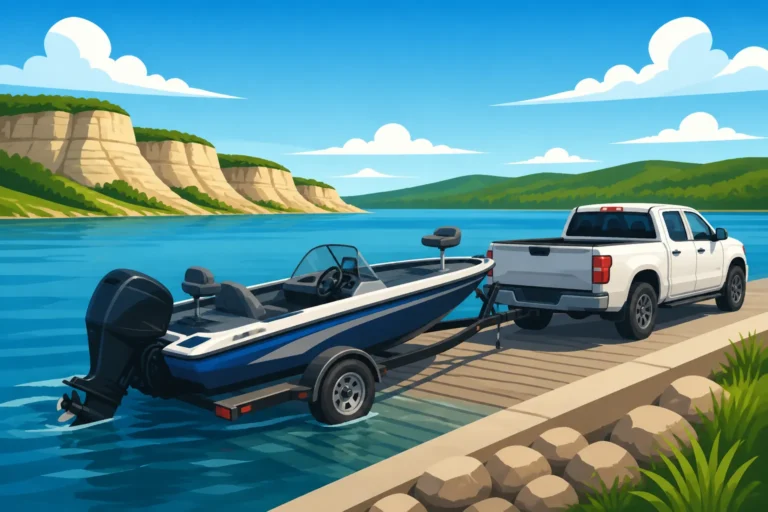
For boaters, Sherman Reservoir offers several well-maintained boat ramps. The most popular include those at the South Shore Recreation Area and the North Shore Recreation Area. These provide easy access and ample parking. Depending on water levels, some smaller, unimproved ramps might also be available. When choosing a boat, consider the size of Sherman and its potential for strong winds; a stable V-hull boat or a robust multi-species boat is often preferred for safety and comfort, especially if you plan to venture far from the ramps. Check out our guide on the best boats for Nebraska reservoir fishing for more detailed recommendations. Always be aware of the Nebraska Boat Registration and Fishing Rules and carry all required safety equipment, including personal flotation devices for everyone on board. The reservoir can get choppy, so safe boating practices are paramount. For shore anglers, both the South Shore and North Shore areas offer extensive bank access, including fishing jetties and riprap areas near the dam. These spots can be incredibly productive, especially during the spring spawn for walleye and crappie, or for catfish year-round. Kayak and canoe anglers will find the calmer coves and shallower western sections particularly appealing, offering a peaceful way to explore hard-to-reach areas. Remember, Sherman Reservoir Camping and Fishing Access provides specific details on facilities.
Electronics and Tackle Box Essentials
In today's angling world, fishing electronics have become indispensable, especially on a reservoir the size of Sherman. A good fish finder can save you countless hours of searching and put you directly on top of fish-holding structure or schooling bait. Coupled with a well-organized tackle box, you'll be ready for whatever Sherman throws your way.
For any serious boater on Sherman, a reliable fish finder with GPS capabilities is a must. Modern units with Down Imaging (DI) and Side Imaging (SI) technology can reveal submerged timber, rock piles, drop-offs, and schools of fish with incredible detail. The GPS allows you to mark productive waypoints and navigate safely. Even basic sonar can help you identify depth contours and baitfish schools. A good quality electric trolling motor is also invaluable for precise boat control, especially when jigging or following contour lines. Regarding your tackle box, versatility is key. For walleye, include a variety of jig heads (1/8 to 1/2 oz) in different colors (chartreuse, white, black), minnow-imitating plastics, crankbaits (both shallow and deep divers in natural and flashy patterns), and bottom bouncer setups with crawler harnesses. For wipers, pack spoons, heavy jigs, and fast-retrieve topwater or lipless crankbaits. Crappie anglers should have an assortment of small jigs (1/32 to 1/8 oz), tiny plastic grubs or tubes, and small minnows. Catfish essentials include various sizes of circle hooks, egg sinkers, swivels, and a selection of stink baits, cut baits, or chicken livers. Don't forget basic tools like pliers, line cutters, and a landing net, especially for larger fish. Staying organized will ensure you spend more time fishing and less time fumbling for gear.
Sherman Reservoir Fishing: Tips for a Successful Trip
A successful fishing trip to Sherman Reservoir isn't just about having the right gear or knowing the species; it's also about understanding the ever-changing environmental factors, staying updated on local regulations, and planning your overall visit. Arming yourself with these comprehensive tips will significantly increase your chances of a memorable and productive day on the water.
Understanding Water Levels and Weather Impacts
Environmental factors play a huge role in fish behavior and overall fishing success at Sherman Reservoir. Being aware of water levels, wind, and barometric pressure changes can give you a significant advantage, helping you predict where fish might be and how they might react. Never underestimate the power of nature to influence your day on the water.
Water Levels: Sherman Reservoir's water levels can fluctuate throughout the year, especially depending on rainfall and irrigation demands. High water can push fish into newly flooded cover along the shoreline, making some areas more accessible. Low water can concentrate fish in remaining deeper areas and expose more structure, potentially making them easier to locate but also more pressured. Always check current water levels before your trip, as extreme changes can affect boat ramp usability and fish patterns.
Wind: Wind is a constant factor on large, open reservoirs like Sherman. While strong winds can make boating challenging and uncomfortable, they can also be a walleye angler's best friend. A moderate chop can break up light penetration, allowing walleye to feed more aggressively in shallower water. Wind-blown points and shorelines often concentrate baitfish, drawing in predators. Conversely, calm, clear days can make fish more wary, requiring subtler presentations or targeting deeper water.
Barometric Pressure: Changes in barometric pressure, often associated with approaching or departing weather systems, can influence fish activity. A steady, high-pressure system typically means stable fishing, while a rapidly falling barometer often signals an approaching front, which can trigger a pre-front feeding frenzy. After a cold front passes and high pressure settles in, fishing can become tough as fish tend to be less active and hold tight to cover. Paying attention to weather forecasts, especially pressure trends, can help you decide when to hit the water for the best chance of success. Local fishing reports often integrate these factors, providing real-time insights for anglers. For guides and trip planning, FishingBooker often lists current conditions and what's biting.
Local Insights and Regulations
Fishing at any public water body requires adherence to specific rules, and Sherman Reservoir is no exception. Beyond state-wide regulations, local nuances and community insights can also dramatically improve your fishing experience. Knowing what's legal and what's effective from those who fish the lake regularly is invaluable.
The Nebraska Game and Parks Commission sets comprehensive regulations for all waters in the state, including Sherman Reservoir. These include specific bag and possession limits, length limits for certain species, and rules regarding bait and methods of take. For instance, the Nebraska Walleye Daily Bag Limit or the Nebraska Channel Catfish Daily Limit might have specific requirements for Sherman compared to other lakes. Always ensure you have a valid Nebraska Fishing License Guide before casting a line, and make sure to review the Nebraska Fishing Regulations Explained booklet, available online or at permit vendors, for the most up-to-date information. Regulations are subject to change, so an annual check is always a good idea. Beyond the official rules, local bait shops and fishing forums can provide invaluable "on-the-ground" insights. They often share information about what baits are working, where fish are being caught, and any current patterns. For example, local guides might tell you that early spring walleye are best caught on chartreuse jigs near the dam, or that summer crappie are holding over specific brush piles in a particular cove. These local nuggets of wisdom, often gleaned over years of experience, can significantly shorten your learning curve and make your trip more successful.
Planning Your Visit: Accommodations and Services
A successful fishing trip isn't just about the time on the water; it's also about comfortable accommodations, readily available supplies, and convenient services. Sherman Reservoir and its surrounding area offer a variety of options to make your stay enjoyable, whether you're looking for rustic camping or a cozy lodge.
For those who love to stay close to the action, the Nebraska Game and Parks Commission manages several excellent camping facilities around Sherman Reservoir. The South Shore Recreation Area and North Shore Recreation Area offer developed campsites with amenities like electrical hookups, showers, and modern restrooms, as well as primitive camping options. These sites provide direct access to the water and are perfect for multi-day fishing excursions. Nearby towns like Loup City and Mason City offer additional lodging options, including motels and cabins, as well as essential services like gas stations, grocery stores, and restaurants. These towns are also home to local bait and tackle shops, which are invaluable resources for current fishing reports, local insights, and any last-minute gear needs. These shops often have the freshest live bait and the specific lures that are currently working on Sherman. If you're coming from out of state or prefer a guided experience, considering a reputable guide service through platforms like FishingBooker can streamline your trip, providing not only expert knowledge of the lake but also all the necessary gear and a comfortable boat. This allows you to focus purely on the fishing.
Sherman Reservoir Fishing at a Glance
To give you a quick overview of the prime opportunities at Sherman Reservoir, here's a handy table summarizing the best seasons and target species.
| Species | Prime Season | Key Techniques | Best Baits/Lures | Typical Location |
|---|---|---|---|---|
| Walleye | Spring, Fall | Jigging, Trolling, Live Bait Rigs | Minnows, Crawler Harnesses, Crankbaits | Riprap, Rocky Points, Old River Channel, Deep Humps |
| Wipers | Summer, Fall | Casting Spoons/Jigs, Trolling, Live Bait | Spoons, Blade Baits, Fast-Retrieve Crankbaits | Open Water, Main Lake Points, Dam Area (where baitfish are schooling) |
| Crappie | Spring, Early Summer | Jigging, Slip Bobber, Vertical Presentation | Small Jigs, Minnows, Plastic Grubs | Submerged Brush, Standing Timber, Boat Docks, Old River Channel Edges |
| Channel Catfish | Summer, Fall | Bottom Rigging, Night Fishing | Stink Bait, Cut Bait, Chicken Livers, Nightcrawlers | Creek Mouths, Old River Channel, Submerged Timber, Shallow Flats at Night |
| Largemouth Bass | Spring, Summer | Casting Soft Plastics, Crankbaits, Topwater | Plastic Worms, Jigs, Spinnerbaits, Frog Lures | Shallow Cover, Weed Lines, Submerged Brush |
| Smallmouth Bass | Summer, Fall | Drop-shotting, Crankbaits, Tube Jigs | Small Crankbaits, Tubes, Jigs with Craw Imitations | Rocky Points, Dam Area, Main Lake Humps, Areas with Rocky Substrate |
Disclaimer
Fishing conditions and regulations are subject to change. Always consult the latest Nebraska Game and Parks Commission regulations before planning your fishing trip to Sherman Reservoir. This guide is for informational purposes only and does not guarantee fishing success.