Best Nebraska Rivers for Float Fishing Trips
Many Nebraska anglers feel stuck hitting the same old spots, paddling out onto crowded reservoirs, or battling for a prime bank fishing location. It's frustrating when you just want to get away, find some peace, and experience fishing the way it's meant to be – quiet, wild, and rewarding. If you’ve been dreaming of escaping the bustle and discovering untouched waters where the fish haven't seen every lure in the tackle shop, then float fishing Nebraska’s rivers is your answer. This comprehensive guide will steer you through the best rivers for float fishing trips and arm you with everything you need to know for an unforgettable adventure.
The Unmatched Appeal of Float Fishing Nebraska's Rivers
There’s a unique magic to float fishing a river. It’s not just about catching fish; it’s about the journey itself, the unfolding landscape, and the profound sense of solitude you can find, even in a state often characterized by its plains. This isn't just a different way to fish; it’s a different way to experience Nebraska’s wild side.
Discovering Solitude and Unpressured Waters
Let's be honest, standing shoulder-to-shoulder with other anglers on a popular lake shore, or jockeying for position at a busy boat ramp, isn't always the relaxing escape we crave. One of the biggest frustrations for many devoted anglers is the sheer pressure fish face in easily accessible areas. They become "educated," making them harder to trick, and the whole experience can feel less like an adventure and more like a competitive sport.
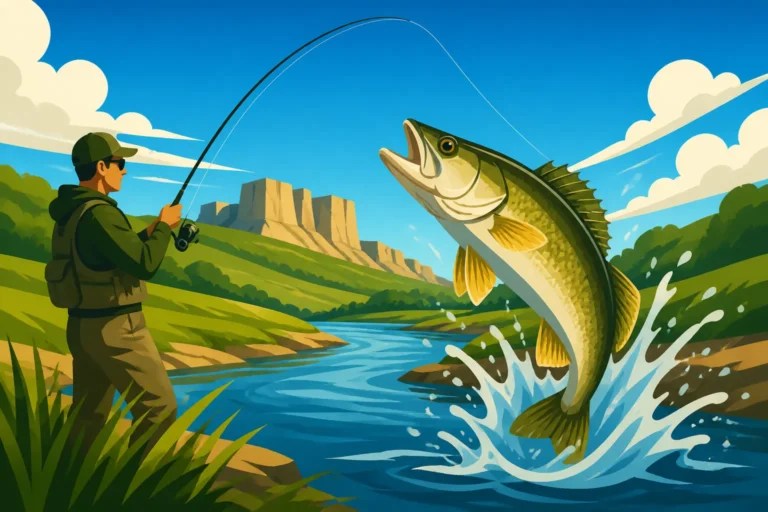
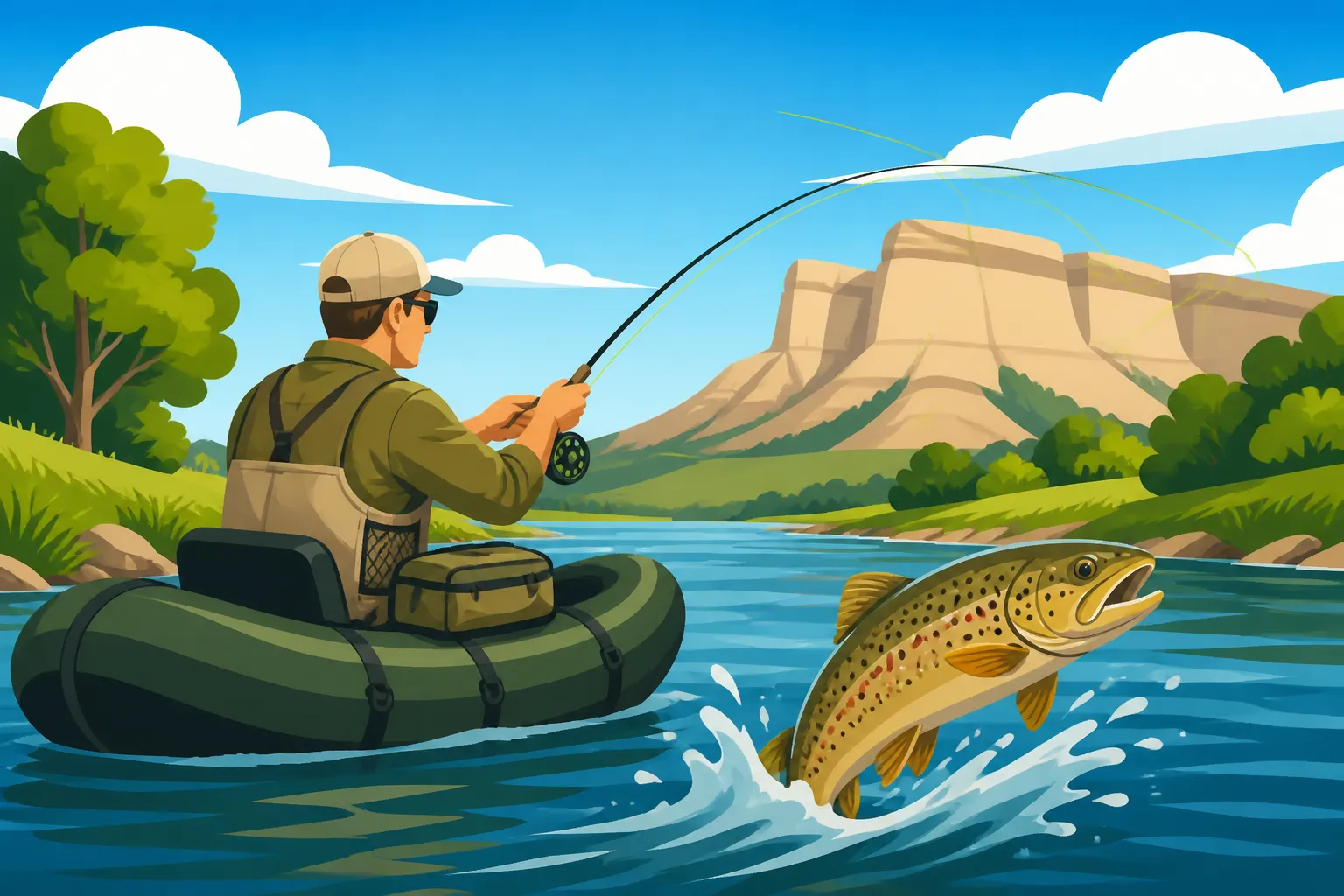
Float fishing rivers, however, offers a beautiful antidote to this. By getting into a kayak, canoe, or a small, shallow-draft boat, you can access stretches of water that are virtually impossible to reach on foot. This means you're often fishing for fish that are less wary, more eager to bite, and living in healthier, more natural environments. Imagine drifting silently around a bend, casting into a logjam that hasn't seen a lure in weeks, and feeling that satisfying thump of a strike – that's the kind of experience float fishing delivers. It's truly about getting away from it all, soaking in the natural beauty, and finding a tranquility that crowded spots simply can't offer.
Accessing Seemingly Impassable Fishing Hotspots
Many of Nebraska's rivers wind through a patchwork of public and private lands, often bordered by dense vegetation, steep banks, or just miles of inaccessible terrain. This can be a huge barrier for bank anglers, cutting them off from what could be prime fishing grounds. Float fishing literally opens up these "closed" doors. Instead of being limited to bridges or designated access points, your watercraft becomes your key to unlocking miles of pristine river habitat.
Think about it: those deep outside bends, the intricate logjams, the undercut banks, or the quiet backwater sloughs that you can only glimpse from a distance – these are precisely where big fish often hold. A float trip allows you to cast directly into these prime locations, systematically working your way through productive stretches. This expanded access often translates into better fishing, as these areas tend to harbor larger, healthier specimens that have had fewer encounters with hooks. It truly transforms what seems like a daunting, inaccessible river into your personal fishing playground. Always remember, though, while floating, the riverbed and water are typically public, but the banks can be private, so avoid trespassing or disturbing landowners. Familiarizing yourself with the nuances of Nebraska Fishing Regulations Explained regarding public and private access is always a smart move.
Premier Rivers for Your Nebraska Float Fishing Adventure
Nebraska might be known for its plains, but it's also crisscrossed by several fantastic rivers just begging to be explored by paddle and fishing rod. Each river offers its own unique character, challenges, and angling rewards.
The Platte River System: Diverse Opportunities
The Platte River is arguably Nebraska's most iconic waterway, and while it might seem wide and shallow in many places, it offers incredible float fishing potential, especially for catfish enthusiasts. Its unique braided channel system in central and western Nebraska creates a constantly changing landscape of shallow flats, deeper channels, sandbars, and log jams – all excellent fish habitat.
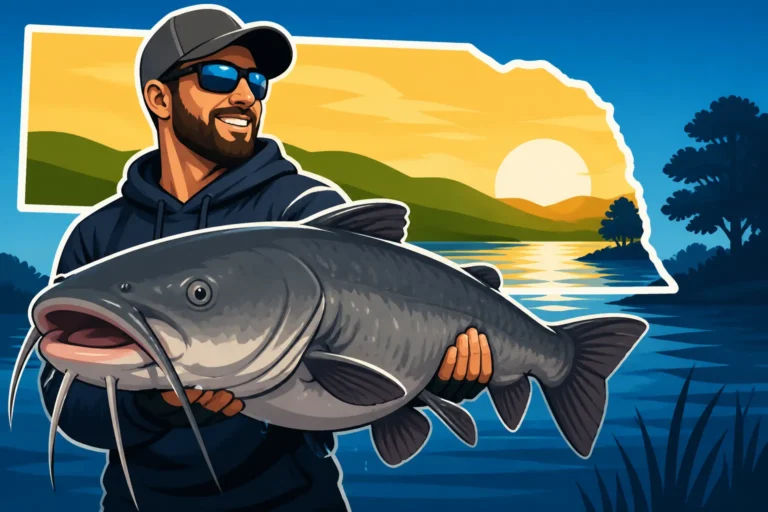
When you're out on the Platte, you're primarily targeting strong populations of channel catfish and flathead catfish. In clearer sections and tributaries, you might even stumble upon smallmouth bass. For channel cats, look for deeper runs, current breaks behind sandbars, and especially any form of woody debris. Flatheads prefer those same logjams but often in even deeper, slower-moving water. Sections of the Platte near towns like Kearney, Lexington, or North Platte offer good access points, but always scout your put-in and take-out ahead of time. You'll need a shallow-draft boat here, as some areas can be very skinny, even after decent rainfall. For more specific tactics, check out our guide on Platte River Catfish Fishing.
The Niobrara River: Wild Beauty and Diverse Species
The Niobrara River, designated a National Scenic River, is truly a jewel in Nebraska's crown. It’s known for its stunning natural beauty, clear water, and dramatic canyon lands, but it also offers some fantastic and diverse float fishing. Unlike the Platte, the Niobrara maintains a more consistent flow and is generally clearer, especially in its upper and middle reaches.
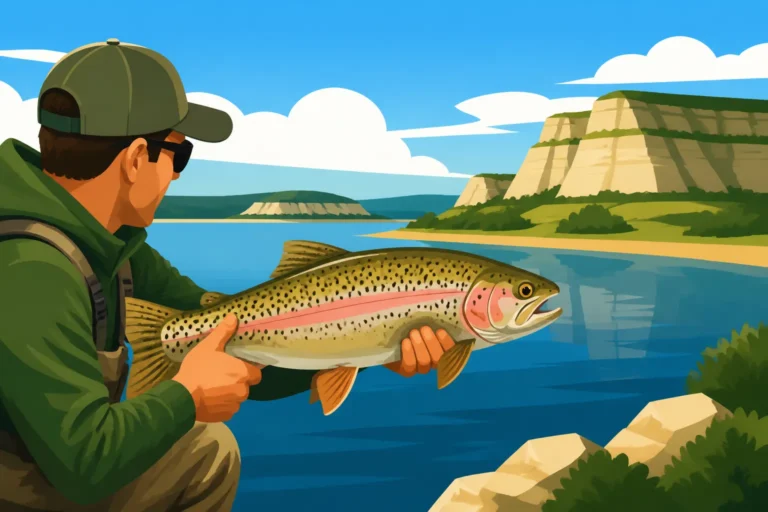
What makes the Niobrara so special for anglers is its incredible diversity. Depending on the section you float, you can target feisty smallmouth bass, hard-hitting northern pike, and even various trout species in its colder, spring-fed tributaries and upstream sections. The smallmouth bass fishing, in particular, can be phenomenal, with fish holding around rocky structure, fallen trees, and current seams. The river's character changes as you move downstream, from more serene floats to stretches with exciting rapids (nothing too extreme for a seasoned paddler, but enough to keep things interesting!). Many outfitters in the Valentine area offer shuttle services for paddlers, making the logistics much easier. If smallmouth is your target, our Niobrara River Smallmouth Bass Fishing guide has even more detailed tips. If you're unsure about navigating a new river, platforms like FishingBooker can help you connect with experienced local guides who know the Niobrara's best smallmouth spots like the back of their hand.
The Elkhorn River: Eastern Nebraska's Surprise
For anglers in eastern Nebraska, the Elkhorn River is often an overlooked gem that provides excellent float fishing opportunities much closer to home. Winding through the eastern half of the state, it's easily accessible from major population centers like Omaha and Lincoln, making it perfect for a day trip or a weekend escape. While it doesn't boast the dramatic scenery of the Niobrara, it more than makes up for it with its consistent fishing for warmwater species.
The Elkhorn is primarily a warmwater fishery, teeming with channel catfish, flathead catfish, carp, and freshwater drum. The river often has a slower, more deliberate flow in many sections, making for a relaxed float, which is great for beginners or those who prefer a less strenuous paddle. Look for deeper bends, scour holes around bridges, and especially any heavy cover like fallen trees or brush piles. These spots act as natural ambush points for catfish and offer perfect resting areas in the current. While the water is typically stained, focusing on structure and presenting scented baits or jigs can be highly effective. If you're an eastern Nebraska local looking for a productive float, the Elkhorn won't disappoint, especially for those seeking to fill a stringer with delicious catfish. Dive deeper into tactics with our Elkhorn River Channel Catfish Fishing guide.
The Loup River System: Braided Channels and Hidden Pockets
The Loup River system, comprising the North, Middle, and South Loup Rivers before they converge, is another fantastic option for float fishing in central Nebraska. Like the Platte, these rivers are characterized by dynamic, often braided channels, shifting sandbars, and a constantly evolving landscape. This makes for an exploratory and adventurous fishing trip where you're always discovering new potential hotspots.
The Loup system is a prime location for channel catfish, and you can also find good populations of largemouth bass in the quieter oxbows and backwater sloughs that form along its course. The moving water sections are excellent for drifting cut bait or stink bait for catfish, especially in the deeper runs and around any wood structure. The backwaters and sloughs, which can be reached by paddling through smaller connecting channels, often hold healthy bass that are less pressured than those in larger reservoirs. The challenge and reward of the Loup rivers come from their ever-changing nature; what was a deep hole last year might be a shallow sandbar this year. This keeps things fresh and exciting, requiring anglers to adapt and read the river constantly. It's a great system for those who love to explore and aren't afraid of a bit of an adventure.
Essential Planning and Safety for Your Float Trip
A successful float fishing trip isn't just about knowing where to go; it's also about meticulous planning and prioritizing safety. Rivers can be dynamic and unpredictable, so preparation is key.
Choosing the Right Watercraft
The type of craft you choose will significantly impact your experience. Each has its pros and cons, and the "best" option often depends on the river, the target species, and your personal preference.
- Kayaks: Increasingly popular for fishing, kayaks offer excellent maneuverability and are perfect for navigating tighter spaces or shallower sections. Fishing kayaks, in particular, are designed for stability, comfort, and often come with rod holders and storage. They're ideal for solo anglers or those wanting to cover a lot of water quietly. For inspiration, check out our Best Kayaks for Nebraska Fishing guide.
- Canoes: Canoes are traditional river craft, offering more carrying capacity for gear and multiple anglers. They can be stable and efficient for paddling longer distances, but might be less maneuverable in tight spots or strong currents than a kayak. They’re a great choice for a pair of anglers or a family trip. Don't forget to understand Nebraska Canoe Registration Requirements before you head out.
- Small Jon Boats: For broader, deeper rivers like parts of the Platte or Elkhorn, a small jon boat with a shallow-draft outboard or even just a trolling motor can be an option. They offer more stability and can carry more gear, but are less agile and can't navigate the really skinny water or tight turns that kayaks and canoes can.
For most Nebraska rivers suitable for float fishing, especially the Platte or Loup, a shallow-draft kayak or canoe will be your most versatile and practical choice.
Mastering the Logistics: Shuttles, Put-ins, and Take-outs
This is where many float fishing plans can go awry if not carefully considered. You can't just float downstream and expect to find a ride back!
- Shuttle Services: On popular rivers like the Niobrara, several commercial outfitters offer shuttle services. You drop your vehicle at the take-out, they transport you and your craft to the put-in, and you float back to your car. This is by far the easiest and most stress-free option.
- Self-Shuttling (Two Vehicles): The most common method for other rivers involves using two vehicles. You drop one vehicle at your planned take-out point, drive the second vehicle with your craft to the put-in, launch, and float to your first vehicle. Then, you use that vehicle to retrieve the second. This requires planning and coordination but is perfectly manageable for groups.
- Public Access Points: Always identify clear, legal put-in and take-out points. These are often at public bridges, state recreation areas, or designated river accesses. Check local maps or online resources from the Nebraska Game and Parks Commission (NGPC). Never assume a roadside stop is a legal access point, as it might be private property.
- River Conditions: Before any float, check current river levels and conditions. The NGPC website, USGS river gauges, and local bait shops are excellent resources. High water can mean fast currents and dangerous debris; low water can mean dragging your boat through endless shallows. Wind direction and speed are also critical considerations, especially on wider rivers.
Targeting Species and Rigging Up
Knowing what fish you're likely to encounter on your chosen river helps you rig up effectively.
- Catfish (Platte, Elkhorn, Loup): For channel and flathead catfish, you'll want medium-heavy to heavy action rods with robust reels spooled with 15-30 lb mono or braided line. Popular baits include cut bait (shad, sunfish), chicken liver, worms, or prepared stink baits. Fish them on the bottom using a slip sinker rig, focusing on deeper holes, logjams, and current seams. Learn more about How to Catch Catfish in Nebraska.
- Smallmouth Bass (Niobrara, some Platte tributaries): Light to medium action spinning or baitcasting rods with 8-12 lb fluorocarbon or monofilament line are ideal. Smallmouth love artificials like crankbaits, spinnerbaits, tube jigs, and soft plastic grubs. Focus your casts around rocky structure, submerged timber, and current breaks. Check out How to Catch Smallmouth Bass in Rivers for in-depth tips.
- Northern Pike (Niobrara): For pike, you'll need slightly heavier gear – medium-heavy rods, 15-20 lb braided line, and a wire leader to prevent bite-offs. Large inline spinners, spoons, and swimbaits are effective. Target weedy areas, submerged timber, and slower current areas.
- Trout (Niobrara Tributaries): If you venture into the colder, upper sections or tributaries, light action rods with 4-6 lb line are perfect. Small spinners, spoons, artificial worms, or even fly fishing setups are effective.
When you are planning your trip, consider using a service like FishingBooker to find a guide who can provide tailored advice on the best lures and techniques for specific river conditions, ensuring you make the most of your time on the water.
Gear, Regulations, and Responsible River Etiquette
Being well-equipped and respecting the environment are crucial for an enjoyable and sustainable float fishing experience.
Must-Have Gear for a Successful and Safe Float
Beyond your fishing rods and tackle, several items are non-negotiable for a safe and comfortable float trip:
- Personal Flotation Device (PFD): Absolutely essential. Always wear a properly fitted PFD. Even strong swimmers can get into trouble in unexpected currents or cold water. Review Nebraska Boat Safety Equipment Requirements for specifics.
- Sun Protection: Rivers offer little shade. Bring a wide-brimmed hat, polarized sunglasses, sunscreen (reapply often!), and consider long-sleeved UPF-rated clothing to protect against intense Nebraska sun.
- Water and Snacks: Staying hydrated is critical. Bring plenty of water and easy-to-eat snacks.
- First-Aid Kit: A basic kit for minor cuts, scrapes, insect bites, or blisters is a lifesaver.
- Dry Bags: Protect your phone, keys, wallet, and any other valuables from water. They are a worthwhile investment.
- Wading Boots: You'll likely need to get out of your craft to portage shallow sections or retrieve hung-up lures. Sturdy wading boots with good grip are invaluable.
- Anchor: A small grapple anchor can be very useful for holding position in a current to work a promising spot.
- Cooler: For keeping drinks cold and, hopefully, your catch fresh!
- Communication Device: A fully charged cell phone (in a dry bag!) or even a satellite messenger for remote areas is crucial for emergencies.
Navigating Nebraska's Fishing Regulations
Before you even think about casting a line, ensure you have a valid Nebraska Fishing License Guide. You can easily purchase your license online through the GoOutdoorsNE Online Permit System. It’s super convenient and ensures you’re legal before hitting the water.
Beyond the license, familiarize yourself with Nebraska Fishing Daily Bag and Possession Limits for the species you intend to target. These limits can vary by waterbody, so a quick check of the current regulations book (available online or at license vendors) is always recommended. There might also be specific length limits or special regulations for certain river sections, especially for species like trout or smallmouth bass, which sometimes have catch-and-release only zones or slot limits.
Finally, always practice responsible river etiquette and "Leave No Trace" principles. Pack out everything you pack in, and perhaps even a little extra trash you find along the way. Be mindful of landowners if you do need to stop on a bank – always ensure it's public land or you have explicit permission. Respect other river users, whether they are fellow anglers, paddlers, or wildlife watchers. The goal is to leave the river in better condition than you found it, preserving these incredible float fishing opportunities for years to come.
River Characteristics Comparison Table
To help you choose your next float fishing destination, here’s a quick overview of our top Nebraska rivers:
| River Name | Primary Fish Species | Typical Water Clarity | Best Craft | General Flow | Key Features / Notes |
|---|---|---|---|---|---|
| Platte River | Channel Catfish, Flathead, Bass | Murky to Stained | Kayak, Canoe | Moderate | Braided channels, sandbars, can be very shallow, great catfishing. |
| Niobrara River | Smallmouth Bass, Pike, Trout | Clear to Stained | Kayak, Canoe | Moderate to Fast | Scenic beauty, diverse species, some rapids, shuttle services. |
| Elkhorn River | Channel Catfish, Flathead, Carp | Stained | Kayak, Canoe | Slow to Moderate | Eastern NE access, logjams, deeper bends, consistent warmwater action. |
| Loup River System | Channel Catfish, Bass, Carp | Stained | Kayak, Canoe, Small Jon | Moderate | Dynamic, shifting sandbars, hidden oxbows, exploratory. |
Disclaimer
The information provided in this guide is for general informational purposes only and is not intended as legal advice regarding fishing regulations or safety. Fishing conditions, regulations, and access points can change frequently. Always consult the most current Nebraska Game and Parks Commission regulations, local authorities, and weather/river conditions before planning and embarking on any fishing trip. Safety should always be your top priority.