Swanson Reservoir Fishing
Figuring out where to cast your line in a vast, unfamiliar reservoir can feel like trying to find a needle in a haystack, especially when you're dreaming of a specific catch like a trophy walleye or a stringer full of crappie. You want to make the most of your precious fishing time, but without local knowledge, it’s easy to feel lost before you even get started. This comprehensive guide will equip you with all the insights and tips you need to confidently navigate and successfully fish the expansive waters of Swanson Reservoir, making your next trip a truly memorable one.
Understanding Swanson Reservoir: A Western Nebraska Gem
Swanson Reservoir, nestled in the scenic Republican River Valley of southwestern Nebraska, isn't just another body of water; it's a genuine treasure for anglers and outdoor enthusiasts alike. This substantial impoundment offers an incredible variety of fishing opportunities, but like any large lake, it has its own personality, nuances, and prime fishing spots that are worth exploring in depth.
A Brief History and Geography of the Lake
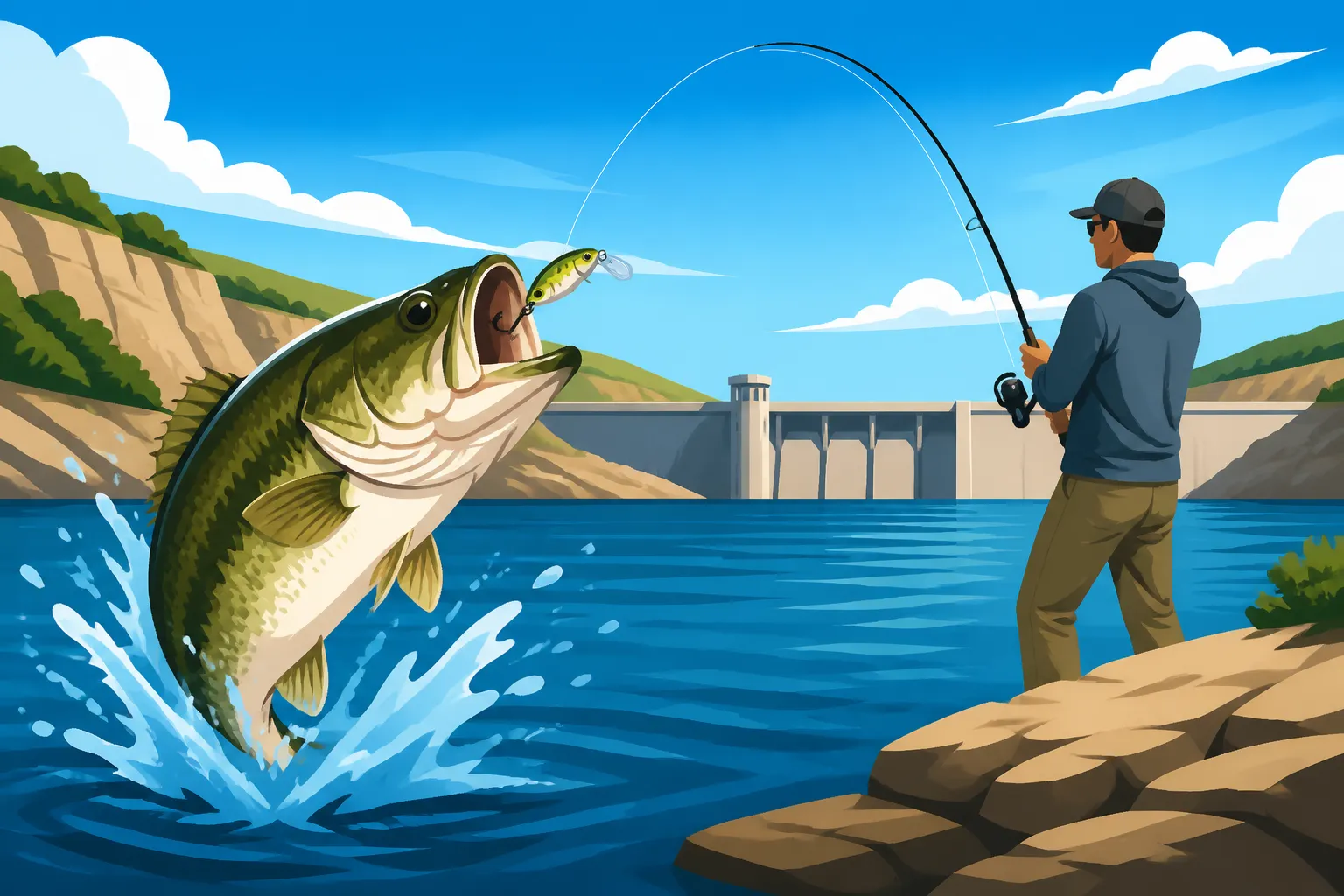
Swanson Reservoir was created in 1954 with the completion of Trenton Dam on the Republican River, primarily for flood control, irrigation, and essential public recreation. Located just a few miles west of Trenton, Nebraska, and a short drive from McCook, it quickly became a cornerstone of outdoor life in the region. The lake itself is quite impressive, boasting over 3,000 surface acres at conservation pool, with a maximum depth that can reach upwards of 40 feet in the old river channel near the dam. Its sprawling shoreline stretches for miles, featuring a mix of rocky banks, sandy beaches, gradual slopes, and abrupt drop-offs, all contributing to a diverse underwater habitat that fish absolutely love. The original riverbed winds its way through the reservoir, acting as a natural highway for fish, while numerous submerged creek channels, points, and humps provide excellent structure for various species.
The reservoir’s shape is somewhat irregular, with several prominent arms and bays extending off the main body, each offering unique fishing scenarios. The upper end of the reservoir, where the Republican River feeds in, tends to be shallower and can become quite turbid after heavy rains, offering different conditions than the clearer, deeper water closer to the dam. Anglers often find that exploring these distinct sections, from the riverine influence to the main lake basin, is key to understanding the lake's seasonal patterns and finding fish consistently.
What Makes Swanson Unique for Anglers?
What truly sets Swanson Reservoir apart from many other Nebraska fishing destinations is its incredible diversity of fish species and the potential for catching some real giants. While some lakes might specialize in one or two main species, Swanson offers excellent fishing for walleye, channel catfish, crappie, white bass, wipers, and even northern pike. This means you can often target multiple species in a single day, or switch your focus if one bite isn't quite hitting. This adaptability is a huge draw for many anglers who appreciate variety in their outings.
However, like any large, natural system, fishing Swanson comes with its own set of challenges. The reservoir is known for its susceptibility to wind, which can quickly whip up significant waves and make boat control difficult. Fluctuating water levels, common in irrigation reservoirs, can also impact fish patterns and access points, requiring anglers to be adaptable and check current conditions before heading out. Despite these hurdles, the rewards can be substantial, with the lake having a reputation for producing trophy-sized walleye and channel catfish that regularly exceed the state average. It's this combination of challenge and potential that keeps anglers coming back year after year, eager to test their skills against the lake's formidable inhabitants. Compared to the deeper, clearer waters of Merritt Reservoir or the expansive main lake basin of Harlan County Reservoir, Swanson often feels a bit wilder, a bit more rugged, offering a distinct fishing experience that's deeply rooted in the western Nebraska landscape.
Top Fish Species to Target at Swanson Reservoir
Swanson Reservoir is a multi-species angler's dream, offering a vibrant fishery that keeps rods bent throughout the year. While you might stumble upon a wide variety of fish, there are a few key species that truly define the fishing experience here and attract most anglers to its waters. Knowing what to target and when can significantly improve your chances of a successful day.
Walleye: The Golden Prize
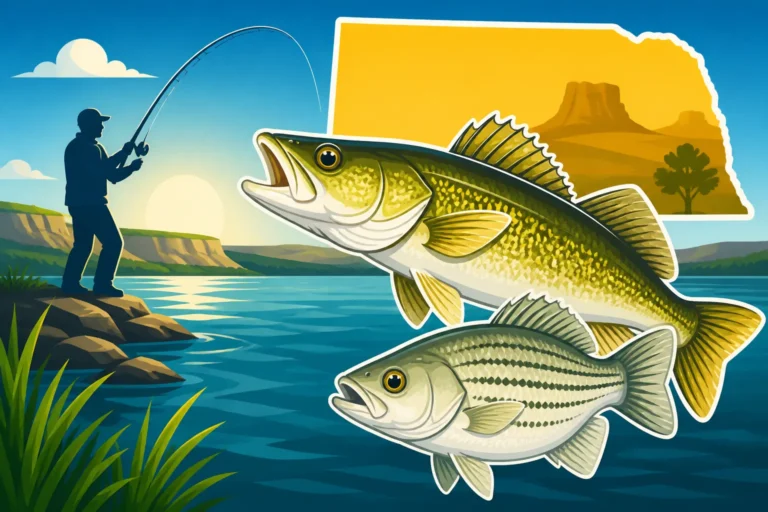
For many, walleye are the undisputed kings of Swanson Reservoir, and for good reason. The lake consistently produces impressive numbers of these delicious, elusive predators, with many anglers reporting catches in the 3 to 8-pound range, and true trophy fish pushing into double digits. Walleye thrive in Swanson's environment, utilizing the varied submerged structure, gravel points, and the old river channel to ambush baitfish. If you're looking for a serious challenge and a fantastic meal, walleye fishing here is tough to beat. For more general tactics, check out our guide on How to Fish for Walleye in Nebraska.
The best times to target walleye at Swanson usually align with their spawning and post-spawn periods in the spring, typically from late March through May. During this time, they move shallower, often congregating on rocky points, dam rip-rap, and gravel bars as water temperatures rise. As summer progresses, walleye tend to migrate to deeper water, often holding on main lake humps, submerged islands, and along the old river channel. Fall brings another strong bite as they aggressively feed to prepare for winter, often moving back to shallower structures during low-light conditions.
Successful walleye techniques at Swanson are varied, but a few stand out. Trolling with bottom bouncers and live bait rigs, particularly with crawler harnesses, is incredibly effective, especially when fish are scattered across flats or along subtle breaklines. You can learn more about this technique in our article, How to Use a Crawler Harness for Walleye. Jigging with lead head jigs tipped with minnows or plastics can be deadly on specific structures like humps and points. Additionally, casting or trolling deep-diving crankbaits, especially those that mimic baitfish like shad or perch, can elicit aggressive strikes from hungry walleye. Understanding the specific Nebraska Walleye Daily Bag Limit is also crucial for responsible harvesting.
Channel Catfish: Abundant and Feisty
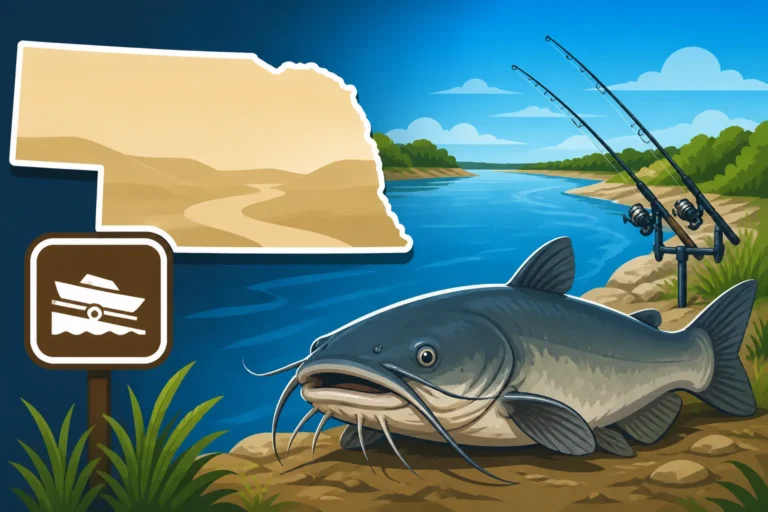
If you’re seeking a more consistent bite, especially during the warmer months, the channel catfish population at Swanson Reservoir is truly exceptional. These whiskered fighters are incredibly abundant and offer fantastic action for anglers of all skill levels, from seasoned veterans to families just looking for some fun. Swanson is known for its healthy population of eaters, typically ranging from 1 to 5 pounds, but it's not uncommon to tie into a larger "brute" pushing 10 pounds or more, especially if you venture out after dark. The accessibility for bank anglers makes catfish a prime target for many, as they can be caught without needing a boat. For a broader look at techniques, our Channel Catfish Fishing in Nebraska guide offers valuable insights.
Prime locations for channel catfish are often found in the shallower, muddier creek arms and bays, especially after a good rain washes nutrients and food into the lake. The areas around the dam face, public access points with rip-rap, and any submerged timber or brush piles also tend to hold good numbers of catfish. As the day progresses and temperatures rise, they’ll often retreat to slightly deeper holes, only to return to the shallows to feed aggressively during the evening and night hours. Night fishing for catfish at Swanson can be particularly productive and is a popular pastime.
When it comes to baits, channel catfish aren’t overly picky. Cut bait (like shad or carp), chicken liver, and various prepared "stink baits" are perennial favorites that consistently produce bites. Rigging these baits on a simple slip-sinker rig with a large circle hook, allowing the fish to take the bait without feeling immediate resistance, is often the most effective presentation. Make sure you're aware of the Nebraska Channel Catfish Daily Limit to stay within regulations.
Crappie & White Bass: Panfish & Action Fish
Beyond walleye and catfish, Swanson Reservoir offers fantastic opportunities for two other highly sought-after species: crappie and white bass. These fish provide fast-paced action and are excellent table fare, making them popular targets, especially during their peak seasons. Swanson hosts both black and white crappie, offering a good mix, while the white bass provide some of the most exciting fishing of the year during their annual runs. Our specific article on Crappie Fishing in Nebraska can delve deeper into catching these speckled beauties.
For crappie, the key is often finding submerged structure. Brush piles, standing timber in the lake's old tree lines, bridge pilings, and any other cover that offers protection and concentrates baitfish are prime spots. Crappie typically move into shallower waters for spawning in the spring, usually when water temperatures are in the 60s, making them easier to target from both boat and shore. As summer progresses, they’ll suspend over deeper structure. White bass, on the other hand, are often found schooling in open water, chasing baitfish. Their spring runs up the Republican River arm of the reservoir, as well as chasing schools of shad in the main lake basin, create frenzied feeding events that are incredibly fun to experience. You can find more targeted information in our White Bass Fishing in Nebraska guide.
Small jigs, often tipped with a minnow or small plastic grub, are the go-to for crappie, fished under a bobber or slowly retrieved around structure. For white bass, smaller Kastmasters, Rattle Traps, or inline spinners cast into schooling fish are incredibly effective. Trolling small crankbaits can also cover water and help locate schools of both crappie and white bass. Remember to consult the Nebraska Crappie Daily Limit before you go!
Essential Gear and Techniques for Swanson Success
A successful fishing trip to Swanson Reservoir isn't just about knowing where the fish are; it's also about having the right tools and techniques in your arsenal. The sheer size and diversity of the lake demand a versatile approach, and being prepared with appropriate gear can make all the difference between a frustrating day and a fantastic one.
Rods, Reels, and Line for Reservoir Fishing
When gearing up for Swanson, think versatility and power. You're dealing with potentially large fish in open water, and a flimsy setup just won't cut it. For targeting walleye and white bass, a medium-light to medium power spinning rod, typically 6'6" to 7' in length, paired with a 2500 or 3000 series spinning reel is a fantastic multi-purpose choice. This provides enough backbone for strong hooksets and fighting power, yet enough sensitivity for detecting subtle bites. For those who prefer baitcasting, a medium power baitcasting rod with a fast action, coupled with a good quality baitcaster reel, works wonderfully for crankbaits and jigs.
For the hard-fighting channel catfish, you’ll want to step up your game. A heavy action spinning rod (7' to 9') or a conventional "catfish" rod, paired with a robust 4000-6000 series spinning reel or a sturdy baitcasting/conventional reel, is ideal. These setups are designed to handle heavy weights, powerful runs, and potentially large fish. Line choice is crucial; for walleye, 8-12 lb monofilament or fluorocarbon, or 10-20 lb braided line with a fluorocarbon leader, provides excellent sensitivity and strength. For catfish, 20-30 lb monofilament or heavy braided line (30-65 lb) is a must, especially in snaggy areas. Braided line offers superior sensitivity and less stretch, which is invaluable when fishing in deeper water or heavy current. Our guide on Best Fishing Gear for Nebraska Anglers offers a more general overview, while Best Rods and Reels for Nebraska Fishing can help you dial in your choices. Regardless of the species, always ensure your reel's drag system is smooth and properly set – a screaming drag is a sign of a good fight and a well-prepared angler.
Lures, Baits, and Tackle Box Essentials
Your tackle box for Swanson should be as diverse as the fish population itself. For walleye, a selection of bottom bouncers in various weights (½ oz to 2 oz) is essential, especially when paired with brightly colored crawler harnesses or spinner rigs. A variety of jigging spoons and blade baits work well for vertical jigging over structure, while crankbaits like Rapala Shad Raps, Berkley Flicker Shads, or Bandit Walleye Deep are crucial for trolling in deeper water. Don't forget an assortment of jig heads (¼ oz to ¾ oz) and soft plastics, such as paddle tails or curly tail grubs, to tip your jigs.
When it comes to catfish, simplicity often reigns supreme. Large circle hooks (sizes 2/0 to 6/0) are a must for effective hooksets and protecting the fish if you plan to release them. Heavy sinkers (1 oz to 3 oz) are needed to hold your bait on the bottom, especially in windy conditions or areas with current. As for bait, fresh cut bait (shad or carp caught from the lake are excellent), chicken liver, and a variety of prepared "stink baits" are all highly effective. For crappie and white bass, stock up on small jig heads (1/32 oz to 1/8 oz), tiny plastic grubs or tubes, and small inline spinners or Kastmasters. Always have basic tackle box essentials like pliers, line clippers, extra weights, bobbers, and a tape measure on hand. Considering a visit to a local bait shop in McCook or Trenton can provide valuable insight into what's currently working best on the lake.
Boat vs. Shore Fishing: Access and Strategies
Swanson Reservoir is large enough that a boat certainly gives you an advantage, allowing you to cover vast amounts of water and access prime offshore structures, deep channels, and remote creek arms that shore anglers simply can't reach. A V-hull boat or a sturdy bass boat, equipped with a reliable trolling motor and a powerful outboard, is ideal for navigating the lake's sometimes choppy waters and for precise boat control when working structures. If you’re considering an upgrade, our guide to Best Boats for Nebraska Reservoir Fishing might offer some good ideas. For serious anglers, a fish finder with GPS and side imaging capabilities is almost a necessity for locating subtle humps, drop-offs, and schools of baitfish. You can dive deeper into this topic with our piece on Best Fish Finders for Nebraska Lakes. If you're looking for local guides to help you navigate, platforms like FishingBooker often list experienced captains who specialize in Swanson's unique characteristics, offering invaluable insights into current patterns and techniques.
However, don't despair if you're a shore angler! Swanson offers numerous public access points with excellent bank fishing opportunities, particularly for channel catfish, crappie, and white bass during their seasonal runs. The dam face, certain causeways, and designated fishing piers can be hotspots. While you might not be able to reach the deepest walleye haunts, you can still have incredibly productive days targeting fish that cruise the shallower banks. For shore fishing, long casting rods are beneficial to reach further out, and a sturdy rod holder can make your experience much more comfortable while waiting for a bite. Fishing early morning, late evening, or at night often yields the best results from shore, as fish move closer to the banks under the cover of darkness or low light.
Navigating Regulations and Best Practices
Fishing at Swanson Reservoir is a privilege, and like any great outdoor experience, it comes with a responsibility to understand and adhere to local regulations and best practices. These rules are in place not to hinder your fun, but to protect the fishery, ensure public safety, and preserve the natural beauty of the area for generations to come.
Licenses, Stamps, and Local Rules
First and foremost, anyone aged 16 or older needs a valid Nebraska fishing license to fish at Swanson Reservoir. This isn't just a formality; it's a legal requirement that directly supports conservation efforts across the state. Depending on what you're targeting or where you're fishing, you might also need additional stamps. For instance, the Aquatic Habitat Stamp is often required for anglers aged 16-64, contributing to vital projects that improve fish habitat. While trout stamps aren't typically a concern for Swanson, it's always good to be aware of all requirements. A full breakdown can be found in our comprehensive Nebraska Fishing License Guide, and a deeper look at the habitat stamp is available in Nebraska Aquatic Habitat Stamp Explained.
Beyond the basic license, it's absolutely crucial to familiarize yourself with the specific bag and length limits for each species at Swanson Reservoir. These regulations can vary by body of water and are subject to change annually. For example, walleye might have a specific slot limit or a daily bag limit that differs from other lakes in the state. The same goes for crappie and channel catfish, which also have their own specific limits, as detailed in our guides like Nebraska Walleye Daily Bag Limit, Nebraska Crappie Daily Limit, and Nebraska Channel Catfish Daily Limit. Always pick up the latest Nebraska Fishing Guide from the Nebraska Game and Parks Commission, available online or at license vendors, before you head out. These rules are designed to manage fish populations sustainably, ensuring that Swanson remains a productive fishery for everyone. Violating these regulations can lead to hefty fines and loss of fishing privileges, so always double-check!
Aquatic Invasive Species (AIS) Prevention
One of the most pressing threats to Nebraska's waters, including Swanson Reservoir, is the introduction and spread of Aquatic Invasive Species (AIS). Organisms like zebra mussels, quagga mussels, and rusty crayfish can wreak havoc on local ecosystems, outcompeting native species, altering water quality, and even damaging fishing gear and infrastructure. They can also significantly impact the fishing experience by changing fish habitat and food sources. The stakes are high, and preventing their spread is a collective responsibility for every angler and boater. The Nebraska Aquatic Invasive Species Stamp helps fund these crucial prevention efforts.
The best defense against AIS is the "Clean, Drain, Dry" protocol. Before leaving any body of water, including Swanson, you must:
- Clean: Inspect your boat, trailer, and all fishing gear. Remove any visible mud, plants, or animals. This includes checking livewells, bait buckets, and anchor lines.
- Drain: Completely drain all water from your boat (including the bilge, livewells, and motor), portable bait containers, and any other water-holding devices before leaving the boat ramp.
- Dry: Allow all equipment to thoroughly dry for at least five days before launching in another body of water. If drying isn't possible, wash your boat and gear with hot, high-pressure water (140°F) or a 10% bleach solution.
Swanson Reservoir and other Nebraska lakes often have inspection stations, especially during peak seasons. Be prepared to stop and cooperate with inspectors. They're there to help protect the lake you love to fish. Compliance with these prevention measures isn't just a suggestion; it's a critical step in preserving Swanson's valuable fishery.
Respecting the Environment and Other Anglers
Beyond the regulations, practicing good outdoor ethics is paramount. Swanson Reservoir is a shared resource, and treating it with respect ensures everyone can enjoy its beauty and fishing opportunities. This means adhering to "Leave No Trace" principles: pack out everything you pack in, including fishing line, bait containers, and any trash. Monofilament line, in particular, can be deadly to wildlife, so always dispose of it properly.
Respect for other anglers is also key. Whether you're in a boat or fishing from shore, be mindful of your noise levels, casting space, and general presence. Avoid crowding other anglers, especially when they're actively fishing a spot. At boat ramps, efficiency and courtesy are appreciated; prepare your boat before you get to the ramp, launch quickly, and clear the ramp so others can use it. Sharing information about current conditions or patterns can foster a great community, but always respect others' privacy if they prefer to keep their spots secret.
Finally, safety on the water cannot be overstated. Large reservoirs like Swanson can become dangerous quickly with sudden weather changes or high winds. Always check the forecast before heading out, wear your life jacket (especially when in a boat), and ensure you have all required safety equipment on board. If you're planning an extensive trip, consider booking a guide through a service like FishingBooker; they not only know the fishing but also the local conditions and safety protocols, making your trip smoother and safer.
Seasonal Fishing Strategies for Swanson Reservoir
Understanding the seasonal changes at Swanson Reservoir is like having a secret weapon in your tackle box. Fish behavior, locations, and preferred baits shift dramatically with water temperature and weather patterns. Tailoring your approach to the time of year can transform a slow day into a banner one.
Spring: Walleye Runs and Crappie Spawning
Spring at Swanson Reservoir is a time of awakening, bringing with it some of the most anticipated fishing opportunities of the year. As the ice recedes and water temperatures begin their slow climb from the 30s into the 50s and low 60s, fish become increasingly active, shaking off their winter lethargy and turning their attention towards spawning. This period, typically from late March through May, is prime for targeting several species. Our comprehensive guide on Spring Fishing in Nebraska offers a broader perspective on this exciting season.
Early spring sees walleye moving into shallower, hard-bottomed areas in preparation for their spawn. The rip-rap along the dam face, rocky points, and submerged gravel bars become key congregation zones. As water temperatures climb into the mid-40s to low 50s, focus on these areas with slow presentations. Jigging with minnows or plastics, or slowly trolling shallow-running crankbaits, can be incredibly effective. Just after the spawn, walleye remain relatively shallow as they recover and begin to feed aggressively. Crappie also become very active in the spring, moving into shallow, protected bays and creek arms with brush piles, submerged timber, or weed growth as water temperatures reach the 55-65°F range. This is often the easiest time to locate and catch crappie in large numbers, as they are concentrated and focused on their own spawning activities.
Technique-wise, for walleye, consider vertical jigging or casting jigs tipped with live minnows or paddle-tail plastics near structure. Slow trolling with planer boards and shallow-diving crankbaits or crawler harnesses can also be deadly when fish are scattered. For crappie, a slip bobber rig with a small jig tipped with a minnow or a tiny tube jig fished around cover is hard to beat. Pay close attention to water clarity and current; clear, calm conditions often call for more subtle presentations, while stained water might require brighter colors and more aggressive actions. Remember that spring weather in Nebraska can be unpredictable, with cold fronts capable of shutting down the bite, so being flexible with your plans is always a good idea.
Summer: Deep Water Walleye and Active Catfish
As Nebraska transitions into the heat of summer, typically from June through August, the fishing at Swanson Reservoir shifts considerably. The warmer water temperatures push many species, particularly walleye, into deeper, cooler haunts, while channel catfish truly hit their stride, offering fantastic action both day and night. For broader summer strategies, our article on Summer Fishing in Nebraska can provide additional context.
During mid-summer, walleye will generally relocate to the main lake basin, concentrating on deep humps, main lake points, and the edges of the old river channel where they can find cooler water and ample baitfish. This is a time for precision fishing and often requires boat electronics to locate these subtle structures and the fish holding to them. Trolling deep-diving crankbaits (often called "pulling cranks") or bottom bouncing with live nightcrawlers or leeches are highly effective methods for covering water and enticing strikes from these deeper-holding walleye. Early mornings and late evenings, or even after dark, are often the most productive times for walleye during the summer.
Channel catfish, on the other hand, absolutely thrive in the warm summer waters. They become incredibly active, feeding aggressively throughout the day and especially at night. You can find them in shallower bays, creek mouths, and any areas with submerged cover, but they'll also relate to deeper holes and the river channel. Summer is prime time for bank anglers targeting catfish, as they move closer to shore during low-light hours. Cut bait, chicken liver, and prepared stink baits fished on a simple bottom rig are classic and consistently effective. For those seeking a guided experience or trying new tactics, browsing options on FishingBooker can connect you with local experts who know the summer patterns inside out. Always remember sun protection and hydration when spending long hours on the water during the Nebraska summer!
Fall: Feeding Frenzies and Last Bites
Fall at Swanson Reservoir, typically from September through November, marks another fantastic period for fishing as cooling water temperatures trigger aggressive feeding behaviors across many species. Fish are instinctively fattening up for the lean winter months ahead, making them more willing to strike a variety of baits. You can read more about general tactics in our Fall Fishing in Nebraska guide.
Walleye fishing can be exceptional in the fall. As surface temperatures drop, these fish often become more active during daylight hours and can be found relating to main lake points, humps, and even shallower flats, especially on cloudy days. Trolling crankbaits, casting large jerkbaits, or aggressive jigging techniques can all be highly productive. Look for concentrations of baitfish, as the walleye won't be far behind. Crappie also experience a resurgence in activity, often schooling up in deeper brush piles, submerged timber, or even suspending over deep structure. Vertical jigging with small spoons or minnows can produce excellent catches. White bass can also provide thrilling action as they school up and chase baitfish in explosive feeding frenzies. Keep an eye out for birds diving into the water, a common indicator of a white bass feeding spree.
This season offers a unique blend of opportunities. The weather can be glorious, with crisp mornings and comfortable afternoons, making for pleasant days on the water. However, be prepared for cooler temperatures and potentially sudden cold fronts. Fish might be more active, but they can also become quite finicky immediately after a strong weather change. Adjusting your presentation speed and bait choices accordingly is crucial. This is also a wonderful time to enjoy the changing colors of the landscape around the reservoir, adding another layer of beauty to your fishing adventure.
Winter: Ice Fishing Opportunities (When Safe)
While many anglers pack away their gear as the temperatures plummet, a dedicated few eagerly await the hard water season at Swanson Reservoir. Winter fishing, specifically ice fishing, can be incredibly rewarding, offering a unique and peaceful way to pursue fish. However, safety is absolutely paramount, and ice conditions must always be checked thoroughly before venturing out. For more in-depth knowledge on this specific activity, consult our Winter Fishing in Nebraska guide.
When the ice is thick enough and safe – generally considered to be at least 4 inches of clear, solid ice for foot travel – anglers can find good success targeting crappie, walleye, and perch. Protected bays and shallower coves that freeze first and hold stable ice are often the best places to start. These areas tend to concentrate fish, offering a more manageable fishing environment than the vast, exposed main lake. Walleye might be found on offshore humps and points, requiring more adventurous excursions onto the ice, but the rewards can be substantial.
Specific ice fishing gear is a must. This includes an ice auger (manual or powered), an ice fishing shelter for warmth and comfort, a portable fish finder (flasher or sonar unit) to locate fish beneath the ice, and short, sensitive ice fishing rods paired with small reels. Small jigs tipped with minnows, waxworms, or plastic grubs are highly effective for crappie and perch. For walleye, slightly larger jigging spoons or blade baits, often tipped with a minnow head, can entice bites. Always carry essential safety gear, including ice picks, a rope, and a fully charged cell phone. Check local bait shops in McCook or Trenton for the latest ice conditions and fishing reports before planning your trip. Remember, no fish is worth risking your life over, so if in doubt, stay off the ice.
Here’s a quick overview of what you can expect when targeting different species at Swanson Reservoir:
| Species | Best Times to Target | Popular Baits/Lures | Key Locations/Tips |
|---|---|---|---|
| Walleye | Spring (post-spawn), Late Fall | Crawler harnesses, jigs (minnows/plastics), deep-diving crankbaits, blade baits | Rocky points, dam rip-rap, main lake humps, old river channel, troll breaklines |
| Channel Catfish | Summer (day & night), Late Spring, Early Fall | Cut bait (shad/carp), chicken liver, stink baits | Creek arms, muddy flats, dam area, submerged timber, night fishing from shore |
| Crappie | Spring (spawn), Early Summer, Fall, Winter (ice) | Small jigs (minnows/plastics), small spoons, slip bobber rigs | Brush piles, standing timber, protected bays, docks/piers (if present) |
| White Bass | Spring (runs), Summer (schooling), Fall (feeding frenzies) | Kastmasters, inline spinners, small crankbaits, soft plastic swimbaits | Main lake points, schooling baitfish, river arm during runs, look for bird activity |
| Wipers | Summer, Fall | Large crankbaits, swimbaits, Kastmasters, spoons | Main lake basin, near baitfish schools, around deep structure |
Disclaimer
The information provided in this guide about Swanson Reservoir fishing is intended for general informational purposes only. Fishing regulations, conditions, and fish behavior can change rapidly. Always consult the most current Nebraska Game and Parks Commission regulations booklet or website, check local weather and water conditions, and prioritize safety before heading out on any fishing trip. The author and publisher are not responsible for any incidents or outcomes resulting from the use of this information.